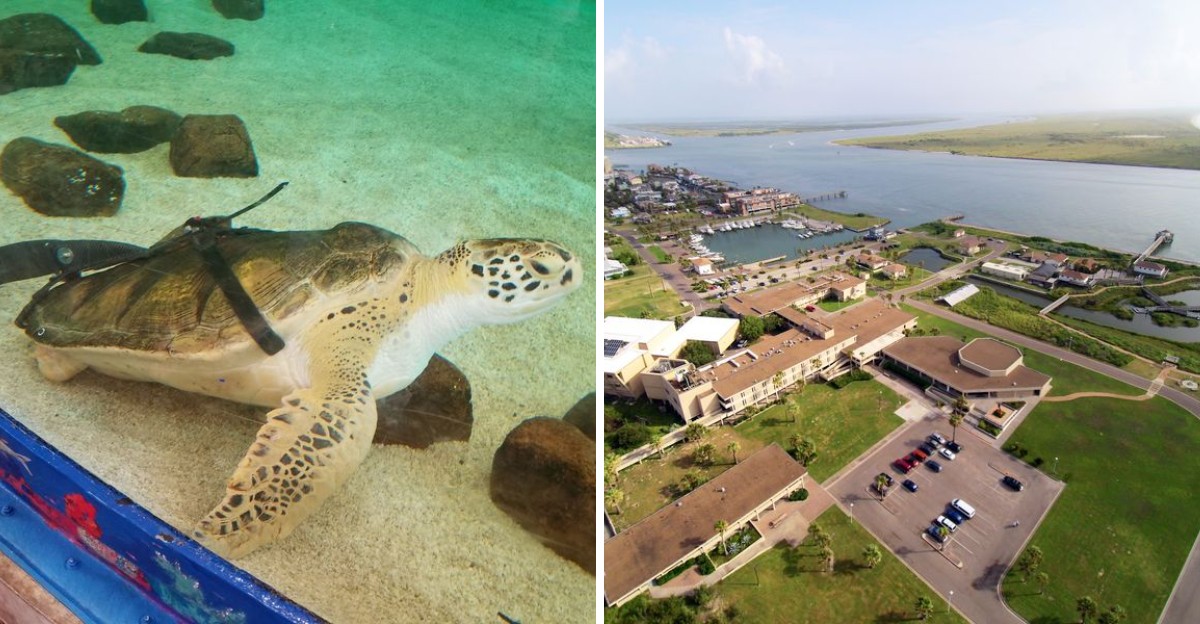
Want to do more than just admire Texas wildlife from a distance? These conservation programs let you get involved.
From bird banding stations to habitat restoration projects, there are opportunities across the state for anyone willing to lend a hand. Some programs are hands-on, like planting native grasses or monitoring nesting sites.
Others are more educational, offering workshops and guided experiences that teach you about the species that call Texas home. It is a chance to give back to the land, meet like-minded people, and learn something new in the process.
No prior experience required, just a willingness to show up and help. Whether you have a weekend or a whole season to give, there is a program that fits.
And who knows, you might just discover a new passion. Texas wildlife needs more friends.
Consider becoming one.
1. Hagerman National Wildlife Refuge
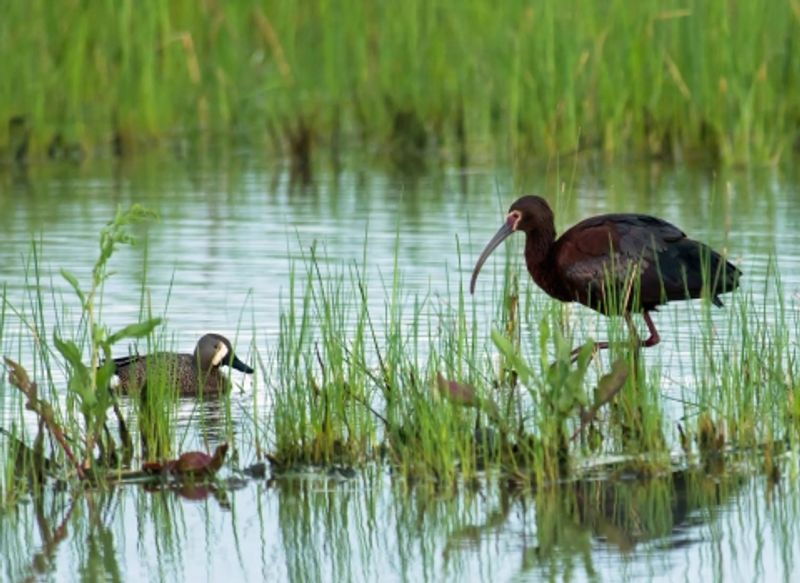
Few places in North Texas carry the kind of quiet electricity that settles over Hagerman National Wildlife Refuge during peak migration season. Thousands of geese move across the sky in shifting formations, and the air hums with the sound of wings.
Perched along the Big Mineral Arm of Lake Texoma near Sherman, this refuge has become one of the most beloved birding destinations in the region.
Conservation work here covers an impressive range of activities. Volunteers help with bluebird nestbox monitoring, weekly bird censuses, and butterfly counts throughout the year.
Agricultural crew members learn to operate tractors for field preparation, planting winter wheat that feeds the enormous flocks of geese that overwinter on the refuge.
Bat monitoring involves placing acoustic devices across the landscape to identify species by sound, a surprisingly addictive form of wildlife detective work.
Trail crew volunteers maintain pathways through varied habitats, and training is provided for anyone interested in operating refuge mowing equipment.
For those who prefer connecting with visitors rather than machinery, the Visitor Center greeter role is a natural fit, welcoming guests, handing out maps, and sparking conversations about local wildlife.
Butterfly garden docents lead tours through vibrant pollinator gardens, teaching visitors about the plants and insects that keep ecosystems running smoothly.
Educational programming at Hagerman is genuinely impressive in its scope.
The Texas Master Naturalist training program develops community ambassadors, while youth initiatives like the Refuge Rocks! program and Nature’Ology Day Camp bring younger generations face to face with the natural world.
Events like the Second Saturday Bird Walk and the annual Christmas Bird Count make conservation feel less like a duty and more like a community celebration. A Resident Workamper program even offers RV sites in exchange for part-time volunteer contributions.
Address: 6465 Refuge Rd, Sherman, TX 75092
2. South Llano River State Park
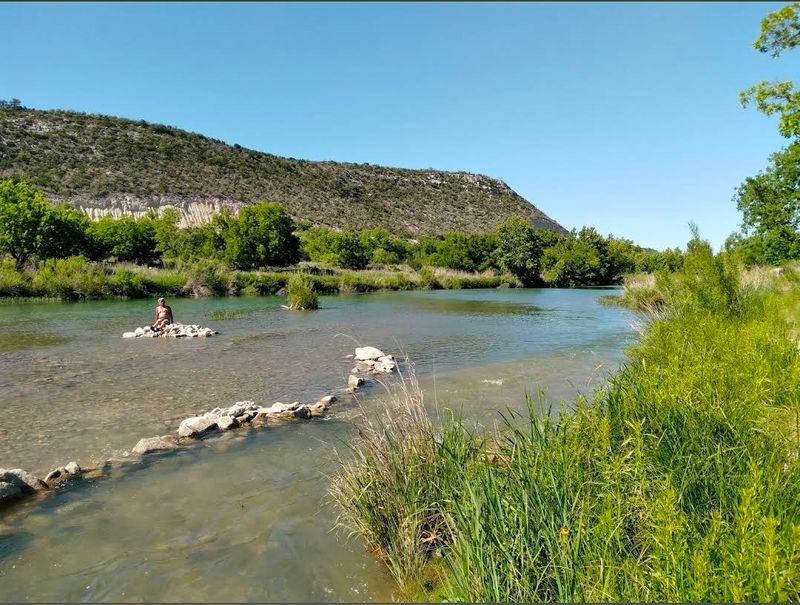
There is something genuinely restorative about the sound of the South Llano River moving over smooth limestone. The Hill Country air smells of cedar and damp earth, and the canopy overhead shifts with the wind in a way that makes time feel slower.
South Llano River State Park near Junction protects one of the most ecologically significant riparian corridors in central Texas, and the conservation work happening here reflects just how much effort it takes to keep a river healthy.
Invasive plant species are among the biggest threats to this habitat. Chinaberry trees and Mexican Needlegrass crowd out native vegetation that local fish, insects, and wildlife depend on for survival.
Volunteers arrive armed with hand tools and a sense of purpose, working along the riverbanks to remove these aggressive invaders and replace them with native plants that belong here.
Installing protective caging around young native trees is another hands-on task, giving saplings a fighting chance against browsing animals.
River cleanups are a regular feature of the volunteer calendar. Removing debris from the water protects aquatic life and restores the natural beauty that draws visitors from across the state.
After major flood events, the Friends of the South Llano River State Park, a dedicated non-profit, mobilizes volunteers quickly to address the damage and restore the riverbanks. Their energy and commitment are a big part of why this park continues to thrive.
Learning opportunities run year-round, touching on riparian ecology, invasive species management, and the history of the Hill Country landscape. The park loans out fishing gear and GPS devices, encouraging active exploration rather than passive observation.
Educational kiosks installed by volunteers add context to what visitors see along the trails, turning a walk by the river into something closer to a guided lesson in Texas ecology.
Address: 1927 Park Road 73, Junction, TX 76849
3. Caprock Canyons State Park
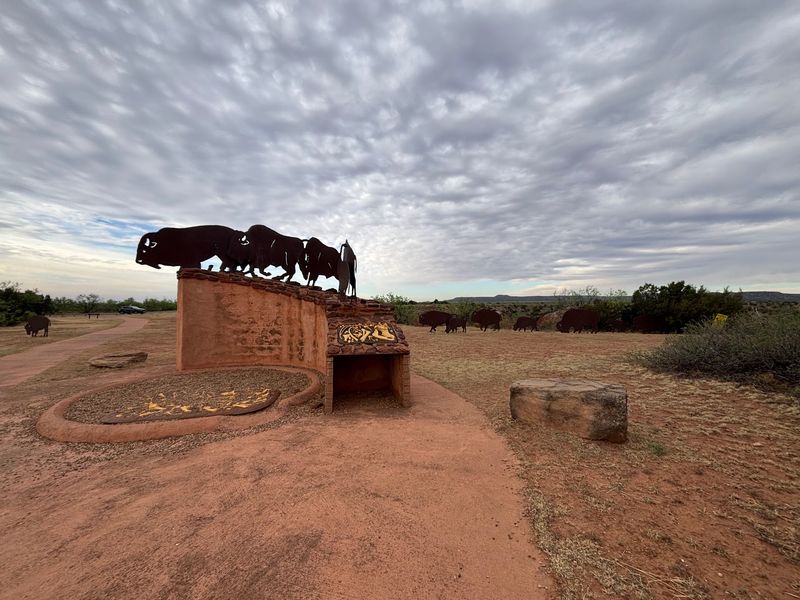
Caprock Canyons State Park holds something extraordinary within its rust-colored canyon walls: the Texas State Bison Herd, a living link to the Southern Plains as they existed long before European settlement.
These animals descend directly from the historic Goodnight Herd and represent one of the last genetically distinct groups of Southern Plains bison anywhere on the continent.
Watching them move across the canyon rim at dusk is one of those experiences that tends to stay with a person for a long time.
Bison are not simply impressive to look at; they are ecological engineers. Their grazing promotes plant diversity by reducing dead vegetation and encouraging new growth.
Wallowing creates small depressions that fill with water after rain, forming micro-wetlands that benefit dozens of other species. Their natural waste acts as fertilizer, quietly enriching the prairie soil season after season.
The herd roams freely across 10,000 to 12,000 acres within the park, managed through annual health checks, DNA testing, and pregnancy monitoring to ensure genetic integrity is preserved.
Vegetation studies, controlled grazing rotation, and prescribed fire are all part of the habitat management strategy here. The complexity of this work reflects just how seriously the park takes its role as a conservation stronghold.
Visitors who engage with park staff often come away with a much deeper appreciation for the science behind bison recovery and prairie restoration.
Educational signage throughout the park explains the keystone role bison play in maintaining grassland health, and visitor safety guidelines help ensure that humans and animals share the landscape respectfully.
The story of how these animals were pulled back from the edge of extinction, and what it takes to keep them thriving, is told clearly and compellingly at every turn.
This is not just a park; it is a testament to what sustained conservation can accomplish.
Address: 850 Caprock Canyon State Park Road, Quitaque, TX 79255
4. Amos Rehabilitation Keep (ARK)
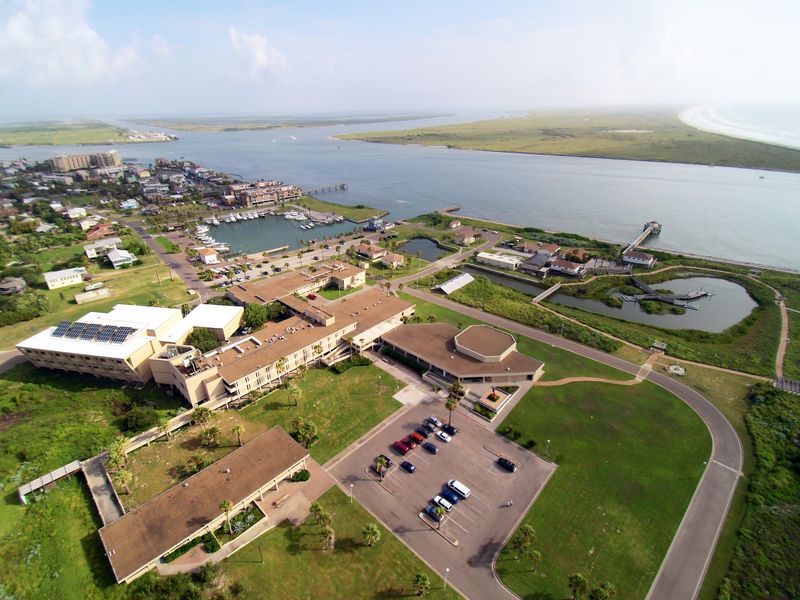
Along the windswept shores of Mustang and San Jose Islands, the Amos Rehabilitation Keep does the kind of work that most people never see but everyone benefits from.
Known simply as the ARK, this facility rescues and rehabilitates sick and injured marine birds and sea turtles with one clear goal: getting them back into the wild where they belong.
The scale of care here is remarkable, particularly during mass stranding events when dozens of animals may arrive in a short window of time.
Sea turtle nesting season runs from April through mid-July, and during those months the ARK operates at full intensity.
Staff and volunteers patrol Gulf beaches before sunrise, searching for turtle tracks and nesting females, documenting nest sites, and carefully transporting eggs to Padre Island National Seashore for safe incubation.
That extra layer of protection significantly increases the survival rate of hatchlings. It is painstaking, early-morning work, and the people who do it are genuinely passionate about it.
Volunteer roles through the Rescue and Release program involve transporting injured birds and turtles to the facility and later assisting with their release back into coastal waters. Inside the ARK, daily tasks include cleaning tanks, preparing food, and monitoring the weight of recovering animals.
Volunteers must be at least 18 years old given the physical and technical demands of the work. The Friends of the ARK supports the mission through fundraising and public education events, offering additional ways to get involved beyond direct animal care.
Because the facility itself is not open to general visitors, educational outreach happens largely through programs connected to the University of Texas Marine Science Institute.
Nature tours at the Wetlands Education Center and marine science exhibits give the broader public a window into coastal conservation.
Each program reinforces the same core message: the health of the ocean and its creatures depends on informed, active human participation.
Address: 750 Channel View Dr, Port Aransas, TX 78373
5. South Plains Wildlife Rehabilitation Center
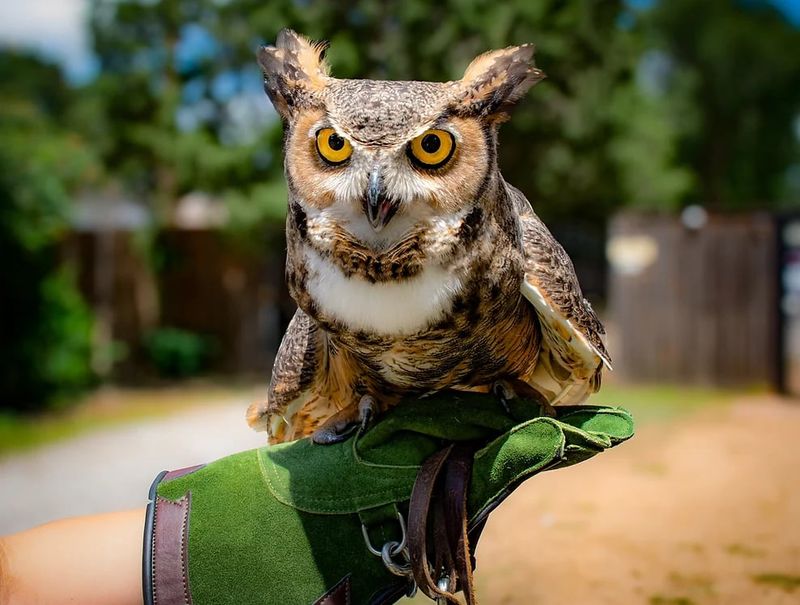
Since 1988, the South Plains Wildlife Rehabilitation Center in Lubbock has been quietly doing the hard, unglamorous work of saving native Texas wildlife.
Songbirds, birds of prey, small mammals, reptiles, and migratory species have all passed through its doors, each one receiving care aimed at returning it to the wild.
The center operates under licenses from Texas Parks and Wildlife, the U.S. Fish and Wildlife Service, and the USDA, which speaks to the professional standards it holds itself to every single day.
Volunteer work here is not for the faint of heart. Tasks are physical, repetitive, and sometimes messy, involving animal feeding, enclosure cleaning, and facility maintenance.
Advanced responsibilities are earned over time, going to volunteers who consistently demonstrate reliability, attention to detail, and genuine commitment to the animals in care.
The center has been transparent about the challenges of volunteer retention, and as a result, it has periodically paused the intake of new volunteers to ensure the program remains effective and sustainable.
A youth volunteer program launched in 2003 introduced younger community members to native wildlife, weaving together hands-on experience and conservation education in a way that left a lasting impression on participants. That same spirit carries through the center’s broader educational mission.
Animals that cannot be safely released due to permanent injuries become resident ambassadors, living at the facility and helping to teach the public about the species they represent.
Open House events held twice a year, typically on the first Saturday of May and December, give the community a rare behind-the-scenes look at the center’s operations. Visitors get to meet ambassador animals and hear directly from the people who care for them.
For anyone curious about wildlife rehabilitation or looking for inspiration to take conservation more seriously, those open house days are genuinely worth the trip.
Address: 3308 95th St, Lubbock, TX 79423
6. Sea Turtle Conservation Educational Building, South Padre Island
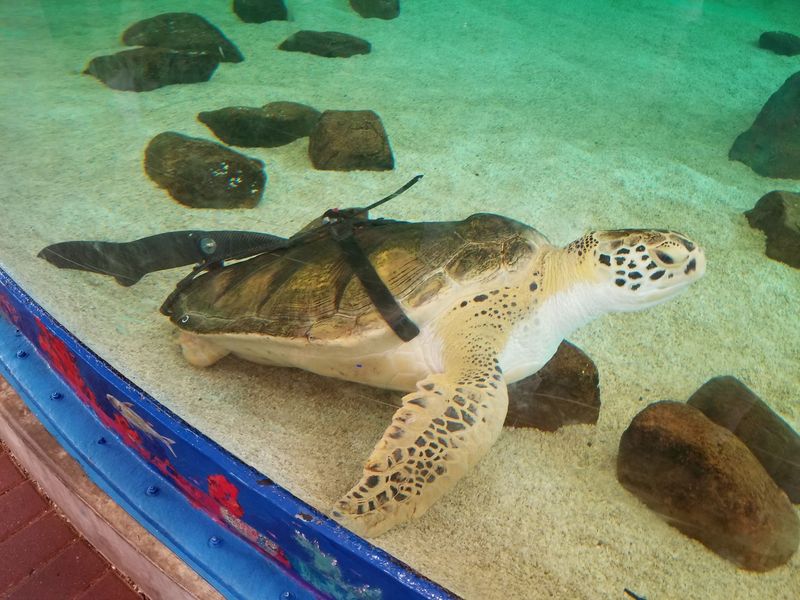
Sea Turtle Inc. on South Padre Island has been fighting for the survival of marine turtles since 1977, and its track record speaks for itself.
With a 90% release rate for rehabilitated animals, it operates the world’s largest enclosed sea turtle hospital and has earned recognition as a global leader in sea turtle conservation.
The Kemp’s Ridley, one of the most endangered sea turtles on the planet, is at the center of much of this work.
Volunteer opportunities here are structured, meaningful, and open to anyone aged 15 and older willing to commit to the program.
Sunrise beach patrols are among the most memorable assignments, requiring early wake-up calls and sharp eyes to spot turtle tracks in the sand before the heat of the day sets in.
Volunteers also work at the Crustacean Station preparing food for recovering turtles, serve as Information Specialists educating visiting families, or assist the maintenance team in keeping the facility running smoothly.
Those who accumulate more than 100 hours of service gain access to direct care roles, including feeding and water quality testing.
The most experienced volunteers can reach Ambassador status, earning the opportunity to assist with hands-on rehabilitation and safely handle turtles during treatment. That kind of progression makes the program feel genuinely rewarding rather than transactional.
The Dallas Zoo partners with Sea Turtle Inc. for family-oriented service trips that combine beach cleaning, habitat restoration, and immersive learning for children as young as seven.
Educational exhibits across the facility cover rehabilitation, resident species, and the broader ecology of the Gulf of Mexico. Turtle Talks and scheduled presentations, often held in an outdoor amphitheater, bring the science of sea turtle biology to life in an accessible and engaging format.
Watching a feeding session up close, with staff narrating the process, makes it easy to understand why this place inspires such fierce loyalty from everyone who spends time here.
Address: 6801 Padre Blvd, South Padre Island, TX 78597
7. Big Country Wildlife Rehabilitation Center
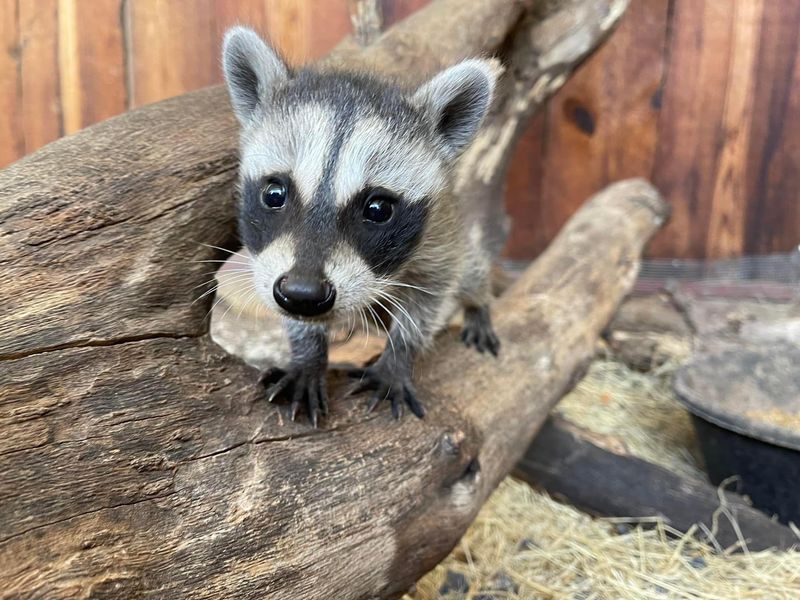
Founded in 2021 by Jennifer Coleman, the Big Country Wildlife Rehabilitation Center stepped in to fill a genuine gap in the region north of Abilene.
Before it opened, the Big Country had no licensed facility equipped to handle the volume and variety of injured and orphaned native wildlife that residents regularly encountered.
The center’s founding philosophy is straightforward and practical: whenever possible, reunite young animals with their mothers before bringing them into care, because no rehabilitation facility can replicate what a mother provides.
Daily volunteer work at the center covers feeding schedules, cage cleaning, and enclosure maintenance. Adult volunteers must be at least 18, while junior volunteers as young as 13 are welcome with parental approval.
Anyone hoping to work with rabies vector species, including foxes, skunks, raccoons, and bats, must obtain pre-exposure rabies vaccinations and maintain current titers. That requirement underscores the center’s commitment to both animal welfare and volunteer safety.
Busy seasons bring a surge of animals through the door, making new volunteers especially valuable during those peak periods.
Community education is woven into everything the center does. The Keep Wildlife Wild camp is a full-day event for school-aged children packed with hands-on activities, games, and opportunities to meet game wardens and interact with ambassador animals.
Kids leave with a clearer understanding of why wild animals should stay wild and how human behavior affects the creatures sharing their neighborhoods. It is the kind of program that plants seeds for a lifetime of conservation-minded thinking.
The Wildlife in Education outreach program extends that reach even further, sending staff and animal ambassadors into classrooms across the region. Students who might never visit a wildlife center get to encounter native species up close and learn about their ecological roles in a familiar setting.
For a relatively young organization, the Big Country Wildlife Rehabilitation Center has already made a meaningful mark on its community.
Address: 217 Alex Way, Abilene, TX 79602
