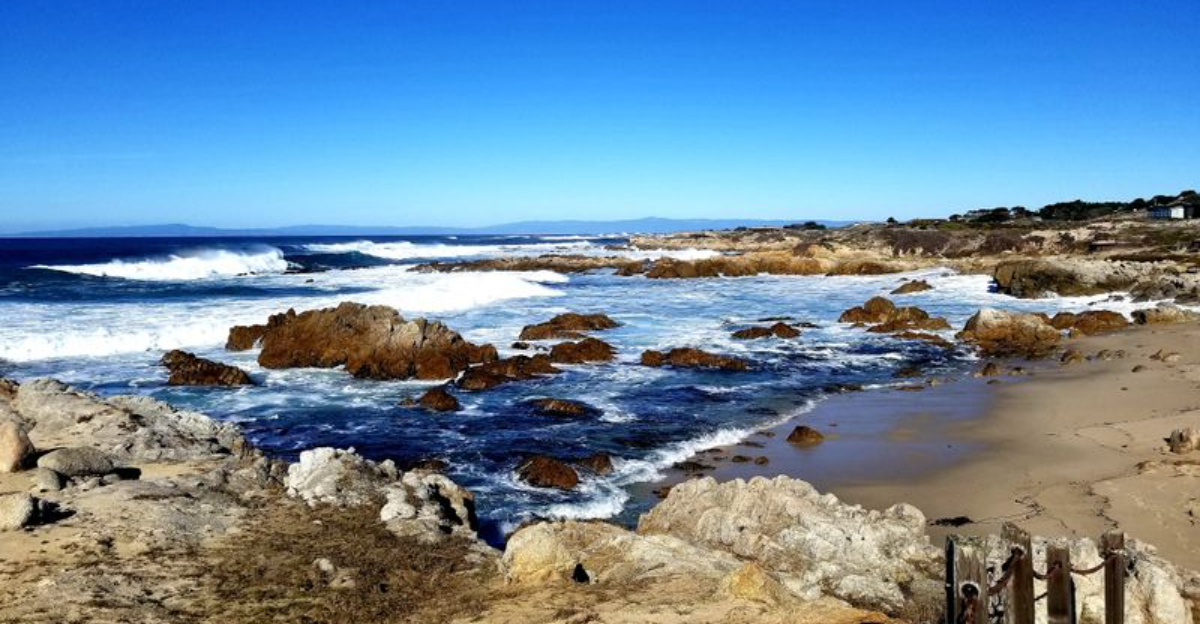
California beach towns transform every summer when tourists flood the sandy shores.
Locals who call these coastal communities home year-round face challenges that test their patience during peak season.
From parking nightmares to overcrowded restaurants, the influx of visitors creates friction between residents and vacationers.
Understanding these frustrations helps everyone appreciate the delicate balance beach towns must maintain.
While tourism brings economic benefits, it also disrupts daily life for those who live there permanently.
Traffic jams replace quiet morning commutes, favorite hangouts become impossible to access, and simple errands turn into all-day adventures.
Beach town residents develop coping strategies, but the summer months always bring stress.
Some locals even leave town during peak tourist season to escape the chaos.
Others grit their teeth and push through, counting down the days until September arrives.
The relationship between locals and tourists remains complicated, filled with both appreciation and annoyance.
These eight frustrations capture what residents experience when their peaceful communities become vacation destinations.
Recognizing these issues might make visitors more considerate during their California beach getaways.
1. Parking Becomes an Impossible Mission
Residents who once parked easily near their homes suddenly find themselves circling blocks for hours.
Tourists arrive early and claim every available spot, leaving locals stranded far from their own residences.
Street parking disappears by 9 AM on weekends, forcing residents to park miles away and walk home carrying groceries.
Paid parking lots charge outrageous fees that locals refuse to pay in their own neighborhoods.
Visitors occupy residential permit zones illegally, gambling that parking enforcement won’t catch them.
When locals need to run quick errands, they avoid moving their cars because finding another spot becomes nearly impossible.
Some residents resort to parking in neighboring towns and taking rideshares home.
Others wake at dawn to secure spots before the tourist invasion begins.
Parking disputes between neighbors increase as everyone competes for limited spaces near their homes.
Beach access for locals becomes restricted when parking fills completely.
Families who live blocks from the ocean can’t enjoy their own beaches because they have nowhere to park.
Workers struggle to reach their jobs in coastal businesses, arriving late because parking took an extra hour.
The parking situation creates genuine hardship beyond mere inconvenience.
Medical appointments get missed, children arrive late to activities, and daily routines crumble.
Locals watch tourists leisurely unload beach gear while residents desperately hunt for any available spot to simply exist in their own community.
2. Traffic Turns Every Drive Into a Nightmare
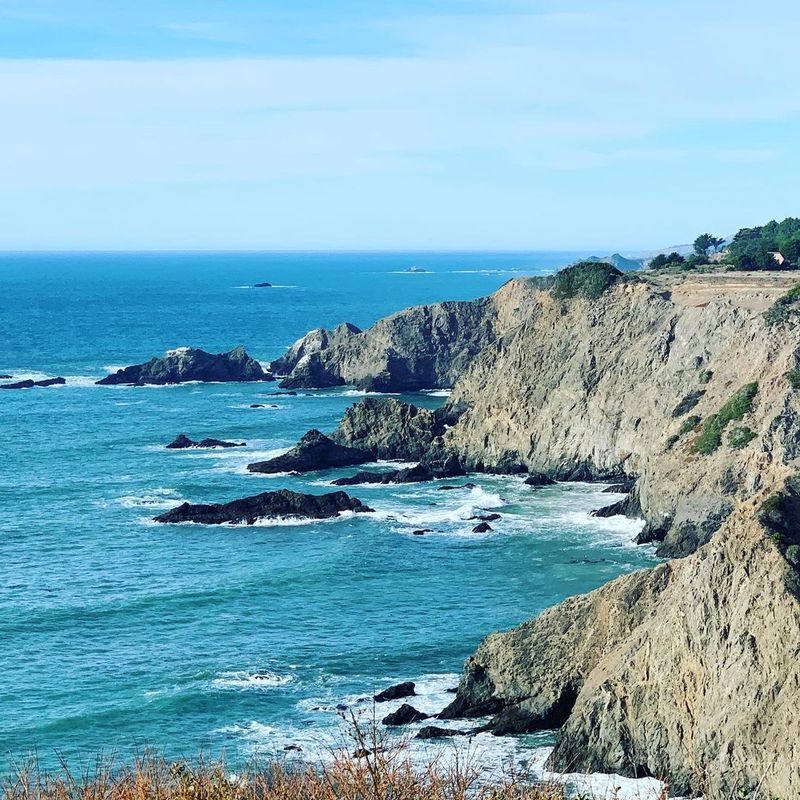
A five-minute drive to the grocery store suddenly requires forty-five minutes during tourist season.
Highway 1 and Pacific Coast Highway become parking lots rather than functioning roads.
Visitors unfamiliar with the area drive slowly, stop randomly for photos, and make illegal U-turns without warning.
Locals know every shortcut and back road, but tourists clog those routes too after checking navigation apps.
Emergency vehicles struggle to reach destinations when traffic gridlocks completely.
Residents miss work, appointments, and important events because they underestimated how bad traffic would be that particular day.
Tourists treat scenic coastal roads like sightseeing tours rather than transportation routes.
They brake suddenly to look at ocean views, blocking entire lanes while taking selfies.
Rental cars with out-of-state plates weave unpredictably as drivers simultaneously navigate and gawk at scenery.
Beach town residents learn to schedule their lives around traffic patterns.
They avoid driving during peak hours, even if that means waking before sunrise or running errands after dark.
Simple tasks like dropping kids at school or picking up prescriptions become major logistical challenges.
The constant traffic affects mental health and quality of life significantly.
Locals feel trapped in their own homes, prisoners of geography during summer months.
Road rage incidents increase as frustrated residents encounter yet another beachgoer blocking an intersection to take photographs of pelicans.
3. Favorite Restaurants Require Hours of Waiting

That neighborhood cafe where locals grabbed quick breakfast suddenly has two-hour waits.
Tourists discover hidden gems through social media and Instagram, transforming quiet local spots into overcrowded hotspots.
Restaurants that once welcomed regulars now prioritize tourists who spend more money and order multiple courses.
Locals can’t make reservations at their favorite establishments because tourists book weeks in advance.
Walk-in dining becomes impossible when every table stays occupied from opening until closing.
Residents who supported these businesses year-round get pushed aside for vacationers who visit once.
Wait times quoted at thirty minutes stretch to ninety without explanation or apology.
Families with young children can’t endure the waits, so they stop visiting places they previously loved.
Some locals resort to ordering takeout, but even that involves hour-long waits during peak dinner rushes.
Restaurant staff, often locals themselves, become overwhelmed and stressed by the constant crowds.
Service quality drops when kitchens can’t keep pace with demand.
Menu items run out early, disappointing both tourists and residents who came specifically for certain dishes.
The social aspect of dining disappears when restaurants operate like assembly lines.
Locals lose their community gathering places to tourist traffic.
Birthday celebrations and date nights require planning weeks ahead, removing spontaneity from daily life.
Residents end up cooking at home more often, losing connections with restaurant owners and staff they’ve known for years.
4. Beaches Become Overcrowded and Trashed
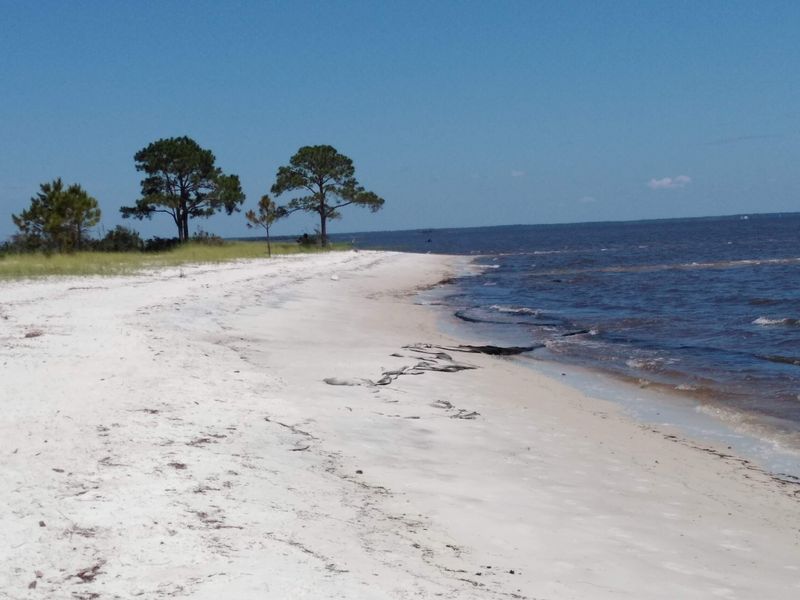
Picture your peaceful morning beach walk replaced by navigating through forests of umbrellas and dodging flying footballs.
Locals cherish their beaches as sacred spaces, but tourist season transforms them into chaotic amusement parks.
Finding a quiet spot to sit becomes impossible when every square foot of sand hosts a different family.
Trash accumulates faster than cleanup crews can manage.
Cigarette butts, plastic bottles, food wrappers, and abandoned beach toys litter the shoreline.
Tourists treat public beaches like personal garbage dumps, leaving behind everything from dirty diapers to broken beach chairs.
Locals who once enjoyed sunrise yoga or evening walks now avoid beaches entirely during summer.
The noise levels become unbearable with competing music from different groups, screaming children, and loud conversations.
Wildlife that locals appreciate gets disturbed by careless visitors who chase birds or harass sea lions for photographs.
Beach access points become bottlenecks with long lines forming at stairways and pathways.
Residents carrying surfboards can’t navigate through the crowds to reach the water.
Tourists unfamiliar with ocean safety create dangerous situations, requiring constant lifeguard interventions that stretch resources thin.
The environmental impact concerns locals who witness ecosystem damage firsthand.
Trampled dunes, disturbed nesting areas, and pollution affect beach health long after tourists leave.
Residents who volunteer for beach cleanups feel demoralized when the same areas get trashed again the next day, creating an endless cycle of destruction and repair.
5. Housing Costs Skyrocket Due to Vacation Rentals
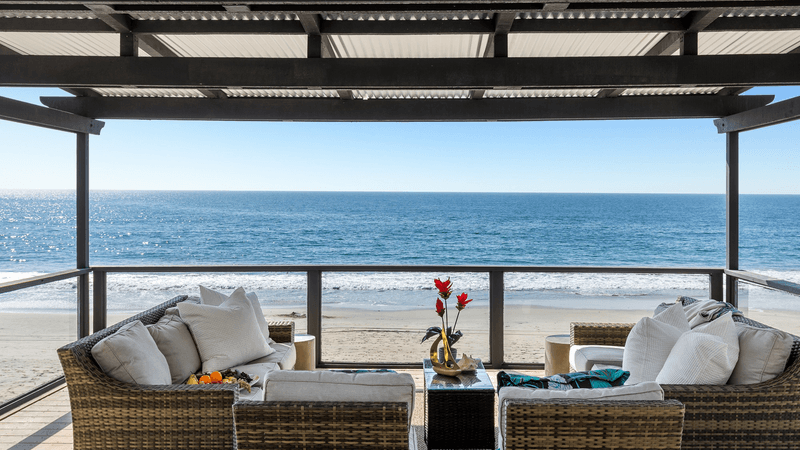
Long-term residents get priced out of communities their families inhabited for generations.
Property owners convert affordable rental units into lucrative vacation rentals, eliminating housing options for locals.
Teachers, firefighters, restaurant workers, and other essential community members can’t afford to live where they work.
Neighborhoods lose their residential character when houses become revolving doors for weekly tourists.
The sense of community disappears when neighbors change every few days.
Noise complaints increase as vacationers party without regard for permanent residents trying to sleep before early work shifts.
Locals who rent face constant uncertainty as landlords consider converting to short-term vacation rentals.
Families receive eviction notices so property owners can earn triple the income from tourists.
Long-time residents must move further inland or leave beach towns entirely, destroying community connections built over decades.
Home prices inflate beyond what local workers can afford because investors purchase properties specifically for vacation rental income.
Young people raised in beach towns can’t return after college because no affordable housing exists.
The workforce shortage grows as businesses struggle to find employees who can afford local living costs.
Some beach towns implement vacation rental restrictions, but enforcement remains difficult and penalties insufficient.
Property management companies operate dozens of illegal rentals while neighbors report violations that never get addressed.
Locals feel powerless watching their communities transform into tourist playgrounds where actual residents become unwelcome.
6. Grocery Stores and Shops Become Chaotic Madness
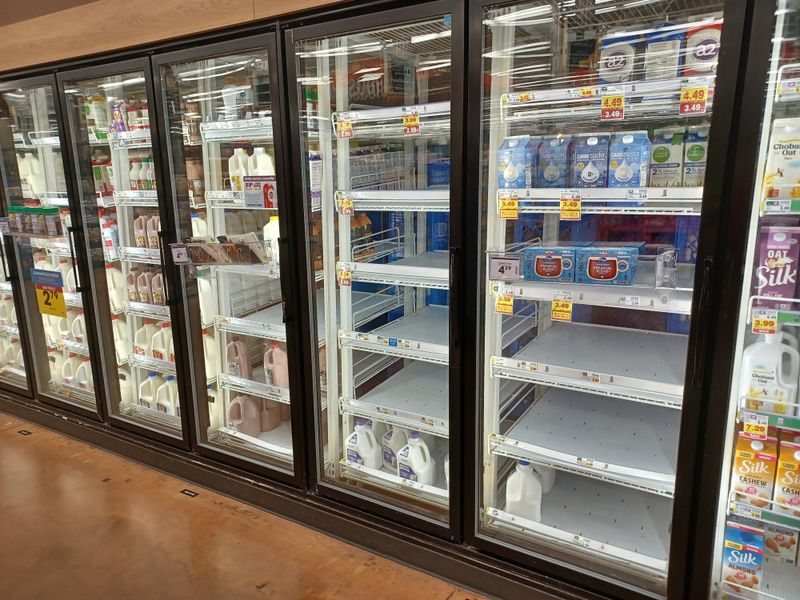
Running to the store for milk becomes an hour-long ordeal during tourist season.
Grocery aisles jam with vacationers stocking up for their beach rentals, pushing multiple overflowing carts.
Tourists unfamiliar with store layouts wander aimlessly, blocking entire sections while deciding between seventeen types of salsa.
Checkout lines stretch to the back of stores with tourists purchasing enough food for their entire week.
Self-checkout stations confuse visitors who can’t figure out the system, creating bottlenecks.
Locals trying to grab a few quick items get stuck behind tourists with multiple full carts and expired coupons.
Popular items sell out quickly when tourist demand exceeds normal inventory levels.
Locals arrive to find empty shelves where their regular products should be.
Store managers stock tourist preferences like expensive wines and specialty snacks instead of basics that residents actually need.
Parking lots at shopping centers become as nightmarish as beach parking.
Tourists drive rental cars too large for compact spaces, taking up multiple spots.
Shopping carts abandoned throughout parking lots create obstacles and damage vehicles.
Small local shops face similar chaos as tourists browse leisurely while locals need to make quick purchases.
Boutique owners cater to tourist tastes, changing inventory away from what local customers prefer.
Pharmacy lines grow impossibly long when tourists need sunburn remedies and forgotten medications, making locals late for picking up essential prescriptions.
7. Disrespectful Behavior and Entitlement Attitudes
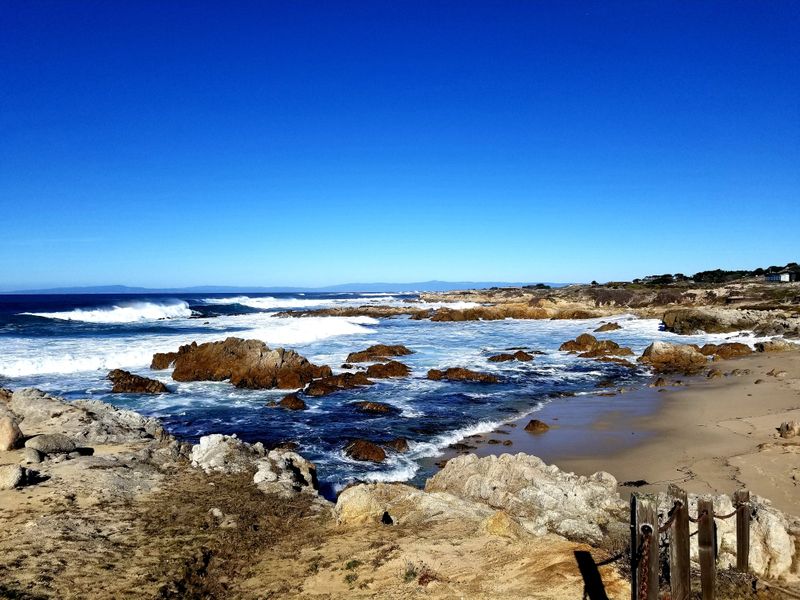
Tourists often treat beach towns like theme parks where rules don’t apply to them.
Locals witness visitors ignoring posted signs, trespassing on private property, and disrespecting protected natural areas.
Vacationers assume their tourist dollars entitle them to behave however they want without consequences.
Residents encounter rude comments when they ask tourists to respect community norms.
Visitors complain loudly about everything from parking costs to restaurant wait times, as if locals personally created these inconveniences.
Some tourists treat local workers dismissively, snapping fingers at servers and speaking condescendingly to retail employees.
Environmental disrespect particularly infuriates residents who care deeply about preserving their coastal ecosystems.
Tourists climb on fragile rock formations despite warning signs, disturb protected bird nesting areas, and pick plants from protected dunes.
They feed wild animals against clear regulations, creating dangerous situations and disrupting natural behaviors.
Noise violations become constant problems in residential neighborhoods near vacation rentals.
Tourists party late into the night, ignoring local noise ordinances and dismissing neighbor complaints.
They blast music on beaches, rev loud engines, and create disturbances that locals must endure throughout summer.
Some visitors exhibit shocking entitlement when locals use public spaces.
Tourists act annoyed when residents surf their own breaks or use their own beaches.
They complain that locals don’t smile enough or seem friendly enough, failing to recognize that residents are exhausted from months of tourist-induced stress.
This attitude creates resentment that lingers long after tourist season ends.
8. Wildlife Disruption

The serene call of seagulls is often replaced by the noise of tourists.
Wildlife, including seabirds and marine creatures, face constant disruptions.
Their habitats are invaded by curious visitors eager for a closer look.
When tourists flock to the shores, animals become wary.
Their natural behaviors are altered, leading to stress and potential harm.
Local wildlife enthusiasts lament the lack of peace for these creatures.
Did you know? Some species even alter breeding patterns due to disturbances.
Residents hope for more awareness and respect towards the delicate balance of beach ecosystems.
Dear Reader: This page may contain affiliate links which may earn a commission if you click through and make a purchase. Our independent journalism is not influenced by any advertiser or commercial initiative unless it is clearly marked as sponsored content. As travel products change, please be sure to reconfirm all details and stay up to date with current events to ensure a safe and successful trip.
