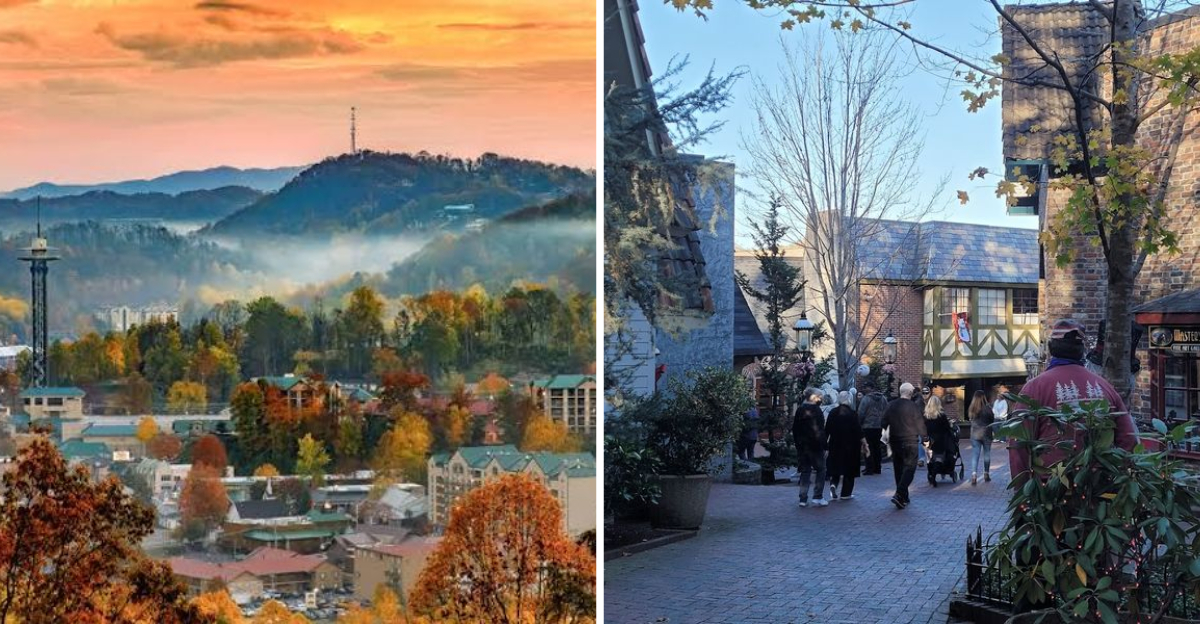
A town nestled in mountain foothills used to be a place you stumbled upon rather than planned for. I remember first driving into town on winding roads with pine tree smell and soft mist rolling off ridges.
It felt almost secret back then. Now over 12 million visitors pour through each year.
A quiet little gateway became one of the most visited spots in the entire country. Transformation feels staggering and kind of fascinating.
Fewer than 4,000 residents somehow hold their own against tidal waves of tourists every single season. First-time visitor or someone coming for decades, today’s experience looks completely different than twenty years ago.
Main streets buzz with energy. Parking lots fill before noon.
Restaurants run hour long waits. Yet mountain mist still rolls down those same ridges every morning. Pine trees still smell like pine trees.
A town grew up without losing its soul, just trading quiet secrets for crowded streets and a whole new kind of magic.
From Quiet Hollow to Mountain Hotspot: How It All Started
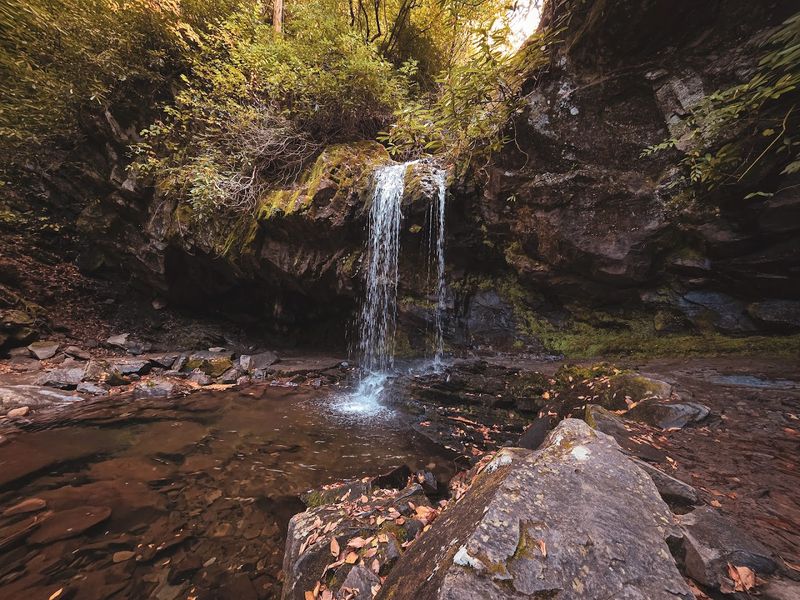
Long before the traffic jams and pancake houses, Gatlinburg was a tight-knit Appalachian community tucked into a narrow valley. Families here made their living through farming, crafts, and small-scale trade.
The mountains were their backyard, not a brand.
The turning point came in 1934 when Great Smoky Mountains National Park was officially established. Suddenly, Gatlinburg sat right at the front door of America’s newest natural treasure.
Visitors started trickling in, and locals quickly adapted, opening small inns and roadside shops to welcome them.
Through the 1940s and 1950s, growth was steady but manageable. The town kept its Appalachian soul even as tourism began shaping its economy.
Craftspeople still sold handmade quilts and woodwork, and the pace of life stayed unhurried.
By the 1970s, commercial development started picking up speed. Chain motels, souvenir shops, and amusement attractions began dotting the main strip.
The quiet hollow was quietly becoming something much louder, and there was no turning back from that shift.
Great Smoky Mountains National Park: The Real Magnet
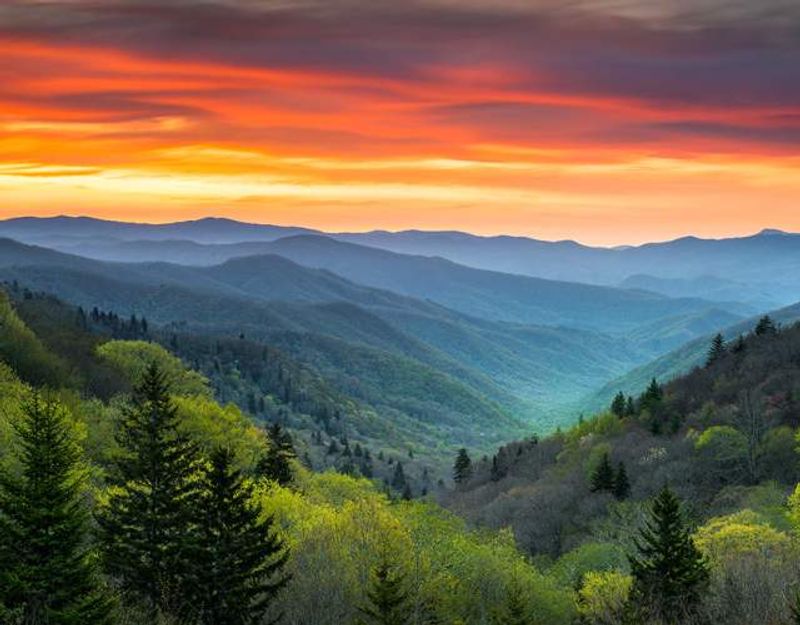
No conversation about Gatlinburg makes sense without talking about the park sitting right behind it. Great Smoky Mountains National Park is the most visited national park in the United States, and it is not even close.
In 2024, roughly 12.2 million people passed through its gates.
What makes it so magnetic is how accessible it feels. You do not need permits or advanced reservations to hike most trails.
Families with young kids, solo hikers, and seasoned outdoor enthusiasts all find something that fits them perfectly here.
The park is free to enter, which is rare for a national park of this scale. That single fact removes a huge barrier and invites people from all walks of life to experience old-growth forests, cascading waterfalls, and incredible wildlife up close.
Black bears are a genuine highlight. Spotting one along Cades Cove Loop Road or near Roaring Fork Motor Nature Trail is a memory that sticks with you.
Rangers work hard to keep both the animals and the visitors safe, maintaining a balance that feels surprisingly delicate given the sheer volume of people passing through daily.
The Strip: Where Mountain Charm Meets Sensory Overload
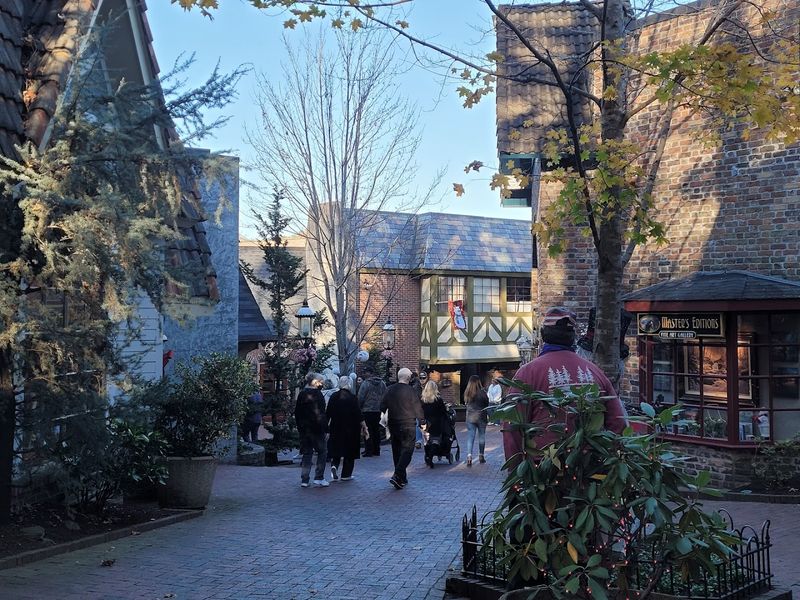
There is exactly one moment when you first see the Gatlinburg strip in full swing, and your brain needs a second to process it. Neon signs, fudge shops, pancake restaurants, and go-kart tracks all compete for your attention at once.
It is chaotic in a way that is oddly charming.
The main drag, Parkway, stretches through the heart of town and is almost always buzzing with foot traffic. Street performers, candy-pulling machines visible through shop windows, and the persistent smell of kettle corn create a sensory experience unlike most mountain towns.
Families love it because there is something for everyone within a short walk. Kids can find novelty shops and mini-golf while adults browse art galleries and local craft stores tucked between the louder attractions.
The Arrowmont School of Arts and Crafts at 556 Parkway stands as a quiet reminder of Gatlinburg’s artistic roots amid all the commercial noise. Founded in the early 1900s, it still offers workshops and exhibits that connect visitors to the region’s rich handcraft heritage.
It is worth stepping inside even briefly.
The Economic Boom Nobody Planned For
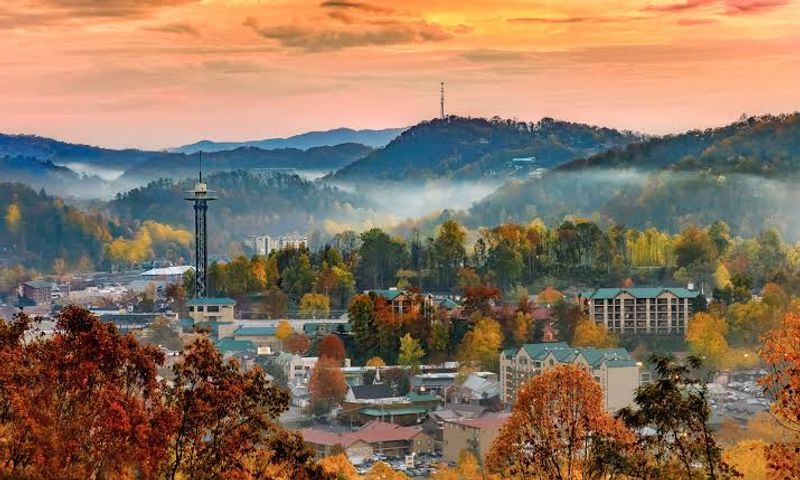
When 12 million people visit a region annually, the money flows fast. In 2024, visitors to the Great Smoky Mountains area collectively spent over two billion dollars in surrounding communities.
That is a staggering number for a region that once depended on agriculture and small crafts.
Gatlinburg’s Tourism Development Authority reported operating revenues near $15.8 million in 2023 alone. A huge portion of that goes directly back into marketing the destination, which keeps the cycle of visitors coming.
It is a self-fueling machine at this point.
Local businesses have multiplied rapidly to meet demand. Hotels, vacation cabin rentals, restaurants, and entertainment venues have all expanded.
Property values have climbed significantly, which brings its own set of challenges for longtime residents trying to stay in the community they grew up in.
The economic benefits are real and visible. Roads get maintained, public services get funded, and small business owners find steady customer bases.
But the growth also raises hard questions about who the town is really built for now, the residents or the 12 million annual guests who outnumber them by thousands to one.
Cabin Culture: Why Everyone Wants a Mountain Hideaway
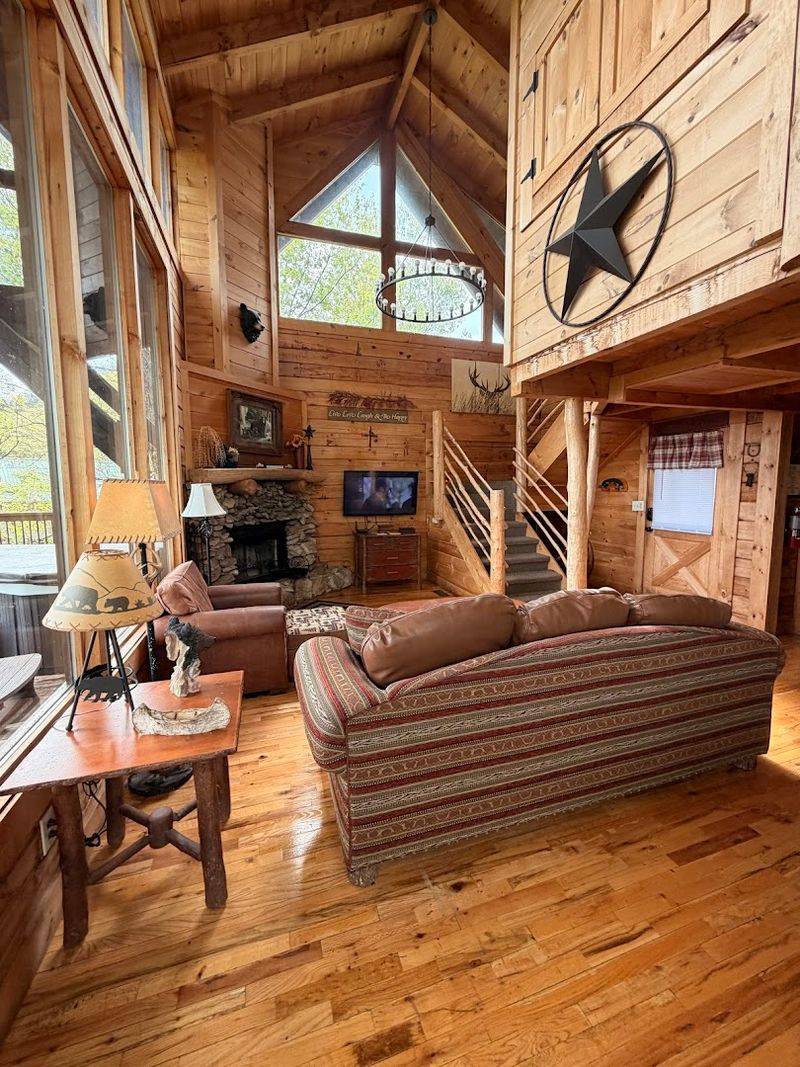
One of the most defining features of the modern Gatlinburg experience is the cabin rental culture that has exploded across the surrounding hillsides. Thousands of private cabins now dot the ridges and hollows around town, offering everything from one-room retreats to sprawling multi-level lodges with hot tubs and game rooms.
Families and groups prefer cabins over traditional hotels because of the space and privacy they offer. Cooking your own meals, sitting on a porch watching fog drift through the trees, it is a slower and more personal way to experience the mountains.
The cabin industry has transformed the landscape in ways both beautiful and complicated. Hillsides that were once forested have been cleared to make room for more rental properties.
Environmental advocates have raised concerns about runoff, wildlife disruption, and the long-term impact on the ecosystem that draws visitors in the first place.
Still, the appeal is undeniable. There is something deeply satisfying about waking up in a mountain cabin with coffee in hand and birdsong outside the window.
That feeling keeps people booking year after year, and it keeps developers building further into the hills to meet the demand.
When the Fires Came: The 2016 Wildfire That Changed Everything
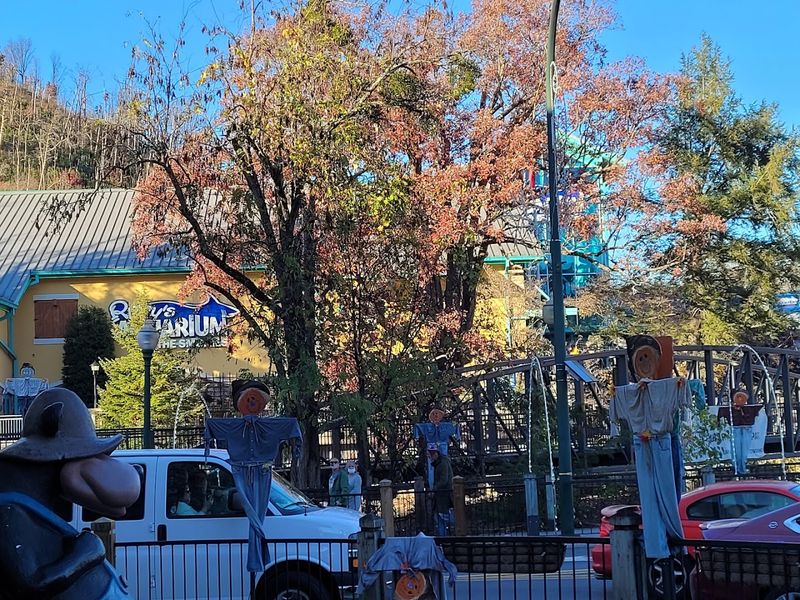
November 2016 brought one of the darkest chapters in Gatlinburg’s modern history. A wildfire, driven by hurricane-force winds and an extreme drought, swept through the town and surrounding areas with terrifying speed.
Fourteen people lost their lives and thousands of structures were damaged or destroyed.
The Chimney Tops 2 Fire, as it was named, burned over 17,000 acres. Entire neighborhoods vanished overnight.
Families lost homes, businesses lost everything, and the community was left reeling in ways that took years to fully process.
What happened next surprised many people. Gatlinburg rebuilt with remarkable speed and determination.
The tourism industry, which had seemed like a fragile thing in the face of disaster, actually helped fund the recovery. Visitors returned quickly, driven by both curiosity and genuine support for the community.
The fires also sparked important conversations about wildfire preparedness, land management, and the risks that come with developing heavily forested mountain terrain. New building codes, better evacuation plans, and stronger communication systems were put in place.
The town that emerged from the ashes was more resilient, though the scars of that November night are still part of its story.
Overcrowding and the Infrastructure Puzzle

Anyone who has tried to drive through Gatlinburg on a summer Saturday knows exactly what gridlock feels like in a mountain setting. The single main road through town was never designed for millions of cars, and the strain shows in ways that test even the most patient visitor.
Parking is a constant headache. Lots fill up early, side streets become improvised overflow areas, and the pedestrian experience on the main strip suffers when traffic is bumper to bumper.
City planners have been working on solutions, but the pace of visitor growth consistently outpaces infrastructure upgrades.
The SkyLift Park gondola at 765 Parkway offers one creative response to the congestion problem, giving visitors a way to move above the traffic and enjoy aerial views of the town and mountains. It has become one of the most photographed spots in the area.
Broader solutions like expanded public transit options, better pedestrian pathways, and smarter parking systems are being discussed and gradually implemented. The challenge is enormous though.
You cannot easily retrofit a small mountain town to handle the kind of traffic that a major urban attraction generates, and that tension defines much of what Gatlinburg is navigating right now.
What Gatlinburg Still Gets Right: Nature, Craft, and Community

For all the noise and neon, Gatlinburg still has something genuine at its core. The mountains do not care how many tourists show up.
They keep offering the same misty mornings, the same jaw-dropping fall colors, and the same sense of scale that makes you feel small in the best possible way.
The Gatlinburg Arts and Crafts Community, an eight-mile loop of studios and shops east of town along Glades Road, is one of the oldest and largest collections of independent artists in the United States. Potters, painters, woodworkers, and weavers still practice their crafts here just as their predecessors did generations ago.
Local events like the Smoky Mountain Tunes and Tales festival bring musicians and storytellers into the streets, connecting visitors with Appalachian culture in ways that feel authentic rather than staged. These moments remind you that a real community exists underneath the tourist infrastructure.
Residents take genuine pride in their home even when it gets overwhelming. They know the back roads that tourists never find, the quiet overlooks, and the trails that empty out by mid-morning.
Gatlinburg is many things at once, a spectacle, an economy, a natural wonder, and still, quietly, someone’s home.
