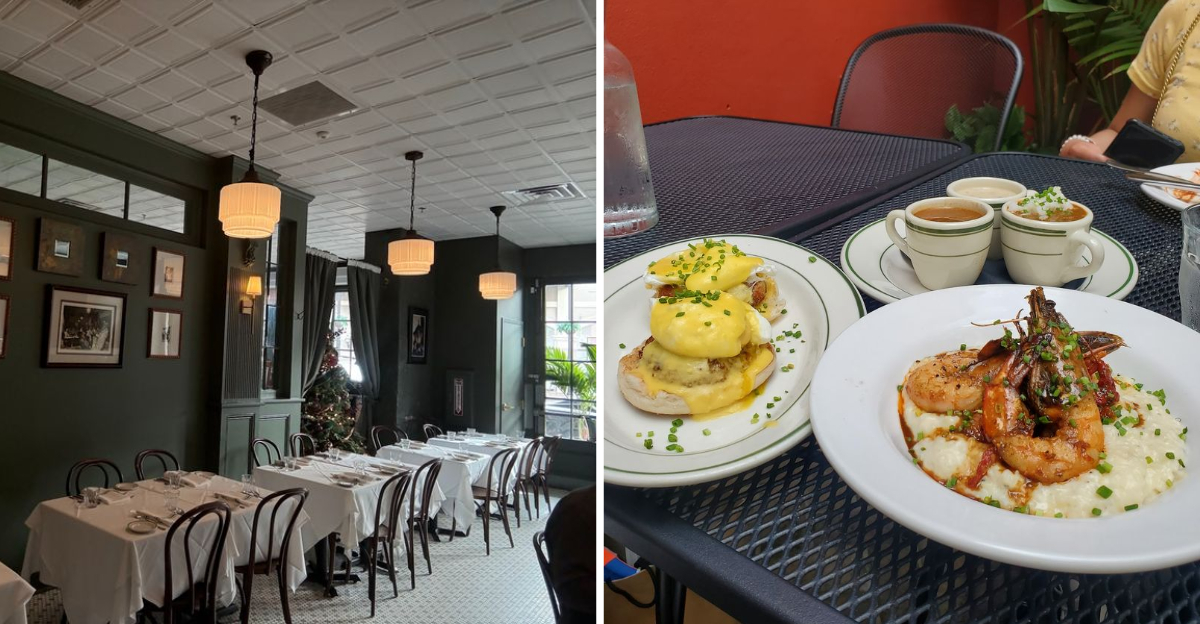
Simmered brisket and spiced shrimp drift through the air of a Louisiana dining room that has not changed much since 1856. French immigrants opened their doors near the market back then, and the same tile floors and high ceilings still hold the weight of every meal served since.
I sat at a table near the window and watched the room fill with the kind of crowd that knows they are somewhere special, the kind of place where the food is only half the reason you show up. The bar has held the elbows of countless patrons over the decades, and the dark wood panels have absorbed generations of conversation.
This is the second oldest continuously operating restaurant in the state, and the legacy is not just on the walls. It is on the plates.
Generations of families have trusted their tables to this kitchen, and the smells alone can stop you mid-sentence. Simmered brisket, spiced shrimp, and something sweet drifting from the kitchen tell the story of a city in every bite.
A place that shaped the food culture of an entire state is exactly where this story begins.
A History Rooted in the French Market
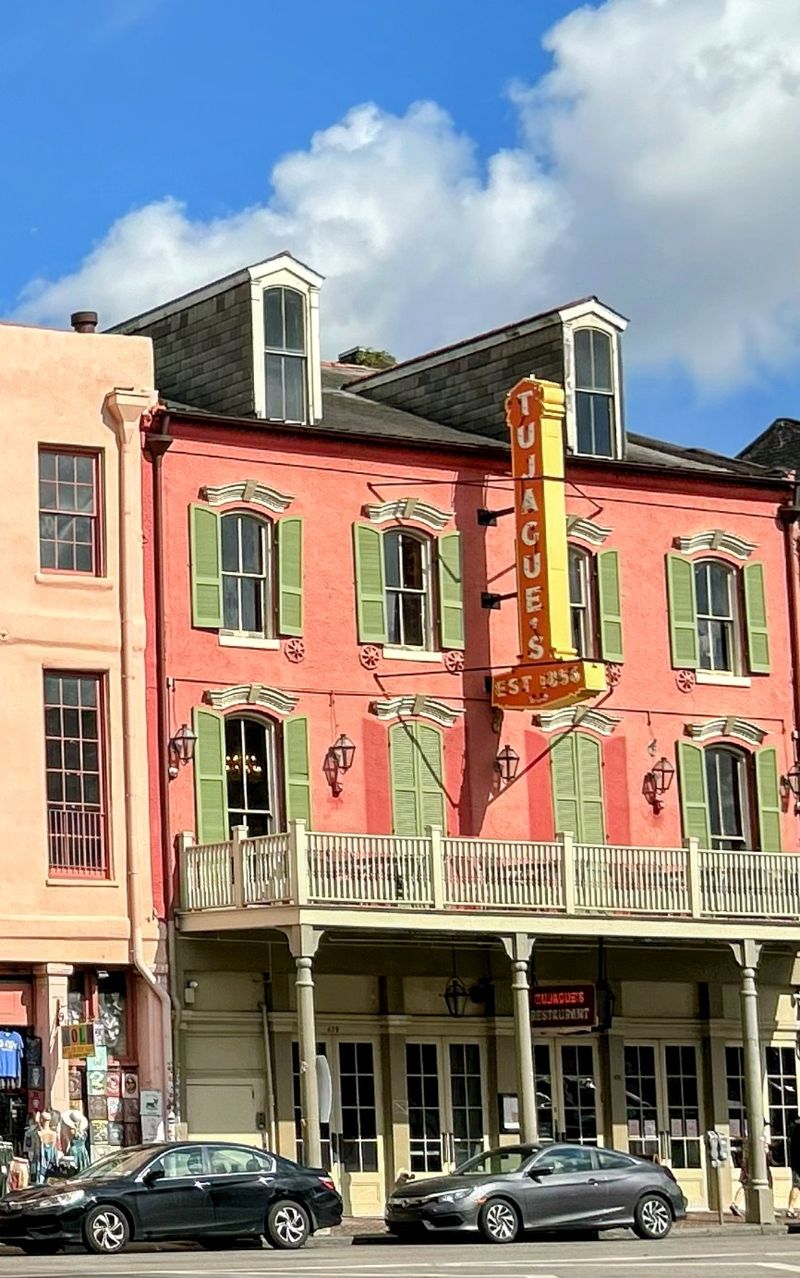
Guillaume Tujague was not always a restaurateur. Before opening what would become one of the most legendary dining rooms in New Orleans, he worked as a butcher in the bustling French Market, where fresh produce and cuts of meat moved fast every morning.
That background shaped everything about the food that would come to define Tujague’s for generations.
When Guillaume and his wife Marie opened the restaurant in 1856 on Decatur Street, they built it around hearty, honest food, the kind that hardworking people actually wanted to eat. The original space at 811 Decatur Street later shifted to 823 Decatur in 1914, and eventually, in 2020, the restaurant moved to its current home at 429 Decatur Street.
Each address change brought something new, but the spirit never wavered. The French Quarter roots run deep here, and the neighborhood has always felt like the right backdrop for a place this rooted in tradition.
Tujague’s connection to the French Market is not just a footnote; it is the foundation of every dish on the menu today.
The Atmosphere That Feels Like Stepping Back in Time
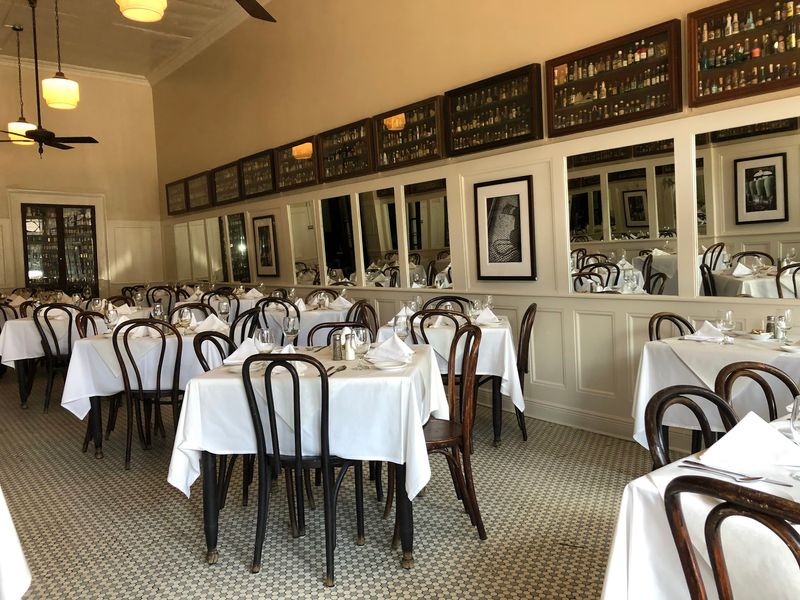
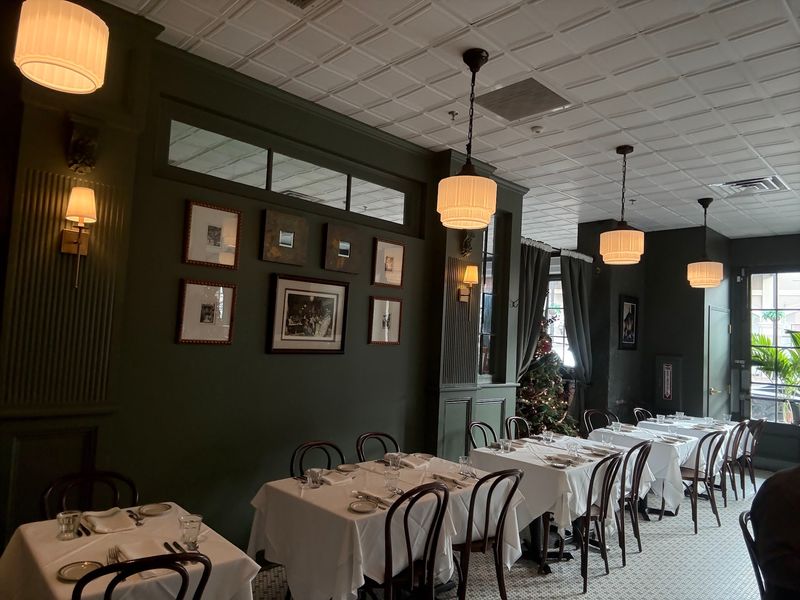
There is something about the inside of Tujague’s that makes you slow down and actually look around. The tiled floors click underfoot, the ceilings rise high with fixtures that look like they belong in a small chapel, and display cabinets line the walls, packed with thousands of tiny vintage bottles collected over decades.
Memorabilia and photographs fill every available surface, giving the dining room the feeling of a well-loved family home rather than a formal restaurant. The current location at 429 Decatur Street is actually double the size of the previous space, which means there are multiple dining rooms to explore, a balcony that looks out over the French Quarter, and a courtyard that invites you to linger.
Even with the extra room, the atmosphere never feels cold or commercial. It feels personal, like the building itself remembers everyone who has ever eaten there.
For a place approaching its 170th anniversary in 2026, Tujague’s wears its age beautifully, and the atmosphere is a huge part of why people keep coming back long after their first visit.
The Oldest Stand-Up Bar in America
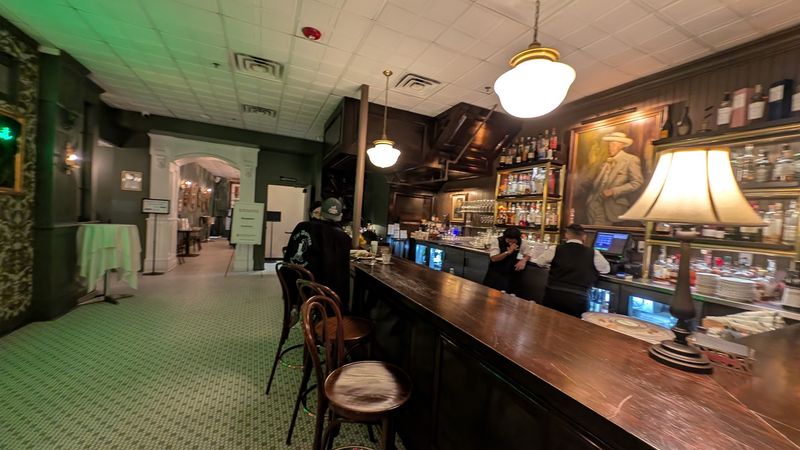
Most restaurants have a bar, but very few can claim theirs is the oldest stand-up bar in the entire country. Tujague’s can, and that distinction alone is worth a visit.
The bar has held its ground through renovations, ownership changes, and more than a century of New Orleans nights, retaining its original character in a way that feels genuinely remarkable.
A large antique mirror hangs behind the bar, and it has been there for so long that it practically has its own story to tell. The bar setup is simple, honest, and deeply tied to the working-class roots of the restaurant’s early days, when dockworkers and market vendors would stop in before or after long shifts.
Today, guests still gather around it before settling into the dining room, soaking up the history that seems to radiate from the old wood and glass. It is one of those spots where you feel connected to something much bigger than a single meal.
Tujague’s bar is not just a functional piece of furniture; it is a landmark in its own right, and it deserves a moment of appreciation every time you visit.
The Legendary Boiled Beef Brisket
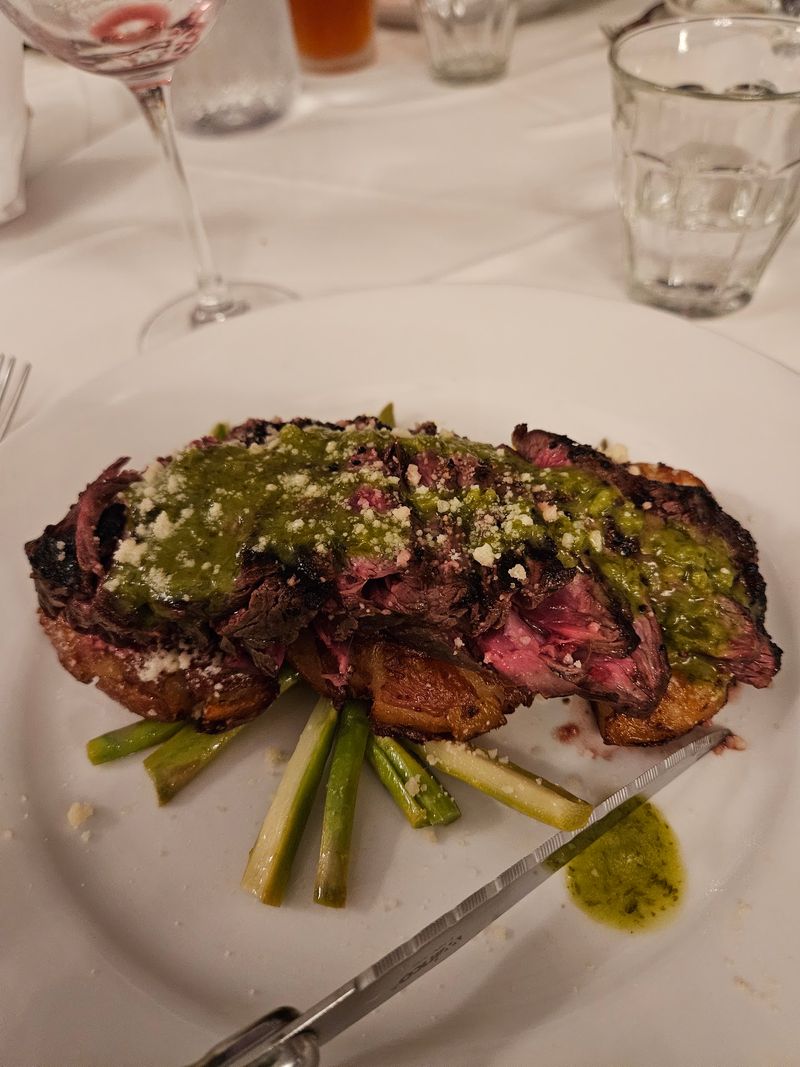
Few dishes in New Orleans carry the kind of legacy that the Boiled Beef Brisket at Tujague’s does. This is the dish that built the restaurant’s reputation, a direct nod to Guillaume Tujague’s days as a butcher, when cuts of beef were prepared simply and served with confidence.
The brisket arrives tender, slow-cooked, and paired with a sharp horseradish sauce that cuts right through the richness.
Clemence Castet, who ran the dining room from 1914 to 1969, played a huge role in keeping this dish central to the Tujague’s experience. Her influence helped cement the brisket as the kind of meal people traveled specifically to eat.
It is the sort of plate that does not need a lot of fuss to make an impression.
Every bite is straightforward and satisfying in the best possible way. The horseradish sauce has a little heat and a lot of personality, and together with the brisket, it creates something that feels timeless rather than trendy.
If you are eating at Tujague’s for the first time and you are not sure what to order, start here. This dish is the heart of the whole menu.
Shrimp Remoulade, a Creole First Course Icon
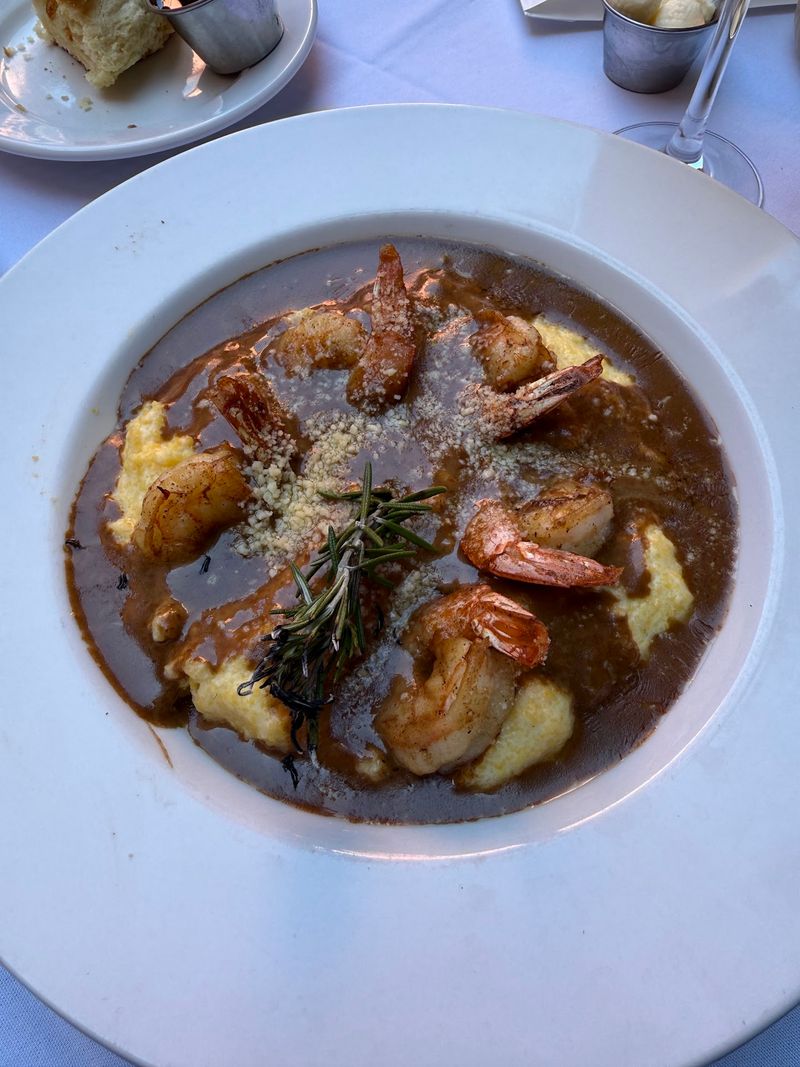
Spicy, chilled, and completely unforgettable, the Shrimp Remoulade at Tujague’s has been opening meals for generations of diners. It arrives as a first course, plump shrimp coated in a bold remoulade sauce that has just enough heat to wake up your taste buds without overwhelming them.
The balance is exactly right, which is why this dish keeps showing up on lists of the best things to eat in New Orleans.
Remoulade itself is a classic Creole condiment, and Tujague’s version has been refined over more than a century of practice. The sauce is tangy, spiced with mustard and a mix of seasonings that feel both familiar and exciting at the same time.
Paired with crisp lettuce and served cold, it is the kind of starter that sets a high bar for everything that follows.
What makes it work so well is how it connects to the city itself. New Orleans has always been a place where Gulf seafood takes center stage, and this dish honors that tradition completely.
Ordering the Shrimp Remoulade at Tujague’s is not just choosing an appetizer; it is participating in a culinary ritual that the city has practiced for well over a hundred years.
Chicken Bonne Femme, a Legacy Dish Born Off-Menu
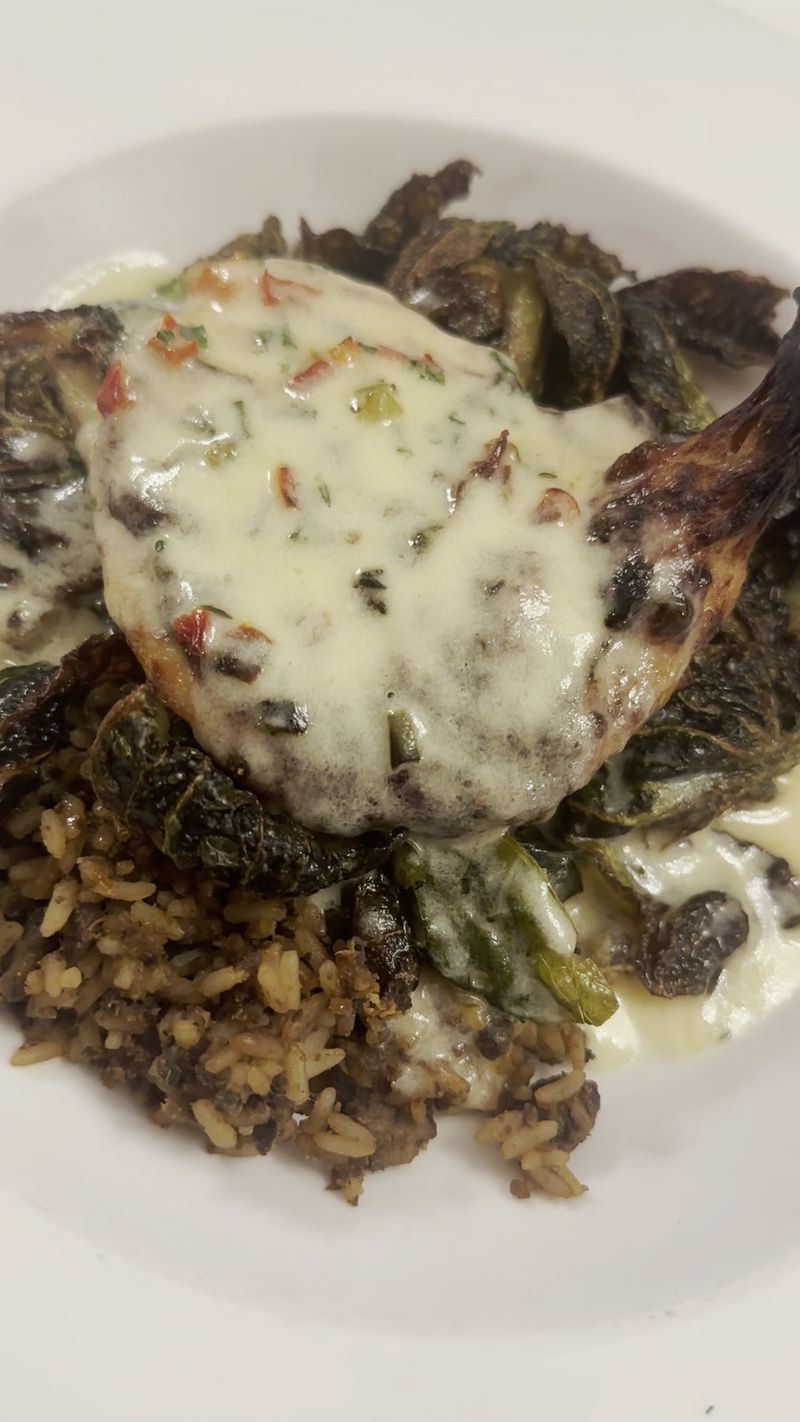
Not every legendary dish starts with a formal recipe card. The Chicken Bonne Femme at Tujague’s began as an off-menu special, something Clemence Castet prepared during her decades managing the dining room from 1914 to 1969.
Guests loved it so much that it refused to disappear, and today it holds the honored title of a Legacy Dish on the official menu.
The name translates loosely to “good woman’s chicken,” and there is something deeply comforting about that framing. It speaks to home cooking elevated just enough to feel special without losing its warmth.
The dish carries the personality of the woman who created it, practical, generous, and deeply satisfying.
Eating the Chicken Bonne Femme at Tujague’s feels like discovering a secret that locals have known for decades. There is a kind of quiet pride that comes with ordering something that survived purely on the strength of how good it tastes.
No marketing campaign kept this dish alive; just the honest enthusiasm of diners who could not stop talking about it. That kind of staying power says more about a recipe than any award ever could, and it makes this one of the most meaningful plates on the entire menu.
The Five-Course Table d’Hote Tradition
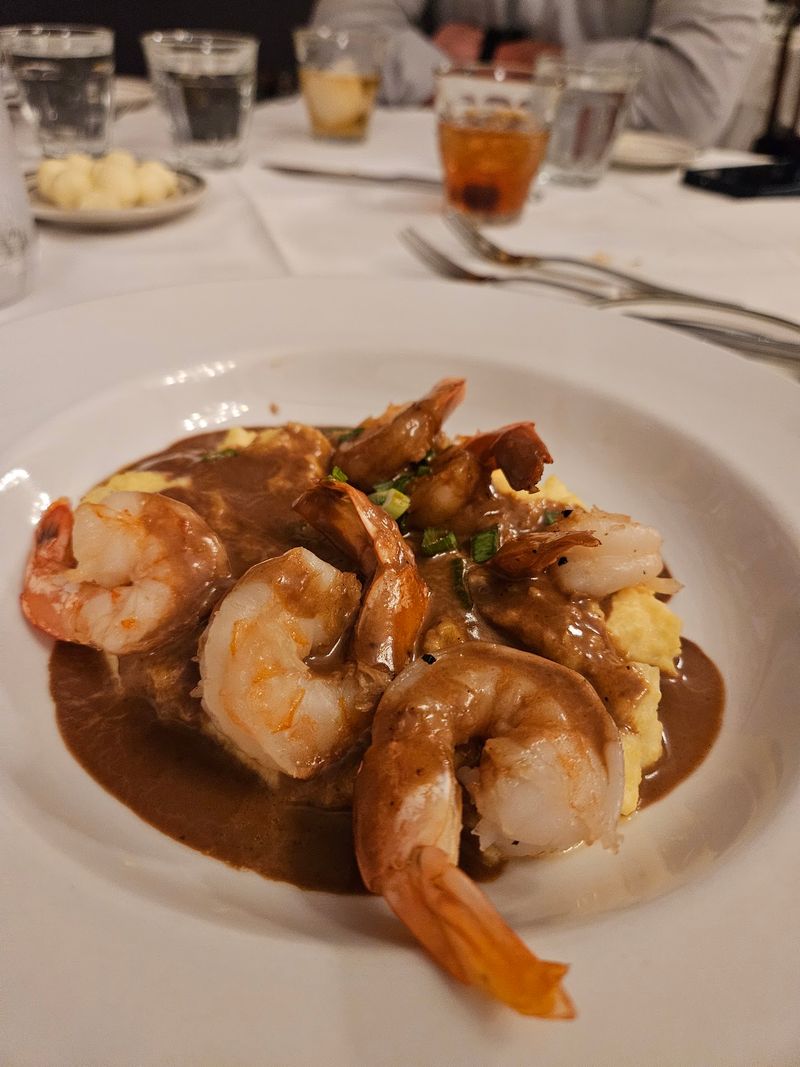
For 157 years, from 1856 all the way to 2013, Tujague’s did not offer a regular menu. Every guest sat down to the same five-course Table d’Hote, a set dining experience that included dishes like Shrimp Remoulade, Gumbo du Jour, a Brisket Appetizer, a choice of entree, and Bread Pudding to finish.
That kind of commitment to a single format is almost unheard of in the modern restaurant world.
The Table d’Hote concept is deeply French in origin, meaning “the host’s table,” and it reflects the idea that the chef decides what is worth eating that day. At Tujague’s, that philosophy created a shared dining experience that bonded strangers at neighboring tables and gave every meal a clear, satisfying arc from start to finish.
In 2013, the restaurant transitioned to an a la carte menu, which gave guests more flexibility. But the five-course tradition has been revived for special occasions, keeping that historic format alive for those who want to experience it.
If you ever get the chance to sit through the full Table d’Hote at Tujague’s, take it. There is something genuinely moving about eating the same progression of dishes that New Orleans diners have shared for generations.
The Butcher’s Breakfast and the Birth of Brunch
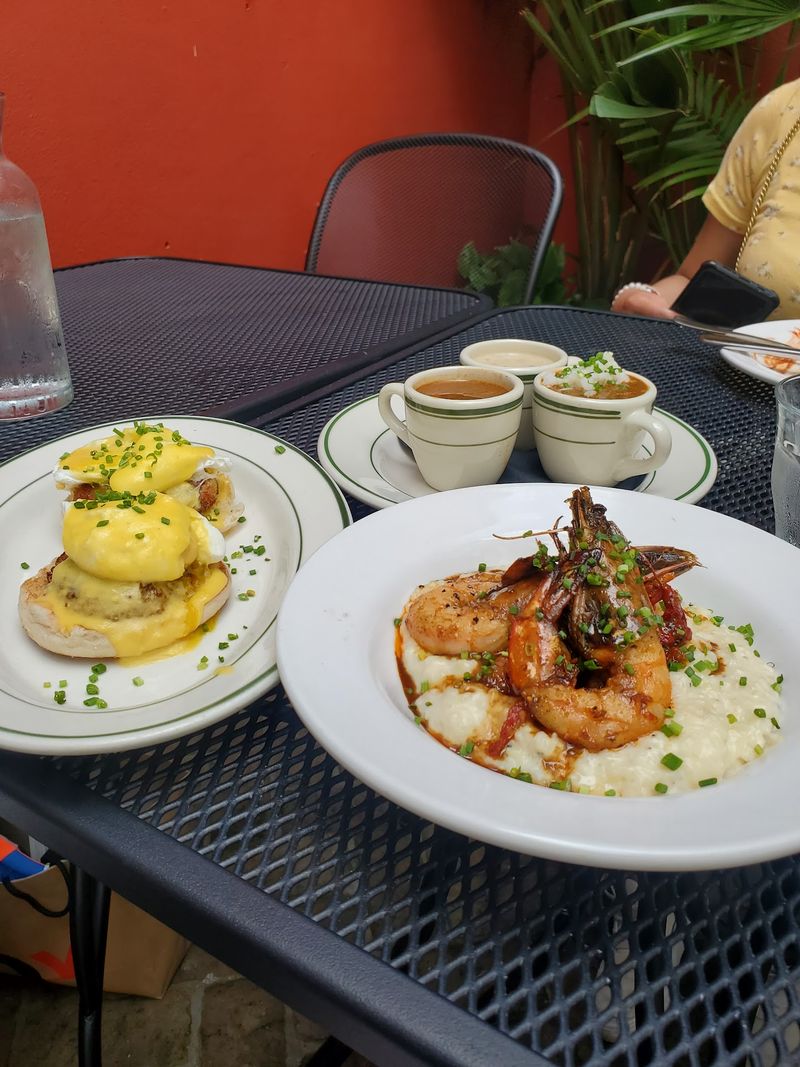
Brunch has become a worldwide ritual, but its roots may trace directly back to a tradition at Tujague’s called the Butcher’s Breakfast. Early in the restaurant’s history, workers from the nearby French Market would stop in for a hearty mid-morning meal after their early shifts, something substantial enough to carry them through the rest of the day.
That habit, eating a meal that was neither breakfast nor lunch, is widely considered to be one of the earliest forms of what we now call brunch.
The idea that a New Orleans restaurant may have helped spark one of the most beloved meal formats in the world is both charming and entirely believable. New Orleans has always had a gift for turning everyday moments into rituals worth repeating, and the Butcher’s Breakfast fits perfectly into that tradition.
Today, the story adds another layer of meaning to every meal at Tujague’s. Every time someone orders a late-morning plate somewhere in the world and calls it brunch, there is a small thread connecting that moment back to a butcher’s table on Decatur Street in the mid-1800s.
That kind of culinary legacy is rare, and Tujague’s carries it with an easy, unpretentious pride that suits the restaurant perfectly.
Presidential Guests and a Living Legacy Heading Toward 170 Years
Very few restaurants can say that multiple American presidents have eaten at their tables, but Tujague’s is one of them. Franklin D.
Roosevelt, Harry S. Truman, and Dwight D.
Eisenhower all dined here, as did French President Charles De Gaulle. That list of guests speaks to something beyond good food; it reflects a restaurant that has long been considered essential to understanding Louisiana itself.
The Latter family has owned Tujague’s since 1982, when brothers Steven and Stanford Latter purchased it, with Steven’s son Mark taking over in 2013. Under their stewardship, the restaurant has honored its past while carefully adapting to new generations of diners.
The recent appointment of Executive Chef Meg Gray brings a fresh creative energy that lifts the presentation of classic dishes without losing the flavors that made them famous.
With its 170th anniversary approaching in 2026, Tujague’s stands at a remarkable point in its history. Few restaurants anywhere in the world reach that kind of milestone while still feeling relevant and alive.
The food, the atmosphere, and the stories layered into every corner of the building make this a place worth visiting more than once. Address: 429 Decatur Street, New Orleans, Louisiana.
