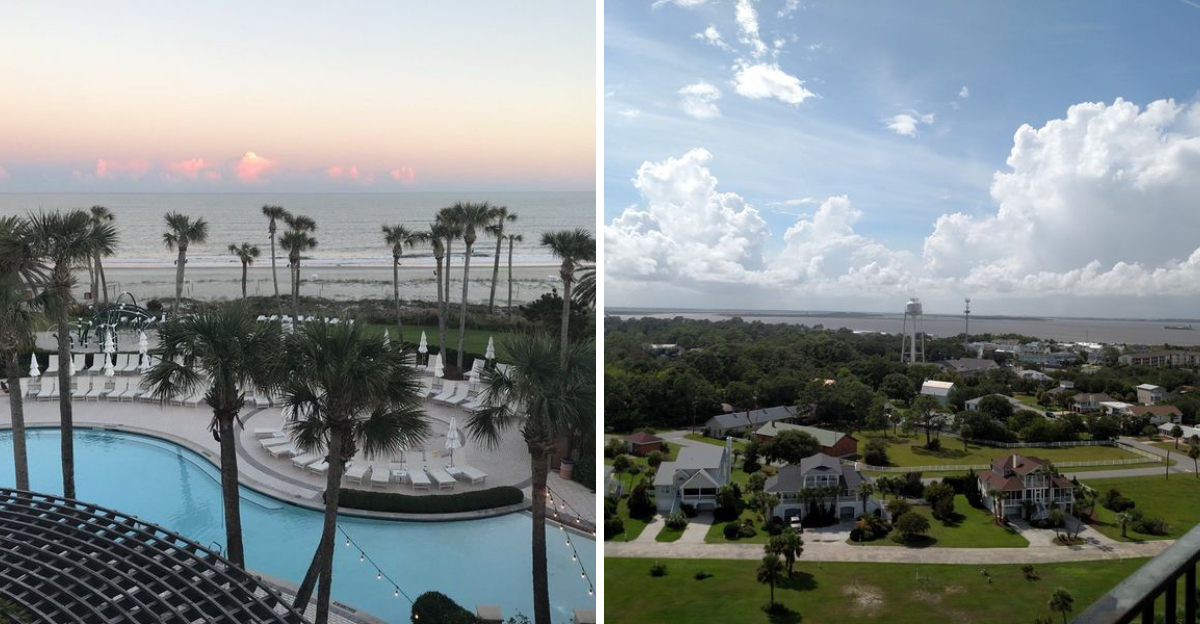
Georgia’s coastline has witnessed a dramatic transformation over the past few decades as tourism dollars reshaped once sleepy fishing villages into bustling vacation destinations.
Long-time residents remember when these beach towns felt like hidden gems, where everyone knew their neighbors and summer crowds were manageable.
Today, these coastal communities struggle to balance economic growth with preserving the authentic character that made them special in the first place.
1. Tybee Island
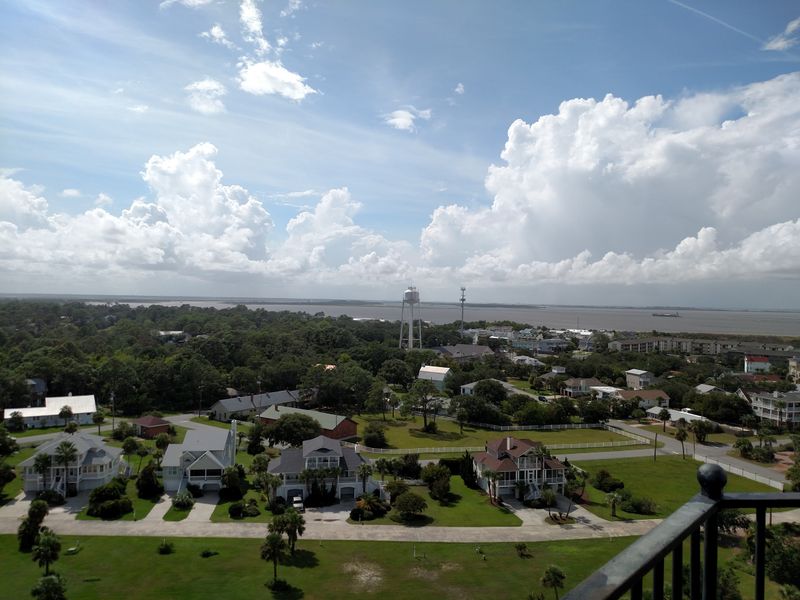
Tybee Island sits just eighteen miles from Savannah, making it the perfect escape for day trippers seeking sand and surf.
This accessibility has transformed the island from a quiet retreat into a packed summer hotspot.
Locals recall when parking was never an issue and you could walk the beach without navigating around crowds.
Now the island welcomes over three million visitors annually, fundamentally changing its rhythm and feel.
The main drag along Butler Avenue has evolved from mom-and-pop shops into a lineup of souvenir stores and chain restaurants catering to tourists.
Residential neighborhoods that once offered affordable housing now command premium prices as vacation rentals dominate the market.
Long-time residents find themselves priced out of the community they helped build.
Traffic congestion during peak season creates gridlock that can trap islanders for hours trying to reach the mainland.
The famous Tybee Light Station still stands as a reminder of simpler times, but even this historic landmark sees overwhelming visitor numbers.
Beach erosion has accelerated due to increased foot traffic and development along the shoreline.
Many native families have reluctantly sold their properties and moved inland where life feels more manageable.
The island’s quirky, bohemian vibe has gradually faded as corporate interests reshape the landscape.
Despite these changes, some locals remain hopeful that community efforts can preserve what makes Tybee special.
The struggle between economic prosperity and maintaining authentic coastal culture continues to define this Georgia beach town.
2. St. Simons Island
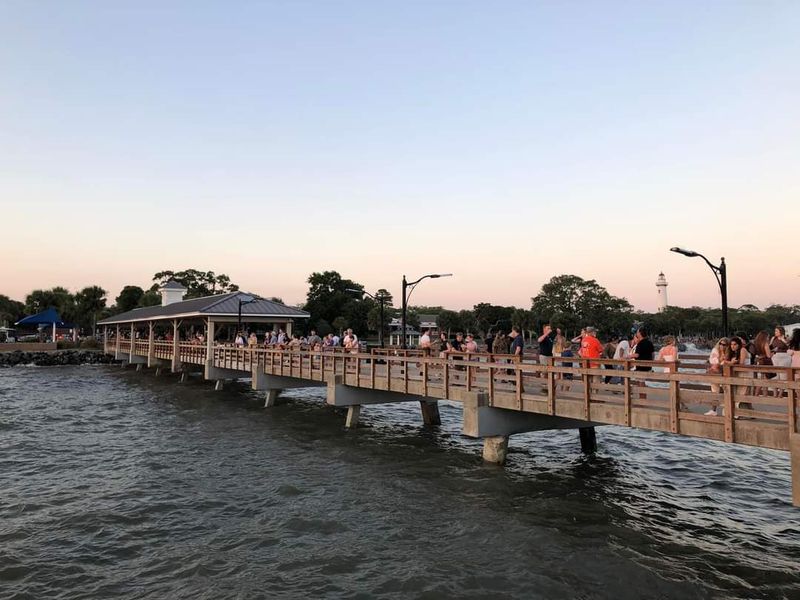
St. Simons Island emerged as one of Georgia’s most desirable coastal destinations, attracting wealthy retirees and vacationers seeking Southern charm.
The transformation began gradually but accelerated dramatically over the past two decades.
Village shops that once served local needs now primarily stock high-end merchandise aimed at tourists with disposable income.
Real estate prices have skyrocketed, making it nearly impossible for working-class families to afford island living.
The historic pier area, once a peaceful spot for fishing and sunset watching, now teems with visitors snapping photos and jostling for space.
Golf courses and resort developments have consumed natural habitats that locals cherished for generations.
Traffic along Frederica Road backs up constantly during tourist season, turning quick errands into lengthy ordeals.
The island’s famous live oak canopy still provides shade, but increased development threatens these ancient trees.
Restaurant wait times stretch for hours at popular establishments, frustrating residents who just want a casual meal.
Many longtime business owners have sold to national chains or retired, unable to compete with rising property taxes.
The sense of community that once defined St. Simons has weakened as transient vacation renters replace permanent neighbors.
Beach access points become crowded early in the day, leaving locals searching for quieter spots.
Some families have lived on the island for generations but now question whether staying makes financial sense.
The balance between preserving history and accommodating growth remains a contentious issue among residents.
3. Jekyll Island
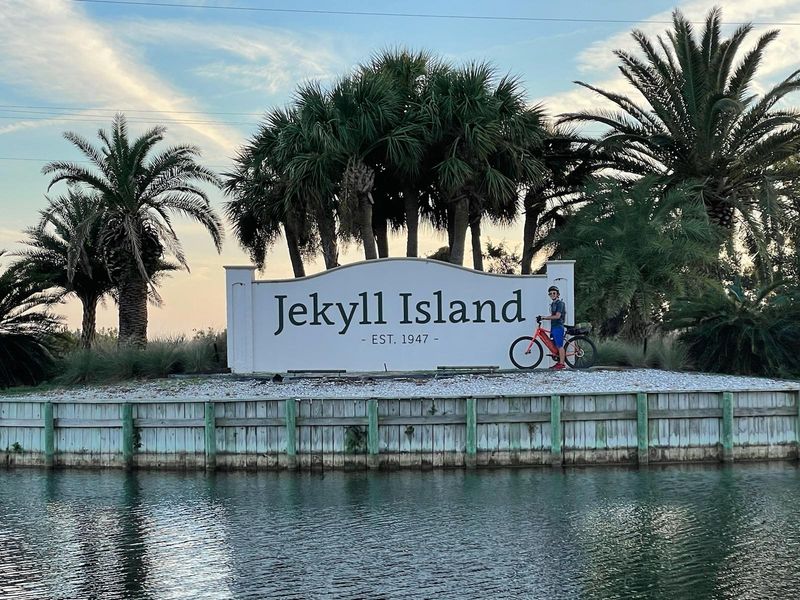
Jekyll Island operates under state park protection, which theoretically limits unchecked development compared to other Georgia coastal areas.
However, locals argue that even controlled growth has dramatically altered the island’s character over recent years.
The Jekyll Island Authority has approved numerous hotel and resort projects that bring thousands more visitors annually.
Residents remember when the island felt like a nature preserve with limited commercial activity and pristine beaches.
Now convention centers and expanded lodging facilities dominate sections that once showcased undisturbed maritime forest.
The historic district still attracts history enthusiasts, but surrounding areas feel increasingly commercialized.
Bike paths that provided peaceful rides through nature now require constant vigilance due to heavy pedestrian and cyclist traffic.
Beach renourishment projects attempt to combat erosion caused partly by increased visitor impact on fragile dunes.
The Summer Waves water park expansion brought family entertainment but also noise and congestion to previously tranquil areas.
Wildlife sightings have decreased as development encroaches on natural habitats essential for native species.
Local advocacy groups fight to maintain the delicate balance between tourism revenue and environmental preservation.
The island’s unique governance structure allows public input, but economic pressures often favor development interests.
Some residents appreciate improvements to infrastructure and amenities that tourism dollars provide.
Others mourn the loss of the quiet sanctuary Jekyll Island represented for decades.
The ongoing debate reflects broader tensions facing coastal communities throughout Georgia and beyond.
4. Sea Island
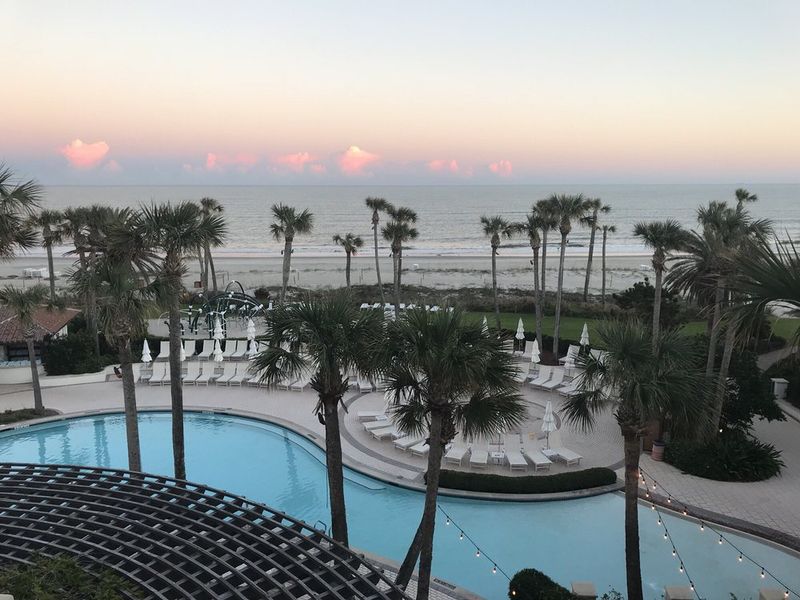
Sea Island transformed from an exclusive but understated retreat into an ultra-luxury destination catering to the world’s wealthiest travelers.
The Cloister resort underwent massive expansion and renovation, fundamentally changing the island’s scale and atmosphere.
What was once a private community where affluent families returned year after year now functions primarily as a high-end resort operation.
Long-term property owners watched as the island shifted focus from residential tranquility to maximizing tourism revenue.
The famous Beach Club expanded significantly, bringing larger crowds and more elaborate facilities than the simple pavilion locals remember.
Golf course renovations attracted professional tournaments, raising the island’s profile but also increasing outside visitor traffic.
Security measures tightened as the island became more exclusive, creating barriers that even some longtime residents find off-putting.
The sense of community among property owners has diluted as investment buyers purchase homes solely for rental income.
Local employees who once lived on or near the island now commute from mainland communities due to prohibitive housing costs.
The natural beauty remains stunning, but manicured perfection has replaced the slightly wild coastal landscape some residents preferred.
Environmental concerns arise as maintaining pristine resort grounds requires significant resources and chemical treatments.
The island’s transformation reflects broader trends in coastal Georgia toward luxury tourism over accessible community living.
Some original families sold their properties for substantial profits and relocated elsewhere.
Others remain but acknowledge that Sea Island’s character has fundamentally shifted toward serving transient guests rather than nurturing a residential community.
5. St. Marys
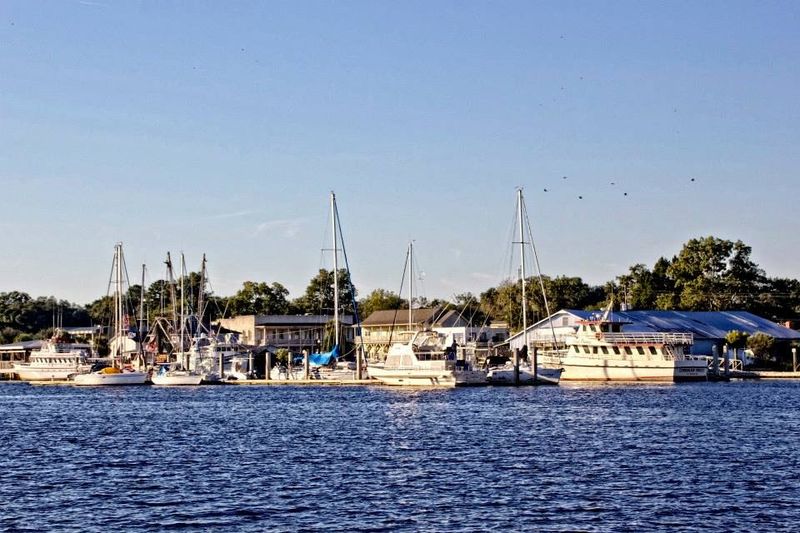
St. Marys serves as the gateway to Cumberland Island, positioning this small town as an unavoidable stop for thousands of national park visitors.
This geographic advantage brought economic opportunity but also challenges that have reshaped community life.
The downtown waterfront district evolved from a working fishing village into a tourist-oriented commercial zone.
Shops that once sold practical goods for locals now offer souvenirs and beach gear for Cumberland Island day trippers.
Parking shortages plague the area during peak season as visitors flood the ferry terminal.
Residents who need to run errands downtown often avoid the waterfront entirely due to congestion.
Restaurant menus and prices shifted to accommodate tourist expectations rather than serving affordable meals for working families.
The historic Riverview Hotel underwent renovations that increased capacity and rates, making it less accessible to budget travelers.
Home prices climbed as investors recognized St. Marys’ potential, displacing long-time residents from neighborhoods their families inhabited for generations.
The town’s military presence from nearby Naval Submarine Base Kings Bay adds another layer of transience to the community.
Local schools face enrollment fluctuations as permanent residents move away and temporary populations cycle through.
Some business owners appreciate the tourism revenue that keeps their shops viable.
Others miss the days when St. Marys felt like a genuine small town rather than a tourist waystation.
Community events that once brought neighbors together now attract outsiders, changing the intimate atmosphere locals cherished.
The town continues grappling with how to benefit from tourism without losing its authentic Georgia coastal identity.
6. Darien
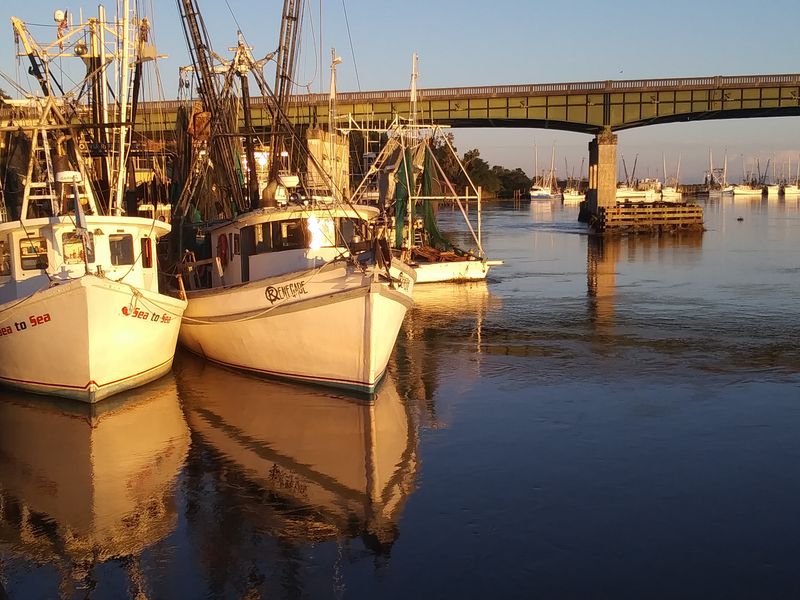
Darien claims the title of Georgia’s second oldest city, with a rich history rooted in timber and shrimping industries.
Tourism gradually infiltrated this working waterfront town, bringing both opportunities and cultural shifts.
The shrimping fleet that once defined Darien’s economy has shrunk as waterfront property became more valuable for tourism development.
Historic homes along the bluff now operate as vacation rentals, removing housing stock from the permanent resident market.
Fort King George attracts history enthusiasts, increasing visitor traffic through residential neighborhoods.
Local restaurants that served authentic Lowcountry cuisine to generations of families now adjust menus for tourist palates.
The annual Blessing of the Fleet festival, once a genuine community celebration, has grown into a major tourist event.
This growth brings revenue but also crowds that overwhelm the small town’s infrastructure.
Marshfront property values soared as buyers from Atlanta and beyond discovered Darien’s scenic beauty.
Longtime residents find themselves unable to afford property taxes on land their families owned for decades.
The working waterfront atmosphere that gave Darien its character competes with boutique shops and upscale lodging.
Some locals appreciate improvements to downtown facades and increased dining options.
Others worry that Darien is losing its authentic identity as a genuine Georgia working town.
The tension between preserving maritime heritage and embracing tourism dollars plays out in city council meetings and community discussions.
Younger generations face difficult choices about whether to stay in a town where opportunities increasingly cater to visitors rather than residents.
7. Brunswick
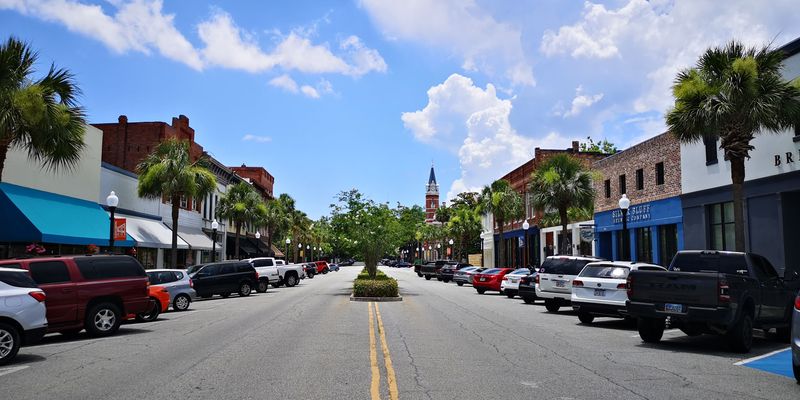
Brunswick functions as the commercial hub for Georgia’s Golden Isles, serving both residents and the millions of tourists passing through annually.
This dual identity creates unique pressures that have transformed the city over the past several decades.
The historic downtown area underwent revitalization efforts aimed at attracting tourists heading to nearby islands.
While improvements enhanced aesthetic appeal, they also raised property values and pushed out longtime businesses unable to afford increased rents.
The shrimping industry that once employed hundreds of local families has declined as waterfront land became more valuable for other purposes.
Tourism-related service jobs replaced higher-paying maritime work, changing the economic landscape for working-class residents.
Traffic congestion worsened dramatically as Highway 17 funnels endless streams of tourists through the city toward island destinations.
Locals avoid certain routes during peak times, adding significant time to daily commutes.
Chain restaurants and hotels sprouted along commercial corridors, creating a generic landscape that could exist anywhere.
The unique character that distinguished Brunswick from other Georgia cities has faded somewhat amid standardized development.
Mary Ross Waterfront Park provides beautiful views but now attracts more tourists than local families seeking quiet recreation.
Neighborhoods near tourist corridors experience increased noise, litter, and parking problems from visitors unfamiliar with residential areas.
Some residents appreciate the jobs and economic activity tourism generates.
Others feel Brunswick sacrificed too much of its authentic identity in pursuit of tourism dollars.
The city continues seeking balance between serving as a tourist gateway and maintaining livability for permanent residents.
8. Sapelo Island

Sapelo Island remains one of Georgia’s most unique coastal communities, home to the historic Gullah Geechee settlement of Hog Hammock.
Limited ferry access has protected the island from mass tourism, but even controlled visitation has impacted this fragile community.
The Gullah Geechee residents descend from enslaved West Africans who maintained distinct cultural traditions for generations.
As tourism interest in their heritage grew, the community faced pressure to open their lives to curious outsiders.
University of Georgia marine research facilities brought scientists and students, adding another layer of outside presence.
Property tax increases driven partly by coastal Georgia’s overall tourism boom threatened residents’ ability to maintain ancestral land.
Many families sold parcels they could no longer afford to keep, shrinking the permanent community.
The Reynolds Mansion operates as a conference center, bringing groups to the island and increasing ferry traffic.
While educational tourism can raise awareness about Gullah Geechee culture, it also commodifies living traditions.
Residents express mixed feelings about visitors who come to observe their community like a living museum.
Environmental changes partly linked to increased boat traffic and development on neighboring islands affect Sapelo’s ecosystems.
The delicate balance of this barrier island requires careful management that sometimes conflicts with tourism interests.
Advocates fight to preserve Hog Hammock as a living community rather than allowing it to become a historic curiosity.
The story of Sapelo Island illustrates how even limited tourism can profoundly impact small, culturally significant communities.
Its future depends on respecting residents’ rights while allowing appropriate access to this remarkable Georgia treasure.
9. Little St. Simons Island
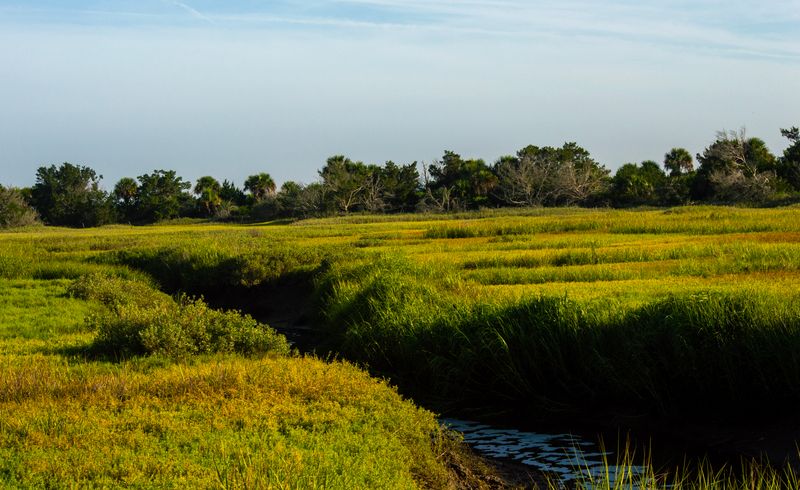
Little St. Simons Island operates as a private nature preserve with extremely limited guest capacity, making it the most exclusive destination in coastal Georgia.
This model theoretically protects the island from mass tourism impacts affecting other coastal areas.
However, the shift toward high-end ecotourism still represents a fundamental change from the island’s earlier character.
For decades, the Berolzheimer family maintained the island as a private retreat with minimal commercial activity.
The decision to open a small lodge brought paying guests to an island previously accessible only to family and friends.
While visitor numbers remain carefully controlled, the presence of any tourism operation alters the island’s wild nature.
Staff members who manage the lodge and guide guests require housing and infrastructure that impact the pristine environment.
The exclusive price point means only wealthy travelers can experience this Georgia coastal gem.
This economic barrier creates a different kind of access issue than overcrowding but still limits who can enjoy the island.
Environmental monitoring shows that even light tourism creates measurable impacts on sensitive ecosystems.
Bird nesting areas require seasonal closures to protect species from human disturbance.
The island represents what responsible tourism might look like, yet it remains tourism nonetheless.
Some conservationists argue that complete preservation without any public access would better serve ecological goals.
Others believe the ecotourism model generates support and funding for conservation efforts.
Little St. Simons Island’s approach offers valuable lessons for other Georgia coastal areas seeking sustainable tourism models while acknowledging that any human presence creates change.
Dear Reader: This page may contain affiliate links which may earn a commission if you click through and make a purchase. Our independent journalism is not influenced by any advertiser or commercial initiative unless it is clearly marked as sponsored content. As travel products change, please be sure to reconfirm all details and stay up to date with current events to ensure a safe and successful trip.
