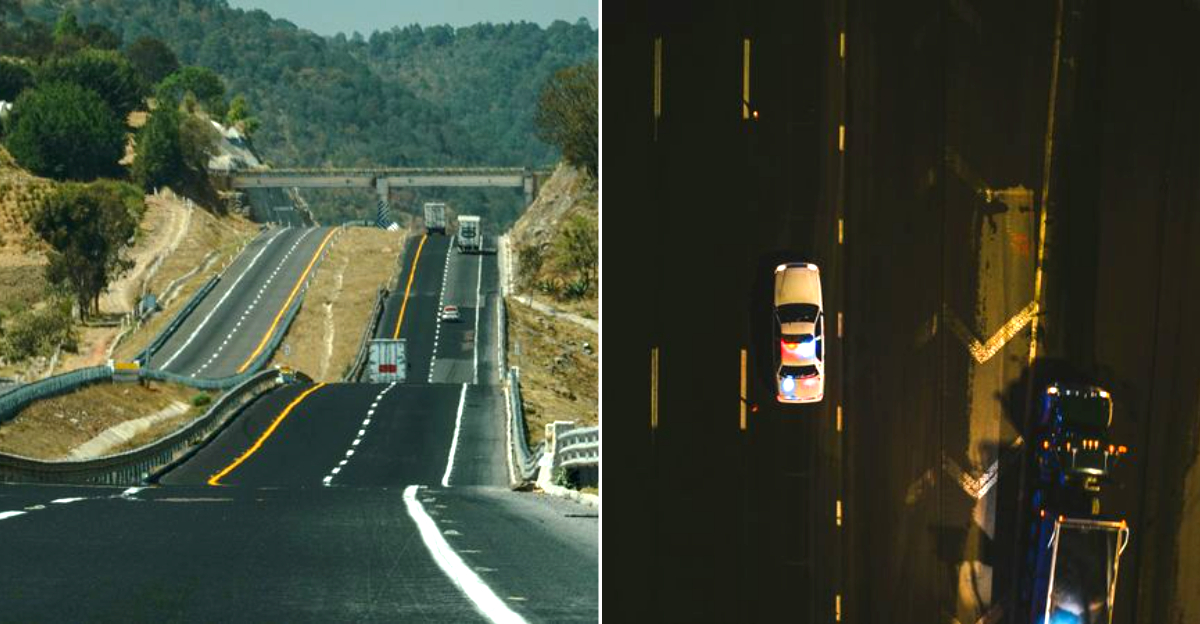
You know that moment when blue lights pop on up ahead and your stomach does a little flip even though you did nothing wrong? That feeling hits harder in Georgia, because the state expects you to either slide over a lane or slow down more than you think, and it is not shy about reminding you afterward if you miss the cue.
I learned fast that this is not just a courtesy here, it is a living, breathing rule that keeps roadside crews and first responders out of harm’s way, and it kicks in more often than travelers realize. If you are driving through new territory and juggling signs, exits, and a chatty playlist, this one deserves a place at the top of your mental checklist.
I am not trying to scare you, but I want you to roll into Georgia feeling ready, because the move over expectation shows up on highways, byways, and even busy suburban stretches where you barely expect it. The rhythm is simple to say and trickier to do, since traffic can be stubborn and lanes can fill up at the worst moment, and that is when slowing way down becomes the move that saves the day.
Trust me, knowing what the lights mean before you see them takes the stress down several notches and keeps everyone calmer in the car. Once you get the feel for how Georgia handles this, you start noticing how it makes the whole roadside scene feel safer and more respectful.
Why This Law Catches Visitors Off Guard
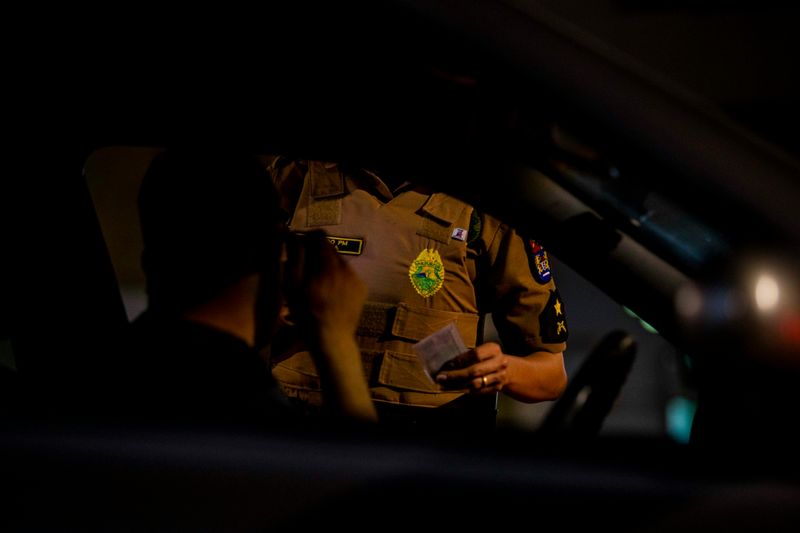
Here is what sneaks up on people driving into Georgia: the rule feels obvious in theory, yet it shows up in everyday places where your attention is already busy. You might be eyeing an interchange, chatting with a passenger, or glancing at a sign, and then flashing lights appear on the shoulder and your brain does a tiny scramble.
That split second is why visitors get surprised, because the state expects a clear response even when the situation is not dramatic.
The expectation is simple to say and practical to do when traffic cooperates, but the surprise comes from timing. You see a sanitation truck or a utility pickup with beacons on the side, and it does not feel like an emergency scene, yet the same rule applies.
If you can move over smoothly, you should, and if you cannot make that lane change safely, you need to slow down and ride by with real caution.
I tell friends that Georgia treats shoulder scenes as living workspaces, not background noise. That mental shift helps a lot, because you stop judging by how serious the incident looks and you start responding to the lights and the workers.
Once you experience a couple of these moments, the habit sets in and the startled feeling fades fast.
Until then, it is easy to miss how broad the rule is and how often it pops up on routine drives. The state’s approach is steady, consistent, and very protective.
You will feel that as soon as the first set of lights flickers on the horizon.
The Roadside Stops That Trigger The Rule
It is not just police cruisers pulling someone over that set this whole thing in motion. In Georgia, you will see flashing lights on utility service trucks, highway maintenance rigs, tow trucks, and sanitation vehicles, and the rule treats them all with the same gravity.
If they are on the shoulder with lights going, your job begins before you reach them, not at the last second when a lane change gets dicey.
Think about places where these scenes pop up. It could be a bucket truck fixing a line near an exit ramp, or a maintenance crew sweeping debris along a busy stretch, or a tow operator working with a nervous driver on a narrow shoulder.
None of that looks dramatic, but it is vulnerable work, and the law backs them up with a clear expectation for every passing car.
When you scan the road ahead and see any of those lights, start planning early. Signal sooner than you normally would, find a gap, and slide over cleanly if the lane opens.
If traffic will not give, release the throttle, add space ahead of you, and drift by at a pace that feels patient and obviously careful.
I try to treat the shoulder like a temporary work zone, even if it is just one truck and a single worker. That mindset helps you slow your thinking and your car without drama.
It is respectful, it is safer, and it keeps your day moving without a story you did not want to tell.
What Drivers Are Actually Expected To Do
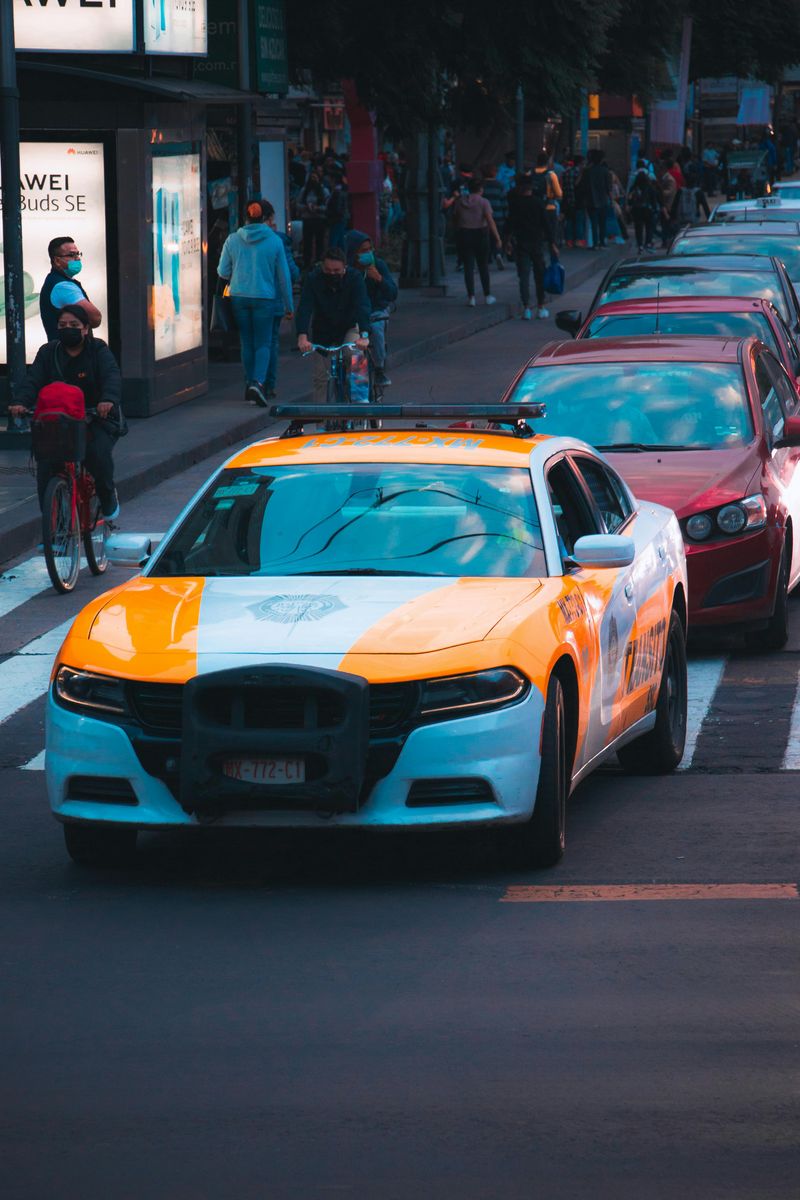
When the lights appear, your decision tree is short, and that is the beauty of it. First, check the next lane and make a smooth, safe move over with a clear signal if the opening is there.
If traffic blocks you or the gap feels sketchy, you hold your lane, ease off, and roll by slower than the posted pace while staying ready for anything unexpected near that shoulder.
That second path matters more than people think. Georgia is not asking you to dive across lanes or make something risky happen, and it will not reward panic moves.
It wants you to prioritize safety, which means treating speed as flexible and being visibly cautious as you pass the scene.
Here is a simple habit that helps on busy routes. The moment you spot flashing lights in the distance, lift your foot a touch, click the blinker early, and watch mirrors for someone ready to let you in.
If nothing opens, you have already started slowing, which gives everyone time to read what you are doing.
I also ride with extra space in front of me in these moments, because workers sometimes step out or a door swings wider than expected. That buffer lets you react without drama.
It feels calm, it looks respectful, and it is exactly what the state hopes you will do.
When Moving Over Is Not So Simple
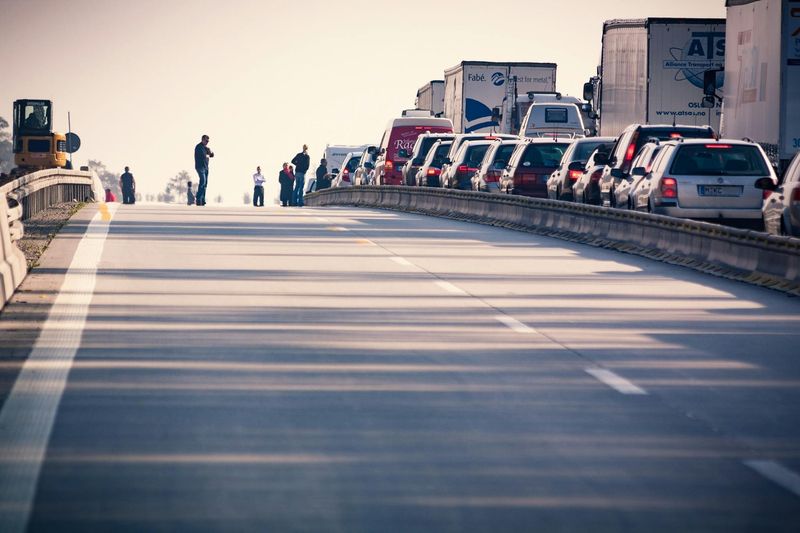
We have all been boxed in during city traffic where every lane feels stitched shut. In those moments, the move over part of Georgia’s rule becomes the slow down part, and that is completely fine.
You are not expected to wedge your way into a lane that does not exist, you are expected to show patience and roll by at a clearly reduced pace with both hands steady on the wheel.
Here is the trick that keeps your nerves down. Start easing earlier than your gut says, because that little head start makes your speed drop look intentional rather than twitchy.
Keep your line straight, skip the last second juke, and watch for workers or open doors near the shoulder.
If the lane finally breaks open right before you reach the scene, only take it if the move stays graceful. A sloppy, rushed dart defeats the whole point, and it spooks everyone nearby.
Remember that signaling early and holding a predictable path is its own kind of courtesy in tight traffic.
Out on Georgia’s big arteries, this slow pass might last a handful of heartbeats, then you are back to normal flow. The calm way through looks boring from the outside, which is exactly why it works.
You leave space, you pass gently, and you carry on without making roadside life harder for anyone.
Why Slowing Down Still Matters Here
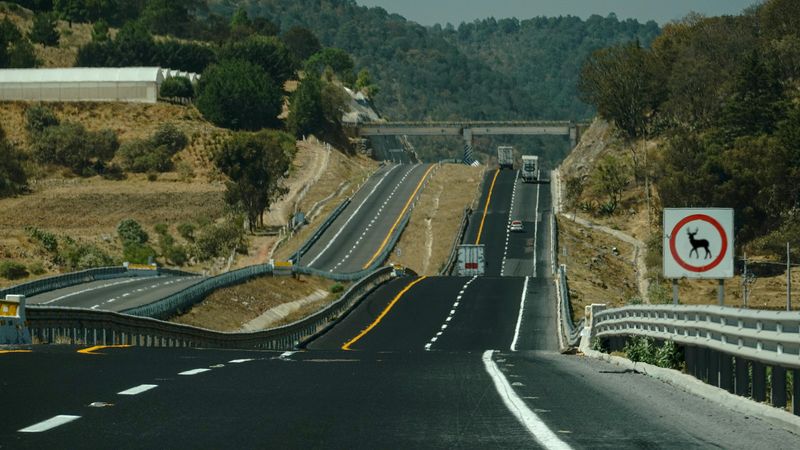
Slowing down is not a consolation prize, it is the other half of the rule that saves the day when space runs out. Think about the wind wake your car throws at a person standing next to a truck, and how that blast feels when you are focused on a cable or a jack.
Dropping speed softens that shove, buys reaction time, and tells everyone that you see them and you are on their side.
There is also a communication angle that people forget. Your car’s posture on the road sends a message, and a clear deceleration with steady tracking says you are intentionally giving room.
Workers can glance up, register your slower approach, and keep their focus on the job without flinching.
On Georgia’s rural stretches, slowing can be the cleanest option because shoulders are narrow and lanes are limited. In suburbs, it helps because driveways and merge points make sudden lane changes awkward.
In cities, it is the pressure release when every lane is packed and you still want to do right by the folks on the shoulder.
I treat the slow pass like a little courtesy wave you give with your right foot. It costs almost nothing, it lowers risk, and it resets the tone around the scene.
You feel calmer, they feel safer, and the whole road hums along without a spike of chaos.
The Flashing Lights That Change Everything
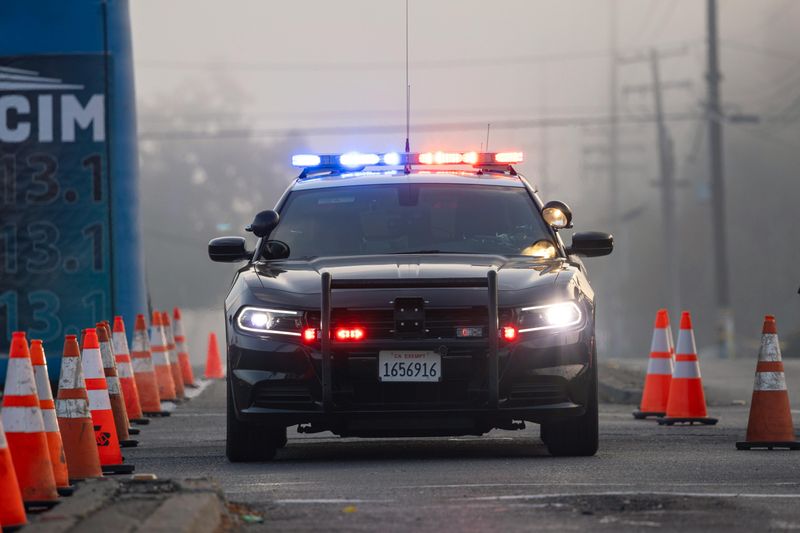
Those lights are not decoration, they are a language that tells you the shoulder is active. In Georgia, blue, red, and amber mean someone is working, assisting, or managing a situation that does not mix well with fast traffic.
The moment you see that glow bounce off guardrails or wet pavement, your plan should shift from making time to making space.
Different scenes share the same bottom line. A trooper car with a driver pulled over calls for the same move as a maintenance crew clearing a chunk of tire tread, and a tow operator loading a damaged sedan deserves identical respect.
If the lane beside you is open, slide there smoothly, and if not, make your lane feel generous by easing down and holding your line.
Night adds another layer because depth and distance get slippery. Rain stacks on glare, curves hide shoulder activity until late, and your eyes are busy with reflections.
That is when the habit of reacting early to lights pays off without drama.
Georgia’s approach turns those colors into a nudge that you cannot miss. Once you start responding to them the same way every time, you waste less mental energy figuring out what to do.
You see the flicker, you make your move or slow your roll, and everyone breathes easier.
Why Georgia Treats This So Seriously
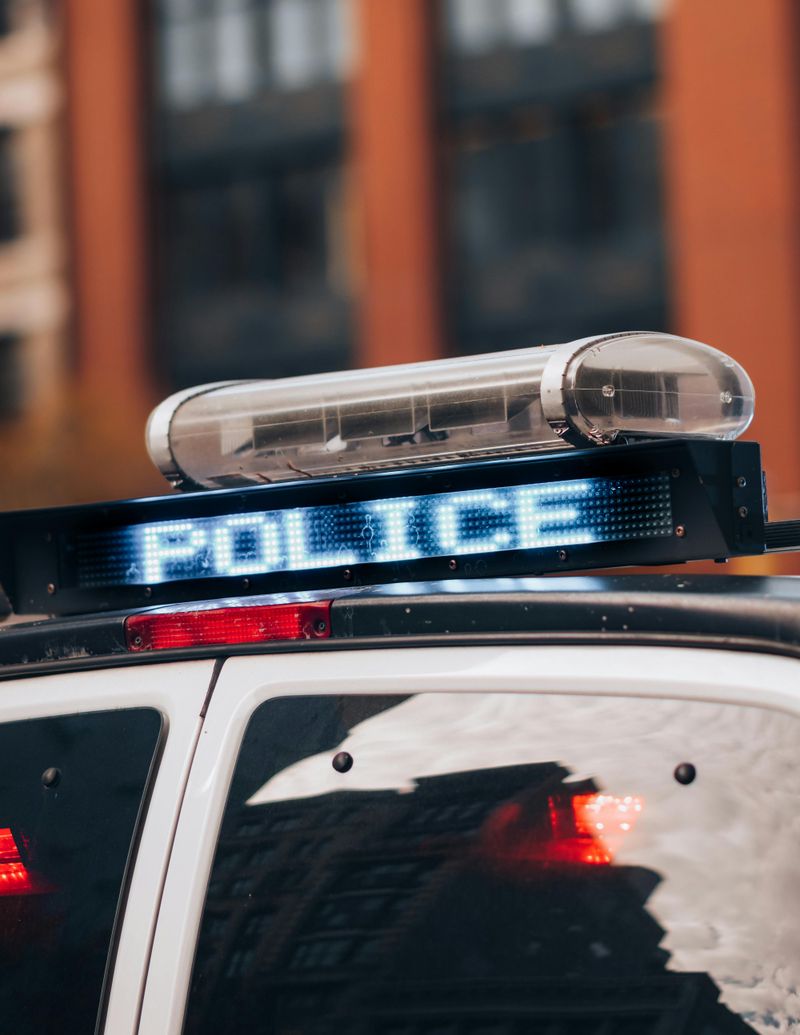
Spend five minutes standing on a shoulder and you will understand the priority. Cars whip by with a wall of wind, mirrors skim close, and every small distraction feels huge when you are inches from live traffic.
Georgia looks at that reality and chooses to put the burden on passing drivers, because they are the ones who can create space and calm the scene.
There is a broader safety culture at play too. The same mindset that protects construction zones extends to tow operators, utility workers, and first responders, because the danger does not care what logo sits on the door.
If there are lights and people working, the risk goes up and the state wants the surrounding flow to bend around them.
I like how straightforward it is. No guessing based on how serious the stop looks, no arguing about whether it is an official scene or just a quick task.
Treat the lights as a switch that flips your driving posture into the protective setting, and you will be in step with Georgia’s expectations.
When travelers adapt to that rhythm, everything gets less tense at the edge of the road. Workers can focus, drivers can pass without theatrics, and the risk drops a noticeable notch.
That is the kind of seriousness I can live with every day.
The Out-Of-State Mistake People Keep Making
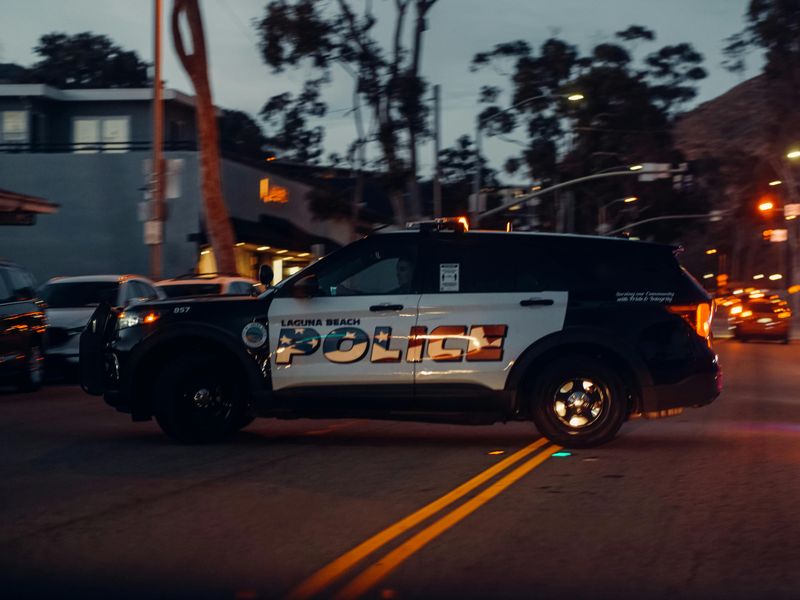
The most common miss I see from visitors is judging the scene by drama instead of by lights. If there is no smoking car or crowd gathered, they treat it like a nonevent and hold speed in the same lane, which looks normal until you realize a worker is inches away.
Georgia is not grading the spectacle, it is reading the lights and expecting you to react on cue.
Another slip happens when folks wait for a perfect opening and keep cruising at full pace while they hope. That turns a good intention into a bad pass because the lane never opens and now you are on top of the shoulder scene still hunting for a gap.
If the lane is not available, the answer is to slow clearly and early, not to gamble on last second magic.
I also hear people say they were worried about getting rear ended if they eased off. That is exactly why you start lifting earlier and tap your brakes gently so your signal travels upstream.
Predictable slows are safer than abrupt ones, and drivers behind you usually read the lights too.
Once you internalize that Georgia treats flashing roadside lights as a universal prompt, the guesswork is gone. You either change lanes cleanly or you dial it back, and both choices show respect.
Miss that cue, and you might get a lesson you did not plan for.
A Driving Rule Worth Knowing Before Georgia

Before you cross into Georgia, tuck this rule right next to your lane-change habits and your mirror checks. The moment you spot shoulder lights, either slide over smoothly or slow below the usual pace and drift past like you are walking through a crowded hallway.
Tell your passengers that this is how you roll here so they are not startled when the car eases off a bit.
This tiny shift makes road days feel calmer. You stop arguing with yourself about whether the scene looks serious and you just respond to the signal that matters, which is the flashing light.
The routine becomes almost automatic, and the stressful spike you used to feel near the shoulder fades into a small, confident adjustment.
I keep it simple with two steps. Look early and plan the lane move, and if it is not there, claim the slow pass as the correct move without apology.
The workers notice, the officer notices, and your car looks like it belongs on that road.
By the time you have driven a couple of stretches in state, the rhythm clicks and your day smooths out. You arrive where you are going without a story about sirens or points or tense moments.
That is a win for you, for the folks on the shoulder, and for every driver following your lead.
Dear Reader: This page may contain affiliate links which may earn a commission if you click through and make a purchase. Our independent journalism is not influenced by any advertiser or commercial initiative unless it is clearly marked as sponsored content. As travel products change, please be sure to reconfirm all details and stay up to date with current events to ensure a safe and successful trip.
