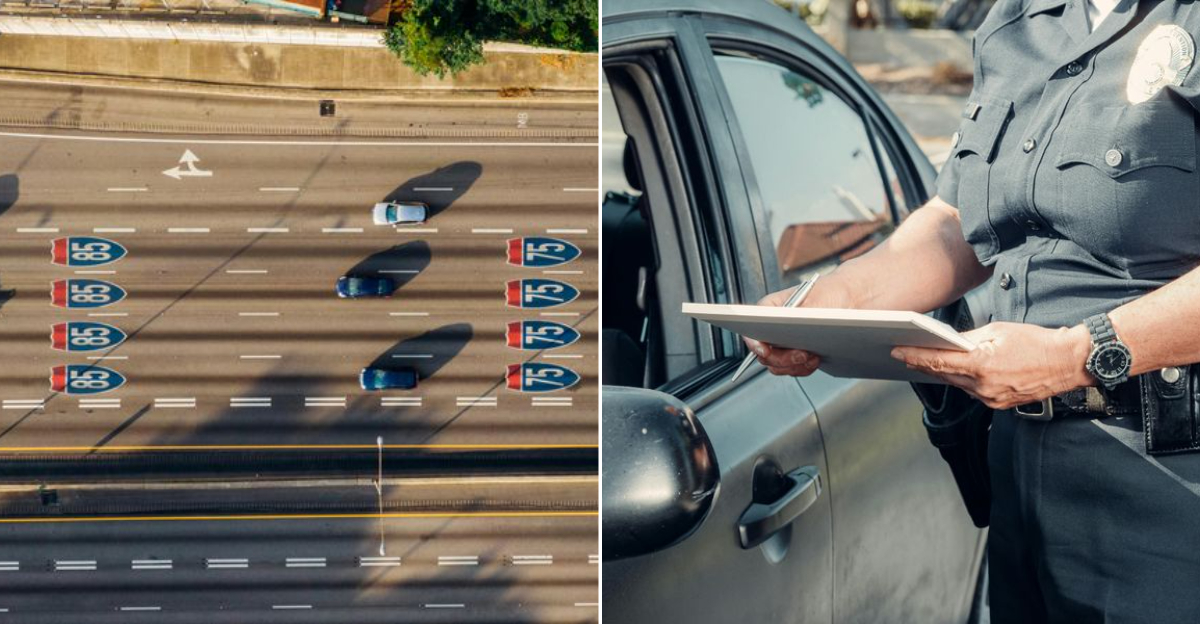
Why does one speeding rule in Georgia keep catching out-of-state drivers so fast? Because the surprise is not just the ticket.
It is the extra state penalty that can show up on top of it. Georgia’s Super Speeder law adds a separate $200 fee for drivers convicted of going 75 mph or more on a two-lane road, or 85 mph and up on any road or highway, and that includes out-of-state drivers too.
That is what makes the rule so memorable right away. People assume a speeding stop means one fine, one headache, and then the trip moves on.
Then Georgia adds another layer, and suddenly the whole thing feels a lot more serious than expected. The state also warns that if the Super Speeder fee is not paid within 120 days of notice, driving privileges in Georgia can be suspended, with an added reinstatement fee after that.
By the time drivers realize how this law works, the surprise has usually already done its job.
The Georgia Speeding Rule That Hits Harder Than Visitors Expect
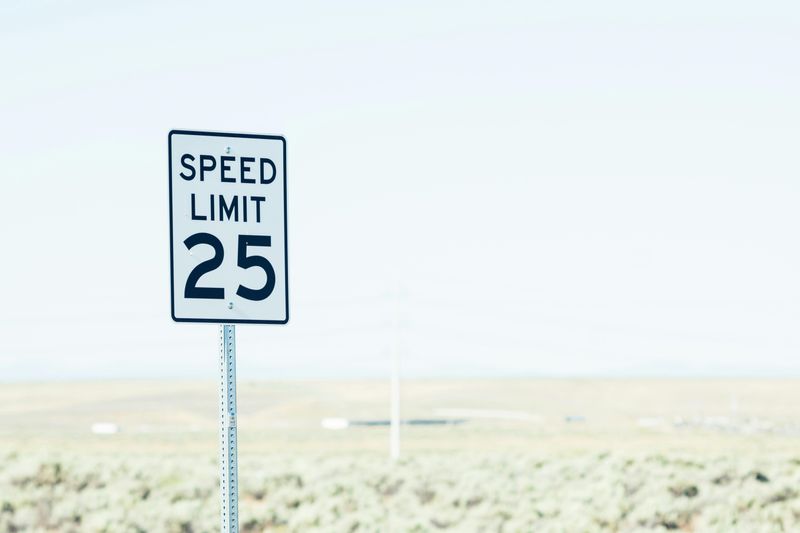
Here is what throws people off in Georgia. The local ticket you get on the side of the road is not the final chapter, because the state can add its own label to your case after the court part settles.
That extra label is the one that gets folks shaking their heads, since it comes later and lands like a second tap on the shoulder when you already thought the day had moved on.
You might be rolling with traffic and not realize how the limit changes from a wider freeway to a quieter stretch. It is easy to feel the road open up and let your mind drift a little while the miles slide by.
That is exactly the space where this rule bites, because the law does not care about vibes or flow, only the speed that got measured and recorded.
The part that feels heavy is the follow up from the state office. A letter shows up, the tone is firm, and it explains that your situation now includes a state level consequence tied to the speed.
You handle the original citation locally, then you still have a statewide box to check.
If you ignore that second step, your driving life in Georgia gets complicated in a way that can spill into your home base. That is why friends warn friends before the trip even begins.
Keep an eye on the limits, especially as scenery shifts fast.
What Super Speeder Actually Means Under State Law

Super Speeder is not a nickname drivers made up on a forum. It is a specific state designation that kicks in when a conviction crosses certain speed thresholds that the law spells out clearly.
That means it does not matter how polite you were at the stop or how clean your record used to be, because the definition lives in the statute and the back-end system that tracks outcomes.
Think of it as a second layer on top of whatever the local court already did. You might pay the city or county and feel done, then the state says your speed was high enough to qualify for an extra consequence.
That separate piece comes from the Department of Driver Services, which is the statewide office that manages records, notices, and privileges.
The key detail is that it triggers only after a conviction, not just a roadside warning. So the moment the case lands that way, the state machinery starts moving, and your mailbox becomes part of the process.
It is official, traceable, and it does not fade because someone forgot to call you.
Georgia treats residents and visitors the same under this definition, which surprises a lot of travelers. If you were just passing through, the label still lands and follows you home in the paperwork world.
That is why it helps to know the term before you set the cruise or match the fast pack in the left lane.
Why Two-Lane Roads Can Get Drivers In Trouble Faster

Two lane roads look friendly, almost like an invitation to settle in and enjoy the landscape. The spacing feels open, the towns drift by, and the rhythm makes you think the rules might be softer than the big controlled-access highways.
That calm is exactly why people let speed creep without noticing how quickly a gentle downhill or tailwind can push a quiet climb into the danger zone.
Georgia treats certain speeds on two lane routes as a bigger deal than many visitors expect. Those stretches carry their own threshold for the Super Speeder tag, and the standard is not negotiated on how empty the road looked at the moment.
If the reading lands over the line, it is on the books regardless of how safe it seemed to your eyes.
Enforcement on these roads can be steady because local departments know where folks relax the most. Long straight sections, a small dip before a bridge, or a lull after a rural intersection can be hot spots.
You do not see it until the lights pop in the mirror, and by then the number is the number.
The best move is to check posted limits often, especially after passing through a small town or changing counties. Cruise control can help, but only if you set it for the reality of the route, not the vibe of the trees.
In Georgia, those pretty two lane miles can carry the quickest path to a hard lesson.
The Extra $200 That Comes After The Ticket
This is the curveball that makes people say wait, what. You handle the citation with the local court, think the matter is wrapped, and then a statewide notice arrives telling you there is another cost tied directly to how fast the conviction says you were going.
It does not replace the earlier fine, it stacks on top of it, and the timing makes it feel like a sequel you did not expect.
The notice explains the amount owed and the deadline, and it points you to the state’s payment system. It is not optional, and it is not something you can wish away by ignoring it, because the agency managing driver records links that payment to your ongoing driving privileges.
Skip it, and you set off a chain of consequences.
Visitors are not spared, which is the part that really stuns folks who were only crossing Georgia to reach the coast or the mountains. The state can limit your ability to drive within its borders if you ignore the follow up.
Then your home state may hear about it and decide to take its own steps.
The smartest thing you can do is open that envelope the day it lands, read the instructions fully, and pay promptly. Keep proof, screenshot confirmations, and mark your calendar until everything clears.
You will feel a lot better treating this letter like a priority instead of a footnote.
The DDS Notice That Makes The Penalty Feel More Real

That letter from the Department of Driver Services lands with official weight. It has the tone of a state office that runs on policy and timelines, not on feelings about road trips or explanations about traffic flow.
When you read it, the whole situation shifts from an annoying ticket memory to a real administrative step with consequences you can feel.
The notice spells out what you owe, where to pay, and what happens if you ignore it. There is no mystery in the wording, and there is not much wiggle room either, because the law ties this penalty to specific speeds and a final conviction.
The document reads like a checklist for staying on the right side of the system.
If you moved since the stop or used a temporary address on your trip, make sure the state has your correct info. Returned mail is not a shield, and missing a deadline because the envelope chased you around is not a winning plan.
Call, verify, and update if anything changed.
Once you pay, keep the receipt and watch for confirmation that your status is clear. If there was already a hold on your privilege to drive in Georgia, follow the instructions to resolve it completely.
Treat it like any important bill from a state agency, because that is exactly what it is.
Why Out-Of-State Drivers Get Caught Off Guard By This

When you are road tripping, you kind of assume the local ticket is the end of the story. In plenty of places, once you pay the court and move along, the rest stays quiet.
Georgia adds a statewide follow up that comes after the court part, and that timing throws off a lot of visitors who already left the state and switched back to normal life.
The kicker is that Georgia can restrict your ability to drive within the state if you ignore that notice, even if your license comes from somewhere else. Then the record of that action can flow through the interstate systems that states use to share driver information.
Your home agency might decide to act as well, creating a headache you never expected from a vacation detour.
None of this changes just because you did not know the rule existed. The letter still arrives, the deadline still applies, and the status still flips if you miss it.
You can call and ask questions, but the classification is set by the speed in the conviction.
The best defense is simple awareness. If you had a fast day in Georgia and a ticket followed, keep an eye on your mail and email and do not assume silence means closure.
A little attention now can save you from an ugly surprise later.
How A Fast Drive Can Turn Into A License Problem

It starts as a quick push to pass a truck or make a hill feel smoother, and then the blue lights show up and your day takes a left turn. In the moment, you think it is a fine, some points, and a story to tell.
In Georgia, it can grow legs because the state adds a separate requirement that decides whether you keep your driving privilege in the state.
If that requirement gets ignored, an administrative action can lock your ability to drive in Georgia. Then your home state might hear about it and take its own path, which could ripple into renewals, insurance conversations, or work logistics if you drive for your job.
A simple burst of speed becomes a paperwork knot that follows you longer than any stretch of highway.
The fix is not complicated, but it is strict. Pay what the notice describes, keep a record, and follow through if a reinstatement step is part of the process.
Do not wait for a friendly reminder, because the timeline belongs to the agency, not to your calendar.
Georgia takes this seriously, and once you see how clean the system runs, you understand why you cannot wish it away. Take care of it fast, and then reset your habits for the rest of the trip.
Your future self will thank you every time you see a limit sign.
The Kind Of Georgia Rule That Can Change A Road Trip Mood Fast

You can start a day humming along to a playlist and end it sitting on a gravel shoulder wondering how the vibe crashed so fast. That swing is what this Georgia rule can do, because it stretches beyond the moment when the ticket prints.
Later, the follow up letter arrives and brings the whole scene back like a rerun with a louder volume.
It is not all doom. Knowledge helps, and a calm plan helps more, because once you know there is a second step, you can knock it out and get back to the good parts of the trip.
Think of it as a chore that keeps the rest of your travel clean.
Watch for sudden limit changes near towns, construction stretches, and those deceptively empty country miles. The easiest win is to set a steady pace a touch under where instinct wants to land, especially when local drivers seem comfortable flying.
Georgia rewards restraint more than confidence on those stretches.
If the worst happens, breathe, organize the paperwork, and handle the state notice as soon as it drops. Then move on with a reset mindset and a lighter foot.
Your road trip keeps its grin when surprises become quick tasks, not lingering stress.
What To Do If You Already Got Hit With It

So the letter showed up, and your stomach did that little roll. You are not stuck, and you do not need a grand strategy, because the steps are clear if you take them in order.
Start by reading the notice slowly, then go to the listed site or phone line and confirm your case details before paying.
Make the payment, save the confirmation in two places, and take a picture of the receipt in case an email gets lost. If the notice mentions any additional step tied to your current status, follow that path fully so you do not leave a loose wire hanging.
A short call to verify clearance after payment can bring quick peace of mind.
If you moved or your mail is messy, update your contact info with the state office so future notices do not wander. When in doubt, ask a human at the agency, because they do this all day and can point you to the right link.
You will get straighter answers from them than from a random message board.
After it is handled, look ahead. Set reminders to slow down when you cross into Georgia next time, especially on quiet stretches that feel safe and empty.
The win here is simple: keep your trip easy, your record tidy, and your driving life drama free.
Dear Reader: This page may contain affiliate links which may earn a commission if you click through and make a purchase. Our independent journalism is not influenced by any advertiser or commercial initiative unless it is clearly marked as sponsored content. As travel products change, please be sure to reconfirm all details and stay up to date with current events to ensure a safe and successful trip.
