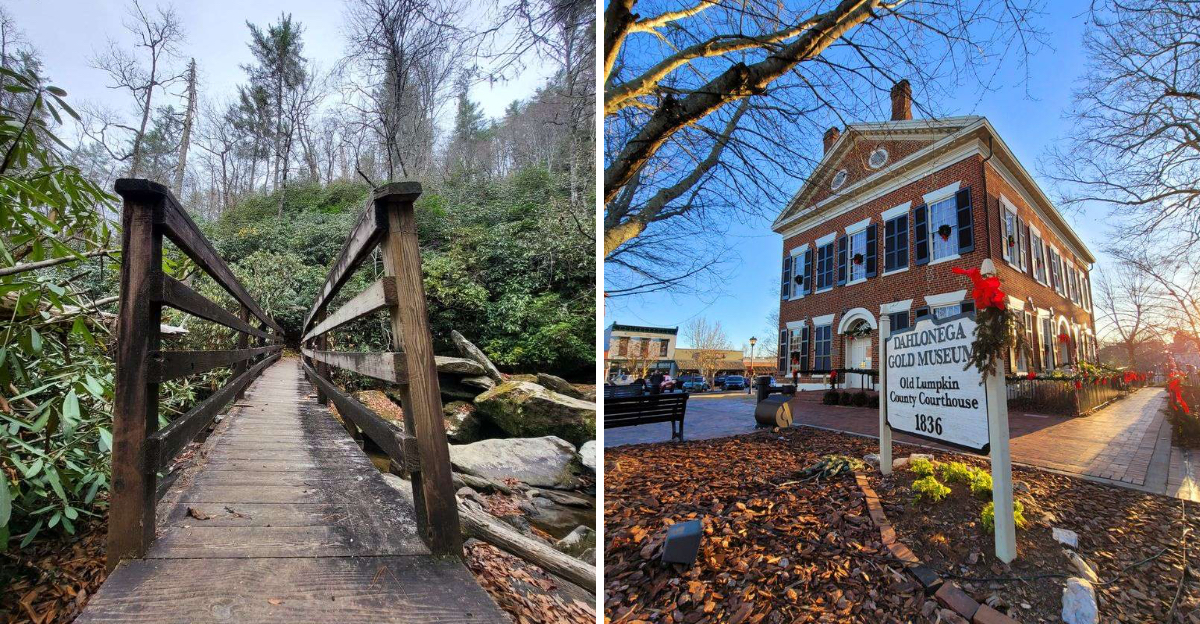
Georgia’s small towns never expected what was coming.
Quiet streets that once saw a handful of visitors now face gridlocked traffic and overwhelmed infrastructure.
Social media fame and viral videos turned sleepy communities into must-see destinations almost overnight.
Local residents find themselves navigating crowds, noise, and change they never signed up for.
1. Helen
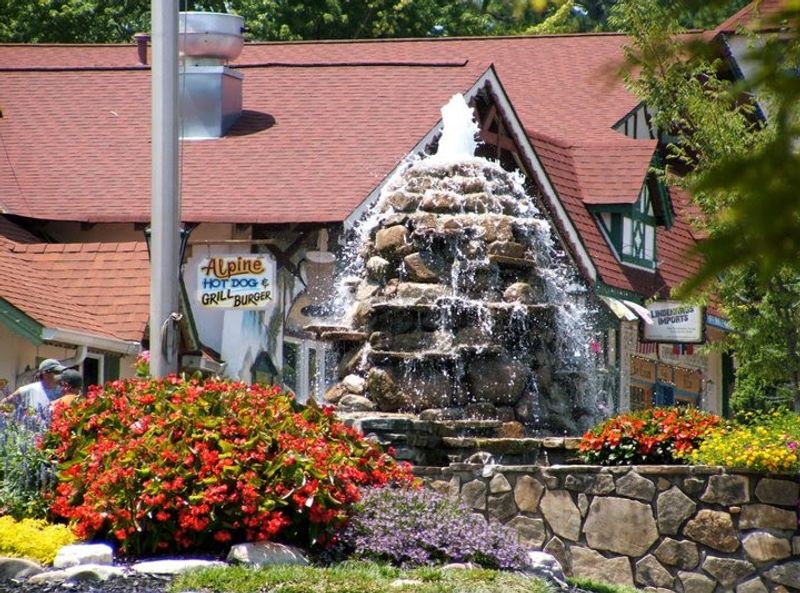
This Alpine-themed town transformed itself decades ago into a Bavarian fantasy, but nobody predicted the explosion of visitors that would follow.
Helen sits tucked in the North Georgia mountains, surrounded by rushing rivers and forested peaks.
What started as a clever rebranding strategy to save a dying lumber town became a victim of its own success.
Oktoberfest draws large crowds every fall, packing the narrow streets beyond capacity.
Tubing season turns the Chattahoochee River into a crowded flotilla of visitors, creating challenges for local authorities and rental outfitters. Parking becomes impossible on weekends as visitors circle endlessly searching for spots that don’t exist.
Local business owners appreciate the revenue but struggle to maintain quality service when slammed with customers.
Residents complain about noise, trash, and the loss of their peaceful mountain retreat.
The town’s infrastructure wasn’t built for this volume of traffic.
Sewer systems strain under the load during peak seasons.
Emergency services face delays reaching calls because of congestion.
Housing costs have skyrocketed, pushing out longtime residents who can’t compete with vacation rental investors.
The charm that drew people here in the first place gets buried under crowds and commercialization.
Some locals avoid downtown entirely during tourist season, feeling like strangers in their own community.
Helen exemplifies how quickly a small town can be overwhelmed when tourism growth outpaces planning and infrastructure development.
The question remains whether this Georgia mountain village can find balance before its character disappears completely.
2. Blue Ridge
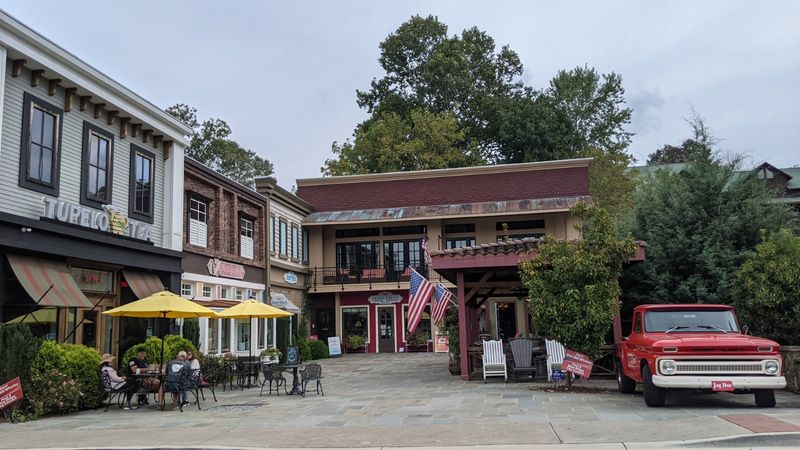
Nestled in the Appalachian foothills, Blue Ridge became an unexpected hotspot when travel bloggers discovered its scenic railway and vibrant arts scene.
The population barely reaches five thousand, yet weekends bring triple that number in visitors.
Downtown streets designed for local traffic now accommodate endless caravans of SUVs and tour buses.
The historic railway that once carried copper ore now hauls capacity crowds on every departure.
Reservations book months in advance for what used to be a spontaneous local attraction.
Antique shops and galleries that thrived on leisurely browsing now feel more like obstacle courses.
Restaurant wait times stretch to hours, frustrating both visitors and residents trying to grab dinner.
The town’s wastewater treatment plant operates near maximum capacity during peak weekends.
Short-term rental properties have consumed residential neighborhoods, changing the community fabric forever.
Year-round residents struggle to find affordable housing as property values soar.
Traffic backups extend for miles on Highway 515 during leaf season and summer weekends.
Police and fire departments operate with staffing levels meant for a small town, not a tourist destination.
Trails around the area show severe erosion from overuse by inexperienced hikers.
Local schools face overcrowding as service workers move in to support the tourism economy.
Blue Ridge represents the double-edged sword of discovery in the age of social media.
What made this Georgia town special risks being loved to death by admirers who keep arriving in waves.
3. Dahlonega
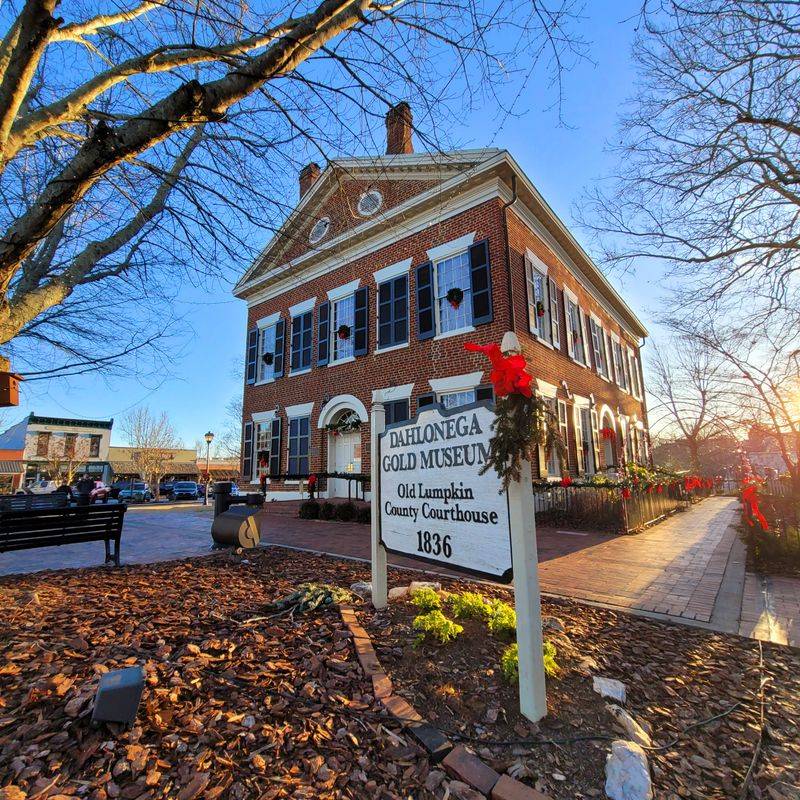
Today, Dahlonega attracts visitors to its vineyards, historic square, and scenic trails, bringing a new wave of weekend traffic.
Dahlonega’s transformation into a wine destination caught everyone off guard, including town planners.
Vineyards dot the surrounding hillsides, drawing sophisticated travelers seeking Georgia’s answer to Napa Valley.
The historic square that once hosted miners now hosts bachelorette parties and wine tour groups.
Weekends see traffic jams unprecedented in this mountain community’s history.
The town’s charm lies in its authentic gold rush architecture and small-town atmosphere.
Both are threatened by the sheer volume of visitors descending every weekend.
Hotels and bed-and-breakfasts stay booked solid from spring through fall.
The university adds thousands of students to the mix, further straining resources.
Parking enforcement became necessary for the first time in decades as visitors park illegally everywhere.
Local favorite restaurants now cater primarily to tourists, with menus and prices adjusted accordingly.
The sense of community erodes when your neighbors keep changing every weekend.
Trail systems around the area suffer from overuse and inadequate maintenance funding.
Water resources face pressure from increased demand by new developments catering to tourism.
Emergency services respond to increased accidents and visitor-related incidents, as the small town navigates the challenges of higher tourist volumes.
Dahlonega’s success story includes a downside that residents experience daily while tourists come and go.
This Georgia gem struggles to preserve its identity while capitalizing on newfound popularity.
4. Tybee Island
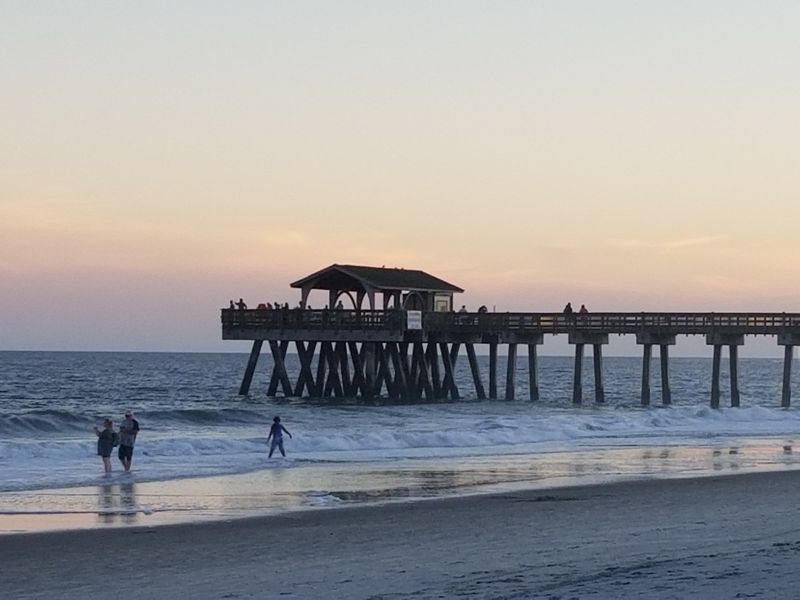
Just eighteen miles from Savannah, this barrier island has always attracted beach lovers, but recent years brought overwhelming numbers.
Social media posts showcasing the historic lighthouse and laid-back beach vibe created a perfect storm of popularity.
The island measures only three miles long, with limited infrastructure to handle massive influxes.
Summer weekends see traffic backed up for hours just trying to cross the bridge onto the island.
Parking lots fill by mid-morning, leaving frustrated visitors circling residential streets.
The small-town police force deals with traffic management issues they never trained for.
Beach accesses become dangerously crowded, with insufficient lifeguard coverage for the numbers present.
Trash collection struggles to keep pace with the volume generated by day-trippers.
Local restaurants run out of food during peak times despite ordering extra supplies.
The sewer system, built for a small permanent population, faces strain from tourist loads.
Year-round residents feel invaded in their own community, unable to enjoy their beach peacefully.
Short-term rentals transformed quiet neighborhoods into party zones with revolving occupants.
Noise complaints skyrocketed as vacation renters treat the island like an extended spring break.
Property taxes climbed as values increased, forcing some longtime residents to sell and leave.
The island’s charm always centered on its unpretentious, slightly shabby beach town character.
That authenticity fades as development and crowds reshape this Georgia coastal community into something unrecognizable to those who loved it first.
5. Blairsville
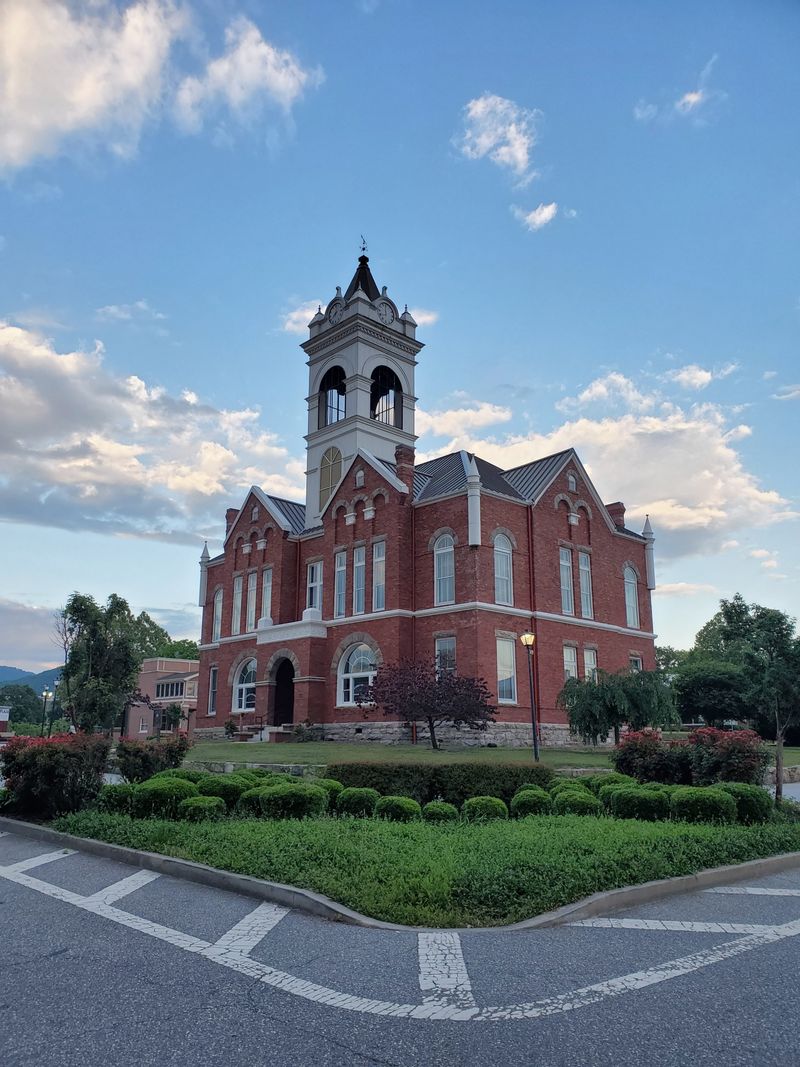
Proximity to Brasstown Bald, Georgia’s highest peak, put this mountain town on the map for outdoor enthusiasts nationwide.
Blairsville enjoyed peaceful obscurity for generations before hiking culture exploded in popularity.
The Appalachian Trail passes nearby, bringing through-hikers and day-trippers in unprecedented numbers.
Town infrastructure built for fewer than a thousand residents now serves thousands of weekly visitors.
The local grocery store can’t keep shelves stocked during peak hiking seasons.
Gas stations run dry on busy weekends as tourists fuel up for mountain adventures.
Trailhead parking lots overflow, with cars lining forest roads for miles in both directions.
Search and rescue operations increased dramatically as inexperienced hikers attempt challenging terrain.
The volunteer rescue squad struggles with the frequency and severity of calls.
Wildfire risk grows as careless visitors ignore burn bans and leave campfires smoldering.
Local medical facilities, designed for a small population, face capacity issues treating injured tourists.
The town’s character always centered on neighborly connections and mountain traditions.
Newcomers buying second homes or investment properties don’t integrate into the community fabric.
Property values surged, making it impossible for young locals to afford homes in their hometown.
The farmers market that once served locals now caters primarily to tourists seeking authentic mountain experiences.
Blairsville residents watch their quiet mountain life transform into something they barely recognize, all because a mountain peak became Instagram famous across Georgia and beyond.
6. St. Marys
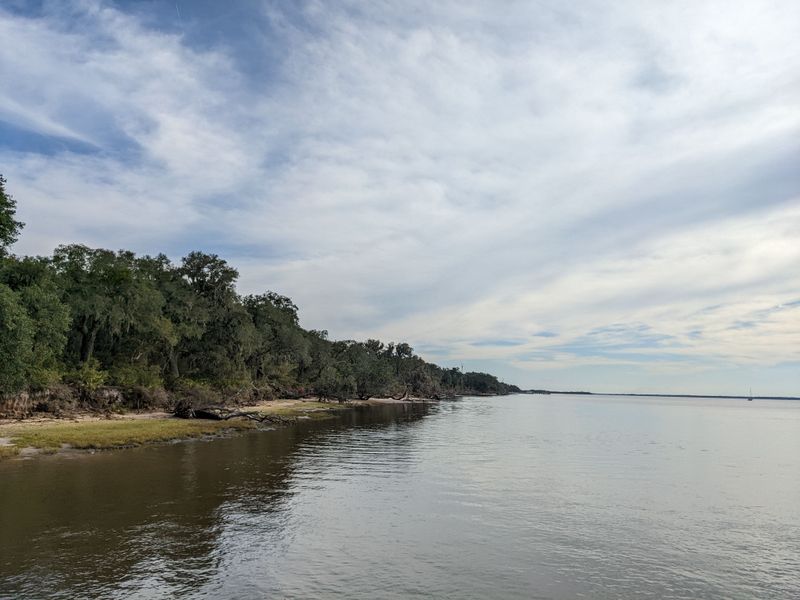
Serving as the gateway to Cumberland Island National Seashore, this coastal town never anticipated becoming a bottleneck for nature lovers.
St. Marys maintained a sleepy Southern charm for centuries, largely overlooked by tourists heading to Florida.
When Cumberland Island’s wild horses and pristine beaches went viral online, everything changed.
The ferry to the island operates with limited capacity, creating massive demand that concentrates in this small town.
Visitors arrive hours early to secure ferry spots, filling restaurants and shops beyond their capacity.
The town’s historic downtown, designed for casual strolling, now contends with tour groups and impatient crowds.
Parking becomes a competitive sport during peak season, with visitors blocking driveways and fire hydrants.
Local law enforcement spends most of their time managing tourist-related issues rather than serving residents.
The town’s sewage treatment capacity wasn’t designed for the daily influx of thousands of visitors.
Restaurants struggle to staff adequately because affordable housing disappeared as rental prices climbed.
The waterfront park, once a peaceful spot for locals, now swarms with tourists waiting for ferry departures.
Property owners converted historic homes into vacation rentals, hollowing out residential neighborhoods.
The sense of community diminishes when your neighbors constantly change and have no investment in the town.
School enrollment fluctuates as service workers move in and out, destabilizing educational planning.
St. Marys represents a Georgia community caught in the crossfire of conservation success.
Protecting Cumberland Island brought unintended consequences to the gateway town nobody considered in the planning process.
7. Clayton
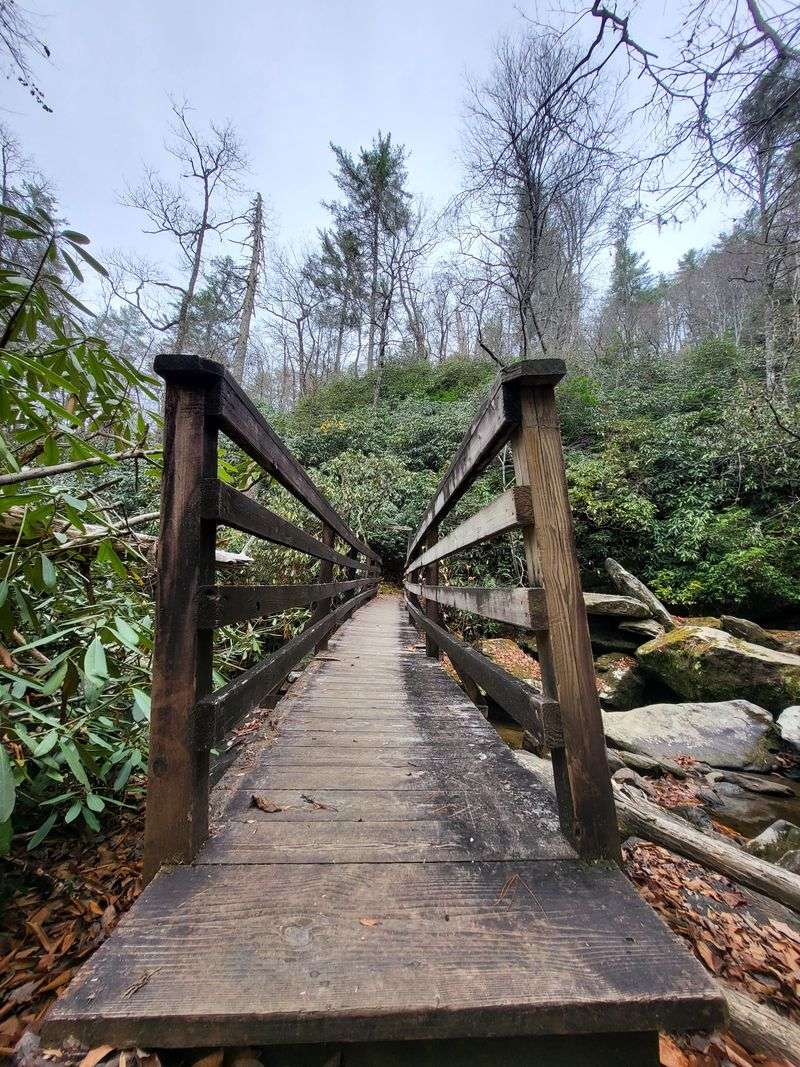
Waterfalls surrounding this mountain town became social media sensations, transforming Clayton from a quiet crossroads into a destination.
Rabun County contains dozens of stunning waterfalls, many easily accessible from this central location.
Instagram and TikTok posts featuring these cascades brought visitors from across the country.
The town’s population hovers around two thousand, yet summer weekends bring ten times that number.
Main Street wasn’t designed for the traffic volume now passing through daily.
Accidents increased as distracted drivers navigate unfamiliar mountain roads while checking GPS directions.
Trailheads to popular waterfalls overflow, with illegal parking creating safety hazards.
Erosion around waterfalls accelerated due to foot traffic from visitors ignoring marked trails.
Rescue operations increased as people attempt dangerous climbs for the perfect photo.
Local emergency services operate on shoestring budgets inadequate for the call volume they now handle.
The town’s wastewater system, built in the 1970s, struggles with current demand.
Affordable housing evaporated as investors bought properties for short-term vacation rentals.
Service industry workers commute from surrounding areas because they can’t afford to live in Clayton.
The local hospital, a small rural facility, faces challenges treating serious injuries from waterfall accidents.
Community events that once brought neighbors together now attract crowds of strangers.
Clayton’s identity as a tight-knit mountain community erodes with each tourist season in Georgia’s northeastern corner.
The waterfalls that put this town on the map may ultimately wash away the character that made it special.
8. Pine Mountain
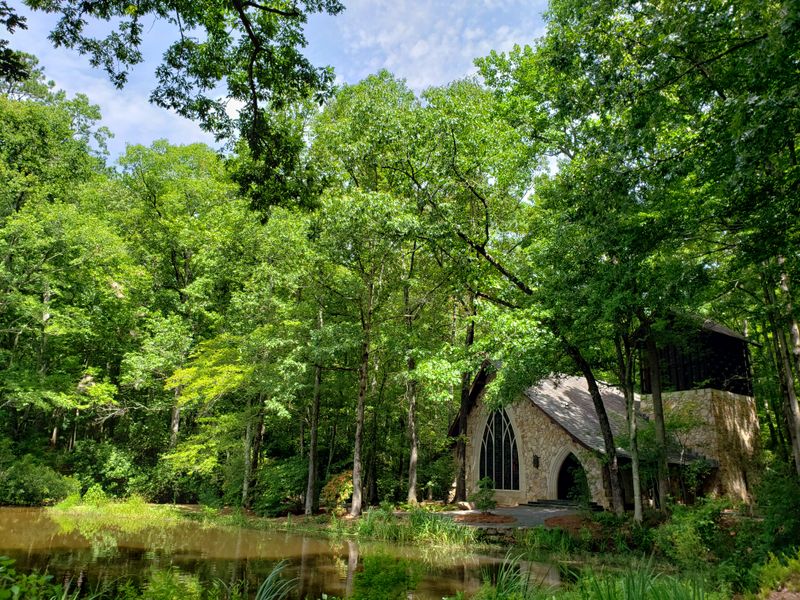
Callaway Gardens brought visitors for decades, but recent expansions and marketing efforts overwhelmed this small town’s capacity.
Pine Mountain sits at the base of its namesake ridge, a community of around a thousand permanent residents.
The gardens attract millions annually, with most traffic funneling through this tiny town.
Highway 27 becomes a parking lot during peak seasons, with backups extending for miles.
The town lacks adequate dining options for the visitor volume, creating frustration on all sides.
Local restaurants face impossible choices between expanding to meet demand or maintaining quality and character.
Roosevelt’s Little White House adds another layer of visitation to the area.
The combination of attractions created a perfect storm this small Georgia community couldn’t prepare for.
Infrastructure improvements lag years behind the growth in tourism.
Water and sewer systems operate near capacity during busy weekends.
The volunteer fire department responds to increased accidents on congested roads with inadequate equipment.
Property values skyrocketed, pricing out longtime residents and young families.
The town’s historic downtown struggles to maintain authenticity while catering to tourist expectations.
Chain businesses eye locations in town, threatening the independent character that makes Pine Mountain unique.
Residents debate whether tourism dollars justify the loss of quality of life.
Traffic noise replaced the peaceful mountain atmosphere that defined this community for generations.
Pine Mountain exemplifies the challenge facing small towns across Georgia when tourism growth happens faster than infrastructure and planning can accommodate.
9. Madison
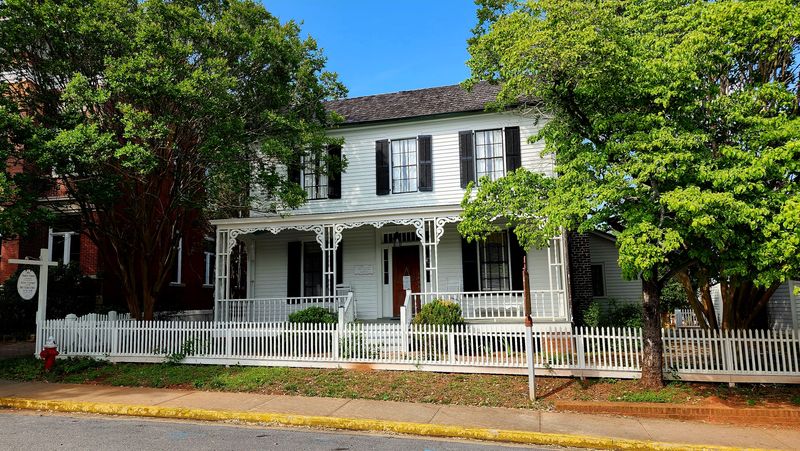
Sherman spared this town during his March to the Sea, preserving antebellum architecture that now attracts history buffs and architecture enthusiasts.
Madison’s historic district contains some of Georgia’s finest examples of Greek Revival and Victorian homes.
Travel magazines discovered this gem, featuring it in articles that brought unexpected waves of visitors.
The town’s infrastructure, charming in its historic authenticity, wasn’t built for tour buses and heavy traffic.
Narrow streets lined with historic homes now accommodate endless streams of gawking tourists.
Residents feel like exhibits in a living museum, with strangers photographing their homes constantly.
Privacy disappeared as visitors peer into windows and wander onto private property for better photos.
The town implemented new regulations about tour groups, creating tension with businesses dependent on tourism.
Parking around the historic district becomes impossible during peak visitation periods.
Local government faces pressure to expand parking, which would require removing historic elements or green space.
Restaurants and shops cater increasingly to tourists rather than residents, changing the character of downtown.
Property taxes increased with rising home values, burdening residents on fixed incomes.
The sense of community erodes when your town becomes primarily a tourist attraction.
Events that once brought neighbors together now attract crowds that overwhelm the intended intimate atmosphere.
Madison struggles to balance preservation with the demands of tourism that preservation inadvertently created.
This Georgia town’s survival through the Civil War created challenges in the modern era nobody could have predicted.
10. Ellijay
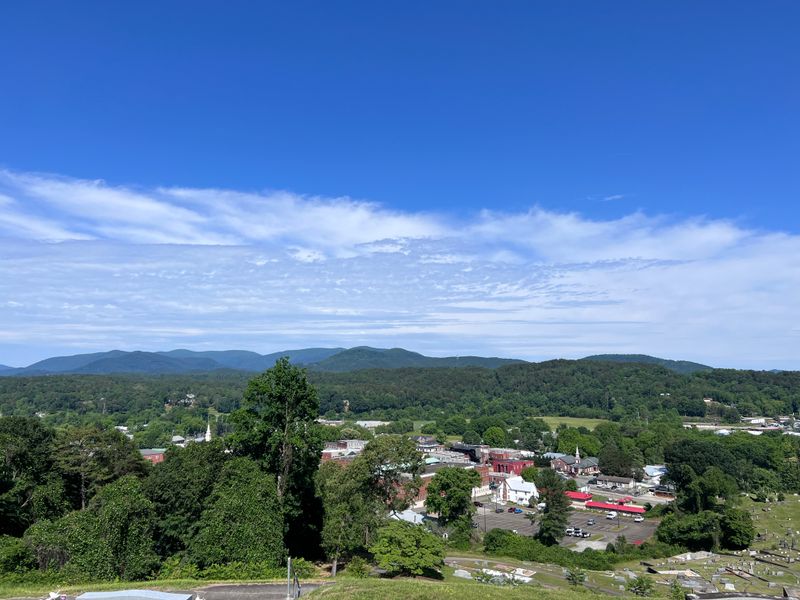
Apple orchards blanket the hillsides around this mountain town, creating stunning fall scenery that social media couldn’t resist sharing.
Ellijay’s annual Apple Festival grew from a local celebration to a regional phenomenon drawing massive crowds.
The town’s population of sixteen hundred swells to over forty thousand during festival weekends.
Streets designed for local traffic become impassable as visitors pour in from across Georgia and neighboring states.
Parking doesn’t exist, with fields converted to temporary lots that still can’t accommodate the volume.
Local residents avoid downtown entirely during apple season, feeling pushed out of their own community.
The festival that once celebrated local agriculture now resembles a chaotic carnival.
Vendors from outside the area dominate, pushing out local artisans who can’t afford increased booth fees.
Trash collection can’t keep pace with the volume generated during festival weekends.
Portable toilets line streets in residential areas, fundamentally changing the town’s character.
Property owners rent their yards for parking, creating neighborhood tensions and safety concerns.
Emergency vehicles struggle to navigate congested streets during medical calls.
The orchards themselves suffer from visitors who pick apples without paying or damage trees for photos.
Year-round, the town now deals with increased traffic as people discovered the area through festival attendance.
Housing costs surged as investors bought properties for short-term rentals catering to leaf peepers and festival goers.
Ellijay’s agricultural heritage, the very thing that created the festival, risks being buried under commercialization and crowds that threaten this north Georgia community’s identity.
Dear Reader: This page may contain affiliate links which may earn a commission if you click through and make a purchase. Our independent journalism is not influenced by any advertiser or commercial initiative unless it is clearly marked as sponsored content. As travel products change, please be sure to reconfirm all details and stay up to date with current events to ensure a safe and successful trip.
