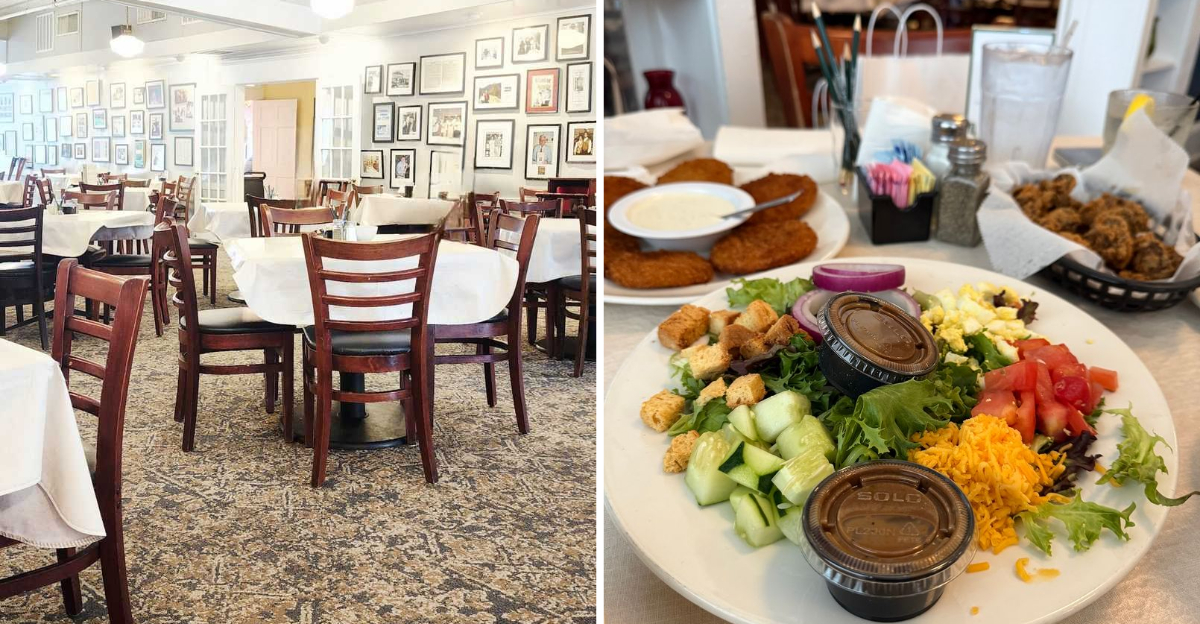
Sixteen traditional tea rooms once operated in Atlanta, but only one original establishment from that era remains.
Opened in 1945, this Georgia restaurant has spent more than eight decades serving Southern comfort food while preserving traditions that began when women were establishing independent businesses after World War II.
I love the idea that a place known for fried chicken, cornbread, and banana pudding can also tell an important story about the city’s past. What started as a single dining room has expanded into a sprawling restaurant with six dining rooms and walls covered in photographs of famous visitors.
Guests can still experience unusual traditions, including handwritten order slips and a complimentary taste of pot likker for first-time diners. The kitchen continues preparing many dishes using long-established methods.
What caught my attention is how much of the original character has survived despite the restaurant’s enormous growth.
Why Atlanta Called Them Tea Rooms in the First Place
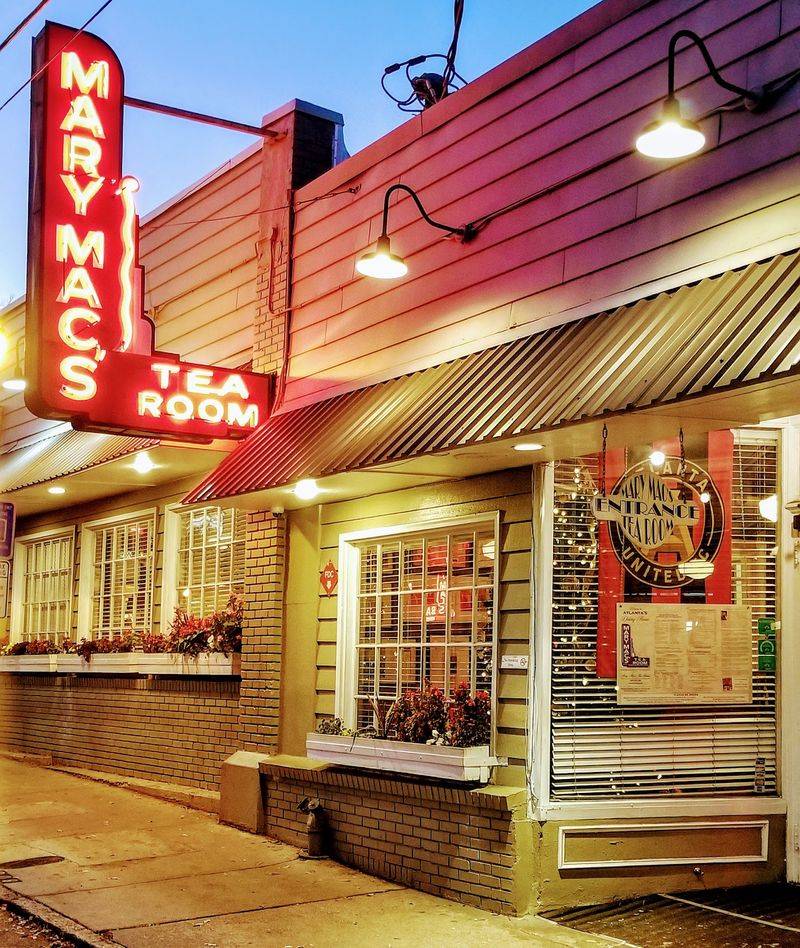
My curiosity about the name got the better of me before I even finished my first meal here. Tea room sounds delicate, like china cups and tiny sandwiches.
The truth is far more interesting than that.
After World War II ended, plenty of women in Atlanta wanted to earn their own living and support their families. Opening something called a restaurant was not always considered proper for a woman back then, so many clever business owners used the softer word tea room instead.
It was a workaround, and it worked beautifully.
Sixteen of these places once operated around the city, each one a small hub of food and conversation. Mary MacKenzie opened hers in 1945 on Ponce de Leon Avenue, and that little dining room turned into something nobody could have predicted.
Every other tea room eventually closed its doors. This one kept going through decade after decade of change in Atlanta, feeding people who had no idea they were sitting inside a piece of history.
Knowing that backstory changes how the room feels. You are not just eating lunch, you are sitting in the last chapter of a story that started with sixteen women and a lot of nerve.
Six Dining Rooms and a Building That Keeps Unfolding
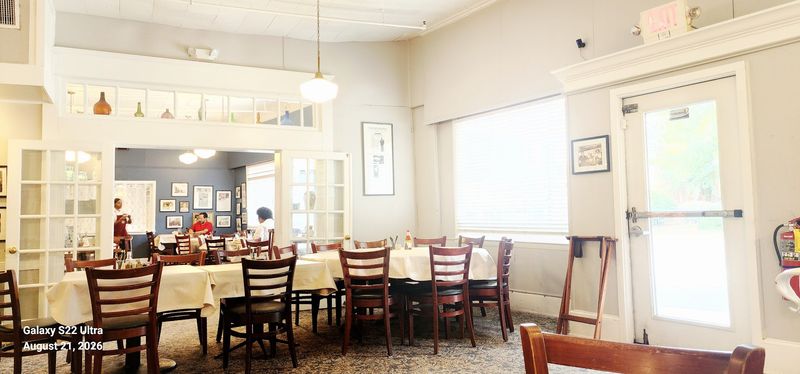
From the sidewalk, I honestly thought I was walking into a small neighborhood cafe. Then a host led me past one dining room, then another, then a hallway with more rooms branching off it.
The restaurant now covers approximately 13,000 square feet and features six dining rooms, having expanded far beyond its original single-room layout. It started with just one.
Each room has its own personality. Some feel bright and open, good for big families spread across a long table.
Others tuck you into a corner where you can hear yourself think, which I appreciated on a quiet Sunday visit.
Pastel yellow walls run throughout, and white oilcloth covers the tables so spills are never a crisis. The setup feels practical rather than fussy, which fits the food perfectly.
Getting around is easier than the maze of rooms suggests. The layout works well for anyone using crutches or a wheelchair, and the staff seem used to helping people find the right spot.
My favorite thing about the size is how it hides in plain sight. You expect cozy and get cavernous, and somehow it still feels personal once you sit down.
Walls Covered in Famous Faces
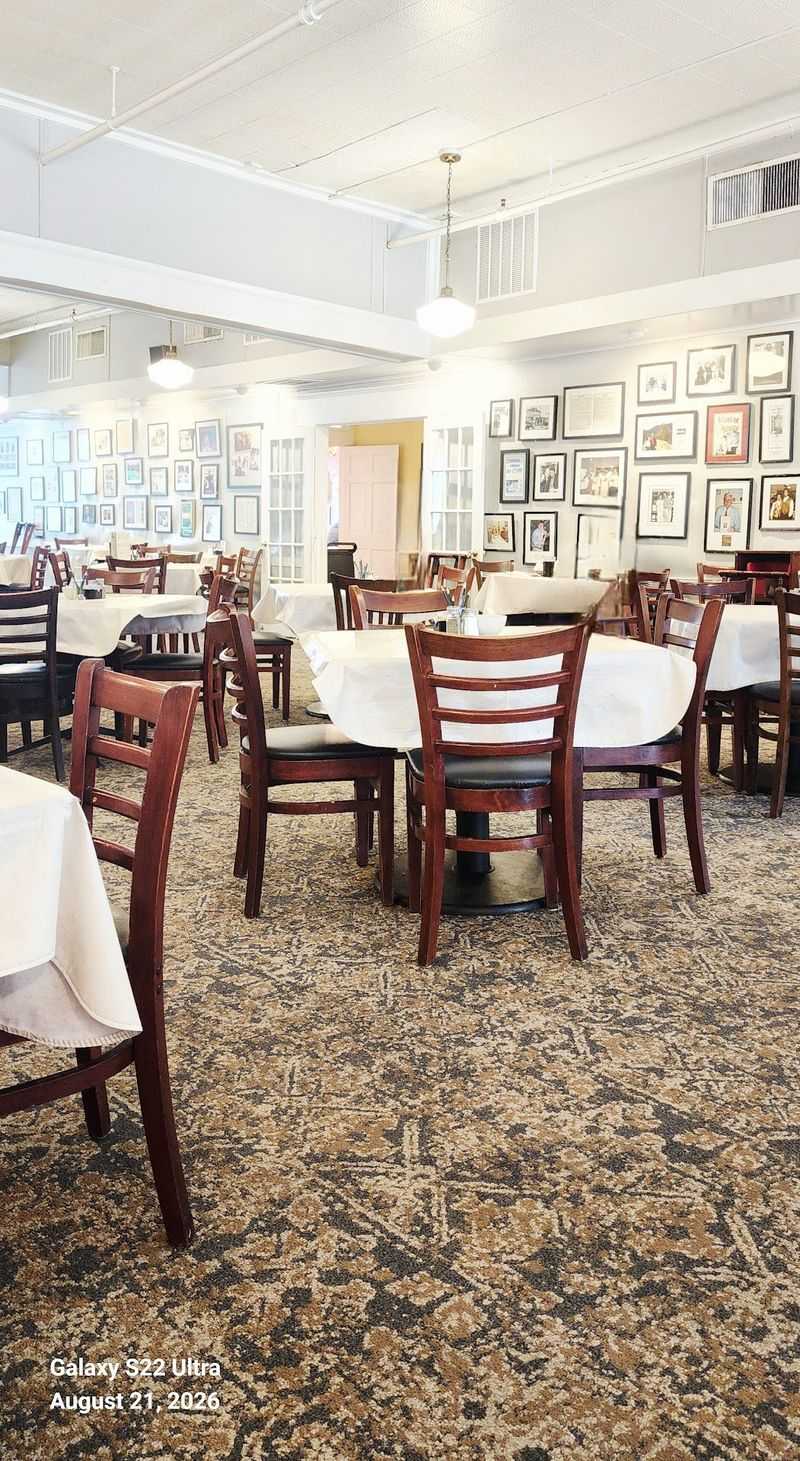
Waiting for my food, I ended up doing a slow lap around the room just reading the walls. They are packed with framed photographs, top to bottom, barely any paint showing through in places.
Presidents, civil rights leaders, musicians, actors. Decades of guests who came through these doors and left a picture behind.
The collection is not arranged in any neat museum order, which makes it more fun. A face you recognize instantly sits next to one you have to squint at, and half the joy is guessing.
What struck me most was the range of eras represented. Hairstyles and camera quality shift as your eyes travel across the wall, quietly marking the passage of time in a way no plaque could manage.
Bring someone who likes trivia. My table spent a solid ten minutes pointing and arguing about who was who, and nobody minded the wait for the food.
Those photos do something practical too. They remind you that this room has hosted celebrations, ordinary Tuesdays, and important conversations for generations, and now you get to add your own visit to the pile.
The Pencil, the Paper Slip, and Other Traditions
Handing me a pencil and a small paper order slip was the first thing that made me grin. You write down what you want yourself, tick your sides, and pass it along.
It sounds like a gimmick until you do it. Then it feels oddly satisfying, like filling out a very delicious form.
First timers get another treat. A complimentary cup of pot likker arrives at the table, sometimes with cracklin cornbread alongside it, and you dip and sip your way into the meal.
Pot likker is the savory broth left behind after collard greens finish cooking. It is salty, deep, and completely unlike anything most visitors have tried, which is exactly the point.
Just tell your server it is your first visit. They will make sure the cup shows up, and they are happy to explain what you are drinking and why Southerners guard the recipe so carefully.
Little rituals like these are why the place sticks in your memory. The food is good, but the pencil and the pot likker are what I described first when friends asked how the meal went.
Southern Cooking Made the Slow Way
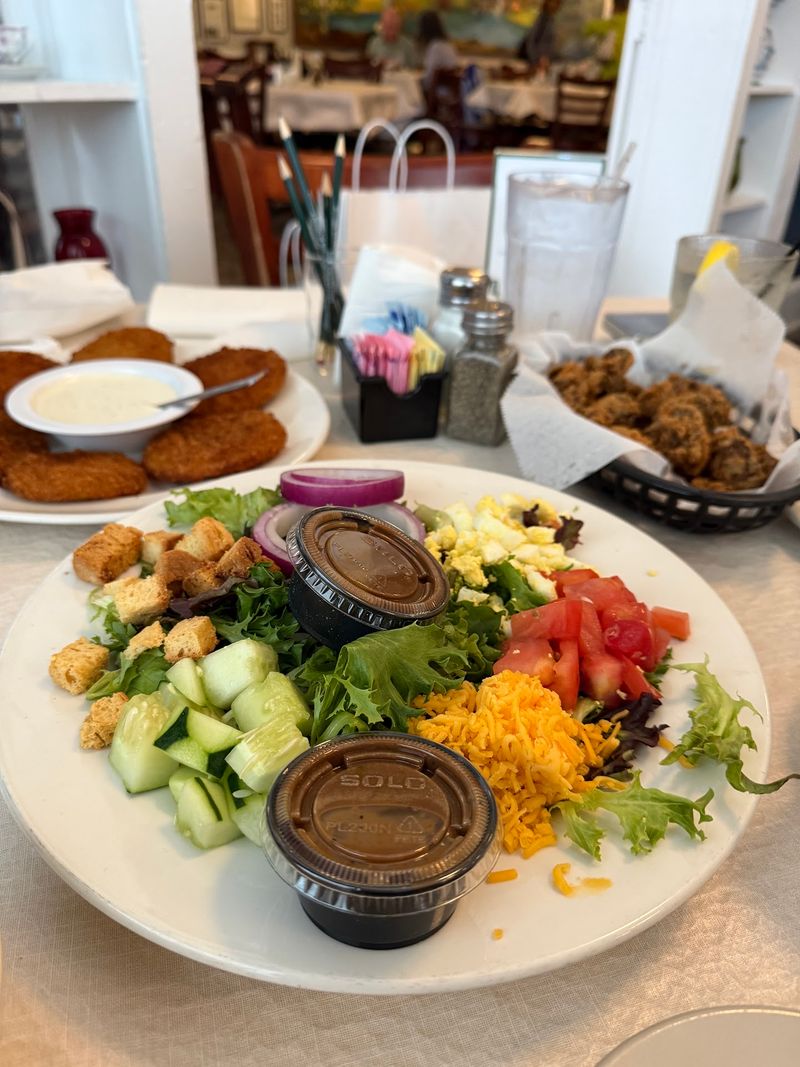
Some kitchens cut corners. This one still snaps green beans by hand, which tells you everything about how the food tastes.
Mornings here involve washing fresh greens, shucking bushels of corn, and prepping from scratch using methods that have not changed much since 1945. Breads and desserts come out of the oven fresh each day.
The menu runs on the meat and three system, meaning you pick a main and choose sides to fill out the plate. Choosing is the hard part because the side list is long and every option sounds good.
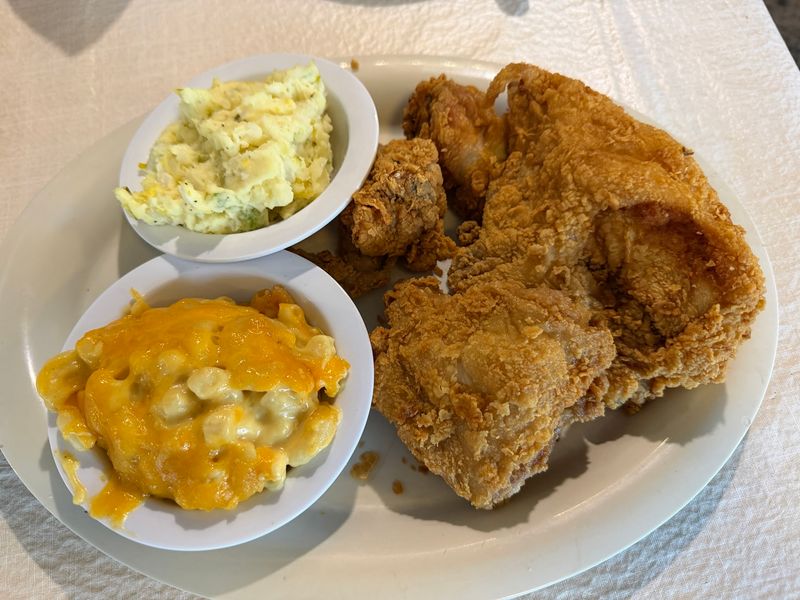
Fried chicken is what most people come for, crispy outside and juicy underneath. The macaroni and cheese leans toward a soft, eggy soufflé rather than a heavy casserole, and the sweet potato soufflé tastes like a holiday snuck onto your plate.
Come early if you want the widest choice of sides. They genuinely run out of things some evenings, which honestly says plenty about how busy the kitchen stays.
Desserts Worth Saving Room For
Nobody warned me about the portion sizes, so my dessert plan nearly collapsed. Learn from my mistake and pace yourself.
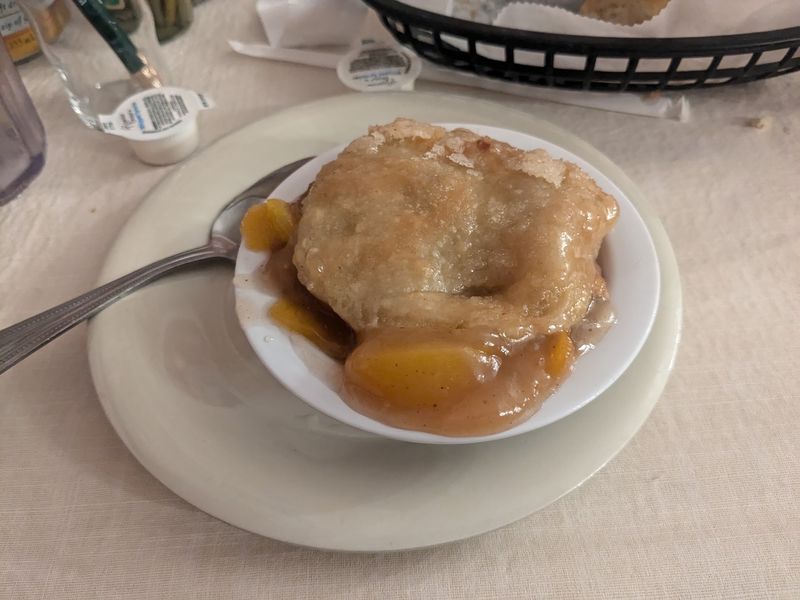
Georgia peach cobbler is the headliner, buttery and flaky, especially good when peaches are actually in season. It shows up on more tables than anything else.
Banana pudding runs a close second, made from scratch and crowned with a tall pile of meringue that leans slightly to one side. Bread pudding has its own loyal following too.
Then there are the cinnamon rolls. Show up after 4 PM and warm ones sometimes appear in the bread basket, which feels like winning a small lottery you did not enter.
Plenty of people order a dozen to take home for breakfast the next morning, and after tasting one I completely understood the logic. They travel well and reheat even better.
My best advice is to split a dessert or two across the table rather than ordering one each. The plates are generous, the flavors are rich, and sharing means you get to try more than one without waving a white flag halfway through.
Planning Your Own Visit to Atlanta’s Dining Room
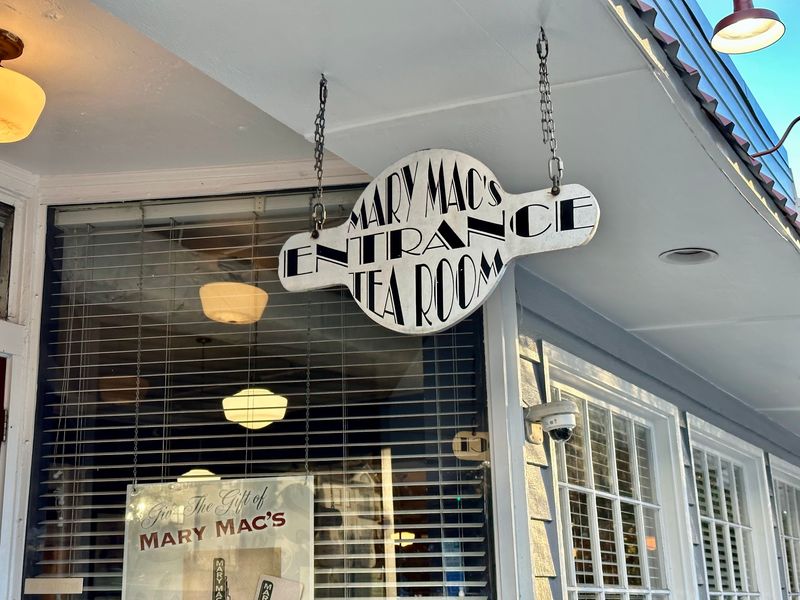
In 2011 the Georgia House of Representatives officially named this spot Atlanta’s Dining Room, and that title turns out to be pretty accurate on a busy weekend.
Doors open at 11 AM and stay open until 9 PM, seven days a week, which makes fitting a visit into a packed travel day surprisingly easy.
Lines form, especially around midday and early evening. Reservations, introduced in July 2026, are available through the restaurant’s website, although walk-in guests are still welcome and holiday reservations are not accepted.
Come hungry, because portions are enormous. Taking a box home is normal here rather than a sign you overordered, and two people can genuinely share a four piece chicken plate with a couple of sides.
Parking sits nearby and the location on Ponce de Leon Avenue puts you within reach of plenty of other Atlanta stops, so lunch here fits neatly into a day of wandering.
Out of sixteen tea rooms that once filled this city, exactly one is still cooking, and eating there feels like a small act of preservation.
Address: 224 Ponce De Leon Ave NE, Atlanta, GA
