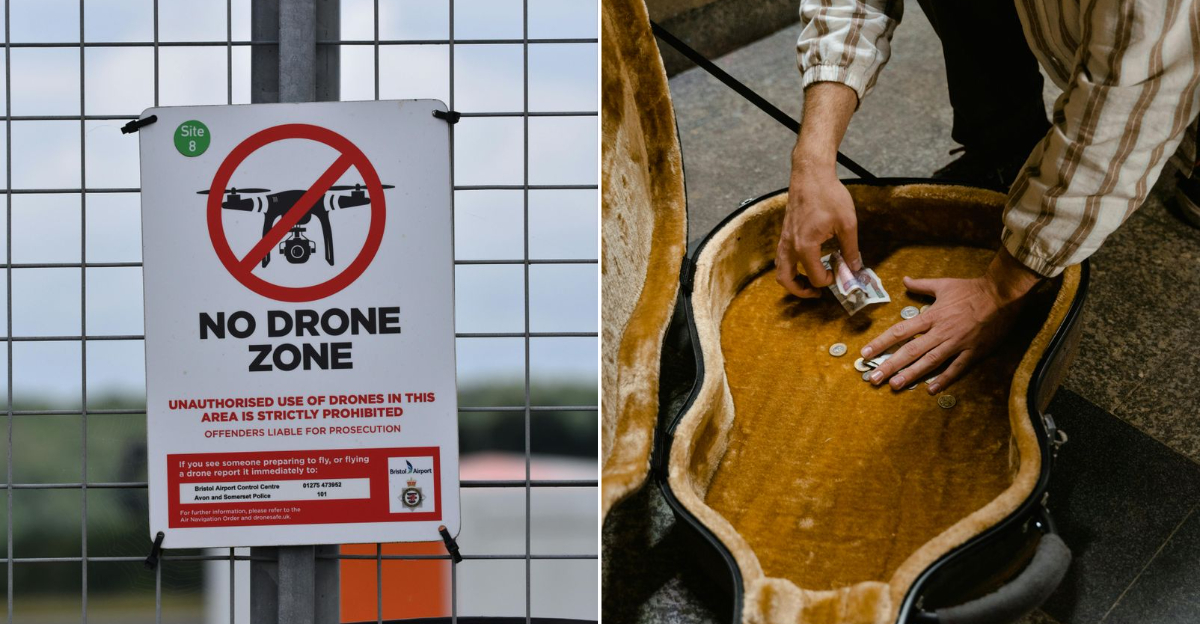
Ever been on vacation and wondered if you’re accidentally breaking a rule without even knowing it? In Georgia, that’s more common than you’d think.
The state has some of the strangest tourist rules around, and chances are you’ve already bent one without realizing. From quirky local ordinances to old laws that never got updated, Georgia’s travel scene comes with a few surprises.
Take a stroll through a small town and you might bump into rules that sound more like punchlines than actual regulations. Some are tied to history, others to tradition, and a few just make you scratch your head. That’s part of the fun though, discovering the odd little quirks that make Georgia different from anywhere else.
Travel isn’t just about the sights, it’s about the stories you collect along the way. And here, those stories often start with rules you didn’t expect.
So next time you’re exploring the Peach State, keep an eye out, you might be breaking one of its strangest tourist rules right now.
You Can’t Just Stop Anywhere To Take A Photo

You know that moment when the light hits the water just right and you want to slam the brakes for a photo?
In Georgia, that impulse can earn you a ticket if you stop on a bridge or a blind curve.
Highways and scenic byways are tempting, but the law wants you parked only where it is safe and clearly legal.
This hits hardest in north Georgia mountain drives and coastal routes. Those twisting sections make it hard for other drivers to predict your move, and officers take it seriously.
If you need that shot, exit to a lot, a designated overlook, or a signed pullout instead of rolling to a stop on the edge.
The simple move is planning ahead. Scan for official overlooks, scenic areas, or public parking where you can get out and breathe.
Your photos will be better when you are not rushing, and you avoid a citation and a tense conversation with a trooper.
One more thing to remember: hazard lights are not a free pass to sit on a shoulder for a selfie.
This state is firm about keeping traffic moving, especially on busy corridors and near bridges where space is tight and visibility drops.
If you are traveling with friends, set a quick rule for the driver and the navigator. The driver keeps rolling, the passenger drops pins and watches for legal pullouts.
You will still catch the view, and you will keep the trip easy.
Wildlife Feeding Is Not A Cute Idea

It looks sweet to toss a snack to a deer or a turtle, but Georgia parks say hard no. Feeding wildlife in state parks and protected areas is prohibited because it changes behavior fast.
Animals start approaching roads and people, and that never ends well for anyone.
Even birds get bold when food shows up on a regular loop. Rangers do watch, and they have real authority to write it up if you keep going.
Here is the part most folks miss: feeding can push animals to skip their natural diet, which makes them sick and stressed.
That selfie moment is not worth a stomach problem for a gull or a raccoon in my opinion.
Do something better instead. Keep distance, use binoculars, and let your camera do the work from where you are.
You get a calmer photo, and the animal keeps doing its normal thing without fixating on people.
If a kid in your group wants a closer look, talk about tracks, nests, and safe viewing spots. This state has tons of trails with platforms and blinds where you can watch quietly.
It feels respectful, and you are following the rule without making it a big deal.
Picking Up “Cool Rocks” Can Be Illegal

You spot a shiny stone on the trail and your hand moves before your brain does. In Georgia state parks and historic sites, removing rocks, fossils, or natural features is not allowed.
It seems harmless, but it counts as resource removal, even when the piece is tiny.
This rule protects the landscape from slowly getting picked clean. When hundreds of visitors pocket souvenirs, the place changes.
Trails erode, archaeological clues vanish, and future visitors miss the full story.
Think about areas with exposed geology like Providence Canyon or waterfalls with loose fragments along the banks.
Rangers have seen it all, right down to the kid with a backpack full of pebbles. They usually start with a friendly reminder, but fines are on the table if people ignore it.
So what do you do when a rock basically winks at you? Snap a photo, note the spot, and leave it where it sits.
If you love geology, stop in the visitor center and ask about educational displays you can touch.
There is a better souvenir anyway. Pick up a trail map, a patch, or a postcard that supports the park.
You keep the memory and the landscape stays complete for the next crew walking through.
You Can Be Fined For Blocking Sidewalks In Historic Districts
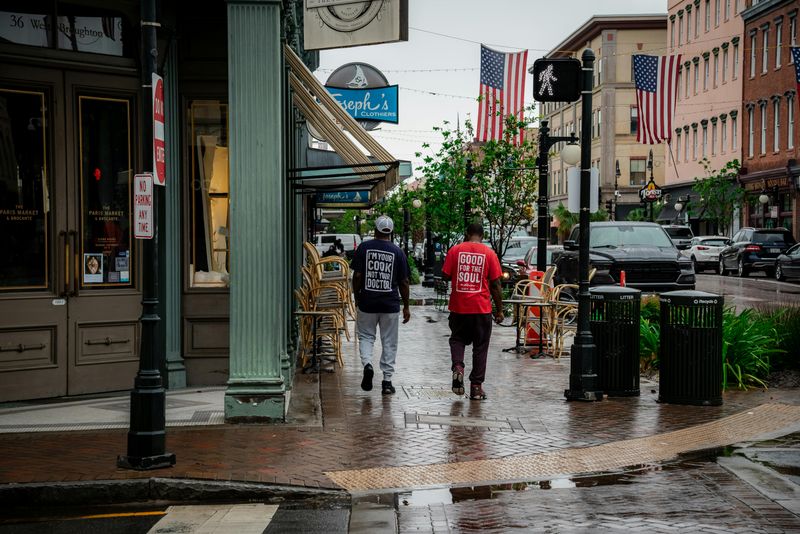
Savannah looks like a movie set and everyone wants the same photo at the same spot.
Cities in Georgia can cite people for obstructing sidewalks in historic districts, and they will if a big group clogs the path.
Stopping abruptly at a corner or spilling into the brick walkways can trigger a warning. This pops up around popular squares and near landmarks in Atlanta neighborhoods too.
Locals move with a certain rhythm, and visitors sometimes forget that a sidewalk is a through lane. If you want a group shot, step into a square, a plaza, or a proper pull off.
Tour companies know the drill and often coach groups to cluster tight against a wall. That keeps stroller traffic and wheelchairs moving, which is the heart of the rule.
Accessibility matters here, and the city backs it up.
When you need to pause, pick a spot that is not a narrow stretch. Look for benches or open brick pads where you can drift off the main flow.
You will still catch the mood without blocking someone trying to get to work.
I think it is a small shift that keeps stress down. Plan your stops like you plan your photos, and the walk stays easy.
Georgia crowds swell during big weekends, so this one helps everyone keep it friendly.
Drone Flying Is Heavily Restricted
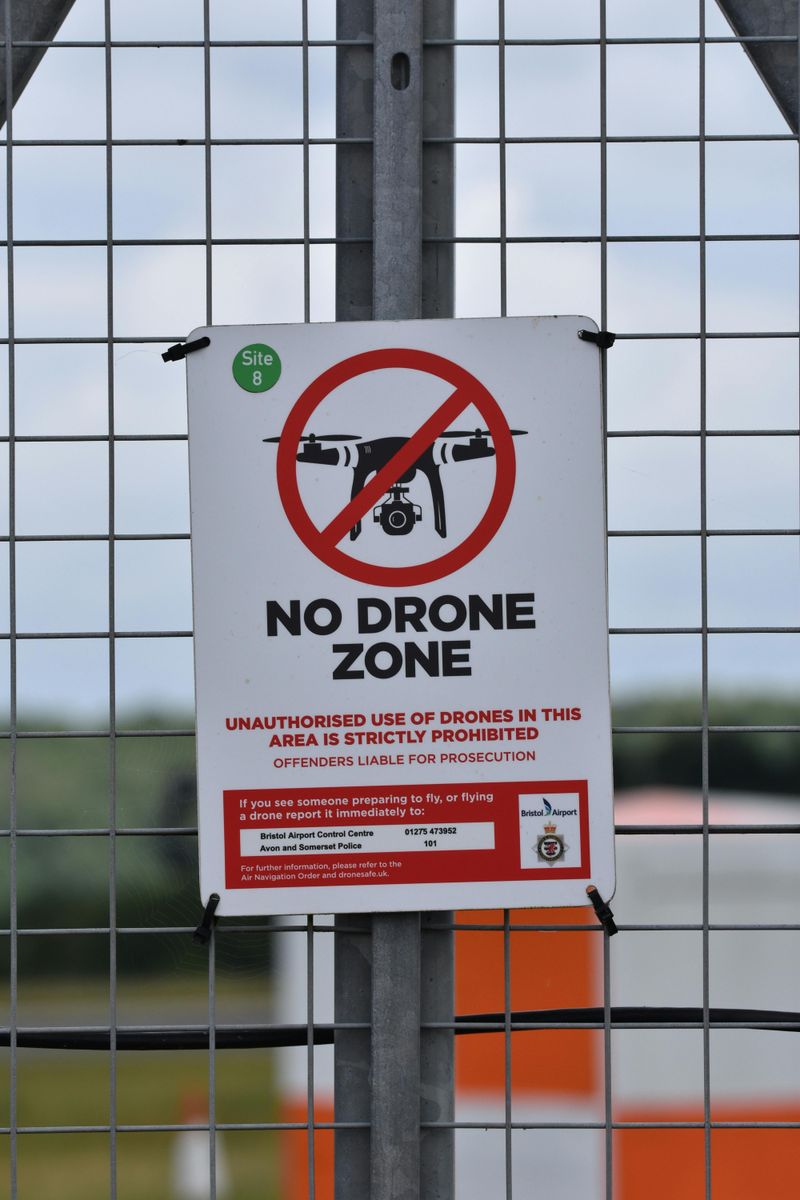
Thinking about tossing a drone up for that sweeping marsh shot? Georgia follows federal rules and adds local limits, especially over state parks, historic sites, and crowds.
Many places require permits or ban launches and landings on park property entirely.
You will see posted signs, but do not count on them everywhere. Rangers and local police can still stop you if the area is restricted.
The safest move is to check park websites and city codes before you pack the controller.
Airspace can get complicated near military zones, airports, and wildlife areas. Even if the sky looks wide open, a takeoff spot could be off limits, which is where people get tripped up.
If you are unsure, pick a legal open field outside park boundaries and keep the drone in line of sight.
Noise is another piece that folks forget. Historic sites and quiet trails keep sound low, and drones break the calm fast.
That is part of why permits exist, so they can manage when and how it happens.
Bring a backup plan for your shot. A tall overlook, a river boardwalk, or a tower might give you the angle you want without a propeller in the air.
Georgia has views that do not need gadgets to be stunning.
You Can’t Camp Wherever You Feel Like
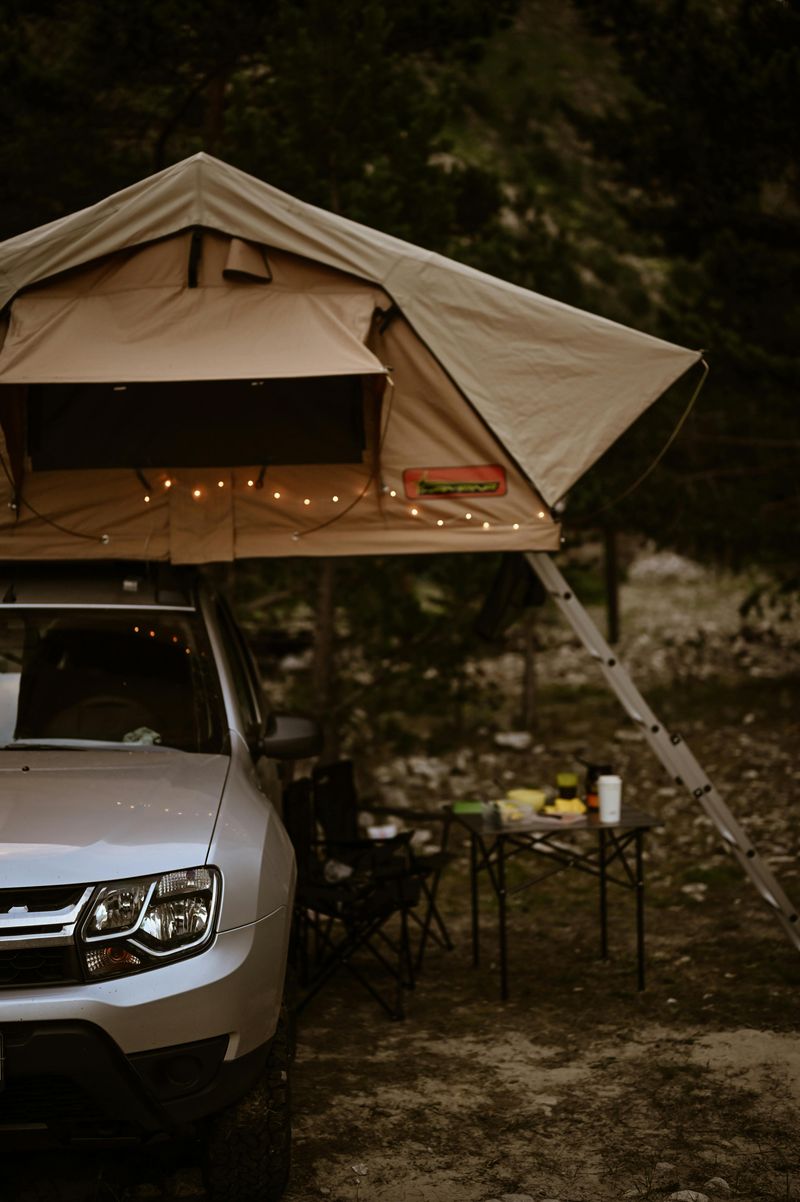
Parking the van at a pretty overlook and calling it a night sounds chill, but Georgia is strict about camping zones.
Sleeping in vehicles or setting up outside designated areas is illegal in many counties and parks. That includes beaches, scenic pullouts, and day use lots.
Campgrounds exist for a reason, and rangers do patrol after hours. They look for tents in picnic areas and vehicles lingering overnight where signs say day use only.
If you want a quiet night, reserve a site or use dispersed areas where it is explicitly allowed.
The gray area confuses folks. A lot feels empty at dusk, so people assume it is fine to stay.
By morning, a citation shows up on the window and the mood drops.
Plan it like you would plan a hike. Know where you will sleep, and have a fallback nearby in case your first pick fills.
I feel like it keeps the trip smoother and cuts out that late night scramble.
Georgia’s campgrounds range from lakeside loops to shaded forest sites. You still get stars, a breeze, and a safe place to shut the door.
It is a small tweak that saves you hassle and helps parks manage impact.
Historic Cemeteries Have Behavior Rules

Old cemeteries here feel calm and beautiful, and that quiet comes with rules.
State law protects historic cemeteries, which means monuments are off limits for climbing and objects should not be moved. Some places even restrict certain types of photography or tripods.
Take Bonaventure Cemetery in Savannah as an example. People come for the live oaks and sculpture and forget they are in a protected site.
Staff watch for folks who step on plots or lean against markers for a photo.
The best approach is simple. Stay on pathways, keep voices low, and treat it like a working site for families and historians.
If you are unsure about a shoot, check the visitor info before you set up gear.
It also helps to time your visit to regular hours. Going at dusk might sound moody, but it can cross park rules, and gates do close.
You do not want to be the person chatting with security through a fence.
Bring curiosity, not props. Make sure to read inscriptions, notice symbols, and move gently.
Georgia’s cemetery culture is deep, and following the rules lets you feel that without stepping over a line.
Fishing Without A License Still Counts
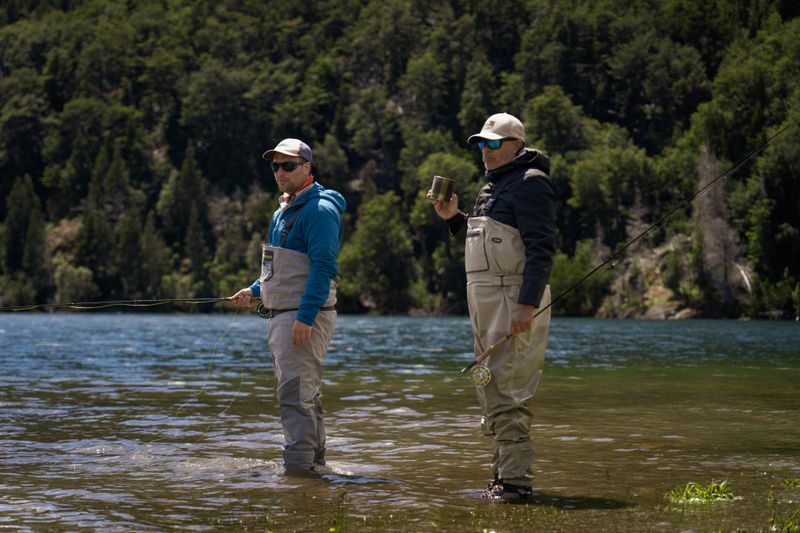
That casual cast from a dock feels harmless, but Georgia requires fishing licenses for residents and visitors. The rule applies whether you are out for a full day or just tossing a line for a minute.
Officers do check near lakes and rivers, and they ask for proof.
Licenses help manage fish populations and keep things fair across busy waters. When folks skip the system, stocking plans and conservation funding take a hit.
It is one of those rules that keeps the whole scene working.
If you are new to the process, it is easier than it sounds. You can buy online or at authorized vendors before your trip.
Keep the digital copy handy so you are not digging through bags when someone asks.
Gear rules can vary too. Some waters have special regulations on hooks or seasons, and signs can be small.
A quick check before you cast saves you a conversation you do not want.
Bring patience and enjoy the slow pace that fishing promises.
Street Performances Often Require Permits

Thinking of busking for fun while you pass through town? Many Georgia cities require permits for street performances, and enforcement is real in busy districts.
Playing music for tips without paperwork can lead to a quick stop from an officer.
Rules vary by city, which throws people off. Some places assign specific zones, hours, or volume limits, and others cap the number of performers.
If you are traveling with a guitar, check the local code before you open the case.
Audiences love an impromptu set, but sidewalks are managed spaces like any other.
Permits help the city balance noise, access, and safety during festivals and crowded weekends. It keeps performers from stacking on the same corner and competing for space.
Want that street vibe without the hassle? Look for designated performance spots, squares, or events that welcome it with clear rules.
You still get the energy and the crowd without stepping into a citation.
You can carry a low-key setup and keep it mobile. That way you can pivot if a spot is off limits or a ranger asks you to move.
Georgia’s music scene is welcoming, but it runs smoother when you play by the book.
Dear Reader: This page may contain affiliate links which may earn a commission if you click through and make a purchase. Our independent journalism is not influenced by any advertiser or commercial initiative unless it is clearly marked as sponsored content. As travel products change, please be sure to reconfirm all details and stay up to date with current events to ensure a safe and successful trip.
