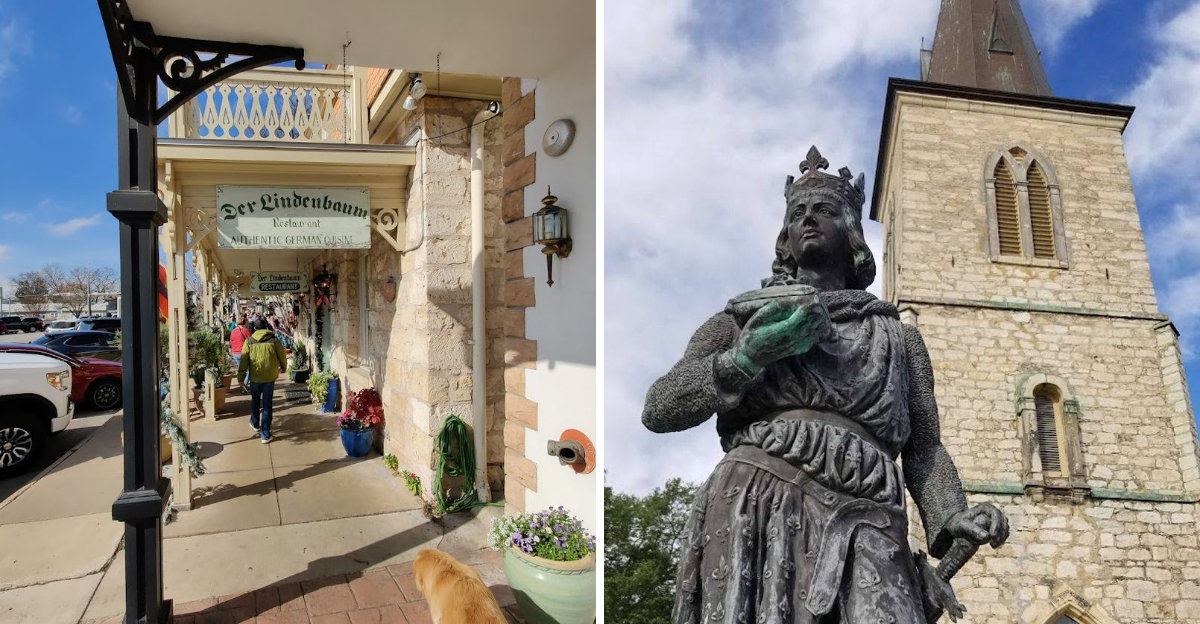
Texas has a way of catching you off guard especially when rounding a corner feels like landing in the middle of Bavaria. The limestone buildings and old church hymns are part of an extraordinary legacy left behind by nineteenth-century immigrants who never forgot where they came from.
It is a rare gift to find a road trip that provides an old-world soul and fresh pastries without ever requiring a passport. These towns serve as a delicious reminder that history is best preserved when it is still being lived and baked into the daily routine of a community.
1. New Braunfels
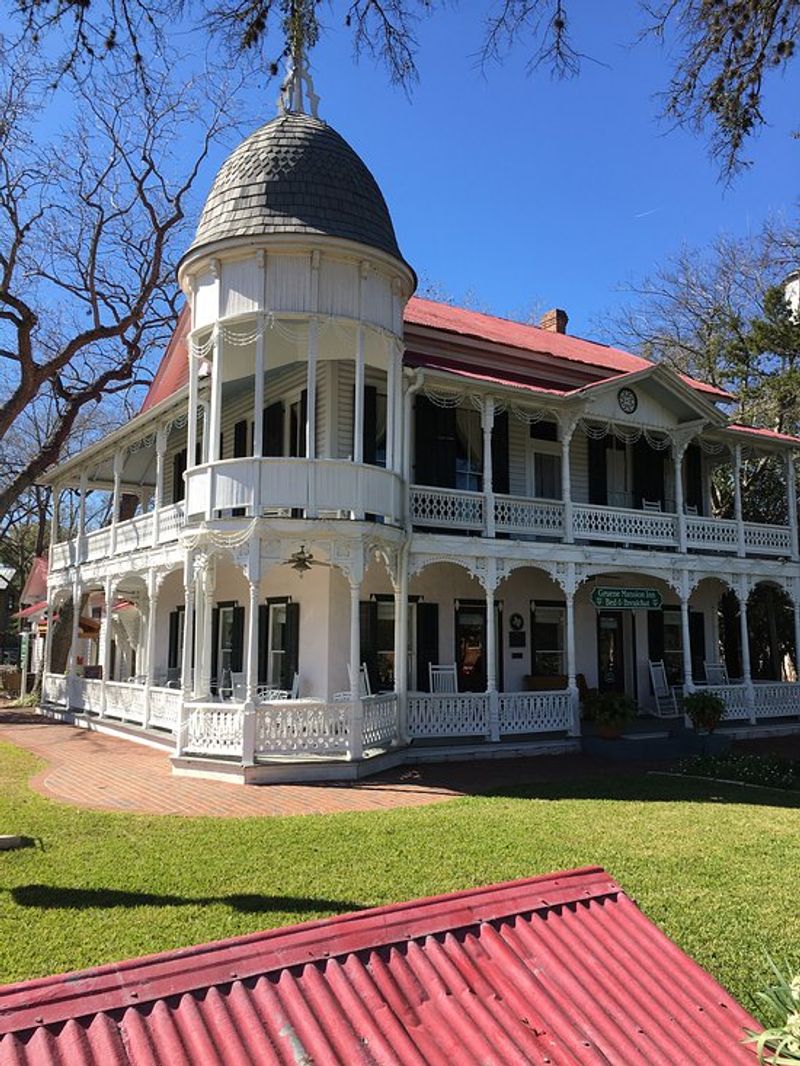
New Braunfels carries itself with a kind of effortless charm that is hard to pin down until you have spent a few hours wandering its streets. Prince Carl of Solms-Braunfels founded the town in 1845, and the name alone hints at just how intentional the German connection was meant to be.
Fachwerk-style homes, the distinctive timber-framed construction technique brought over from Germany, still dot the older neighborhoods and give the town a storybook quality.
Wurstfest is the big annual celebration here, a ten-day festival that draws visitors from across the state for sausage, music, and a genuine sense of communal joy.
Beyond the festival season, the historic downtown offers boutique shopping, local eateries, and architecture that makes you slow your pace almost automatically.
The Comal River runs right through town, adding a natural coolness to the summer heat.
What makes New Braunfels stand out is how it balances its history with everyday life. This is not a preserved-in-amber museum town.
People actually live here, raise families here, and keep the German traditions alive in practical, personal ways. That lived-in quality is exactly what makes a visit feel real rather than rehearsed.
2. Fredericksburg
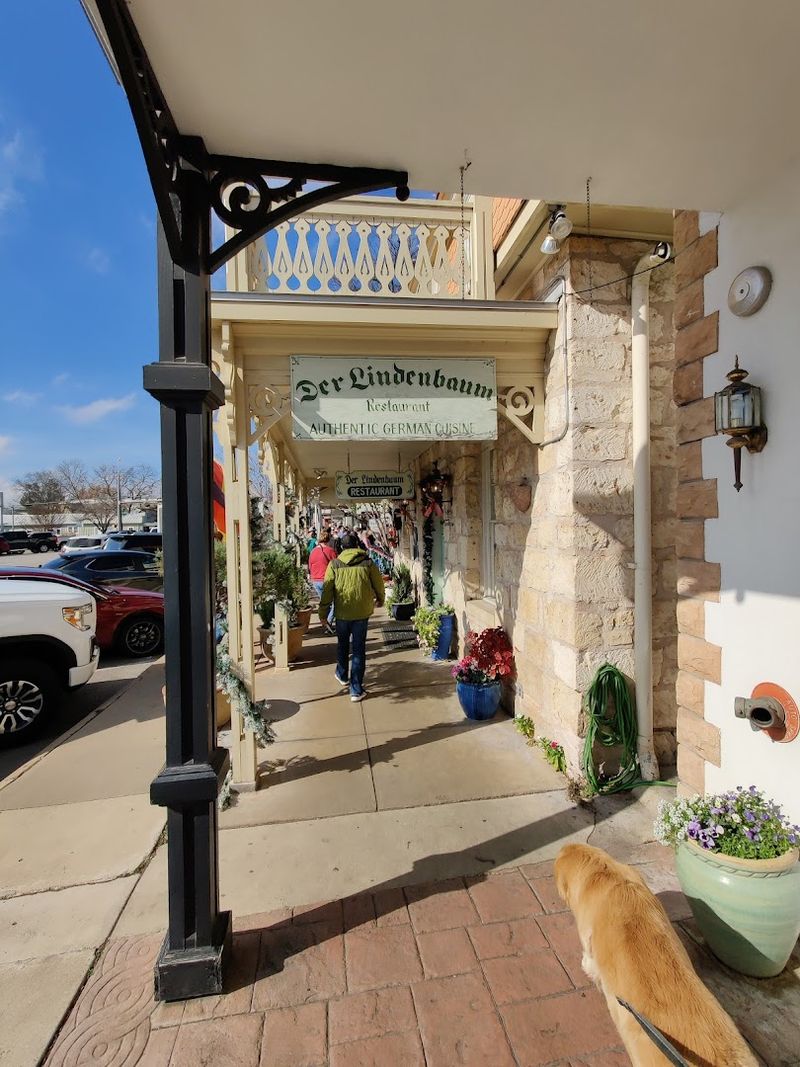
There is something almost dreamlike about Fredericksburg on a quiet morning, when the light hits the limestone storefronts along Main Street and the smell of fresh-baked bread drifts out from a nearby bakery.
Founded in 1846 by German immigrants, the town has managed to hold onto its heritage in ways that feel genuine rather than staged.
Half-timbered buildings line the streets, and the German architectural influence is visible in nearly every block of the historic downtown area.
Locals take real pride in their roots here. The Pioneer Museum gives visitors a window into early settler life, and the National Museum of the Pacific War adds an unexpected but deeply moving layer to the town’s identity.
Oktoberfest draws crowds each fall, filling the streets with traditional music, food, and community spirit that feels closer to a small German village celebration than a commercial event.
The surrounding Hill Country landscape only adds to the atmosphere, with peach orchards and rolling fields stretching out beyond town. Wildflowers bloom in waves across the roadsides in spring.
Fredericksburg rewards slow travel, the kind where you linger over a meal, wander without a plan, and leave already thinking about coming back.
3. Castroville
Castroville is a town that operates on its own quiet frequency, hidden along the Medina River just west of San Antonio. Often called the Little Alsace of Texas, it was founded in 1844 by Henri Castro, who brought settlers from the Alsace region of France and Germany.
The result is a cultural blend unlike anywhere else in the state, one that feels more like a village in the Rhine Valley than a Texas town.
The architecture here is the first thing that grabs your attention. Low stone cottages with steep rooflines, wooden shutters, and thick masonry walls line the older sections of town, built to last by settlers who knew how to work with the land.
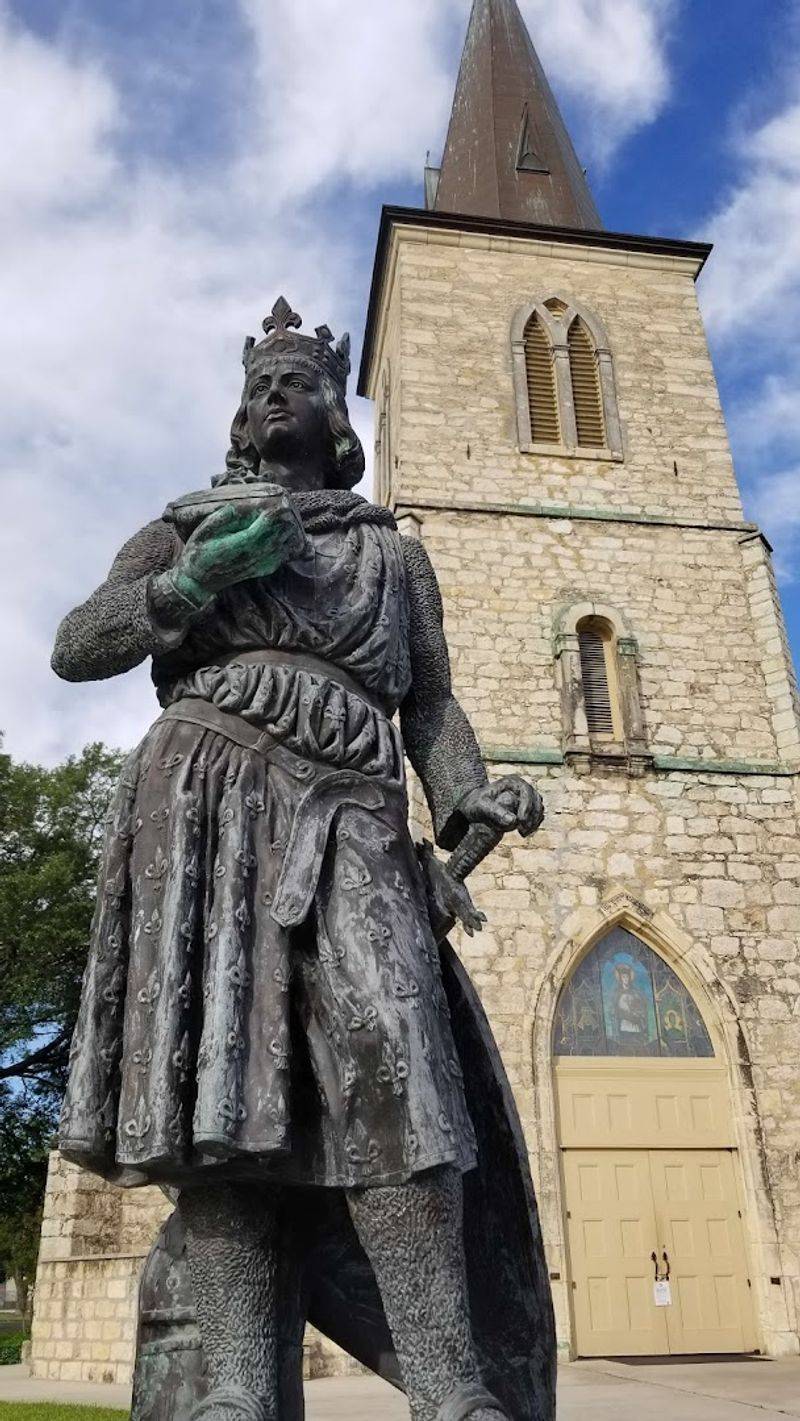
St. Louis Catholic Church anchors the historic district and remains a centerpiece of local identity, its simple but striking facade a reminder of how faith shaped early community life.
Castroville moves slowly, and that is entirely its appeal. The Landmark Inn State Historic Site offers a rare chance to stay overnight in a building that dates back to the 1840s, putting you right inside the history rather than just observing it.
Few Texas towns offer that kind of immersive experience.
4. Boerne
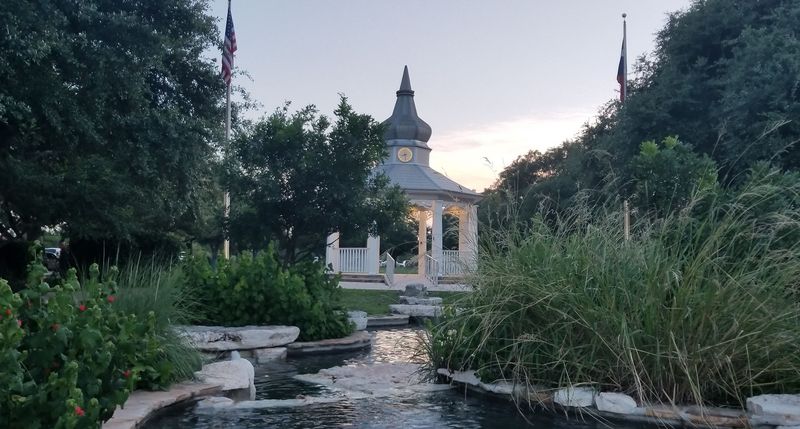
Boerne, pronounced Bernie by locals, has a personality that feels both relaxed and quietly sophisticated. Settled in the 1840s by German freethinkers, it sits in the Hill Country just north of San Antonio and has grown into one of the most livable and visitable small towns in the state.
The historic downtown is built around limestone, the same creamy stone that defines so much of the region’s German-influenced architecture.
Cibolo Creek runs through the heart of town, and the shaded paths along its banks make for a genuinely lovely afternoon stroll. Main Plaza serves as the social center, lined with locally owned shops, art galleries, and cafes where you can sit outside and watch the town move at its own unhurried pace.
There is a European plaza energy here that feels completely natural rather than manufactured.
What I find most appealing about Boerne is how it has resisted the urge to become a theme park version of itself. Yes, the German heritage is visible and celebrated, but the town feels like a real community first and a tourist destination second.
The farmers market, the local festivals, and the neighborhood feel all point to a place that knows exactly what it is and is not trying too hard to be anything else.
5. Muenster
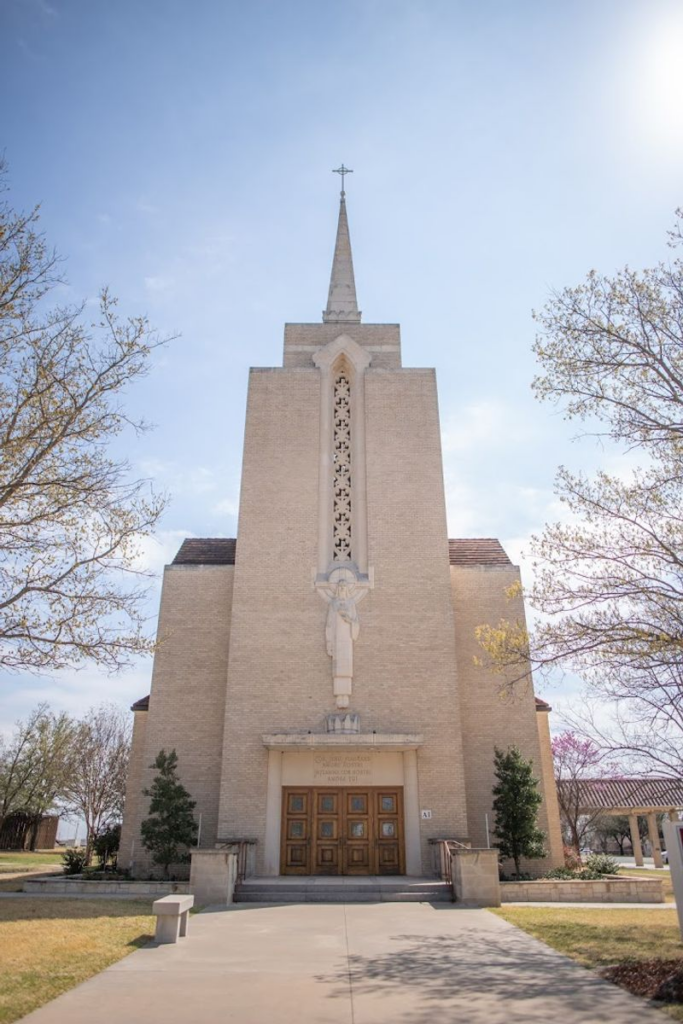
North Texas does not often get credit for its European-flavored towns, but Muenster is quietly making a case for itself. Established in the late 1880s by German Catholic settlers, the town was built around faith and farming, and both still define its character today.
Sacred Heart Catholic Church stands at the center of it all, a commanding red brick structure with twin steeples that can be seen from the flat plains surrounding the town.
Muenster has a population of just over 1,500, which means it operates with the intimacy of a place where most people know each other. That closeness shows up in how the town maintains its traditions.
The annual Germania Fest brings the community together each spring in a celebration that honors the founding settlers with food, music, and old-world customs passed down through generations.
Fischer’s Meat Market is something of a local institution, a family-run shop that has been turning out handcrafted sausages and smoked meats for decades. The German influence on the food culture here is not decorative.
It is deeply practical, rooted in recipes and techniques that traveled across the Atlantic and never left. Muenster is the kind of town that reminds you small does not mean ordinary.
6. Weimar
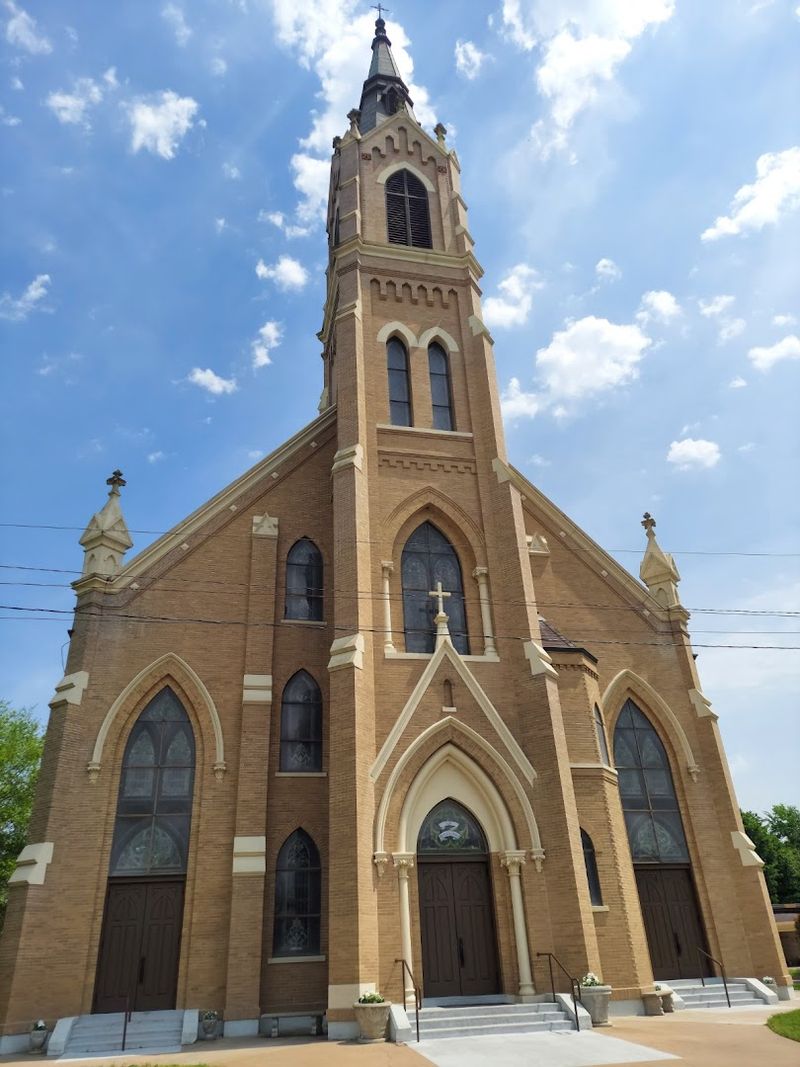
Named after the famous German city of culture and philosophy, Weimar sits in Colorado County about halfway between Houston and San Antonio along Interstate 10.
The name alone sets a certain expectation, and the town does its best to honor it in the quiet, unassuming way that small Texas towns often do.
German settlers arrived here in the mid-1800s and built a community rooted in agriculture, faith, and tight-knit family networks.
The historic downtown retains a handful of older commercial buildings that give Main Street a worn, honest character. Weimar is not polished for tourists, and that is part of its appeal.
You get the sense that life here continues on its own terms, shaped more by local rhythms than outside expectations. The Weimar Heritage Museum offers a worthwhile stop for anyone curious about the German immigrant experience in this part of Texas.
The surrounding countryside is gentle and green, with rolling farmland that softens the landscape in a way that feels more Central European than Texan. Driving into Weimar from the highway, especially in the early morning when mist sits low over the fields, genuinely triggers a moment of geographic confusion.
It is a small town with a name that carries weight, and it wears that name with understated pride.
7. Brenham
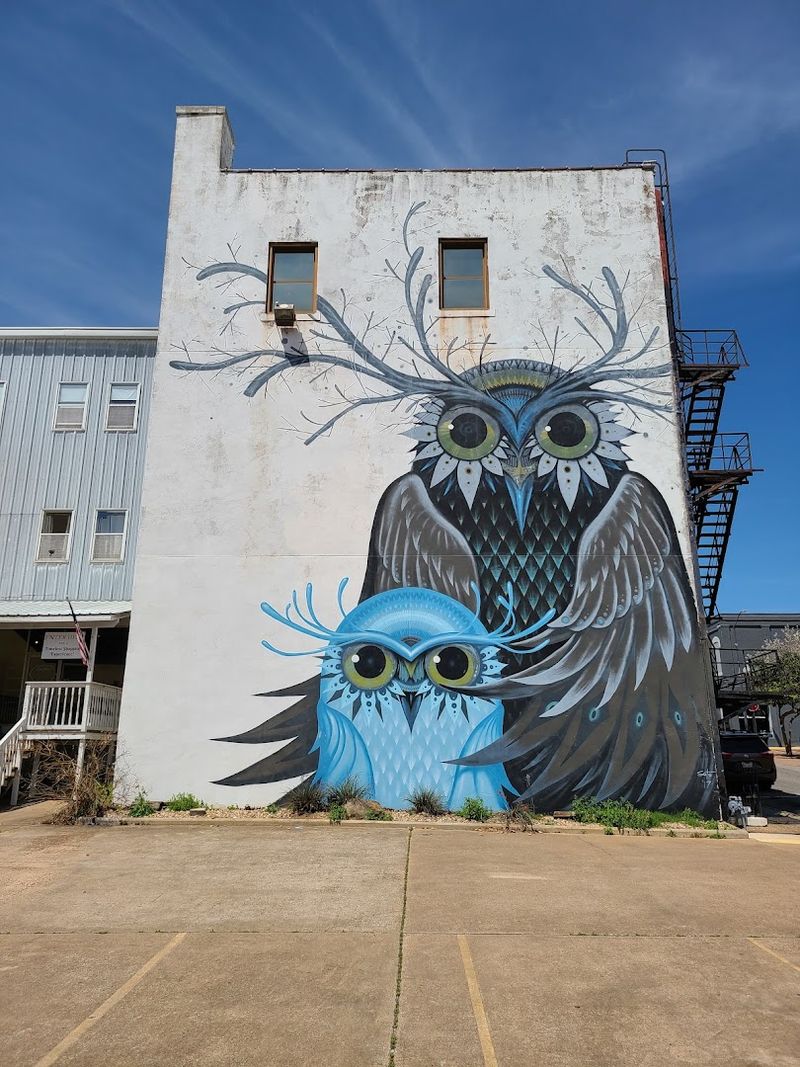
Brenham is best known for its bluebonnets and its creamery, but there is a deeper layer of history here that connects back to the German immigrant communities who shaped Washington County in the 1800s.
The town sits in the gently rolling post oak belt of Central Texas, and its landscape has a softness that feels almost pastoral in the European sense.
Spring here is genuinely spectacular, with wildflowers covering the roadsides in waves of blue and gold.
The historic downtown square is anchored by Victorian-era commercial buildings, many of which have been carefully maintained and now house local boutiques, antique dealers, and family-owned restaurants. There is a warmth to Brenham that comes from its size and pace.
It is big enough to offer variety but small enough that nothing feels anonymous or rushed.
The Antique Rose Emporium outside of town is a hidden gem worth seeking out, a sprawling garden sanctuary where old-fashioned roses grow among historic Texas structures relocated to the property. It has a quiet, almost otherworldly beauty that feels genuinely removed from modern life.
Brenham rewards the traveler who comes without a rigid itinerary, letting the town reveal itself slowly over the course of a relaxed afternoon.
8. Luckenbach
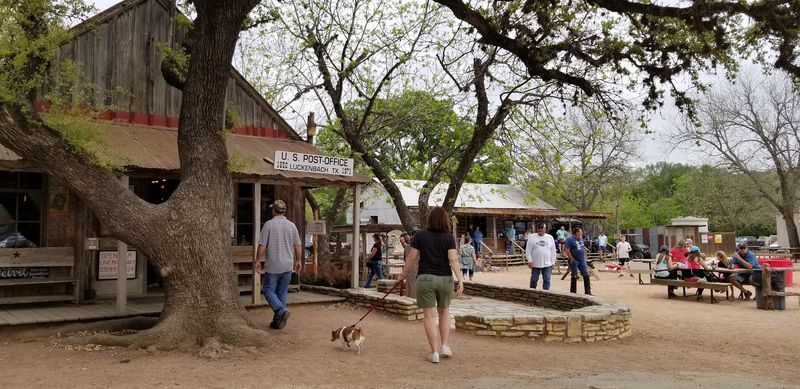
Luckenbach is barely a dot on the map, with a population that hovers somewhere around three people depending on the day, but its reputation stretches far beyond its size.
Founded by German immigrants in 1849, the entire town consists of a general store, a dance hall, and a cluster of ancient oak trees that provide shade for the gatherings that happen here almost every weekend.
The simplicity is the whole point.
There is a stripped-down honesty to Luckenbach that is genuinely refreshing. No flashy signage, no chain anything, no attempt to be more than it is.
The old general store doubles as a post office and community gathering spot, and the vibe inside feels like a time capsule from a century ago. Locals and visitors mix freely, united by the shared appreciation for a place that has refused to modernize.
The outdoor stage under the oaks hosts live music regularly, drawing performers and audiences who come for the atmosphere as much as the sound. Luckenbach has a way of slowing your heartbeat.
You arrive with whatever stress you carried in, and somewhere between the shade and the music and the dirt underfoot, most of it just dissolves. It is small, strange, and completely irreplaceable.
9. Schulenburg
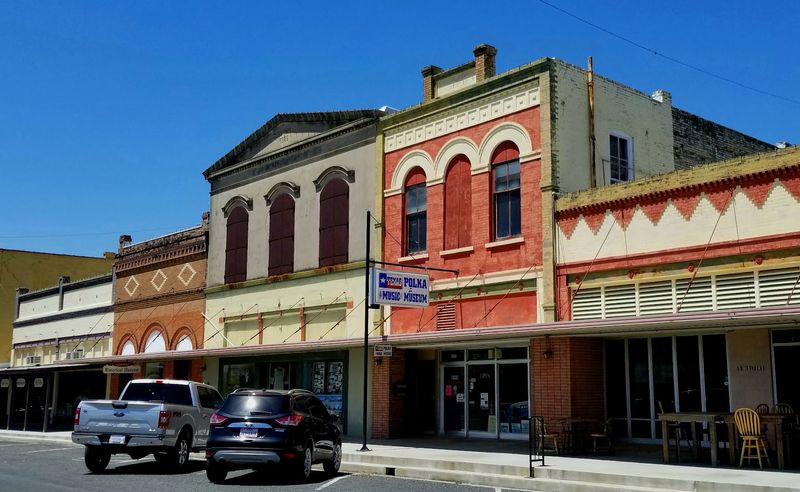
Schulenburg is known for something that sounds almost mythical until you actually go looking for it: the Painted Churches.
Scattered across the surrounding Fayette County countryside, these stunning rural Catholic and Lutheran churches were built by Czech and German immigrant communities in the late 1800s, and their interiors are breathtaking.
Elaborate frescoes, hand-painted altars, and delicate stenciling cover the walls and ceilings in a way that rivals anything you might find in a European cathedral.
The town itself is a pleasant stopping point along Interstate 10, with a modest downtown that holds a few antique shops and local diners.
But the real draw is always those churches, and guided tours are available through the Schulenburg Chamber of Commerce for visitors who want context along with the visual experience.
Each church has its own distinct personality, shaped by the specific immigrant community that built it.
Driving the back roads between these painted churches is an experience in itself. The landscape is open and wide, with old farmsteads and pecan trees breaking up the horizon.
It is the kind of drive that makes you realize how deeply the German and Czech settlers shaped this part of Texas, not just culturally but physically, leaving behind structures that still inspire genuine awe more than a century later.
10. Walburg
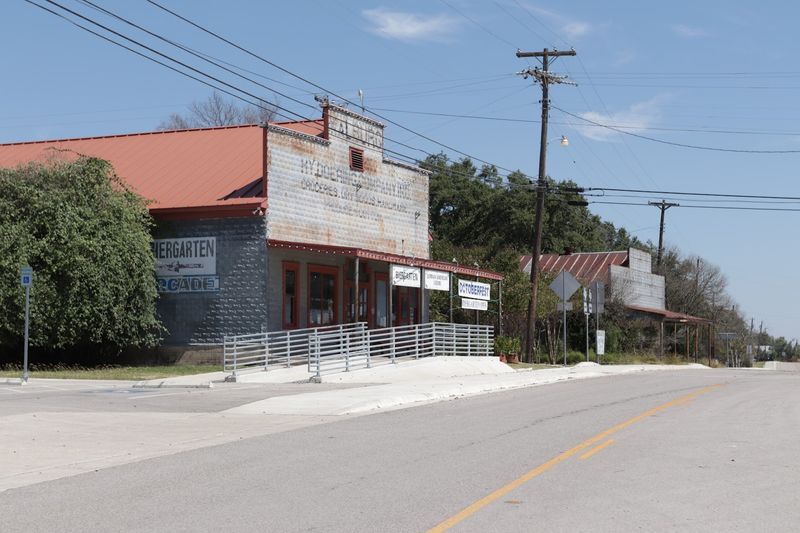
Walburg is the kind of place that most Texans have never heard of, and that anonymity is precisely what keeps it special. Located in Williamson County northeast of Georgetown, it was founded by German settlers in the 1880s and has changed remarkably little since.
The community is small enough that its entire identity fits within a few blocks, centered around a dance hall that has been the social anchor of the area for generations.
Walburg Dance Hall is one of those Texas institutions that operates outside of trend cycles entirely. It is old, unpretentious, and beloved by the people who know about it.
The building itself carries the weight of decades of community gatherings, and the atmosphere inside feels genuinely rooted in a time when neighbors made their own entertainment and showed up for each other without needing a reason.
The surrounding farmland gives Walburg a rural quietness that amplifies its old-world character. There are no major attractions here beyond the dance hall and the sense of place itself.
But for travelers who appreciate authenticity over spectacle, Walburg delivers something rare: a German Texas community that has survived into the modern era not by reinventing itself but simply by staying true to what it has always been. That kind of staying power is worth a detour.
