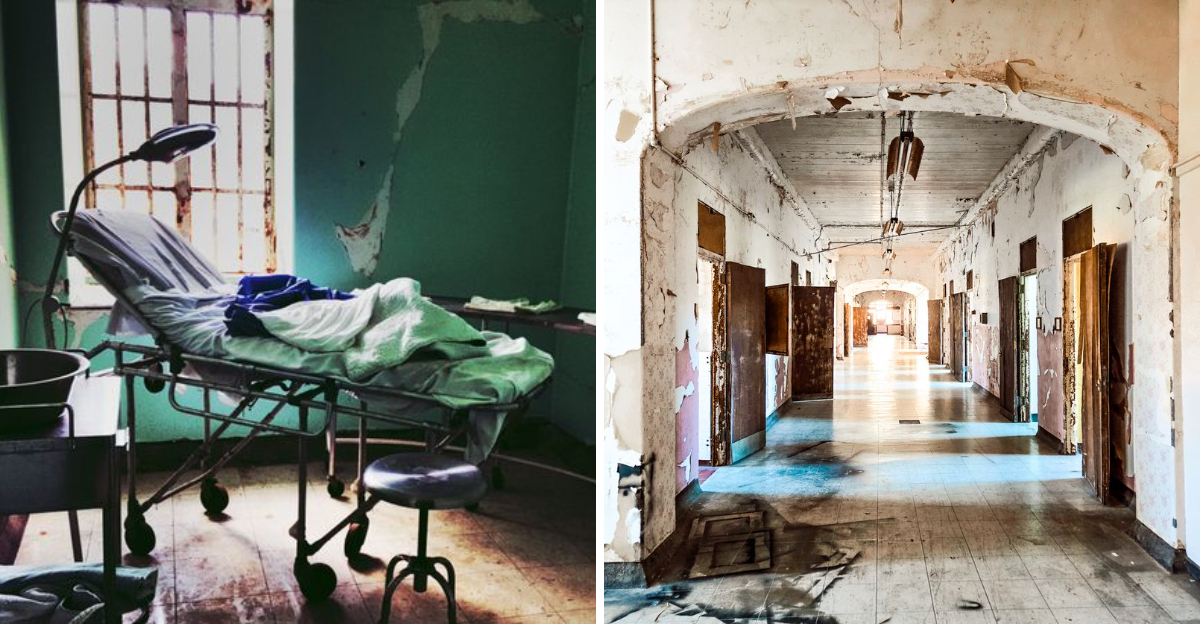
You are about to step inside a place where soaring stone walls hide stories that echo long after closing time.
West Virginia holds many legends, yet few feel as gripping as the tales that linger within the Trans-Allegheny Lunatic Asylum.
Guided tours reveal rooms touched by history, science, and rumor, and every corridor seems to breathe with memory.
Historic preservation meets immersive storytelling here, and you will feel it in the hush between footsteps.
Come prepared to listen closely, because the building speaks if you give it a moment.
A National Landmark With Grit and Grace
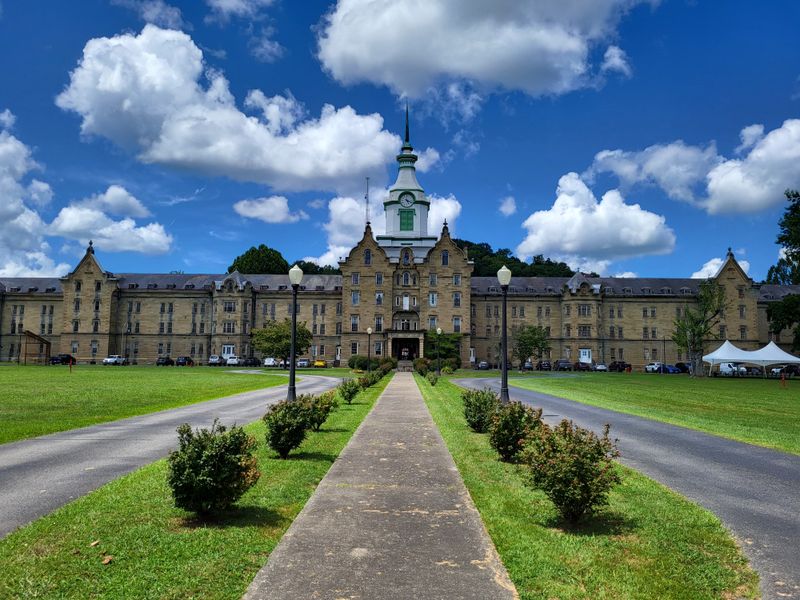
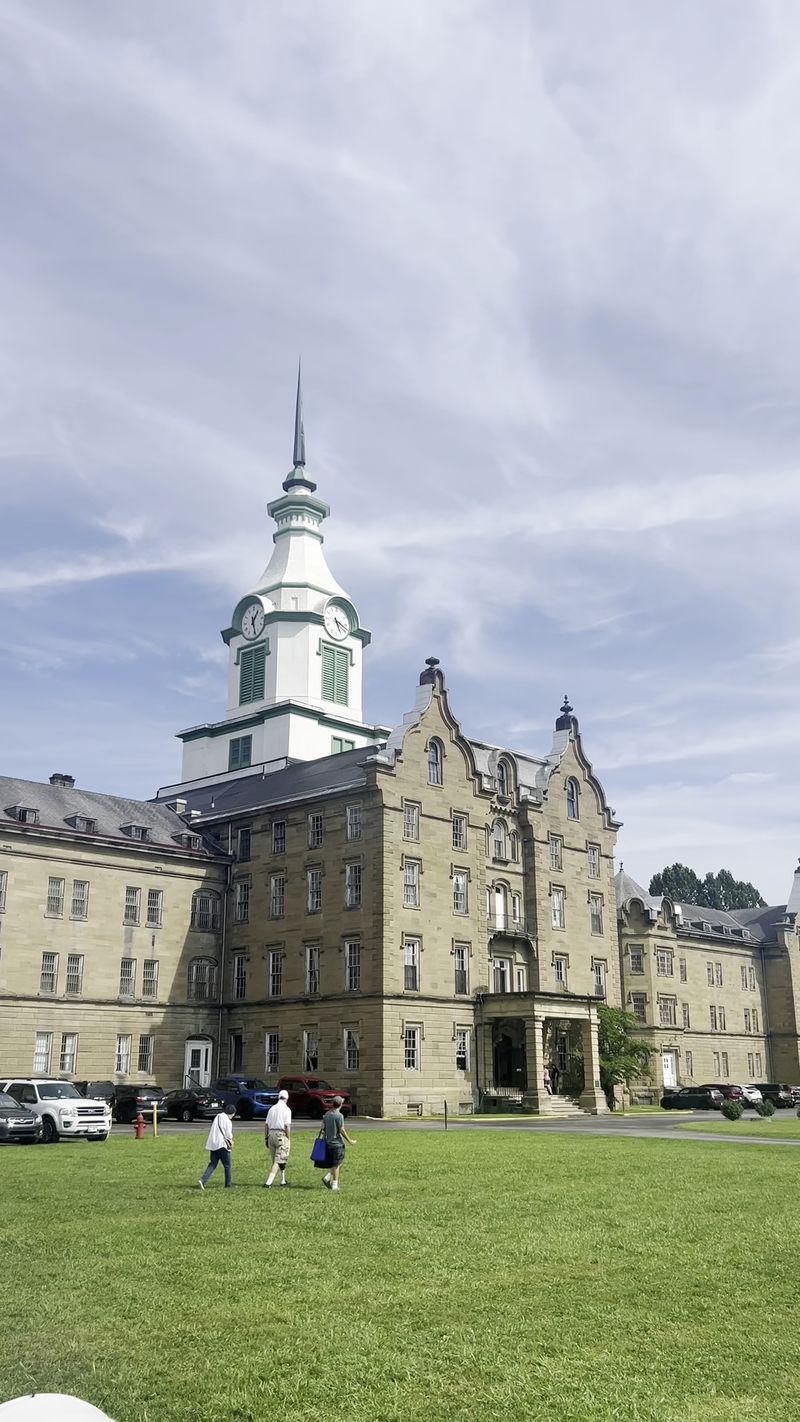
The first look at the Trans-Allegheny Lunatic Asylum is arresting, with the long stone facade stretching across the lawn like a chapter line pulled taut.
The Second Empire style rises with a confident clock tower, while slate roofs and tall windows set a solemn rhythm against the West Virginia sky.
You feel the age in the masonry, and you hear history in the quiet between the trees.
This former psychiatric hospital holds National Historic Landmark status, which protects its architecture and the layered story that comes with it.
Construction began in the mid-nineteenth century, and the structure evolved over decades as demand and policy shifted.
Each wing reveals a different era, and the transitions create a living timeline you can walk.
Visit information is straightforward, and the official website posts hours and seasonal tour options that change with events.
Daytime history tours highlight the treatment philosophies that shaped patient life, with context that addresses progress and harm.
Preservation funds support continued stabilization, so your ticket helps keep the building standing.
The exterior grounds frame the narrative with lawns and mature trees that soften the stark lines of stone.
Photographers love the symmetry of the central tower, and late afternoon light draws delicate texture from the walls.
Tripods may be restricted on certain tours, so check policies before you pack extra gear.
Inside, guides lead small groups through corridors measured by worn floors and broad staircases.
Ceilings lift high above, and the echo makes every whispered note feel bold.
You match your pace to the building, slow and attentive, like entering a cathedral of complicated memory.
Reservations are smart during peak seasons, especially around fall events when paranormal interest spikes.
Parking is available onsite, and arrivals funnel through a designated check-in point.
Start with the exterior, then step in when you are ready to listen.
How To Tour Without Missing A Beat
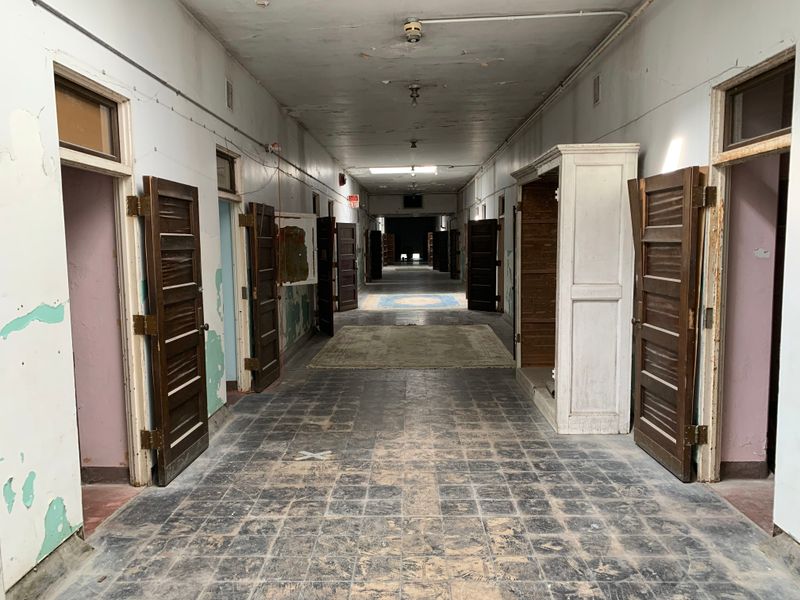
Tour formats run from daytime history walks to focused photography sessions and evening ghost-themed experiences.
The schedule updates regularly through the official site, which makes checking dates essential before you drive into central West Virginia.
Weekends fill quickly during spring and fall, so book early and plan a flexible window.
Day tours explore patient wards, administrative rooms, and common spaces that chart changing practices over more than a century.
Guides place each architectural detail in context, connecting design choices to treatment goals and evolving care standards.
The tone is informative and careful, acknowledging harm without sensational flourish.
Photography tours emphasize natural light and line, with staff monitoring where tripods and flash are allowed.
Windows fall in steady rows that sculpt soft contrast across flaking paint and patterned tile.
Wide lenses capture the sweep of corridors, while primes frame quiet vignettes in doorways.
Evening tours tilt toward paranormal storytelling, clearly labeling legends as unverified and separating rumor from documented history.
You will hear about footsteps reported by past visitors, but the guides keep speculation in its lane.
The building sets the mood, while facts remain the spine of the experience.
Check-in happens at a central desk after parking, with tickets verified and waivers completed for certain specialty tours.
Comfortable closed-toe shoes are recommended because some floors are uneven.
Temperature shifts room to room, so layers make the walk more comfortable.
Groups are sized to balance safety and storytelling, and spacing helps keep the soundscape quiet.
You are free to ask questions at stops, and staff handle sensitive topics with care.
Plan at least two hours if you want to cover the highlights without rushing your pace.
Architecture That Tells On Itself
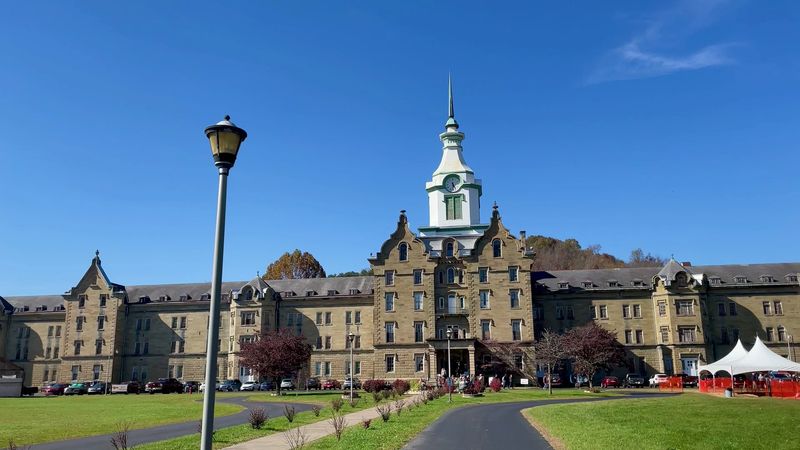
The design language here favors breadth and proportion, with the central tower anchoring a long enfilade of connected wings.
Mansard roofs and dormers create a punctuation line that pairs elegance with institutional gravity.
Stone blocks reveal hand cut variation that reads beautifully in angled sun.
Inside, soaring ceilings and tall windows deliver abundant light that once supported moral treatment ideals.
The plan aimed to separate patient populations, a practice that reflected nineteenth-century theories about space and healing.
Hallways run straight for long sightlines, while staircases turn neatly like paragraphs in a well-kept ledger.
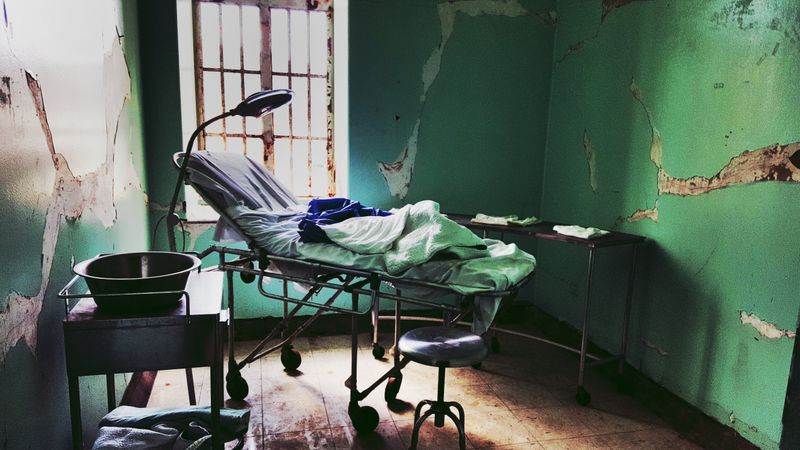
Surface textures tell another story, since peeling paint and scuffed thresholds show decades of shifting use and abandonment.
Restoration teams stabilize key zones while preserving authentic wear that conveys time honestly.
The result feels both safe and real, which suits a site invested in truth telling.
Architectural photographers find a playground of composition, from symmetric facades to compressed perspectives under arches.
Early morning brings cool light that smooths contrast, while late day paints warmth across the stone.
Overcast skies can be ideal if you prefer neutral tones and minimal glare.
Interpretive signs highlight construction phases and material choices without drowning visitors in jargon.
Guides expand on those notes to link form and policy in clear, accessible language.
You leave with a better eye for how buildings embody values, both helpful and harmful.
Spend time at the front lawn to appreciate axial views that lead the gaze straight to the tower clock.
Then step to either side to watch the facade stretch into disciplined repetition.
West Virginia weather shifts quickly, so pack a light waterproof layer to keep your camera and notes dry.
History, Context, And Care

The story of the Trans-Allegheny Lunatic Asylum is intertwined with national shifts in mental health policy and public funding.
Early optimism met overcrowding and strained resources, and the building felt pressures that outpaced its design.
Guides frame these realities with candor and respect for those who lived here.
Archival rooms present photographs, logbooks, and equipment that illustrate clinical routines and administrative demands.
Exhibits avoid sensational claims and instead connect practices to the standards of their era.
Context does not excuse harm, and that balance is handled with steady care.
The hospital eventually closed as treatment moved to different models and modern facilities.
After a period of vacancy, preservation advocates stepped in to stabilize the site and open it to education.
Revenue from tours supports ongoing work that keeps the structure safe for the public.
Discussion often touches on how language around mental health has changed across generations.
You hear how diagnoses shifted with new research, and how policies influenced day-to-day life.
These conversations invite reflection without leaning on shock value or spectacle.
Visitors are encouraged to move slowly and read labels that outline documented milestones.
Staff welcome questions about sources and methods, keeping speculation separate from evidence.
When legends arise, they are clearly marked as local lore and not presented as fact.
The experience works best if you arrive ready to listen and sit with complicated realities.
West Virginia history runs through these halls, adding regional texture to a national conversation.
You leave with empathy sharpened, a timeline clarified, and a sense of why preservation matters.
Paranormal Nights, Framed With Facts
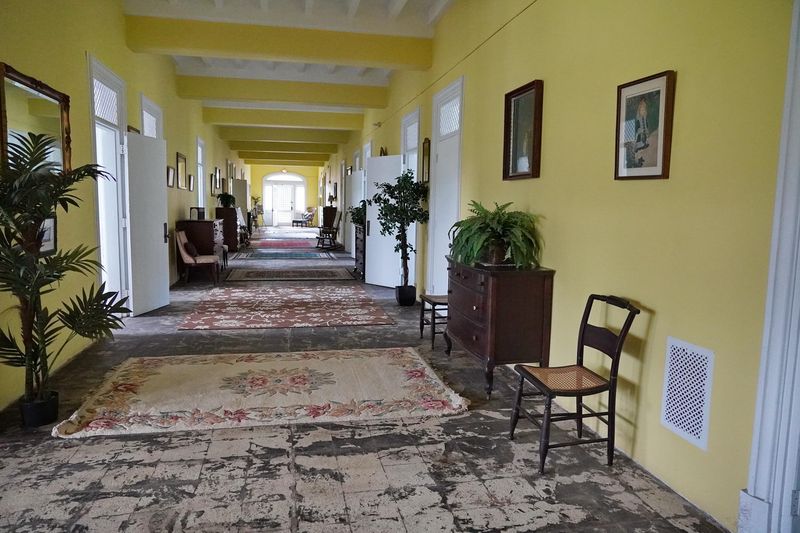
Evening tours at the asylum lean into atmosphere, with dim corridors that heighten every creak and draft.
Guides introduce local legends as stories from visitors and staff, and they flag them as unverified reports.
The tone remains grounded, and safety rules keep the experience orderly and respectful.
You may hear about footsteps in empty halls or a door that seemed to move when no one stood near.
Some guests report cold spots or devices reacting without obvious cause, which the staff present as anecdotal accounts.
The best part is the balance, because curiosity is welcome while evidence remains the standard for claims.
Bring a small flashlight with fresh batteries and keep your group close to the guide at all times.
Photography is usually allowed with limitations, and flash can spoil the mood for others.
Dress warmly since temperatures drop after sunset, especially during shoulder seasons in West Virginia.
Paranormal investigations sometimes run as special events with structured time in designated rooms.
Teams rotate through spaces to minimize noise bleed and cross-contamination of readings.
Staff handle logistics so movement stays smooth and the schedule stays on track.
Expect clear briefings about boundaries, fragile areas, and emergency procedures before lights dim.
You will walk slowly and stop often, which makes patience the best mindset for the night.
Silence helps, because sound carries down those long hallways like water in a narrow channel.
If nothing unusual happens, the architecture and history alone make the ticket worthwhile.
If something odd occurs, you will have witnesses and time-stamped notes to compare.
Either way, the experience honors both skepticism and wonder without overstating what cannot be proved.
Planning Your Visit Like A Pro
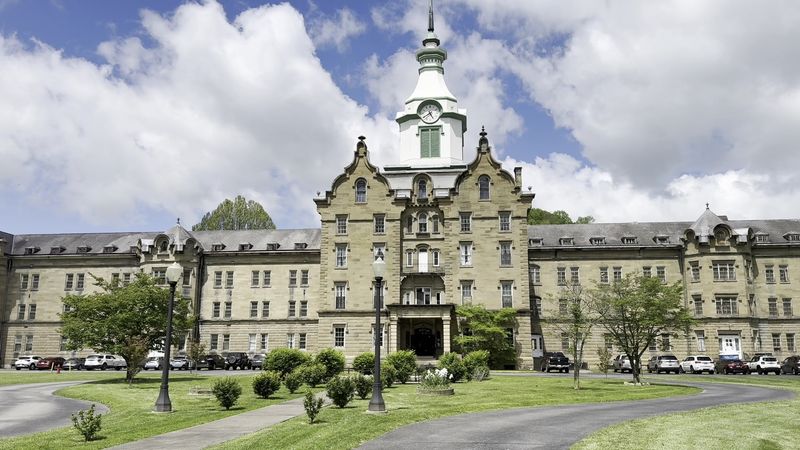
Start with the official website to confirm hours, seasonal closures, and special programming before you drive.
The asylum sits at 50 S River Ave, Weston, WV 26452, which places you minutes from downtown services.
Cell coverage is generally reliable in town, but offline maps help if you plan backroads.
Parking is onsite with clearly signed entrances that funnel toward check-in.
Arrive fifteen to twenty minutes early to handle tickets, waivers, and restrooms before your group departs. The process feels smooth when you give yourself a small buffer.
Wear closed toe shoes with decent grip, since surfaces can shift from polished to rough concrete.
Layers are smart because temperatures fluctuate between wings and stairwells.
A compact bag keeps hands free for railings, which you will appreciate on longer climbs.
Photography rules vary by tour type and event, so read confirmations for any restrictions.
Tripods may be limited to specific sessions, and drones are not permitted for safety and privacy.
Respecting guidelines helps preserve access for everyone who follows.
Accessibility information is available at booking, and staff can advise on routes with fewer stairs.
Some areas remain off limits due to structural concerns, and that keeps visitors safe while preservation continues.
Patience with detours pays off when you reach intact rooms with strong interpretive detail.
Consider pairing your visit with downtown Weston walks and nearby outdoor stops in central West Virginia.
Local businesses appreciate travelers who linger, and you gain context for the region beyond the asylum.
Keep your schedule modest and leave room for reflection after the tour.
Photography Guide For Moody Interiors
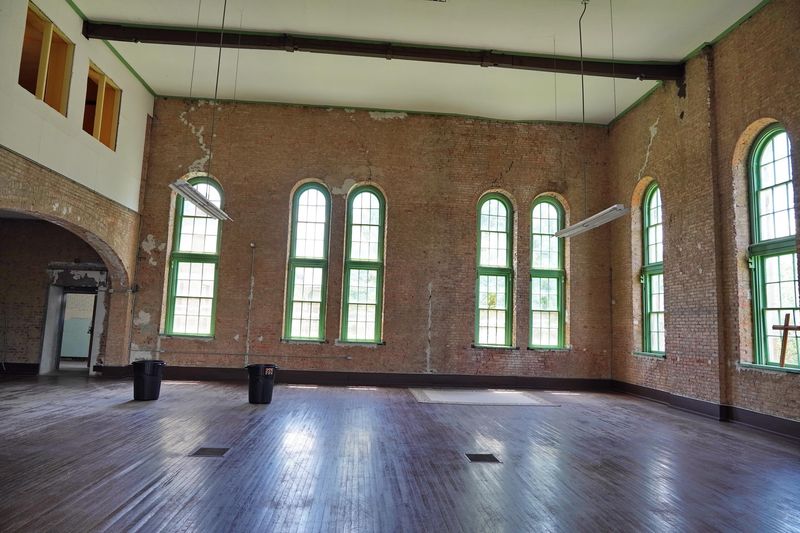
Light is everything inside the Trans-Allegheny Lunatic Asylum, and midday often brings the most even coverage through tall windows.
Overcast skies act like a giant softbox that lowers contrast and reveals fine texture on walls.
Look for side light that brushes across details to add depth without harsh glare.
Wide lenses capture the sweep of corridors, while a normal lens preserves proportions in medium rooms.
Keep ISO moderate and brace against door frames if tripods are restricted on your tour.
A polarizer rarely helps indoors, so leave it behind to simplify your kit.
Composition rewards patience and careful framing, especially with repeating windows and doorways that form pleasing patterns.
Step slightly off center to avoid perfect symmetry unless that is your goal.
Foreground elements like rails or thresholds can anchor the scene without clutter.
Color grading benefits from a gentle hand because the palette already carries mood and history.
Cool whites and muted greens often dominate, with warm wood notes arriving in trim and banisters.
Respect the space by avoiding heavy effects that distract from the architecture.
Ask before moving any objects, and never touch fragile surfaces that contribute to preservation value.
Follow guide instructions for safe spacing so groups can pass and sightlines remain clear.
When in doubt, lower the camera and let the moment breathe.
Exterior shots shine during golden hour when the stone facade glows against a cloud-brushed sky.
Back up across the lawn to compress the tower with the wings in layered perspective.
West Virginia weather can change quickly, so keep a rain cover tucked in your pocket just in case.
Responsible Storytelling And Ethics
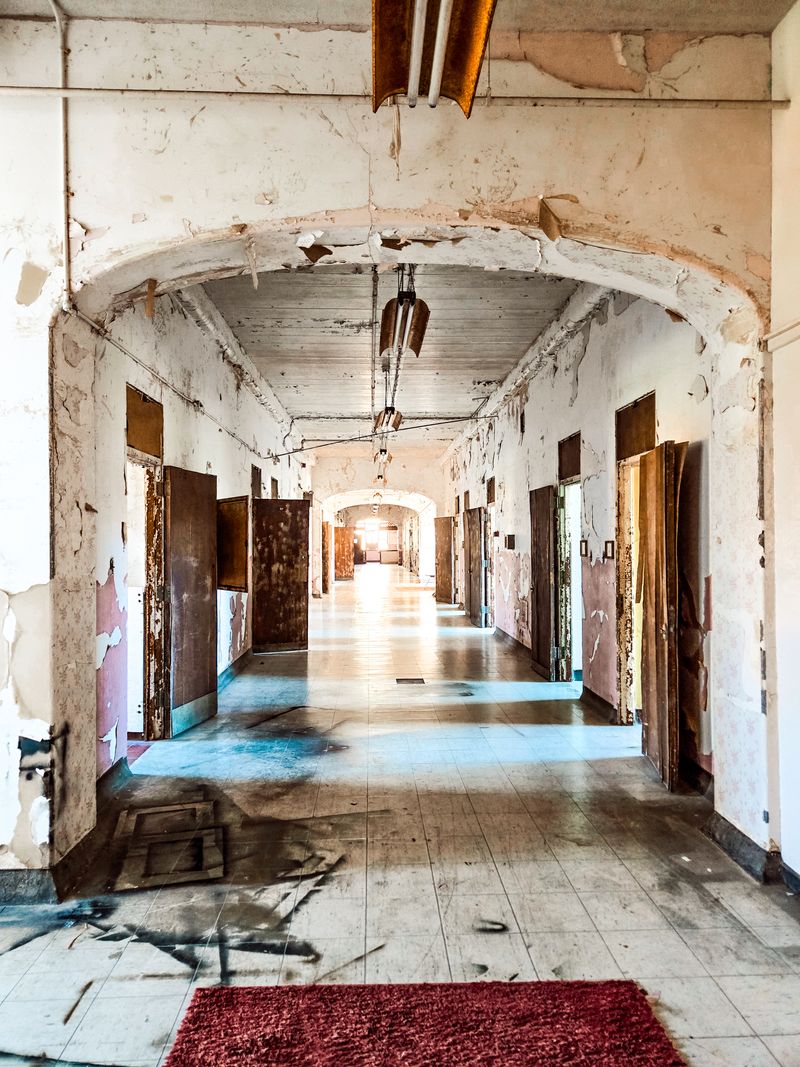
Places like the Trans-Allegheny Lunatic Asylum invite strong emotions, and responsible storytelling keeps those feelings grounded.
Guides and signs separate documented facts from local legends so visitors understand what is known.
This clarity respects former patients and staff whose lives deserve accuracy over spectacle.
When rumors arise about apparitions or unexplained sounds, they are labeled as anecdotal reports.
You can enjoy the mood while remembering that history should rest on sources and records.
The building holds power without needing exaggeration or theatrical tricks.
Photography and social posts benefit from captions that add context, including dates and verified details. Respect privacy guidelines for staff and other guests who share the space with you.
Avoid staging scenes that might imply evidence where none exists.
Language matters, and modern terms for mental health differ from those used during the asylum’s early years. Choose words that avoid stigma while still acknowledging difficult truths documented in archives.
This approach helps turn curiosity into empathy and learning.
Supporting preservation through tickets and donations is a concrete way to honor the site.
Funds go toward stabilization, research, and interpretation that make future visits possible.
The work happens steadily and often out of sight, but the results protect fragile materials.
As you leave, consider how West Virginia history is braided into national conversations about care and reform.
Responsible travel means listening first, then sharing with accuracy and heart.
Your voice can widen understanding when it carries both wonder and respect.
Seasonal Events And What To Expect
Seasonal programming adds fresh energy to the Trans-Allegheny Lunatic Asylum calendar without losing the educational core.
Autumn tends to draw larger crowds as cooler air and early sunsets set a moody stage.
Spring brings softer light and greener lawns that brighten exterior walks and photos.
Special events may include extended hour tours, themed history nights, and structured paranormal investigations.
Each one posts specific rules and age guidelines on the official site, so reading details saves surprises.
Some dates sell out early, and waitlists are common during peak interest.
Weather shapes experience, and West Virginia conditions can swing from warm sun to quick showers in a day. Bring layers and a compact rain shell that you can stow in a small pack.
Footwear with decent traction makes transitions from pavement to older interior floors safer.
Event check in runs through the same main entrance with added staff to speed the line.
Plan extra time for parking and security so you do not miss your slot.
Printed confirmations or a clear phone screen help at the door when crowds build.
Photography allowances vary by event, and flash rules often tighten during evening programs.
Respect the ambiance by keeping lights low and movement quiet in shared spaces.
Your patience will be rewarded with cleaner audio and calmer frames.
Families should review content notes since some material can be intense due to historical subject matter.
Guides handle questions thoughtfully and can suggest alternatives if a section feels heavy.
You will finish with a richer perspective on the site and a better grasp of the calendar rhythm.
Nearby Essentials, Rest And Refuel
Weston is compact and convenient, so pairing your asylum visit with a nearby break is easy.
The asylum sits at 50 S River Ave, Weston, WV 26452, placing you close to services on the main corridors.
You can plan meals and rest stops around your tour window without a long drive.
For a relaxed pause, Thyme Bistro offers comfortable seating at 125 Main Ave, Weston, WV 26452.
The space feels warm and welcoming, with staff who are used to travelers on a schedule.
Seating options include tables by the window and quieter corners away from the door.
If you prefer a local staple, Giovanni’s Pizza offers booth seating at 206 Main Ave, Weston, WV 26452.
The interior is casual and friendly, and the location is easy to find from the main avenue.
Service runs smoothly during midday, which helps if your tour starts soon after.
Those looking for a park style breather can head to Stonewall Jackson Lake State Park at 149 State Park Trl, Roanoke, WV 26447.
The visitor center area has benches and open lawns where you can unwind.
It is a manageable drive that pairs nature with history in one day.
Lodging near Weston includes Stonewall Resort at 940 Resort Dr, Roanoke, WV 26447.
Rooms and common areas feel calm, with lounge seating that helps you decompress after a full tour.
Booking ahead keeps options open during busy seasons in central West Virginia.
Plan your route to avoid tight turnarounds so you can relax between experiences.
Keep confirmations handy and set reminders for start times to avoid rushing.
A thoughtful pace turns a good visit into a great one with room to reflect.
Dear Reader: This page may contain affiliate links which may earn a commission if you click through and make a purchase. Our independent journalism is not influenced by any advertiser or commercial initiative unless it is clearly marked as sponsored content. As travel products change, please be sure to reconfirm all details and stay up to date with current events to ensure a safe and successful trip.
