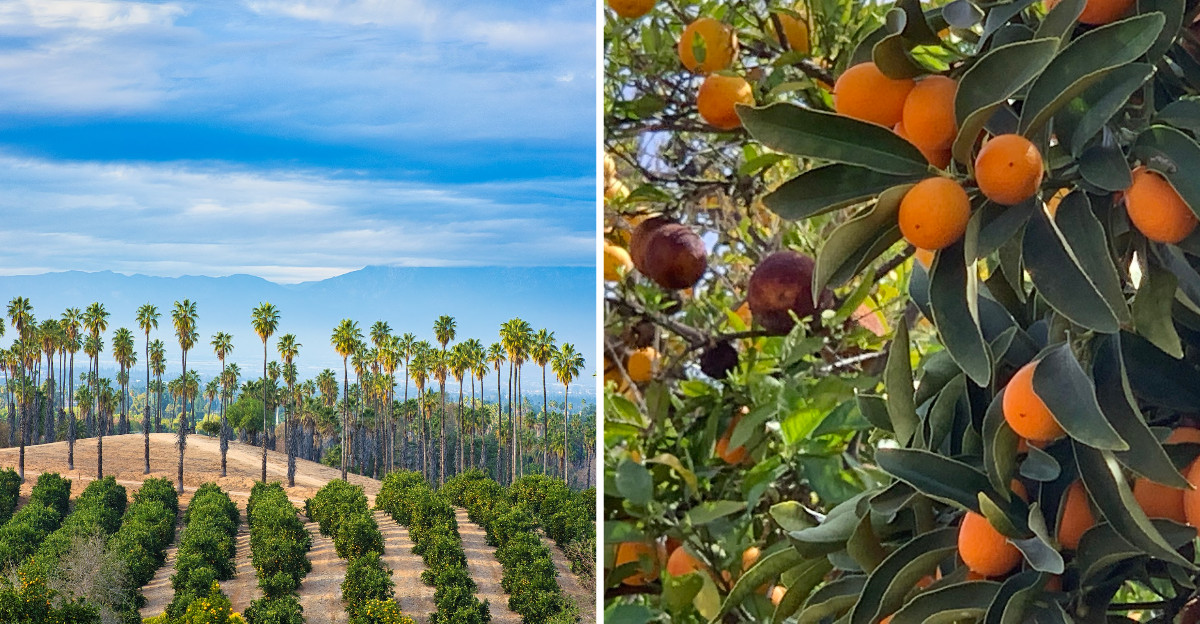
Somebody once looked at an orange and thought, yes, that would make an excellent building. Back in the 1920s, giant orange-shaped stands started popping up along California highways.
Drivers pulled over for cold, fresh juice sold from a fruit bigger than their cars.
Most of those big round stands are long gone now, and only a few originals still survive. Freeways arrived, roads widened, and the quirky citrus balls slowly faded from the map.
That roadside tradition may have faded, but California Citrus State Historic Park in Riverside still preserves the groves that helped make oranges a symbol of Southern California.
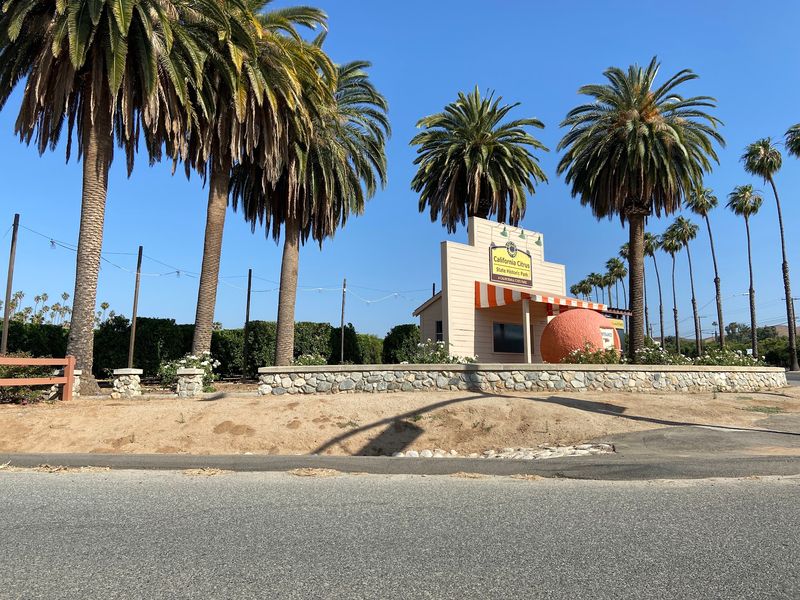
The park even welcomes visitors with a replica of one of those giant orange-shaped roadside stands. It’s not one of the surviving originals, but it gives visitors a look at the quirky buildings that once dotted California highways.
Visitors can walk among citrus trees, learn about the region’s agricultural boom, and see why this ordinary fruit once inspired some of America’s most unusual roadside architecture.
The Orange-Shaped Stands Make Sense Once You See Where Citrus Was King
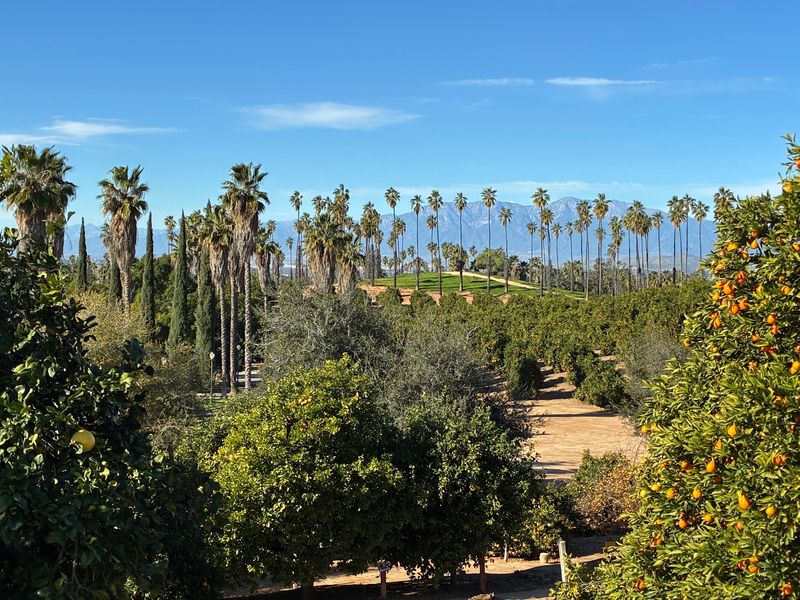
A building shaped like a fruit sounds silly until you realize how much money that fruit made. In the early 1900s, oranges helped turn Southern California into a booming farm region.
California Citrus State Historic Park in Riverside tells that big, juicy story. The state park preserves a slice of the citrus landscape that once covered huge stretches of the area.
Giant orange stands fit right into that world. Roadside sellers built round, bright orange shops so drivers could spot them from far away.
The idea worked because cars were still new and exciting. Families took long road trips, and a cold cup of fresh juice made the perfect excuse to stop.
Many of those stands sold juice squeezed from local fruit. In a place drowning in oranges, the supply was never the hard part.
Today, very few of the original round buildings remain standing. Time, new highways, and changing tastes pushed most of them aside.
The groves that inspired them feel much easier to find here. I think that makes this park the best place to understand why anyone built a giant orange in the first place.
Riverside Has Bragging Rights Most Cities Would Love to Steal
Every navel orange you’ve ever peeled has a family tree, and its roots lead to Riverside. In 1873, resident Eliza Tibbets planted navel orange trees sent from Brazil.
Those trees thrived in the local soil and sunshine. Their sweet, seedless fruit kicked off a citrus rush that changed the whole region.
One of those original trees still grows in Riverside today. It’s known as the Parent Navel Orange Tree, and it stands at Magnolia and Arlington Avenues.
That history explains why California Citrus State Historic Park sits right here. The city didn’t just join the citrus boom, it basically lit the fuse.
Growers soon planted acres and acres of groves across the valley. Packing houses, rail lines, and fruit labels followed close behind.
Roadside orange stands later rode that same wave of fame. Oranges had become a symbol of California sunshine, and businesses wanted a piece of that glow.
Visiting both the park and the Parent Navel tree makes a fun pairing. You get the tiny starting point and the giant results in one easy day.
Honestly, it’s a lot of history for one little fruit to carry.
Bring Comfortable Shoes Because These Groves Keep Going
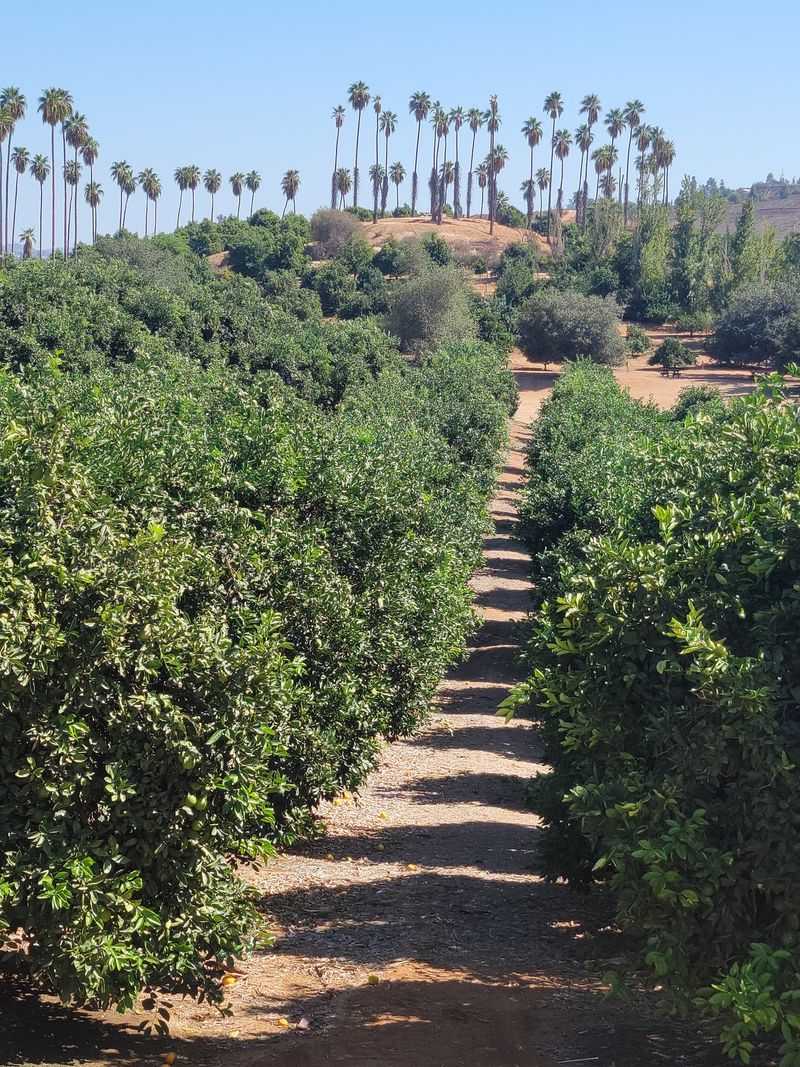
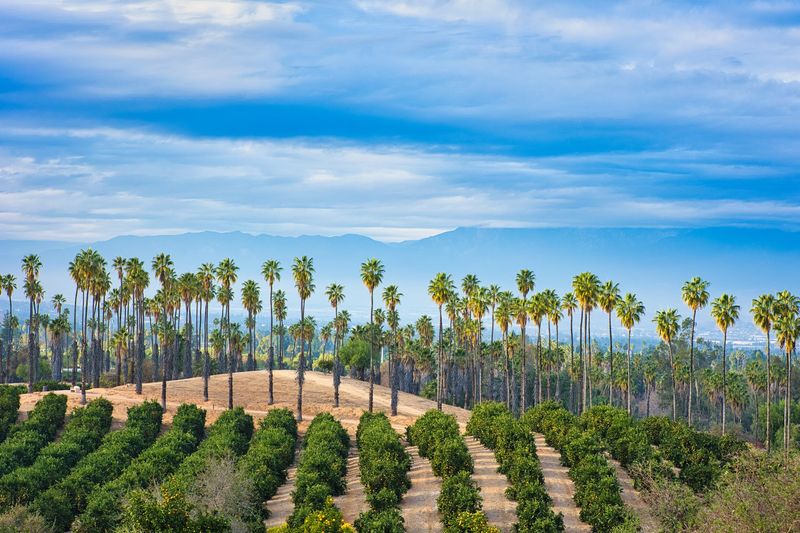
Rows of glossy green trees stretch out in neat lines, many of them dotted with bright fruit in season. The groves are the heart of the park, and they cover a big chunk of land.
California Citrus State Historic Park grows a large collection of citrus varieties. You’ll find oranges, lemons, grapefruit, and some types you may never have heard of.
Walking trails loop through the trees, so exploring feels easy and relaxed. Signs along the way share variety names and bits of citrus history.
Winter and early spring are a great time to see heavy branches. Spring blossoms can also fill the air with that sweet citrus smell.
One rule matters a lot here. Visitors can’t pick fruit from the trees or the ground, so keep your hands to yourself.
Avocado trees also grow on the grounds, which surprises plenty of first-timers. They’re a nice reminder that Riverside’s farm story includes more than oranges.
Bring water and a hat, because shade can be patchy on sunny Southern California days. Then wander slowly and enjoy the view.
A Free Taste of Citrus Might Be the Best Museum Perk Ever
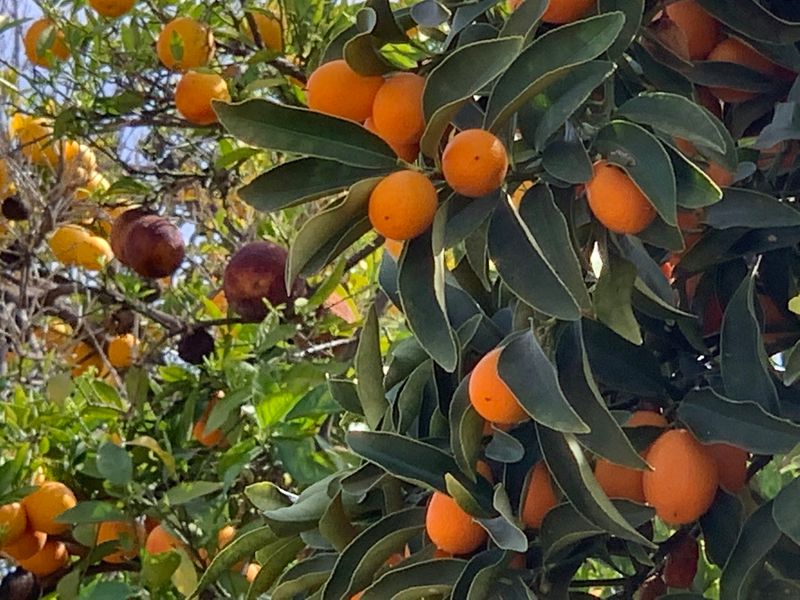
Most museums ask you not to touch anything, and here they might hand you a slice of fruit. Free guided grove tours run Friday through Sunday at 10 a.m., and visitors may get to sample fresh citrus when seasonal fruit is available.
Inside, exhibits trace how citrus traveled across the world before reaching California. The displays move quickly, which keeps kids interested and adults from glazing over.
You’ll also learn how the citrus industry shaped Riverside and nearby towns. Growers, workers, and packing houses all play a part in the story.
Timing matters, so plan ahead. The visitor center keeps limited weekend-focused hours, usually Friday through Sunday, while the grounds stay open daily.
Free guided tours are offered on some weekends, led by rangers and volunteers. Showing up early gives you a better shot at catching one.
A small gift shop sits inside as well. It’s a handy stop for citrus-themed souvenirs if you want a sunny reminder at home.
The museum works nicely as a first stop before the groves. Once you know the history, every tree outside suddenly feels a little more interesting.
And yes, the free fruit counts as education.
The Whole Place Was Built to Feel Like the Glory Days
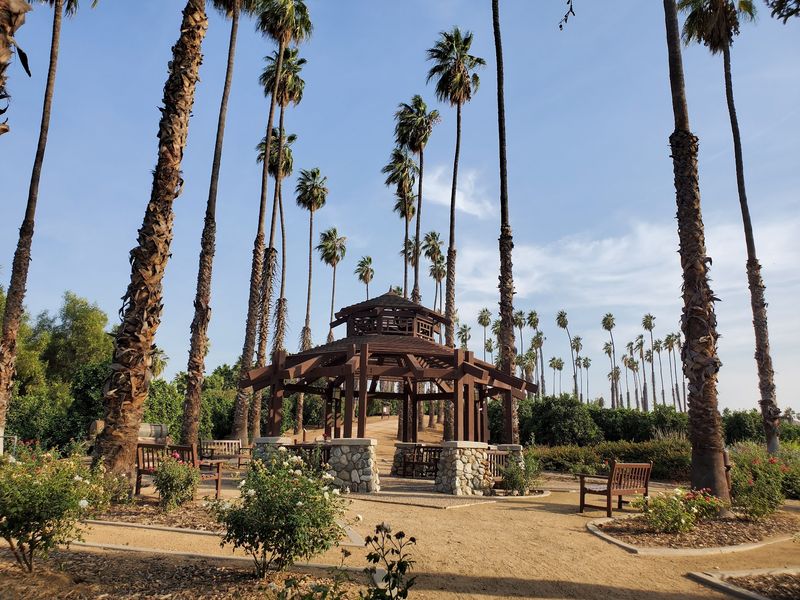
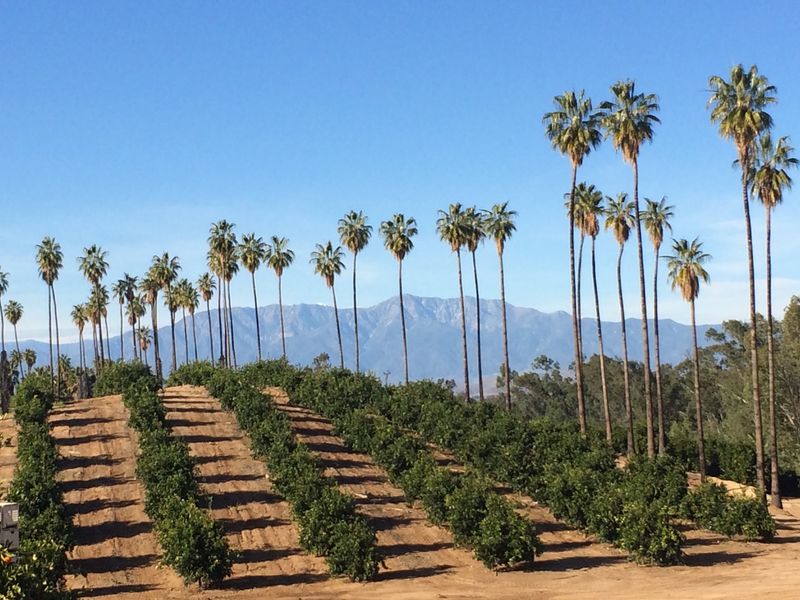
Tall palms line the roads, and that’s no accident. The park was designed to echo the look of Southern California’s citrus heyday.
Back then, wealthy growers liked showy entrances and tidy landscaping. Palm-lined drives told visitors that this land meant business.
California Citrus State Historic Park borrows that same style. The setting gives you a feel for what a successful grove estate might have looked like.
That era also produced the roadside culture behind giant orange stands. Farmers grew the fruit, and highway sellers turned it into quick, cheerful snacks.
An elevated viewpoint lets you look out across the groves. Benches nearby make it easy to sit, rest your legs, and take in the hills.
Gazebos scattered around the park offer shade and nice photo spots. They also make a handy meeting place if your group wanders off.
I like how the park doesn’t feel like a dusty exhibit behind glass. It’s an open, living landscape you can actually move through.
Bring your camera, because the palms and groves frame the mountains beautifully.
Pack a Lunch and Claim a Shady Table
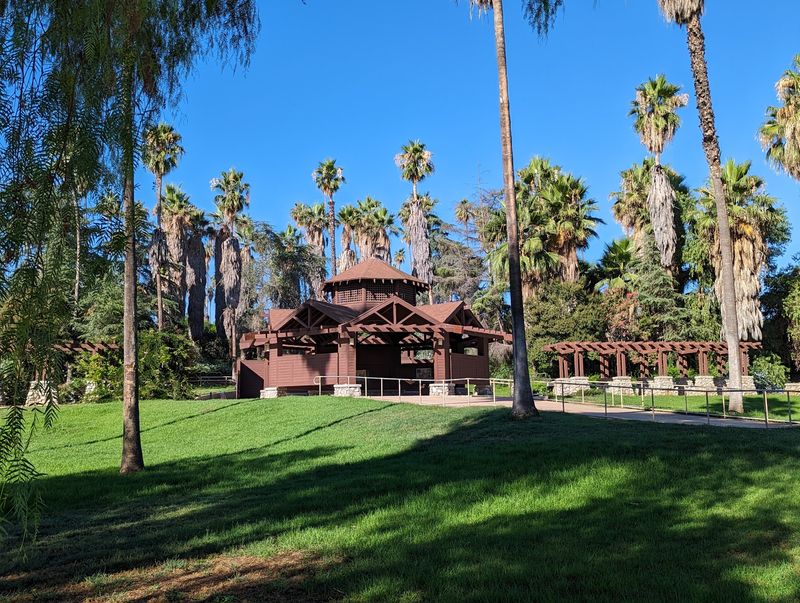
Sandwiches simply taste better next to an orange grove. That might not be science, but it feels true here.
The park offers grassy lawns and picnic tables for easy outdoor meals. Some areas have shade structures, which really help on warm days.
Barbecue grills are available in picnic spots too. That makes the park a solid pick for birthdays, reunions, or a lazy weekend cookout.
Kids can run around on the open grass after lunch. Parents get to sit back and enjoy the view of trees and hills.
Restrooms are on site, which every family appreciates. Trails nearby also give everyone a way to walk off dessert.
Remember that the fruit on the trees is for looking only. Pack your own oranges if you want a citrus snack with your meal.
Weekdays tend to feel calmer than busy weekends. Either way, arriving earlier gives you better odds at a shaded table.
A picnic here gives you a small taste of old California living. It’s simple, sunny, and surrounded by the crop that made the region famous.
Weddings Look Extra Golden Against a Backdrop of Fruit Trees
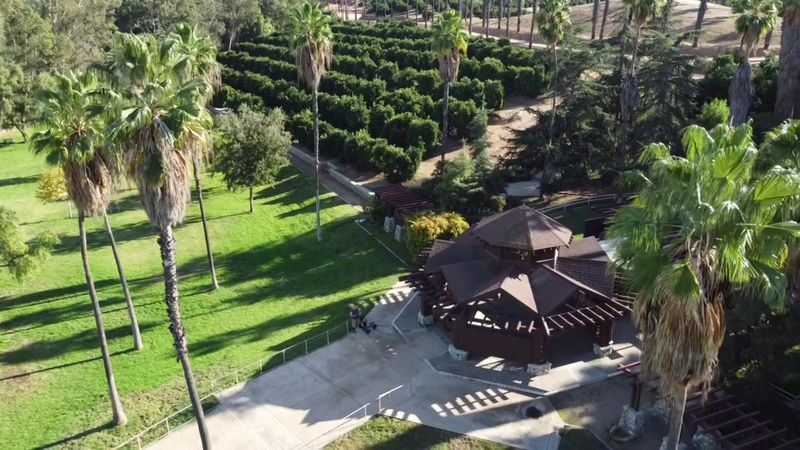
Sunset over a citrus grove makes a pretty strong case for saying “I do.” Plenty of couples apparently agree.
California Citrus State Historic Park includes the Sunkist Center, an event space available for rent. It hosts weddings, parties, and other special gatherings.
The hall’s classic style fits the park’s old-time citrus theme. Large windows and elegant details give it a polished, timeless feel.
Outside, a courtyard and nearby groves add natural decoration. You don’t need many flowers when rows of fruit trees already do the work.
Event guests should think about footwear. Some outdoor surfaces can be uneven, so flats may be smarter than tall heels.
Families also book the park for reunions and smaller celebrations. The mix of indoor space and outdoor scenery makes planning easier.
If you’re considering an event, contact the park well in advance. Popular dates can fill up, especially in nice weather.
I can’t imagine a more fitting spot for a California celebration. Where else do the decorations come with a hundred years of history attached?
Here’s Exactly Where to Point Your GPS
Finding citrus history is easier than finding a parking spot at the mall. The park sits at 9400 Dufferin Ave, Riverside, CA 92503.
It’s close to Van Buren Boulevard, not far from the 91 Freeway. That makes it an easy detour for Inland Empire road trips.
The park opens daily at 8 a.m., closing at 5 p.m. from October through March and at 7 p.m. on summer weekends. Plan museum visits for Friday through Sunday, since the visitor center keeps shorter hours.
Parking requires a fee, and paying with cash is a smart backup. Regular parking costs $7 per vehicle, with discounted rates for seniors.
Dogs are welcome on leash, according to the park’s visitors. Still, double-check current rules before bringing your pup along.
The surrounding Arlington Heights area still has farms and orchards nearby. A slow drive around the neighborhood adds even more citrus scenery.
Bring sunscreen, water, and comfortable shoes for the trails. The weather in this part of California can heat up quickly in summer.
Arrive in the morning for cooler temperatures and softer light. Your photos and your feet will both thank you.
Finish the Trip With More Riverside Citrus Stops
One park visit might leave you hungry for more orange history. Luckily, Riverside makes that easy.
Start with the Parent Navel Orange Tree on Magnolia Avenue. Seeing the famous tree makes California Citrus State Historic Park feel even more meaningful.
Downtown Riverside is home to the historic Mission Inn. Its grand architecture reflects the wealth that citrus helped bring to the city.
Victoria Avenue is another scenic drive worth taking. The tree-lined road was originally laid out during the city’s citrus boom.
Giant orange stands may be rare now, but this region still celebrates its fruity past. Bits of that era pop up in street names, old buildings, and local pride.
Think of the trip as a citrus scavenger hunt. Each stop adds another piece to the story of how oranges shaped California.
The state park makes a perfect home base for that adventure. It’s peaceful, educational, and full of trees that still produce fruit every year.
Those roadside oranges may be mostly gone. Thankfully, the groves that inspired them still have plenty of life left.
