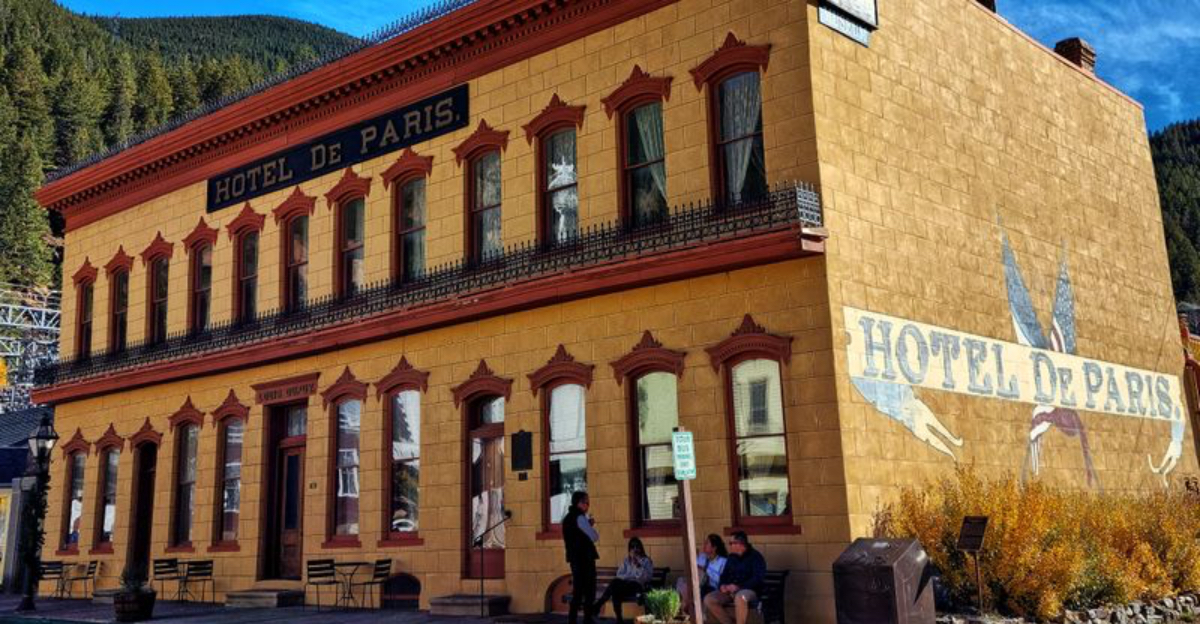
Snow falls in Georgetown, and the Hotel de Paris Museum seems to inhale the cold air like a living relic that remembers every whisper.
You feel the canyon quiet settle around Sixth Street, and the building answers with creaks that sound intentional.
Colorado winters sharpen every edge, so each shadow and footfall turns into a story you can almost touch.
The historic streets, dusted with powder, slow your pace without asking; the buildings lean slightly over the sidewalks as if listening.
Icicles catch the afternoon light, fracturing it into prisms that dance across brick and stone.
Shop windows glow with warmth, spilling golden rectangles onto the snow, and the faint smell of firewood drifts from chimneys tucked between rooftops.
Each turn reveals more layers, a wrought iron fence, a carved doorframe, a quiet bench waiting for a pause.
Time here feels measured not by clocks, but by the soft rhythm of snow settling and wind shifting through the canyon.
Keep reading if you want the kind of travel day that lingers long after the snowplow passes, leaving footprints only in memory.
A Museum That Preserves Its Original Winter Silence
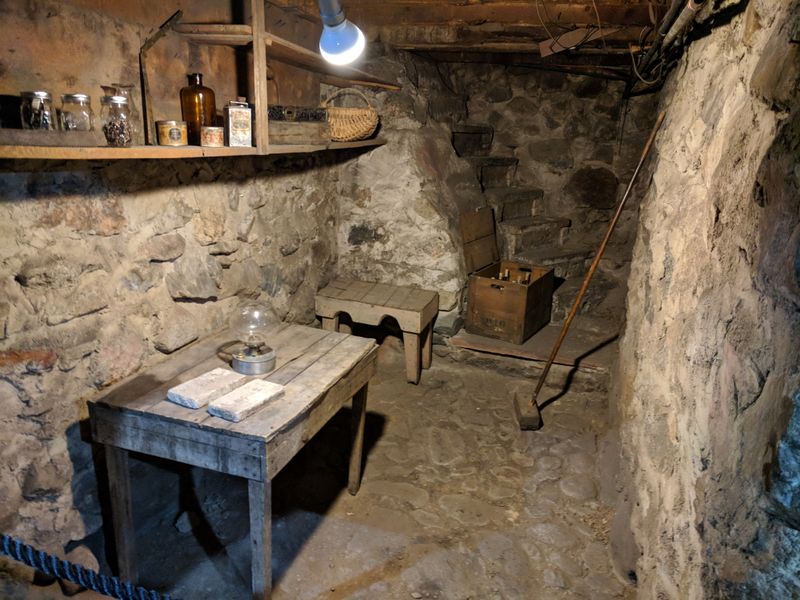
Now operated as a museum, the hotel keeps a layout that guides you through time, one close hallway at a time.
Thick stone walls muffle traffic and turn footsteps into measured beats that seem older than the day’s weather.
In winter the silence grows, and the building’s pauses feel deliberate.
Narrow passageways make you soften your voice, and even tour chatter fades into a respectful murmur.
Rooms hold their shape with shuttered focus, and simple latches sound louder than expected.
Snow outside deepens the hush, so you catch drafts rolling under doors like careful messengers.
The museum’s interpretation sticks to documented history, which gives every object a steady, trustworthy frame.
Labels explain function and provenance, and the absence of spectacle suits the mood.
Colorado’s mountain weather does the heavy lifting, setting a tone that no speaker system could match.
When the wind pauses, the building seems to listen, and you find yourself listening back.
Location: 409 Sixth St, Georgetown, CO 80444
A Main Street That Looks Frozen in Time
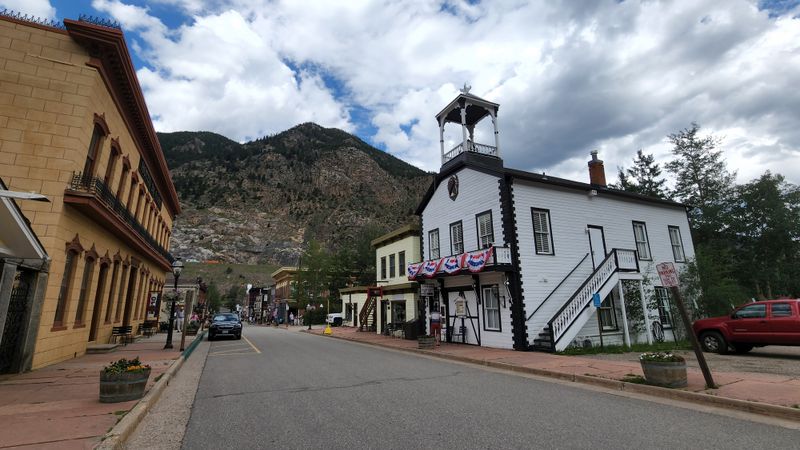
Georgetown’s historic block presses against the slopes, and the mountains feel close enough to lean on the roofs.
Snow drapes wood trim with clean edges, and the ironwork takes on a sculpture quality you notice from the sidewalk.
Brick fronts reveal careful repairs that respect the original lines.
From the hotel’s doorway, sightlines run straight past storefront windows that reflect a blue winter tint.
Hanging signs creak a little, and the sound snaps you into the present while the visuals insist on the past.
Fresh powder makes footsteps look like temporary signatures, erased as clouds move in.
The district photography rules are easy here, since every angle offers a postcard without needing a filter.
Colorado heritage sits in plain view, and the season edits the scene with gentle restraint.
When the light shifts, the hotel blends and then stands apart, like a chorus member stepping forward for a solo.
You keep glancing back, because the street looks exactly like a memory you have not made yet.
A French Inspired Hotel Set Deep in the Rockies
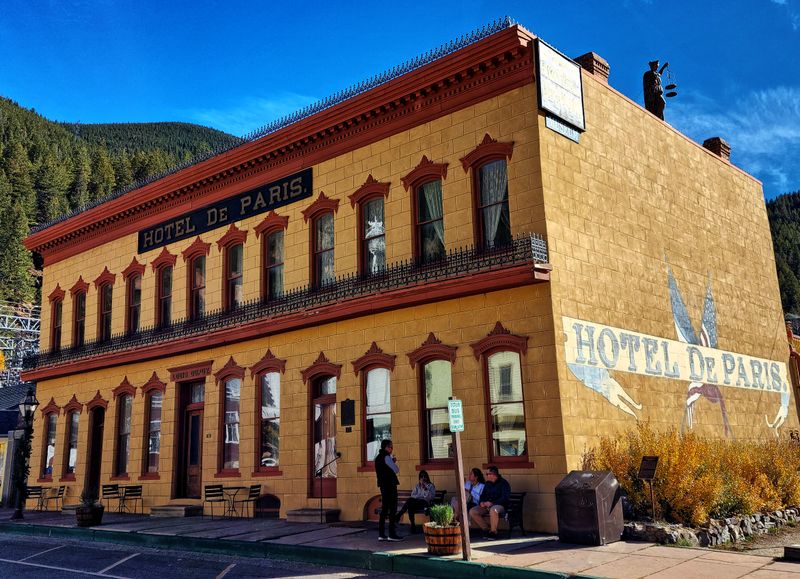
The Hotel de Paris stands on Sixth Street in Georgetown’s historic district, and the first glance suggests a French guesthouse transplanted into a Colorado canyon.
Snow collects on stone lintels and window sills, and the façade feels calmer with every flake.
You stand on the boardwalk, hearing only the crunch of your boots, while the ornate sign invites a closer look.
Built during the Silver Rush era, the structure pairs European ambition with mountain grit, and that contrast reads like a clear sentence on a cold day.
Shuttered windows keep their secrets, yet the symmetry hints at stories arranged with particular care.
The profile against the peaks looks restrained, almost formal, like a portrait that refuses to smile.
When snowfall thickens, the street narrows, and the building’s lines become sharper, as if the storm is tracing them for you.
Frost forms on iron railings, and the entry steps echo with small sounds that travel farther in the still air.
Colorado light fades early here, so those last pale minutes give the masonry an elegant, powdery glow.
You feel pulled toward the threshold, aware of the museum hours yet tempted by the suggestion of midnight visitors.
Rooms Filled With Period Furnishings
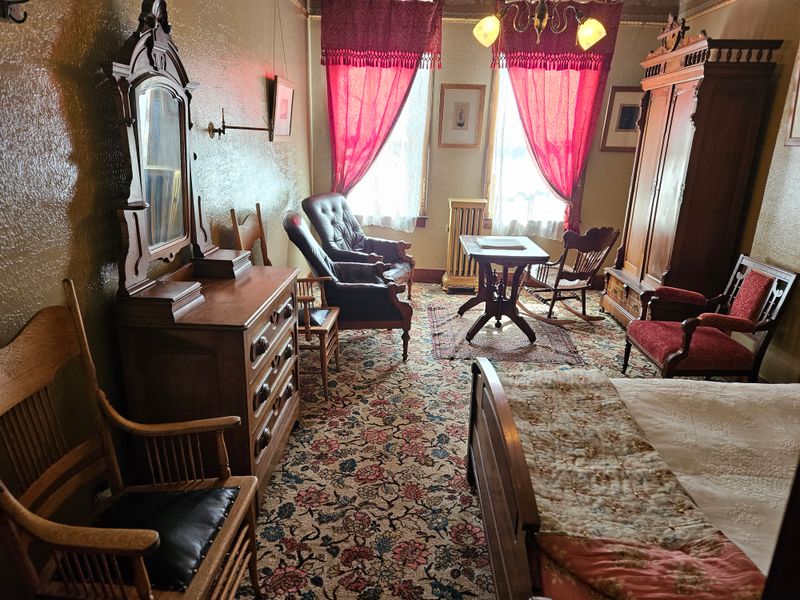
The museum preserves original furniture and imported décor that sit with an unforced elegance.
Polished wood frames reflect a soft glow, and upholstery shows patterns that favor quiet confidence over flash.
You notice travel trunks with hardware that looks ready to work today.
Winter light angles through old glass, and edges blur in a way that flatters every surface.
Mirrors hold a faint haze, so reflections seem older and friendlier than your camera allows.
Tabletops carry small marks that read like notes left by past guests.
Colorado cold helps the rooms stay still, which makes subtle details feel amplified.
You lean toward a clock or a letter and feel time compress without getting sentimental.
Guides point out pieces tied to Louis Dupuy, and the facts arrive cleanly without embellishment.
When the door closes, the hush returns, and the furniture seems to settle again.
A Reputation for Unexplained Sounds
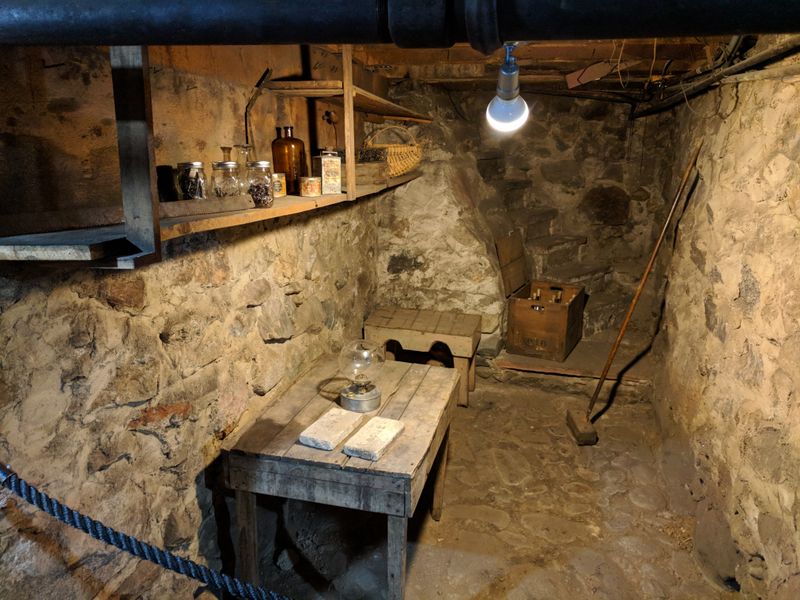
Museum volunteers and visitors mention footsteps on empty stairwells, and the reports share a plainspoken tone.
Faint knocks join the list, along with doors that thud softly somewhere out of view.
Tours continue as usual, yet the comments return each season like migrating birds.
Winter lowers the ambient noise, so small creaks move forward in the mix.
You pause at the landing and sense a pattern you cannot map.
No one claims proof, and that honesty keeps the stories believable.
Colorado nights carry sound in a clear line, and the building seems to know the route.
Shadows behave normally, though you might watch them longer than necessary.
Guides stay with documentation, and they allow visitors to connect their own dots.
When the group steps outside, the door’s final click feels like a period at the end of a sentence.
A Founder Whose Story Fuels the Lore
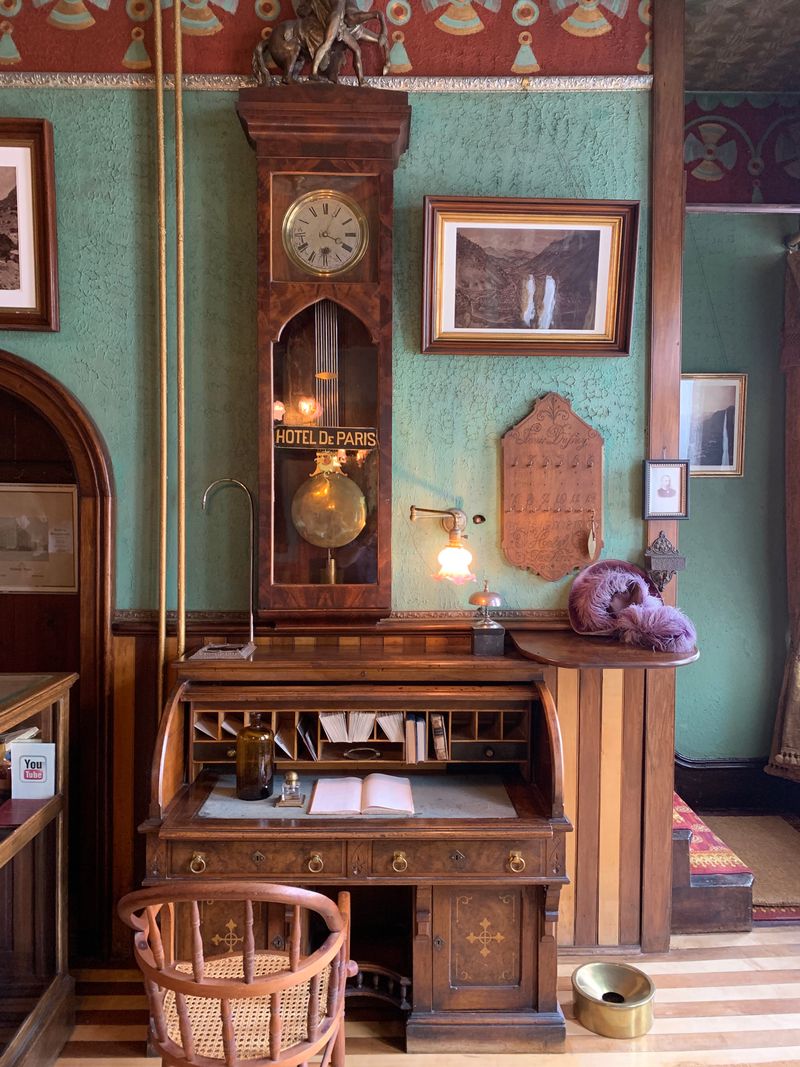
Louis Dupuy’s biography sits at the center of the museum narrative, and the building mirrors his exacting taste.
Records and artifacts tell the story without dramatic garnish, which suits the rooms he curated.
You hear his name on tours with the clarity of a signature.
The hotel reflects ambition and discipline, and that mix shapes the lore more than any single anecdote.
Letters and inventories give shape to decisions that still influence the layout.
Nothing feels invented, and that restraint strengthens the mood visitors describe.
Colorado history often pairs personality with place, and this match feels particularly precise.
The museum’s timeline keeps events in order, letting the building speak through preserved detail.
Guests often link the caretaker energy to the sense of presence reported after hours.
You may leave thinking less about ghosts and more about how stewardship lingers.
Early Nightfall That Changes the Hotel’s Atmosphere
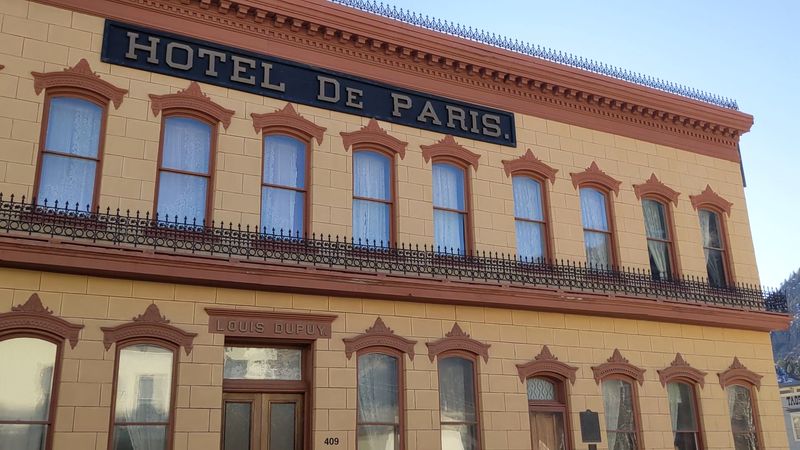
Winter light fades quickly inside Georgetown’s narrow canyon, and the shift redraws every edge of the hotel.
Windows warm to a soft glow that spills gently onto the snow.
The street grows quieter as the mountains trade color for outline.
Shops settle, and the façade steps forward like a stage set waiting for actors.
Foot traffic thins, and your breath becomes the loudest nearby sound.
Shadows commit to their shapes, and the building feels more certain about its lines.
Colorado evenings emphasize texture, so stone and wood gain depth you notice from across the road.
Tour hours end, yet curiosity lingers like a low hum.
Even without a story, the scene reads as suspense, pared down and elegant.
You check the time, then stay a few minutes longer, because the mood is the point.
A Courtyard That Amplifies Storm Echoes
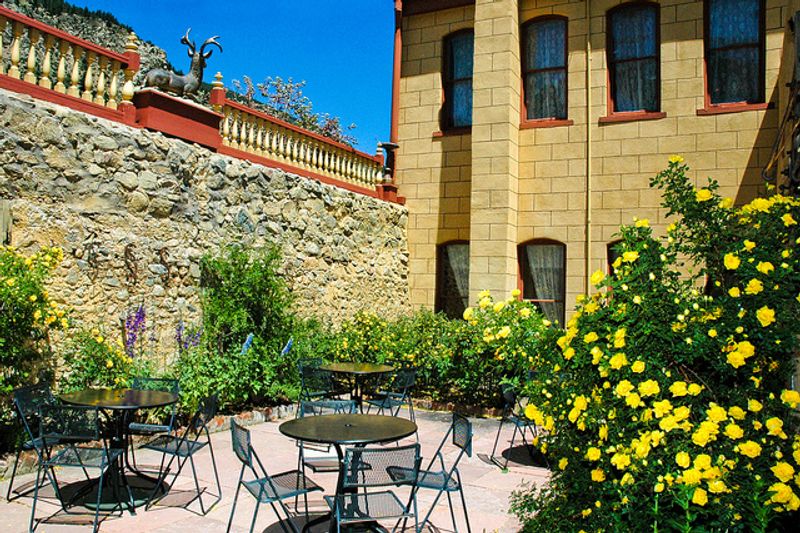
Behind the museum, a small courtyard folds sound into itself, especially when the air turns cold.
Stone absorbs the wind, then releases a faint tone that bounces along the walls, creating a subtle symphony for anyone who pauses long enough to listen.
Snow cushions the ground and tightens the acoustics in a pleasing way, softening footsteps while amplifying sharper movements.
You step in and hear your own motion sharpen, like a metronome tapping from the pocket.
Drainpipes and hinges join the arrangement with occasional chimes, each one unpredictable yet somehow in harmony with the environment.
The effect feels architectural rather than supernatural, yet interpretation remains personal, inviting reflection with every echo.
Colorado storms arrive quickly here, and the courtyard becomes an instrument without a player.
Light shifts constantly, and the color of the stone cools to a slate mood that seems to absorb and hold the sky.
On guided visits, the space offers a controlled pause before the next room, giving visitors a moment to process history, space, and sound together.
Left alone for a while, you may find the echoes arranging your thoughts in even rows, as if the courtyard itself has a rhythm that aligns with your breathing.
Even in silence, the place feels alive, a careful choreography of stone, air, and memory that lingers long after you step back into the museum’s interior.
A Town Known for Strong Mountain Weather
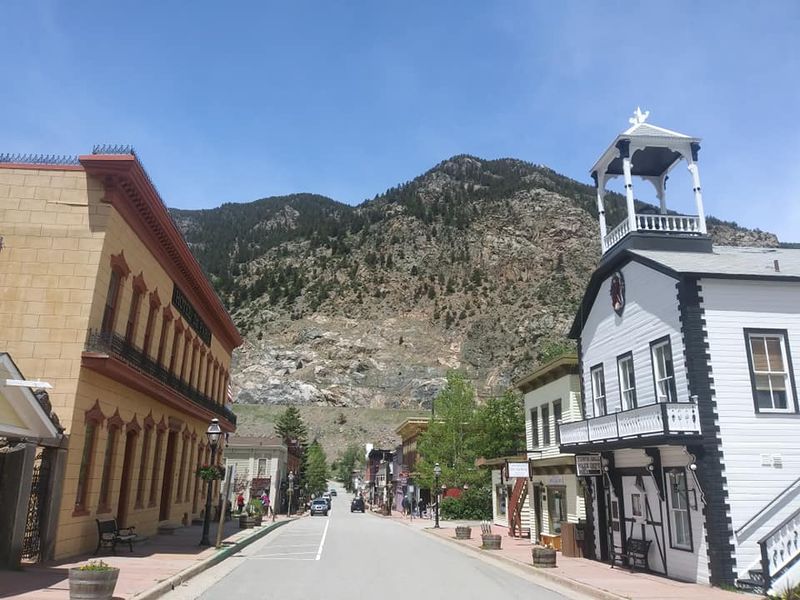
Georgetown sits in a corridor where weather turns plans into suggestions, and the Hotel de Paris reads those changes like a barometer.
Fast-moving clouds tug at the light, and the façade alternates between friendly and severe, as if the building itself is in dialogue with the sky.
Snow draws clean lines on rooftop ridges, only for fog to soften them again within minutes.
Wind threads the cross streets, shaping drifts that redraw the boardwalk, while icicles hang from gutters like quiet sentinels.
Visitors learn to time a stroll between bursts, and the strategy of moving with the weather becomes part of the experience itself.
Storm days heighten awareness, and even small details, a lantern swaying, a carved doorframe catching the brief sun, take on narrative weight.
Colorado’s reputation for changeable conditions proves itself here without drama, just steady, hypnotic variety.
The hotel stands ready for each shift, like a veteran keeping its posture no matter the cue.
Photographers find the mood addictive, because the same frame refuses to repeat itself; each angle, shadow, and reflection is subtly transformed by the elements.
When the sky finally clears, the quiet that follows feels earned, a gentle exhale after hours of attentive observation.
You leave the streets of Georgetown carrying the rhythm of the weather in memory, a reminder that time, snow, fog, and wind can be storytellers just as potent as the buildings they move around.
A Colorado Landmark Where History and Atmosphere Intersect
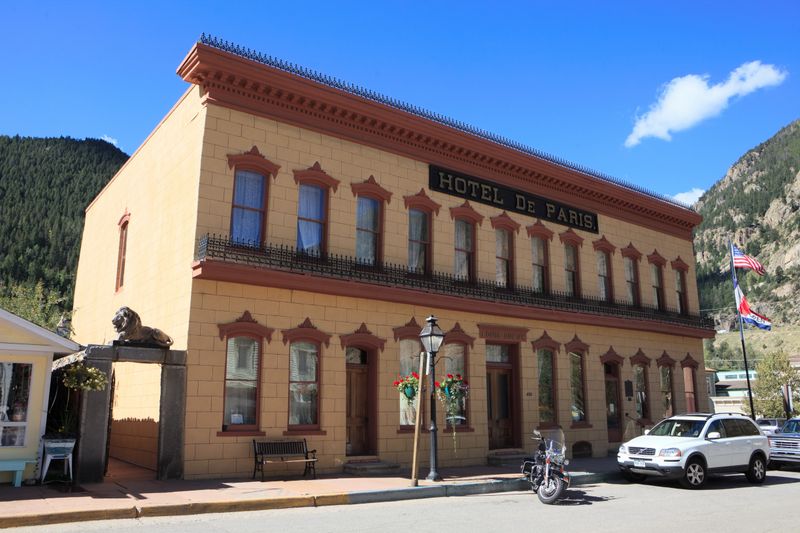
The Hotel de Paris Museum avoids gimmicks and trusts the integrity of its rooms to carry meaning.
Preserved interiors do the talking, and the building’s frontier context stays firmly in view.
Winter simply clarifies the message by removing distractions, letting each artifact and architectural detail take center stage.
Visitors notice every creak of the floorboards, every shifting shadow, and the quieter streets keep those impressions intact.
Snow muffles the usual sounds of a busy town, allowing the faint scrape of a boot or the soft rush of wind through nearby canyons to feel amplified.
Icicles hang like silent chandeliers, catching the pale sunlight and throwing fragmented patterns onto the museum’s weathered walls.
The site operates with posted hours that shift seasonally, so planning matters if you want a guided tour.
Staff focus on verified history, giving whispered reports and local lore useful context without overwhelming the story already written in the rooms themselves.
Colorado travelers who prize atmosphere will find the combination unusually satisfying.
The landmark status feels earned by detail rather than claim.
Each object, from a polished brass doorknob to an old ledger, feels intentional and placed with care, carrying subtle weight.
When snow arrives, the museum becomes both setting and storyteller without raising its voice.
The streets outside gleam quietly, and the canyon walls hold the light like a protective frame.
You leave Georgetown carrying a steady chill in your memory, a quiet reminder that the place itself is the story, and winter only deepens the experience, making the past feel immediate and remarkably tangible.
Dear Reader: This page may contain affiliate links which may earn a commission if you click through and make a purchase. Our independent journalism is not influenced by any advertiser or commercial initiative unless it is clearly marked as sponsored content. As travel products change, please be sure to reconfirm all details and stay up to date with current events to ensure a safe and successful trip.
