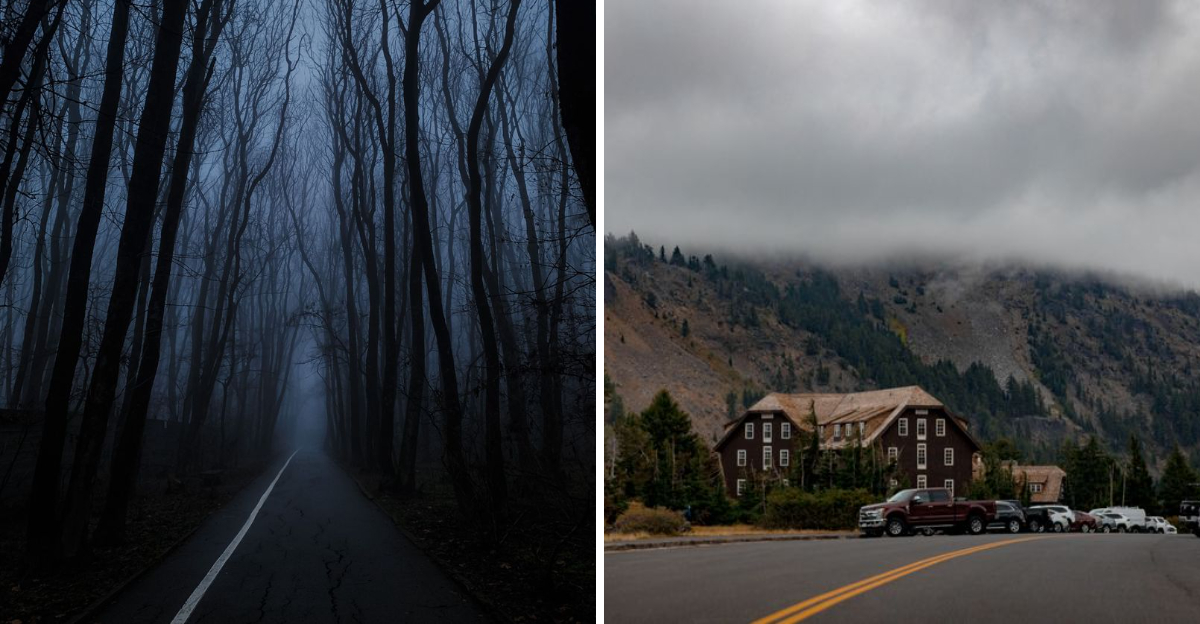
Some Oregon roads feel perfectly normal in broad daylight, but they take on a completely different energy after sunset. Locals know exactly which stretches to avoid when the darkness settles in and the wind picks up.
One coastal route carries a legend of a bandaged figure who appears without warning. He reportedly jumps into vehicles and vanishes before anyone can react. Inland, drivers whisper about a child seen chasing a ball into the street on certain nights.
Another winding path through dense forest seems to tighten around you as the light fades. Even regulars admit they turn back before reaching the end of that particular road.
Oregon has plenty of beautiful drives, but these routes hold stories that keep people away after dark. Some things are better left unexplored when the sun goes down and the shadows grow long.
1. Terwilliger Boulevard, Portland
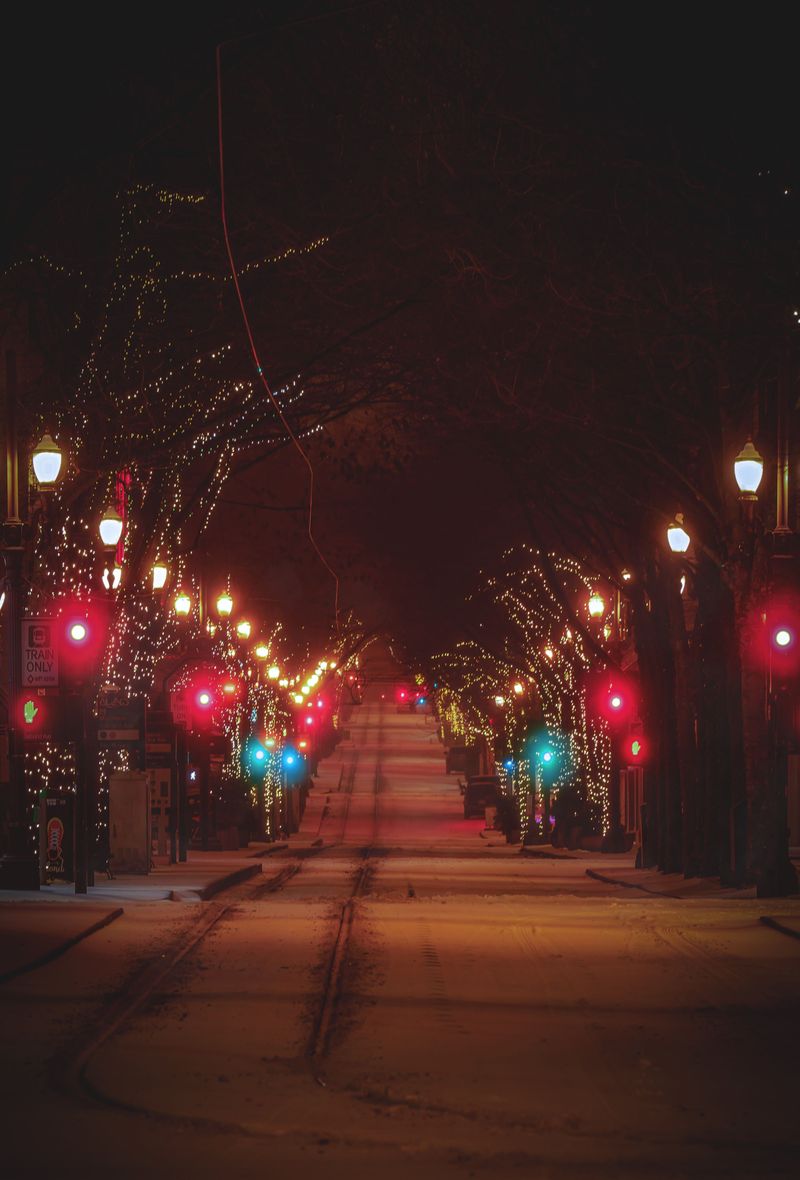
There is something about Terwilliger Boulevard that feels off the moment the sun disappears behind the West Hills. The road curves sharply through thick Douglas firs, and the tree canopy blocks out nearly all moonlight, leaving stretches of pavement in complete darkness.
Locals in southwest Portland have shared stories for decades about a shadowy figure seen near the roadside, often described as a woman in white who vanishes when headlights hit her directly.
The history of this road adds weight to those stories. Several tragic accidents have occurred along its curves over the years, and some residents believe the road holds onto that energy in a way that is hard to explain rationally.
I drove this stretch on a foggy October night, and even with the heat on, the car felt inexplicably cold near the lower curve by the park.
Cyclists and joggers who use the road during the day often report an uneasy feeling, like being watched from the tree line. At night, those feelings reportedly intensify. The boulevard is technically a public road open at all hours, but the locals who know it best tend to find another route after dark.
Whether you believe in ghosts or not, Terwilliger at night has a presence that is genuinely difficult to dismiss.
2. Sauvie Island Road, Sauvie Island
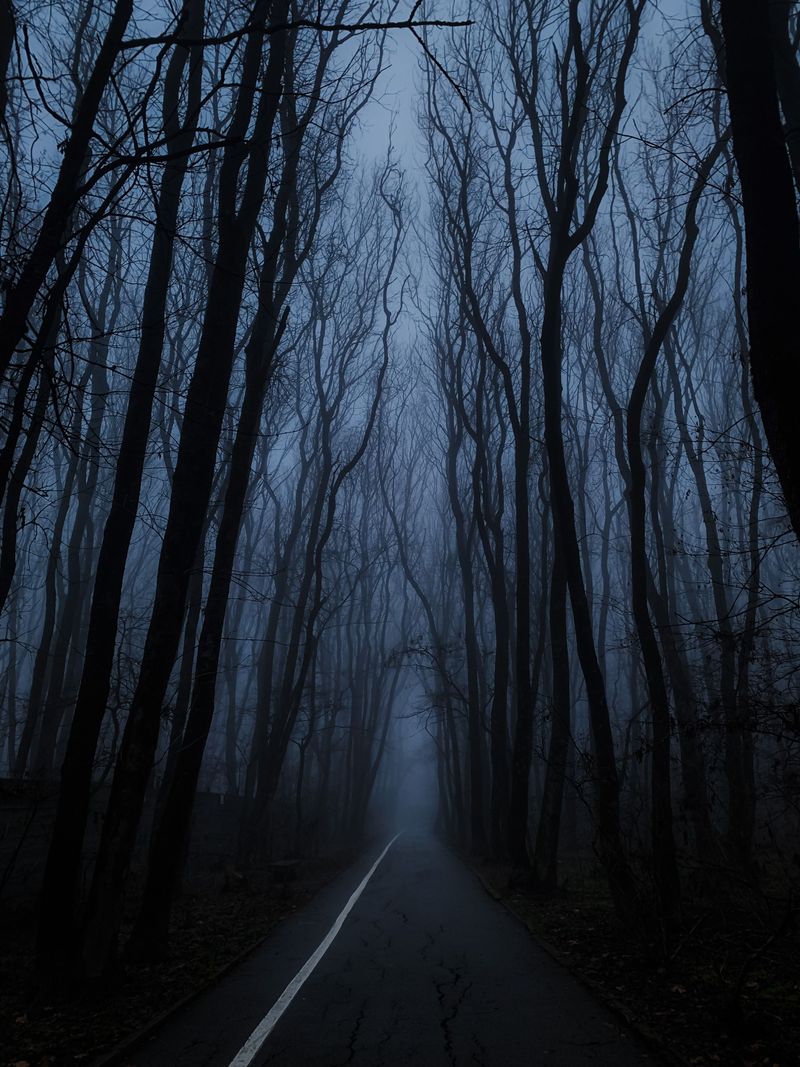
Sauvie Island sits just northwest of Portland, connected to the mainland by a single bridge, and that isolation is exactly what makes its back roads feel so unnerving after dark. The main road cuts through farmland and wetlands where the fog rolls in thick and low.
More than one driver has pulled over simply because they could not tell where the road ended and the field began.
The island has a long history tied to the Multnomah people, early fur traders, and settlers who struggled through brutal winters. Some of that history feels present along the quieter stretches of road, especially near the old farm properties where structures still stand but no one lives.
Locals rarely name a specific ghost here, but the general consensus is that the island changes at night in a way that goes beyond atmosphere.
Strange lights have been reported floating over the wetlands, and some drivers claim their vehicles have stalled without explanation near the northern end of the island. It might be the isolation, the flat darkness, or the way sound carries differently out there.
Whatever it is, Sauvie Island Road after midnight has earned its reputation among Portland residents who know better than to linger.
3. Old Germantown Road, Tualatin Mountains
Old Germantown Road winds through the Tualatin Mountains in a way that feels completely removed from the city just minutes away. The road is narrow, steep in places, and lined with old growth trees that form a near-solid canopy overhead.
Even during the day it has a dim, enclosed quality that puts some drivers on edge. After dark, that feeling multiplies significantly.
Hikers who use the adjacent Forest Park trails have reported hearing footsteps on the road when no one else is around. A few have described the sound of a woman crying faintly near one particular bend, though no source has ever been identified.
The road predates modern Portland by quite a bit, and the land it passes through has seen its share of forgotten history.
I found myself slowing down instinctively when I drove it late one evening, not because of poor visibility, though that was a factor, but because the silence felt heavy and watchful.
There is a specific pull-off area near the top where locals say the activity is strongest, and I will admit I did not linger there long. Old Germantown Road is perfectly driveable, but it rewards caution and perhaps a passenger who is comfortable with unexplained sounds and sudden drops in temperature.
4. Highway 18, McMinnville to Lincoln City
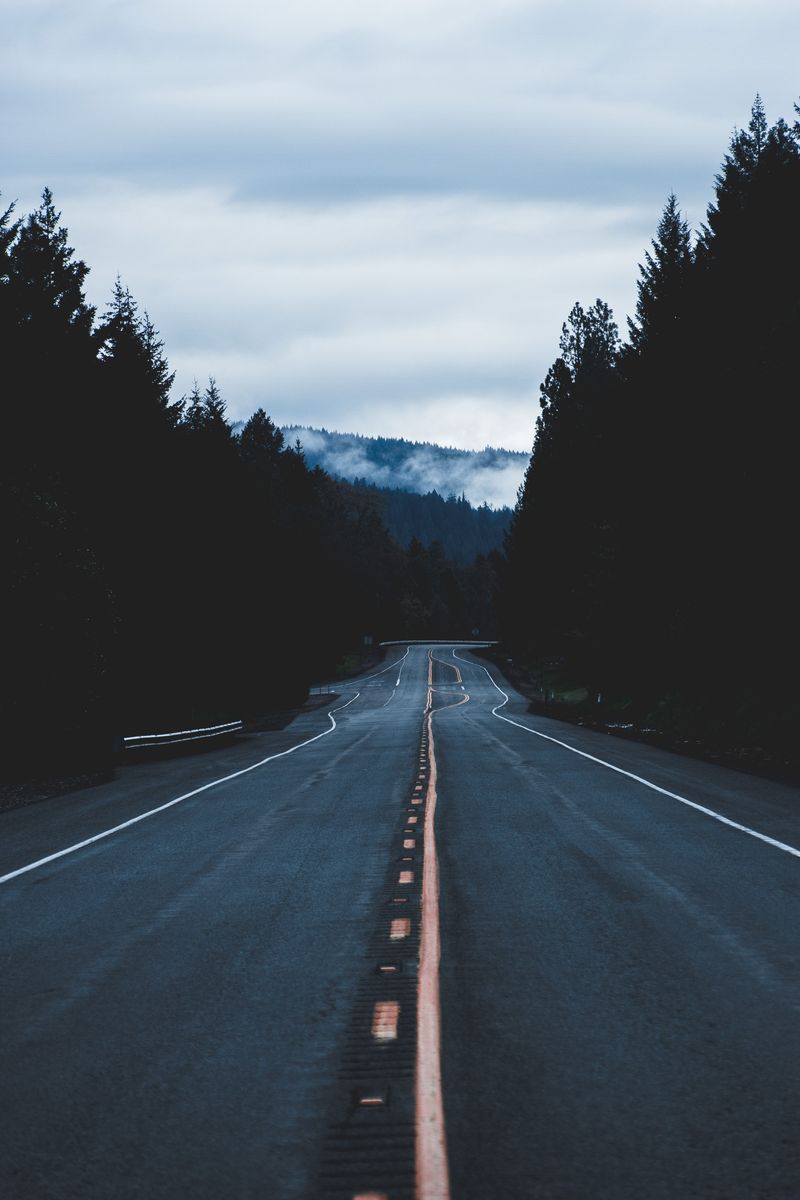
Highway 18 is one of the most traveled routes between the Willamette Valley and the Oregon Coast, but the stretch between McMinnville and Lincoln City has a reputation that goes well beyond traffic.
The road passes through the Coast Range, where the forest presses close on both sides and the curves come fast and unexpected. Locals who commute this route regularly often mention a general unease that settles in after about nine at night.
Several fatal accidents have occurred along this highway over the years, and some residents believe certain spots carry residual energy from those events. Near the Nestucca River corridor, drivers have reported seeing figures standing just off the shoulder that disappear when approached.
Others describe a persistent feeling of being followed, even when the rearview mirror shows an empty road.
The weather on this highway can shift without warning, turning a clear night into a foggy, disorienting crawl within minutes. That alone makes it dangerous after dark.
But the combination of physical hazards and unexplained reports has made Highway 18 one of those roads that experienced Oregon drivers treat with particular respect once the sun goes down. It is not a road to rush, and it is definitely not one to take lightly when you are tired or driving alone.
5. Crater Lake Rim Drive, Crater Lake National Park
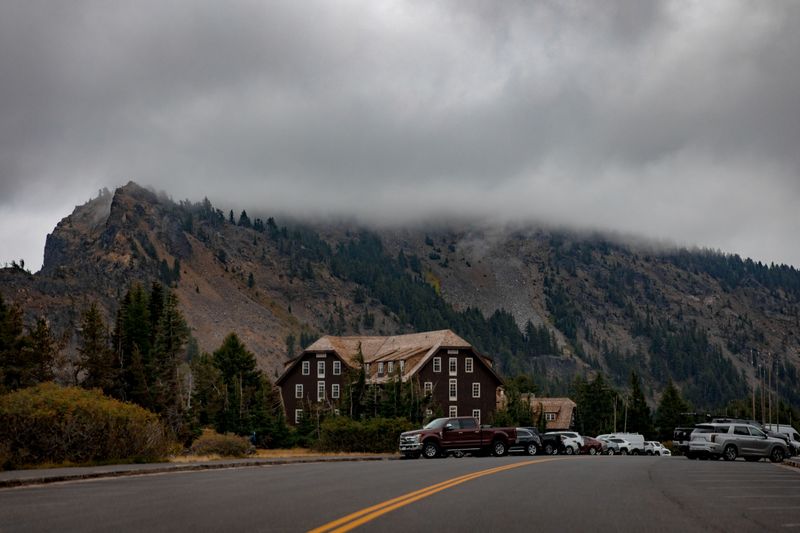
Crater Lake itself is one of the most stunning natural features in the entire Pacific Northwest, but the Rim Drive that circles it takes on a completely different character after sunset. The road hugs the edge of the caldera, dropping sharply on the lake side with minimal barriers in some sections.
The elevation means temperatures plunge fast, and the isolation up there is total. You can drive for miles without seeing another vehicle.
The park has a deep geological and cultural history. The Klamath people have long held Crater Lake as a sacred site, associated with powerful spiritual forces.
Some visitors who hike or camp near the rim report vivid, unsettling dreams and a strong sense of being in a place that does not entirely welcome human presence after dark. Rangers have noted unusual behavior from visitors who spend the night near the caldera edge.
Driving the Rim Drive at night is technically allowed during the summer season when the road is open, but park staff quietly discourage it.
The combination of steep drop-offs, unpredictable wildlife crossing the road. The sheer psychological weight of the darkness above that massive black lake is enough to make even confident drivers second-guess themselves.
6. Bald Hill Road, Corvallis
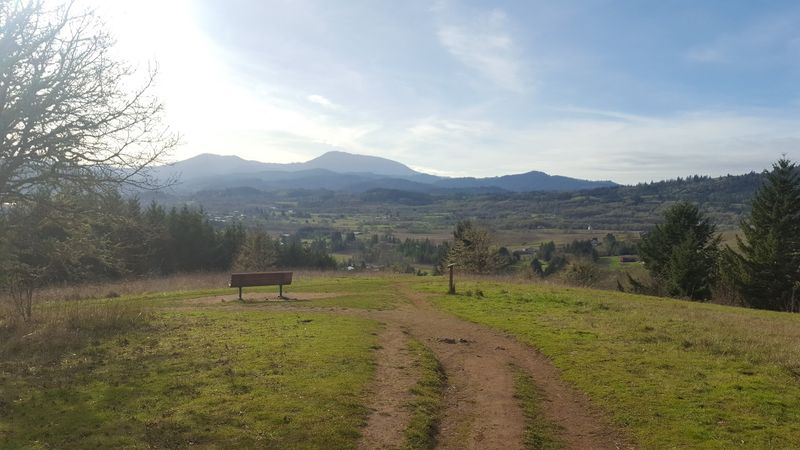
Just outside Corvallis, Bald Hill Road cuts through farmland and open countryside that feels completely removed from the college town nearby. During the day it is a pleasant rural drive with views of the valley and the coast range in the distance.
After dark, the road loses all of that charm and replaces it with something much harder to name. The darkness out here is genuine, the kind that makes your headlights feel insufficient.
Local stories about this road center on a farmhouse that no longer stands near the road’s midpoint. Accounts vary, but the recurring theme involves lights seen in the field where the structure once was, appearing and disappearing without any obvious explanation.
A few people have described a figure near the old fence line that moves in a way that does not quite match how a person would walk.
Oregon State University students have turned Bald Hill Road into something of an informal dare, driving it late at night to see what happens. Most report nothing more than an elevated heart rate and a strong desire to get back to town quickly.
But a handful have come back with stories that are harder to explain away. Whether the road is genuinely haunted or just genuinely dark and quiet, it has a way of making you feel very small and very alone.
7. Wolf Creek Road, Josephine County
Wolf Creek Road in Josephine County runs through some of the most rugged and remote terrain in southern Oregon. The Siskiyou Mountains do not soften at night. They get harder.
The road itself is narrow, poorly lit in most sections, and passes through land that has a complicated history tied to Oregon’s Gold Rush era and the communities that rose and fell with it. Some of that history feels very present out here.
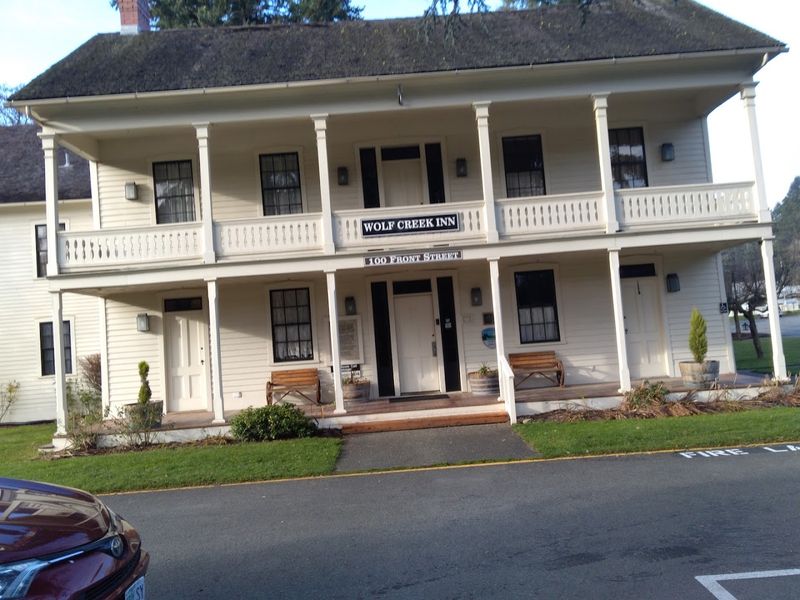
The Wolf Creek Inn, one of Oregon’s oldest continuously operating hotels, sits nearby and has its own collection of ghost stories. But the road itself, particularly the stretches that wind away from the small community and into the hills, carries a separate reputation.
Travelers passing through have reported their radios cutting out in specific spots, and a few have described the unsettling sound of hoofbeats on gravel when no horses are anywhere nearby.
I have a soft spot for roads like this one because they feel genuinely forgotten by the modern world. That quality is part of the appeal during daylight. At night, though, that same forgotten quality takes on a more ominous texture.
The trees crowd the road, the drop-offs appear suddenly in your headlights, and the silence between sounds is the kind that makes you hold your breath without meaning to. Wolf Creek Road is not for the faint-hearted after dark.
8. Youngs River Road, Clatsop County
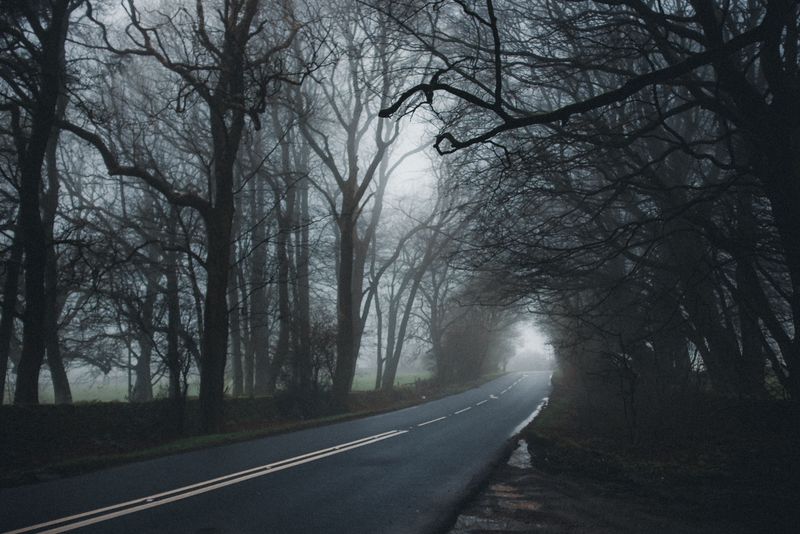
Youngs River Road follows the Youngs River through Clatsop County in the northwest corner of Oregon, not far from Astoria. The area around Astoria already has a strong reputation for paranormal activity, and this road feeds directly into that energy.
The river runs dark and fast alongside the road in certain sections, and the mist that rises from the water at night creates visibility conditions that are both beautiful and deeply unsettling.
Local accounts focus on a particular stretch near the falls where the road narrows and the forest thickens on both sides. Drivers have reported seeing a figure standing near the water’s edge that disappears when they slow down to look more carefully.
Others describe a sudden, unexplained drop in temperature inside their vehicles, even with the heat running at full blast. The sounds of the river and the forest blend together out here in a way that can easily trick your ears into hearing things that may or may not be there.
Astoria’s history as one of the oldest American settlements west of the Rockies means the surrounding land has absorbed a great deal of human experience, not all of it peaceful.
Youngs River Road feels like a place where that history sits close to the surface, especially when you are driving it alone after ten at night with nothing but your headlights and the sound of rushing water for company.
9. Barlow Road, Mount Hood Area
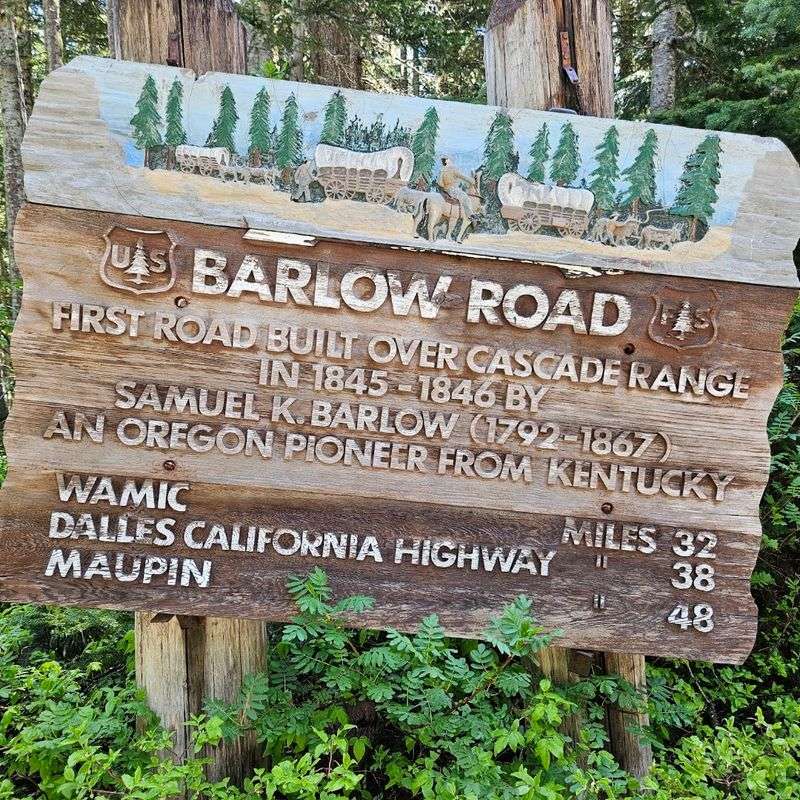
Barlow Road holds a specific place in Oregon history as the final overland section of the Oregon Trail, used by thousands of pioneers who made the brutal crossing from the east. The road still exists in parts near Mount Hood, preserved as a historic route, and some sections can still be driven.
The weight of that history is almost physical out here. You are literally driving where people walked and died on the way to a new life.
That history is precisely what gives Barlow Road its haunted reputation. Numerous pioneers perished along this stretch due to cold, exhaustion, and the brutal conditions of the Cascades crossing.
Hikers and drivers who explore the old route have reported hearing voices in the trees, catching glimpses of figures in pioneer-era clothing, and feeling an overwhelming sense of sadness.
The Mount Hood area is already one of Oregon’s most atmospheric regions, with weather that can change from clear to whiteout conditions in less than an hour.
Driving any part of the old Barlow Road after dark layers that physical danger on top of the historical weight, creating an experience that is hard to forget. It is the kind of road that makes history feel alive, perhaps more alive than you might be comfortable with when you are out there alone.
10. Ramsey Canyon Road, Tillamook County
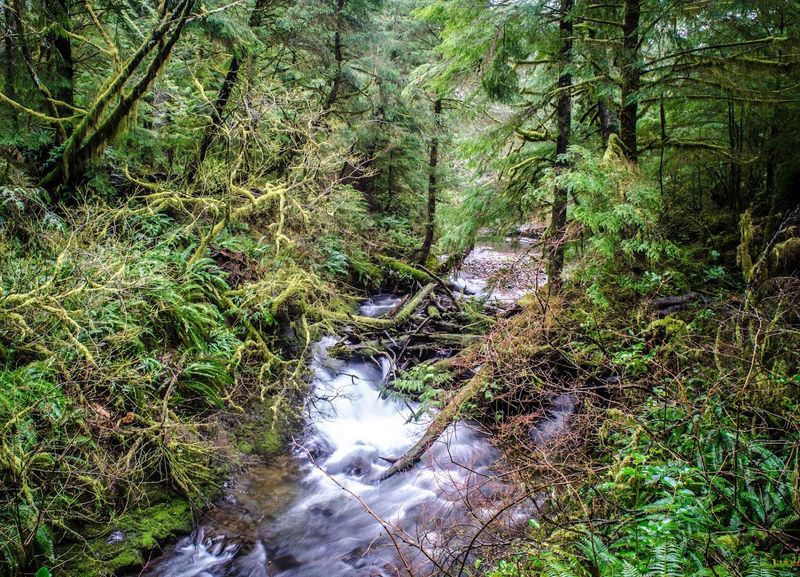
Tillamook County is famous for its cheese and its rain, but the back roads that cut through its interior are known for something else entirely among locals who have lived there long enough to know which roads to respect. Ramsey Canyon Road is one of those.
After dark, the road becomes something different. The canopy seals out any ambient light, and the rain, which falls in Tillamook County with impressive regularity, turns the gravel shoulders into soft mud that will swallow a tire if you drift even slightly.
Beyond the physical hazards, locals talk about a stretch near the canyon’s lowest point where animals behave strangely.
A few longtime residents have mentioned hearing a low, rhythmic sound near that section that they cannot attribute to any known source. It is not mechanical and it is not wildlife. It simply exists there sometimes and not others.
I find that particular kind of mystery more unsettling than a full ghost story, honestly. Ramsey Canyon Road is the sort of place that does not announce itself as haunted. It just quietly makes you wonder.
