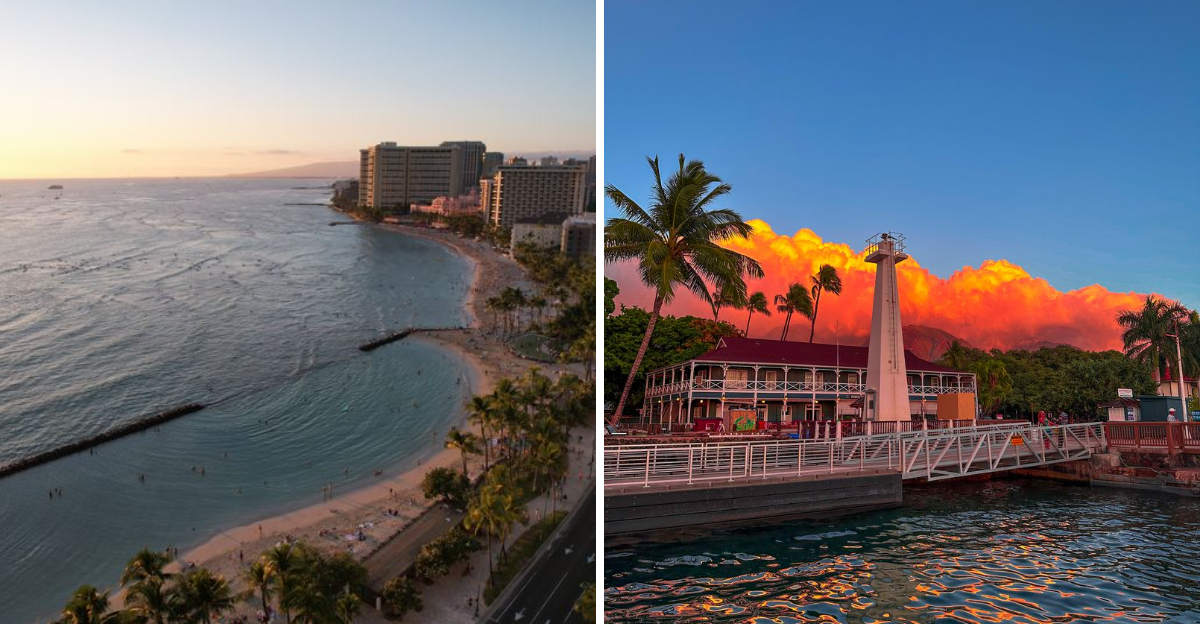
Hawaii has always been a dream destination for travelers seeking paradise.
But some of the state’s most beloved beach towns have changed dramatically over the years.
Tourism has transformed these once peaceful communities into bustling hotspots packed with visitors, traffic, and endless development.
The charm that made these places special has faded as crowds have taken over.
Local residents have watched their quiet neighborhoods turn into tourist magnets, where finding parking feels impossible and authentic culture gets buried under souvenir shops.
High costs and commercialization have pushed away the relaxed island vibe that originally drew people to Hawaii.
From Oahu’s famous shores to Kauai’s hidden valleys, these ten beach towns have felt the heaviest impact.
Each location tells a story of how popularity can sometimes damage the very beauty that made a place worth visiting.
Understanding what happened to these communities helps us appreciate both Hawaii’s incredible appeal and the challenges that come with it.
1. Waik?k?
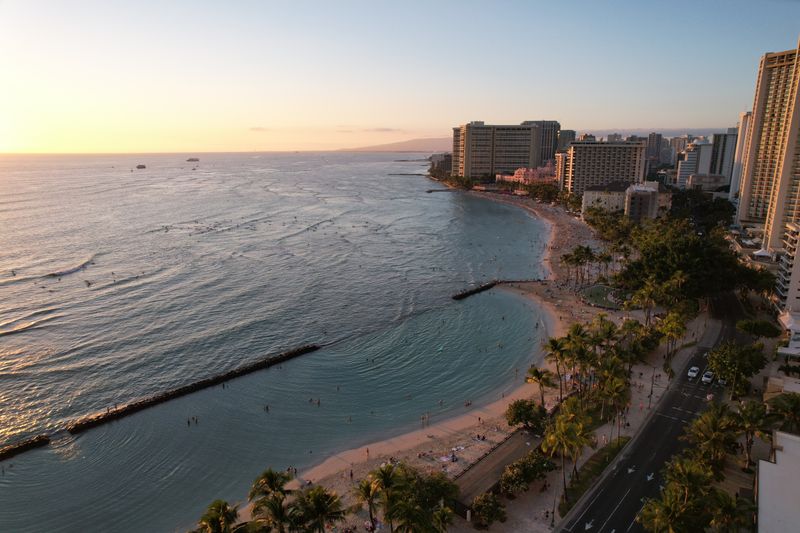
Waik?k? once served as a royal retreat where Hawaiian monarchs enjoyed peaceful ocean waters and coconut groves.
Today, this famous stretch of Oahu has become one of the most developed tourist destinations in the entire Pacific.
Towering hotels block the horizon, creating an urban jungle where tranquility used to reign.
Nightlife venues, chain restaurants, and endless shopping centers have replaced the natural beauty that once defined this area.
Visitors crowd the sand from sunrise to sunset, making it nearly impossible to find a quiet spot.
The transformation happened gradually as developers recognized the profit potential of beachfront property.
Local families who lived here for generations found themselves priced out by skyrocketing rents and property values.
Traffic jams clog Kalakaua Avenue daily, with rental cars and tour buses competing for space.
What was once a sacred place for Hawaiian royalty now feels more like a theme park than a cultural landmark.
The address 2335 Kalakaua Avenue sits at the heart of this tourist metropolis, representing how completely commercialization has taken over.
Despite the crowds, visitors still flock here expecting the paradise they see in postcards.
But longtime Hawaii residents remember when Waik?k? offered something far more precious than convenience and entertainment.
The soul of this place has been traded for profit, leaving behind only a shadow of its former glory.
2. Lahaina
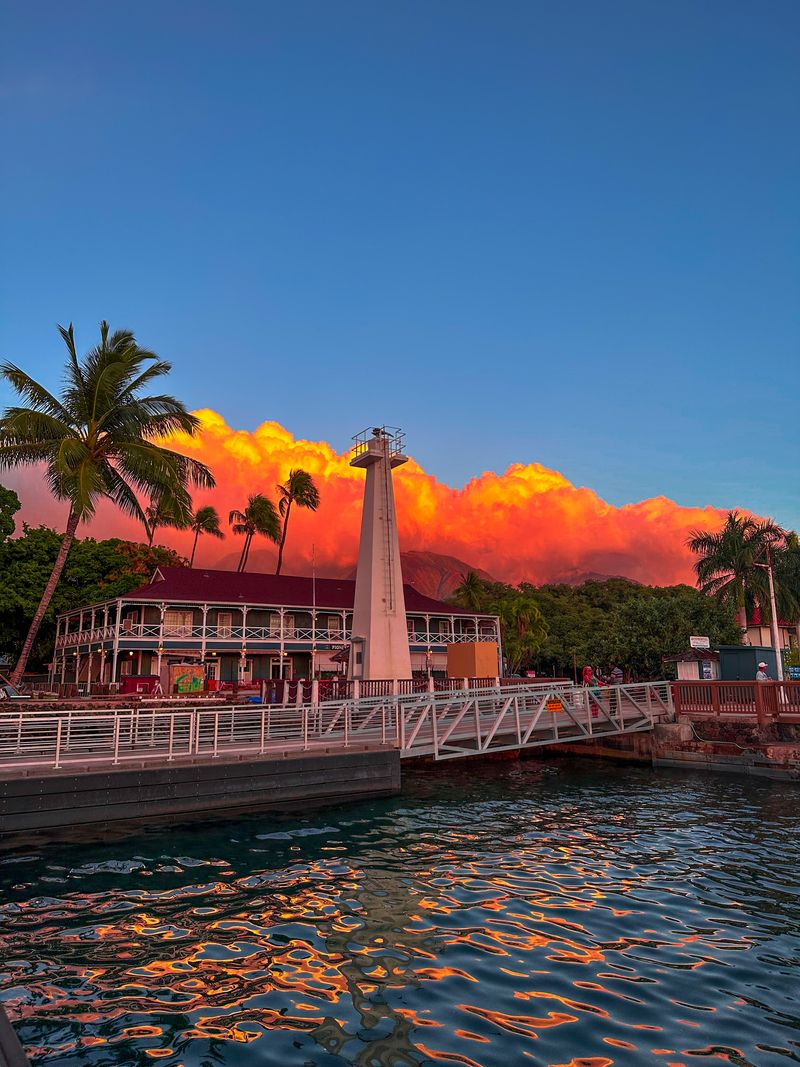
Lahaina carries centuries of history as a former whaling port and Hawaiian royal capital.
Before tragedy struck in the wildfires, this Maui town had already been struggling under the weight of mass tourism.
Cruise ships docked regularly, releasing thousands of day-trippers into the narrow streets of Front Street.
Art galleries and trinket shops replaced authentic local businesses, catering exclusively to visitors with a few hours to spend.
The historic whaling town atmosphere became diluted by commercialization that prioritized quick sales over cultural preservation.
Locals found themselves navigating sidewalks packed with tourists taking selfies and browsing merchandise.
Parking became nearly impossible for residents who actually lived and worked in the area.
The banyan tree at 648 Wharf Street remained a beloved landmark, but even this sacred space was constantly surrounded by crowds.
Restaurants shifted their menus toward tourist preferences, abandoning traditional Hawaiian dishes that locals cherished.
Prices climbed steadily as businesses realized visitors would pay premium rates for anything labeled authentic.
The character that made Lahaina special slowly disappeared beneath layers of commercialization.
Community members watched helplessly as their hometown transformed into something unrecognizable.
What happened in Lahaina serves as a warning about the cost of unchecked tourism development.
The town’s story reminds us that paradise can be fragile when profit becomes the only priority.
3. Hanalei
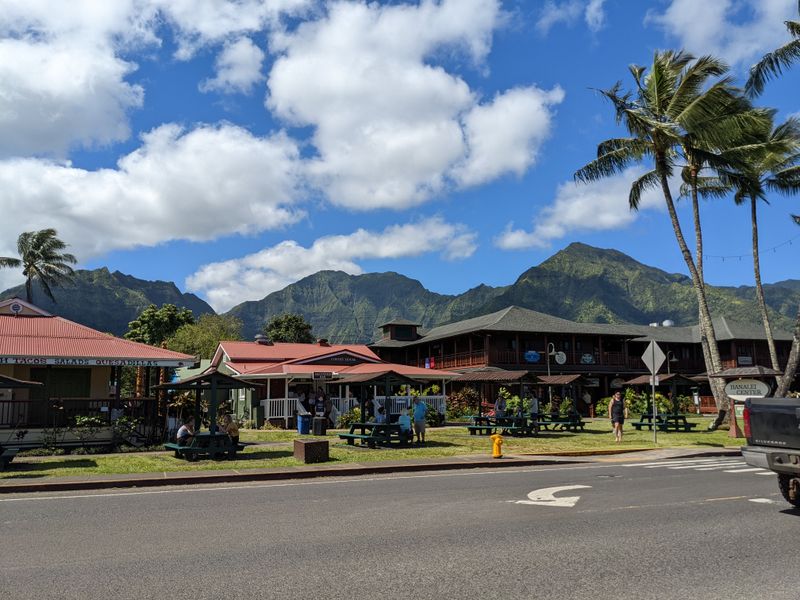
Hanalei Valley used to represent everything peaceful about rural Kauai.
Social media changed everything when influencers discovered this hidden gem and shared it with millions of followers.
The one-lane bridges that once added to the town’s charm now create massive traffic jams daily.
Visitors arrive by the carload, desperate to capture the perfect Instagram shot at Hanalei Bay.
Beach parking fills up before most locals even wake up on weekends.
The small community never had infrastructure designed to handle this volume of tourists.
Residents near 5-5190 Kuhio Highway have watched their peaceful neighborhood turn into a constant parade of rental cars.
Taro farmers who have worked this valley for generations now deal with trespassers seeking photo opportunities.
The pier that locals used for fishing and swimming became so crowded that families stopped going there altogether.
Vacation rentals multiplied rapidly, pricing out longtime residents and changing the community fabric.
What made Hanalei special was its isolation and untouched natural beauty.
Both qualities have been compromised by the discovery of this once-secret paradise.
Local leaders have tried implementing visitor management strategies, but the damage to community life continues.
The lesson from Hanalei shows how quickly social media exposure can overwhelm a small town.
4. Kailua
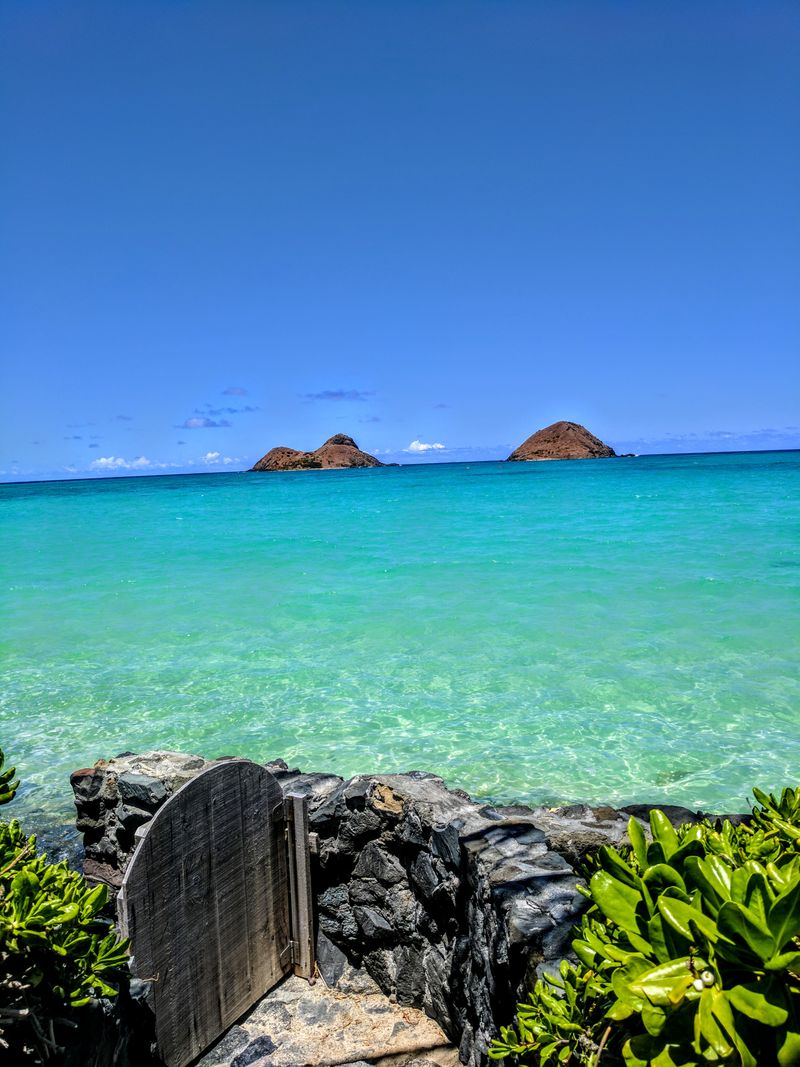
Kailua Beach was once Oahu’s best-kept secret, known mainly to local families.
The neighborhood maintained a quiet residential character where kids could ride bikes safely and everyone knew their neighbors.
Everything shifted when vacation rental platforms made it easy for property owners to rent homes to tourists.
Suddenly, houses along Kalaheo Avenue near 526 Kawailoa Road became short-term accommodations instead of family homes.
The turquoise waters and powdery sand that locals treasured became advertised worldwide.
Beach access points designed for neighborhood use now overflow with rental cars and confused visitors.
Early morning hours that once offered peaceful walks are now crowded with tourists setting up for full beach days.
Kayak rental businesses sprang up to serve the visitor market, adding commercial activity to what was a residential area.
Parking regulations had to be implemented because tourists were blocking driveways and fire hydrants.
Long-term residents felt their community slipping away as more properties converted to vacation rentals.
Children who grew up here remember when you could find shells without competing with dozens of other beachgoers.
The transformation from neighborhood beach to tourist hotspot happened within just a few years.
Kailua’s story illustrates how residential communities suffer when tourism infrastructure overwhelms local character.
What was gained in economic activity pales compared to what was lost in community cohesion.
5. Hale?iwa
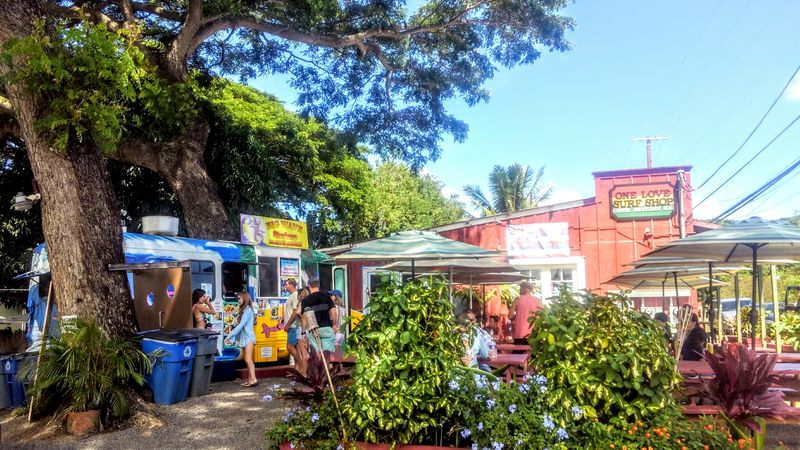
Hale?iwa embodied the authentic surf culture that made Hawaii’s North Shore legendary.
Surfers gathered at simple local spots, sharing waves and stories without the pressure of commercialization.
The town’s unpretentious vibe attracted people who appreciated genuine island living over polished tourist experiences.
But as surfing grew into a global phenomenon, Hale?iwa became a must-visit destination for wave enthusiasts worldwide.
Shops along Kamehameha Highway near 66-145 Kamehameha Hwy started catering exclusively to visitors rather than local surfers.
Restaurants raised prices and changed menus to appeal to tourists expecting premium dining experiences.
The shave ice stands that were local hangouts became Instagram destinations with hour-long waits.
Parking became a nightmare during winter surf season when professionals and spectators descended on the town.
What used to feel like a tight-knit community of wave riders transformed into a commercialized surf theme park.
Local surfers found their favorite breaks overcrowded with visitors who lacked proper ocean etiquette.
The spirit of aloha that defined Hale?iwa began fading as competition for resources intensified.
Businesses recognized they could charge tourist prices, making everyday items unaffordable for residents.
The authenticity that originally attracted people to this North Shore gem has been buried under layers of commercialization.
Hale?iwa proves that even surf culture icons can lose their soul to tourism pressure.
6. K?hei
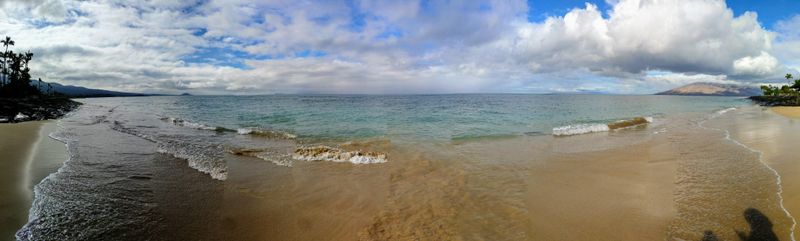
K?hei stretches along Maui’s sunny south shore, blessed with consistently beautiful weather.
This advantage made it irresistible to developers who saw profit potential in every oceanfront acre.
Condo complexes sprouted rapidly, transforming what was once a sleepy beach community into a congested resort corridor.
South Kihei Road became a bottleneck where traffic crawls during peak tourist seasons.
Residents near 1881 South Kihei Road deal with constant construction noise and blocked ocean views.
The small-town feeling that attracted many people to live here has been replaced by urban sprawl.
Beach parks that served local families now overflow with rental equipment and tour groups.
Morning commutes that once took minutes now require careful planning to avoid gridlock.
Shopping centers designed for tourists have pushed out mom-and-pop stores that served the community for decades.
The rapid development happened without adequate infrastructure improvements to handle increased population density.
Water resources strain under the demand from countless hotel showers and landscaped resort grounds.
Local kids who grew up surfing K?hei’s breaks now compete with surf schools teaching beginners.
The character of this sunny stretch of Maui has been sacrificed for short-term economic gains.
What remains is a cautionary tale about development without consideration for community impact or environmental limits.
7. Kapa?a
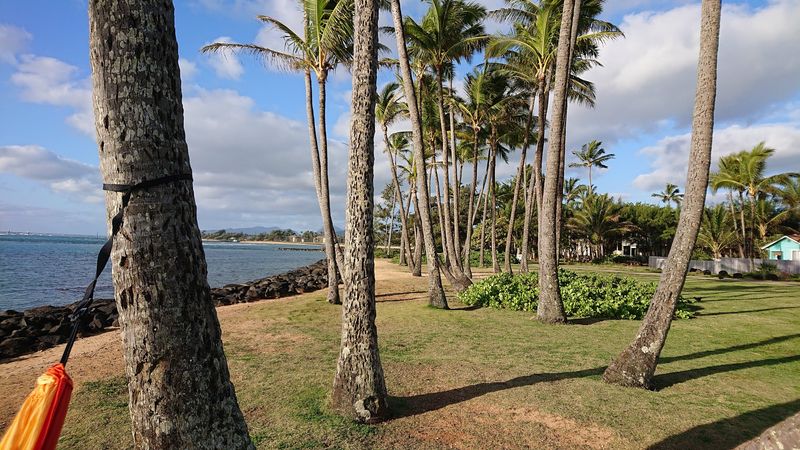
Kapa?a charmed visitors with its colorful storefronts and authentic small-town Hawaii atmosphere.
The coastal location and affordable accommodations made it popular with budget-conscious travelers.
But Kauai’s geography created a problem that nobody anticipated when tourism numbers exploded.
Only one highway runs through Kapa?a, and it cannot handle the volume of rental cars now clogging it daily.
What locals call traffic nightmares have become routine experiences on Kuhio Highway near 4-1380 Kuhio Hwy.
A trip that should take five minutes can stretch to half an hour during peak congestion.
Residents trying to get to work or school sit trapped in endless lines of confused tourists.
The charming downtown that attracted visitors has become almost inaccessible to the people who live here.
Vacation rentals multiplied throughout residential neighborhoods, bringing constant turnover and noise.
The sense of community that made Kapa?a special has eroded as more homes become short-term tourist accommodations.
Local businesses struggle between serving residents and catering to the more profitable tourist market.
Beach access points overflow with visitors unfamiliar with ocean safety, requiring increased lifeguard resources.
The infrastructure of this small Kauai town was never designed for the population it now serves.
Kapa?a’s transformation shows how geographic limitations can amplify tourism’s negative impacts on local quality of life.
8. Kailua-Kona
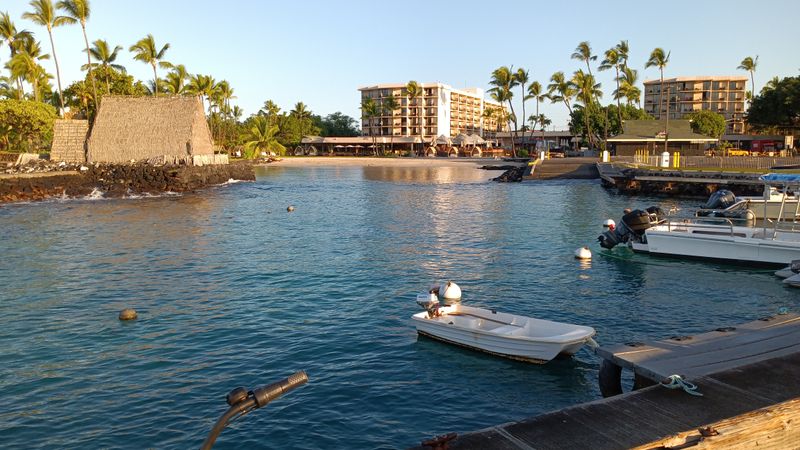
Kailua-Kona balances its role as a historic Hawaiian town with being one of the Big Island’s busiest resort areas.
Ancient temples and royal fishponds exist alongside modern hotels and shopping complexes.
The constant flow of tourists has created an environment where authentic culture competes with commercial interests.
Alii Drive near 75-5660 Palani Road experiences heavy pedestrian and vehicle traffic throughout the day.
Cruise ships dock regularly, releasing thousands of passengers into a downtown area designed for a fraction of that capacity.
High-end accommodations line the waterfront, blocking ocean access that was once available to everyone.
Local fishing spots have been incorporated into resort properties, limiting traditional practices.
The historic significance of Kailua-Kona gets overshadowed by the commercial activity surrounding visitors.
Restaurants and shops have adapted their offerings to tourist preferences, often at the expense of local favorites.
Parking has become such a challenge that residents avoid the downtown area whenever possible.
The town struggles to maintain its Hawaiian identity while serving as a major tourist hub.
Cultural sites become photo opportunities rather than places for reflection and learning.
What was once a thriving Hawaiian community now feels like a stage set for visitor entertainment.
The Big Island deserves better than watching one of its most historic towns lose authenticity to tourism pressure.
9. Paia

Paia maintained its hippie town spirit longer than most Maui communities.
The colorful storefronts and laid-back atmosphere attracted artists, surfers, and people seeking alternative lifestyles.
Ho?okipa Beach became world-famous among windsurfers and wave riders for its consistent conditions.
But fame brought crowds that the tiny town was never equipped to handle.
The single main street through town near 799 Poho Place now clogs with rental cars and tour buses.
What was once a quick stop for locals became a destination where finding parking requires luck and patience.
Surf spots that locals protected and respected became overrun with visitors lacking ocean experience.
The beaches where families gathered for weekend barbecues now host commercial photo shoots and surf competitions.
Small businesses that served the community for decades got priced out by rising commercial rents.
Boutiques and galleries targeting tourists replaced the funky local shops that gave Paia its character.
The town still retains some of its original spirit, but it requires effort to find beneath the tourist overlay.
Longtime residents remember when Paia felt like a secret hideaway rather than a crowded attraction.
The hippie vibe that made this place special has been commercialized into a marketable brand.
Paia’s transformation demonstrates how even counterculture communities cannot escape tourism’s homogenizing influence.
10. Poipu
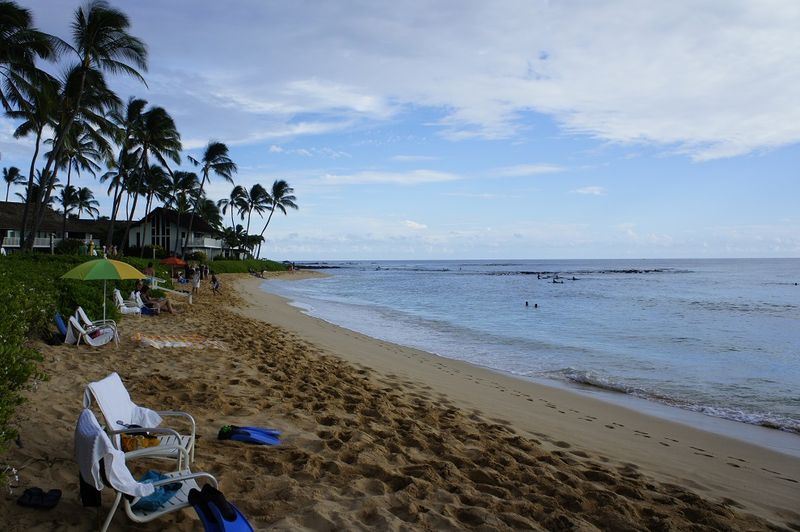
Poipu Beach earned its reputation as one of Kauai’s most family-friendly destinations.
Protected swimming areas and gentle waves made it perfect for children and nervous swimmers.
Hawaiian monk seals regularly haul out on the sand, offering rare wildlife viewing opportunities.
But popularity transformed this beautiful spot into one of the most congested areas on the entire island.
The main beach park near 2360 Kiahuna Plantation Drive becomes packed beyond capacity on most days.
Families arrive before dawn hoping to claim a spot on the increasingly crowded sand.
The monk seals that once rested peacefully now require volunteer guards to keep tourists at safe distances.
Resort development has lined the coast, privatizing beach access and limiting where locals can enjoy the ocean.
Snorkeling spots that were pristine now show signs of damage from too many visitors touching coral.
The small community infrastructure cannot support the thousands of tourists staying in nearby accommodations.
Grocery stores run out of supplies, and restaurants have wait times that frustrate both visitors and residents.
What made Poipu special was its combination of safety, beauty, and wildlife encounters.
Those qualities still exist but must be shared among far too many people.
The crowding has reached levels where the experience no longer matches the paradise people expect when they visit Hawaii.
Dear Reader: This page may contain affiliate links which may earn a commission if you click through and make a purchase. Our independent journalism is not influenced by any advertiser or commercial initiative unless it is clearly marked as sponsored content. As travel products change, please be sure to reconfirm all details and stay up to date with current events to ensure a safe and successful trip.
