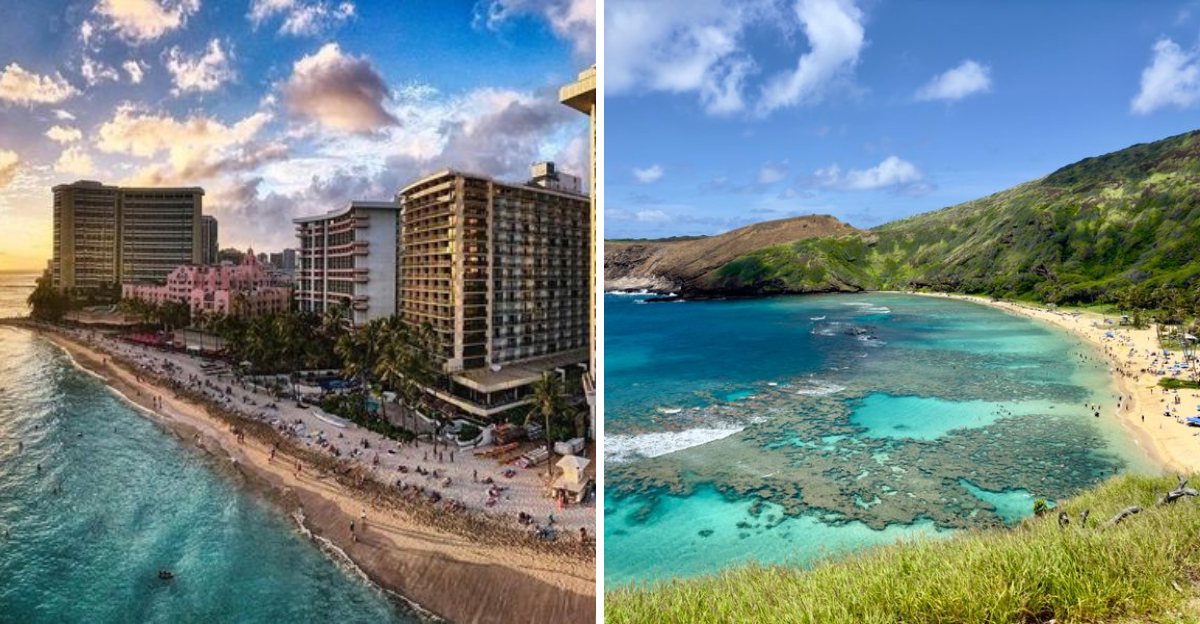
Hawaii’s breathtaking beaches have long been a paradise for visitors seeking sun, sand, and crystal-clear waters.
But behind the picture-perfect postcards lies a growing problem. Many of the state’s most beautiful shorelines are buckling under the weight of too many tourists.
Local residents are increasingly concerned about the environmental damage, loss of cultural significance, and everyday headaches caused by overtourism at their beloved beaches.
1. Waikiki Beach Drowns In Daily Crowds
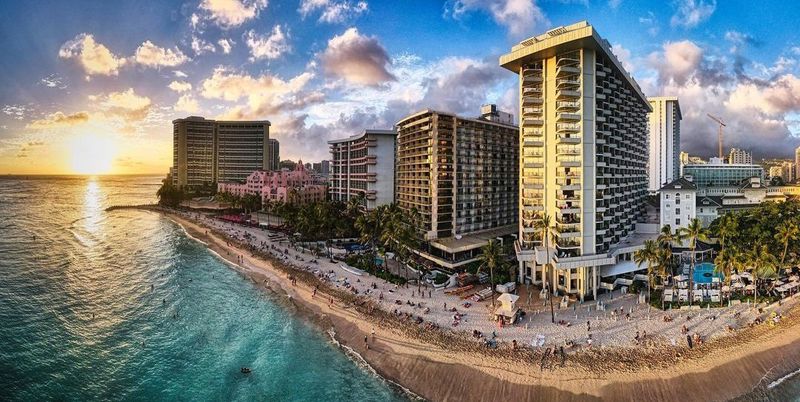
Once the playground of Hawaiian royalty, Waikiki Beach on O’ahu now hosts thousands of visitors daily, making it nearly impossible for locals to enjoy their own shoreline.
The beach requires constant sand replenishment as erosion accelerates from heavy foot traffic.
Hotel towers cast long shadows over what little sand remains, while water quality concerns grow with each passing year.
Despite being Hawaii’s most famous beach, it consistently tops locals’ lists of places they actively avoid due to chronic overcrowding and commercialization.
Lifeguards patrol the waters constantly, managing the sheer volume of swimmers, surfers, and paddleboarders who share this narrow strip of coastline.
The once-sacred grounds where Hawaiian ali’i surfed have transformed into a densely packed tourist destination where personal space becomes a luxury.
Beach vendors, surf schools, and catamaran tours compete for attention along the waterfront, creating a carnival atmosphere that feels worlds away from traditional Hawaiian beach culture.
Morning brings slightly calmer conditions, but by midday the beach reaches capacity, with umbrellas and beach chairs packed so tightly that walking becomes difficult.
Local families who remember quieter times now travel to more remote beaches to find the peaceful ocean experience that Waikiki once offered.
The iconic Diamond Head crater watches over this transformation, a silent witness to how tourism has reshaped one of Hawaii’s most historically significant shorelines into something almost unrecognizable to longtime residents.
2. Lanikai’s Narrow Streets Can’t Handle The Hype
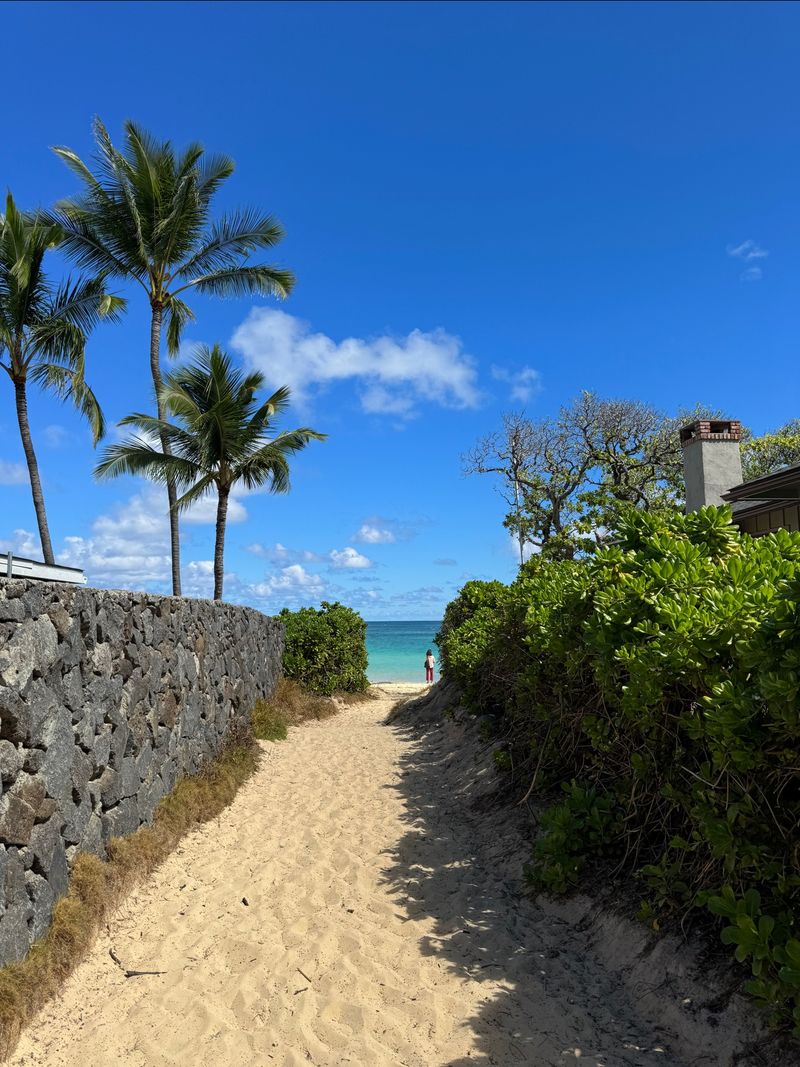
Hidden along O’ahu’s windward coast, Lanikai Beach suffers from its own popularity in ways that disrupt daily life for everyone who lives nearby.
Residents of this small neighborhood find themselves virtually trapped in their homes during peak tourist seasons as visitors’ cars clog the narrow residential streets surrounding this postcard-perfect beach.
The city has begun restricting parking along the Lanikai loop to combat the problem, but enforcement remains inconsistent.
What was once a tranquil community beach has transformed into a social media hotspot, with visitors often trespassing on private property to capture that perfect Instagram shot.
The twin Mokulua Islands sitting just offshore create an irresistible backdrop that draws photographers from around the world, many arriving before dawn to catch the sunrise.
Homeowners have installed security cameras and no-parking signs, yet still deal with tourists blocking driveways and wandering through yards.
The powdery white sand and impossibly blue water make Lanikai one of the most photographed beaches in Hawaii, but that fame comes at a steep cost to those who call this neighborhood home.
Public beach access points become bottlenecks where crowds gather, waiting for their turn to walk down the narrow pathways between million-dollar homes.
Local children who once played freely along this shoreline now compete with tour groups and influencers staging elaborate photo shoots.
The community continues advocating for stricter visitor management, hoping to reclaim some sense of normalcy in a place that has become overwhelmed by its own beauty and the relentless power of social media promotion.
3. Hanauma Bay’s Coral Reefs Pay The Price
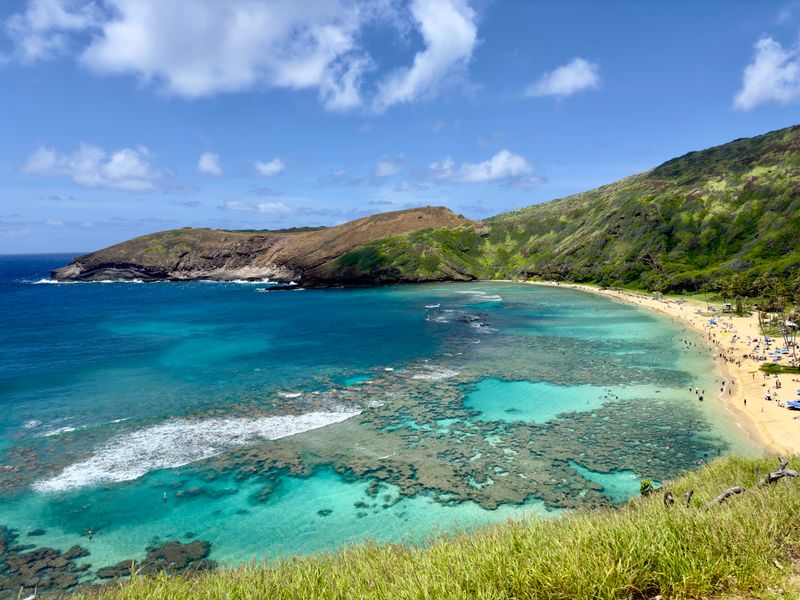
The curved shoreline of Hanauma Bay was formed within a volcanic crater, creating one of O’ahu’s most stunning natural aquariums that attracts snorkelers from every corner of the globe.
But this marine sanctuary has suffered terribly from human contact over decades of unrestricted access.
Coral trampling and sunscreen pollution led officials to implement a strict reservation system limiting daily visitors, a necessary intervention that came almost too late.
Even with these protections in place, the fragile reef ecosystem struggles to recover from decades of damage caused by millions of feet standing on living coral.
The reservation system continues to undergo revisions as officials try to balance access with conservation of this irreplaceable natural treasure.
Before entering the water, visitors now must watch an educational video about proper reef etiquette and the ecological importance of this protected area.
Despite these efforts, marine biologists document ongoing stress to the coral communities, with certain species showing little sign of recovery.
The bay closes one day each week to give the ecosystem a break from constant human presence, a small respite that researchers hope will aid regeneration.
Local families who once enjoyed unlimited access to this snorkeling paradise now face the same reservation lottery as tourists, creating resentment and a sense of displacement.
The stunning beauty that made Hanauma Bay famous has become both its greatest asset and its biggest threat, as the very visitors who come to admire the underwater world inadvertently contribute to its destruction through sheer numbers and inevitable carelessness.
4. Black Sand Beauty Turned Reservation-Only
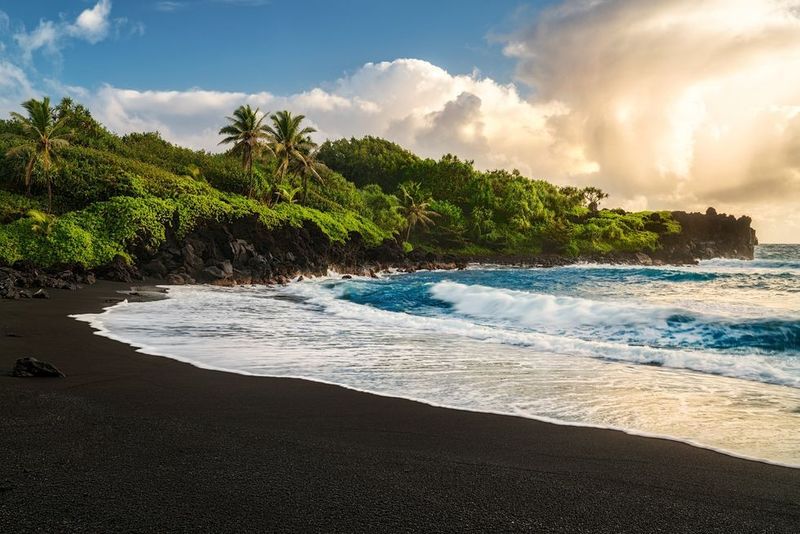
The striking obsidian sands of Wai’anapanapa’s Honokalani Beach on Maui create a dramatic contrast against turquoise waters and emerald foliage that photographers dream about.
This visual feast attracted so many visitors that locals found themselves completely shut out of their ancestral grounds, unable to access beaches their families had used for generations.
The state of Hawaii’s Department of Land and Natural Resources implemented a strict reservation system requiring advance planning for non-residents, a controversial but necessary measure.
The black sand, created from lava flow meeting ocean water in explosive encounters, faces ongoing threats from visitors who, despite warnings, continue to remove sand as souvenirs.
This illegal act carries hefty fines, yet enforcement officers regularly catch tourists filling bottles and bags with the distinctive volcanic grains.
The beach sits within a larger state park that includes ancient Hawaiian burial sites, lava tubes, and coastal trails, all of which suffered from overuse before the reservation system took effect.
Parking lots that once overflowed with rental cars now operate at manageable capacity, allowing emergency vehicles access and reducing damage to surrounding vegetation.
The nearby blowhole and sea caves remain popular attractions, but controlled visitor numbers mean everyone can actually enjoy these natural wonders without fighting through crowds.
Local Hawaiian families appreciate the restoration of some access to this culturally significant site, though many argue that residents should receive priority or unlimited entry.
The reservation system represents a new reality for Hawaii tourism management, where protecting natural and cultural resources takes precedence over unlimited visitor access to fragile coastal ecosystems.
5. Ke’e Beach’s Daily Visitor Cap Reflects New Reality
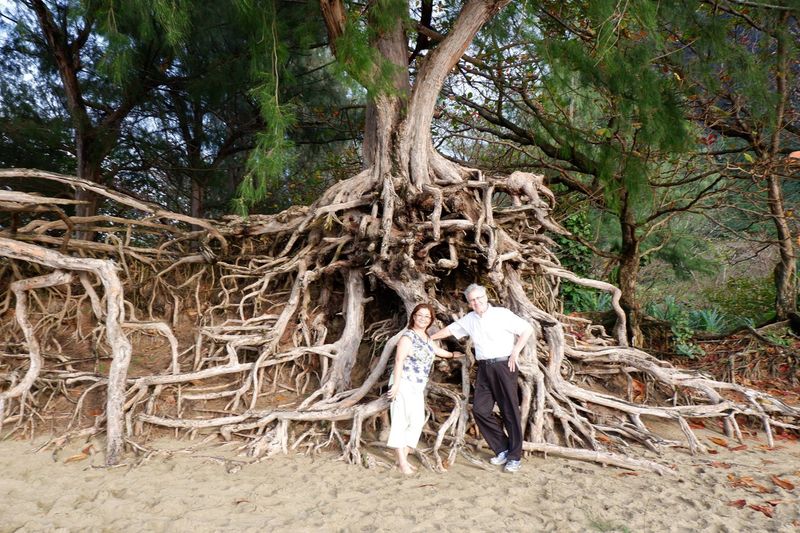
At the end of the road on Kaua’i’s north shore sits Ke’e Beach, the gateway to the breathtaking Napali Coast and a place of deep spiritual significance in Hawaiian culture.
Years of uncontrolled tourism left this sacred Hawaiian site degraded, with hundreds of rental cars parked haphazardly along dangerous highway shoulders and visitors overwhelming the small beach area.
Following devastating floods in 2018 that temporarily closed access, Ha’ena State Park implemented a visitor cap of approximately 900 people daily.
The reservation system prioritizes Hawaiian cultural values while protecting this fragile ecosystem from the crushing weight of unlimited tourism.
Though controversial among tour operators and some visitors, many locals view these restrictions as necessary medicine for a beach that was nearly loved to death.
The calm lagoon protected by an offshore reef makes this an ideal swimming spot, but it also marks the trailhead for the famous Kalalau Trail along the Napali Coast.
Before the cap, hikers and beachgoers arrived by the hundreds each day, creating dangerous congestion on the narrow highway and degrading trails through constant overuse.
Now, advance reservations and parking permits ensure that visitor numbers remain sustainable, allowing the land to recover while still providing access to this extraordinary place.
Local residents can obtain special permits that allow more flexible access, acknowledging their cultural and historical connection to these ancestral lands.
The system has become a model for other overwhelmed Hawaii destinations, proving that limiting access can actually improve the visitor experience while protecting natural and cultural resources for future generations to appreciate and respect.
6. Polihale State Park Closed After Tourist Abuse
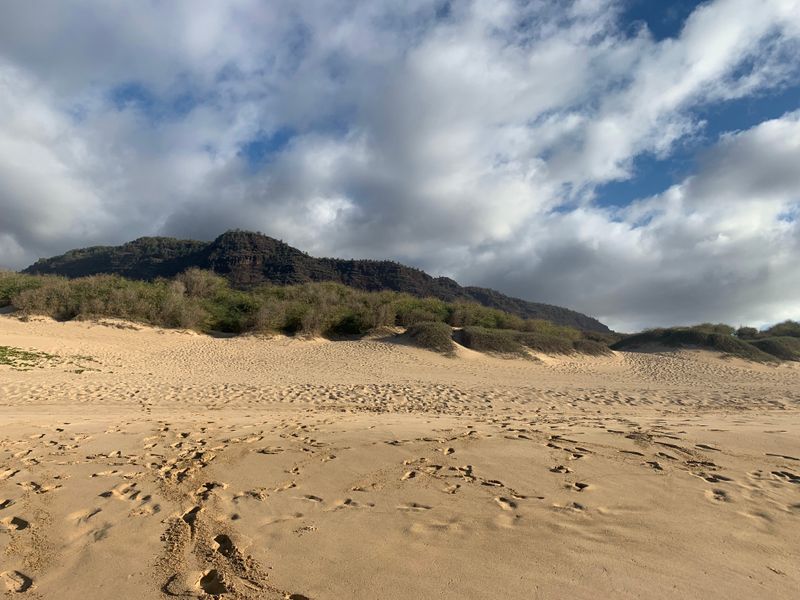
The longest stretch of beach in Hawaii temporarily disappeared from tourist maps in 2020 when authorities closed Polihale State Park on Kaua’i’s western shore due to overwhelming damage.
The culprit was clear and disturbing: visitors who damaged facilities, held illegal bonfires, and drove off-road vehicles through fragile dune systems that took centuries to form.
This remote beach, sacred to Native Hawaiians as the place where spirits depart for the afterlife, reopened with stricter management practices and increased ranger presence.
Four-wheel drive vehicles remain necessary to access this isolated shoreline via a rough dirt road, but rangers now monitor activities more closely to prevent further degradation.
The wild, windswept landscape stretches for miles, offering solitude that few Hawaii beaches can match, but that remoteness also made illegal activities difficult to police.
Campers left behind mountains of trash, held loud parties that disturbed the spiritual atmosphere, and showed little respect for the cultural significance of this ancestral site.
The temporary closure sent a strong message that even remote locations have limits to what they can withstand from careless visitors.
Sunset at Polihale ranks among the most spectacular in all of Hawaii, with the Forbidden Island of Ni’ihau visible on the horizon and light painting the sky in impossible colors.
Local families who have camped here for generations welcome the stricter enforcement, even if it means more rules, because it protects a place they hold dear.
The reopening came with clear warnings that future violations could result in permanent closure, putting the responsibility squarely on visitors to respect both the land and Hawaiian cultural values in this sacred corner of the islands.
7. Hanalei Bay’s Charm Fades Under Tourist Pressure
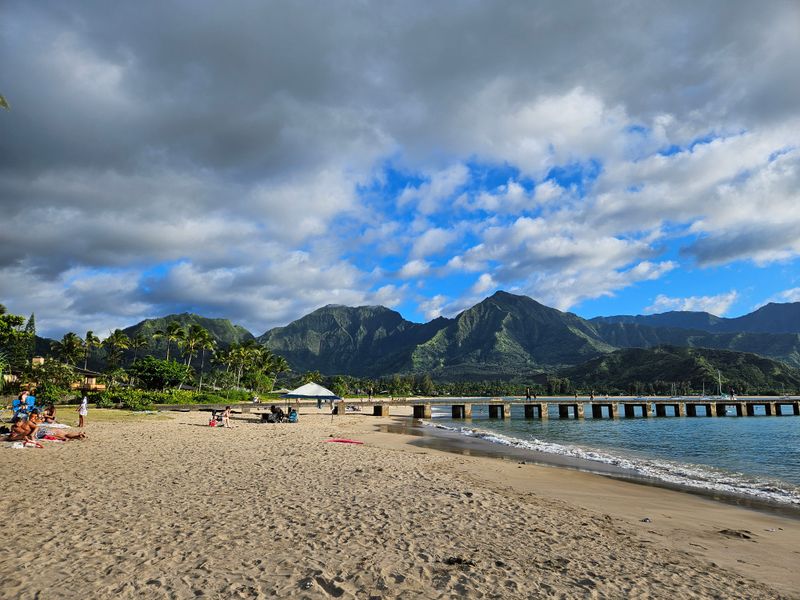
The crescent-shaped Hanalei Bay on Kaua’i’s north shore features in countless vacation fantasies with its backdrop of waterfall-laced mountains and perfect curve of golden sand.
But during peak seasons, this small community’s infrastructure buckles under tourist pressure, with parking areas overflowing onto residential streets and beach access points jammed with rental cars.
Local families who have gathered here for generations now struggle to find space for their own traditions, pushed out by the sheer volume of visitors.
The pier where local children once jumped into gentle waves now serves primarily as a photo backdrop for visitors who often remain unaware of proper beach etiquette and cultural protocols.
Surf schools crowd the lineup, teaching beginners in spots where local kids learned to ride waves from their parents and grandparents.
The small town of Hanalei has only a few narrow roads leading to beach access, creating bottlenecks that turn what should be a five-minute drive into a frustrating half-hour crawl during summer months.
Residents report that their once-peaceful neighborhood has transformed into something resembling a theme park, with constant traffic, noise, and strangers wandering through areas that were traditionally quiet residential zones.
The bay itself remains stunning, with conditions perfect for paddleboarding, swimming, and surfing depending on the season, but finding a spot to simply lay a towel has become increasingly difficult.
Local advocacy groups push for better visitor management and infrastructure improvements, but the small community lacks resources to adequately handle the tourism boom that shows no signs of slowing.
The charm that made Hanalei Bay famous is slowly being eroded by the very popularity it generated, leaving locals to wonder how much more their community can withstand before losing its essential character entirely.
8. Rare Green Sand Beach Faces Unauthorized Commercial Exploitation
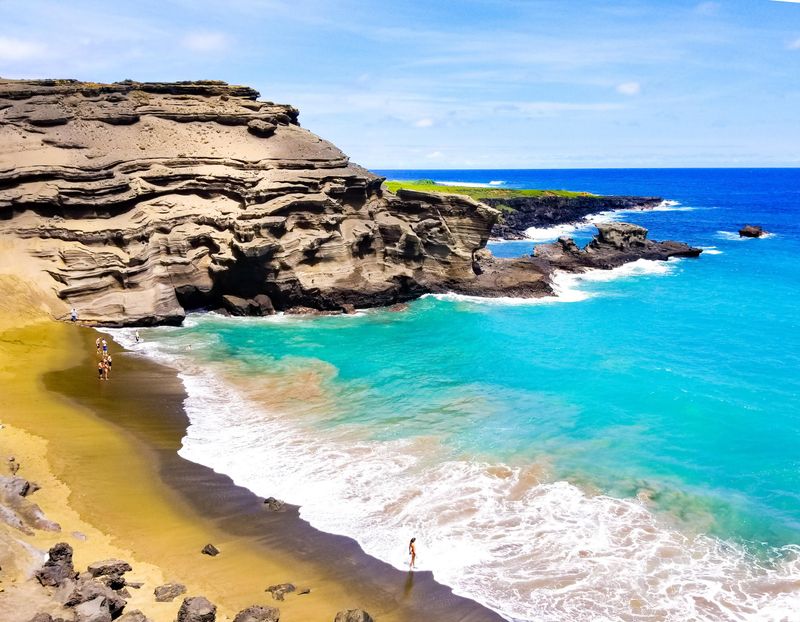
One of only four green sand beaches in the world, Papakolea on Hawai’i Island gets its distinctive olive hue from the mineral olivine, created when the volcanic cinder cone partially collapsed into the sea.
The remote location requires a challenging 2.5-mile hike each way across exposed terrain, but unauthorized tour operators offer illegal truck shuttles that damage the fragile landscape.
These commercial operations run without permits on conservation land, charging tourists for rides that tear up the trail and create dangerous dust clouds.
Environmental advocates warn that continued vehicle traffic and increasing visitor numbers threaten this geological wonder that took thousands of years to form.
Authorities have issued citations to illegal operators, but enforcement remains difficult in this isolated area of the Big Island where rangers cannot maintain constant presence.
The hike itself crosses private land where the landowners have graciously allowed public access, but that goodwill is tested by commercial operators who profit from the arrangement without permission.
Visitors who make the trek on foot often arrive exhausted, only to find the beach crowded with tourists who paid for the illegal shuttle service.
The green sand, formed from olivine crystals that are denser than most volcanic material, continues to concentrate as lighter materials wash away, but removal by souvenir hunters threatens this natural process.
Local Hawaiian families view this beach as a sacred place connected to the goddess Pele, and they resent the commercial exploitation that treats it as just another tourist attraction.
The ongoing battle to protect Papakolea represents a larger struggle across Hawaii, where extraordinary natural features attract visitors whose numbers and behaviors threaten the very wonders they come to see, requiring difficult decisions about access, enforcement, and preservation.
Dear Reader: This page may contain affiliate links which may earn a commission if you click through and make a purchase. Our independent journalism is not influenced by any advertiser or commercial initiative unless it is clearly marked as sponsored content. As travel products change, please be sure to reconfirm all details and stay up to date with current events to ensure a safe and successful trip.
