Ever wondered what locals really think about the tourists who visit Hawaii? Ask around, and you’ll hear stories that range from funny to downright unbelievable. For residents, spotting visitors isn’t hard, it’s the way they act, the questions they ask, and sometimes the mistakes they make that turn into tales worth retelling.
Some tourists show up in flip-flops ready to hike rugged trails, others ask if they can drive to another island, and a few even try to pick coconuts without realizing how dangerous it can be.
Locals often laugh about these moments, but they also see them as reminders of how different life in Hawaii is compared to what outsiders expect. It’s not mean-spirited, it’s more like sharing inside jokes about the quirks of island life.
These stories stick because they highlight the gap between what visitors imagine and what Hawaii is really like. So next time you’re in the islands, remember: the locals have seen it all, and your adventure might just become the next tale they tell.
1. Island Drivers See Tourists Create Traffic Chaos
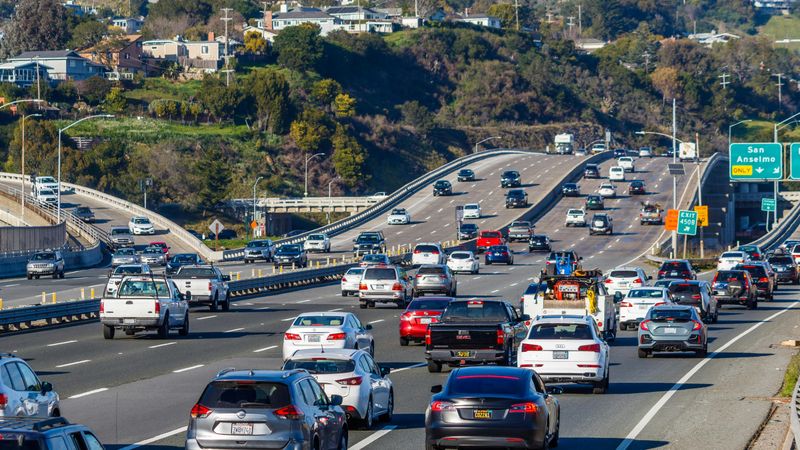
Have you ever seen someone slam the brakes right in the middle of a highway exit just to snap a picture?
Locals talk about that happening on the H1, and it is not rare, which is wild when you think about it. You can imagine the panic ripple through traffic when a rental car stops where momentum matters.
Here is the thing you feel in Hawaii: drivers actually try to keep the flow smooth because roads are narrow and options are limited.
When someone misses an exit, swerves across lanes, or freezes at the fork, every car behind them pays for it with nerves and honks.
Locals tell stories where a single tourist maneuver nearly triggered a pileup. The ones that stick are when people stop on an exit lane to wait for a spot that does not exist.
That move makes everyone else scatter and hope the unexpected ends quickly.
If this is you on a future trip, breathe and keep going. Take the next exit and loop back instead of cutting across traffic.
Your passengers will still get their view, and you will avoid starring in a story nobody wants to relive.
From Honolulu to Kapolei, folks commute daily and do not need bonus drama. Staying calm, planning lane changes early, and ignoring the sudden photo urge makes a huge difference.
Keep your trip light, your turns legal, and the road vibe a little kinder.
2. “Island Time” Misused Leads To Road Rudeness
So here is a funny twist on “island time.” People hear that phrase and think it means drive however you want, wherever you want.
Locals will tell you it actually means being considerate of the place and the pace, not blocking everyone behind you on a narrow stretch.
On a two lane road, if you want to take it slow, that is cool. Just pull into a turnout and let the line pass.
That small choice reads like respect to people who live and work here and need to reach their daily spots without extra stress.
“Island time” does not mean drifting between lanes or stopping mid curve to stare at a view. It means letting time stretch when it can, not stealing it from drivers stuck behind a rental crawling uphill.
You will hear about horns and sighs because the shoulder was empty and nobody used it.
I like to set navigation early and glance far ahead. That way I choose the right lane before the decision crunch.
A calm plan beats last second zigzags every time.
This state keeps you humble if you let it. Slide right when you are soaking it in, then rejoin the flow when you are ready.
3. Beach Etiquette Fails Spark Eyebrow Raises
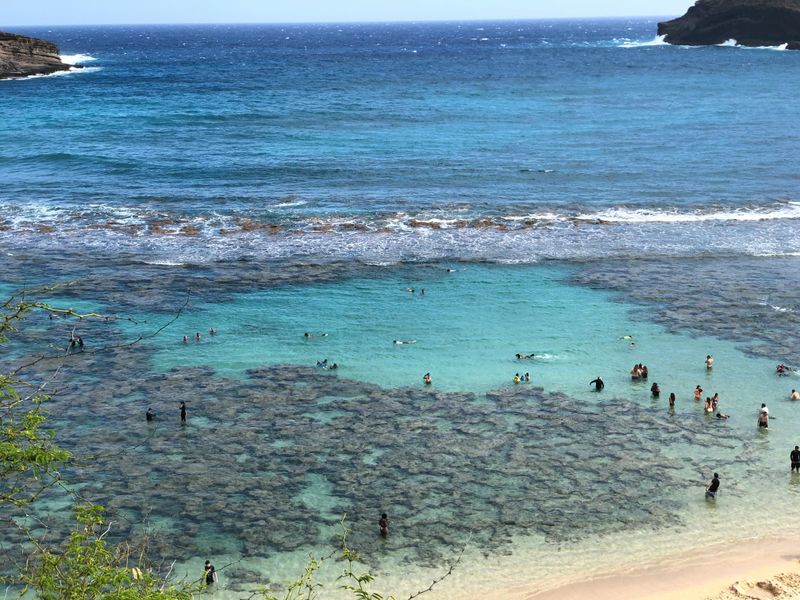
Let us talk beach etiquette because this one pops up a lot. Locals see visitors plop chairs right on top of people, ignore signs, or spread gear across narrow access paths.
It is not evil, just careless, and it rubs the vibe wrong at spots like Hanauma Bay and Sandy Beach.
Think of the shore like a shared living room. Give space, keep pathways clear, and read the posted rules before setting up.
Reef protection signs are not suggestions, and the ocean can shift from friendly to fierce in a heartbeat.
Residents pay attention to how folks move in these places. The best signal you can send is quiet awareness, so scan the area, notice how locals settle in, and match that energy.
Another thing that helps is light gear and easy exits: if the tide comes in quick or lifeguards flag a change, you will be able to relocate without drama.
That readiness shows respect for the beach and the people watching over it.
When in doubt, ask a lifeguard or a nearby family if your setup is in the way. Small questions prevent loud moments later, and the ocean gets more enjoyable when everyone shares the shoreline with care.
4. Taking Sacred Sand And Rocks Is Not Cute
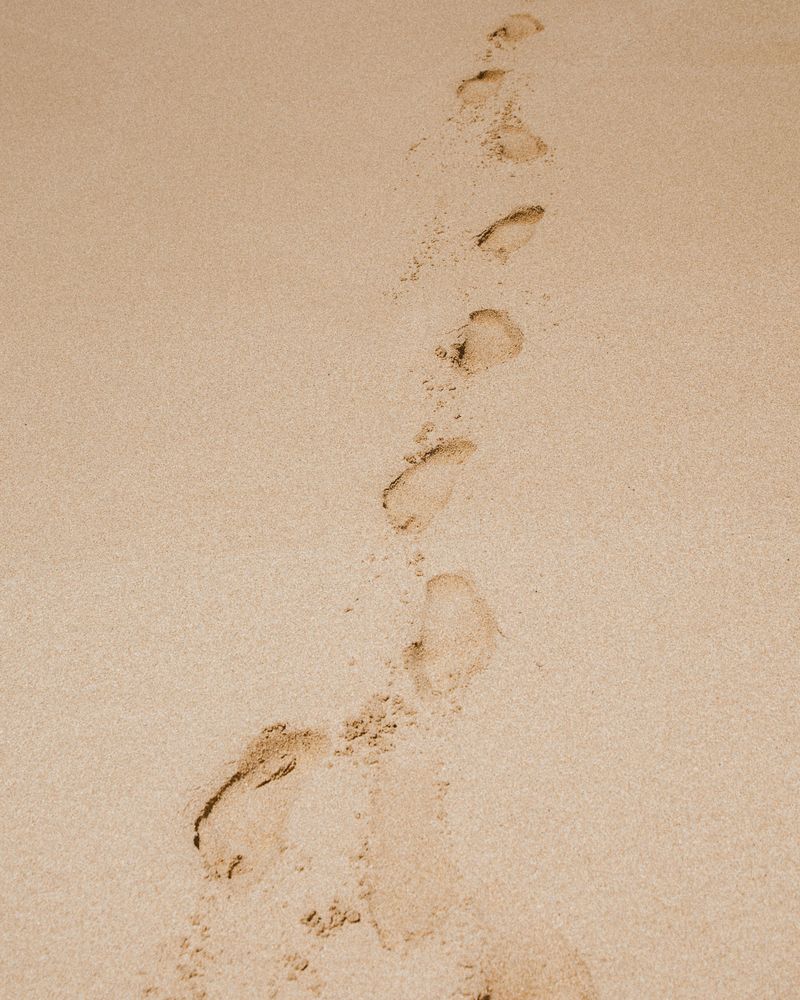
You have heard the story about Pele’s Curse, right? People take rocks or sand, then claim their luck goes sideways.
Whether you believe the legend or not, there is a simple rule that keeps everyone good.
Do not remove natural materials from national parks or protected shorelines. It is illegal, and it chips away at places already under pressure.
Locals notice when pockets get heavy and Instagram captions brag about it.
The better souvenir is a photo and a memory you did not have to sneak.
Stand on the lava fields, breathe the air, and leave the stones where they belong. That choice says you came to visit, not to own.
When friends ask for a keepsake, share a story instead. Tell them about the smell of the rain on pahoehoe, or how the wind sounds near the crater rim.
Those details bring a bit of Hawaii home without taking anything away.
Respect is simple and it travels well. Keep your hands off the rocks and the sand, and the islands will feel kinder in return.
Locals will notice, and the land will thank you in its quiet way.
5. Ignoring Closed Trails Does Not Impress Locals
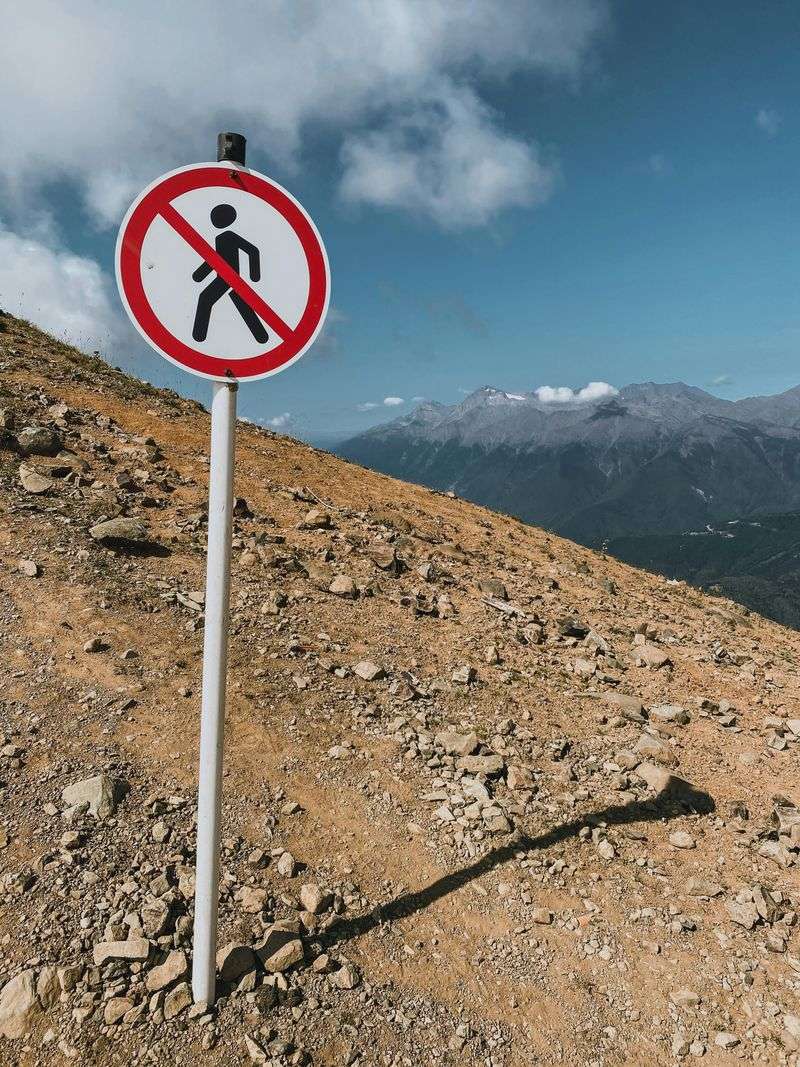
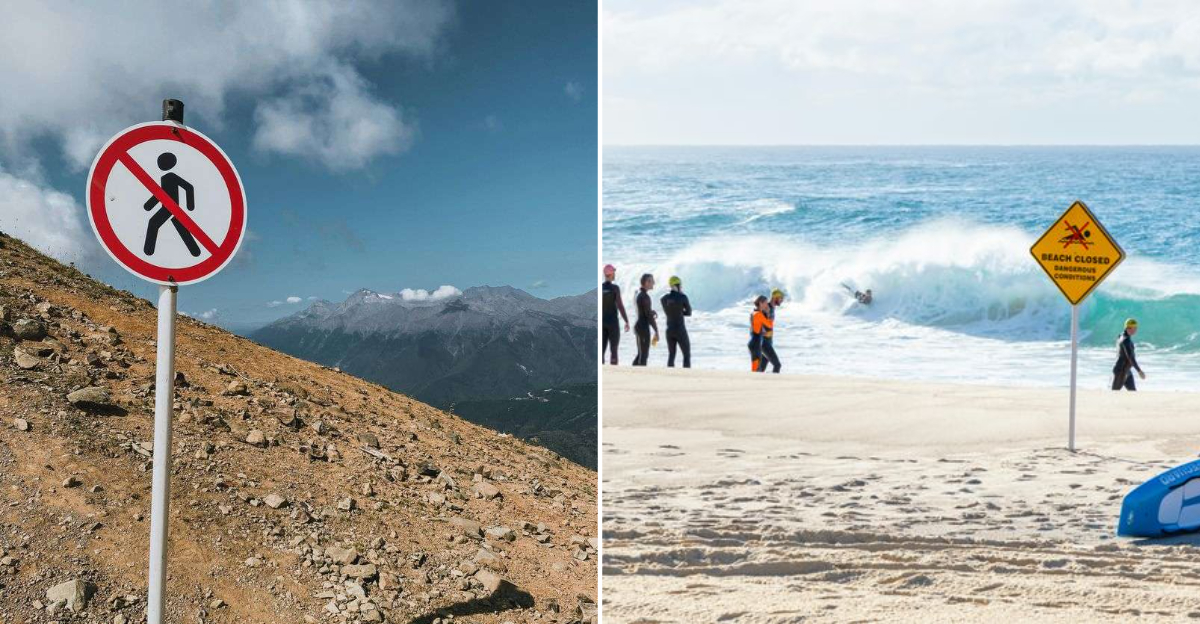
This one gets locals fired up fast. A trail is closed, there is a clear sign, and people still duck around a fence for that epic shot.
The Ha?ik? Stairs sit at the center of so many stories about trespassing and rescues that did not need to happen.
Closures happen for safety, erosion, or landowner rights, and ignoring them puts volunteers, rangers, and rescue crews on the hook.
It is not adventurous, it is just inconsiderate to the community that lives with the consequences.
If you want a ridge view, there are legal hikes that will knock you out with beauty. Do a little research, check recent conditions, and go early so you are not pushing daylight.
You will still get your skyline and your clouds.
I like to think of it as being a guest at someone’s house. When a door is marked off limits, you do not slip inside for a selfie.
You respect the boundary and the people who set it.
Trails feel safer when visitors follow the rules, and locals start sharing more recommendations. Choose the open path, and the day flows better for everyone.
6. “You Wouldn’t Have An Economy Without Us” Gets Eye Rolls
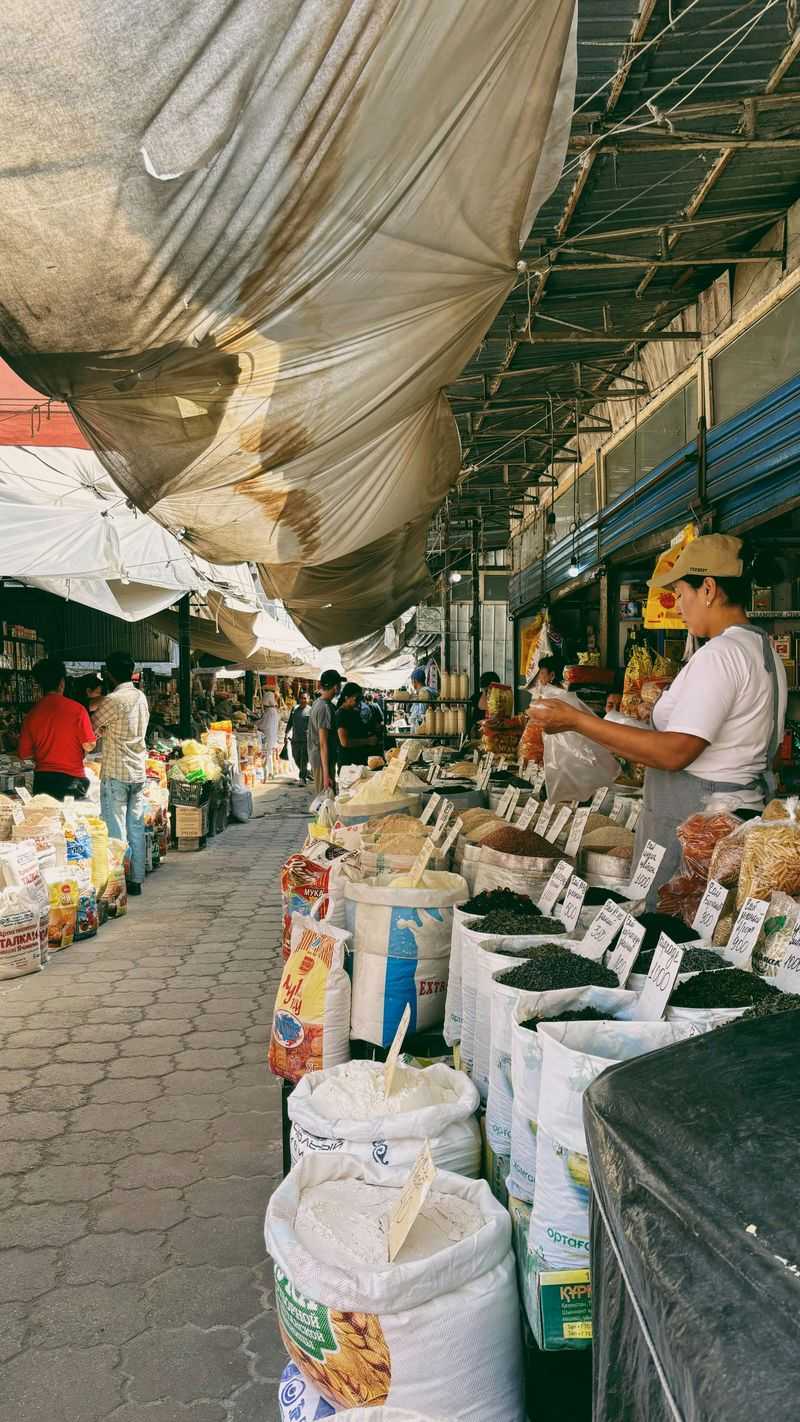
Every now and then you hear someone announce that the islands would not have an economy without their vacation.
Locals hear that and go quiet, then the eyes roll. It lands as tone deaf because people here carry the real cost of living with heavy visitor numbers.
Tourism is a big part of Hawaii, sure. It also strains roads, beaches, housing, and patience when it spikes.
Residents can hold both truths while still asking visitors to carry their share of awareness.
When you step in with humility, the whole mood shifts. Skip the lecture and ask what matters most to the community you are standing in.
The answer is usually simple courtesy and a lighter footprint.
I try to keep my voice low and my questions honest. That goes a long way at the checkout line, on a crowded bus, or near a busy park entrance.
People notice effort more than speeches.
Bring aloha in your actions, not slogans. The economy conversation gets easier when respect leads the way, and that is how you travel and still feel welcome when you come back.
7. Not Respecting Cultural Spaces Feels Worse
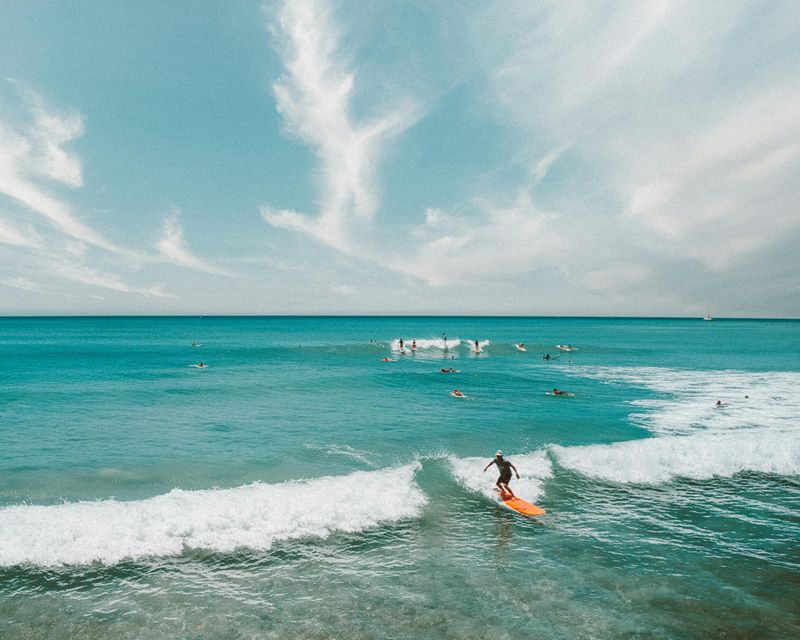
Here is a quiet truth that comes up in conversations with locals: cultural spaces are not just backdrops for your feed.
They carry lineage, ceremony, and memory, and that needs a different kind of attention.
At a heiau or sacred site, you keep your distance and your voice low. You read the signs and stay off the stones.
It is less about rules and more about meeting the place where it stands.
Visitors sometimes rush in for a quick pose and then rush back out. That moment feels emptier than they realize, and it can sting the people who care for the site.
Slowing down changes the whole exchange.
If you are unsure about protocol, ask a ranger or interpretive guide nearby. They usually love sharing context, and your curiosity shows you mean well.
You might learn something that reshapes the rest of your trip.
This state holds history in plain view. When you treat those places with gentle steps, locals notice and appreciate it.
The land answers with a calm you can actually feel.
8. Parking On Narrow Roads For Pictures Causes Problems
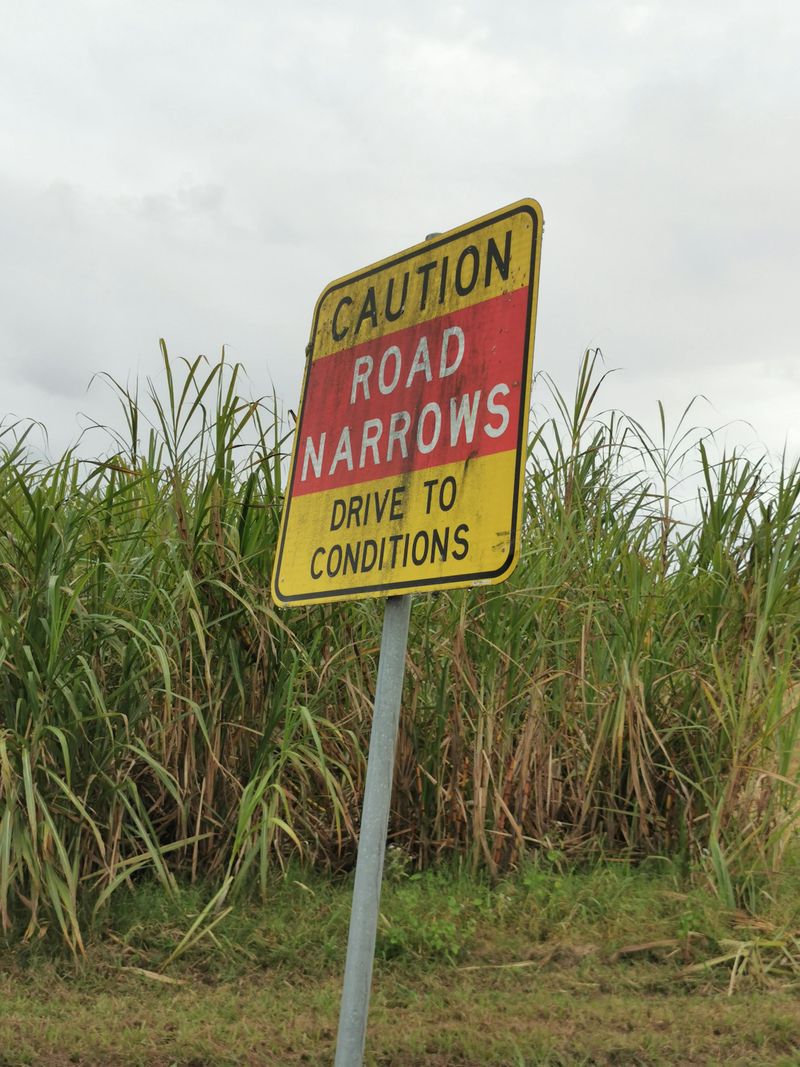
You know those quick picture stops that seem harmless? On narrow coastal roads, they can turn into real trouble in seconds.
Locals talk about weaving around half parked rentals and hoping nobody opens a door at the wrong time.
In island settings, there are stretches with no safe pullouts at all. If you stop anyway, you are forcing drivers into oncoming lanes, and that is how minor moments get risky fast.
The smarter move is to mark a turnout and loop back. Snap your photo where traffic is not pinched and shoulders are stable.
Your view will be just as good, maybe better without the stress baked in.
I like to assign a passenger as the spotter. They watch for legal pullouts and call it early, and that keeps the driver focused on the lane and the vibe stays steady.
Hawaii roads are scenic, yes, and also busy with daily life. When visitors plan stops instead of improvising, everyone gets home calmer.
That is the story locals wish more people would tell.
9. Expecting Locals To Be Smiling Nonstop Is Not Real
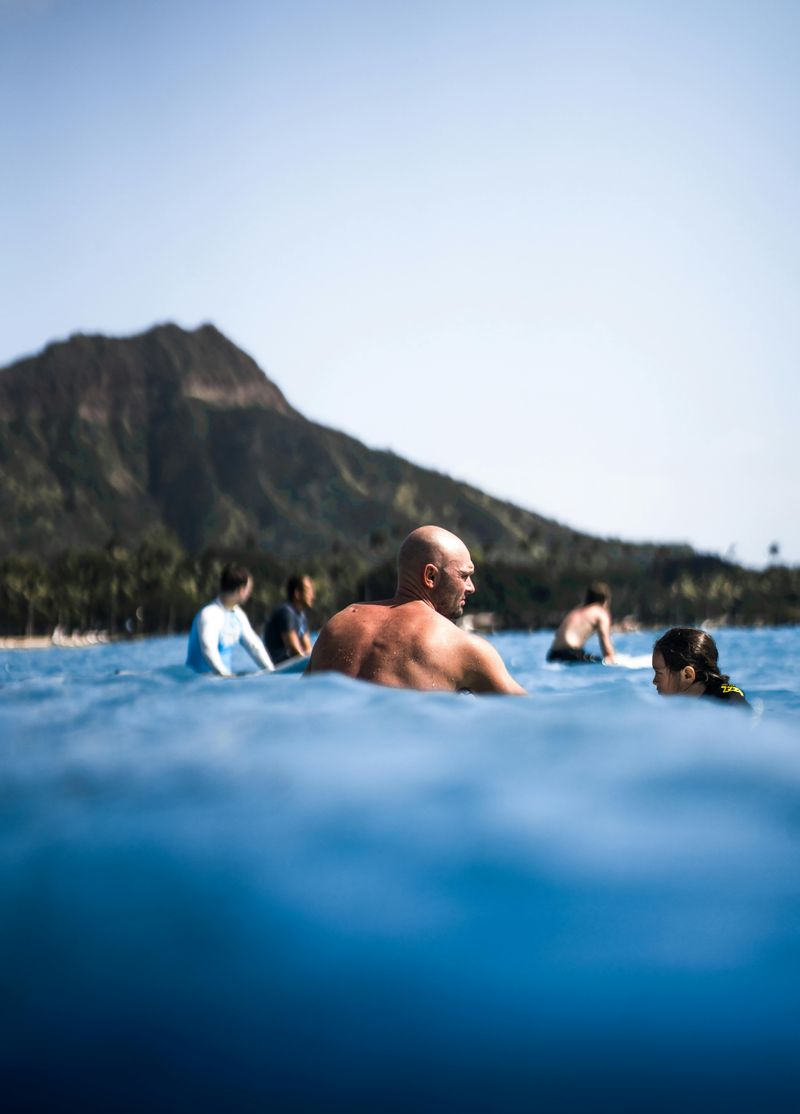
There is this idea that everyone in Hawaii should be cheerful all the time. That is not real life, and locals say it gets heavy when visitors push that script.
People have work, errands, and family stuff like anyone else.
When crowds surge and rules get ignored, patience wears thin. It is not a lack of aloha, it is human.
The culture values kindness, and it also values boundaries that keep life livable.
If someone seems distant, give space and a neutral smile, do not take it personally.
Ask yourself what energy you are bringing into a room. If it is loud, try dialing it back, and if it is anxious, take a breath and match the room’s pace.
Travel gets easier when expectations shrink and curiosity grows. Locals notice when visitors move lightly and listen more than they demand.
That is the kind of presence that turns a trip into something lasting.
10. Instagram “Secret Spots” Overrun Overnight
Ever watch a quiet overlook go from serene to packed in a snap? That happens when a so called secret spot gets geotagged and shared widely.
Locals have seen once quiet corners fill up by the next weekend.
It is not just the crowds either. Fragile dune paths get widened, plants get crushed, and the whole place feels stressed.
What looked like a small tip becomes a big push on a tiny ecosystem.
One easy fix is to share the story without the pin. Say what you loved and how you treated the place, not exactly where it sits.
Friends who get it will appreciate the restraint.
I like to rotate between known, managed areas and quieter moments that I keep offline. That balance lets the land breathe, and it also gives you a memory that does not need an audience.
Hawaii can hold a lot, but not everything at once. If visitors keep the geotag light and the footsteps lighter, those calm corners stay calm.
11. Overconfidence On Dangerous Beaches Shakes Heads
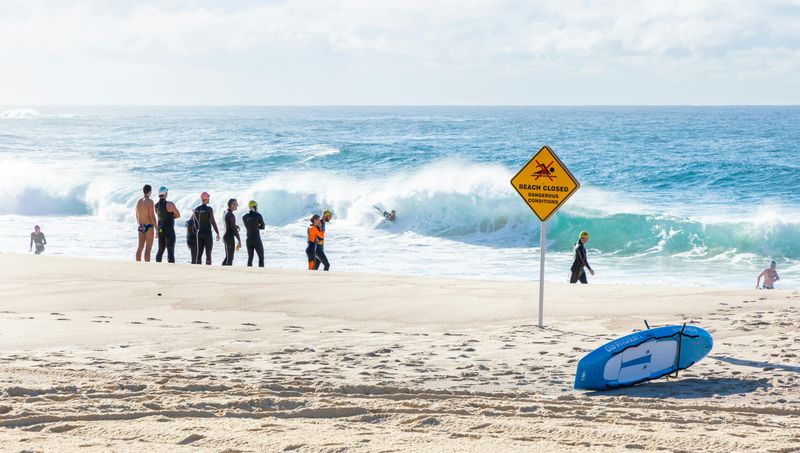
Sandy Beach looks inviting until the shore break throws a surprise. Locals know the water here is tricky and the waves break right on the sand.
People stroll in, underestimate it, and suddenly lifeguards are sprinting.
The pattern repeats because the day looks calm from the parking area. You do not hear the weight of the wave until it is too late.
That is why signs and flags matter more than your gut on arrival.
If you want a safer ocean day, watch for a while before deciding anything. See where the locals are standing and how they read the sets.
I like to ask lifeguards for the simple version. They will tell you where to stand, where not to stand, and what to expect.
Take the advice and the beach turns from risky to respectful.
This state is generous but not soft. When visitors match the ocean with humility, everyone rests easier.
Locals will nod and you will head home unscathed, which is a win every time.
Dear Reader: This page may contain affiliate links which may earn a commission if you click through and make a purchase. Our independent journalism is not influenced by any advertiser or commercial initiative unless it is clearly marked as sponsored content. As travel products change, please be sure to reconfirm all details and stay up to date with current events to ensure a safe and successful trip.
