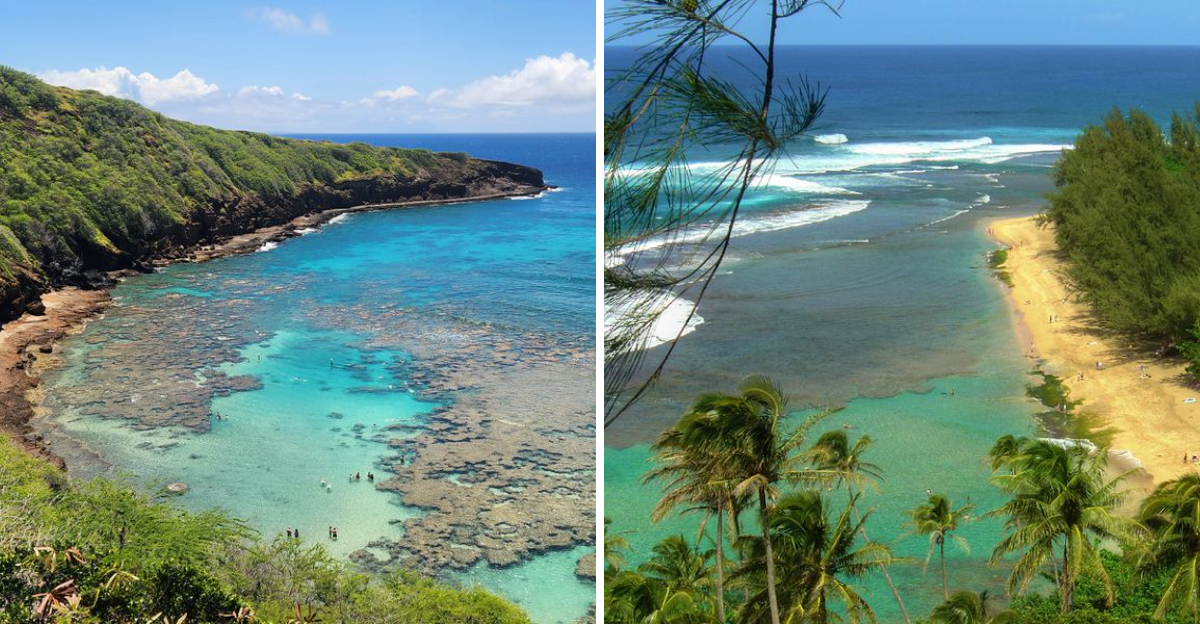
Hawaii has always been a dream destination for travelers seeking turquoise waters, volcanic landscapes, and the warmth of aloha spirit.
But behind the postcard-perfect scenery, many residents are voicing serious concerns about the impact of mass tourism on their islands.
From crowded beaches to damaged coral reefs, some of Hawaii’s most beloved spots are struggling under the weight of too many visitors.
Here are eight places where locals believe tourism has crossed the line, threatening the very beauty and culture that make these islands so special.
1. Waikiki Beach, O’ahu
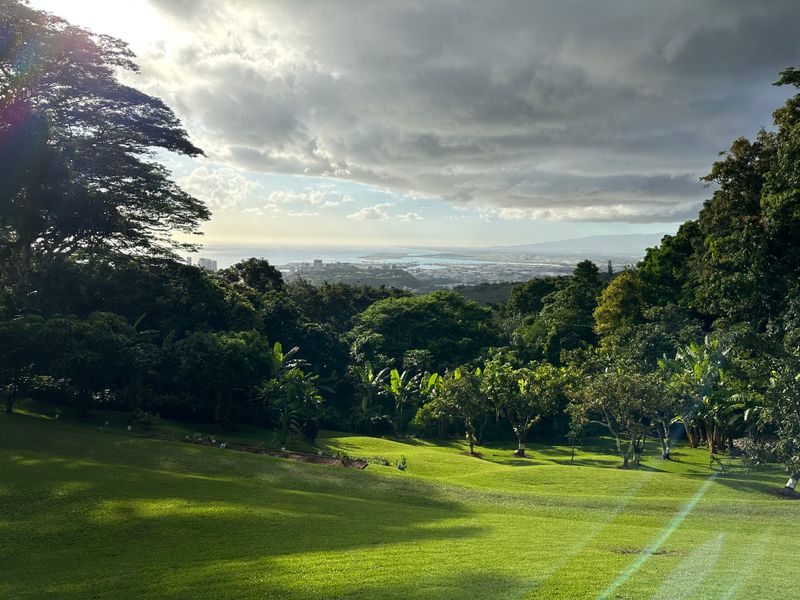
Waikiki Beach once stood as a peaceful sanctuary where Hawaiian royalty surfed gentle waves and locals gathered beneath swaying palms.
Today, this iconic stretch of sand has transformed into one of the most crowded tourist destinations in the Pacific, hosting millions of visitors annually.
The constant flow of beachgoers has led to serious environmental consequences that worry longtime residents.
Sand erosion happens at an alarming rate due to the sheer number of feet trampling the shoreline every single day.
Water quality has declined noticeably, with increased pollution from sunscreen, trash, and urban runoff affecting marine life.
Local surfers who grew up riding these waves now struggle to find space among surf schools and tourists learning to stand on boards.
The beach that once defined Hawaiian leisure has become a symbol of overtourism’s impact on island culture.
High-rise hotels tower over the sand, blocking traditional views and creating a concrete jungle atmosphere that feels far from the Hawaii of old.
Residents remember when families could claim a quiet spot for picnics without navigating through thousands of visitors.
The aloha spirit still exists here, but it competes with commercial interests and the relentless push for more tourist dollars.
Many locals avoid Waikiki entirely now, choosing less accessible beaches where they can reconnect with the ocean in peace.
Environmental groups work tirelessly to restore what has been lost, but the daily pressure from tourism makes lasting change difficult.
This beach represents both Hawaii’s appeal and its greatest challenge in balancing economic needs with cultural and environmental preservation.
2. Lanikai Beach, O’ahu
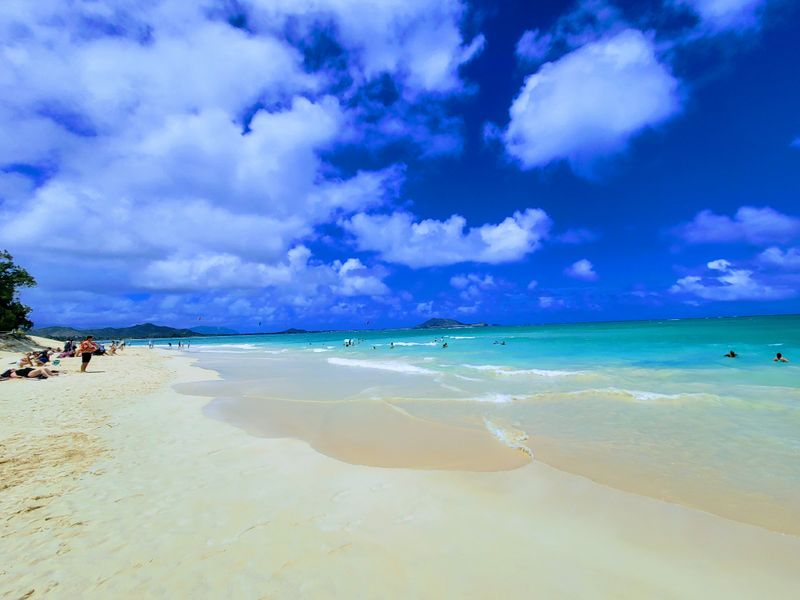
Lanikai Beach earned its reputation as one of the world’s most beautiful beaches through stunning turquoise waters and powder-soft white sand.
Nestled in a quiet residential neighborhood, this half-mile stretch was once a well-kept secret among Oahu residents.
Social media changed everything, turning Lanikai into an Instagram hotspot that attracts thousands of visitors daily.
The narrow streets leading to the beach were never designed for heavy traffic, creating nightmare parking situations for both tourists and residents.
Homeowners wake up to strangers parking across their driveways, leaving trash in yards, and treating the neighborhood like a public park.
The tiny beach access points become bottlenecks during peak hours, with crowds waiting just to step onto the sand.
Residents have complained about noise, trespassing, and the loss of privacy as tourists wander through their community searching for the perfect photo spot.
The Mokulua Islands, visible from shore, serve as a backdrop for countless sunrise photos shared across social media platforms.
This constant exposure brings even more visitors, creating a cycle that intensifies pressure on the small beach and surrounding area.
Local families who once enjoyed peaceful morning swims now compete with tour groups and wedding photographers for space.
The sense of community that defined this neighborhood has eroded as residents feel overrun in their own backyards.
Some homeowners have installed security cameras and no-parking signs, trying to reclaim some control over their streets.
Lanikai represents how quickly a hidden gem can become overwhelmed when discovery meets the viral nature of modern travel culture.
3. Hanauma Bay, O’ahu
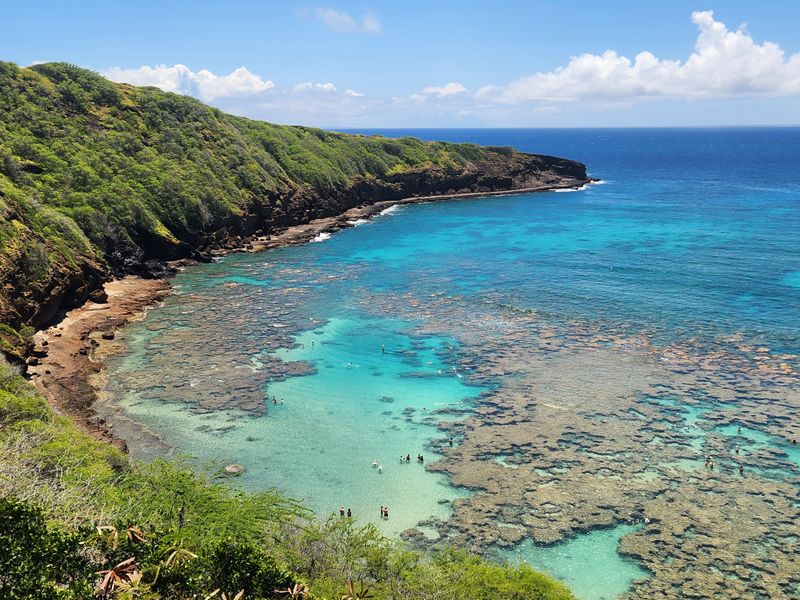
Hanauma Bay formed thousands of years ago when a volcanic crater collapsed and flooded with seawater, creating a protected marine ecosystem.
The bay became famous for its incredible snorkeling opportunities, where visitors could swim alongside tropical fish in crystal-clear shallow waters.
By the 1990s, more than three million people visited annually, causing devastating damage to the fragile coral reefs below.
Tourists stood on coral, touched marine life, and overwhelmed the ecosystem with sunscreen chemicals that bleached and killed living organisms.
The bay’s coral coverage decreased dramatically, prompting emergency conservation measures to save what remained of this natural treasure.
In 1990, Hanauma Bay was declared a Marine Life Conservation District and Nature Preserve to provide legal protection.
Today, visitors must watch an educational video before entering and pay an entrance fee that funds conservation efforts.
A reservation system now limits daily visitors, preventing the crushing crowds that once packed the beach from sunrise to sunset.
These measures have helped the coral begin recovering, but locals remember when the bay teemed with more diverse marine life.
Many residents appreciate the stricter rules, viewing them as necessary steps to preserve the bay for future generations.
However, some argue that even current visitor numbers remain too high for a truly healthy ecosystem.
The bay closes every Tuesday to give marine life a break from human interaction, a policy that highlights just how stressed the environment has become.
Hanauma Bay serves as both a success story in conservation management and a cautionary tale about the lasting impacts of overtourism on delicate natural habitats.
4. Wai’anapanapa State Park, Maui
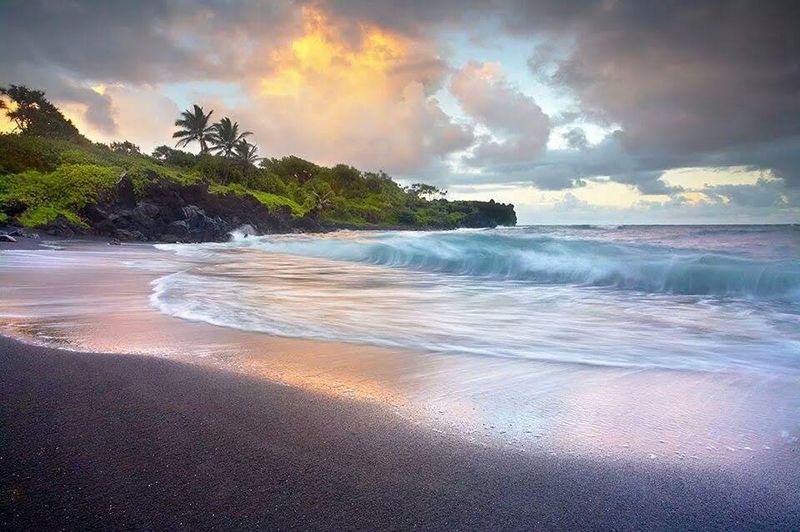
Wai’anapanapa State Park sits along Maui’s rugged eastern coastline, where ancient lava flows created dramatic black sand beaches unlike anything most visitors have ever seen.
The park holds deep cultural significance for Native Hawaiians, with legends and historical sites woven throughout the landscape.
Freshwater caves, lava tubes, and coastal trails once offered peaceful exploration for those willing to venture off the beaten path.
The Road to Hana made this remote park accessible, and its unique black sand beach quickly became a must-see attraction for tourists.
Visitor numbers exploded as travel bloggers and guidebooks featured Wai’anapanapa as an essential Maui destination.
The small parking lot, designed for modest visitor numbers, could not handle the hundreds of cars arriving daily.
Tourists parked along the narrow highway, creating dangerous traffic situations and blocking emergency vehicle access.
The fragile coastal ecosystem suffered as thousands of feet trampled native plants and disturbed nesting seabirds.
Trash became a persistent problem despite park efforts to maintain cleanliness and respect for the sacred landscape.
In 2022, Hawaii State Parks implemented a reservation system requiring advance booking and limiting daily entries to protect the area.
Local residents supported this decision, having watched their cherished park transform from a quiet natural wonder into an overcrowded tourist trap.
The reservation system has improved conditions, but many natives feel the spiritual essence of the place has been diminished by commercial tourism.
Wai’anapanapa demonstrates how even remote locations cannot escape the pressures of modern tourism when they possess unique natural features that capture global attention and social media interest.
5. Ke’e Beach, Kaua’i
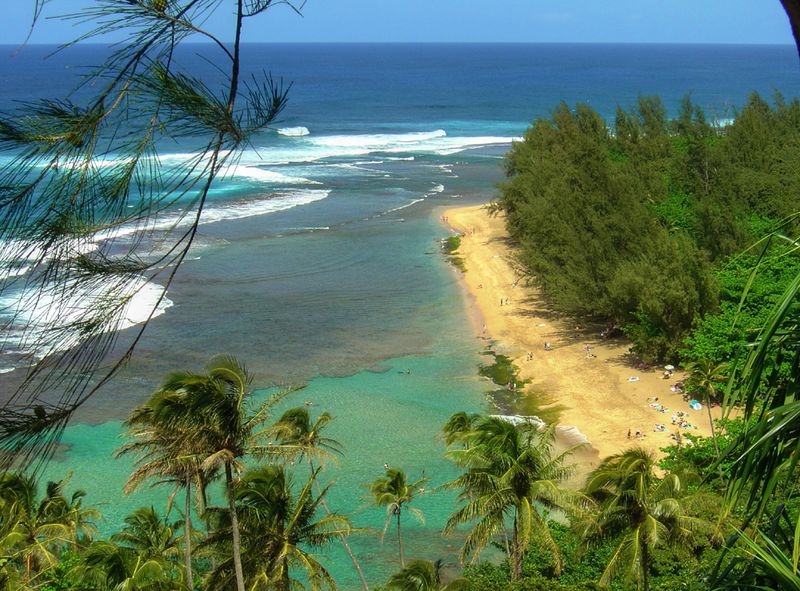
Ke’e Beach marks the end of the road on Kaua’i’s north shore, where pavement gives way to the legendary Napali Coast and its wilderness trails.
For generations, this beach served as a gathering place for local families and a starting point for adventurers hiking the challenging Kalalau Trail.
The combination of a beautiful swimming beach and access to one of Hawaii’s most famous hikes created overwhelming visitor pressure.
By the mid-2010s, hundreds of cars jammed the small parking area daily, with overflow parking extending miles back down the highway.
Visitors arrived before dawn to claim parking spots, treating the area like a competitive sport rather than a natural sanctuary.
The nearby Haena State Park suffered similar impacts, with trails eroding from overuse and sacred sites disrespected by unaware tourists.
Severe flooding in 2018 closed the area temporarily, giving the land an unexpected chance to recover from years of intensive use.
When authorities reopened access, they implemented a parking reservation system and shuttle service to manage visitor numbers sustainably.
Daily caps now limit how many people can visit, though demand far exceeds available permits during peak seasons.
Local residents appreciate being able to access their own beaches again without fighting through tourist crowds.
The new system has restored some tranquility to Ke’e Beach, allowing the reef to recover and native plants to regrow along trails.
However, some community members argue that even regulated tourism maintains too much pressure on this culturally and environmentally sensitive area.
Ke’e Beach illustrates how natural disasters can sometimes provide opportunities to reset tourism management and create more sustainable approaches to protecting beloved landscapes.
6. Polihale State Park, Kaua’i
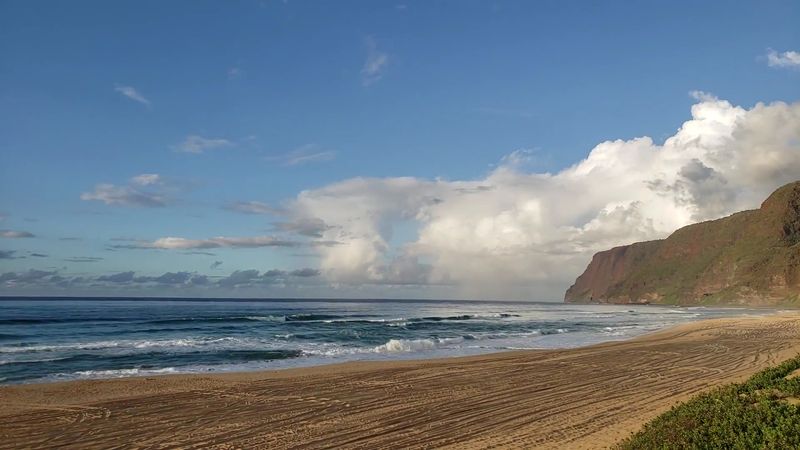
Polihale State Park stretches along Kaua’i’s western shore as one of Hawaii’s longest and most remote beaches, accessible only by rough dirt roads.
The journey to reach this isolated paradise requires driving several miles on unpaved tracks that challenge most rental vehicles.
This remoteness once protected Polihale from heavy tourism, keeping it a special destination for adventurous locals and determined travelers.
The beach holds spiritual significance for Native Hawaiians as a place where souls depart for the afterlife according to traditional beliefs.
As other Kaua’i beaches became overcrowded, more visitors sought out Polihale despite its difficult access and lack of amenities.
The increase in traffic damaged the access roads severely, with rental cars getting stuck in sand and creating environmental hazards.
Visitors unprepared for the remote location left behind trash, human waste, and camping debris across the pristine landscape.
In 2008, heavy rains washed out the access road completely, and the state closed the park indefinitely for repairs.
Local residents and volunteers eventually restored access themselves, frustrated by government delays in reopening their cherished beach.
The park reopened with stricter management policies, though enforcement remains challenging given the remote location and limited ranger presence.
Many locals wish Polihale could return to being a hidden gem, accessible only to those willing to respect its sacred nature.
The wide-open beach still offers moments of solitude, but evidence of tourism impact appears in tire tracks, fire rings, and scattered refuse.
Polihale’s story shows how even geographical isolation cannot fully protect special places from the reach of modern tourism and its environmental consequences.
7. Hanalei Bay, Kaua’i
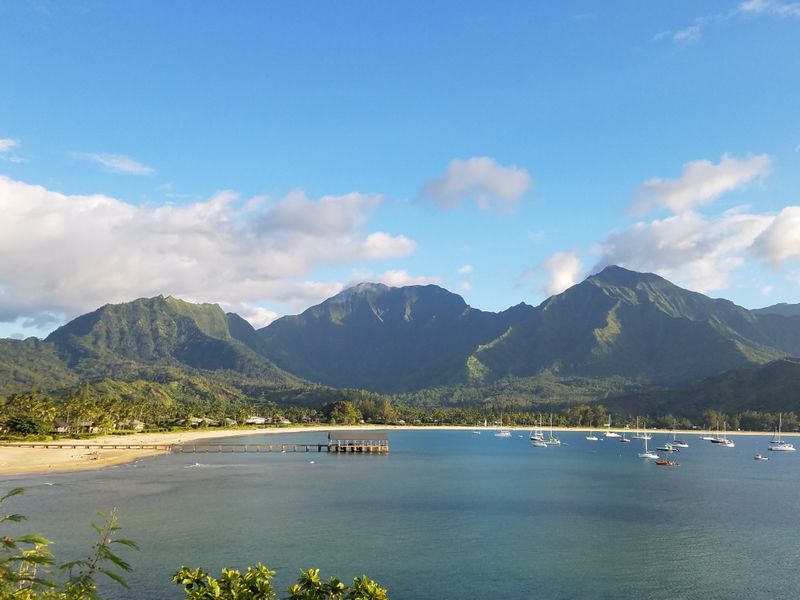
Hanalei Bay curves gracefully along Kaua’i’s north shore, framed by dramatic mountains and waterfalls that cascade down green valleys after tropical rains.
This crescent-shaped bay has appeared in countless films and photographs, making it one of Hawaii’s most recognizable and romanticized landscapes.
The small town of Hanalei maintained a laid-back surf culture for decades, with local families calling this special place home for generations.
A historic pier stretches into the bay, once used primarily by fishermen and local kids jumping into the clear water below.
Tourism gradually transformed Hanalei from a quiet surf town into a bucket-list destination featured in every Kaua’i travel guide.
The two-lane bridge entering town creates bottlenecks as rental cars, tour buses, and delivery trucks compete for space on the narrow roadway.
Beach parking lots fill completely by mid-morning, with visitors circling endlessly hoping someone will leave and free up a spot.
Local surfers who grew up riding these waves now find their breaks crowded with surf schools and tourists renting boards for Instagram photos.
The town’s small commercial district, once filled with local businesses, increasingly caters to tourist demands with souvenir shops and expensive restaurants.
Housing costs have skyrocketed as vacation rentals replace long-term housing, pushing local families away from the community their ancestors built.
Residents express frustration at losing access to their own beaches and feeling like outsiders in their hometown.
The sense of aloha that defined Hanalei struggles to survive when locals feel their way of life is being commodified for tourist consumption.
Hanalei Bay exemplifies how tourism can fundamentally change community character, replacing authentic local culture with a commercialized version designed for visitor expectations.
8. Papakolea Beach, Hawai’i Island
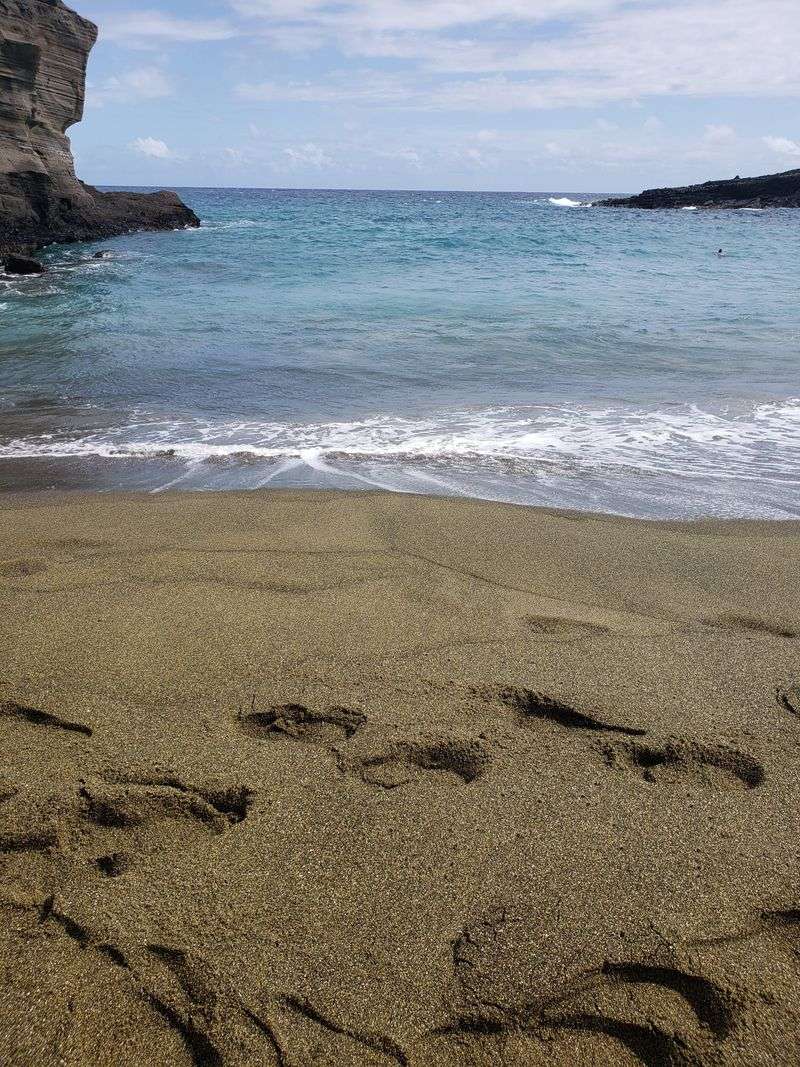
Papakolea Beach stands as one of only four green sand beaches in the entire world, created by olivine crystals eroding from an ancient volcanic cinder cone.
The unique olive-green sand sparkles in sunlight, creating an otherworldly landscape that seems almost too extraordinary to be real.
Reaching this remote beach requires a challenging hike across rough terrain or a four-wheel-drive journey along an unmaintained coastal road.
For years, locals made the trek to this special place, understanding the effort required to reach such a rare natural wonder.
As word spread about the green sand beach, visitor numbers increased dramatically despite the difficult access and lack of facilities.
Unauthorized tour operators began offering rides to the beach in modified vehicles, charging tourists to avoid the hot, dusty hike.
These illegal shuttle services damaged the fragile landscape, created safety hazards, and operated without permits on state land.
Some visitors collected the precious olivine sand as souvenirs, literally stealing pieces of this irreplaceable geological formation.
The increased foot traffic accelerated erosion of the cinder cone, threatening the very source of the green sand that makes the beach unique.
Local residents, many of Native Hawaiian descent, view Papakolea as a sacred place being exploited for profit by outsiders.
Authorities struggle to enforce regulations in this remote location, with limited resources to monitor illegal tour operations and environmental violations.
The beach remains accessible to determined visitors, but its future depends on whether sustainable management practices can be implemented and enforced.
Papakolea Beach represents the tension between sharing natural wonders with the world and protecting them from the damage that discovery inevitably brings to fragile environments.
Dear Reader: This page may contain affiliate links which may earn a commission if you click through and make a purchase. Our independent journalism is not influenced by any advertiser or commercial initiative unless it is clearly marked as sponsored content. As travel products change, please be sure to reconfirm all details and stay up to date with current events to ensure a safe and successful trip.
