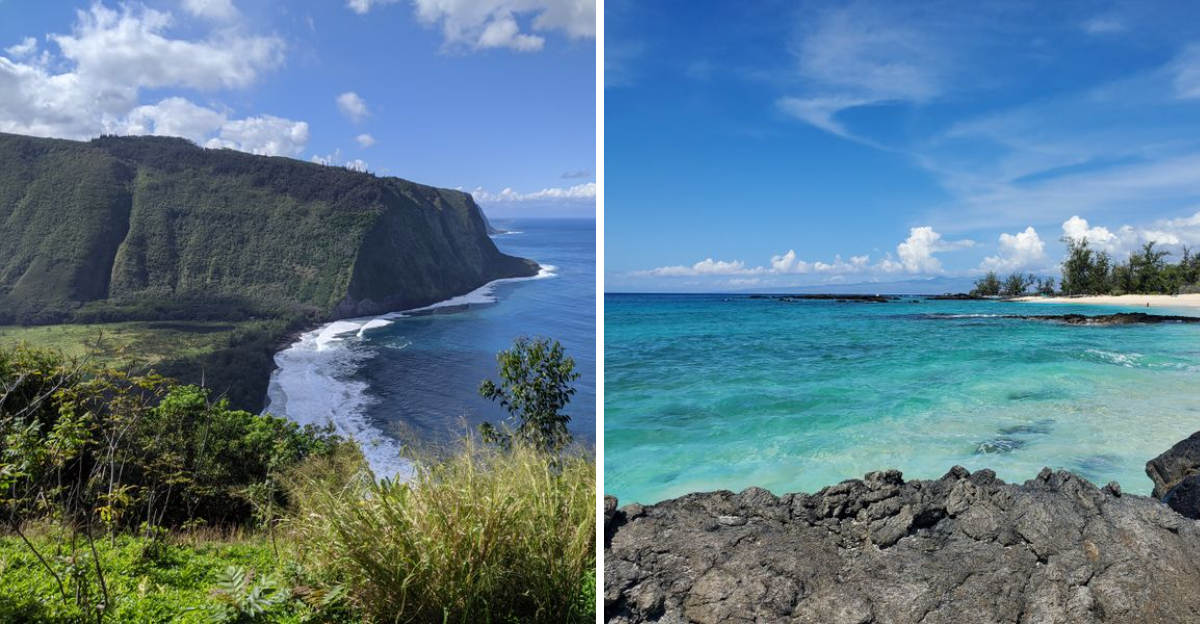
Hawaii’s famous beaches draw millions of visitors every year, but the islands hold secrets that most travelers never discover.
Beyond the crowded shores of Waikiki and the bustling resorts, countless hidden gems wait for those willing to venture off the beaten path.
These lesser-known beaches offer something truly special: authentic Hawaiian beauty without the tour buses and selfie sticks.
Imagine soft sand beneath your feet, crystal-clear water stretching endlessly, and maybe just a handful of locals sharing the space with you.
These secret spots provide the perfect escape for anyone seeking tranquility, natural wonder, and a genuine connection to Hawaii’s stunning coastline.
From dramatic black sand coves to secluded white sand paradises tucked between lava rocks, these beaches showcase the islands’ incredible diversity.
Whether you’re searching for the best snorkeling, peaceful sunset watching, or simply a quiet place to read a book, these hidden treasures deliver experiences that crowded tourist beaches simply cannot match.
Preparing for your adventure to these remote locations requires a bit more planning than hitting the mainstream spots, but the reward is absolutely worth every extra mile.
1. Kaihalulu Red Sand Beach
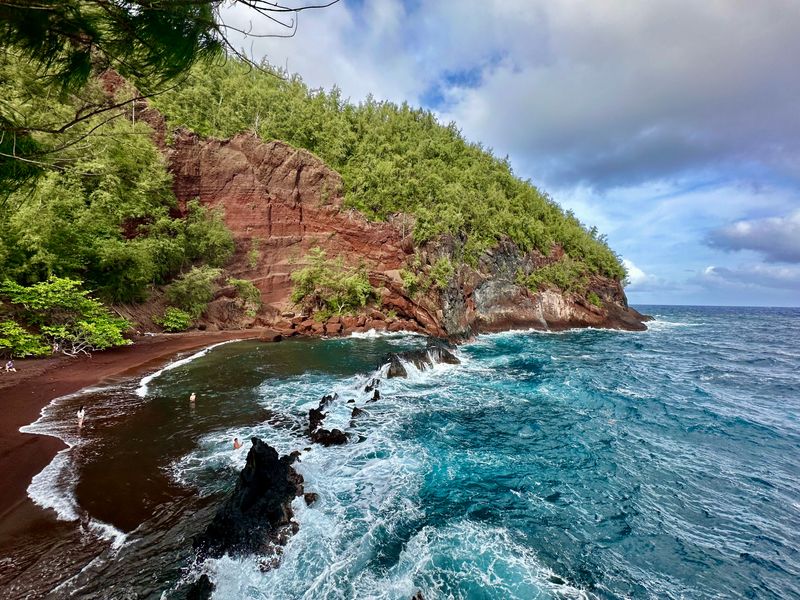
Tucked away on Maui’s eastern coast near Hana, this extraordinary beach earns its reputation through stunning crimson-colored sand created by the surrounding volcanic cinder cone.
Getting there involves navigating a narrow, somewhat challenging trail that winds along coastal cliffs, but adventurous souls find the journey absolutely worthwhile.
The path requires careful footing, especially after rain, so wearing proper shoes becomes essential for safety.
Once you arrive, the sight takes your breath away immediately.
The contrast between the deep red sand, bright turquoise water, and black lava rock formations creates a scene unlike anywhere else on Earth.
A natural lava barrier protects the cove from rough ocean waves, forming a relatively calm swimming area when conditions cooperate.
Local residents visit this beach regularly, often bringing their families for peaceful afternoons away from tourist crowds.
The small size of the cove means it never feels overwhelmingly packed, even on busier days.
Snorkeling near the rocks reveals colorful fish darting between coral formations, though swimmers should respect the ocean’s power and stay within protected areas.
Photographers absolutely love this location during golden hour when the setting sun intensifies the sand’s red hues.
The beach sits on private land with public access, so visitors must show respect by leaving no trace and following posted guidelines.
Bring drinking water, sunscreen, and snacks since no facilities exist nearby.
Cultural significance runs deep here, as ancient Hawaiian communities once thrived in this area.
The red sand itself comes from the eroding Ka’uiki Head cinder cone, a geological wonder millions of years in the making.
Visiting during weekday mornings typically guarantees the most solitude and the best conditions for swimming and exploration.
2. Polihale State Park Beach
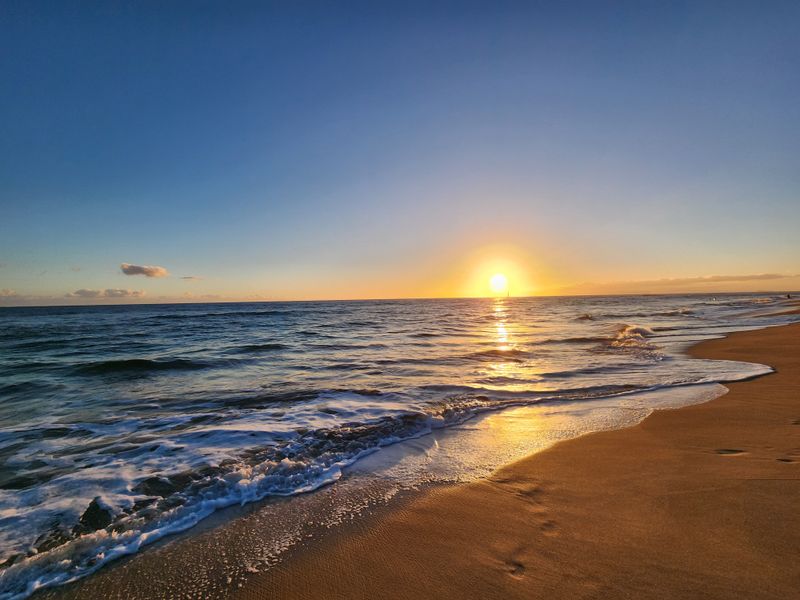
Stretching for nearly seventeen miles along Kauai’s western shore, this remote paradise represents one of Hawaii’s longest and most isolated beaches.
Reaching Polihale requires driving several miles on a rough dirt road that tests both vehicles and determination, but the payoff exceeds all expectations.
Four-wheel drive vehicles handle the journey best, though careful drivers in regular cars sometimes make it through during dry conditions.
The sheer scale of this beach overwhelms first-time visitors.
Endless white sand dunes rise and fall like ocean waves frozen in time, while the towering Na Pali cliffs create a dramatic backdrop to the north.
Sunsets here become legendary experiences, painting the sky in shades of orange, pink, and purple that reflect off the sand and water.
Camping is permitted with proper permits, allowing overnight visitors to experience the beach’s magic under starlit skies.
The Milky Way appears with stunning clarity here, far from any city lights or development.
Daytime activities include beachcombing, sandcastle building, and exploring tide pools teeming with marine life.
Swimming demands caution because powerful currents and large waves make the water dangerous, especially during winter months.
Many visitors prefer wading in shallow areas or simply enjoying the scenery from the safety of the shore.
The beach’s remoteness means no lifeguards patrol the area, so personal responsibility becomes paramount.
Bring everything you need for the day, including plenty of water, food, shade equipment, and first aid supplies.
The nearest town, Waimea, sits about five miles away and offers the last chance for provisions before heading out.
Despite the challenging access, families with children often visit, finding the wide-open spaces perfect for running, playing, and creating unforgettable memories far from crowded resort beaches.
3. Makalawena Beach
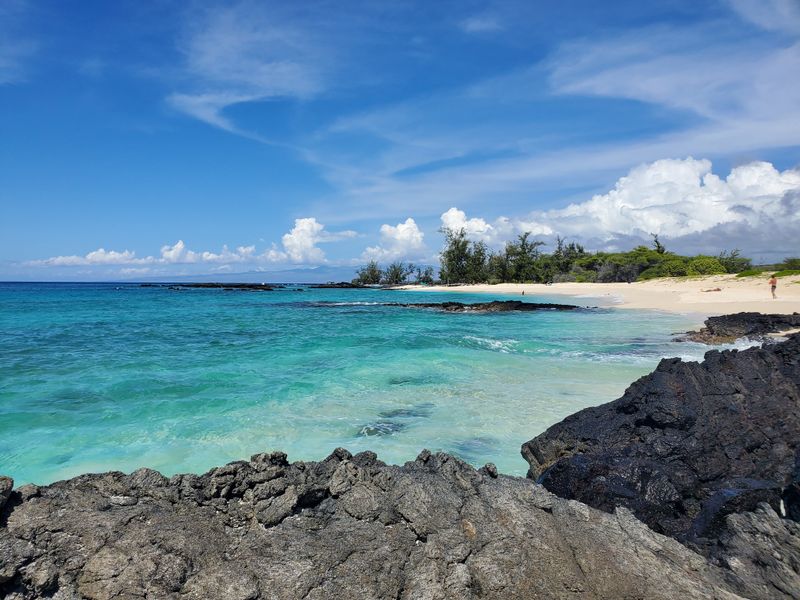
Hidden along the Big Island’s Kona coast, this pristine beach rewards those willing to hike approximately twenty minutes across ancient lava fields.
The trail itself tells a story of Hawaii’s volcanic origins, with black rock formations contrasting against blue skies and occasional green vegetation.
Comfortable walking shoes become necessary equipment, as the lava rock surface can feel uneven and sharp in places.
Arriving at Makalawena feels like discovering your own private island.
Soft white sand curves around a protected bay where calm waters invite swimming and snorkeling throughout most of the year.
Coconut palms lean gracefully toward the ocean, providing natural shade for those seeking relief from the tropical sun.
Families often claim spots near the trees, spreading blankets and setting up for entire days of relaxation.
Children build elaborate sand structures while parents read books or wade in the gentle surf.
The beach’s relative isolation means crowds rarely materialize, even during peak tourist seasons.
Snorkeling along the rocky edges reveals an underwater world filled with tropical fish, sea turtles, and occasional dolphins passing through the bay.
The clarity of the water makes spotting marine life easy, even for beginners.
Bring your own gear since no rental facilities exist anywhere nearby.
Green sea turtles frequently rest on the sand, and respectful observers maintain proper distance as required by law.
Watching these ancient creatures in their natural habitat creates memories that last lifetimes.
The beach also attracts local surfers when swells arrive, though the waves typically remain manageable for swimmers.
Pack out everything you bring in, as maintaining this beach’s pristine condition depends entirely on visitor responsibility.
No facilities, restrooms, or freshwater sources exist at the beach, so proper planning ensures comfortable visits.
Weekday visits typically offer the most solitude, though weekends bring slightly more people without ever feeling crowded.
4. Secret Beach (Kauapea Beach)
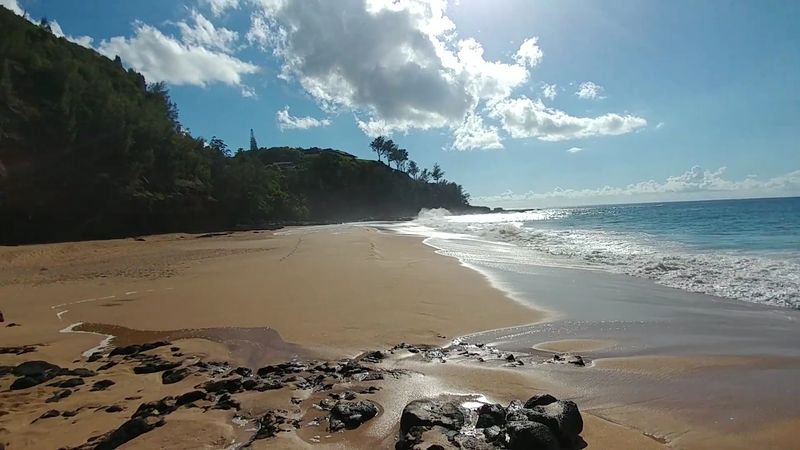
Located on Kauai’s stunning north shore near Kilauea, this aptly named beach remains surprisingly unknown despite its incredible beauty.
A steep trail descends through tropical forest to reach the sand, requiring moderate fitness levels and careful navigation.
The path can become slippery during wet conditions, so timing your visit after dry weather improves safety significantly.
Once you emerge from the vegetation, a spectacular sight unfolds before you.
Golden sand stretches for nearly half a mile, backed by dramatic cliffs covered in lush greenery.
The Kilauea Lighthouse stands visible in the distance, adding a picturesque element to an already stunning landscape.
Waves here tend toward the powerful side, making swimming potentially dangerous depending on ocean conditions.
Experienced bodyboarders and surfers sometimes tackle the breaks, but casual swimmers should exercise extreme caution.
The beach excels as a place for walking, exploring, and soaking in natural beauty rather than water activities.
Tide pools form among the rocks at the beach’s eastern end, creating miniature ecosystems worth investigating.
Small crabs scuttle between crevices while colorful fish dart through shallow waters.
Bring water shoes for comfortable exploration of these rocky areas.
The beach’s name comes from its hidden nature rather than any prohibition on visiting.
Local residents have enjoyed this spot for generations, often arriving early morning to watch sunrise paint the sky in brilliant colors.
Respecting the environment and other visitors helps preserve this special place for future generations.
Photography opportunities abound, especially during golden hour when light filters through clouds and illuminates the cliffs.
Bring a camera or smartphone to capture memories, though remember to stay present and enjoy the moment too.
The beach occasionally hosts small gatherings of locals celebrating birthdays or special occasions, showcasing the community’s connection to this hidden gem that continues welcoming respectful visitors seeking authentic Hawaiian coastal experiences.
5. Kehena Black Sand Beach
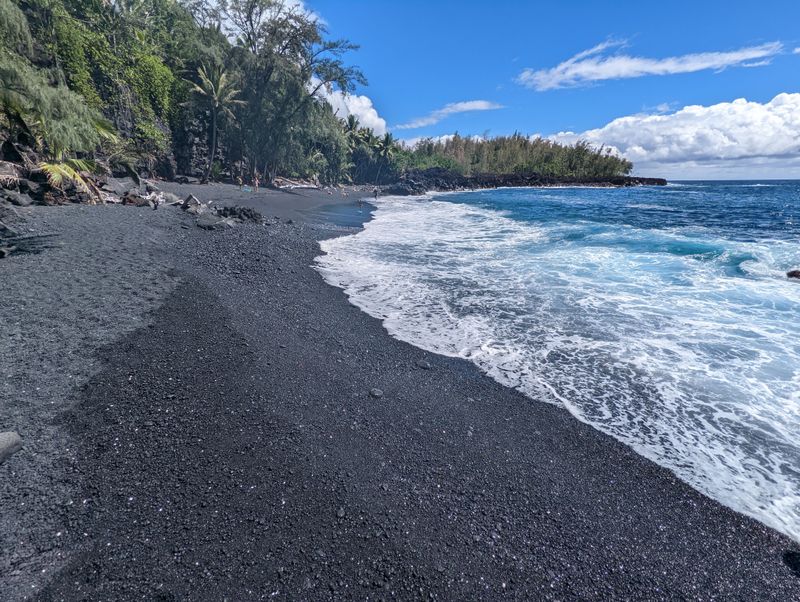
Situated along the Big Island’s dramatic Puna coast, this clothing-optional black sand beach attracts free spirits and nature lovers seeking authentic Hawaiian experiences.
The beach formed during volcanic activity, with lava meeting ocean water and shattering into fine black particles over thousands of years.
Accessing the beach requires descending a steep paved path from the roadside parking area, manageable for most visitors with reasonable mobility.
Spinner dolphins frequently visit the bay, especially during morning hours when they rest and play in the protected waters.
Watching these graceful creatures leap and spin creates magical moments that visitors remember forever.
Respectful observation from appropriate distances allows the dolphins to behave naturally without human interference.
The beach community embraces a laid-back, welcoming atmosphere where people from all backgrounds gather peacefully.
Weekend afternoons sometimes feature impromptu drum circles, with rhythmic beats echoing off the surrounding cliffs.
This bohemian vibe might not suit everyone, but those seeking alternative Hawaiian culture find it refreshing and authentic.
Swimming conditions vary dramatically depending on surf and tide, with calm days offering pleasant opportunities while rough seas create dangerous currents.
No lifeguards patrol the area, so swimmers must honestly assess their abilities and the ocean’s mood.
Many visitors prefer sunbathing on the unique black sand, which absorbs heat and feels notably warmer than white sand beaches.
Coconut palms provide scattered shade, though bringing an umbrella or beach tent ensures comfortable extended stays.
The black sand can become quite hot during midday, so walking barefoot requires quick steps or protective footwear.
Local vendors occasionally sell fresh fruit and cold drinks near the parking area, offering convenient refreshments.
Cultural sensitivity matters here, as the area holds significance for native Hawaiian practitioners.
Visitors should approach with respect, understanding they’re guests in a special place where land, ocean, and community intersect in meaningful ways that transcend typical beach experiences.
6. Waipio Valley Beach
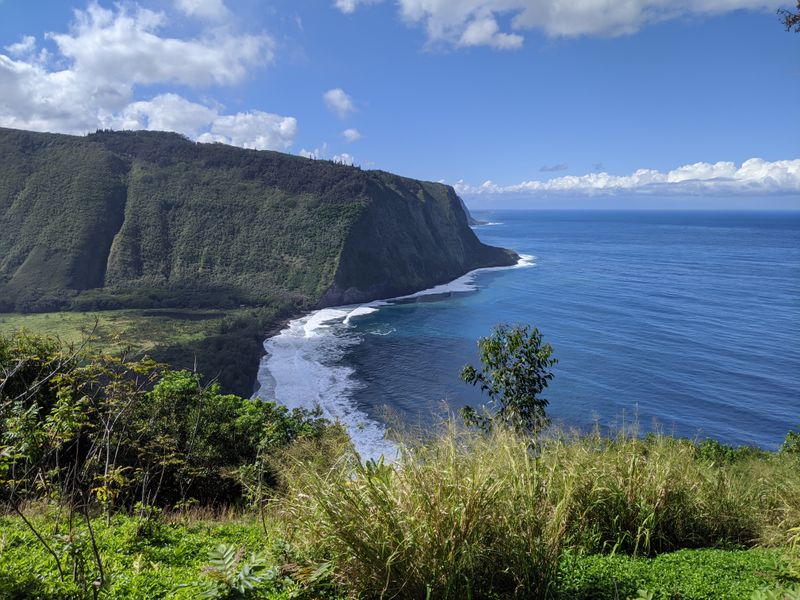
Nestled at the bottom of the Big Island’s most spectacular valley, this black sand beach sits surrounded by cliffs rising nearly 2,000 feet on three sides.
Reaching the valley floor requires either hiking down an incredibly steep road or arranging four-wheel drive transportation with local tour operators.
The road drops at approximately 25-degree angles in places, making it one of Hawaii’s steepest public roads and truly challenging for unprepared visitors.
Wild horses roam freely across the valley floor and beach, descendants of animals brought by early settlers.
Seeing these magnificent creatures galloping along the shoreline or grazing near freshwater streams adds an unexpected element to the beach experience.
Photographers particularly treasure opportunities to capture horses against the dramatic backdrop of towering cliffs and crashing waves.
The beach itself stretches wide and long, with powerful surf making swimming extremely dangerous.
Strong rip currents and massive waves claim lives periodically, so wading in shallow areas represents the safest water interaction.
Most visitors focus on the incredible scenery, exploring tide pools, or hiking to nearby Hiilawe Falls, one of Hawaii’s tallest waterfalls.
Taro fields cover portions of the valley floor, continuing agricultural traditions practiced here for over a thousand years.
Ancient Hawaiian kings once lived in Waipio Valley, considering it a sacred place of power and prosperity.
Ruins of old temples and living sites remain hidden throughout the valley, though most require guides to locate and understand.
The valley’s isolation and limited access help preserve its pristine condition.
Visitors should pack everything needed for their stay, including water, snacks, and sun protection.
Respecting private property becomes essential, as families still live and farm in the valley, maintaining connections to ancestral lands.
Morning visits often provide the clearest views before afternoon clouds roll in from the ocean, though dramatic weather patterns create constantly changing scenery that photographers and nature lovers find endlessly captivating.
7. Yokohama Bay
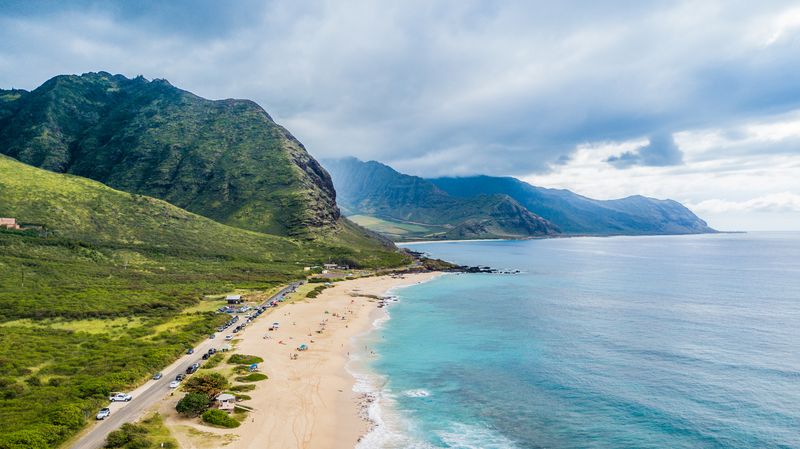
Marking the end of Oahu’s drivable western coastline, this remote beach sits far beyond the tourist areas that dominate the island’s southern and eastern shores.
The journey to Yokohama Bay takes travelers through Waianae communities and Kaena Point State Park, offering glimpses of traditional Hawaiian lifestyles along the way.
The road eventually ends at the beach parking area, beyond which only hiking trails continue along the rugged coast.
Summer months transform Yokohama into a swimmer’s paradise, with calm clear waters perfect for snorkeling and diving.
Colorful reef fish, sea turtles, and occasionally monk seals share the bay with respectful visitors.
The underwater visibility often exceeds 100 feet, revealing coral formations and marine life in stunning detail.
Winter brings entirely different conditions, as massive swells pound the shore and create world-class surfing waves.
Experienced surfers travel specifically to challenge Yokohama’s powerful breaks, though beginners should absolutely stay out of the water during these months.
Watching skilled surfers ride enormous waves provides thrilling entertainment for those content to observe from the safety of the beach.
The beach’s name supposedly comes from Japanese fishermen who frequented the area in earlier times, establishing camps and fishing the productive waters.
Today, local families often gather here for weekend cookouts and celebrations, maintaining strong community connections to this special place.
Visitors who show respect and aloha spirit typically receive warm welcomes and sometimes even invitations to share food and stories.
Facilities remain minimal, with only basic restrooms and outdoor showers available.
The remoteness means bringing adequate supplies becomes crucial for comfortable visits.
Shade is limited, so umbrellas or pop-up tents provide necessary sun protection during extended stays.
Wildlife viewing opportunities extend beyond marine life, as the nearby Kaena Point Natural Area Reserve protects nesting seabirds and native plants found nowhere else on Earth, making this remote corner of Oahu a true sanctuary for both nature and visitors seeking authentic Hawaiian coastal wilderness experiences.
Dear Reader: This page may contain affiliate links which may earn a commission if you click through and make a purchase. Our independent journalism is not influenced by any advertiser or commercial initiative unless it is clearly marked as sponsored content. As travel products change, please be sure to reconfirm all details and stay up to date with current events to ensure a safe and successful trip.
