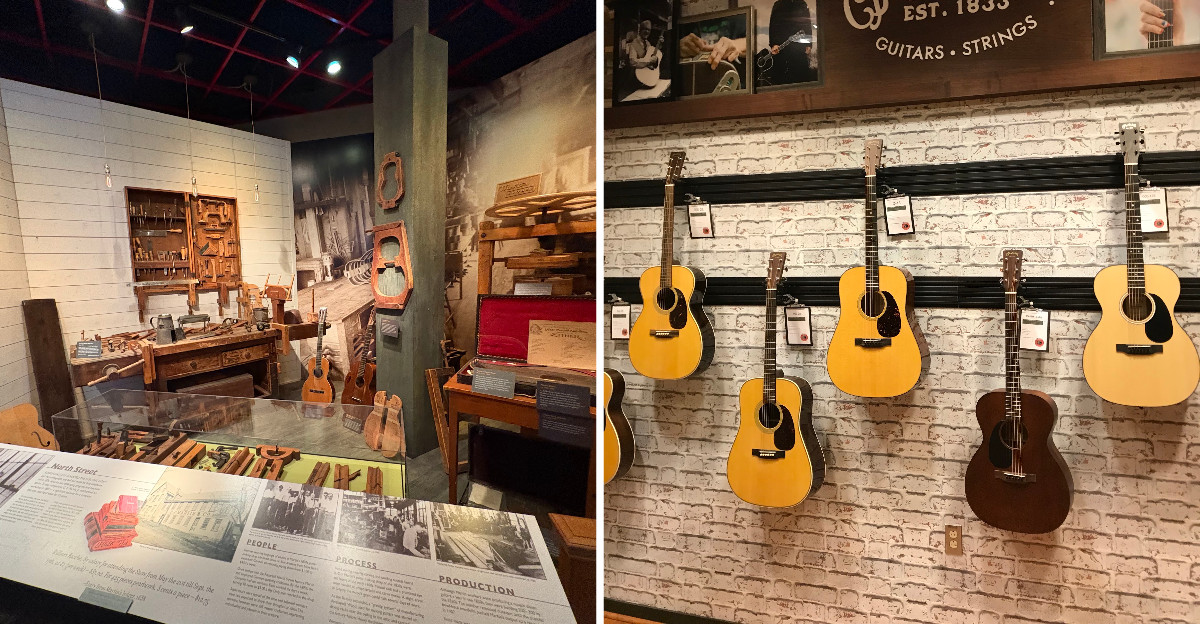
Fresh-cut wood drifting out of a big brick building along a quiet Pennsylvania street is the first thing that reaches you. A factory visit for instrument-making did not sound like something that would give me goosebumps.
It did. Behind those walls waits a story that started in Germany, where a young craftsman felt boxed in by strict guild rules.
He packed up his family, sailed to America in 1833, and eventually settled in this quiet town. Today the company is still run by his descendants, six generations later, which still blows my mind.
The shop smells like fresh wood and oil. Machines hum, hands sand, and necks are fitted with precision.
Watching craftspeople work slowly and deliberately makes you rethink what handmade really means. I spent a whole afternoon here, and left with sawdust on my shoes and a new respect for patient, careful work.
The tour lingers long after it ends.
A Rebel Craftsman With a Plan
I love a good underdog story, and this one hooked me fast. Back in early 1800s Germany, Christian Frederick Martin learned guitar making from a famous master in Vienna, Johann Stauffer.
When he went home, though, the local violin makers guild tried to stop guitar builders like him from working.
Those guilds had strong rules about who could make instruments and how. Martin did not want to spend his life fighting over permission to build what he loved.
So in 1833, he made a bold choice and moved his family across the ocean to New York City.
He opened a small shop there, selling and building instruments. City life was busy and expensive, and it did not quite fit his family.
Some fellow Moravian settlers had built a community in Pennsylvania that felt more like home.
By 1839, the Martins moved to Nazareth, and the rest became history. I found myself thinking about how scary that move must have been.
No internet, no maps on a phone, just a long sea voyage and a dream.
A quick tip for visitors: read a little about his journey before you arrive. Knowing the backstory made every display in the museum feel personal to me.
Six Generations Under One Name
Most family businesses fade out by the third generation. Martin, on the other hand, has been handed from parent to child for six generations, and that fact kept rattling around my head the whole visit.
Each leader added something. Over the years the company introduced ideas that changed acoustic guitars everywhere, including the big Dreadnought body shape and X-bracing inside the guitar top.
Those inventions helped guitars sound louder and richer, which musicians still appreciate today.
The family name stayed on the label the whole time. It went through wars, money troubles, and changing music styles, from parlor songs to folk to rock.
Somehow the company kept adjusting without losing its roots.
I could not help comparing it to recipes passed down in my own family. Some things change a little each time, but the heart stays the same.
It made the guitars feel like a family tradition you can hold in your hands.
If you visit, look for the timeline displays in the museum. They lay out the generations clearly and help you see how each person shaped the company.
Kids especially seem to enjoy connecting faces to famous guitars they recognize from songs.
Sawdust, Glue, and Very Steady Hands
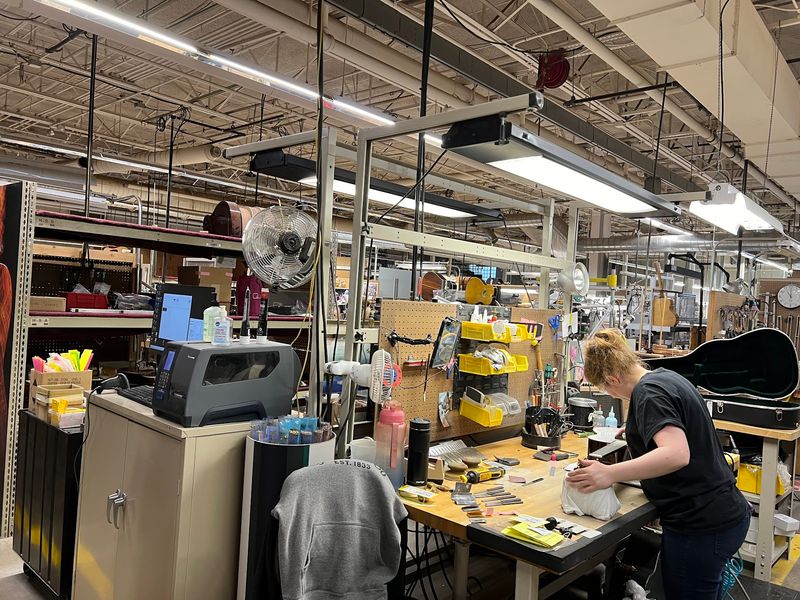
Honestly, I expected to watch everything through a glass window. Instead, the factory tour took us right onto the working floor, close enough to see pencil marks on raw wood.
Guitars here are built step by step, with workers handling necks, bodies, bracing, binding, and finishing. Some stations use modern machines, while others rely on careful handwork that looks almost like art class for grown-ups.
One worker was shaping a piece so gently that I caught myself holding my breath.
The air smells amazing, a mix of spruce, mahogany, and other woods. You can even feel a little sawdust in the air, so it is a good idea not to wear your fanciest dark clothes.
Comfortable shoes also help, since the tour lasts a little over an hour.
Tours run on weekdays, and reservations are needed for guided factory tours. Booking ahead saves you from disappointment, especially if you are driving a long way.
The factory is closed on weekends, so plan around that.
What stuck with me most was the quiet pride at every station. Nobody rushed.
Every guitar seemed to get real attention before it moved along, and that patience made me slow down too.
A Museum Full of Famous Strings
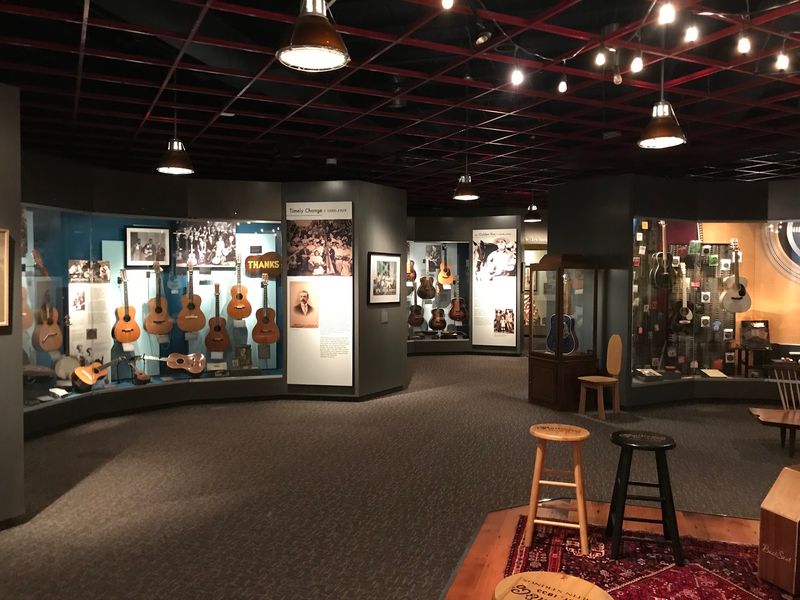
Picture rows of guitars older than your great-great-grandparents, glowing under soft lights. That was my first view of the Martin Museum, and I slowed down immediately.
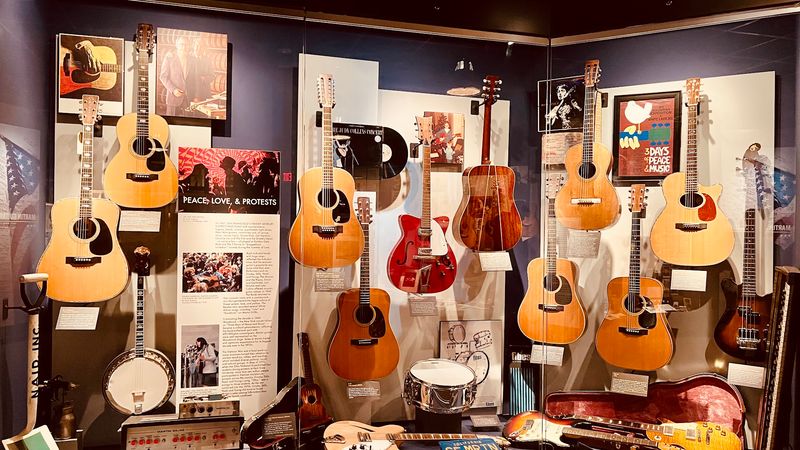
The collection stretches back to the earliest days in New York City. You can see how guitar shapes changed over almost two centuries, from small parlor models to the bold Dreadnoughts so many players love.
Some of the instruments were played by well-known musicians whose songs you have probably heard.
I liked that the museum is not stiff or boring. Interactive displays help explain how wood, shape, and bracing change sound.
Even if you cannot play a single chord, the stories pull you in.
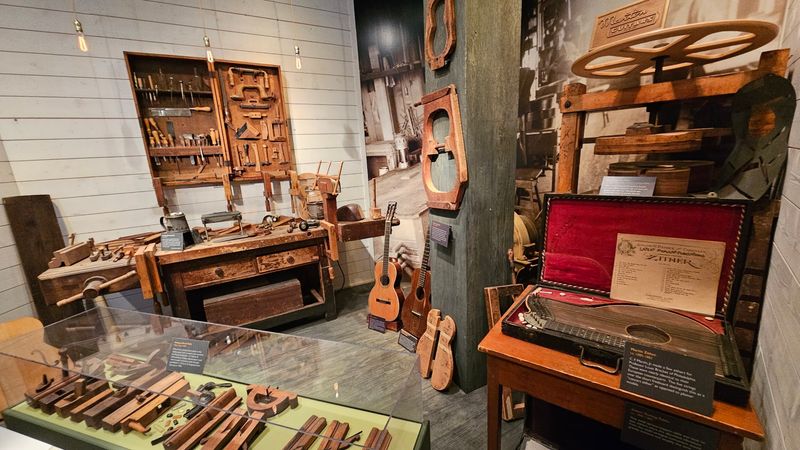
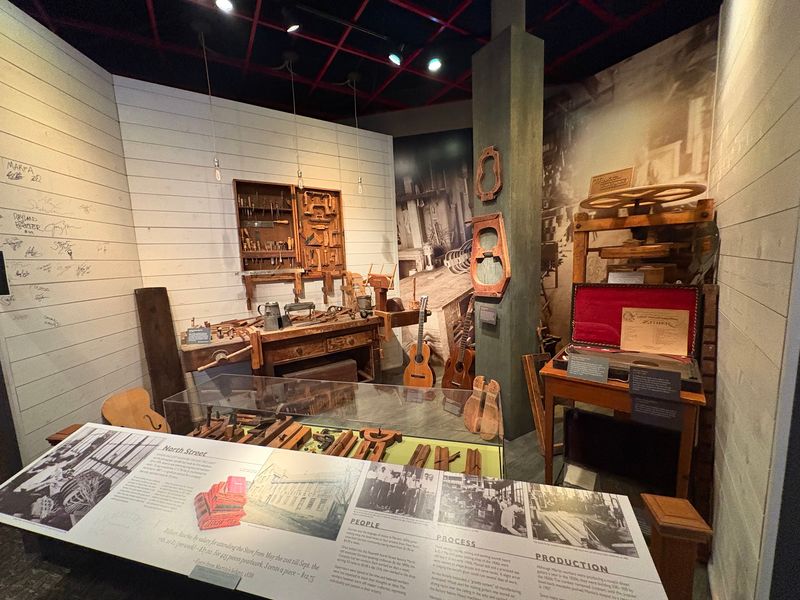
There are also old tools, documents, and workshop items that show how guitars were built long ago. Seeing those simple tools made the modern factory floor feel even more impressive.
It also reminded me how much skill people had without fancy machines.
My advice is to give yourself extra time here after the tour. I rushed at first, then went back for a second lap because I missed so many small details.
Read the labels, because some of the little facts are surprisingly fun.
Strumming My Way Through the Picking Parlor
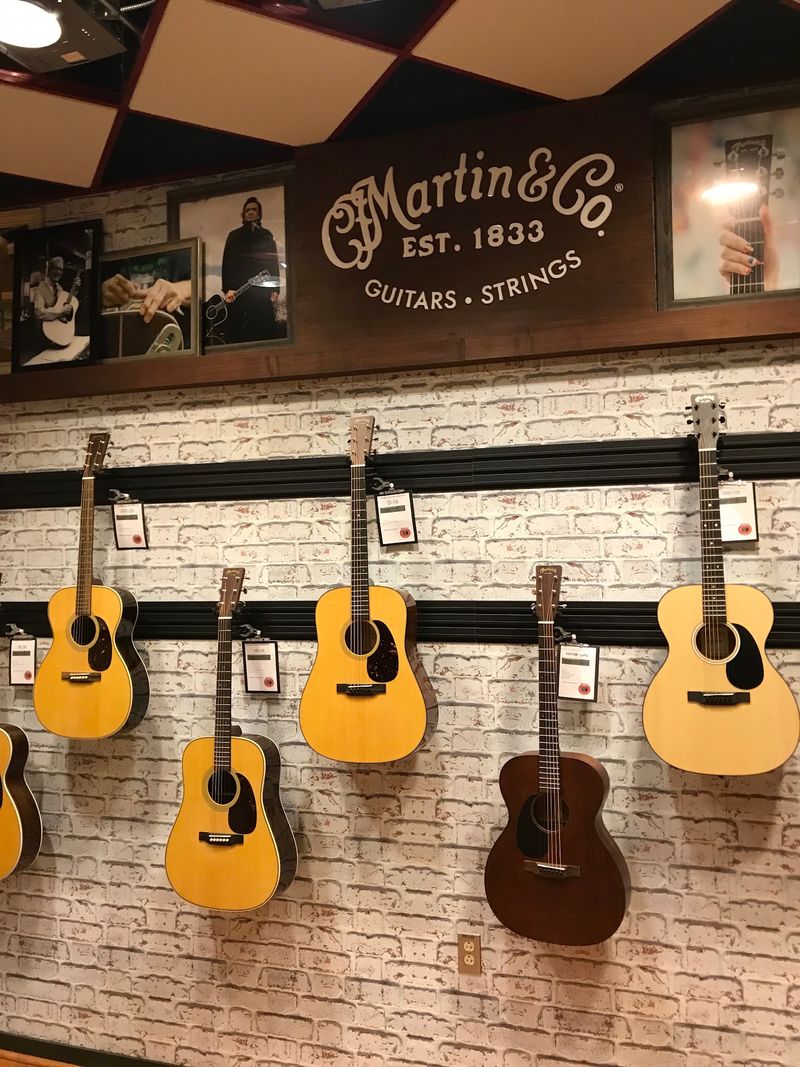
Here is a warning nobody gave me: the Picking Parlor is dangerous for your willpower. Guitars hang on the walls, and visitors are welcome to take them down and play.
I am a very average player, so I strummed a few nervous chords at first. Then a couple of other visitors started playing nearby, and suddenly the room sounded like a friendly little jam session.
Nobody judged anyone, which made it easy to relax.
Trying different models side by side is a real treat. You can hear how a small body sounds bright while a bigger one feels deep and booming.
It is a great way to learn what you like before buying a guitar anywhere.
A few simple manners help. Handle each guitar carefully, avoid scratching it with belt buckles or rings, and hang it back where you found it.
Staff can help if you have questions about a certain model.
Kids who are learning guitar might get a huge kick out of this room. Playing a real Martin at the place it was made feels special, even if it is just one wobbly song.
I left humming the tune I played for hours.
Souvenirs That Hit the Right Note
Gift shops usually make me roll my eyes a little. This one, though, actually had things I wanted to bring home.
You will find shirts, hats, guitar picks, strings, and other small items with the Martin logo. Musicians can stock up on accessories, while non-players can grab a fun keepsake.
I picked up a few picks for friends, since they fit easily in a pocket and make great tiny gifts.
One review I read mentioned asking the front desk about a free souvenir, so it might not hurt to ask politely. Small surprises like that can make a trip feel extra sweet.
Either way, being friendly with the staff always helps.
The shop sits in the same building as the museum and visitor area, so it is easy to wander in after your tour. That setup makes the whole visit flow nicely without much walking around outside.
On a rainy day, that is a big bonus.
My tip is to make a short list before you go in. Otherwise you might wander for half an hour, picking things up and putting them down, like I did.
A souvenir with a story behind it always feels more meaningful later.
Planning Your Own Trip to Nazareth
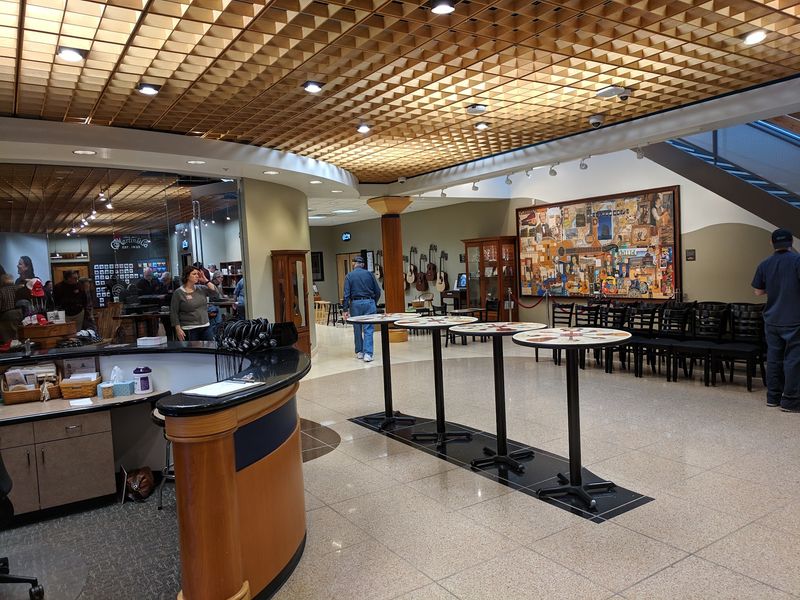
Nazareth surprised me by being so calm and easy to reach. It sits in the Lehigh Valley of eastern Pennsylvania, so many visitors make it a day trip from nearby cities.
The visitor center is open Monday through Friday, from 9 am to 4:30 pm, and closed on weekends. Guided factory tours need reservations, so check the official Martin website before you leave home.
If tours are full, the museum, Picking Parlor, and shop still make the stop worthwhile.
Wear comfy shoes and bring curiosity. If you have kids along, talk about the founder’s journey in the car, because it gives them something to look for inside.
Even young visitors seem to enjoy watching real workers build real guitars.
After the tour, I took a slow drive around town. Knowing that the Martin family settled here partly because of its Moravian community made the streets feel more meaningful.
It is a quiet place, and that quiet suits the careful work happening inside the factory.
Plan for around two to three hours total if you want the tour, museum, and some guitar time. Trust me, you will not want to rush.
Address: 510 Sycamore St, Nazareth, PA 18064
