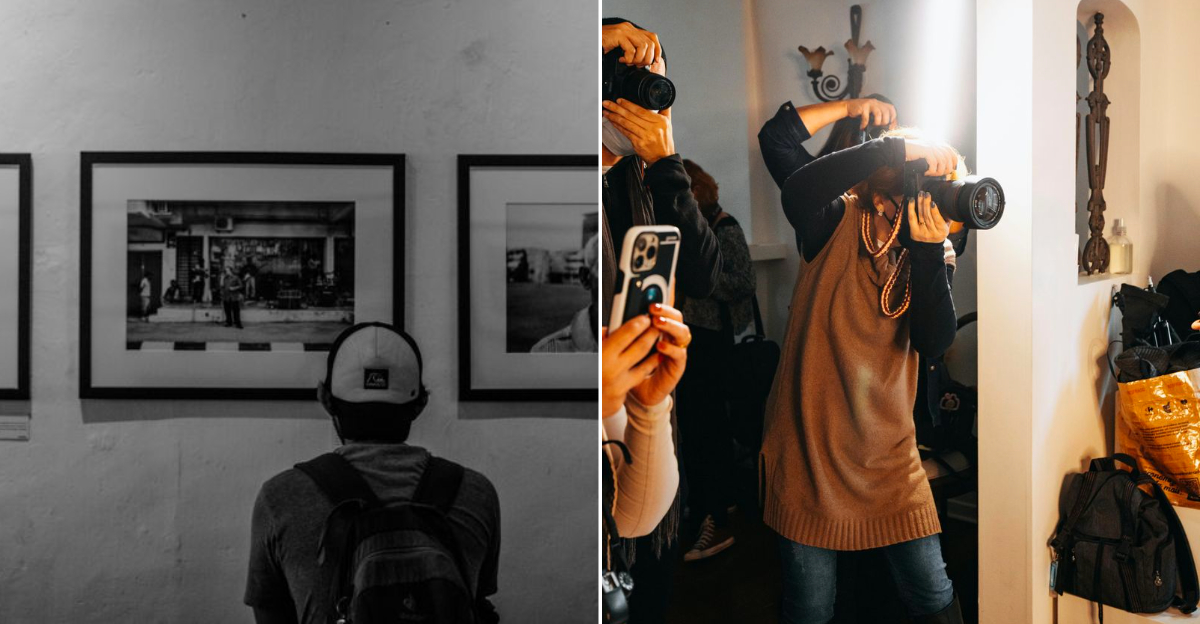
You think snapping a few museum photos will be easy until the tripod comes out. That is the moment everything changes.
Guards glance over, visitors pause, and suddenly your casual plan to capture perfect shots feels like a mini production with rules you did not expect.
Pennsylvania museums are packed with stunning galleries, dramatic lighting, and historic spaces that practically beg for a tripod, but that setup can trigger restrictions fast.
Some spaces require permits, others limit where you can stand, and a few will shut it down completely if you look too professional.
The result is a surprising mix of etiquette, policies, and quiet side-eyes that can turn a relaxed visit into a careful balancing act. Knowing how it works before you go can save you from awkward conversations and wasted setup time.
Why A Tripod Changes “Casual Photos” Into “Setup Photos”
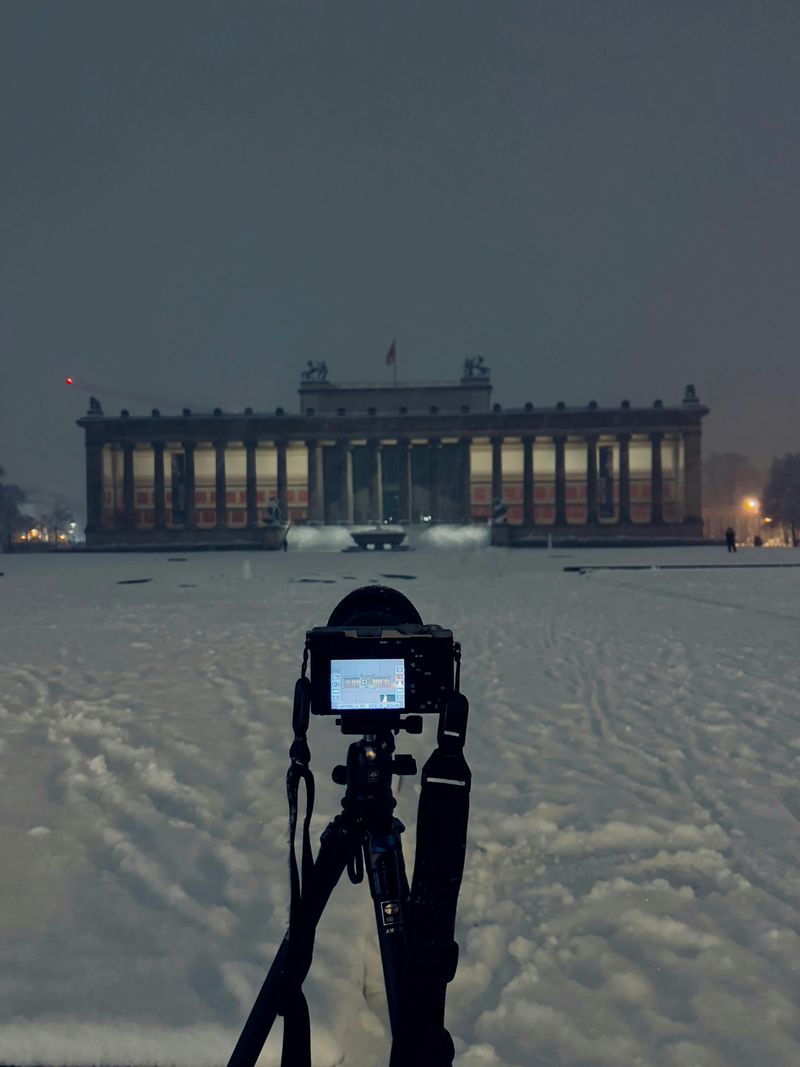
The moment you click those legs open, the scene stops feeling casual and starts reading as a setup. Staff read body language, and a tripod says staged, repeatable, and possibly disruptive.
Think about the difference between lifting a phone and building a tiny tower on the floor.
One looks like a quick memory, the other looks like a production.
In Pennsylvania museums, that line matters because policy usually separates spontaneous snaps from planned shoots. Planned shoots often need permission, and sometimes paperwork.
Tripods also hint at longer dwell time in one spot. Longer dwell time means potential crowding, and crowding is what sends radios chirping.
Another layer is artwork safety. A fixed leg can drift into a barrier or tempt someone to lean too close.
If your gear looks cinematic, people will treat you like you are making something commercial. That is when yes or no turns into maybe with conditions.
There is a social cue shift too. Visitors step around you differently, and docents start protecting sightlines.
You can still get the shot, but you need to play it like a guest, not a crew. Ask before you plant.
Sometimes a small tabletop tripod set on a bench triggers the same reaction.
The intent feels the same, even if the footprint is tiny.
Your goal is to stay in the casual lane on purpose. Keep it nimble, keep it moving, and you will avoid that awkward tap.
The Common Policy: Handheld Is Fine, Gear Triggers Questions
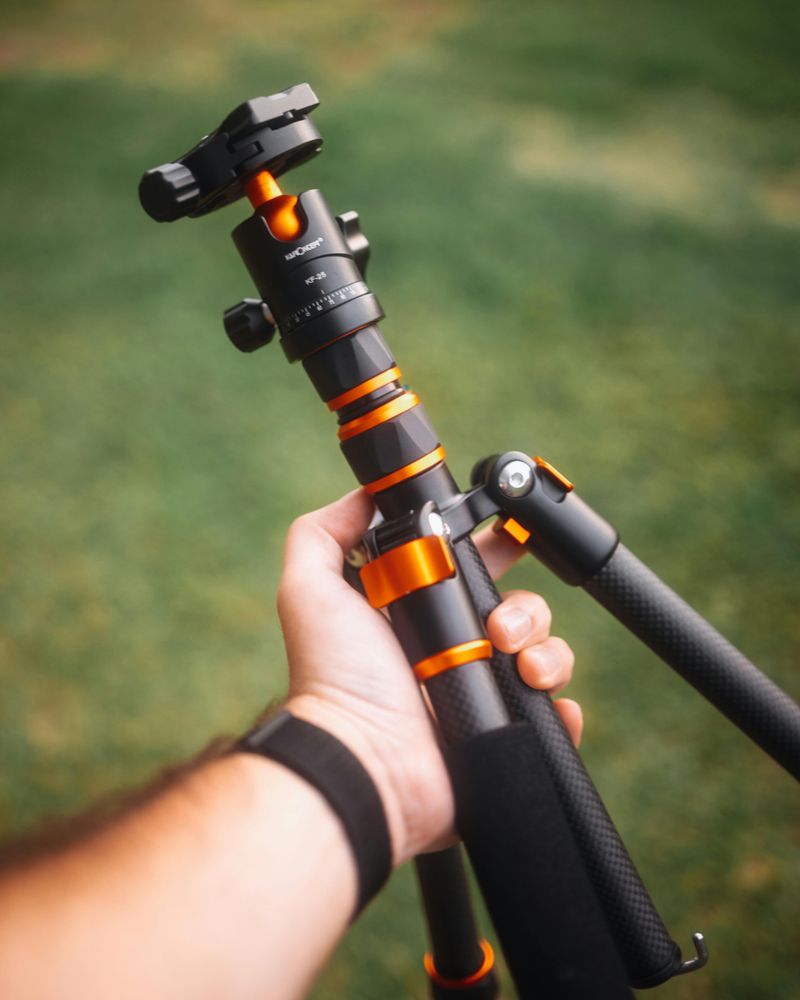
Most Pennsylvania museums land on a familiar split. Handheld, non flash personal photos get a nod, while support gear gets a pause.
That pause is where questions start. Is this for personal use, educational use, or something that looks like advertising?
Policies often live on the museum website, but they also evolve on the floor.
Guards and supervisors interpret day to day conditions.
If a space is crowded, even a small rig can be a no. Less traffic might buy you a friendly maybe.
Handheld reads as low impact because you move and clear quickly. Gear suggests you will stay parked.
Even a monopod can count as support in the eyes of policy. The word support is the trigger, not just three legs.
Ask at admissions before you unbag anything. A quick check saves the awkward reversal later.
Some galleries relax rules for special exhibits, but only if labels say so.
Do not assume carry over from room to room.
Remember that personal use still excludes reproduction and resale. That line matters when staff hear you directing someone like a model.
If you keep it light and obviously personal, you usually glide through. The vibe you project writes half the policy in practice.
Where Staff Usually Step In: Lobbies, Galleries, And Narrow Rooms
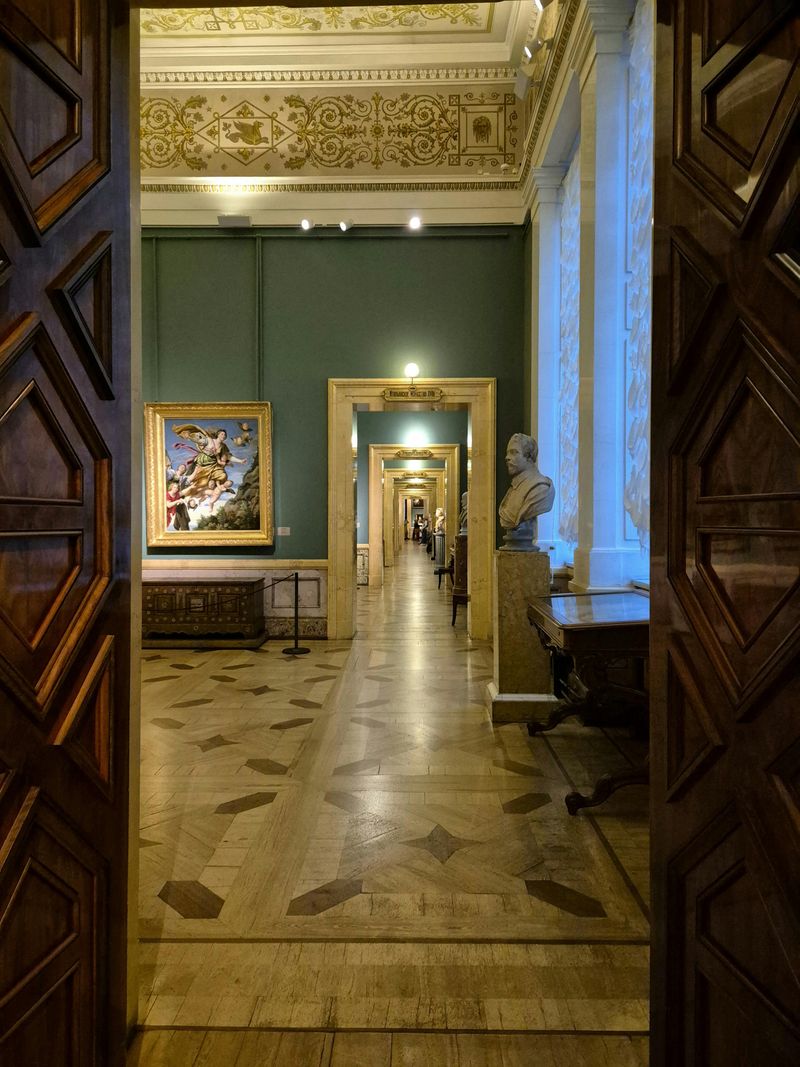
Lobbies are the first tripwire because they handle traffic, tickets, and strollers. A tripod planted there becomes a speed bump.
Galleries bring another layer, which is sightline protection.
No one wants a leg blocking a label or an exit sign.
Narrow rooms are the fastest way to a no. There is simply no place to stand without creating a squeeze.
Stair landings and bridges act like chokepoints too. You might not notice until you widen your stance.
Staff also guard doorways closely. A tripod slid near a threshold feels like a tripping story waiting to happen.
Benches tempt people to set small tripods beside them. That still reads as gear left in a path.
If you want to ask, do it before entering the tighter spaces. No one likes playing catch up in a crowded corridor.
Offer to keep it folded between shots, and you may get a soft yes. Show you can move fast.
When in doubt, aim for perimeter walls where you can tuck in.
Corners buy you clearance and calmer faces.
Watch the radios and the head nods. When staff relax, your chances go up, and the shot gets easier.
Flash Rules That Trip People Up Even Without A Tripod
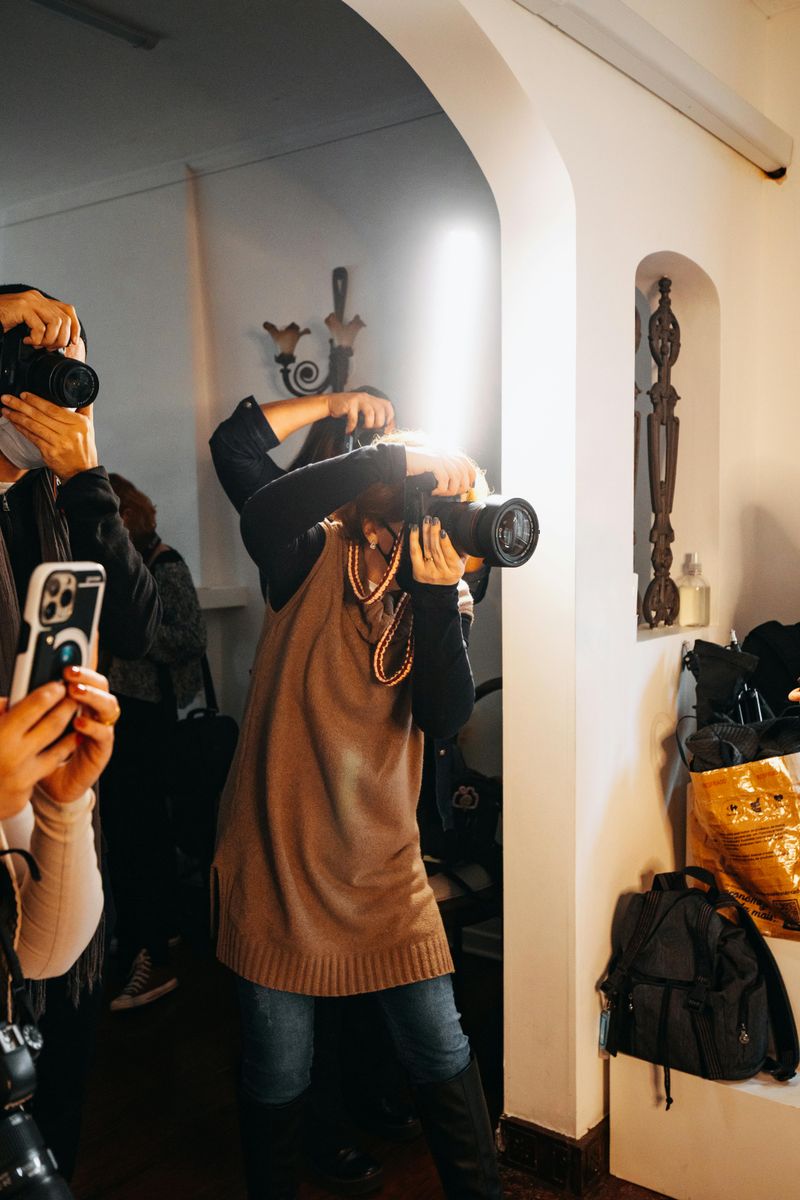
Flash is its own rule set, and it often overrides everything else. Even handheld can get flagged if a strobe pops.
Light sensitive works and loans live under strict conditions.
Lenders write the rules, and museums enforce them hard.
Many spaces allow photos only if flash and video lights stay off. The second a beam hits canvas, the vibe changes.
Check your camera for auto flash and kill it. Phones hide that setting behind icons that look harmless.
LED panels and shoe mount lights count as flash in practice. If it adds light, staff will treat it like flash.
Glass cases bounce light straight back at you anyway. You will save yourself a headache by staying dark.
Crank ISO, stabilize your elbows, and wait for a steady breath. You will be surprised what cleans up in post.
Some Pennsylvania museums also ban flash in lobbies with skylights. Daylight does not cancel rules.
When a sign says no flash anywhere, believe it. It means the whole building, not just the wing you are standing in.
Keep it subtle and you keep moving. That is the secret to leaving with a full camera roll.
Commercial Looking Shoots Versus Personal Photos And Why It Matters
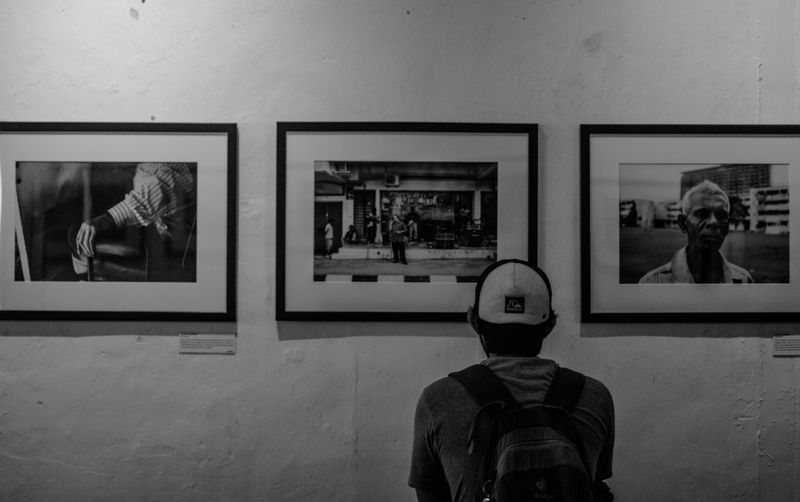
It is not only what you shoot, it is how you look while you shoot.
A tote bag and a smile read personal, while a rolling case reads production.
When staff see direction, props, or outfit changes, alarms ring. That is commercial in their mental flowchart.
Pennsylvania institutions protect visitor experience and brand usage. They also protect artwork image rights and lender agreements.
Personal snaps land in the memory lane category. Anything staged feels like marketing or editorial.
The fix is simple framing. Keep your moves small and your footprint smaller.
If someone is in your shot, do not pose them under museum lights. That flips the switch from bystander to talent.
Even one reflector can tip the scale. It telegraphs intention louder than a caption ever could.
When in doubt, describe your plan in friendly terms.
I am grabbing a few keepsakes usually goes farther than technical jargon.
Museums often have a channel for legit commercial work.
Ask for the media or rentals contact and you will get the right lane.
Stay in the personal lane and you will move faster. Your photos will feel alive and unforced too.
Permits, Fees, And The Paperwork People Don’t Expect
Here is the curveball people forget. Some museums require written permission for any support gear, even for non commercial use.
Permits are not just bureaucracy. They schedule staff, set boundaries, and plug into insurance.
If you reach out early, you may get access before opening. That saves everyone stress and solves the tripod question cleanly.
Paperwork often asks where, what, and how long.
Be specific and your request lands better.
Insurance language shows up when tripods enter the chat. It is about liability, not suspicion.
In Pennsylvania, larger institutions are stricter because they manage big crowds. Small houses can be flexible if you are respectful.
Expect limits around sensitive galleries and loaned pieces. Permits rarely override lender restrictions.
Staff might ask for a spotter if you plant legs. That is a second set of eyes watching traffic.
Keep your confirmation handy on your phone. Front line teams appreciate quick proof.
And if the answer is a polite no, do not press. Switch to handheld and enjoy the visit anyway.
Crowd Control And Safety: The Real Reason Tripods Get Restricted
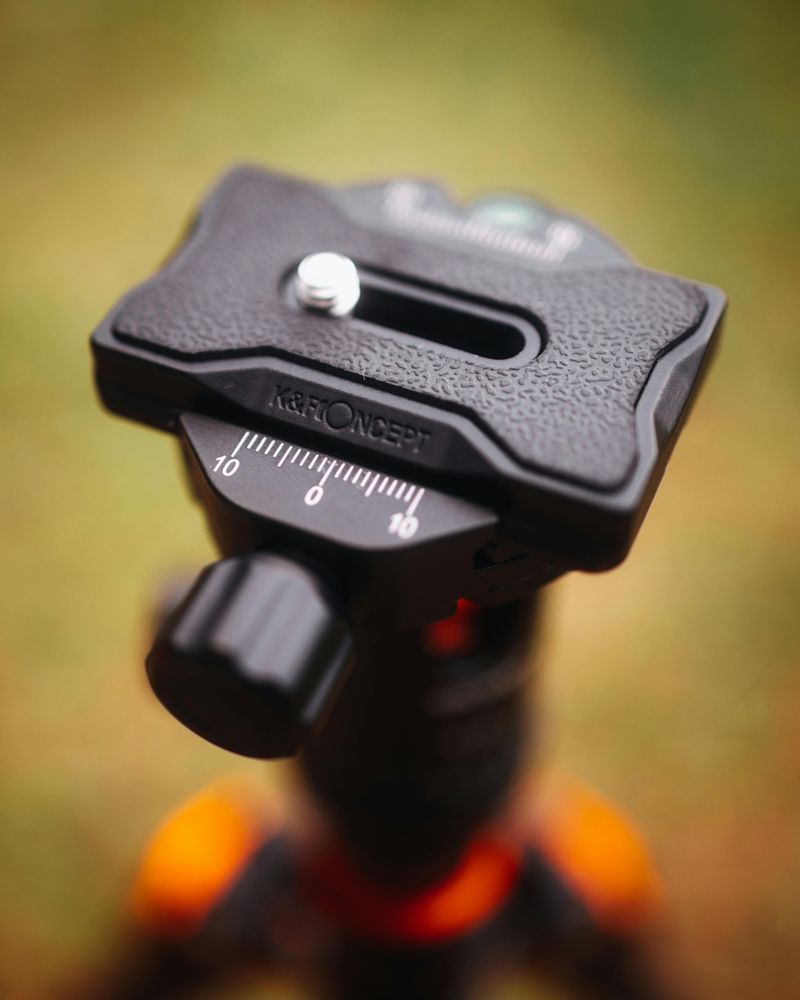
The real friction is safety, not artistry. Tripods create legs where feet already compete for space.
In a moving crowd, a thin black leg is basically invisible.
One toe catch and you have a scene no one wants.
Guards think in flow, not gear specs. If your setup pinches an aisle, it is gone.
Even quiet rooms flip fast when a tour lands. The change can be instant.
Cables are an absolute no in any gallery. They turn walkways into obstacle courses.
Museums in Pennsylvania also navigate accessibility laws with care.
Anything that narrows a path raises flags.
If you must set up, shrink the footprint and time box it out loud. Ninety seconds, then I move gives staff confidence.
Offer to fold legs when people pass. That gesture changes the whole mood.
Assume you are the flexible one, not the environment. The building will not bend around your shot.
Safety first keeps the art safe, you safe, and your photos actually finished. That is the win you want.
Tripod Alternatives That Keep You In The Clear
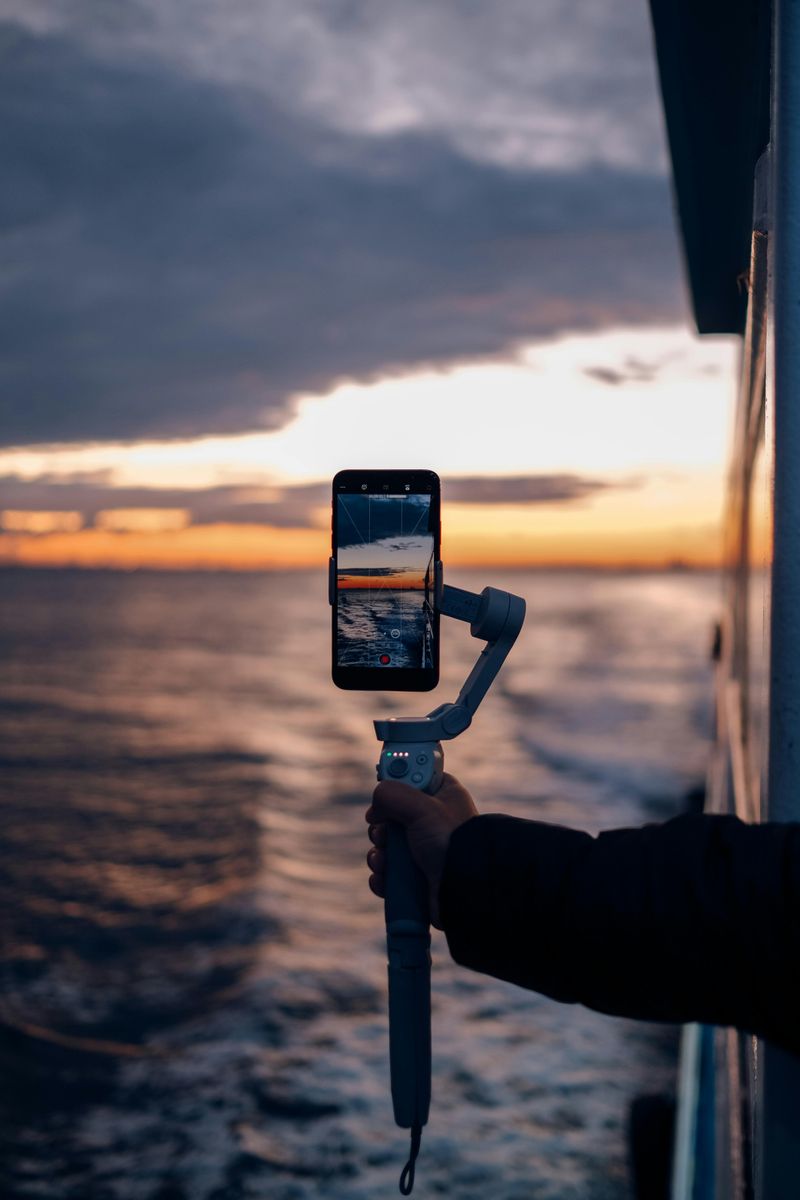
If the tripod is the issue, sidestep it. Lean on architecture and you become your own stabilizer.
A column, a railing, even a sturdy window ledge can steady your hands.
Breathe out and squeeze the shutter gently.
Use a wrist strap and lower your stance. Elbows tucked, feet planted, you are steadier than you think.
Try a small clamp with a phone mount on a bench back. It reads like a personal accessory, not production.
Enable a timer or voice shutter to kill shake. One beat of patience saves a blurry mess.
Image stabilization on phones in Pennsylvania museums is already excellent. Let it do work while you stay nimble.
A bean bag works wonders on railings and cases. It molds to the surface and disappears fast.
Crank ISO within reason and shoot in bursts. One frame will be crisp even in low light.
If you must use legs, consider a tiny tabletop that never leaves your hands. It feels less like a hazard.
Light moves keep staff relaxed and doors open. You walk out with keepers and zero drama.
A Quick “Before You Go” Checklist For Pennsylvania Museum Photos
Let us keep it simple. A short checklist saves you mid gallery headaches.
Check museum photo policy online and screenshot it.
Policies shift, and reception inside can be spotty.
Disable flash, live photos, and bright assist beams. Silent mode helps too.
Pack small: one lens, extra battery, empty card. Big bags invite big questions.
Dress for quiet movement with soft soles. You will thank yourself on stone floors.
Plan routes around the busiest wings in Pennsylvania museums. Start early for calm light and calmer rooms.
Practice steady handheld shots at home. Muscle memory pays off when guards are watching.
Bring a microfiber cloth and patience. Fingerprints and reflections are part of the game.
Decide your must shoot list so you do not linger. Move, shoot, and move again.
Most of all, be kind and read the room. Good energy gets you farther than any tripod ever will.
Dear Reader: This page may contain affiliate links which may earn a commission if you click through and make a purchase. Our independent journalism is not influenced by any advertiser or commercial initiative unless it is clearly marked as sponsored content. As travel products change, please be sure to reconfirm all details and stay up to date with current events to ensure a safe and successful trip.
