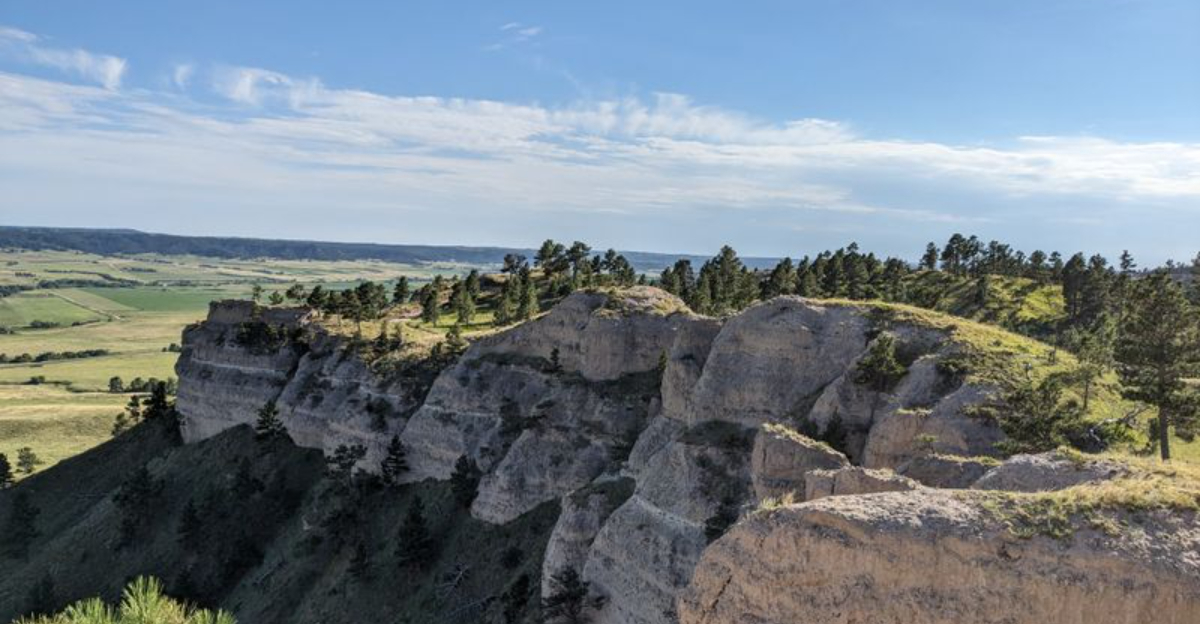
Nebraska might not be the first state that pops into your mind when planning an epic road trip, but this prairie land holds surprises around every corner.
From quirky roadside attractions to natural wonders that take your breath away, the Cornhusker State rewards curious travelers who venture off the beaten path.
Most people zoom through Nebraska on their way to somewhere else, completely missing the weird, wonderful, and absolutely unforgettable spots hiding in plain sight.
Whether you love history, nature, or just really strange things that make great Instagram posts, Nebraska has something special waiting for you.
This guide will take you to seven incredible places that locals know about but tourists often miss.
These hidden gems prove that the best adventures happen when you slow down and explore the unexpected.
Grab your snacks, fill up your tank, and get ready to discover a side of Nebraska that will completely change how you see the heartland.
These stops will transform your boring drive into a journey filled with stories you will tell for years to come.
Forget everything you thought you knew about Nebraska because these seven destinations will surprise even the biggest skeptics.
Each location offers something unique that you simply cannot find anywhere else in America.
1. Carhenge: America’s Quirky Stonehenge Tribute
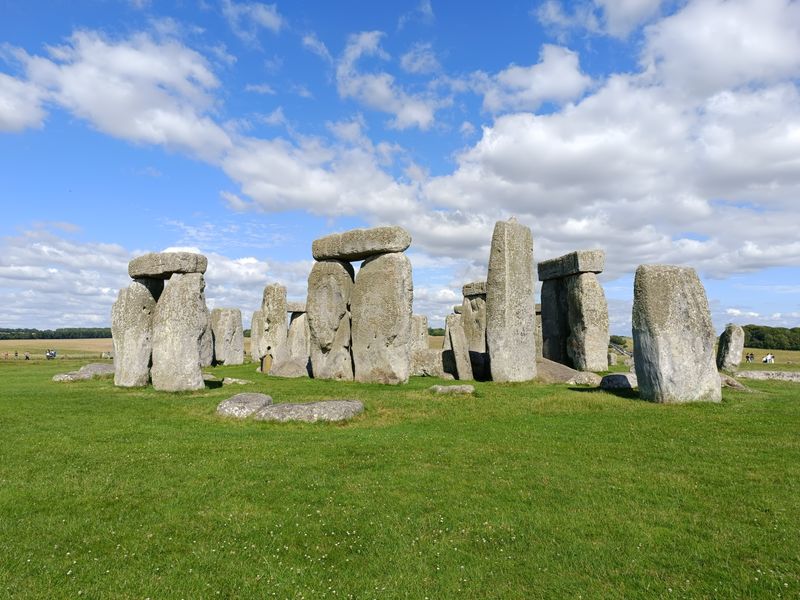
Picture this: dozens of vintage automobiles spray-painted gray and arranged in a perfect circle, mimicking England’s famous Stonehenge monument right in the middle of Nebraska farmland.
Carhenge sits just outside Alliance, and it is one of those places that sounds absolutely ridiculous until you see it in person.
Artist Jim Reinders created this automotive sculpture in 1987 as a memorial to his father, using 38 cars positioned to match the proportions of the original Stonehenge.
Visitors often arrive expecting a quick photo opportunity but end up spending much longer exploring the entire Car Art Reserve.
Besides the main Carhenge circle, you will find other creative car sculptures scattered around the property, including a giant metal fish and colorful painted vehicles.
The site is completely free to visit and open year-round, making it a perfect spontaneous stop during any road trip.
What makes Carhenge truly special is how it captures the independent, creative spirit of rural America.
Someone looked at a bunch of old cars and saw potential for something extraordinary instead of just junk.
The surrounding landscape adds to the surreal experience, with endless prairie stretching in every direction.
Photographers love visiting during sunrise or sunset when the light creates dramatic shadows through the car structures.
Kids enjoy climbing around the sculptures while parents snap pictures that their friends back home will not believe.
Local legends say that during summer solstice, the shadows align just like the real Stonehenge, though this claim remains hotly debated.
The nearby town of Alliance offers basic services if you need gas or food before continuing your journey.
Carhenge proves that Nebraska has a sense of humor and creativity that surprises people expecting nothing but cornfields.
This monument celebrates American ingenuity and the beautiful weirdness that makes road trips memorable.
2. Chimney Rock: A Pioneer Landmark Rising From the Plains
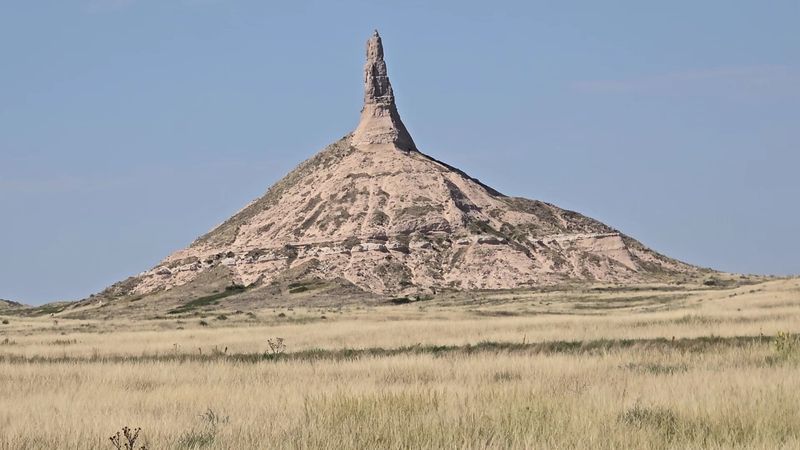
Standing 300 feet above the North Platte River valley, Chimney Rock served as the most famous landmark along the Oregon Trail for thousands of westward-bound pioneers.
This natural geological wonder looks like someone stuck a giant needle into the earth, with its distinctive spire visible for miles across the flat prairie.
More than half a million emigrants passed this landmark between 1841 and 1866, and many carved their names into the soft rock at its base.
The formation consists of layers of volcanic ash and clay that have eroded over millions of years into its unique shape.
Unfortunately, erosion continues today, and the spire has lost about 30 feet of height since pioneers first recorded its measurements.
Scientists predict that eventually, weather and time will wear down this iconic landmark completely, making your visit even more precious.
The modern visitor center offers excellent exhibits about pioneer life and the geology that created this natural wonder.
Interactive displays let you experience what travelers faced on their grueling journey west, including deciding what supplies to pack in their wagons.
Ranger programs during summer months provide fascinating details about the plants, animals, and history surrounding this National Historic Site.
You cannot climb Chimney Rock itself due to its fragile nature, but hiking trails around the base offer spectacular views and photo opportunities.
The best time to visit is early morning or late afternoon when the changing light makes the rock glow golden against the blue sky.
Birdwatchers should bring binoculars because hawks, eagles, and other raptors frequently circle around the rock formation.
The small town of Bayard sits just a few miles away if you need refreshments or a place to stretch your legs.
Chimney Rock represents more than just a cool geological formation; it symbolizes the hope and determination of people chasing their dreams westward.
Standing before this towering spire, you can almost hear the creaking wagon wheels and imagine the excitement pioneers felt seeing this milestone on their long journey.
3. Toadstool Geologic Park: Nebraska’s Badlands Secret
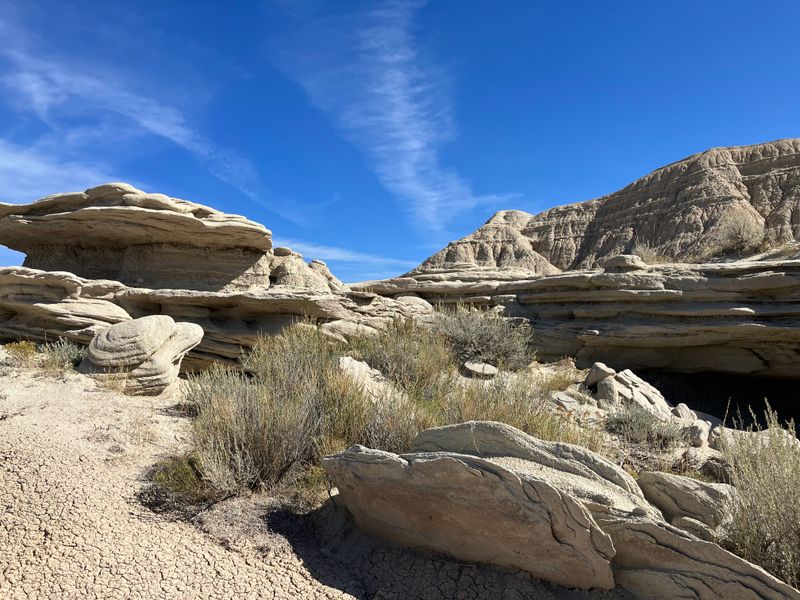
Tucked away in the remote northwestern corner of Nebraska, Toadstool Geologic Park looks like it belongs on Mars rather than the Great Plains.
Bizarre mushroom-shaped rock formations dot a landscape of colorful clay hills, ancient fossils, and otherworldly terrain that few people know exists.
This area preserves 30 million years of geological history in layers you can actually see and touch as you hike through the badlands.
The main trail is only one mile long but feels like a journey through time as you walk past rocks that once formed the bottom of an ancient sea.
Fossil hunters have discovered remains of prehistoric horses, camels, rhinoceroses, and giant pigs in these hills, though collecting fossils is prohibited to protect this scientific treasure.
The strange toadstool shapes form when harder caprock sits atop softer sedimentary layers, protecting the material underneath while surrounding soil erodes away.
Most visitors have the entire park to themselves because Toadstool remains blissfully undiscovered compared to more famous national parks.
The solitude adds to the experience, making you feel like an explorer discovering alien terrain for the first time.
Bring plenty of water because this high desert environment offers zero shade, and summer temperatures can climb dangerously high.
Photographers should plan their visit for early morning or late afternoon when dramatic shadows emphasize the unusual rock formations.
The park includes a primitive campground with vault toilets but no water, perfect for adventurous travelers who want to stargaze under incredibly dark skies.
Spring and fall offer the most comfortable temperatures for hiking, though the park remains accessible year-round for hardy visitors.
Getting to Toadstool requires driving gravel roads through Oglala National Grassland, adding to the adventure and remoteness.
The nearest town with services is Crawford, about 15 miles away, where you can fuel up and grab supplies.
Toadstool Geologic Park proves that Nebraska contains genuine wilderness and geological wonders that rival more famous destinations out west.
4. Ashfall Fossil Beds: A Prehistoric Time Capsule
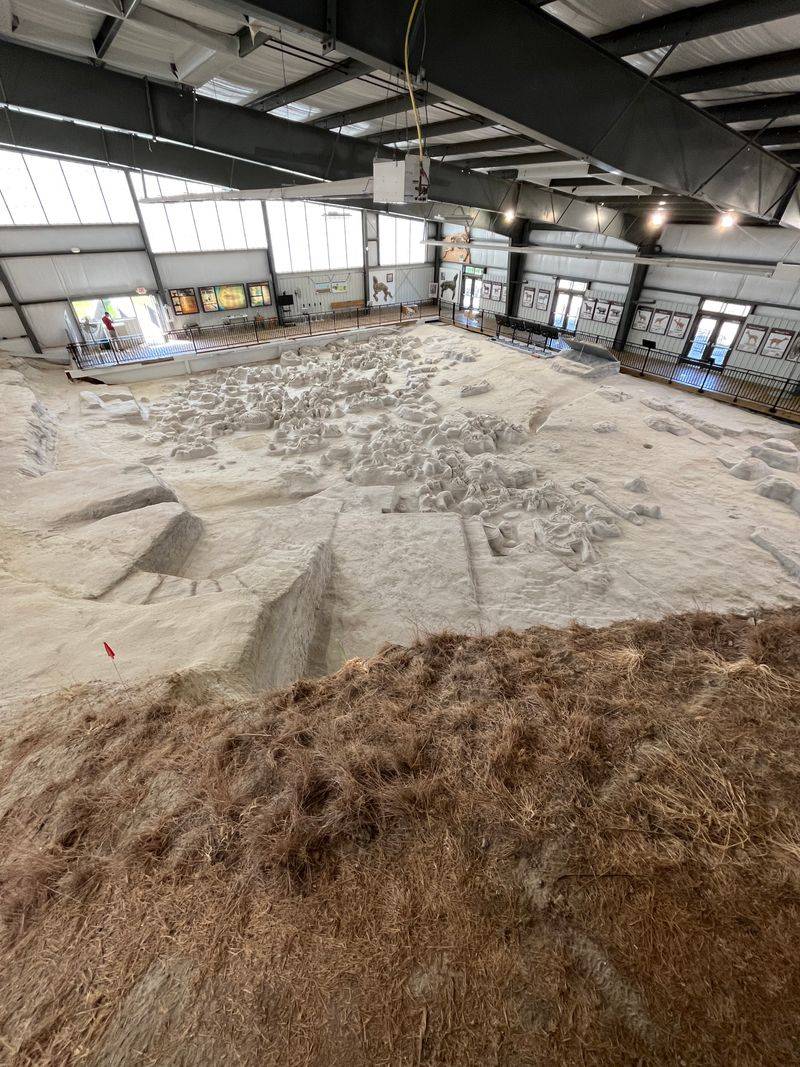
Imagine a prehistoric waterhole where rhinos, horses, and camels gathered to drink, only to be buried alive by volcanic ash from an eruption 12 million years ago.
Ashfall Fossil Beds preserves this tragic moment in incredible detail, with complete skeletons still positioned exactly where the animals died.
This site is so scientifically important that paleontologists from around the world visit to study the perfectly preserved bones that reveal secrets about ancient ecosystems.
What sets Ashfall apart from other fossil sites is that you can watch scientists actively working on excavations during summer months.
The Rhino Barn, a climate-controlled building protecting the main fossil bed, lets visitors observe researchers carefully brushing away ash to reveal bones that have not seen daylight in millions of years.
Educational displays explain how volcanic ash from present-day Idaho traveled hundreds of miles to create this extraordinary fossil deposit.
The park offers guided tours led by knowledgeable staff who share fascinating details about the animals and the catastrophic event that preserved them.
Kids especially love the hands-on activities, including a chance to practice fossil excavation techniques in a special discovery area.
The visitor center features full skeletal reconstructions showing what these prehistoric creatures looked like when they roamed Nebraska’s ancient grasslands.
Outside the Rhino Barn, hiking trails wind through the modern landscape, where you can spot living descendants of ancient animals like deer and wild turkeys.
The park hosts special events throughout the year, including fossil preparation workshops where you can learn techniques used by professional paleontologists.
Picnic areas provide shaded spots to relax and contemplate the incredible age of the earth and the power of natural disasters.
Ashfall sits near the small town of Royal, and the rural drive to reach it passes through beautiful rolling hills and farmland.
This hidden gem offers a unique combination of active science, natural history, and the sobering reminder that nature can change everything in an instant.
Few places let you witness ongoing paleontological research while standing directly above one of the world’s most significant fossil discoveries.
5. Strategic Air Command and Aerospace Museum: Cold War Giants
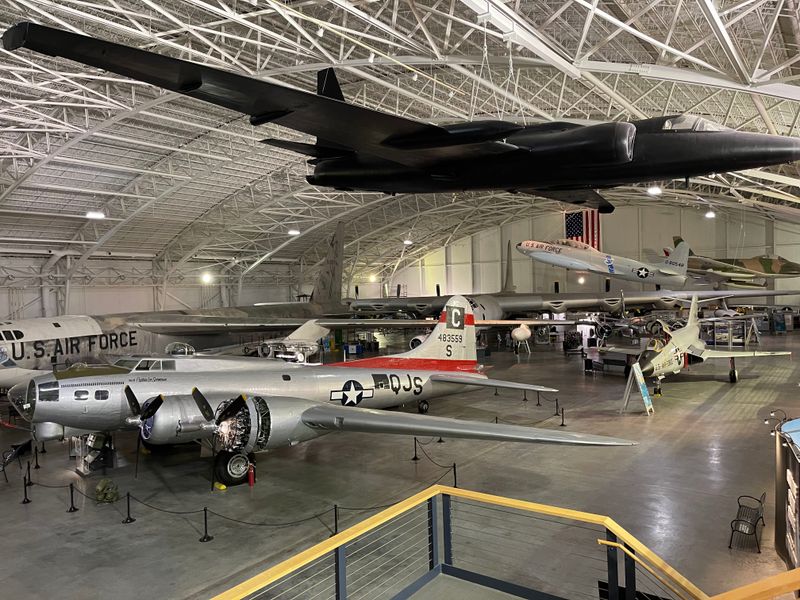
Just off Interstate 80 between Lincoln and Omaha, a stunning glass and steel building houses some of the most powerful aircraft ever built during the Cold War era.
The Strategic Air Command and Aerospace Museum displays massive bombers, sleek spy planes, and historic spacecraft that played crucial roles in 20th-century history.
Walking beneath a B-52 Stratofortress or standing next to a SR-71 Blackbird makes you realize the incredible engineering achievements humans accomplished during the space race and military competition.
The museum’s collection includes over 30 aircraft, ranging from World War II bombers to modern stealth technology.
Many planes sit indoors in climate-controlled galleries, while others rest on outdoor display pads where you can walk completely around them.
Interactive exhibits explain complex concepts like supersonic flight, nuclear deterrence, and satellite technology in ways that both kids and adults can understand and appreciate.
One highlight is the chance to climb inside certain aircraft and sit in actual cockpits where pilots once controlled these magnificent machines.
The museum also preserves the history of the men and women who served in the Strategic Air Command, sharing their stories through personal artifacts and oral histories.
Special exhibits rotate throughout the year, covering topics from women in aviation to the development of missile technology.
The museum’s location makes it a convenient stop during any cross-Nebraska road trip, with ample parking and facilities.
A café on-site serves lunch, and the gift shop offers unique aviation-themed souvenirs you will not find anywhere else.
Educational programs and summer camps teach young people about science, technology, engineering, and math through hands-on aviation activities.
Even people who think they are not interested in military history find themselves fascinated by the sheer size and power of these machines.
The museum does an excellent job balancing technical information with human stories, making the Cold War era feel relevant and understandable.
This facility represents Nebraska’s significant role in national defense and aerospace innovation, honoring the state’s contributions to American security and technological advancement throughout the modern era.
6. Fort Robinson State Park: Where History Meets Adventure

Fort Robinson began as a military outpost in 1874 and witnessed some of the most dramatic events in Western history, including the tragic death of Crazy Horse.
Today, this sprawling state park in the Pine Ridge region offers an incredible mix of history, outdoor recreation, and natural beauty that keeps visitors entertained for days.
The fort’s preserved buildings create an authentic atmosphere where you can almost hear cavalry horses and imagine soldiers drilling on the parade grounds.
History enthusiasts can tour the original guardhouse, officer’s quarters, and veterinary hospital while learning about the fort’s role in the Indian Wars and World War II.
The park offers guided tours, living history demonstrations, and evening programs that bring the past to life through storytelling and historical reenactments.
One particularly moving exhibit honors the Buffalo Soldiers, African American cavalry troops who served with distinction at the fort during the late 1800s.
Beyond history, Fort Robinson provides outstanding recreational opportunities in a landscape of rugged buttes, pine forests, and open grasslands.
Visitors can go horseback riding on trails that wind through spectacular scenery, with horses and guides available through the park’s stables.
Mountain biking, hiking, jeep tours, and even stagecoach rides offer different ways to explore the 22,000-acre park.
Wildlife watching is exceptional here, with opportunities to spot bison, elk, bighorn sheep, and wild turkeys roaming the park’s varied habitats.
The park includes a lodge with comfortable rooms, plus cabins and campgrounds for overnight stays, making it easy to spend several days exploring.
A restaurant serves hearty meals featuring regional favorites, perfect after a long day of adventure.
The nearby town of Crawford provides additional services, though the park’s facilities are quite comprehensive.
Summer brings special events like rodeos and historical reenactments that showcase Western heritage and cowboy culture.
Fort Robinson represents the complex history of the American West while offering modern visitors a chance to experience the region’s natural beauty and recreational possibilities in one remarkable location.
7. Sandhills Journey Scenic Byway: Endless Grass-Covered Dunes
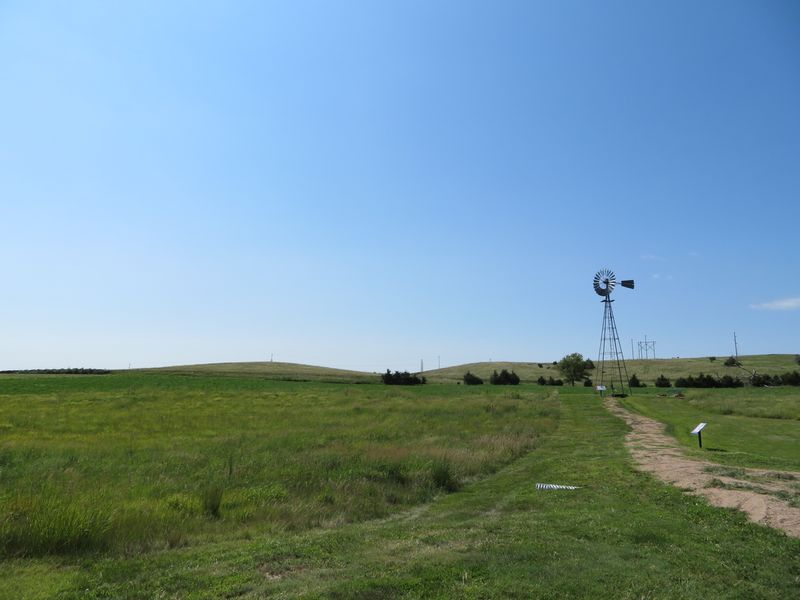
The Nebraska Sandhills cover roughly one-quarter of the entire state, forming the largest grass-stabilized dune region in the Western Hemisphere.
Driving the Sandhills Journey Scenic Byway feels like sailing across an ocean of grass, with rolling hills extending endlessly in every direction under enormous prairie skies.
This landscape looks deceptively simple at first glance, but the longer you spend here, the more you notice subtle beauty in the changing light, scattered wetlands, and grazing cattle.
The 272-mile byway follows Highway 2 from Grand Island to Alliance, passing through tiny towns that seem frozen in time.
Ranching culture dominates this region, where families have raised cattle on the same land for generations, working in harmony with the fragile ecosystem.
Roadside historical markers explain how these grass-covered dunes formed thousands of years ago and why preserving the vegetation prevents them from becoming an active desert.
Birdwatchers consider the Sandhills a premier destination because the wetlands scattered among the dunes attract hundreds of species, including rare and endangered birds.
Spring brings spectacular migrations when sandhill cranes stop to rest in the meadows, filling the air with their distinctive calls.
Photographers love the dramatic sunrises and sunsets that paint the rolling landscape in shades of gold, pink, and purple.
The small communities along the byway offer genuine hospitality and glimpses into rural life that most Americans never experience.
Local cafés serve home-cooked meals, and family-owned motels provide clean, affordable places to rest between long stretches of driving.
This route requires patience and an appreciation for subtle beauty rather than dramatic landmarks or constant entertainment.
Cell phone service can be spotty, so plan accordingly and make sure your vehicle is in good condition before setting out.
The Sandhills teach visitors to slow down, breathe deeply, and find peace in wide-open spaces that seem to stretch forever.
This hidden gem reveals that sometimes the journey itself becomes the destination, especially when that journey crosses one of America’s most unique and underappreciated landscapes.
Dear Reader: This page may contain affiliate links which may earn a commission if you click through and make a purchase. Our independent journalism is not influenced by any advertiser or commercial initiative unless it is clearly marked as sponsored content. As travel products change, please be sure to reconfirm all details and stay up to date with current events to ensure a safe and successful trip.
