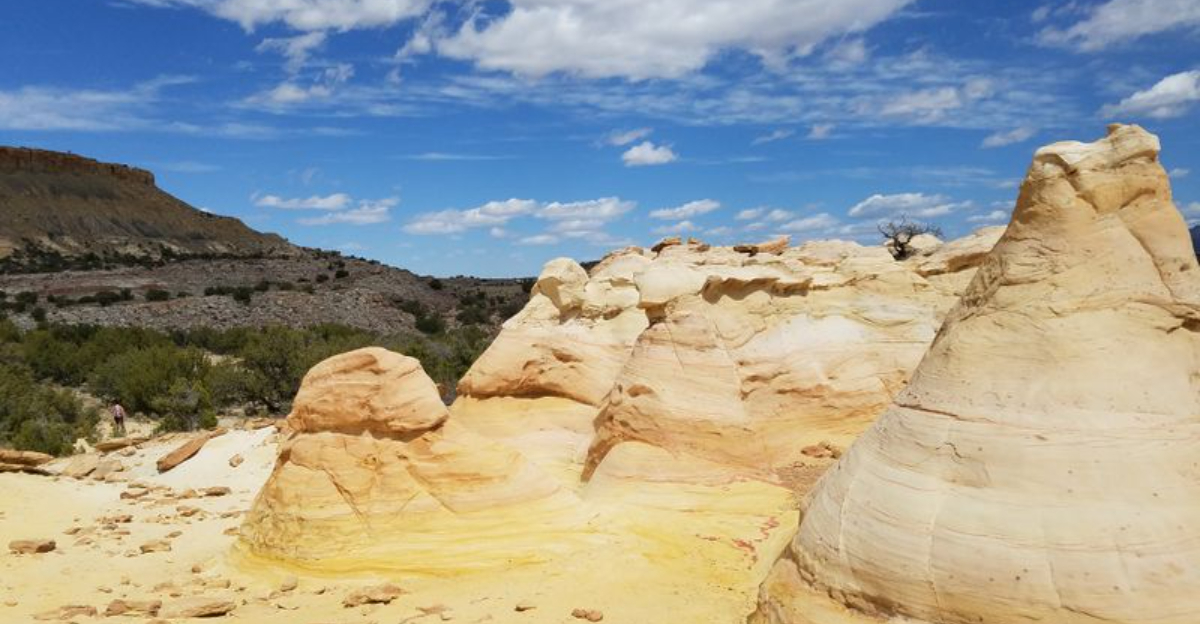
New Mexico holds secrets that most travelers never discover.
Beyond the famous tourist spots, this southwestern state hides incredible places where adventure comes alive in unexpected ways.
Rugged canyons, mysterious caves, and wild landscapes wait for those willing to explore off the beaten path.
Adventure seekers who venture beyond the guidebooks find themselves rewarded with experiences that feel untouched and authentic.
From underground caverns to ancient volcanic formations, these hidden treasures offer thrills without the crowds.
Whether you love hiking through slot canyons, soaking in natural hot springs, or exploring abandoned ghost towns, New Mexico delivers adventures that stick with you long after you return home.
The state’s diverse terrain creates opportunities for rock climbing, spelunking, and discovering landscapes that look like they belong on another planet.
Getting to these hidden gems often requires extra effort, but that’s exactly what keeps them special and unspoiled.
Pack your sense of adventure and prepare to see a side of New Mexico that most people miss completely.
1. Tent Rocks at Kasha-Katuwe
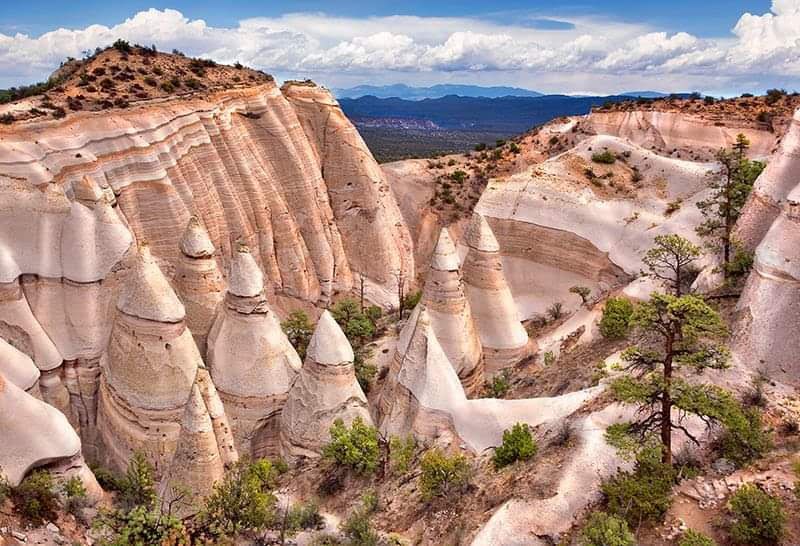
Picture walking through a canyon where the walls seem to reach up and touch the sky while you squeeze through passages barely wider than your shoulders.
Kasha-Katuwe Tent Rocks offers exactly this kind of heart-pumping adventure.
Located about an hour southwest of Santa Fe, this national monument showcases geological wonders formed from volcanic eruptions that happened six to seven million years ago.
The cone-shaped rock formations that give this place its name look like giant teepees scattered across the desert floor.
Wind and water carved these soft pumice and tuff deposits into spectacular pointed shapes that seem almost too perfect to be natural.
The main trail takes you through a narrow slot canyon where the walls tower overhead, creating dramatic light and shadow effects that photographers absolutely love.
Adventure seekers should tackle the Cave Loop Trail, which climbs about 630 feet in elevation and rewards hikers with panoramic views of the Sangre de Cristo Mountains.
The trail gets steep and challenging in sections, requiring some scrambling over rocks and navigating tight passages.
Wear sturdy hiking boots because the volcanic rock can be slippery, especially after rain.
Summer temperatures here can soar above 90 degrees, so spring and fall offer the most comfortable hiking conditions.
Bring plenty of water since there are no facilities along the trails.
The monument sits on Pueblo de Cochiti land, and visitors should respect the cultural significance of this area.
Plan to spend at least two to three hours exploring the trails and marveling at these unique geological formations that look like something from a fantasy movie.
2. Gilman Tunnels on the Jemez Mountain Trail
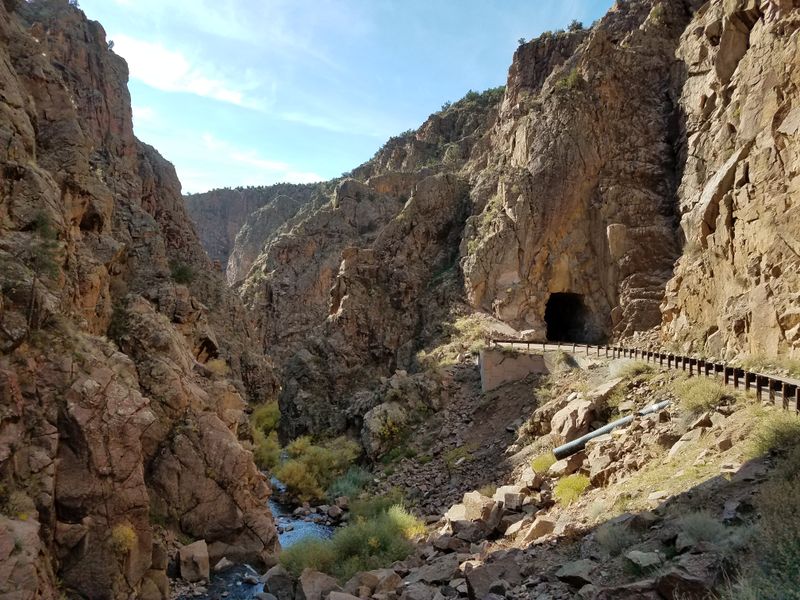
Few adventures combine history and adrenaline quite like driving through hand-carved tunnels blasted into solid rock nearly a century ago.
The Gilman Tunnels along Forest Road 376 in the Jemez Mountains offer a thrilling journey through three narrow passages originally created for logging trains in the 1920s.
Workers used dynamite and hand tools to create these tunnels, which now serve as one of the most unique driving experiences in the Southwest.
The tunnels range from 100 to 400 feet long, with the rock walls coming so close to your vehicle that you might instinctively hold your breath.
Natural light filters through cracks in the rock ceiling, creating an eerie atmosphere that feels like entering another world.
Between the tunnels, the road hugs steep cliffs with dramatic drop-offs that make your passengers gasp.
High-clearance vehicles work best for this route, though careful drivers in regular cars can make it during dry conditions.
The unpaved road can become treacherous after storms, so check conditions before heading out.
The entire route from Highway 4 to the tunnels covers about six miles and takes roughly 45 minutes one way, not counting stops for photos.
Beyond the tunnels, the trail continues into the mountains where you can explore the remains of old logging camps and mining operations.
Spring wildflowers blanket the hillsides, while fall brings golden aspens that contrast beautifully with the red rock formations.
Pack a picnic and enjoy lunch with mountain views that stretch for miles.
The area stays cooler than the desert lowlands, making it a perfect summer escape when other parts of New Mexico feel like an oven.
3. Catwalk National Recreation Trail in Glenwood
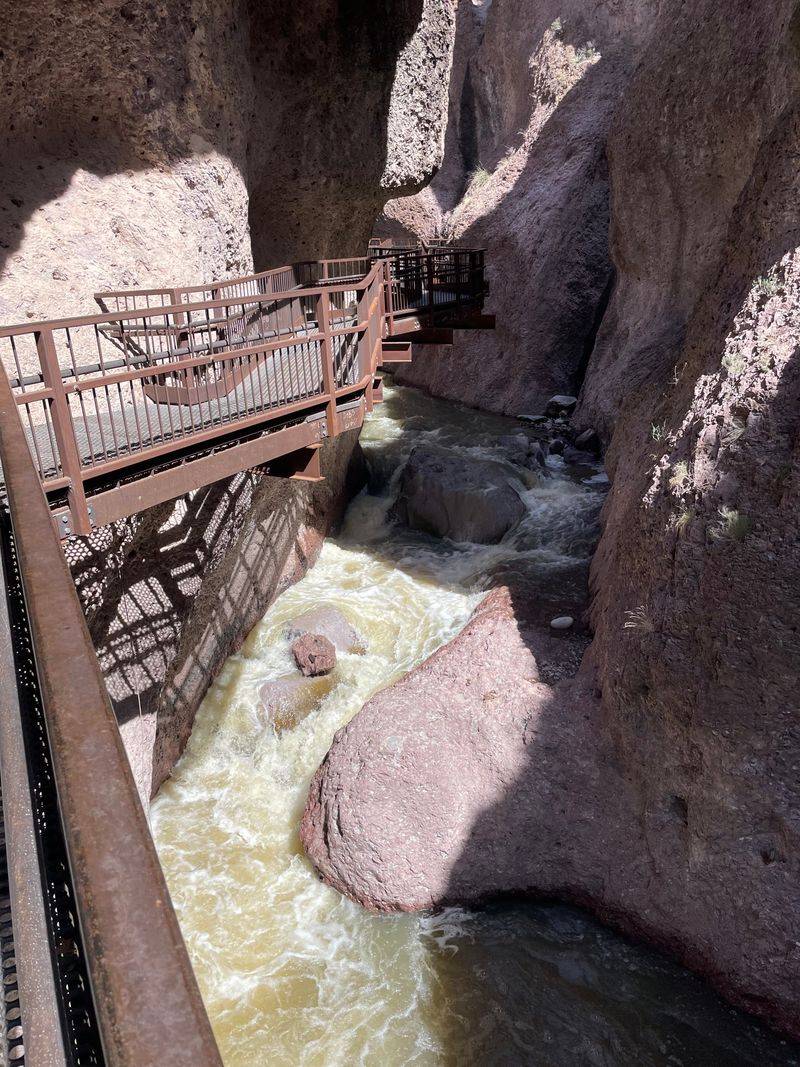
Walking on metal grates suspended 20 feet above a roaring creek tests your nerve while delivering views that make your heart race for entirely different reasons.
The Catwalk in the remote Gila National Forest began as a pipeline route in 1893, built to carry water to a mill processing ore from nearby mines.
Today, this engineering marvel serves as one of New Mexico’s most exhilarating hiking trails.
The adventure begins immediately as you step onto the narrow metal walkway bolted directly into the canyon walls.
Below your feet, Whitewater Creek rushes through a gorge barely 20 feet wide in places.
The sound of water echoing off rock walls creates a constant roar that drowns out conversation.
The maintained catwalk section extends about a quarter mile before transitioning to a conventional dirt trail that continues another two miles into the wilderness.
Most visitors turn around after experiencing the suspended walkway section, but continuing upstream reveals quieter pools and small waterfalls worth the extra effort.
The trail gains elevation gradually, offering increasingly spectacular views back down the canyon.
Acrophobia sufferers might find the see-through metal grating challenging, but handrails on both sides provide security.
The walkway can get slippery when wet, and ice sometimes forms in winter, making the trail dangerous during cold months.
Summer brings perfect hiking weather, though afternoon thunderstorms in July and August can create flash flood conditions that make the creek even more dramatic.
The remote location in southwestern New Mexico means fewer crowds than more famous trails near Santa Fe or Albuquerque.
The nearest town, Glenwood, sits about five miles away and offers basic services.
Arrive early to secure parking at the small trailhead, especially on weekends when word spreads about this incredible hidden treasure.
4. Ah-Shi-Sle-Pah Wilderness Study Area
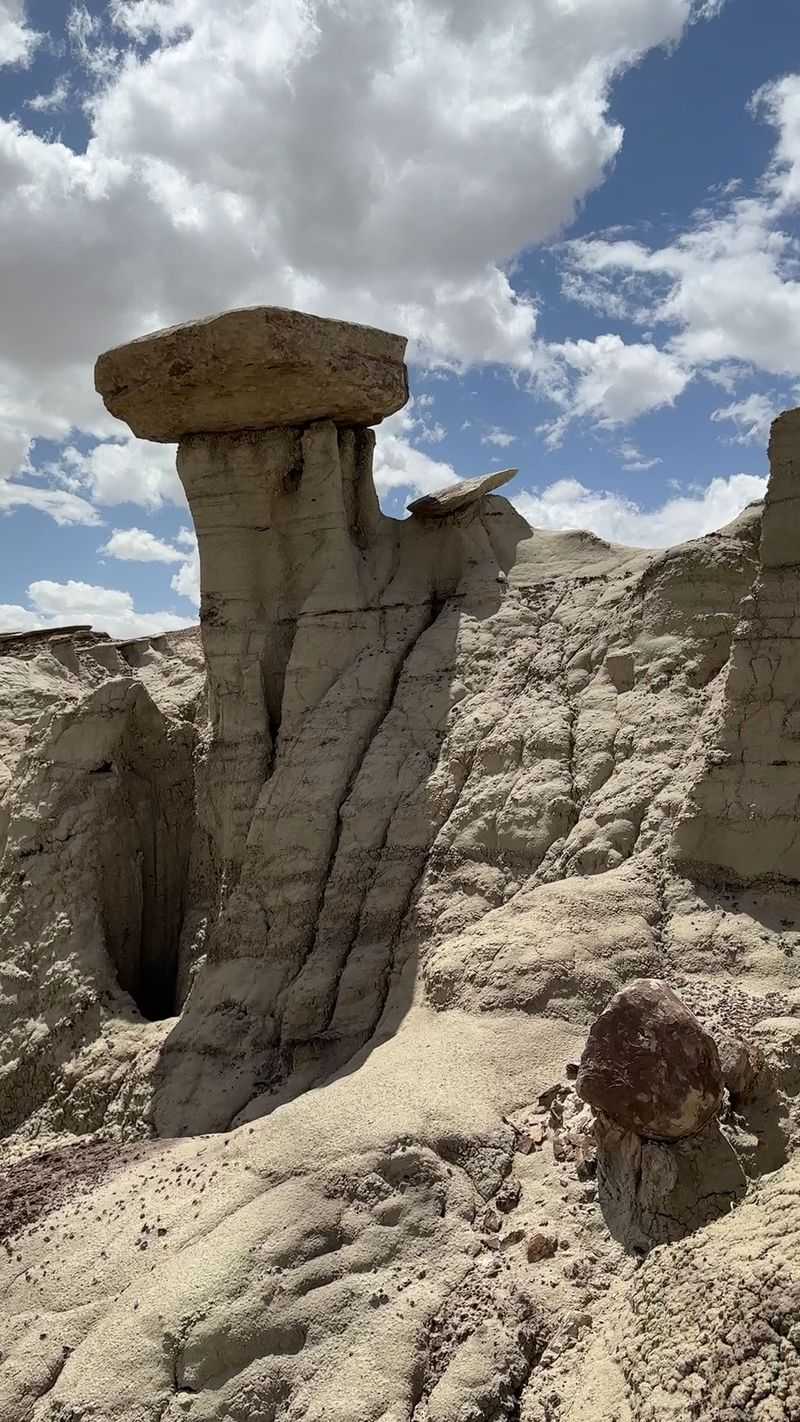
Imagine landing on an alien planet where rocks balance impossibly on thin pedestals and the ground ripples in waves of gray and white stone.
Ah-Shi-Sle-Pah Wilderness Study Area in northwestern New Mexico delivers exactly this surreal experience.
The name comes from a Navajo phrase meaning white salt, referring to the distinctive banded rock formations that dominate this 7,000-acre wilderness.
Getting here requires commitment since no marked trails exist and cell phone service disappears miles before you arrive.
Visitors navigate using GPS coordinates and old dirt roads that can become impassable after rain.
The remoteness keeps crowds away, meaning you might have this bizarre landscape entirely to yourself.
Hoodoos rise from the desert floor like sculptures created by an artist with a wild imagination.
These mushroom-shaped rock formations form when harder caprock protects softer layers underneath from erosion, creating top-heavy pillars that seem to defy gravity.
Some reach 15 feet tall, while others barely rise above ankle height.
Exploring here feels like a treasure hunt as you wander among the formations searching for the most photogenic specimens.
The lack of trails means you create your own route, climbing over ridges and descending into small valleys filled with geological oddities.
Bring plenty of water, snacks, and a fully charged GPS device since getting lost in this maze of similar-looking formations happens easily.
Sunrise and sunset transform the landscape as low-angle light emphasizes the textures and colors in the banded rock layers.
Photographers love the way shadows create depth and dimension among the hoodoos.
Plan to spend at least three to four hours exploring, though you could easily fill an entire day discovering new formations around every corner.
The nearest services are in Farmington, about 40 miles away, so fuel up and stock up before heading into this remote wonderland.
5. Wild Rivers Recreation Area at the Rio Grande Gorge
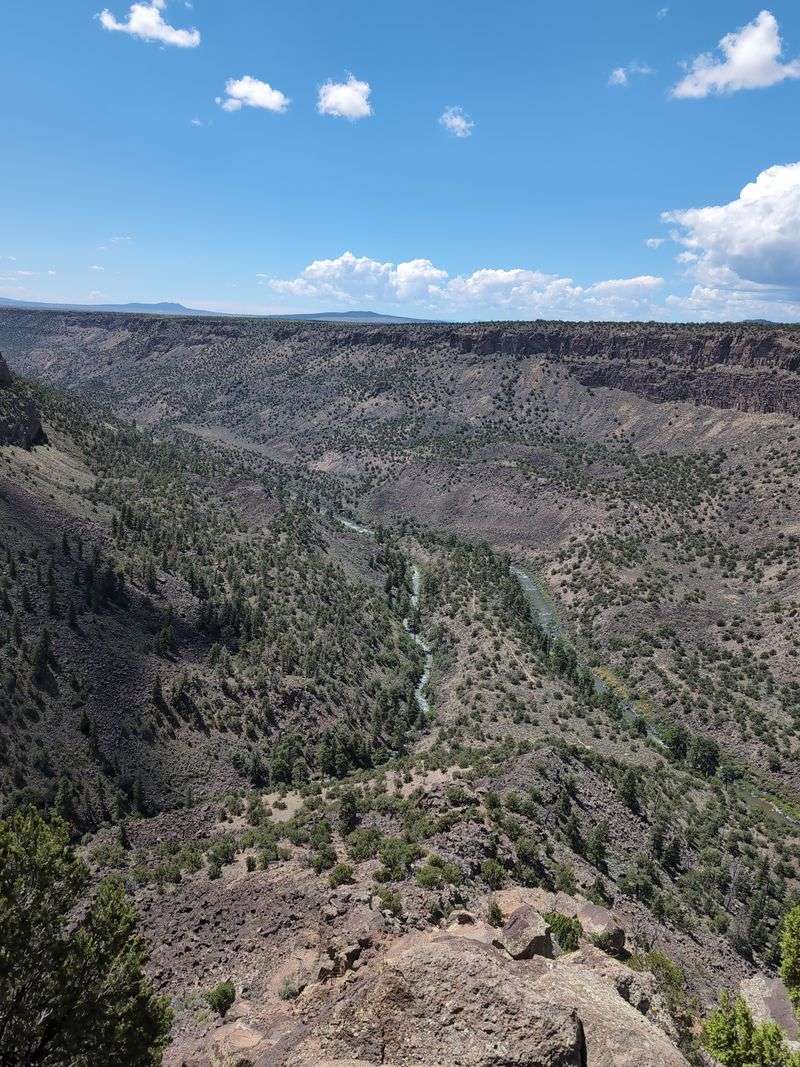
Standing at the rim where two rivers meet 800 feet below creates a perspective that makes you feel tiny against the vast landscape.
Wild Rivers Recreation Area protects the confluence of the Rio Grande and Red River, where they carved deep canyons through ancient volcanic rock over millions of years.
Located near Questa in northern New Mexico, this spot offers adventures ranging from easy rim walks to challenging canyon descents.
Five trails drop from the rim to the rivers below, with names like Big Arsenic, Little Arsenic, and La Junta that hint at the area’s mining history.
The descent requires serious effort, losing 800 feet of elevation in about a mile of steep, rocky switchbacks.
Your legs will burn on the way down, and your lungs will protest on the climb back up.
Reaching the river bottom feels like discovering a secret world hidden from the plateau above.
Cottonwood trees provide shade along the water’s edge, and the sound of rushing water replaces the wind that constantly blows across the rim.
Adventurous souls can wade in the rivers during summer, though the current runs strong and the water stays cold year-round.
The area offers excellent camping with sites perched right on the gorge rim, providing sunset views that stretch across miles of high desert.
Spring brings wildflowers to the canyon slopes, while fall colors the cottonwoods brilliant gold.
Winter can be harsh with snow and ice making the trails treacherous, so plan visits between April and October for the best conditions.
Bring binoculars to spot bighorn sheep that sometimes appear on the canyon walls, along with golden eagles soaring on thermal currents.
The remoteness means you share the trails with more wildlife than people, creating encounters that feel truly wild and authentic.
6. Sitting Bull Falls in Lincoln National Forest
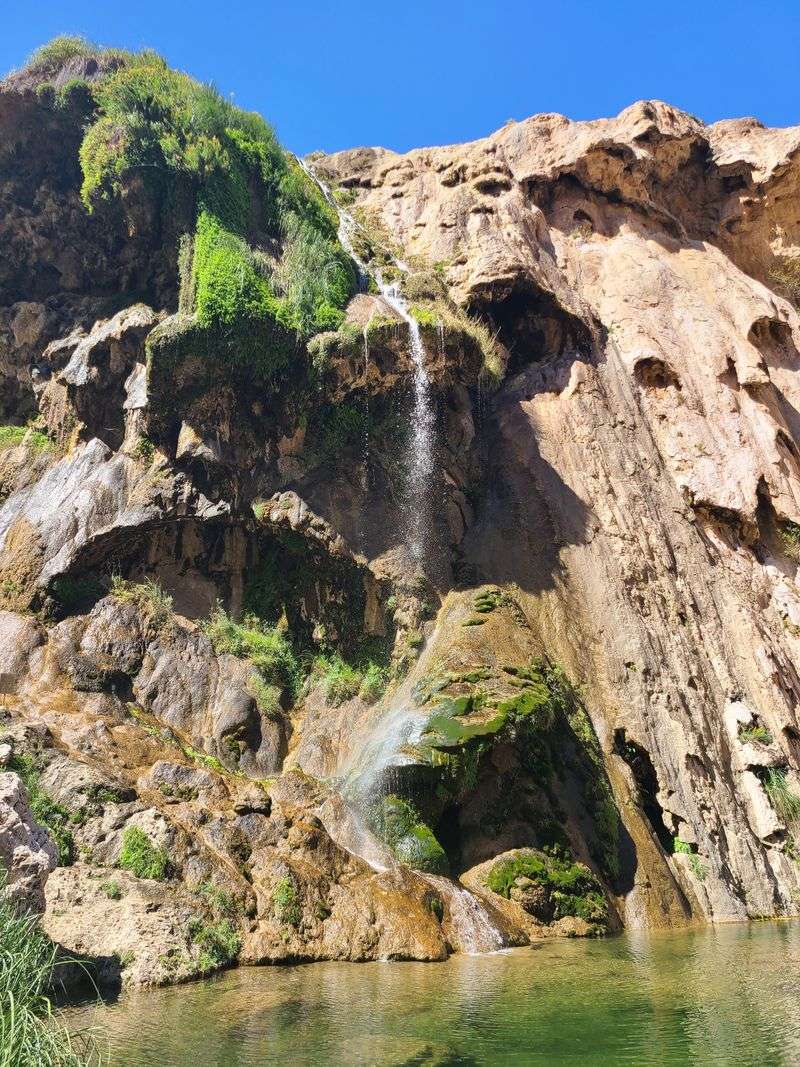
Finding a 150-foot waterfall in the middle of the Chihuahuan Desert feels like stumbling upon a mirage that turned out to be real.
Sitting Bull Falls creates an oasis where water tumbles over limestone cliffs into crystal-clear pools surrounded by lush vegetation that seems impossible in this arid landscape.
Located about 45 miles southwest of Carlsbad, this hidden treasure rewards those willing to venture down a gravel road into the remote Lincoln National Forest.
The falls flow year-round thanks to springs that emerge from underground aquifers, though summer monsoons and spring snowmelt increase the water volume dramatically.
During peak flow, the main cascade splits into multiple streams that create a curtain of water spanning the entire cliff face.
The mist rising from where water hits the pools below creates rainbows on sunny afternoons.
A paved trail leads from the parking area to the base of the falls, making this adventure accessible for most fitness levels.
The path crosses small bridges and winds through riparian habitat where birds sing and dragonflies patrol the creek.
More adventurous visitors can continue on rougher trails that climb to the top of the falls and explore the canyon upstream.
Swimming in the pools at the base of the falls offers refreshing relief from desert heat, though the water temperature rarely exceeds 60 degrees even in summer.
Picnic areas with tables and grills make this an ideal spot for a full day of relaxation and exploration.
The falls attract more visitors on weekends, so weekday visits provide a more peaceful experience.
The drive to reach Sitting Bull Falls crosses open rangeland where you might spot pronghorn antelope or mule deer.
Cell service disappears along the route, so download directions before leaving Carlsbad.
The recreation area charges a small day-use fee, and facilities include restrooms and drinking water, making it more developed than many hidden gems while still maintaining a remote, special-feeling atmosphere.
7. Ojito Wilderness Badlands
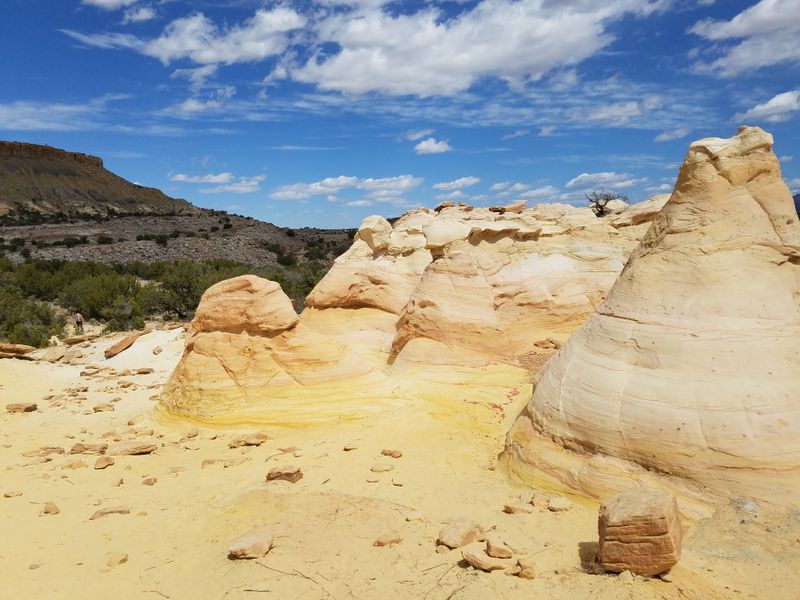
Colors explode across the landscape where ancient seas once deposited layers of sediment that now erode into a maze of hills, gullies, and unexpected formations.
Ojito Wilderness protects 11,000 acres of badlands northwest of Albuquerque, offering adventures through terrain that looks painted by an artist with an unlimited palette.
Red, orange, yellow, gray, and white layers stack like a geological birthday cake exposed by millions of years of erosion.
No official trails exist within the wilderness boundary, giving adventurers complete freedom to explore wherever curiosity leads.
Washes and arroyos provide natural routes through the landscape, though flash floods during summer thunderstorms can turn these dry paths into raging torrents within minutes.
Check weather forecasts and avoid the area when storms threaten.
Fossil hunters find this area particularly exciting since the rocks preserve remains of ancient creatures that lived here 140 million years ago when shallow seas covered this region.
While removing fossils is illegal, spotting them in place adds an educational element to your exploration.
Dinosaur bones, petrified wood, and ancient shell impressions appear in the eroded hillsides.
The best strategy involves parking at one of the informal pullouts along the dirt access roads and simply wandering into the wilderness.
Bring a GPS device and plenty of water since the lack of shade and reflective rock surfaces intensify the desert heat.
Photographers should plan visits during golden hour when low-angle sunlight emphasizes the textures and colors in the rock layers.
The remoteness means solitude comes easily, with many visitors reporting they never see another person during their entire visit.
Wildlife includes coyotes, ravens, and various lizard species adapted to this harsh environment.
The nearest town, Cuba, sits about 20 miles away and offers basic services.
Respect the wilderness designation by packing out all trash and leaving rocks, fossils, and other natural features undisturbed for future adventurers to discover and enjoy.
Dear Reader: This page may contain affiliate links which may earn a commission if you click through and make a purchase. Our independent journalism is not influenced by any advertiser or commercial initiative unless it is clearly marked as sponsored content. As travel products change, please be sure to reconfirm all details and stay up to date with current events to ensure a safe and successful trip.
