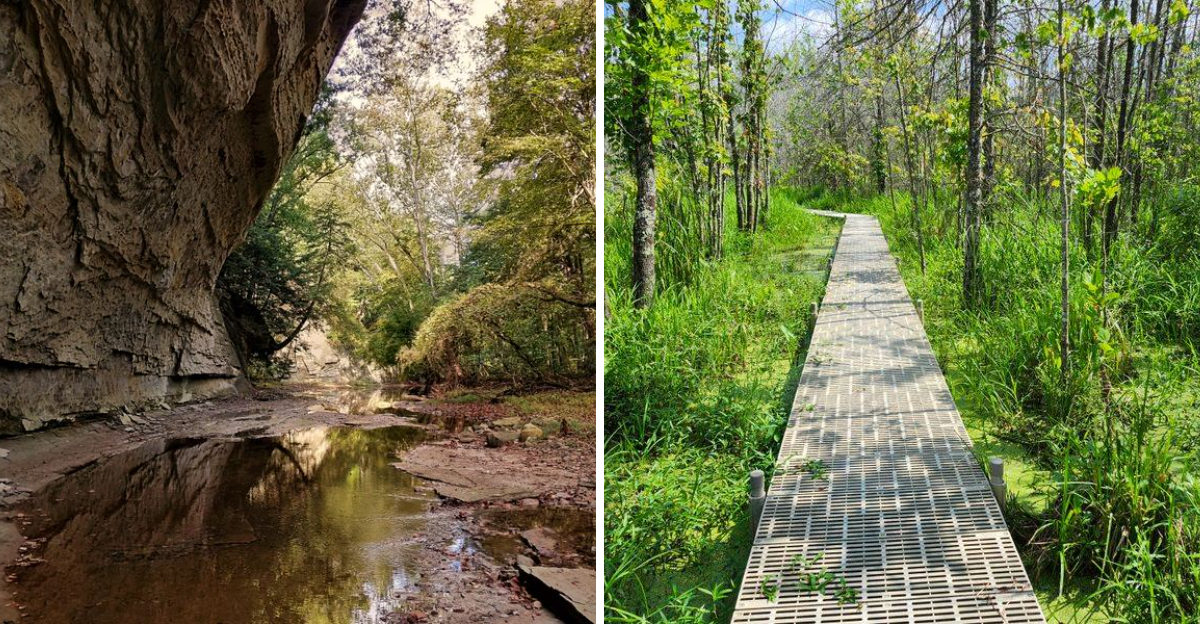
On a crisp October morning, wandering into one of Indiana’s lesser-known forests feels like stepping into another world. Leaves crunch underfoot, and for a moment, it seems like the whole world has paused; no crowds, no noise, just the whisper of wind through the canopy and the distant call of a cardinal.
For years, locals kept these woodland gems close, sharing them only with family and close friends. They knew where to find the best trails, the quietest clearings, and the spots where sunlight filters through the trees in ways that make you stop and stare.
But word travels fast in the age of social media, and now these once-peaceful havens see more visitors than ever. Still, these forests hold their magic if you know when and where to look.
The goal is not to keep them secret, but to help you appreciate what makes them special and why they deserve to be visited; and protected, respectfully.
1. Shades State Park Pine Hills
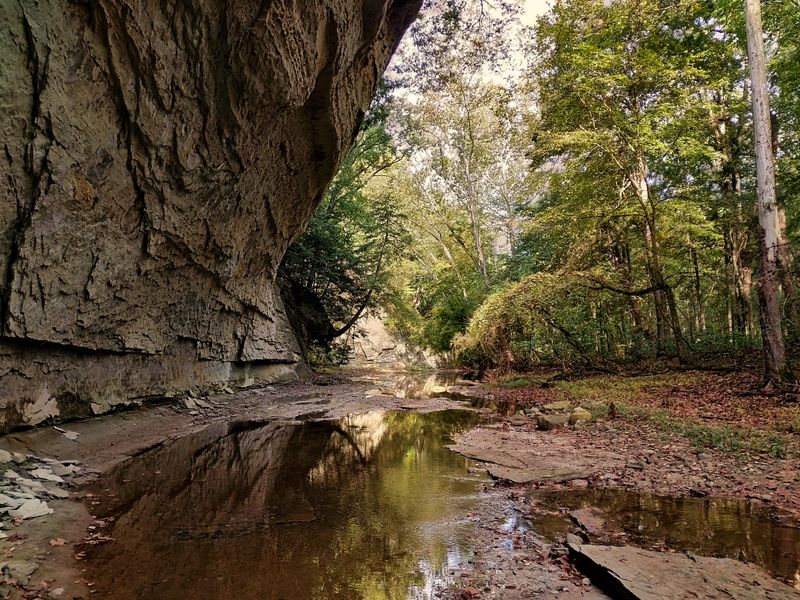
Back before everyone had GPS on their phones, finding the Pine Hills section of Shades State Park took real effort. You had to know someone who knew someone, and even then, the directions were vague at best.
The rugged terrain here features sandstone cliffs that drop dramatically into ravines filled with hemlock and pine, creating microclimates that feel more like Appalachia than the Midwest.
Trail 9 remains the most challenging hike in the park, with steep climbs and narrow passages that demand your full attention. The wooden ladders bolted into rock faces add an element of adventure that most Indiana trails lack.
Local hikers used to have the place almost entirely to themselves on weekday mornings.
Now the parking lot fills up by mid-morning on weekends, especially during fall color season. The forest canopy here turns brilliant shades of orange and gold, drawing photographers from across the state.
Despite the increased traffic, early risers can still experience the solitude that made this place special.
The nearby town of Waveland offers a quiet base for exploration. Sugar Creek flows through the property, providing opportunities for canoeing when water levels cooperate.
The combination of challenging terrain and stunning views keeps people coming back, even as the secret spreads further each year.
2. Hemmer Woods Nature Preserve
Most people drive right past Hemmer Woods without knowing what they’re missing. This 120-acre preserve in Harrison County contains some of the last remaining old-growth forest in southern Indiana, with trees that were already mature when Abraham Lincoln was splitting rails.
The beech-maple forest here represents what much of Indiana looked like before European settlement.
Spring brings an explosion of wildflowers that blanket the forest floor in whites, purples, and yellows. Trillium, bloodroot, and Virginia bluebells create a carpet that seems almost too perfect to be real.
Local botanists used to conduct quiet surveys here without encountering another soul for hours.
The preserve sits just outside Corydon, Indiana’s first state capital. You can visit the Old State Capitol Building at 202 East Walnut Street in town before heading to the woods.
The historic district offers several locally-owned restaurants where you can grab lunch after your hike.
Trail maintenance remains minimal by design, keeping the experience rustic and authentic. Fallen logs cross the path in places, and the trail can get muddy after rain.
This natural state once deterred casual visitors, but now even the rough conditions attract those seeking an authentic woodland experience far from groomed park trails.
3. Donaldson Woods Nature Preserve
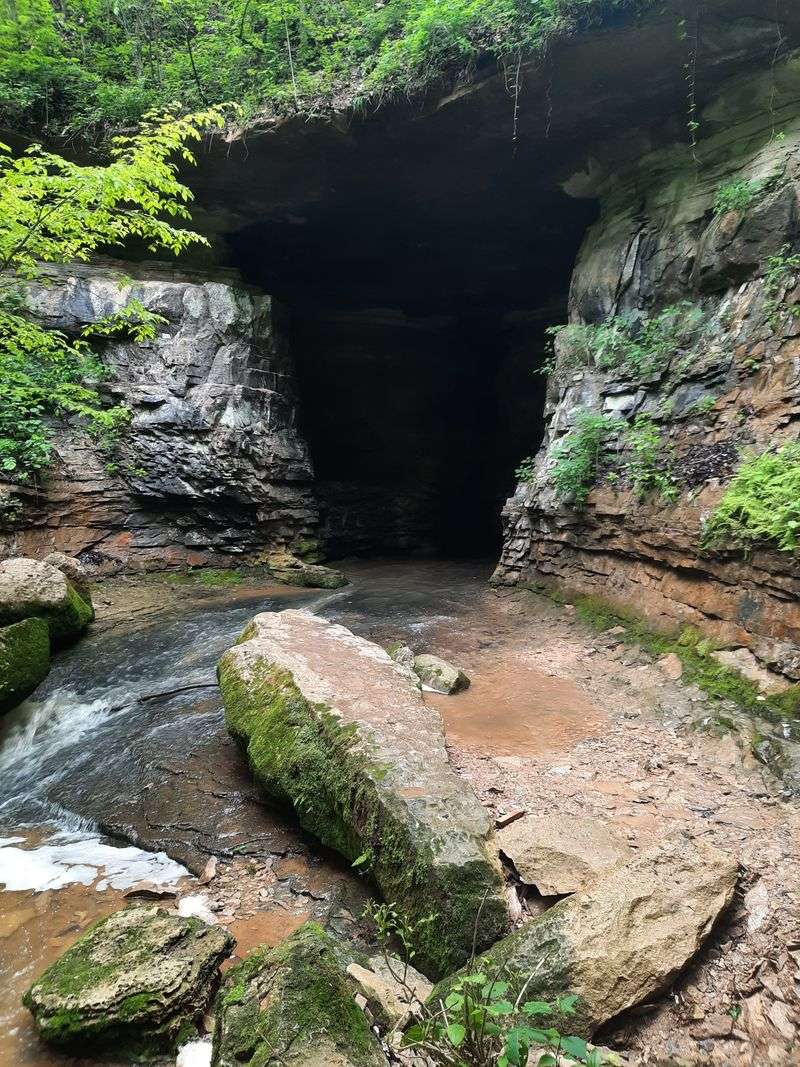
When I first heard about Donaldson Woods from a biology professor, she made me promise not to tell too many people. This 67-acre tract near Spring Mill State Park contains virgin timber that somehow escaped the logging boom of the 1800s.
Some trees here measure over 130 feet tall and four feet in diameter, creating a cathedral-like atmosphere that humbles even the most jaded hikers.
The preserve lacks formal trails, which once kept visitor numbers low. You simply wander through the woods, stepping carefully to avoid damaging the delicate understory.
The absence of blazed trails means you need to pay attention to where you’re going, adding an element of exploration that modern hiking often lacks.
Spring Mill State Park borders the preserve, offering camping and other amenities at 3333 State Road 60 East in Mitchell. The historic village within the park provides a glimpse into pioneer life, though the old-growth forest offers its own kind of time travel.
These trees were seedlings when that village was still actively grinding grain.
Recent social media posts have revealed this hidden gem to wider audiences. Weekend visitors now sometimes encounter small groups of nature enthusiasts photographing the massive trees.
The good news is that most people still don’t know about it, keeping the experience relatively intimate compared to more famous Indiana destinations.
4. Pioneer Mothers Memorial Forest
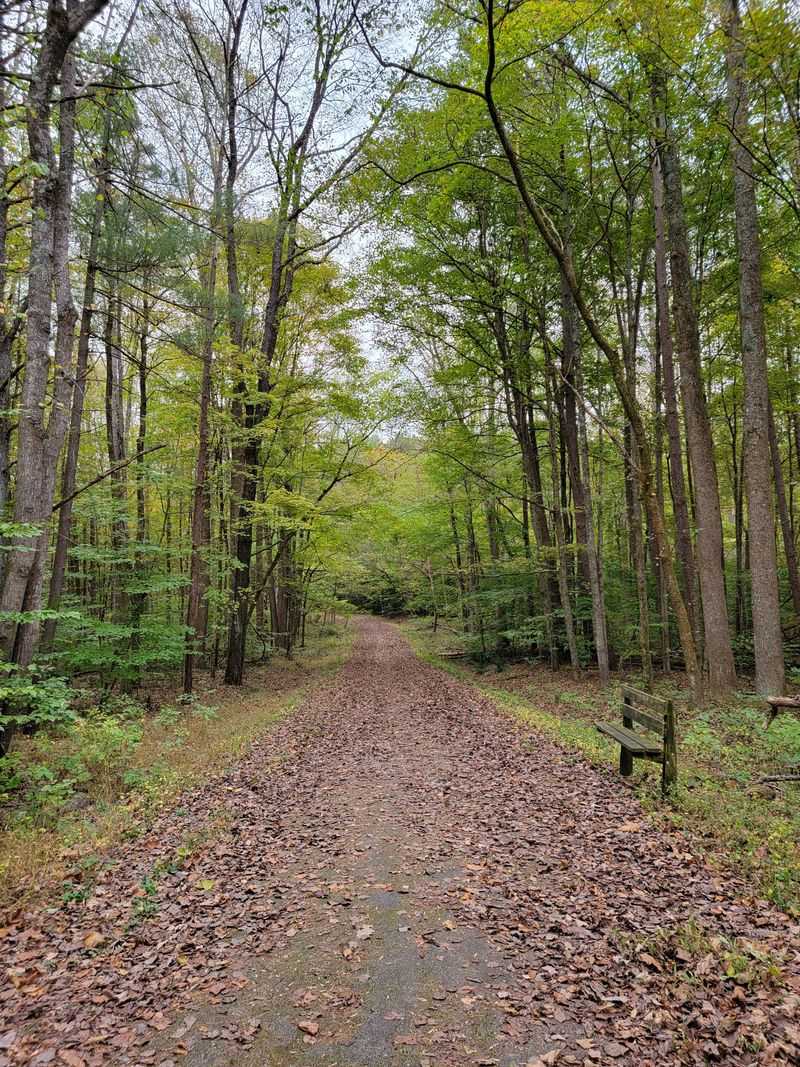
Finding this place requires determination and a good map. The Pioneer Mothers Memorial Forest in Orange County protects 88 acres of never-logged woodland that feels like stepping back three centuries.
The forest was dedicated in 1948 to honor Indiana’s pioneer women, but locals had been quietly visiting for generations before that.
Cox’s Woods Trail winds through the preserve for about two miles, passing trees that were standing when George Rogers Clark captured Vincennes. The mix of species here includes tulip poplar, white oak, sugar maple, and American beech in sizes that seem impossible.
Some trunks require three people linking hands to encircle them.
The remoteness of this location kept it off most tourist radars for decades. You won’t find gift shops or visitor centers here, just a small parking area and a trail that disappears into the forest.
That simplicity appealed to locals who wanted an authentic wilderness experience without the commercialization.
Paoli, the nearest town, sits about 15 miles away and offers basic services. The drive to the forest takes you through rolling hills and past family farms that look much as they did fifty years ago.
Cell phone service gets spotty in this area, which once guaranteed solitude but now attracts people specifically seeking digital disconnection.
5. Wesselman Woods Nature Preserve
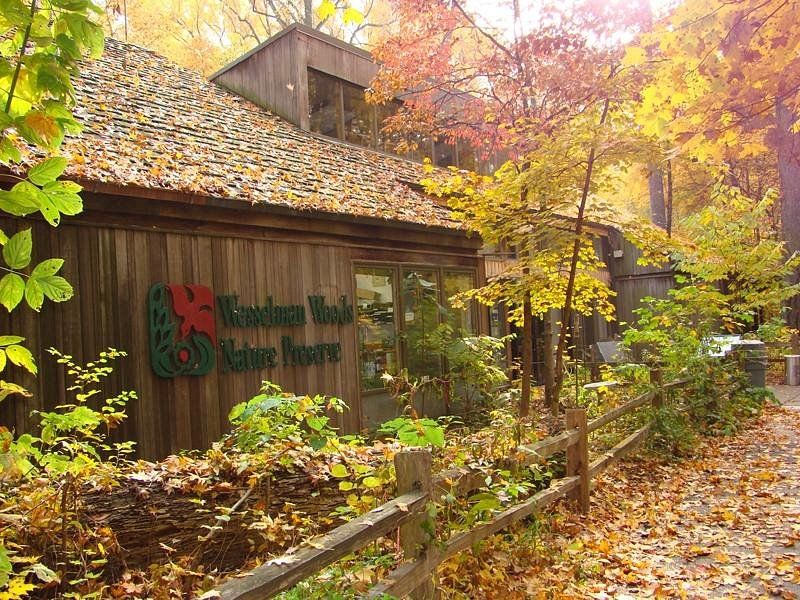
Right in the middle of Evansville sits one of the most unexpected natural treasures in Indiana. Wesselman Woods preserves 200 acres of old-growth forest that somehow survived as the city grew up around it.
The juxtaposition of ancient trees and suburban neighborhoods creates a surreal experience that few other places can match.
The preserve features both paved and natural trails, making it accessible to visitors of all abilities. A boardwalk section protects sensitive areas while allowing close-up views of the forest floor.
The nature center at 551 North Boeke Road offers educational programs that have introduced countless Evansville children to the natural world.
For years, this place served primarily local residents who could walk or bike there from nearby neighborhoods. School groups visited regularly, but tourist traffic remained minimal.
The forest provided a quick escape for city dwellers who needed a nature fix without driving to more distant state parks.
Recent recognition as one of the largest remaining old-growth forests in the Midwest has drawn more attention from outside the region. Birders come specifically to add species to their lists, as the mature forest attracts birds that avoid younger woodlands.
The preserve has adapted to increased visitation while maintaining its educational mission and protecting the ancient ecosystem that makes it special.
6. Beanblossom Bottoms Nature Preserve
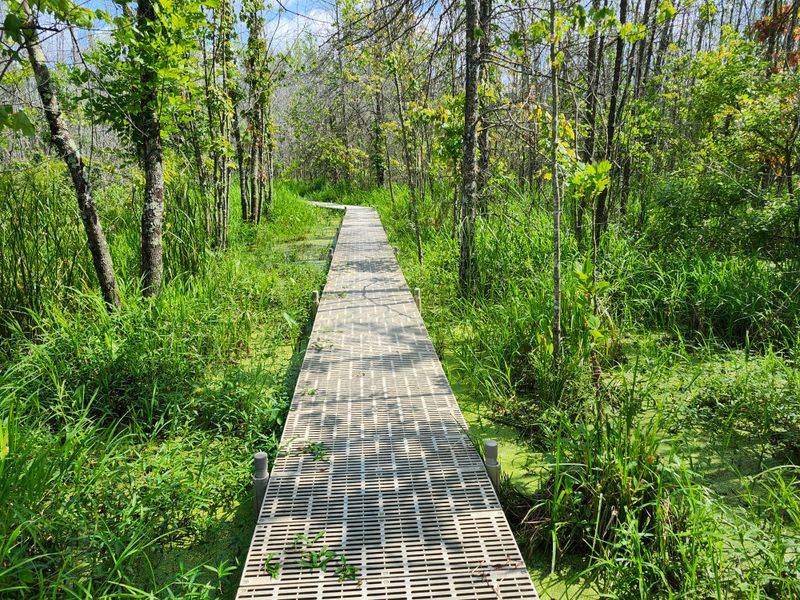
The name alone kept some people away, which suited local naturalists just fine. Beanblossom Bottoms in Monroe County protects a type of habitat that has become increasingly rare in Indiana.
The bottomland forest here floods seasonally, creating conditions that support plant and animal species found in few other places this far north.
Over 1,200 acres of forest and wetland provide critical habitat for migrating waterfowl and neotropical songbirds. The preserve sits along the Beanblossom Creek floodplain, where water levels fluctuate dramatically throughout the year.
Spring floods can make parts of the preserve inaccessible, but they also create the conditions that make this ecosystem unique.
Bloomington sits just a few miles away, making this an easy escape for Indiana University students and faculty. The town offers plenty of dining options, including farm-to-table restaurants that emphasize local ingredients.
The Bloomington Community Farmers’ Market at 401 North Morton Street operates year-round and showcases the region’s agricultural bounty.
Trail conditions vary significantly depending on recent rainfall and season. Rubber boots or waterproof hiking shoes are often necessary, which once limited casual visitors.
Now that word has spread about the incredible bird watching opportunities, more people come prepared for wet conditions. The preserve remains relatively quiet compared to more developed sites, but it no longer feels like a local secret.
7. Turkey Run Ravines
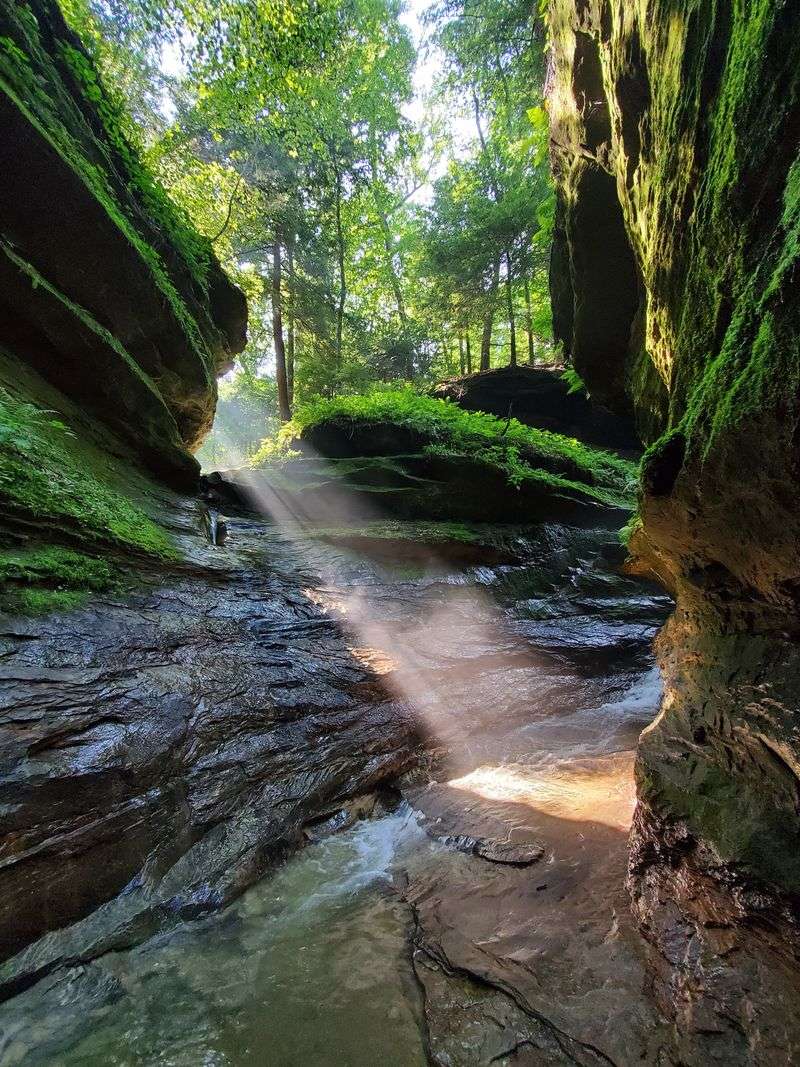
Everyone knows Turkey Run State Park, but the deepest ravines used to be the domain of serious hikers who didn’t mind getting their hands dirty. Trail 3, in particular, takes you through narrow canyons where you can touch both walls simultaneously.
The sandstone formations here have been carved by water over thousands of years, creating passages that feel more like caves than trails.
Sugar Creek cuts through the property, offering both scenic beauty and recreational opportunities. The covered bridge near the park entrance has become an Instagram favorite, but the real magic happens deeper in the forest.
Rocky Hollow Trail and Trail 5 connect to create a challenging loop that rewards effort with stunning views.
The park sits near Marshall, a small town that serves as a gateway to the Wabash River region. Turkey Run Inn within the park provides lodging and meals at 8121 Park Road.
The inn’s restaurant overlooks the creek and serves hearty Midwestern fare that hits the spot after a long hike.
Recent trail improvements have made some sections more accessible, but the ravines remain challenging enough to filter out unprepared visitors. The combination of natural beauty and physical challenge keeps the experience feeling authentic.
Peak fall color brings the biggest crowds, but spring wildflowers and winter ice formations offer equally compelling reasons to visit.
8. Tippecanoe River State Park Forest
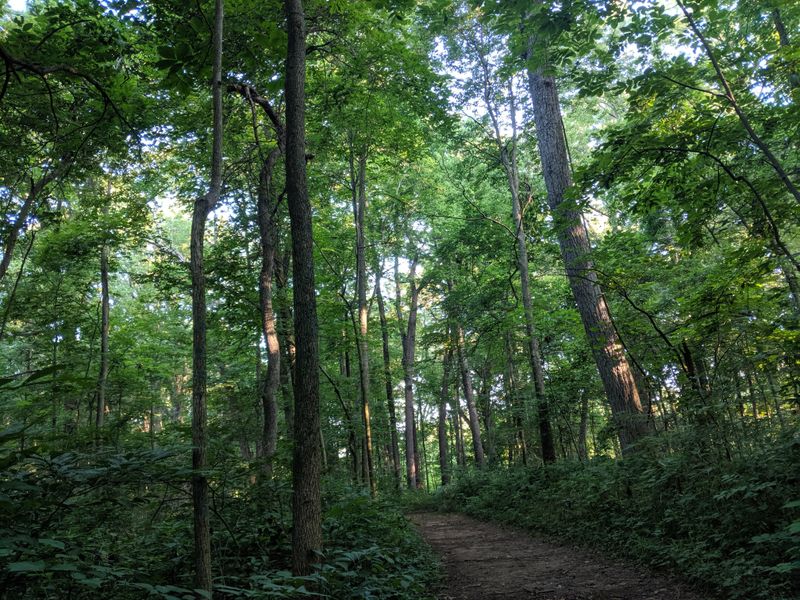
Up in Pulaski County, where the landscape starts hinting at Michigan’s influence, Tippecanoe River State Park protects over 2,700 acres of diverse forest and wetland. The river itself draws most attention, but locals always knew the best experiences happened away from the water.
The upland forest here transitions between different community types, creating exceptional biodiversity.
Old logging roads have been converted into hiking trails that wind through stands of oak, hickory, and maple. Some sections feature planted conifers from reforestation efforts decades ago, creating interesting contrasts with the native hardwoods.
The variety of habitats supports wildlife populations that include species more common farther north.
Winamac, the county seat, sits about ten miles from the park. The courthouse square retains its small-town Indiana character, with locally-owned businesses that have served the community for generations.
The Pulaski County Public Library at 121 South Riverside Drive offers a quiet spot to research local history before or after your forest visit.
Camping facilities at the park have been upgraded in recent years, attracting more visitors from Indianapolis and Chicago. The increased traffic hasn’t completely overwhelmed the forest trails, but you’ll encounter more people than you would have a decade ago.
Weekday visits still offer the solitude that characterized this place before it appeared on travel blogs and outdoor recreation websites.
9. Yellowwood State Forest Backcountry
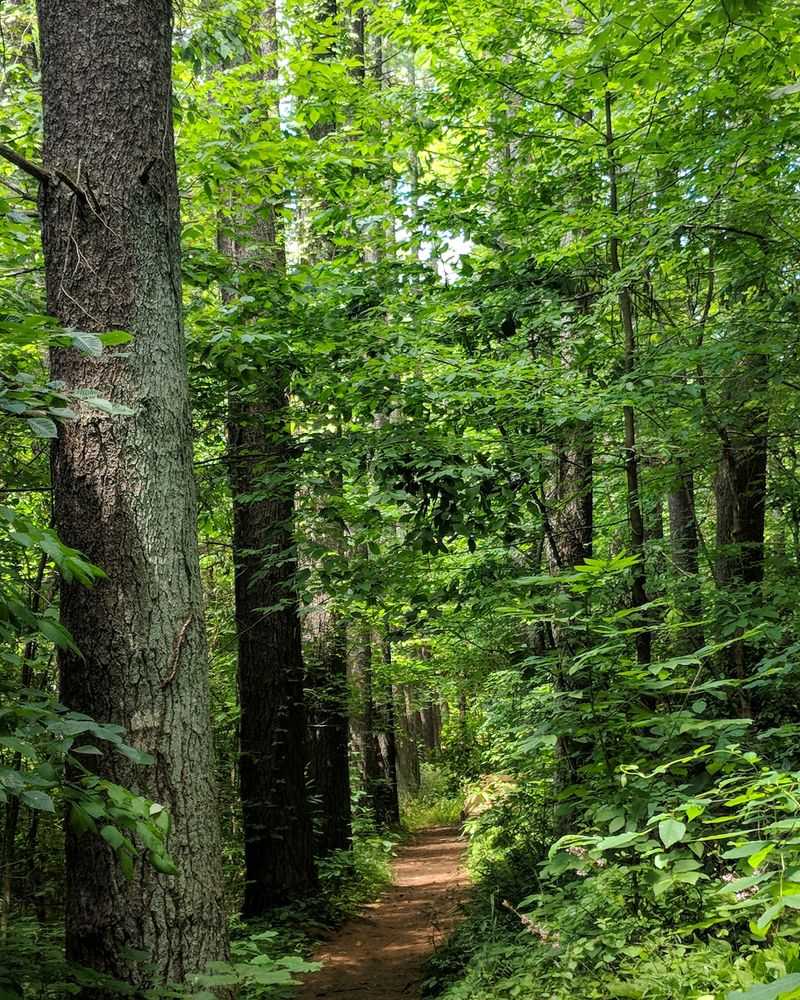
The name comes from the rare yellowwood trees scattered throughout this Brown County forest, but most visitors never see one. They stick to the developed areas near Yellowwood Lake, missing the extensive backcountry that locals have cherished for generations.
Over 23,000 acres of forested hills provide endless opportunities for exploration if you’re willing to venture beyond the obvious attractions.
Primitive trails crisscross the property, many following old forest roads that are slowly being reclaimed by nature. The terrain here rolls continuously, with steep climbs and descents that test your endurance.
The forest composition changes as you move through the landscape, with different species dominating different aspects and elevations.
Nashville, Indiana’s most touristy small town, sits just a few miles away. The contrast between the crowded shops on Main Street and the quiet forest couldn’t be more stark.
You can grab supplies at one of the local markets before heading into the backcountry, though most serious hikers pack everything they need from home.
Backcountry camping is permitted with a permit, allowing multi-day adventures that feel remarkably remote for central Indiana. The lack of facilities and marked campsites once kept this option mostly local knowledge.
Now outdoor enthusiasts from across the state seek out these primitive experiences, though the vast acreage means you can still find solitude if you’re willing to walk far enough.
10. Clark State Forest Hidden Hollows
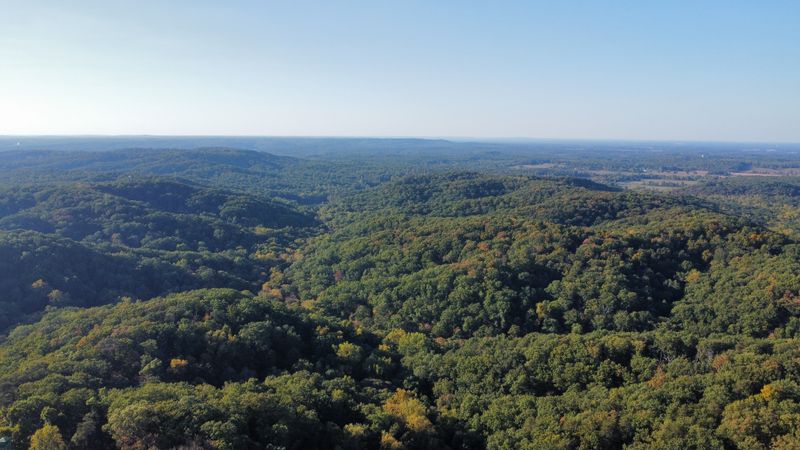
Down in Scott County, Clark State Forest sprawls across 24,000 acres of some of the most rugged terrain in southern Indiana. While the main recreation areas see steady traffic, countless hidden hollows and unnamed valleys remain known primarily to locals who have explored here for years.
The knobs region creates a landscape unlike anywhere else in the state, with steep-sided hills and deep valleys that harbor unique microclimates.
The forest road system provides access to remote areas where you might not see another person all day. Some hollows contain seeps and springs that support plant communities more typical of Appalachia.
The diversity of habitats within the forest creates exceptional opportunities for nature study and photography.
Henryville, the nearest substantial town, offers basic services and a few local restaurants. The forest headquarters at 792 South St Road 250 West provides maps and information, though cell service throughout much of the property remains unreliable.
That lack of connectivity once guaranteed isolation but now attracts people specifically seeking an unplugged experience.
Mountain biking has become increasingly popular here, with challenging trails that take advantage of the terrain. The addition of bike trails has brought new visitors who might not have discovered the forest otherwise.
Despite increased use, the sheer size of the property means you can still find quiet corners where the only sounds come from wind and wildlife.
Dear Reader: This page may contain affiliate links which may earn a commission if you click through and make a purchase. Our independent journalism is not influenced by any advertiser or commercial initiative unless it is clearly marked as sponsored content. As travel products change, please be sure to reconfirm all details and stay up to date with current events to ensure a safe and successful trip.
