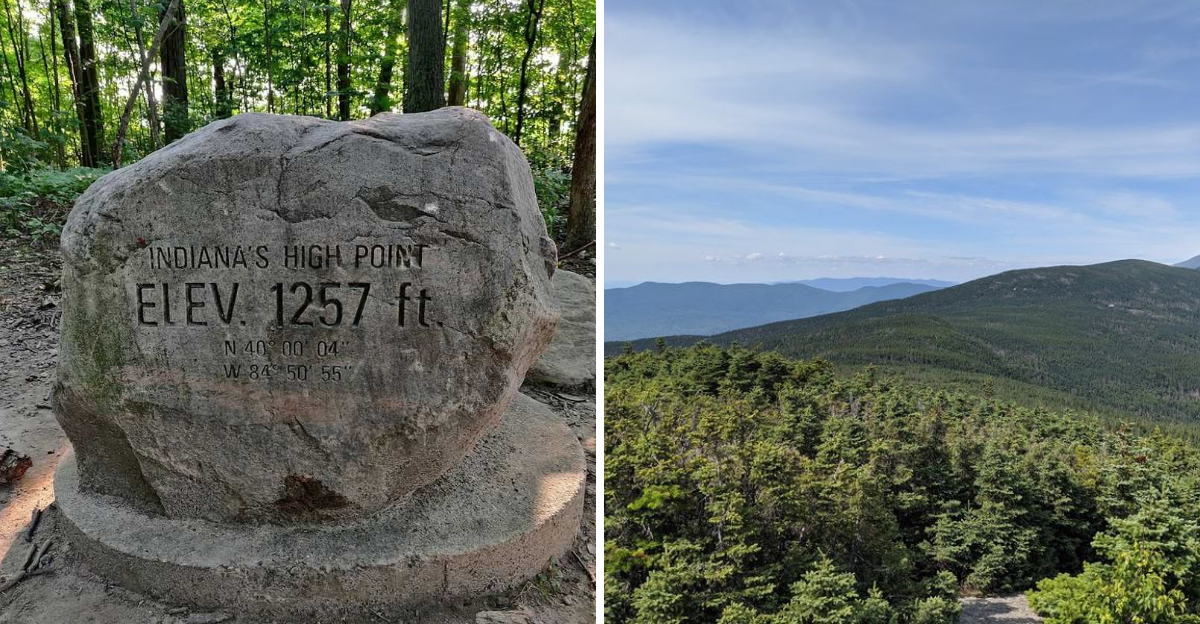
Indiana does not always get credit for its scenery, but those who look past the flat farmland stereotype find something worth the trip. The state holds quiet ridges, forested overlooks, and elevated corners that most visitors never discover.
Some of these spots require only a short walk, while others reward those willing to wander a little further from the main road. If you have ever wanted a view without the crowd, Indiana has more of those than people expect.
1. Bean Blossom Overlook
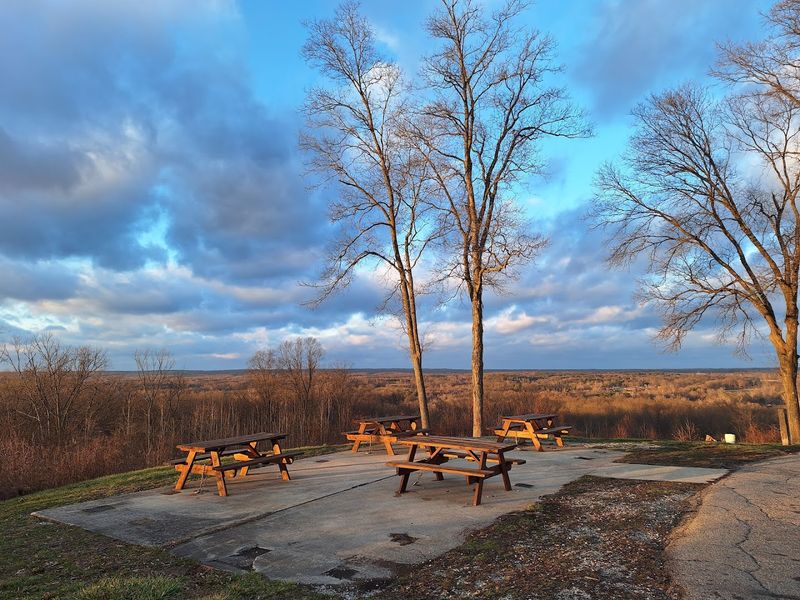
Brown County is known for its fall color, but most visitors stick to the main park roads and miss the quieter views scattered throughout the region. Bean Blossom Overlook is one of those hidden rewards that locals tend to keep to themselves.
The scene from the ridge opens across a wide valley of layered treetops that shifts dramatically with the seasons.
You can find it along 4100 SR-135, Nashville, IN 47448, just a short drive from the busier parts of town. The overlook does not require a long hike, making it accessible even for those who prefer a gentle outing.
What you get in return is a view that feels earned without the effort of a strenuous trail.
Spring brings soft greens and wildflower patches along the roadsides. Summer fills the valley with a deep canopy.
Fall is when this overlook earns its reputation, turning the whole hillside into a tapestry of amber, rust, and gold. Winter strips the trees back and reveals the ridge lines in a way that feels almost sculptural.
Each visit here offers something different depending on when you arrive. For photographers especially, the morning light hitting the valley floor is worth setting an early alarm.
This is the kind of spot that rewards those who slow down and take notice.
2. Hickory Ridge Lookout Tower
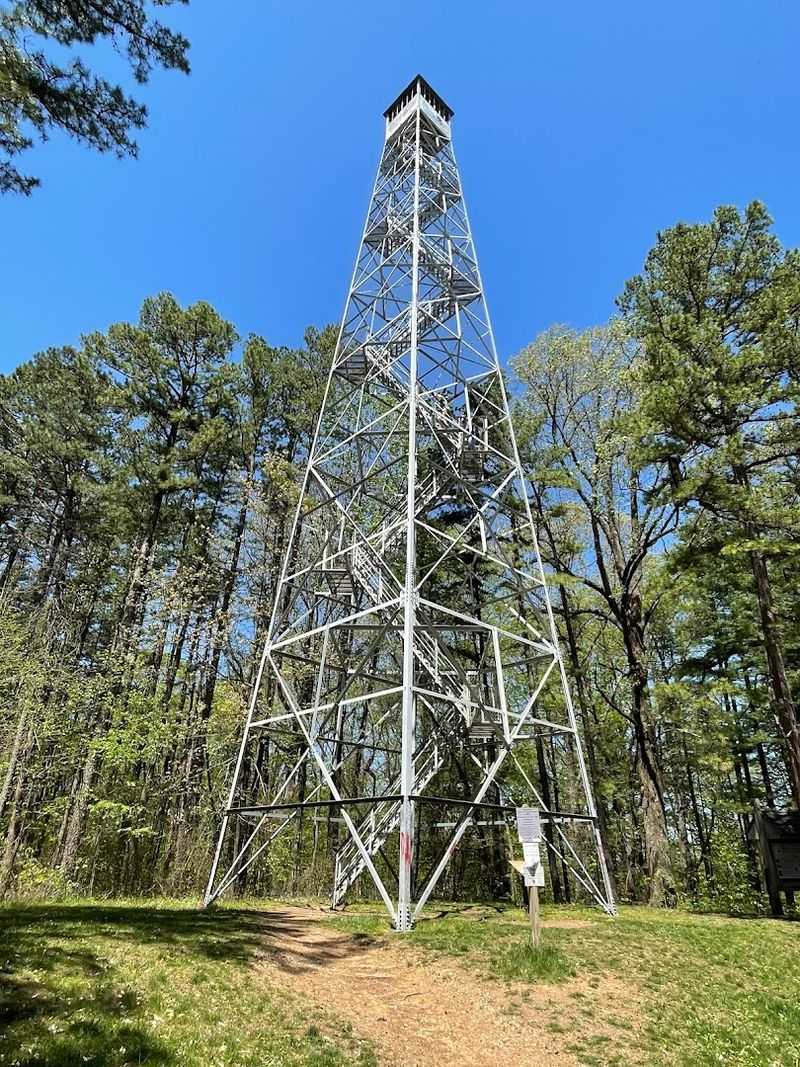
Fire lookout towers carry a certain romance. They were built for a practical purpose, but standing at the top of one gives you a feeling that goes well beyond fire surveillance.
Hickory Ridge Lookout Tower in Norman, Indiana delivers exactly that kind of experience, with views that stretch across the rolling hills of the Hoosier National Forest in every direction.
The tower sits near Tower Ridge Rd and 150 N, Norman, IN 47264, and reaching it involves a pleasant drive through dense forest before a short walk to the base. The structure itself has history behind it, representing an era when human eyes in high places were the best technology available for catching fires early.
Climbing it connects you to that story.
From the top, the forest canopy spreads out in all directions with almost no development visible. On clear days the visibility is remarkable, giving you a genuine sense of how vast the Hoosier National Forest really is.
The tower is not always open for climbing depending on the season, so checking ahead is a smart move before making the trip. Even if you cannot climb that day, the surrounding forest trails are worth exploring.
The whole area feels removed from modern life in a way that is genuinely refreshing. Pack a lunch and plan to spend at least half a day exploring the ridge and surrounding woodland.
3. Hoosier Hill
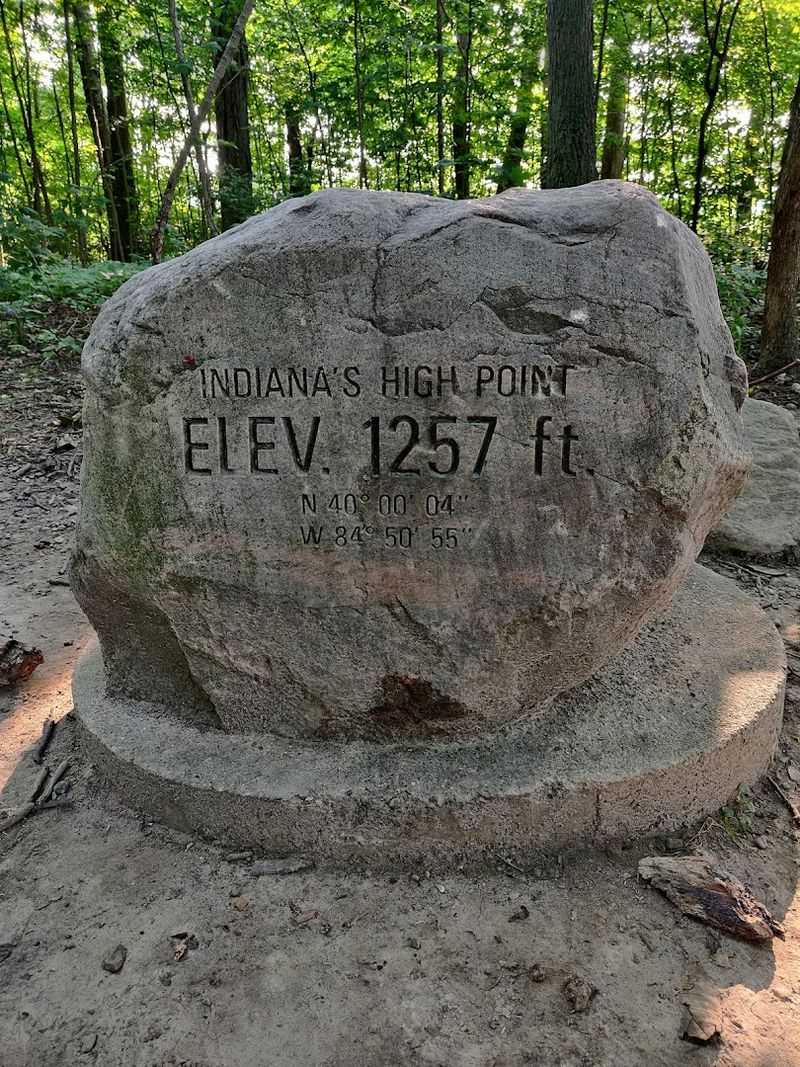
Most people picture Indiana as endlessly flat, which makes Hoosier Hill feel like a genuine surprise. At 1,257 feet above sea level, it holds the title of the highest natural point in the state.
The setting is simple and peaceful, with a short walk through a shaded woodland leading to a small clearing with a commemorative marker.
Located at 11951 Elliott Rd, Lynn, IN 47355, this spot sits in Wayne County surrounded by working farmland and quiet countryside. The trail is easy enough for most fitness levels and takes only about ten minutes round trip.
There are no crowds, no ticket booths, and no noise beyond birdsong and rustling leaves.
What makes Hoosier Hill special is not drama but honesty. It does not pretend to offer sweeping panoramas.
Instead, it gives you a calm, grounded moment in a wooded corner of rural Indiana that feels removed from everything. The landowner has generously allowed public access, so respect for the property is expected.
Bring a camera for the marker sign, wear comfortable shoes, and take a moment to appreciate the quiet. For anyone collecting state high points or simply wanting something different on a weekend, this is a meaningful stop that leaves a lasting impression without demanding much in return.
4. Hanging Rock National Natural Landmark
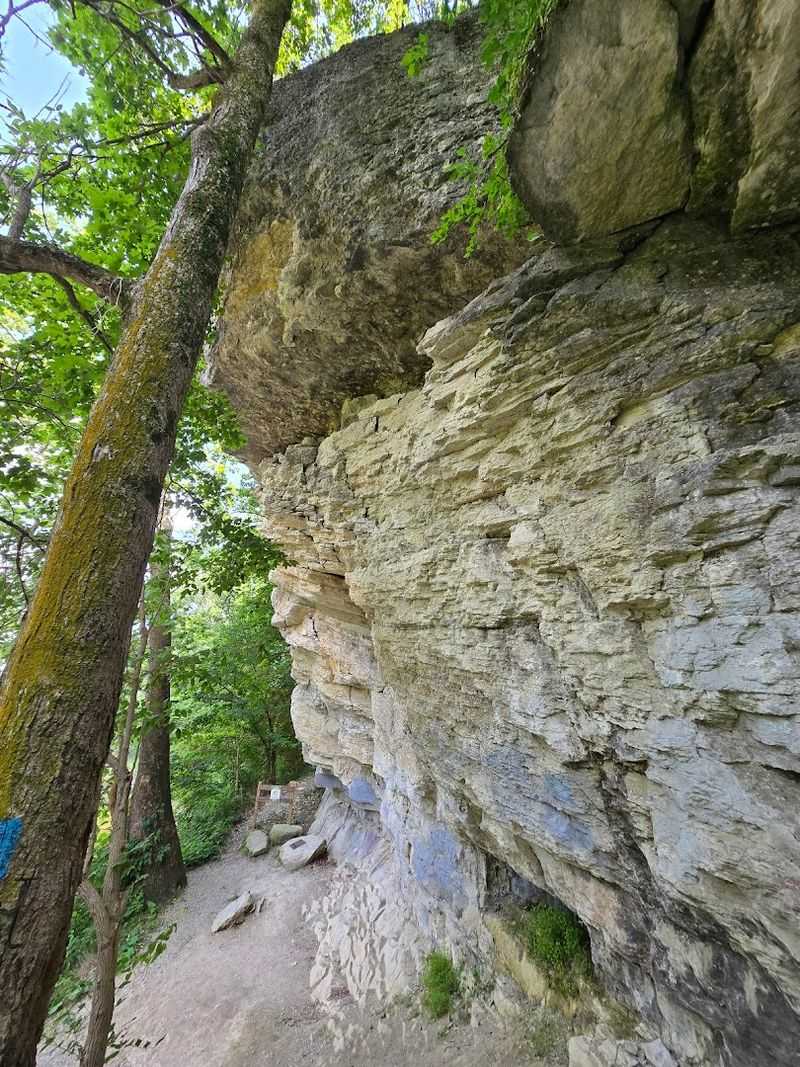
The name alone earns a second look on any map. Hanging Rock National Natural Landmark is one of those places that carries a quiet prestige, recognized officially for its geological significance but still largely unknown to the general public.
The limestone formation rises above the Wabash River valley and offers views that feel completely out of place with what most people expect from Indiana.
Find it at 4552 E Hanging Rock Rd, Lagro, IN 46941, in the northeastern part of the state near the town of Lagro. The rock itself is a striking mass of dolomite that juts out above the river corridor, and the view from the top looks down across the valley with a clarity that surprises first-time visitors.
The site has national landmark status, which speaks to how genuinely unusual it is.
Getting there involves some light hiking over uneven terrain, so solid footwear is a good idea. The area around the rock is also historically significant, with Indigenous and early settler history tied to the river corridor below.
Visiting during late spring or early fall tends to offer the clearest views without the heat of summer or the mud of early spring. Wildlife sightings are common along the trail, including herons along the river and various raptors riding the thermals above the bluff.
Hanging Rock rewards curiosity in the best possible way.
5. Brown County State Park Horseman Vista
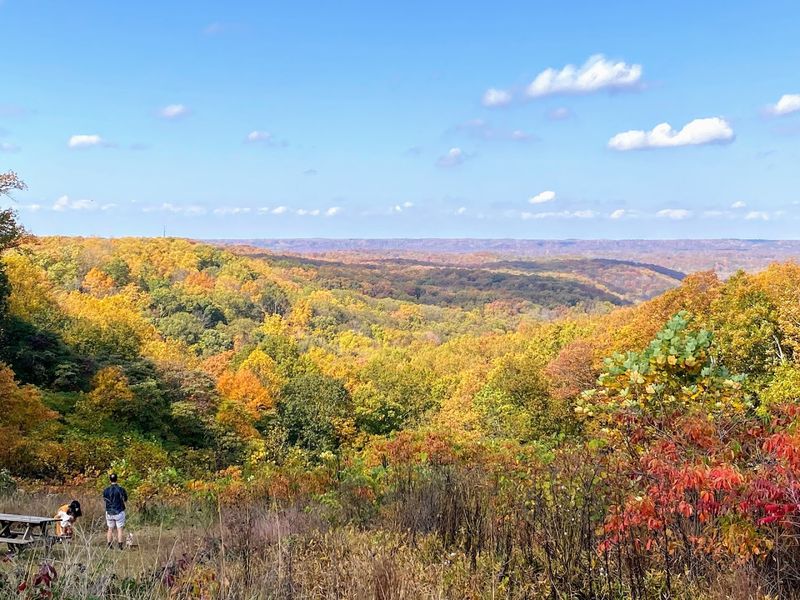
Brown County State Park has its famous spots, but Horseman Vista is the kind of place that slips past most visitors entirely. It sits within the park’s horseman camp area, which means foot traffic is lighter and the atmosphere feels more remote than the busier park entrances and lodges.
The view from this ridge is one of the most open and honest in the entire park.
Access it via Horseman Camp Rd through the SR-135 Entrance, Nashville, IN 47448. The drive in winds through mature hardwood forest before the ridge opens up and the valley drops away below you.
On clear days the view extends across multiple ridges and hollows, giving you a layered sense of the park’s scale that you simply cannot get from the lodge area.
Horseback riders use this area regularly, which adds a living texture to the experience that feels genuinely old-fashioned in the best sense. Hikers are welcome too, and the surrounding trails connect to the broader park trail network.
Fall is the obvious peak season here, but spring mornings with low mist rolling through the valleys are equally stunning in a quieter way. Arriving early on a weekday almost guarantees solitude.
Bring binoculars if you have them because the ridgeline views reward a closer look at the distant tree line and the occasional hawk or turkey vulture drifting overhead.
6. Mt. Jackson
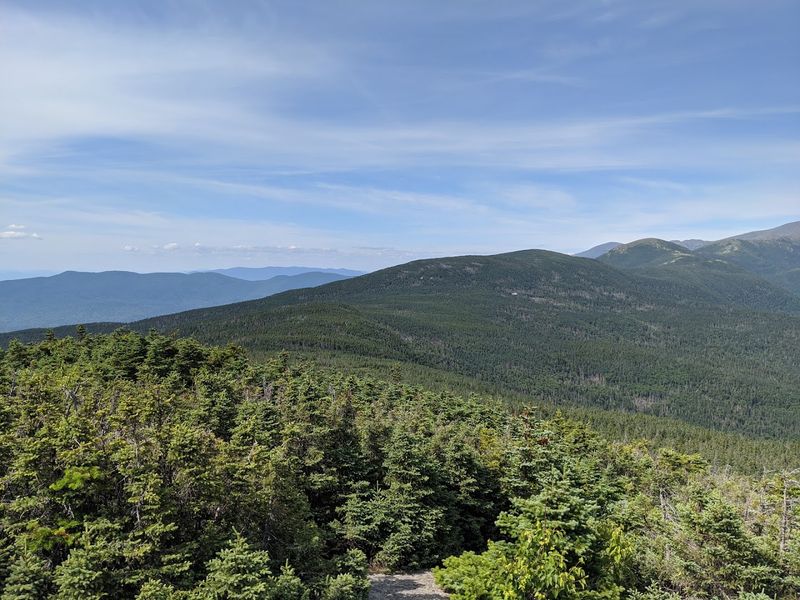
The Indiana Dunes region is best known for its lakefront beaches, but the inland terrain holds its own surprises. Mt.
Jackson is one of the lesser-visited elevated points in the Chesterton area, offering a different perspective on a landscape most people only experience at water level. The mix of forest and sandy terrain here feels unlike anything else in the state.
Access it via Trail 8 off 1600 N 25 E, Chesterton, IN 46304. The trail winds through a mix of oak savanna, pine, and dune forest that shifts noticeably as you gain elevation.
The sandy soil underfoot is a reminder that this entire landscape was shaped by glacial forces and ancient lake activity over thousands of years.
The views from higher points along the trail look out across the wooded dune ridges toward the broader landscape. On clear days you can catch glimpses of the lake in the distance, which adds an unexpected reward for those who push a little further along the trail.
The area sees far fewer visitors than the beach access points, which makes it a genuinely peaceful outing. Bird activity along this trail is impressive, especially during migration season when warblers and thrushes move through in large numbers.
Wear trail shoes with decent grip because the sandy slopes can be slippery in spots, especially after rain.
7. Tolleston Dunes Overlook
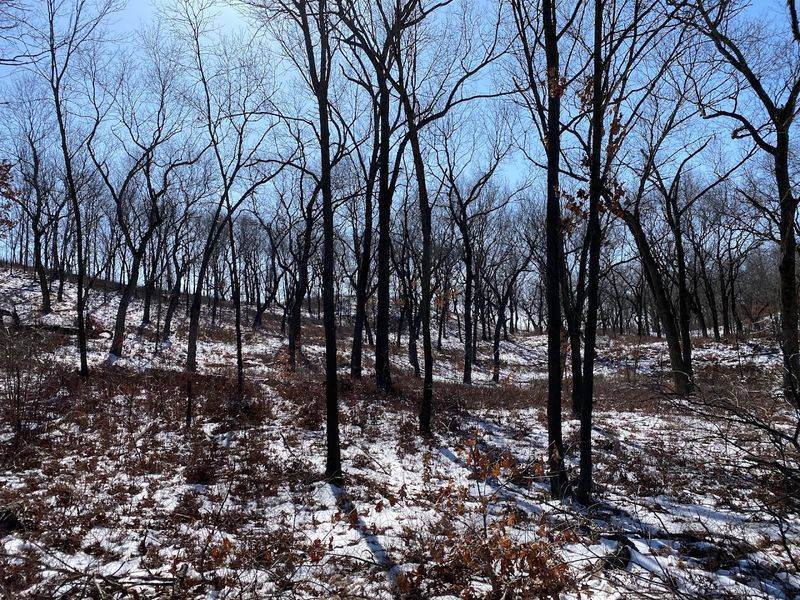
Tolleston Dunes does not get the same attention as the more photographed sections of Indiana Dunes National Park, but that is exactly what makes it worth visiting.
The overlook here sits above a landscape of ancient dune ridges, wetlands, and oak savanna that tells the geological story of Lake Michigan’s retreat over thousands of years.
It is a view with real scientific depth behind it.
The trailhead is located at 5634 U.S. Highway 12, Portage, IN 46368.
The trail system moves through distinct ecological zones as you gain elevation, shifting from wetland edges to dry oak woodland before reaching the higher sandy ridges. The contrast is noticeable and interesting, especially for anyone curious about how landscapes change with just a few feet of elevation.
From the upper trail sections, the view opens across the dune forest canopy with the flat Indiana landscape stretching south and the wooded ridge lines of the park to the north.
Sunset visits here are particularly rewarding when the low light filters through the oak canopy and casts long shadows across the sandy trail.
Wildlife is active throughout the year, with deer, foxes, and numerous bird species using the dune corridors. The area stays relatively uncrowded compared to the main beach access points, even on summer weekends.
A trail map from the park visitor center is helpful for navigating the overlook route efficiently.
8. Indian Hill Overlook Park
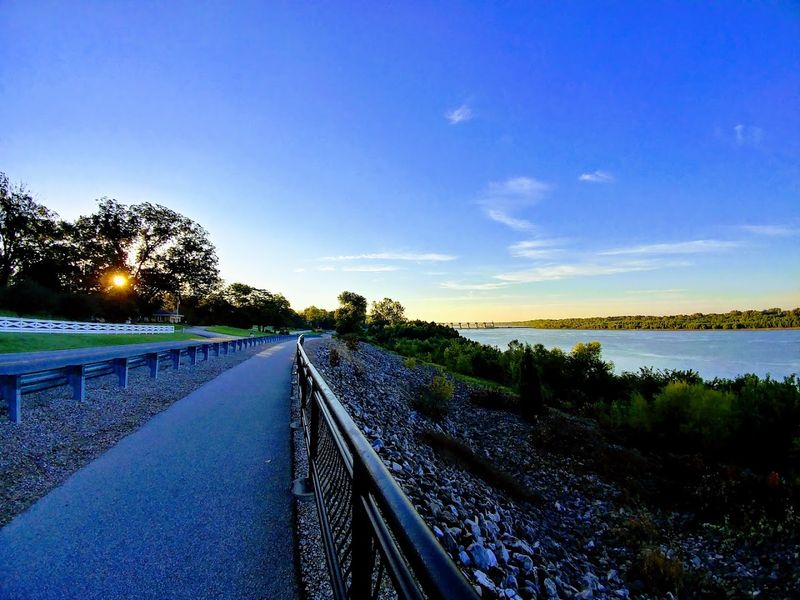
Newburgh sits quietly along the Ohio River in southwestern Indiana, and Indian Hill Overlook Park is its best-kept secret. The park occupies a wooded bluff above the river, and the views from the upper sections look directly down onto the Ohio with a wide, unhurried perspective that feels almost cinematic.
It is the kind of spot that makes you want to sit down and stay a while.
Located at 6599 IN-66, Newburgh, IN 47630, the park is easy to reach and well-maintained without feeling over-developed. Benches and open areas near the overlook give visitors a comfortable place to take in the view without rushing.
The river below moves steadily, with occasional barge traffic adding a sense of scale to the scene.
The surrounding park grounds include shaded walking paths through mature trees that make the area pleasant even on warm days. Local families use the park regularly, but it rarely feels crowded.
The bluff itself has some history tied to early settlement along the Ohio River corridor, and the town of Newburgh below has its own preserved historic district worth exploring before or after your visit. Fall foliage along the river bluffs turns the whole scene particularly vivid.
Sunrise visits are especially quiet and atmospheric, with mist often rising off the river in the early morning hours. This is a genuinely underappreciated corner of Indiana’s southern border.
9. Mt. Holden
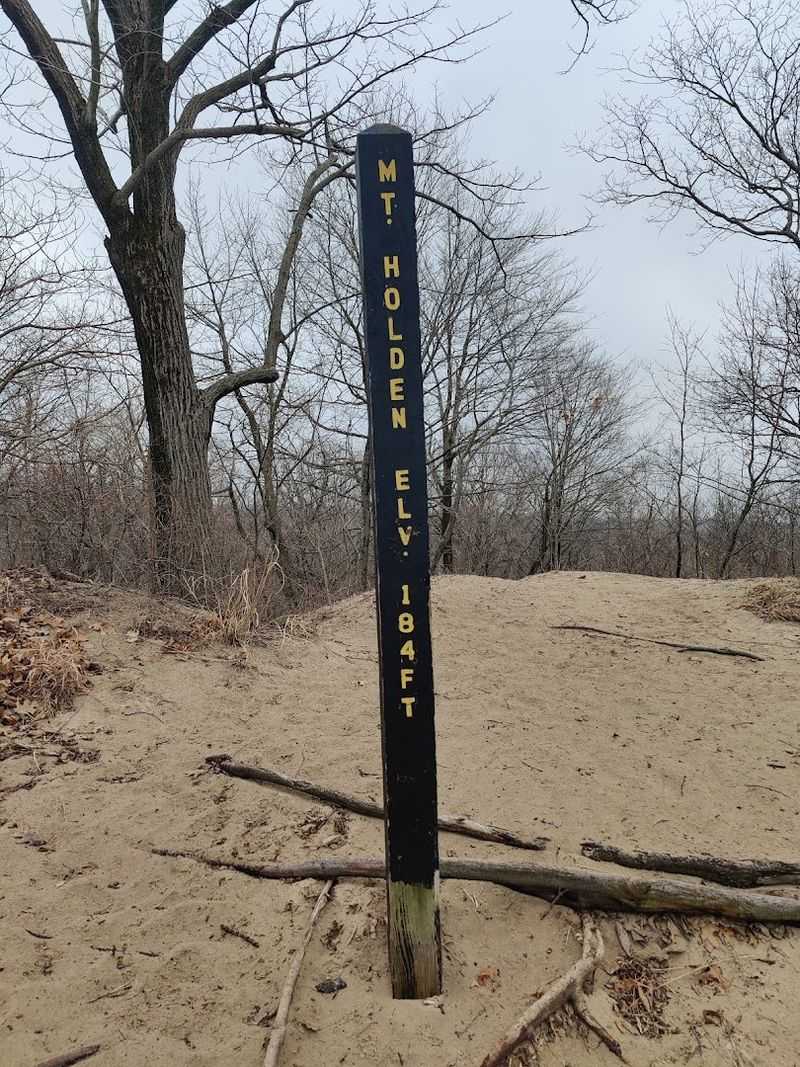
Right alongside Mt. Jackson in the Chesterton area, Mt. Holden offers its own elevated experience within the Indiana Dunes landscape. The two can be visited together on the same outing, but each has its own character.
Mt. Holden sits slightly higher and the surrounding vegetation shifts in ways that make the views feel distinct from its neighbor on the trail system.
Access is via Trail 8 off 1600 N 25 E, Chesterton, IN 46304. The trail weaves through sandy terrain with a mix of open oak woodland and denser forest sections.
Reaching the higher points requires some effort on the sandy slopes, but the climb is manageable and the payoff is a quiet ridge with filtered views across the dune landscape.
What makes Mt. Holden interesting is the sense of isolation it offers despite being relatively close to urban areas.
The dune forest absorbs sound remarkably well, and once you are on the trail, the surrounding noise fades quickly. Seasonal wildflowers appear along the lower trail sections in spring, and the oak canopy provides good shade during summer hikes.
Winter visits are particularly dramatic when snow settles on the sandy ridges and the bare trees open up longer sightlines than any other season allows. For anyone exploring the dune interior rather than the shoreline, this trail offers one of the most rewarding elevated experiences in the entire park system.
10. Hemlock Cliffs
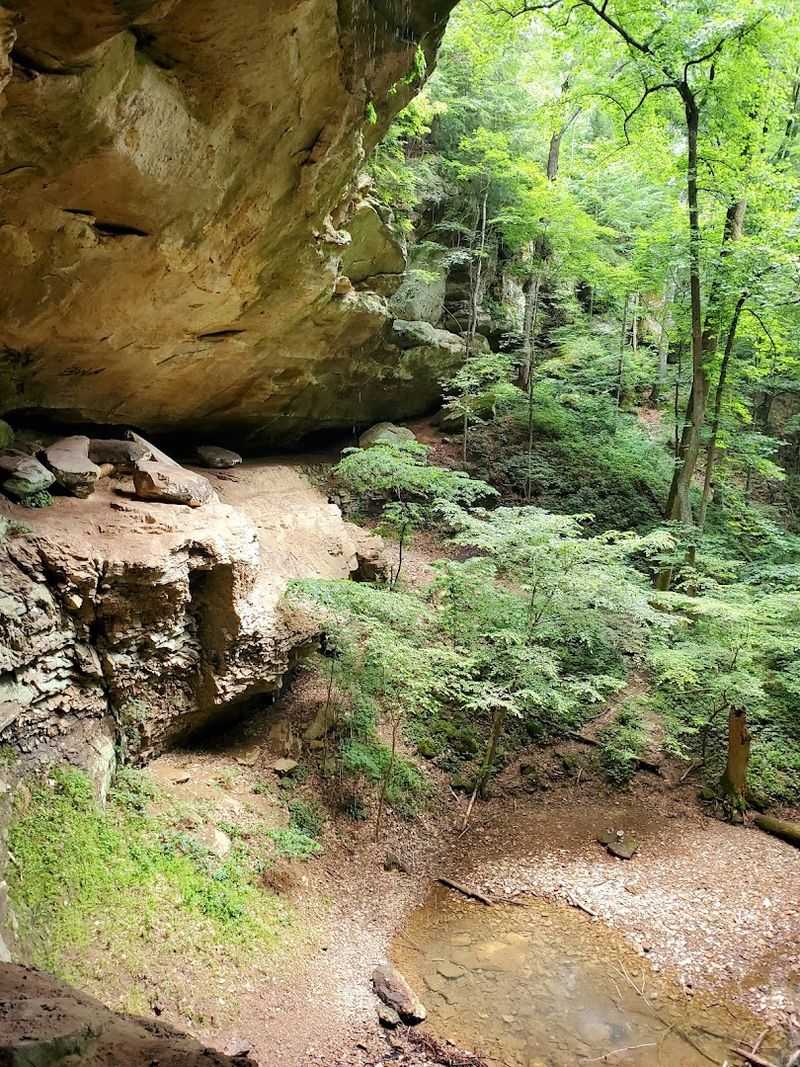
Hemlock Cliffs is one of those places that genuinely earns the word remarkable without exaggeration. The sandstone canyon here forms a natural box shape, with overhanging cliffs, rock shelters, and a cool microclimate that supports plant life found nowhere else nearby.
Walking into the canyon feels like stepping into a completely different world from the surrounding southern Indiana forest.
Find it along National Forest Rd, English, IN 47118, within the Hoosier National Forest. The trail descends into the canyon along a well-maintained path before looping through the interior and returning to the trailhead.
The entire loop takes about an hour at a relaxed pace, but most visitors slow down considerably once they are inside the canyon walls.
The overhanging rock shelters here were used by Indigenous peoples long before European settlement, and the site carries a layered history that adds weight to the physical beauty. Seasonal waterfalls appear along the canyon walls after rain, adding sound and movement to the already dramatic scenery.
The hemlock trees that once gave this place its name have faced pressure from an invasive insect species, but the forest continues to regenerate with other native species filling in the canopy.
Spring and early fall are the best times to visit when temperatures inside the canyon are comfortable and the light filtering through the trees hits the sandstone walls at a perfect angle.
This is southern Indiana at its most surprising.
