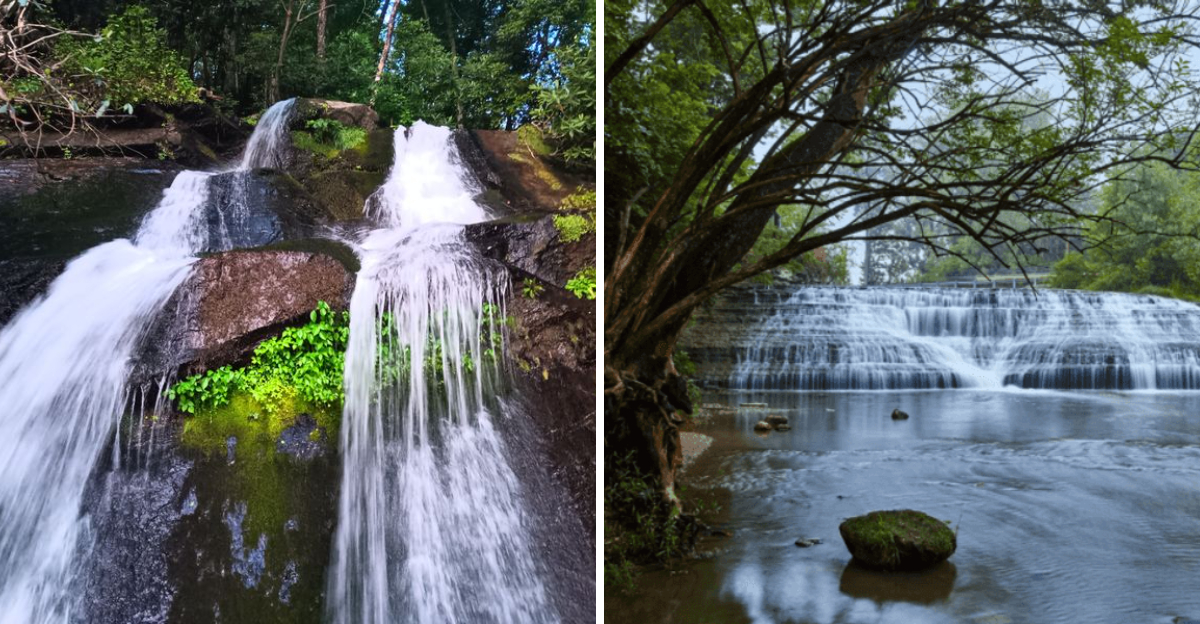
Winter transforms Indiana’s hidden waterfalls into stunning frozen wonderlands that feel like secret passages to another world.
Most people think of tropical destinations when they picture waterfalls, but locals know that cold weather creates an entirely different kind of magic at these cascading gems.
Icicles form like crystal chandeliers, spray freezes mid-air into delicate sculptures, and the surrounding landscape becomes a peaceful winter paradise.
These waterfalls scattered across Indiana offer breathtaking views during the coldest months, and residents who visit them return year after year to witness nature’s incredible seasonal artwork.
Some are tucked away in state parks while others hide along quiet hiking trails, but all of them reward adventurous visitors with unforgettable winter scenes.
Bundle up in your warmest coat and prepare to discover why Hoosiers consider these waterfalls absolutely magical when temperatures drop.
Cataract Falls
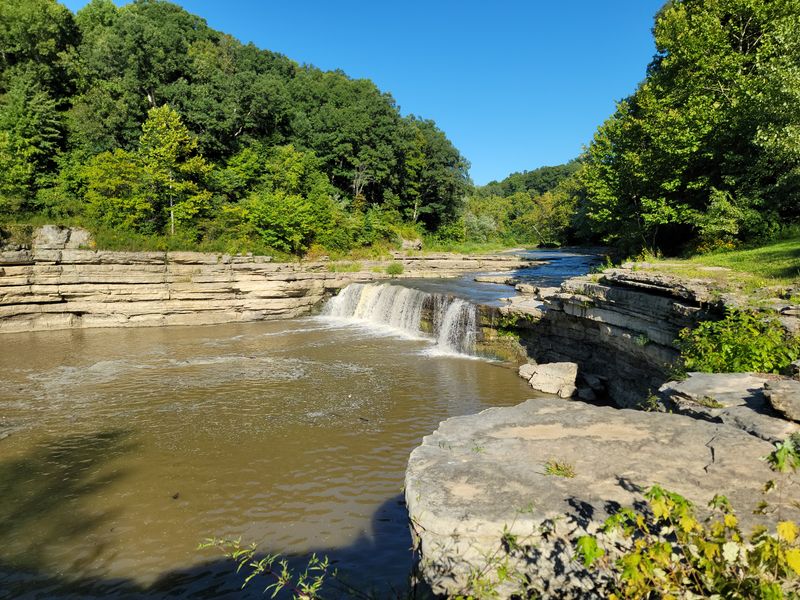
Cataract Falls holds the title as Indiana’s largest waterfall by volume, and winter weather turns this already impressive natural feature into something straight out of a fairy tale.
Located in Owen County within Lieber State Recreation Area at 1300 Lieber Road, Cloverdale, Indiana 46120, this waterfall actually consists of two separate cascades along Mill Creek.
The upper falls drop about 45 feet while the lower falls plunge approximately 30 feet, creating a combined spectacle that roars even louder when surrounded by winter silence.
When temperatures plummet, ice formations begin building along the rocky ledges and cliffs surrounding both falls, creating layers of frozen beauty that glisten in the pale winter sunlight.
The mist from the crashing water freezes on nearby tree branches, coating them in sparkling ice that looks like nature’s own glass ornaments.
A covered bridge near the falls adds rustic charm to winter photographs, and the relatively easy hiking trails make this waterfall accessible for families with children.
Local residents recommend visiting after a cold snap when ice formations are at their most dramatic but before heavy snows make the trails treacherous.
The surrounding forest becomes incredibly quiet in winter, amplifying the sound of rushing water and making the experience feel almost meditative.
Bring sturdy boots with good traction because paths can become icy, and consider packing a thermos of hot chocolate to enjoy while taking in the view from one of several observation areas.
Photographers love the golden hour just before sunset when low light creates stunning contrasts between the white ice, dark rocks, and flowing water.
Clifty Falls
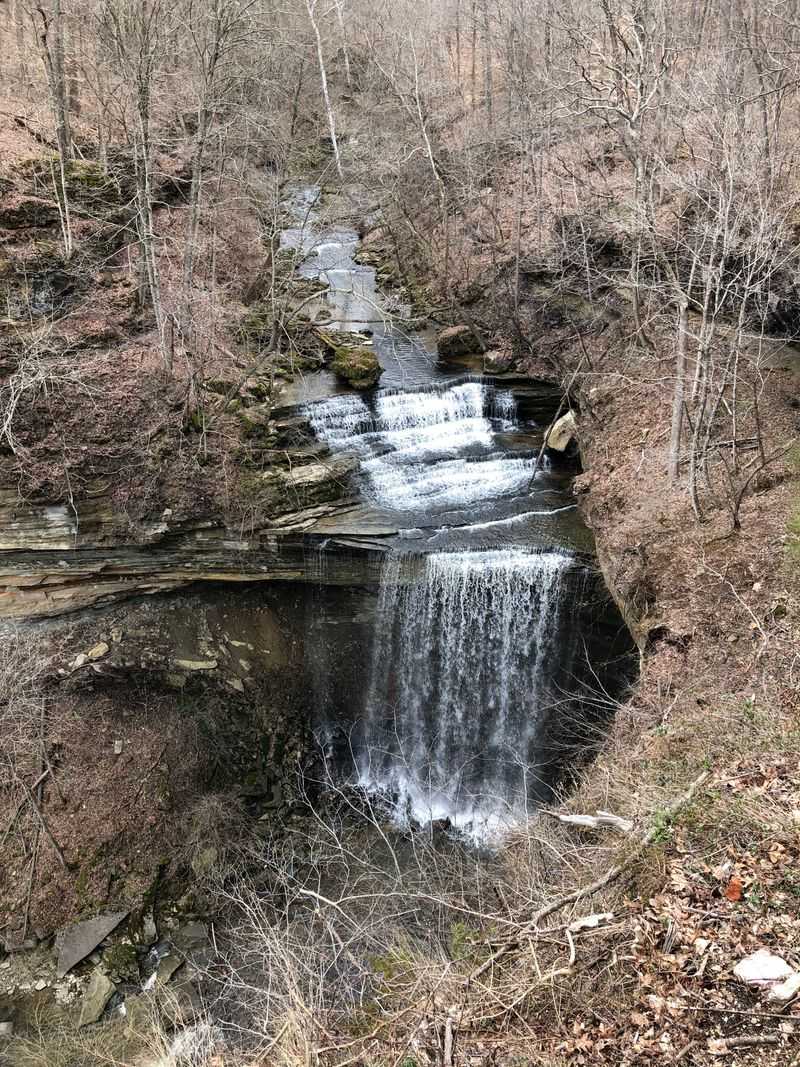
Clifty Falls State Park near Madison harbors several waterfalls, but the main 60-foot Clifty Falls becomes an icy cathedral when winter arrives in southern Indiana.
Situated at 2221 Clifty Drive, Madison, Indiana 47250, this waterfall plunges over a limestone cliff into a rocky gorge that echoes with the sound of falling water year-round.
During winter months, massive icicles form along the cliff face, some growing thick as tree trunks and creating curtains of ice that partially obscure the waterfall behind them.
The gorge walls collect ice in layers, building up week by week until the entire canyon looks like an ice palace carved by a master sculptor.
Hiking to the falls requires navigating Trail 2, which becomes more challenging in winter but rewards persistent visitors with views that locals describe as absolutely breathtaking.
The trail winds through dense forest where snow clings to evergreen branches and hardwood trees stand like silent sentinels guarding the path to the falls.
Many residents visit multiple times throughout winter because the ice formations change dramatically depending on temperature fluctuations and the amount of water flowing over the falls.
After a freeze-thaw cycle, new ice layers form over old ones, creating striations and patterns that make each visit unique.
The park also features three other waterfalls worth exploring, including Tunnel Falls and Little Clifty Falls, both of which develop their own distinctive ice features.
Winter hikers should wear layers, bring trekking poles for stability on icy sections, and allow extra time since trails take longer to navigate when covered in snow and ice.
Thistlethwaite Falls
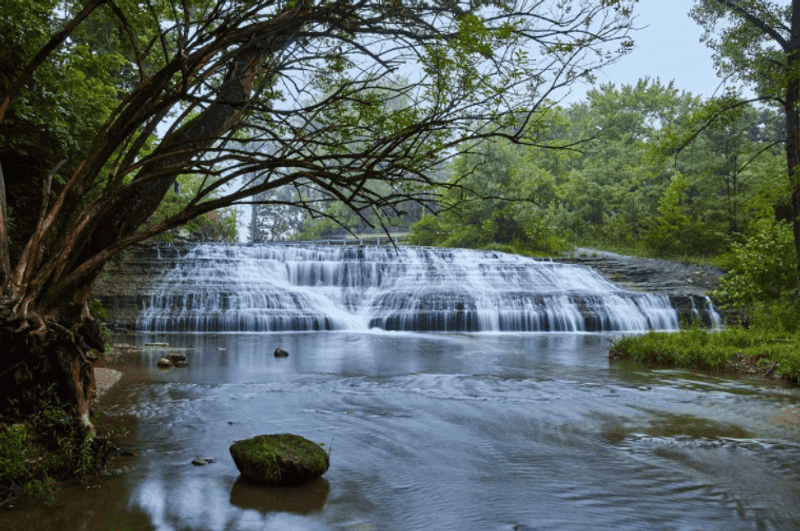
Thistlethwaite Falls transforms into a frozen masterpiece that makes a winter visit to Richmond absolutely worthwhile according to locals who enjoy watching the cascades turn into ice.
Located at 65 Waterfall Rd, Richmond, IN 47374, this unique waterfall was originally created in the mid-1800s when a new channel was blasted to power a nearby sawmill.
The falls drop approximately 20 feet over a wide limestone ledge, and in winter the water freezes in stages, creating a broad ice sculpture that stretches across the entire width of the river.
Unlike many of Indiana’s more remote falls, this one is easily accessible from the road, though a short, steep set of stairs leads down to the riverbed for those who want a closer look at the ice formations.
The surrounding stone walls collect frozen seeps and icicles that decorate the banks like natural artwork, framing the rushing water as it flows toward the Whitewater River.
Locals love that they can experience such dramatic winter scenery without a long hike, making it a favorite spot for photographers who want to capture the contrast of white ice against the dark river rocks.
The payoff comes when you stand at the base and see the frozen tiers of the waterfall, often with frozen mist coating the nearby trees in a delicate, crystalline glaze.
Local residents recommend visiting after several days of sub-freezing temperatures when the “frozen curtain” effect is most prominent across the limestone shelf.
Even though it is located near the city, the area feels peaceful in winter, offering a quick escape into nature where the sound of moving water and cracking ice dominates the air.
Pack a pair of boots with good grip if you plan to descend the stairs, as the limestone rocks at the base can become very slippery when covered in frozen spray.
Hemlock Cliffs
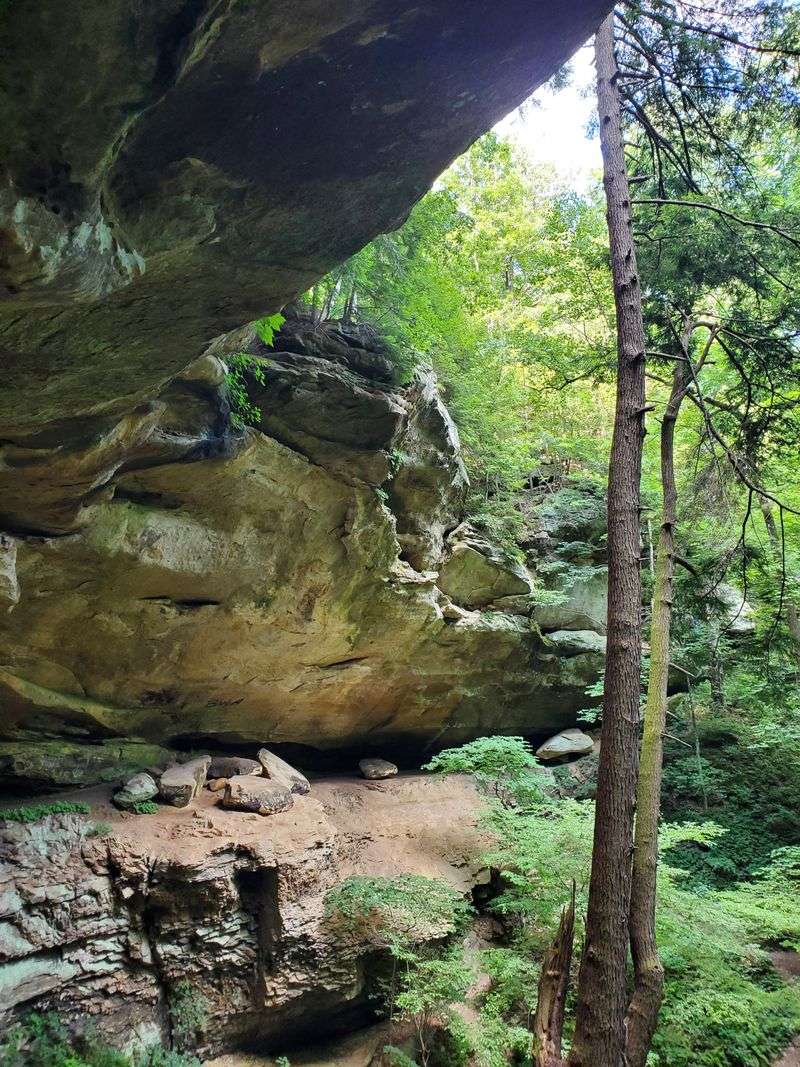
Hemlock Cliffs in the Hoosier National Forest offers a winter wonderland where waterfalls, box canyons, and unusual rock formations combine to create what residents call the most magical winter hike in southern Indiana.
This hidden gem sits within the Hoosier National Forest near the town of English, accessible via Forest Road 506, and features a short but spectacular loop trail through a unique geological area.
During winter, several small waterfalls and seeps along the sandstone cliffs freeze into delicate ice curtains that hang like translucent veils across the rock faces.
The box canyon creates a microclimate where moisture lingers, allowing ice formations to grow larger and more elaborate than at more exposed locations.
Hemlock trees, rare this far south, give the area its name and remain green throughout winter, providing striking color contrast against white snow and ice.
The three-quarter-mile loop trail takes hikers past overhanging cliffs, through narrow passages, and alongside frozen waterfalls, with the entire experience feeling like exploring a secret winter kingdom.
Local nature enthusiasts particularly appreciate how accessible this trail remains even in winter, with moderate terrain that most reasonably fit people can handle with proper footwear.
The cliffs create natural shelters where snow accumulates less, making some sections easier to navigate while adding to the mysterious atmosphere of protected alcoves and hidden corners.
Winter sunlight filters through the bare branches of deciduous trees, creating dramatic shadows and highlighting the texture of ice formations clinging to the canyon walls.
Visitors should arrive early on winter days since the canyon’s orientation means direct sunlight only reaches certain areas for limited hours, and the interplay of light and shadow creates the most photogenic conditions during specific times.
Williamsport Falls

Williamsport Falls, also known as Deer’s Mill Falls, cascades 90 feet down a rocky cliff face in Warren County, making it one of Indiana’s tallest waterfalls and a spectacular winter destination.
Located in the small town of Williamsport near Fall Creek, this waterfall can be found at Williamsport Falls Preserve, 4602 East Mill Street, Williamsport, Indiana 47993, managed by the Indiana Department of Natural Resources.
The impressive height means that winter winds sometimes catch the falling water, creating frozen spray that coats surrounding vegetation in thick layers of ice called rime ice.
Massive icicles form along the cliff face, and in particularly cold winters, the entire waterfall can freeze into a towering column of ice that climbers have been known to scale with proper equipment and permits.
The waterfall sits in a natural amphitheater of rock, and the acoustics make the sound of falling water resonate throughout the area, creating an immersive sensory experience.
A viewing platform near the base provides excellent vantage points for photography and simply soaking in the majesty of this natural wonder during its winter transformation.
Residents from surrounding counties make special trips to see Williamsport Falls in winter because the ice formations here develop on such a grand scale compared to smaller waterfalls.
The preserve features a short trail from the parking area to the viewing areas, making this waterfall accessible even for visitors who prefer not to hike long distances in cold weather.
Winter visits often mean having the falls almost entirely to yourself since fewer tourists venture out in cold weather, creating peaceful moments of connection with nature.
Bring binoculars to spot ice formations in detail along the upper sections of the cliff, and watch for icicles that catch sunlight and sparkle like diamonds against the dark rock face.
Anderson Falls
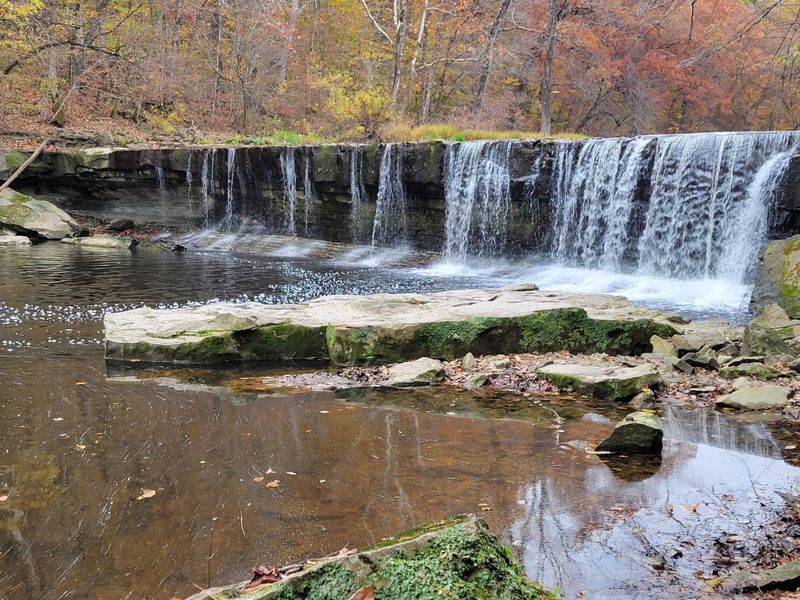
Anderson Falls in Hoosier National Forest near Paoli creates an intimate winter scene where a 30-foot cascade freezes into intricate ice sculptures within a sheltered ravine.
The falls are located off State Road 37 near Chambersville, accessible via Forest Road 6832, and the relatively short hike makes this waterfall perfect for families wanting to experience winter magic without extreme difficulty.
What makes Anderson Falls special in winter is how the narrow ravine protects ice formations from wind and direct sun, allowing them to grow undisturbed for weeks at a time.
The waterfall flows over a series of limestone ledges, and each ledge develops its own unique ice patterns as water freezes in thin sheets, thick columns, and delicate fingers reaching toward the pool below.
In the coldest stretches of winter, the pool at the base partially freezes, creating a surface that reflects the ice-covered cliffs and creates stunning mirror images for photographers.
The surrounding forest of beech, oak, and maple trees stands bare in winter, allowing more light to reach the ravine floor and illuminate the ice formations from different angles throughout the day.
Local families often visit Anderson Falls as part of a winter nature outing, combining the waterfall hike with exploration of other Hoosier National Forest trails in the area.
The moderate trail distance means even younger children can make the trek with proper winter gear, and the reward of seeing a frozen waterfall creates lasting memories and appreciation for nature’s seasonal changes.
Winter storms sometimes coat the entire ravine in fresh snow, and visiting shortly after a snowfall means experiencing the waterfall in pristine white surroundings before other hikers arrive.
Consider timing your visit for late morning when winter sun reaches into the ravine and makes the ice formations glow with internal light filtered through layers of frozen water.
Mill Creek Falls
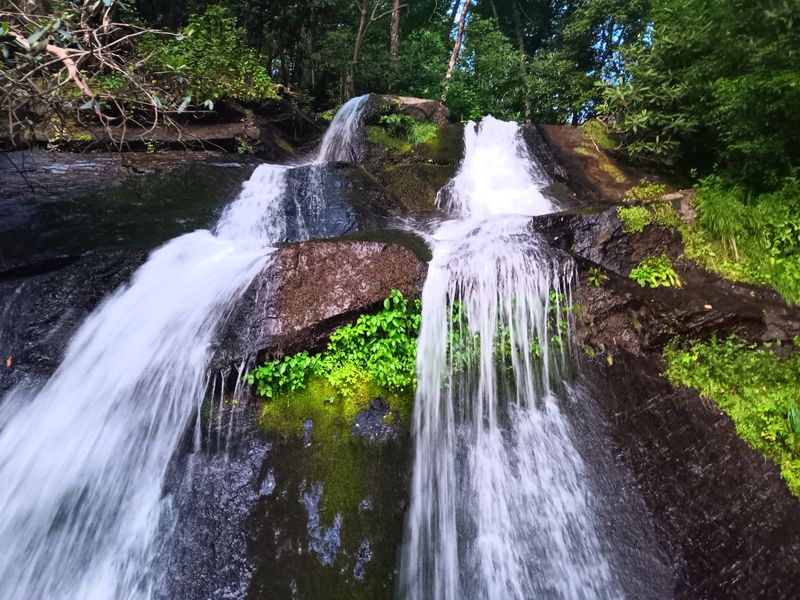
Mill Creek Falls in Shades State Park offers a different perspective on winter waterfall beauty, with a broad cascade that freezes in horizontal layers rather than vertical columns.
Located within the same park as Thistlethwaite Falls at 7751 South 890 West, Waveland, Indiana 47989, Mill Creek Falls can be accessed via Trail 9, which follows the creek through scenic terrain.
The waterfall spreads wide across a rock ledge, and in winter this creates a curtain of ice that builds outward from the cliff face, sometimes extending several feet and forming an ice shelf over the flowing water beneath.
The unique formation happens because the broad, shallow flow freezes in thin layers that accumulate over time, creating striations and patterns that tell the story of temperature changes throughout the season.
Mill Creek itself partially freezes in winter, with ice forming along the banks and creating natural sculptures where water continues flowing beneath transparent ice sheets.
The trail to the falls follows the creek, providing numerous opportunities to observe how moving water interacts with freezing temperatures to create different ice formations depending on current speed and depth.
Residents who hike here regularly notice that Mill Creek Falls looks different on every winter visit because the ice formations respond quickly to weather changes, melting partially during warm spells and rebuilding during cold snaps.
The surrounding ravine walls rise steeply on both sides of the creek, creating a protected corridor where snow accumulates deeply and winter feels especially quiet and removed from the outside world.
Wildlife tracks often mark the snow along the trail, with deer, raccoons, and various birds leaving evidence of their winter activities for observant hikers to discover.
Bring a camera with settings adjusted for bright snow and darker forest to capture the full range of winter colors, from brilliant white ice to the warm browns of tree bark and exposed rock.
Dear Reader: This page may contain affiliate links which may earn a commission if you click through and make a purchase. Our independent journalism is not influenced by any advertiser or commercial initiative unless it is clearly marked as sponsored content. As travel products change, please be sure to reconfirm all details and stay up to date with current events to ensure a safe and successful trip.
