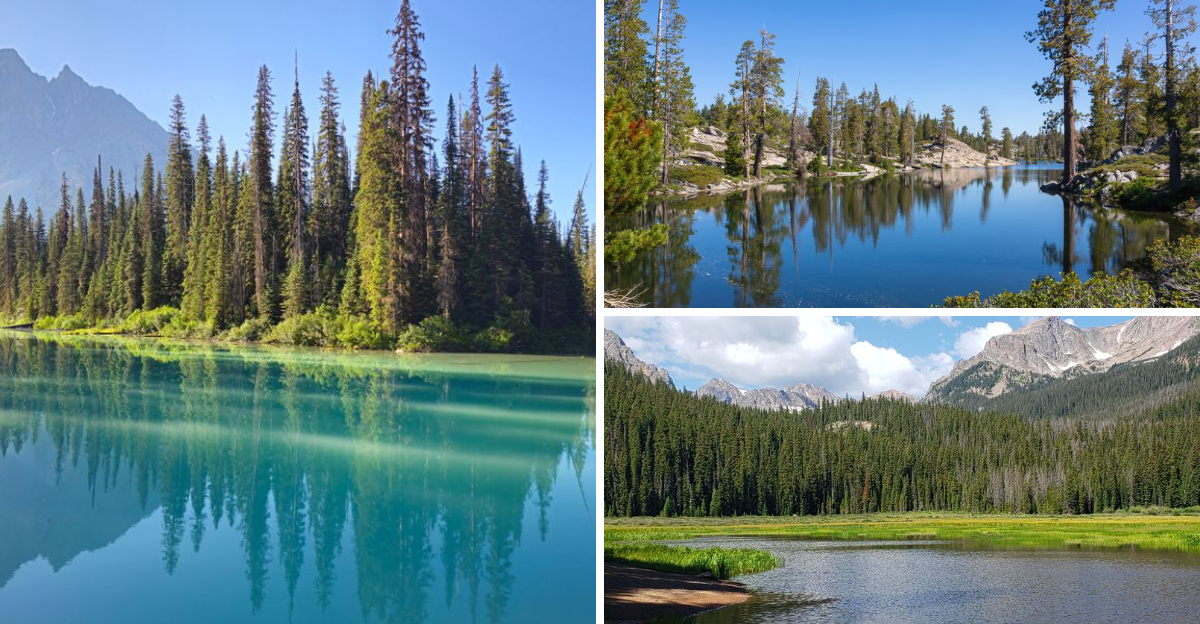
Northern California stretches from the volcanic peaks of the Cascade Range to the granite spires of the Sierra Nevada, creating a landscape filled with alpine basins, forest valleys, and remote wilderness areas that few travelers ever see.
While famous destinations like Lake Tahoe draw millions of visitors each year, countless smaller lakes remain tucked away in the backcountry, known mainly to local hikers, anglers, and those who prefer their natural beauty without the crowds.
These hidden waters offer crystal-clear reflections of surrounding peaks, quiet shorelines where wildlife roams undisturbed, and the kind of solitude that has become increasingly rare in our busy world.
Whether you seek a challenging alpine hike or a peaceful spot to cast a fishing line, these ten secluded lakes provide an authentic wilderness experience that captures the true spirit of Northern California’s rugged beauty.
1. Toad Lake
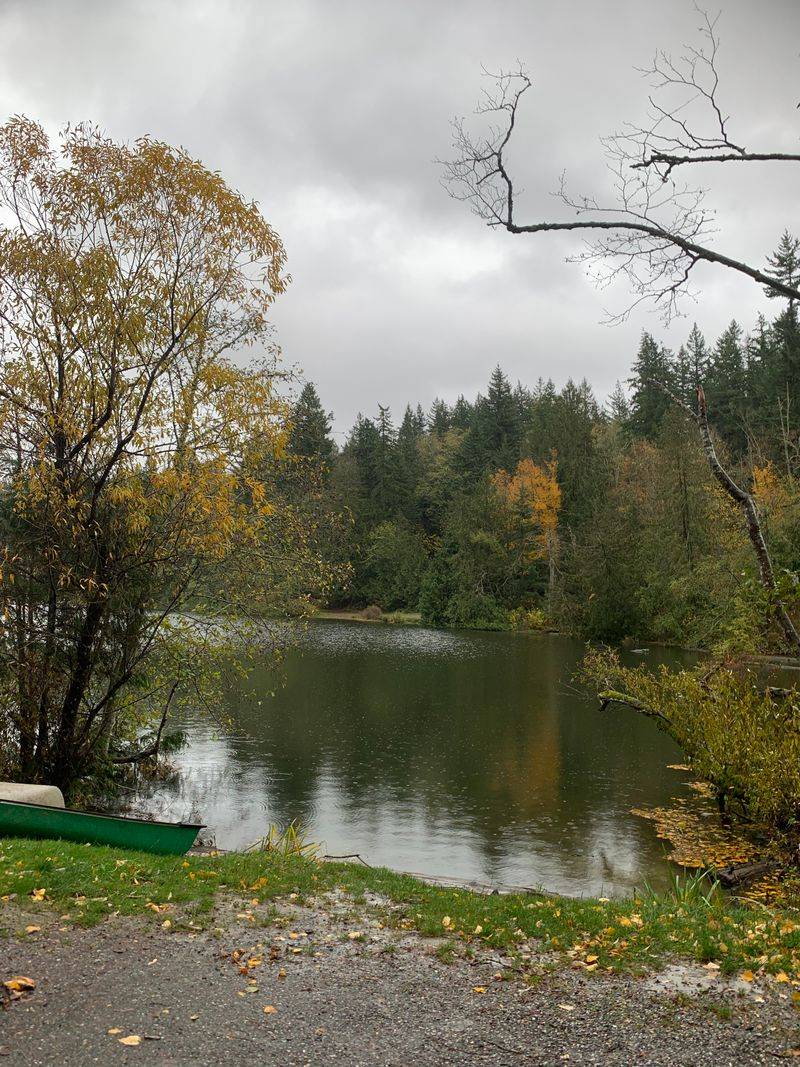
Perched high in a basin west of Mount Shasta, Toad Lake occupies one of the most dramatic settings in the entire Shasta-Trinity National Forest.
At 6,950 feet elevation, the air feels crisp and clean, carrying the scent of pine and the distant sound of wind moving through the surrounding peaks.
Getting there requires navigating a rugged forest road that tests your vehicle’s capabilities, followed by a 1.6-mile trail that climbs steadily toward the alpine basin.
The lake itself spreads across a landscape of meadows dotted with wildflowers in summer and rocky slopes that provide natural windbreaks and sunny spots for relaxation.
Anglers appreciate the healthy fish population that thrives in these cold, oxygen-rich waters, though regulations should always be checked before casting a line.
The isolation here is remarkable, with many visitors reporting they see no other people during their entire visit, creating a sense of solitude that feels increasingly precious in our connected world.
Camping near the shore allows you to experience the magic of sunset and sunrise reflecting off the water, with Mount Shasta occasionally visible through gaps in the surrounding terrain.
The high elevation means weather can change quickly, so preparation with warm layers and rain gear is essential even during summer months.
Wildlife tracks along muddy sections of shoreline tell stories of the animals that visit this water source regularly.
The combination of difficult access and spectacular beauty ensures that Toad Lake remains a well-kept secret among those who value authentic wilderness experiences over convenient, developed recreation areas.
Address: Shasta-Trinity National Forest, California
2. Boulder Lake
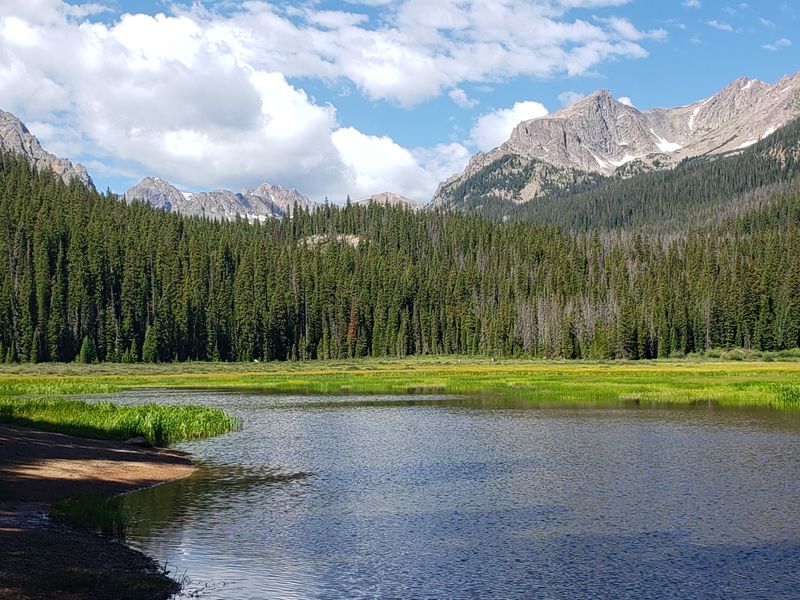
Granite slabs rise from the water’s edge like ancient monuments, creating a dramatic backdrop that changes with every shift of light throughout the day.
Boulder Lake sits at roughly 6,000 feet elevation in the Trinity Alps Wilderness, accessible through a moderately challenging hike that rewards those willing to make the journey.
The trailhead near Trinity Center marks the beginning of a 3.5 to 4.5-mile round-trip adventure that winds through wildflower meadows and over rocky ridges before revealing the lake nestled in its high basin.
Summer brings the best conditions for visiting, when snowmelt fills the lake to its fullest and temperatures make the hike comfortable without being too warm.
Conifer forests frame much of the shoreline, providing shade for those who want to rest after the climb and offering habitat for the various bird species that call this area home.
Fishing enthusiasts often find success here, though the remoteness means you will likely have plenty of space to yourself even during peak season.
The rocky terrain around the lake creates numerous spots perfect for setting up a small camp, though visitors should practice leave-no-trace principles to keep this special place pristine.
Early morning fog sometimes blankets the surface, creating an ethereal atmosphere that photographers particularly treasure.
Wildlife sightings are common, with deer occasionally spotted drinking at the water’s edge during quieter hours.
The combination of challenging access and stunning natural beauty makes Boulder Lake a favorite among locals who appreciate wilderness areas that remain genuinely wild and unspoiled by heavy tourism.
Address: Trinity Center, California
3. Emerald Lake
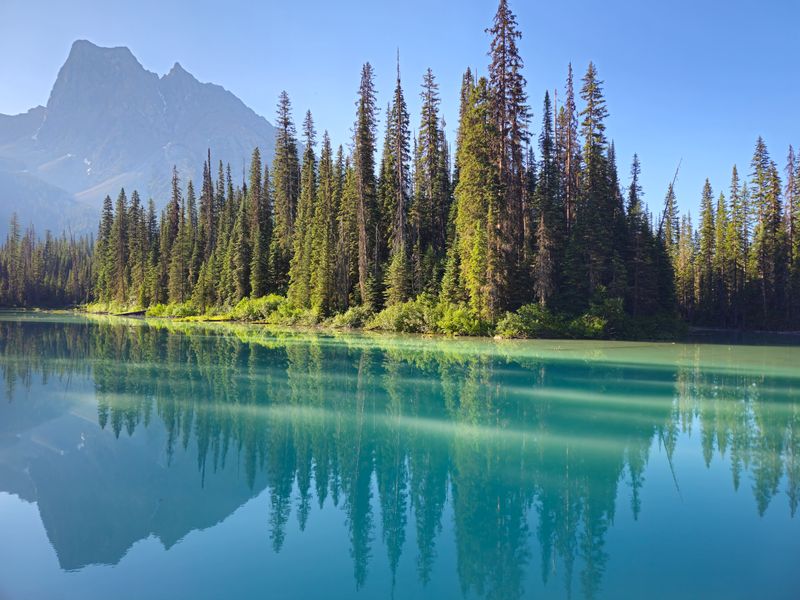
The name tells you everything you need to know about the water’s distinctive color, a vivid green hue that seems almost unnatural until you understand the geological forces at work.
Glacial sediment suspended in the water creates this remarkable coloration, a phenomenon that makes Emerald Lake one of the most visually striking destinations in the Trinity Alps Wilderness.
Located deep within the remote backcountry at approximately 5,500 feet above sea level, this lake requires serious commitment to reach.
The journey typically begins at the Stuart Fork Trailhead and involves a combination of established trail hiking and off-trail route-finding that demands navigation skills and wilderness experience.
This challenging access keeps visitor numbers extremely low, preserving a sense of discovery that feels increasingly rare in popular recreation areas.
The granite basin surrounding the lake creates a natural amphitheater where sound carries in interesting ways, and the rocky terrain provides countless opportunities for exploration and photography.
Backpackers who make the journey often spend multiple days in the area, using the lake as a base camp for further exploration of the surrounding peaks and valleys.
The high country vegetation includes hardy alpine plants that have adapted to the short growing season and harsh winter conditions.
Snow can linger well into summer at this elevation, so timing your visit for late July through September typically offers the best conditions.
The sense of accomplishment that comes with reaching Emerald Lake adds to the experience, making the stunning views and peaceful atmosphere feel even more rewarding after the challenging approach.
Address: Trinity Alps Wilderness, California
4. Independence Lake
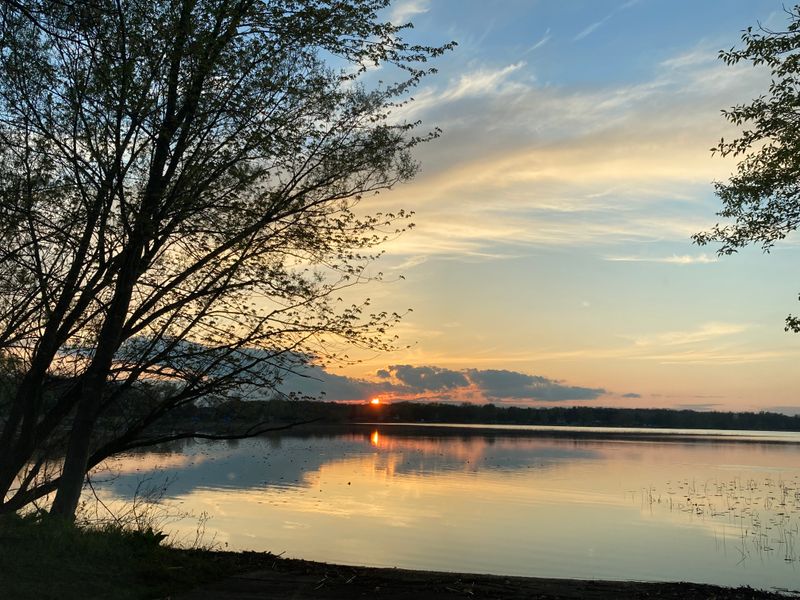
Conservation and recreation meet at this remarkable alpine reservoir where the threatened Lahontan cutthroat trout has found a protected stronghold.
Independence Lake sits north of Truckee in Sierra County, occupying a special place in both ecological and recreational terms.
The management approach here prioritizes the survival of native fish populations, with motorized boats restricted to minimize disturbance to the trout that have inhabited these waters for generations.
High elevation ensures the water remains cold and clear year-round, creating ideal conditions for the cutthroat trout while also providing stunning visibility for those who simply want to admire the lake’s beauty.
The shoreline features a mix of rocky outcrops and forested areas where pine trees grow right to the water’s edge, creating picture-perfect scenes that change with the seasons.
Visitors who respect the conservation guidelines will find this a rewarding destination where the health of the ecosystem remains the top priority.
Fishing regulations are carefully designed to protect the trout population, so anyone planning to fish should review current rules before visiting.
The lake’s relative accessibility compared to more remote destinations makes it an excellent choice for those who want to experience pristine alpine waters without undertaking extreme backcountry adventures.
Bird watchers often spot various species around the lake, particularly during migration seasons when the water serves as an important stopover point.
The combination of ecological significance and natural beauty creates a unique atmosphere where visitors can enjoy outdoor recreation while contributing to conservation efforts simply by following the established guidelines.
Address: Sierra County, California
5. Lake of the Woods
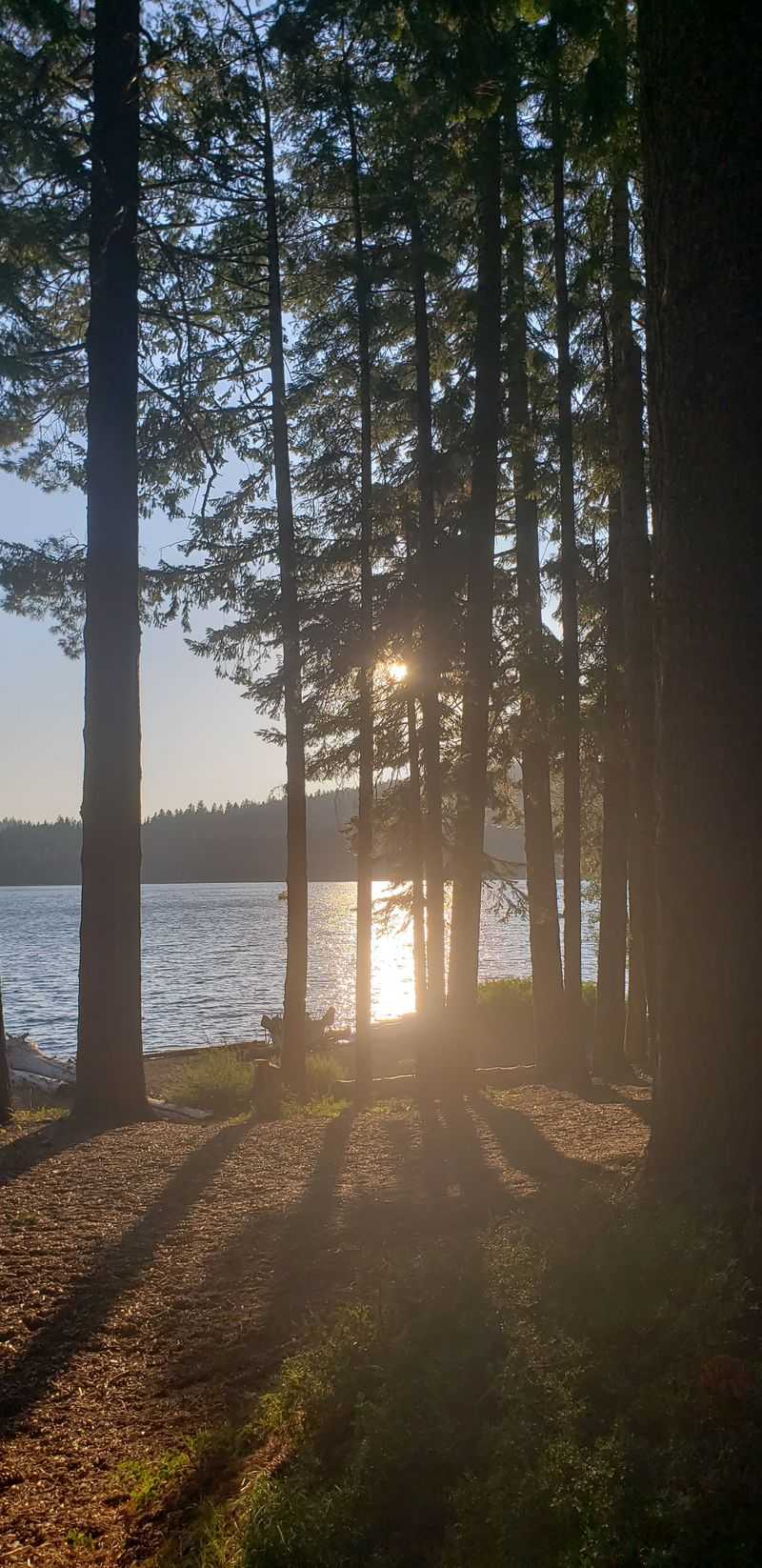
Old-growth trees tower above the shoreline, their massive trunks bearing witness to centuries of seasonal changes and natural cycles.
Lake of the Woods occupies a quiet corner of the Shasta-Trinity National Forest at approximately 5,500 feet elevation, west of Mount Lassen’s volcanic peaks.
The journey to reach this peaceful water involves navigating unpaved forest roads that wind through dense timber, adding to the sense of remoteness even though the lake is technically accessible by vehicle.
A primitive campground near the shore offers basic facilities for those who prefer their camping experiences without modern conveniences or crowded developed sites.
Wildlife thrives here, with beavers actively maintaining dams and lodges that add to the ecological complexity of the area.
Frogs chorus from the shallows during warm months, creating a natural soundtrack that accompanies evenings spent by the water.
Bird watchers bring binoculars to spot the various species that inhabit the forest and shoreline, from waterfowl to raptors hunting over the open water.
The lack of infrastructure means visitors need to come prepared with all necessary supplies, but this also ensures the lake retains its wild character.
Fishing provides opportunities for those who enjoy the sport, though the focus here is more on the peaceful setting than trophy catches.
Sunrise and sunset transform the lake into a mirror reflecting the surrounding forest and sky, creating moments of tranquility that feel worlds away from urban life.
The combination of old-growth beauty, abundant wildlife, and minimal development makes Lake of the Woods a treasure for those who seek nature on its own terms.
Address: Shasta-Trinity National Forest, California
6. Grouse Lake
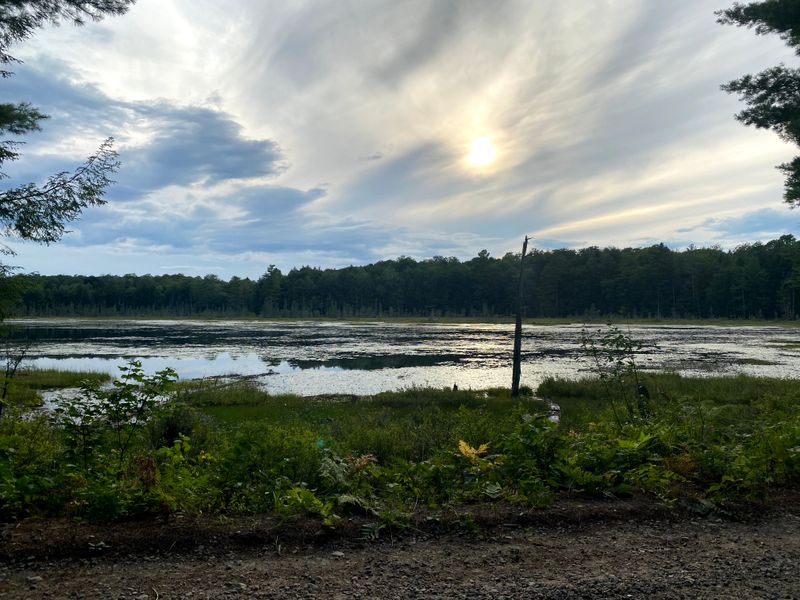
Few destinations capture the essence of Sierra Nevada beauty quite like this gem tucked away in the Lakes Basin Recreation Area.
Grouse Lake sits among dozens of other alpine waters in Plumas National Forest, yet it maintains a quieter profile than its more famous neighbors.
The trail leading to the lake winds through subalpine meadows that explode with wildflower color during peak season, typically from mid-July through August.
Granite peaks rise dramatically around the basin, their light-colored stone contrasting beautifully with the deep blue of the water and the green of surrounding vegetation.
The moderate hiking distance makes this lake accessible to families and those who prefer shorter trails, though the elevation gain still provides enough challenge to feel like an accomplishment.
Small fish dart through the shallows near shore, and patient observers can watch them navigate between rocks and aquatic plants.
The area around the lake offers numerous spots perfect for a picnic lunch, with flat rocks providing natural seating and incredible views.
Photography enthusiasts find endless compositions here, from wide landscape shots capturing the entire basin to intimate close-ups of alpine flowers and water reflections.
The relatively short distance from the trailhead means you can visit for just a few hours or extend your stay with overnight camping in designated areas.
Weather patterns at this elevation can shift quickly, with afternoon thunderstorms common during summer months, so early morning visits often provide the most stable conditions.
The peaceful atmosphere and stunning scenery make Grouse Lake a perfect introduction to the hidden alpine waters of Northern California for those new to backcountry exploration.
Address: Plumas National Forest, California
7. Crater Lake (Lassen Volcanic National Park)
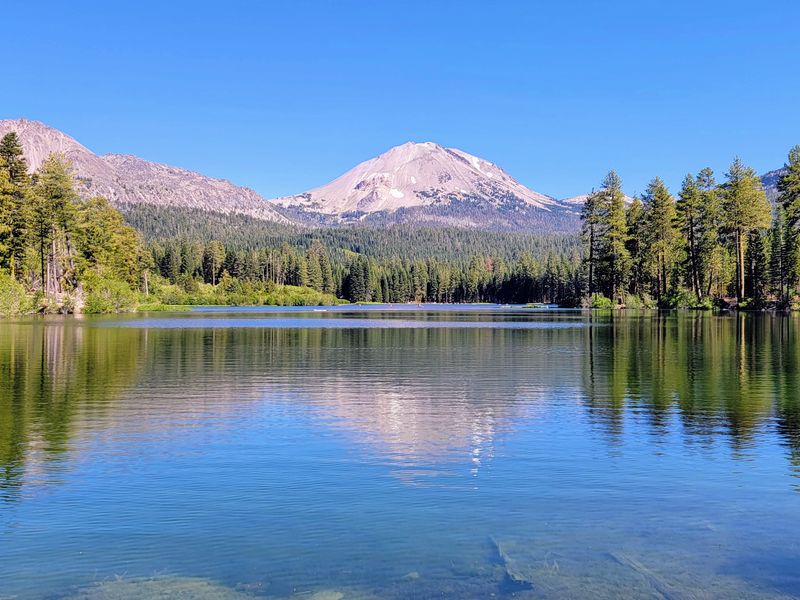
Volcanic forces shaped this unique water feature, creating a lake that sits within the remnants of ancient geological violence.
Not to be confused with the famous Crater Lake in Oregon, this smaller Northern California version occupies a depression formed by volcanic activity in Lassen Volcanic National Park.
The surrounding landscape bears clear evidence of its fiery origins, with volcanic rock formations and sparse vegetation adapted to the harsh conditions.
Reaching this lake requires a moderate hike through terrain that tells the geological story of the region, passing lava flows and thermal features along the way.
The water itself displays remarkable clarity, allowing views deep into its depths where sunlight penetrates to illuminate the rocky bottom.
Because this lake sits within a national park, it receives more visitors than some truly remote destinations, yet it still feels peaceful compared to major tourist attractions.
The volcanic soil surrounding the lake supports unique plant communities that have adapted to the mineral-rich but nutrient-poor conditions.
Interpretive information along the trail helps visitors understand the geological processes that created this landscape, adding educational value to the scenic experience.
The contrast between the lake’s serene surface and the violent forces that created it provides a fascinating perspective on nature’s dual character.
Wildlife in the area includes species adapted to high-elevation volcanic terrain, from pikas among the rocks to raptors soaring overhead.
Visiting during weekdays or shoulder seasons helps avoid the summer crowds that can make parking and trail access more challenging.
The combination of geological interest and natural beauty makes this crater lake a worthwhile destination for those exploring Lassen’s volcanic landscape.
Address: Lassen Volcanic National Park, California
8. Deadfall Lakes
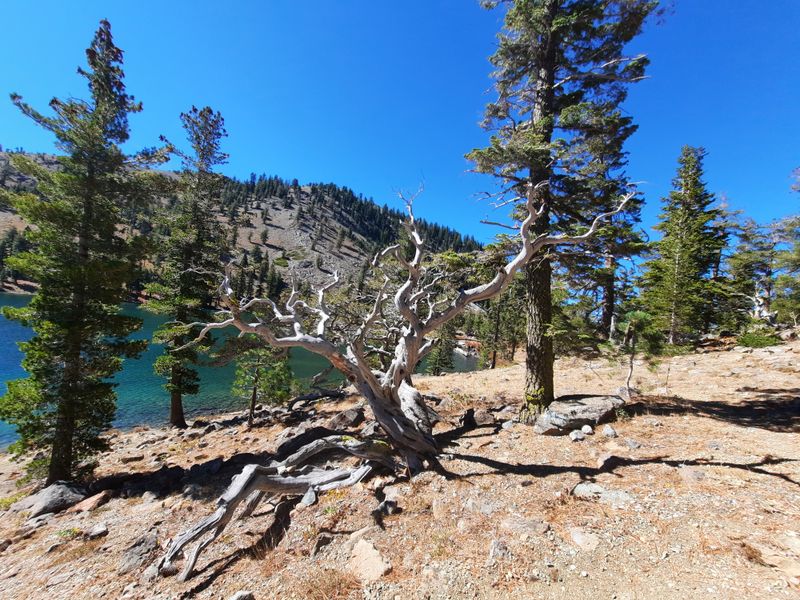
Three separate lakes occupy this high basin below Mount Eddy, each with its own character and appeal.
The Deadfall Lakes system in the Shasta-Trinity National Forest offers visitors the unique experience of exploring multiple alpine waters in a single trip.
Lower, Middle, and Upper Deadfall Lakes sit at progressively higher elevations, with trails connecting them for those who want to see all three.
The approach begins at the Parks Creek Trailhead and climbs steadily through forest before breaking into more open terrain as elevation increases.
Granite boulders scattered around the shorelines create natural sculptures that add visual interest and provide perches for taking in the panoramic views.
Mount Eddy rises above the basin, its summit accessible via a side trail for those seeking an additional challenge and even more spectacular vistas.
The lakes support fish populations that attract anglers, though the fishing pressure remains light compared to more accessible waters.
Wildflowers carpet the meadows between the lakes during peak season, creating a colorful foreground for photographs of the surrounding peaks.
Camping is possible near the lakes for those who want to experience the magic of sunrise and sunset in this alpine environment.
The relatively moderate trail difficulty makes these lakes accessible to hikers with average fitness levels, though the elevation still requires acclimatization for those coming from sea level.
Each lake offers slightly different scenery and atmosphere, so taking the time to visit all three provides a fuller appreciation of the basin’s beauty and ecological diversity.
Address: Shasta-Trinity National Forest, California
9. Loch Leven Lakes
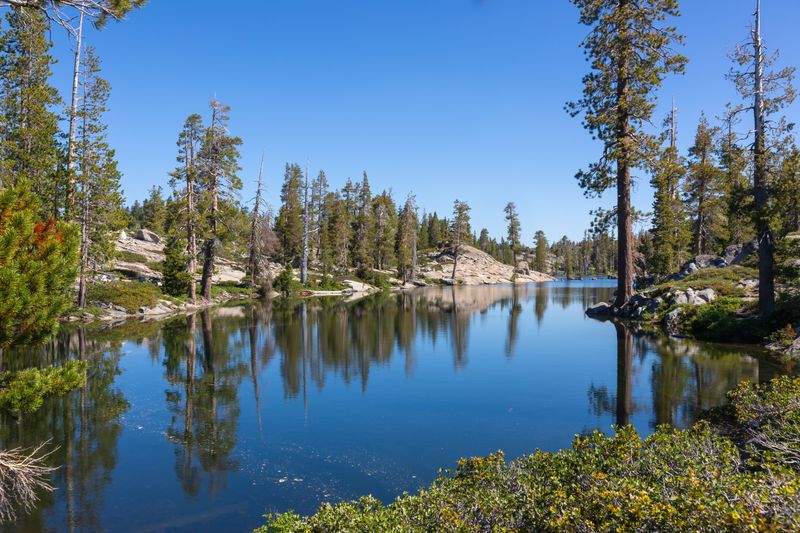
Scottish naming conventions meet Sierra Nevada scenery at this chain of interconnected lakes near Big Bend.
The Loch Leven Lakes system consists of multiple waters linked by trails that wind through pine forests and over granite ridges.
Starting from the trailhead off Interstate 80, hikers climb through mixed conifer forest that provides shade during the initial ascent.
The first lake appears after a few miles of steady climbing, offering a rewarding destination for those who prefer shorter hikes.
Continuing beyond the first lake leads to additional waters, each with its own distinctive character and surrounding terrain.
Granite formations frame the shorelines, creating dramatic backdrops and providing natural seating areas for rest and contemplation.
The lakes sit at elevations where snow lingers into early summer, so timing your visit for late June through October typically ensures accessible trails and pleasant conditions.
Fishing regulations allow for catch-and-release in some lakes while others permit keeping fish within size and number limits.
The proximity to Interstate 80 makes these lakes more accessible than truly remote destinations, yet the hiking distance still filters out casual visitors.
Backpackers often use the lakes as a base camp for exploring the surrounding terrain, which includes additional lakes and peaks not visible from the main trail.
Bird songs echo across the water in the early morning, and the stillness before other hikers arrive creates moments of perfect tranquility.
The combination of Scottish naming, Sierra Nevada beauty, and reasonable accessibility makes the Loch Leven Lakes a favorite among locals who return season after season.
Address: Big Bend, California
10. Caribou Lake

Crystal-clear water mirrors the surrounding peaks so perfectly that distinguishing the reflection from reality becomes a pleasant challenge.
Caribou Lake sits deep in the Trinity Alps Wilderness, far enough from trailheads that reaching it requires genuine commitment and preparation.
The trail leading to this alpine gem climbs through multiple ecological zones, from lower elevation forests through subalpine meadows and finally into the rocky terrain of the high country.
At approximately 6,900 feet elevation, the lake occupies a dramatic cirque carved by ancient glaciers that shaped this landscape thousands of years ago.
Granite peaks rise steeply on multiple sides, creating natural windbreaks and framing views that photographers dream about.
The water maintains a frigid temperature even in late summer, fed by snowmelt and underground springs that keep it refreshingly cold.
Backpackers who make the journey often spend multiple nights in the area, using the lake as a base for exploring nearby peaks and hidden valleys.
Alpine meadows near the shore burst with wildflowers during the brief growing season, attracting butterflies and providing pops of color against the gray granite.
The remoteness ensures excellent wildlife viewing opportunities, with deer, marmots, and various bird species commonly spotted by patient observers.
Sunrise at Caribou Lake ranks among the most spectacular natural displays in Northern California, as first light illuminates the peaks and gradually spreads across the basin.
The challenging access and stunning beauty combine to create an experience that locals treasure and rarely share with outsiders, preserving the lake’s wild character for those willing to earn their visit through effort and preparation.
Address: Trinity Alps Wilderness, California
Dear Reader: This page may contain affiliate links which may earn a commission if you click through and make a purchase. Our independent journalism is not influenced by any advertiser or commercial initiative unless it is clearly marked as sponsored content. As travel products change, please be sure to reconfirm all details and stay up to date with current events to ensure a safe and successful trip.
