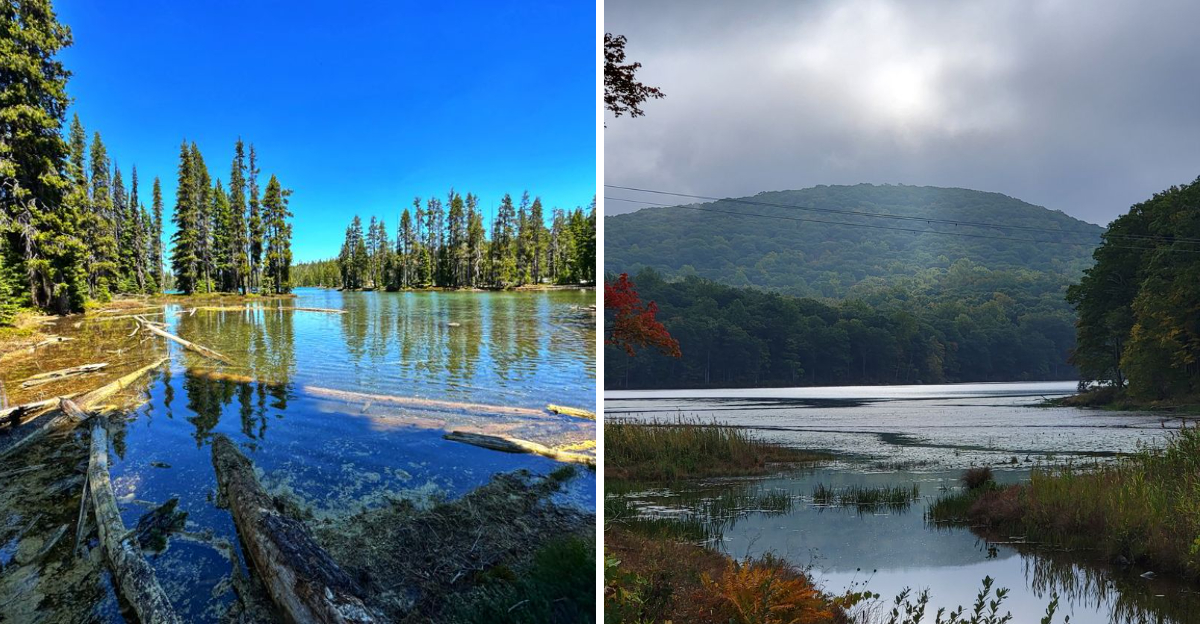
Oregon is famous for its stunning natural beauty, but most travelers flock to the same well-known spots like Crater Lake and Mount Hood. Beyond these crowded destinations, the state hides dozens of remote alpine lakes that remain blissfully untouched by mass tourism.
These secret waters require serious effort to reach, whether through rugged hikes, off-road adventures, or cross-country navigation that tests your wilderness skills. Tucked away in the Cascades, Wallowas, and other wild corners of the state, these hidden gems reward intrepid explorers with solitude, pristine scenery, and unforgettable experiences.
Most guidebooks skip right over them, and that’s exactly what keeps them so special. Ready to escape the crowds and discover Oregon’s best-kept secrets?
Pack your hiking boots, grab a good map, and prepare for an adventure that’ll make your friends seriously jealous. Trust us, these lakes are worth every blister, wrong turn, and mosquito bite you’ll endure to find them!
1. Ice Cube Lake
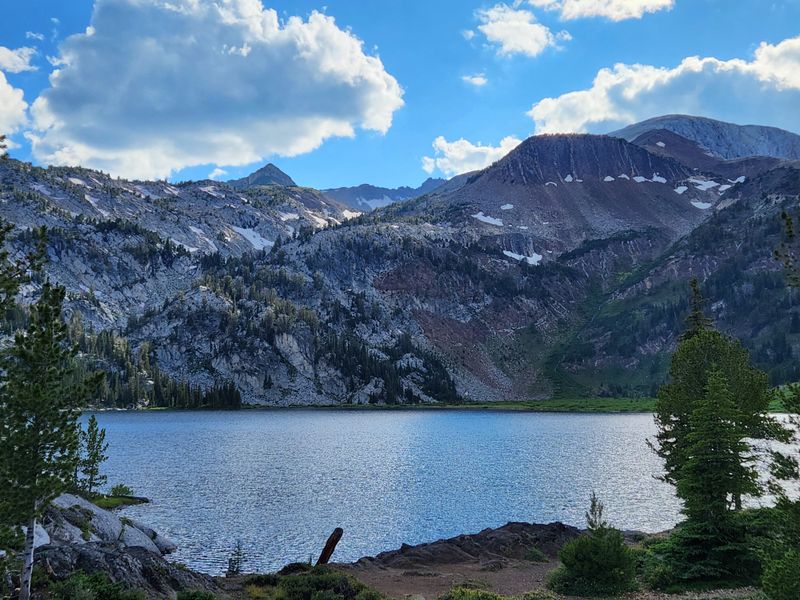
At a bone-chilling 9,100 feet in the Wallowa Mountains, this unofficial snow tarn earns its frosty name honestly. Formed by melting snow and ice in a high alpine basin, it’s one of the most remote water features in all of Oregon.
Located just over two miles from the already-secluded Ice Lake, reaching Ice Cube requires a steep, off-trail scramble that separates the determined from the merely curious.
The lake itself is small, often partially frozen even in August, and surrounded by jagged granite peaks that look like they were carved by giants. Snowfields cling to the surrounding slopes well into summer, feeding the lake with ice-cold meltwater that stays frigid year-round.
Swimming here is only for the truly brave or slightly crazy, though dipping your toes in after a sweaty scramble feels absolutely incredible.
Navigation skills are essential because there’s no marked trail to follow once you leave the Ice Lake path. Bring a topographic map, compass, or GPS device, and know how to use them before you set out.
The terrain is rocky and steep, with loose scree in places that requires careful footing. Trekking poles are highly recommended to help with balance and stability on the descent.
Wildlife sightings are common in this remote area, including mountain goats, marmots, and occasionally black bears, so practice proper food storage and make noise as you hike. The views from the lake are absolutely spectacular, with panoramic vistas across the Wallowa range that’ll make your Instagram followers think you’ve discovered another planet.
2. Doris Lake
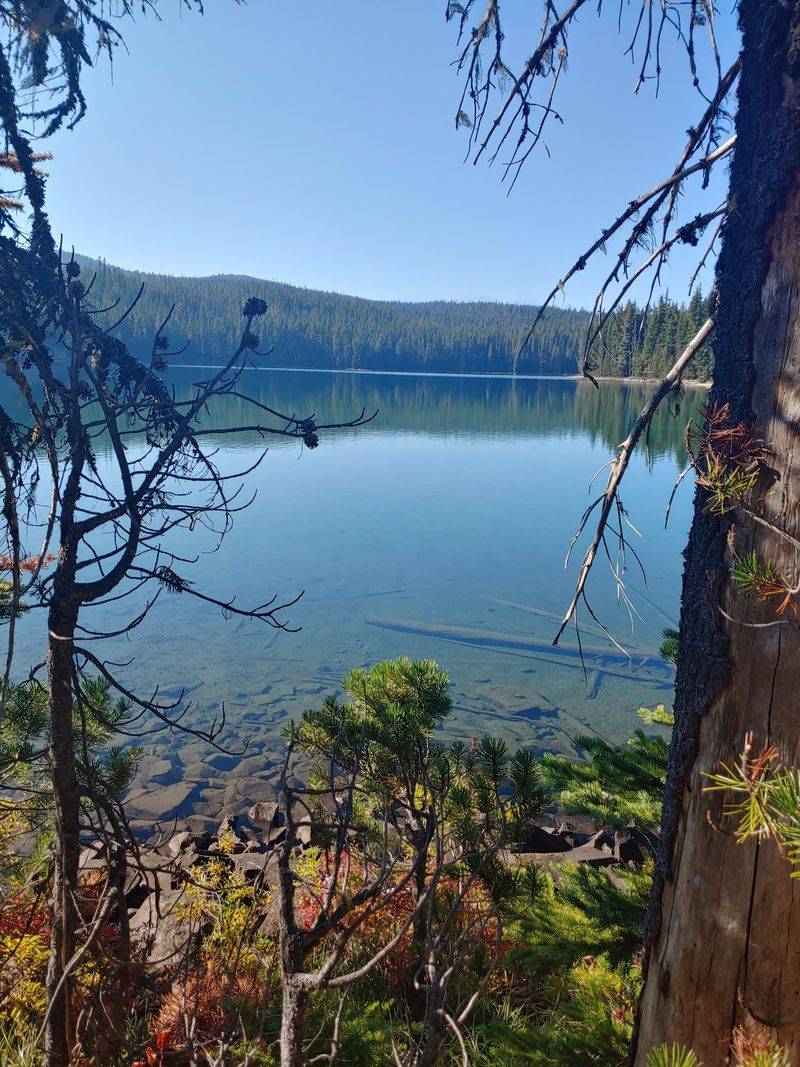
Nestled along the Six Lakes Trail in the central Cascades, Doris Lake is a sparkling gem that somehow flies under the radar despite its impressive size and depth. Plunging to 90 feet at its deepest point, the lake offers crystal-clear water that’s perfect for swimming on hot summer days.
The trail is surprisingly easy compared to other entries on this list, making it accessible to hikers who want solitude without extreme technical challenges.
What sets Doris apart is its serene setting, framed by old-growth forest and granite outcroppings that provide natural diving platforms for adventurous swimmers. The water is cold but refreshing, and the clarity allows you to see fish darting below the surface.
Backpackers love this spot because there are several excellent campsites scattered around the shoreline, each offering privacy and stunning views.
The relative obscurity of Doris Lake compared to famous Oregon destinations means you can often find yourself alone here, especially on weekdays or early in the season. Wildflowers bloom along the trail in June and July, adding splashes of purple, yellow, and red to the green forest landscape.
The hike in takes about two to three hours at a moderate pace, making it perfect for an overnight backpacking trip.
Fishing is surprisingly good here, with brook trout and rainbow trout both present in healthy numbers. Bring your rod and a valid Oregon fishing license if you want to try your luck.
The lake also makes an excellent base camp for exploring the other lakes along the Six Lakes Trail, though Doris remains the largest and most impressive of the group.
3. Lake Ivern
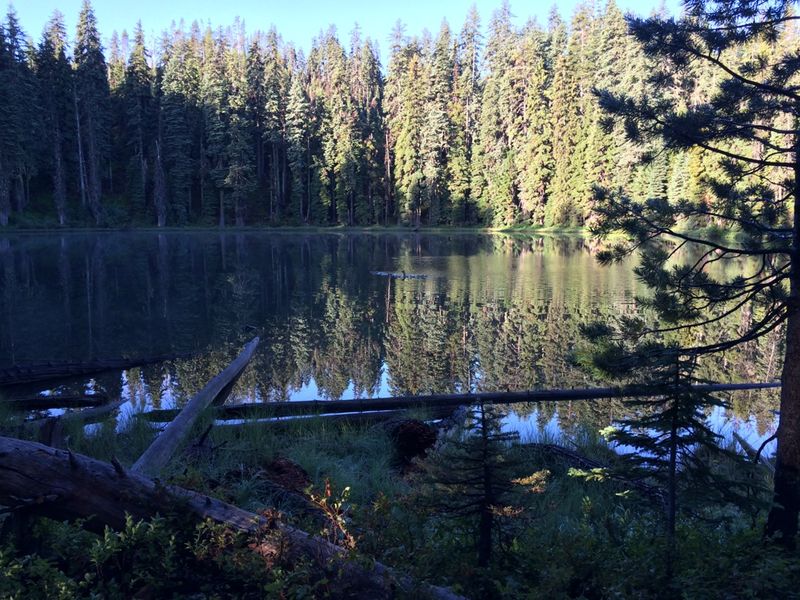
Tucked deep within the Sky Lakes Wilderness, Lake Ivern presents a unique challenge that keeps all but the most determined hikers away. A trail technically leads to this secluded water, but years of neglect have left it overgrown and incredibly difficult to follow.
Navigation skills are absolutely essential here, as the path frequently disappears beneath fallen logs, dense brush, and confusing game trails that lead nowhere.
The effort required to reach Ivern is substantial, but the reward is a lake that feels genuinely untouched by modern civilization. Surrounded by dense forest and rocky slopes, the shoreline is wild and natural, without the trampled campsites and fire rings that mar more popular destinations.
The water is deep and dark, reflecting the surrounding trees like a mirror on calm days.
Bring a GPS device or excellent map-reading skills, because getting lost here is a real possibility. The overgrown trail means you’ll be pushing through brush and stepping over deadfall for much of the approach.
Long pants and sleeves are recommended to protect against scratches from branches and thorns. Allow extra time for the hike, as progress will be slower than on a maintained trail.
Wildlife is abundant in this remote corner of the Sky Lakes Wilderness, with deer, elk, and black bears all calling the area home. The solitude is profound, and spending a night camping here feels like stepping back in time to an era before trails and guidebooks.
The stars shine with incredible brilliance thanks to the complete absence of light pollution, making this an excellent spot for amateur astronomers and anyone seeking a true wilderness experience.
4. Puck Lake (North End)
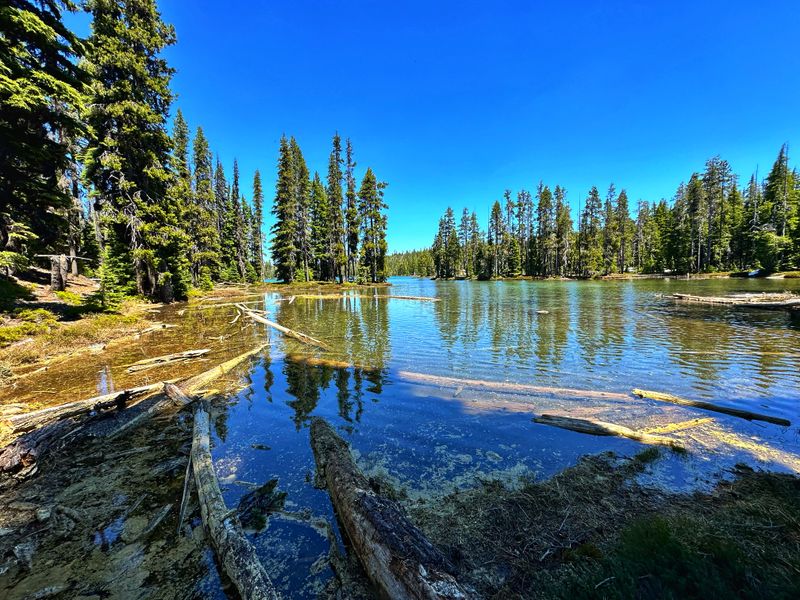
Finding genuine solitude in the popular Sky Lakes Wilderness might seem impossible, but the north end of Northern Puck Lake proves otherwise. Located about half a mile from any established trail, this secluded corner requires off-trail navigation through forest and over rocky terrain.
Most hikers stick to the main trails and visit the more accessible parts of Puck Lake, leaving this northern section blissfully empty.
The landscape here is quintessential high Cascades, with scattered subalpine fir trees, volcanic rock formations, and views of distant peaks. The water is cold and clear, fed by snowmelt and underground springs that keep it refreshingly chilly even in August.
The shoreline is rocky in places and marshy in others, creating diverse habitat for frogs, dragonflies, and water birds.
Getting here requires confidence in your navigation abilities and a willingness to bushwhack through terrain without a clear path. A topographic map and compass or GPS are essential tools, as are sturdy boots with good ankle support for traversing uneven ground.
The half-mile distance might not sound like much, but cross-country travel always takes longer than you expect.
Camping at the north end offers incredible privacy, with designated wilderness camping rules allowing you to set up at least 100 feet from the water. The sunsets here are spectacular, with alpenglow lighting up the surrounding peaks in shades of pink and orange.
Because so few people make the effort to reach this spot, you’ll likely have the entire area to yourself, creating a sense of discovery that’s increasingly rare in Oregon’s wilderness areas.
5. McKee Lake
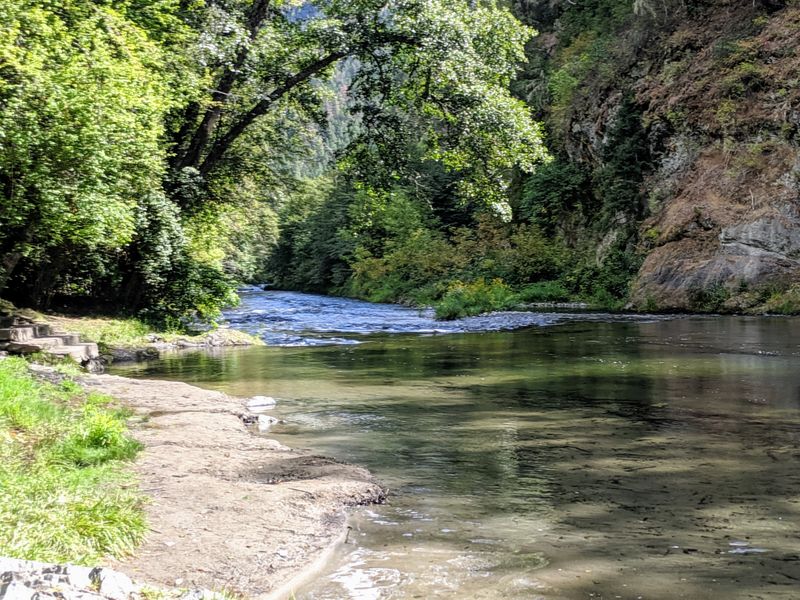
Hidden in the aptly named McKee Basin, this remote lake requires cross-country travel from a forest road that sees maybe a dozen vehicles per year. There’s no established trail, no trailhead sign, and definitely no crowds of Instagram influencers snapping selfies.
The approach involves navigating through dense forest, across streams, and over rocky terrain using only your map-reading skills and wilderness savvy.
The basin itself is a stunning glacial cirque surrounded by steep slopes and dramatic rock formations. McKee Lake sits at the bottom like a sapphire in a stone setting, its waters fed by snowmelt cascading down from the surrounding ridges.
The isolation is complete, with the only sounds being wind in the trees, bird calls, and the occasional splash of a rising trout.
Accessing McKee requires a high-clearance vehicle to reach the remote forest road, followed by several hours of cross-country hiking through challenging terrain. Bring everything you need for self-sufficiency, including extra food, a water filter, first-aid supplies, and emergency communication devices.
Cell service is nonexistent, and help is a very long way away if something goes wrong.
The fishing here is exceptional precisely because so few anglers make the effort to visit. Native cutthroat trout thrive in the cold, clean water, offering excellent opportunities for catch-and-release fishing.
The lake also makes a fantastic base for exploring the surrounding basin, with opportunities for scrambling, wildlife watching, and simply soaking in the profound wilderness atmosphere. Visiting McKee feels like discovering a secret that Oregon has been keeping just for you.
6. South Pass Lake
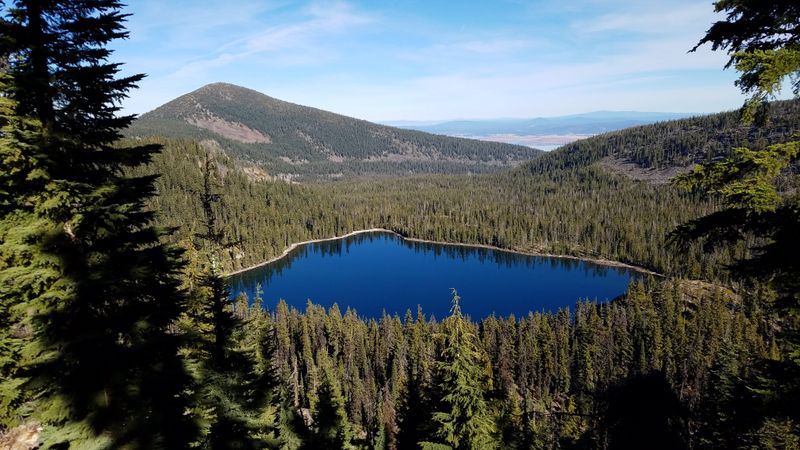
Deep in the Mountain Lakes Wilderness, South Pass Lake sits far from any major trailhead, ensuring that only committed hikers make the journey. A trail does exist, but getting to it requires a long approach through remote country that tests your endurance and navigation skills.
The isolation is part of the appeal, creating an experience that feels more like true exploration than a simple day hike.
The lake itself is gorgeous, surrounded by volcanic peaks and alpine meadows that burst with wildflowers during the brief summer season. Mountain hemlock and whitebark pine frame the shoreline, their gnarled forms sculpted by decades of winter storms and heavy snow.
The water is incredibly clear, allowing you to see the rocky bottom in the shallower areas near shore.
Plan for this to be a backpacking trip rather than a day hike, as the distance and elevation gain make a single-day round trip exhausting for most people. The trail passes through varied terrain, including dense forest, open meadows, and rocky slopes with expansive views.
Water sources are available along the way, but always filter or purify before drinking.
Camping near South Pass Lake follows wilderness regulations, meaning you’ll need to set up at least 100 feet from the water and practice Leave No Trace principles. The night sky here is absolutely incredible, with the Milky Way visible as a bright band stretching across the heavens.
The remoteness also means you’re unlikely to encounter other hikers, creating a sense of solitude that’s increasingly precious in our crowded world. Bring a good book, a warm sleeping bag, and plenty of time to simply sit and absorb the peace.
7. Wild Horse Lake
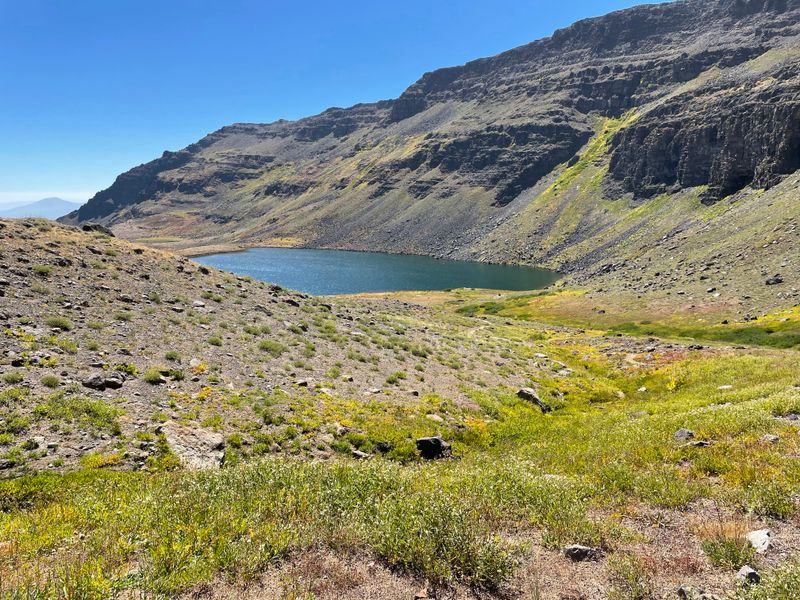
Way out in the Steens Mountain area of southeastern Oregon, Wild Horse Lake represents a completely different landscape from the forested Cascades. This remote desert mountain lake sits in a dramatic glacial cirque carved into the massive fault-block of Steens Mountain.
Access requires hiking from a trailhead on a road that’s frequently closed beyond a certain point, limiting visitor numbers and preserving the lake’s wild character.
The scenery here is stark and beautiful, with sagebrush-covered slopes giving way to rocky cliffs and snowfields that persist into summer. The lake itself is a brilliant blue, contrasting sharply with the brown and gray landscape surrounding it.
Wild horses occasionally visit the area, lending their name to the lake and adding to the frontier atmosphere.
The hike to Wild Horse Lake is moderately strenuous, with significant elevation gain and exposure to sun and wind. Bring plenty of water, sunscreen, and layers for changing weather conditions, as storms can develop quickly in these mountains.
The trail offers spectacular views across the Alvord Desert and into Nevada, showcasing the dramatic geography of Oregon’s remote southeastern corner.
Camping is allowed, and spending a night here provides an unforgettable experience of high desert wilderness. The sunsets are legendary, painting the sky in shades of orange, pink, and purple that seem impossibly vivid.
Because the area is so remote and the access road is often closed, visitor numbers remain extremely low, ensuring you’ll likely have the lake entirely to yourself. This is Oregon at its wildest and most untamed, a landscape that still feels genuinely frontier.
8. Lake Triangle
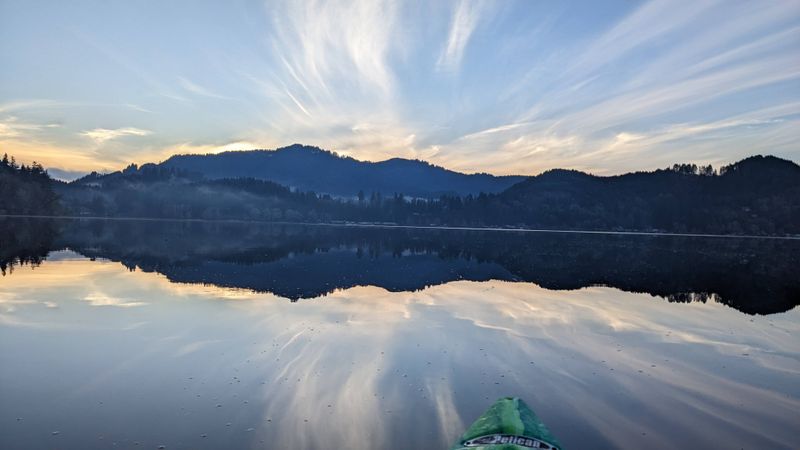
Described by those who’ve found it as enigmatic and mysterious, Lake Triangle lives up to its intriguing reputation by staying well off the main tourist paths. Local lore surrounds this hidden gem, with stories passed between hikers about its unusual triangular shape and the challenge of actually locating it.
The lake sits in a remote basin that requires both determination and good navigation skills to reach.
The triangular shape is clearly visible from higher vantage points, created by the unique geology of the surrounding basin. Rocky ridges form the three sides, with the lake filling the depression between them like water in a bowl.
The water is deep and cold, fed by underground springs and seasonal snowmelt that keeps it full even in dry years.
Finding Lake Triangle requires research and preparation, as it’s not marked on all maps and isn’t served by any official trails. Local hiking forums and wilderness guidebooks occasionally mention it, but details are deliberately vague to preserve its secluded nature.
Bring a topographic map, GPS device, and plenty of time to explore, as locating the lake often involves some trial and error.
The sanctuary-like atmosphere is what hikers remember most about Lake Triangle. Surrounded by forest and rock, the lake feels sheltered and protected, a secret hideaway in the vast Oregon wilderness.
The silence is profound, broken only by natural sounds that seem amplified in the stillness. Visiting here feels like being let in on a secret, a special place that rewards those willing to put in the effort to find it.
The local legends only add to the mystique, making every visit feel like a genuine adventure.
9. Unnamed Lakes in the Dwarf Lakes Area
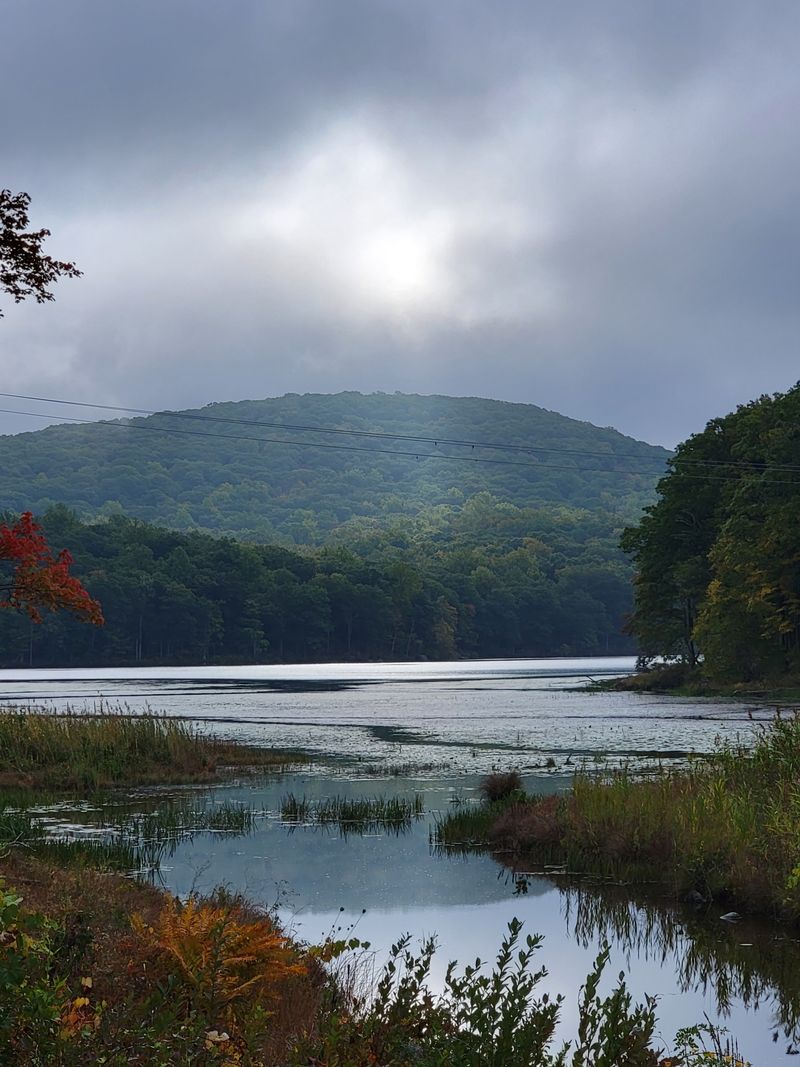
For the ultimate in solitude and wilderness adventure, the largest unnamed lake in the Dwarf Lakes Area requires entirely cross-country navigation with no trails whatsoever. This is as remote as it gets in Oregon, a place where your footprints might be the only human tracks visible for months.
The area is appropriately named, as the lakes here are small but numerous, scattered across a high alpine basin that sees perhaps a dozen visitors per year.
Reaching the largest lake involves hours of bushwhacking, stream crossings, and careful navigation through terrain that actively resists human passage. Dense vegetation, fallen logs, and rocky slopes all conspire to slow your progress and test your commitment.
The reward for this effort is a pristine alpine lake that looks exactly as it did centuries ago, completely untouched by modern civilization.
Only experienced wilderness travelers should attempt this journey, as the challenges are real and the consequences of getting lost or injured are serious. Bring comprehensive navigation tools, emergency supplies, and ideally travel with an experienced partner who knows the area.
The lack of any trail means you’ll need to choose your own route, reading the terrain and making decisions based on topography and vegetation.
The unnamed lakes shimmer like scattered jewels across the basin, each one a potential discovery waiting to be made. The largest offers the best camping and the most dramatic scenery, with views across the surrounding peaks and valleys.
The complete absence of other people creates a wilderness experience that’s increasingly rare in the modern world, a chance to truly disconnect and experience nature on its own terms. This is Oregon’s wild heart, raw and unfiltered.
Dear Reader: This page may contain affiliate links which may earn a commission if you click through and make a purchase. Our independent journalism is not influenced by any advertiser or commercial initiative unless it is clearly marked as sponsored content. As travel products change, please be sure to reconfirm all details and stay up to date with current events to ensure a safe and successful trip.
