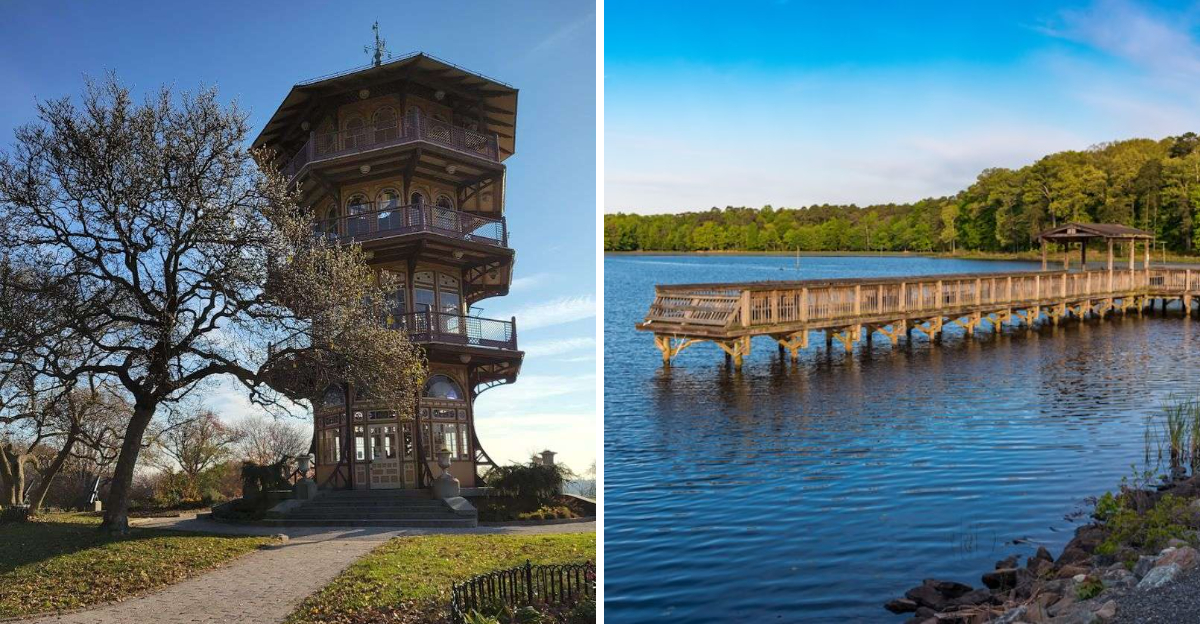
For years, these spots sat quietly. Uncrowded, underappreciated, and perfectly peaceful.
But word travels, and now they are finally getting the attention they deserve. Maryland has hidden gems that have flown under the radar for too long.
Scenic overlooks, charming small towns, and tucked away nature spots that are slowly becoming favorites. The secret is out, but that does not make them any less special.
Locals have loved them forever. Visitors are just starting to catch on.
The beauty is still there, the charm is still real, and the crowds are still manageable. That is the thing about Maryland’s hidden spots.
They stayed quiet for a while, but now they are stepping into the spotlight. Go see them before they get too busy.
1. St. Clement’s Island State Park
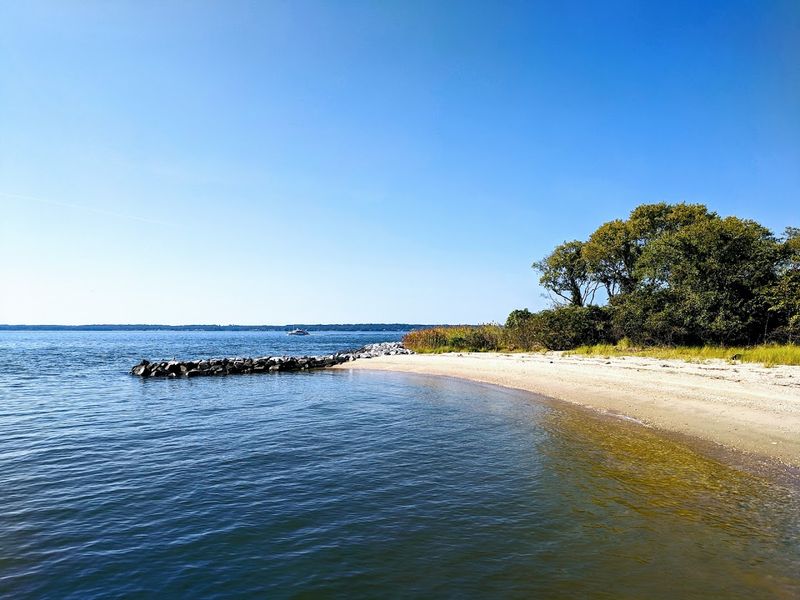
Out on the Potomac River, a small island sits quietly like it has been keeping a secret for centuries. St. Clement’s Island is where Maryland’s first European settlers landed back in 1634, making it one of the most historically significant spots in the entire state.
Getting there requires a short ferry ride, which only adds to the sense of discovery.
Once you arrive, the island feels surprisingly peaceful. There are no shops, no crowds, and no noise beyond birdsong and the gentle movement of the river.
A large white cross stands near the water as a tribute to that original landing, and it creates a genuinely moving scene against the open sky.
The surrounding waters are excellent for fishing, and the views back toward the mainland are wide and uncluttered. Many visitors combine this trip with a stop at the Potomac River Museum located at the ferry departure point, which gives helpful context about the island’s role in Maryland’s founding story.
It is a layered experience that rewards curiosity.
Families tend to love it here because the space feels open and free without being overwhelming. Kids can run along the shoreline and explore the grounds without much worry.
The ferry schedule keeps visits naturally paced, so there is never any rush. For anyone who loves history wrapped in natural beauty, this island delivers something genuinely rare.
Address: 38370 Point Breeze Rd, Coltons Point, MD
2. Chesapeake and Ohio Canal National Historical Park
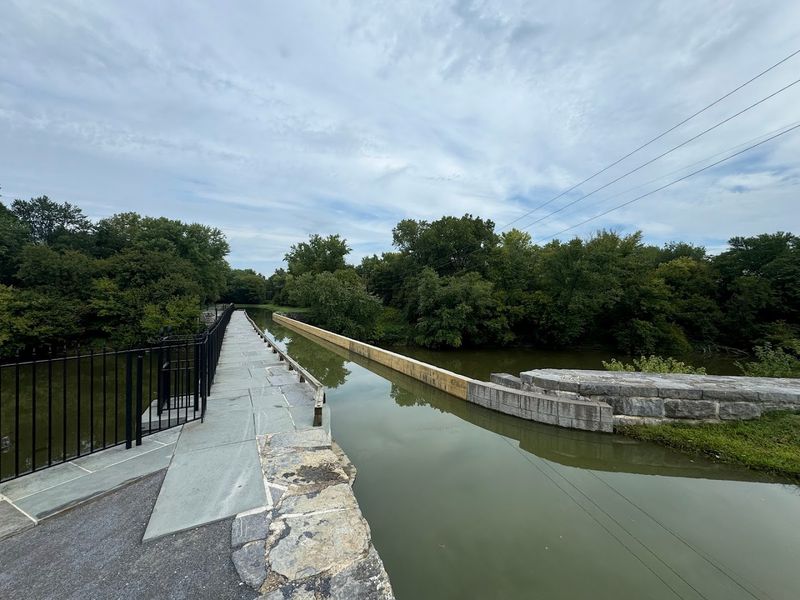
There is something almost meditative about walking the towpath that runs alongside the old C&O Canal. Stretching nearly 185 miles from Cumberland down to Georgetown, this national historical park preserves one of America’s most ambitious 19th-century engineering projects.
The section near Potomac is especially beautiful and surprisingly accessible.
The canal was originally built to move coal and goods between the mountains and the coast. Mules once pulled heavy boats along this very path, and if you look closely at the old lock structures, you can almost feel the weight of that history.
The stonework is remarkably intact and genuinely impressive up close.
Today the towpath is popular with cyclists, hikers, and anyone who simply wants a long, quiet walk with the Potomac River nearby. The park changes dramatically with the seasons.
Spring brings wildflowers and birdsong, while fall turns the canopy into a tunnel of gold and amber that is hard to describe without sounding like you are exaggerating.
One of the lesser-known highlights is the Paw Paw Tunnel further along the route, a 3,000-foot brick-lined passage that took years to build and still feels extraordinary to walk through. Even the Potomac section alone offers enough variety to fill a full day without repeating yourself.
Pack a lunch, bring good shoes, and plan to linger. This is the kind of place that changes how you think about what a park can be.
Address: 11710 MacArthur Blvd, Potomac, MD
3. Hart-Miller Island State Park
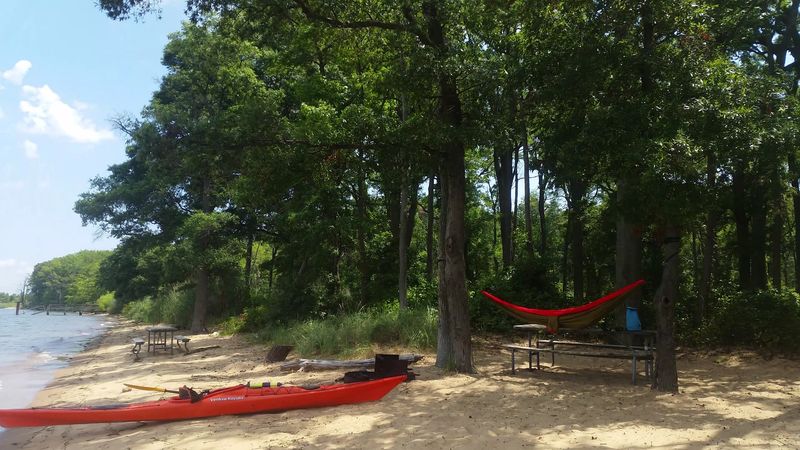
Reaching Hart-Miller Island requires a boat or kayak, and honestly, that barrier is a big part of what makes it so appealing. Located in the upper Chesapeake Bay near Baltimore, this island park draws visitors who are willing to make a little effort in exchange for a lot of space and quiet.
Most days the beach feels almost private.
The island was created through a dredge material containment project and has since transformed into a surprisingly lush natural environment. Sandy beaches stretch along the bay side, and interior paths wind through grasslands and shrubby habitat that attracts a wide variety of shorebirds.
It is a genuinely unexpected landscape.
Fishing is excellent here, particularly for striped bass and white perch during the right seasons. Swimmers enjoy the calm, shallow water along the beach, and those who simply want to spread out a blanket and stare at the sky will find plenty of room to do exactly that.
The views across the bay toward the Eastern Shore are wide and calming.
Boaters often anchor just offshore and spend the day shuttling back and forth by dinghy. There are no concessions on the island, so everything you bring is everything you have, which gives the experience a refreshingly self-sufficient quality.
I find that kind of simplicity increasingly rare and genuinely refreshing. Hart-Miller is the sort of place that reminds you how good a day can feel when the only agenda is the water and the sun.
Address: Essex, MD
4. Patuxent Research Refuge, National Wildlife Visitor Center
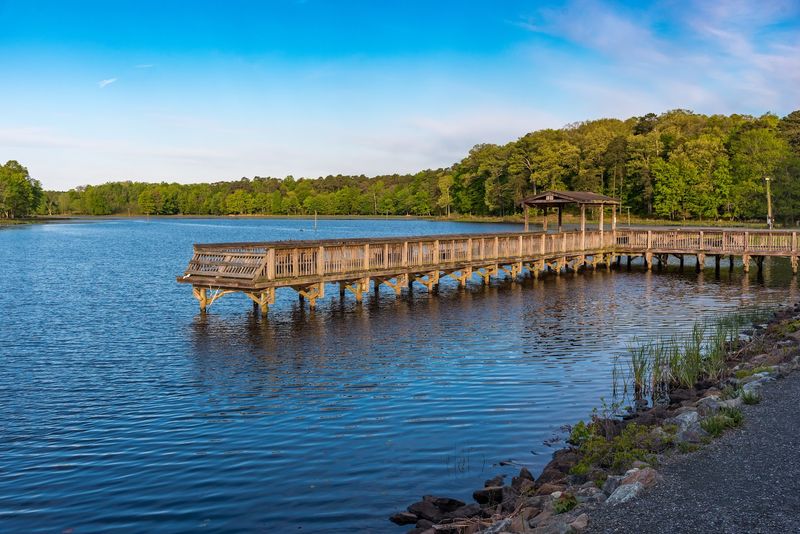
Most people driving through Laurel have no idea that one of the largest urban wildlife refuges in the entire country is sitting just off the highway. The Patuxent Research Refuge covers nearly 13,000 acres and serves as an active research site for the U.S.
Fish and Wildlife Service. The National Wildlife Visitor Center is the public-facing gem of the whole operation.
Inside the center, exhibits explain ongoing wildlife research in ways that are genuinely engaging for all ages. Tram tours run through the refuge during warmer months, offering a relaxed way to see the landscape without covering miles on foot.
The trams move quietly, which means wildlife sightings are surprisingly common.
Outside, paved and natural trails loop through forests, past wetlands, and around open meadows where deer, foxes, and dozens of bird species can be spotted with patience and a bit of luck. The Cash Lake trail is particularly scenic and gives a real sense of how varied this ecosystem is.
It never feels crowded, even on weekends.
What sets this refuge apart from a typical nature park is the sense that real science is happening all around you. Research facilities are visible from certain trails, and the interpretive materials throughout the center connect visitors to conservation work that actually matters.
For families with curious kids, this place sparks questions and conversations that last well beyond the drive home. It is the kind of outing that feels both relaxing and genuinely worthwhile at the same time.
Address: 10901 Scarlet Tanager Loop, Laurel, MD
5. Patterson Park
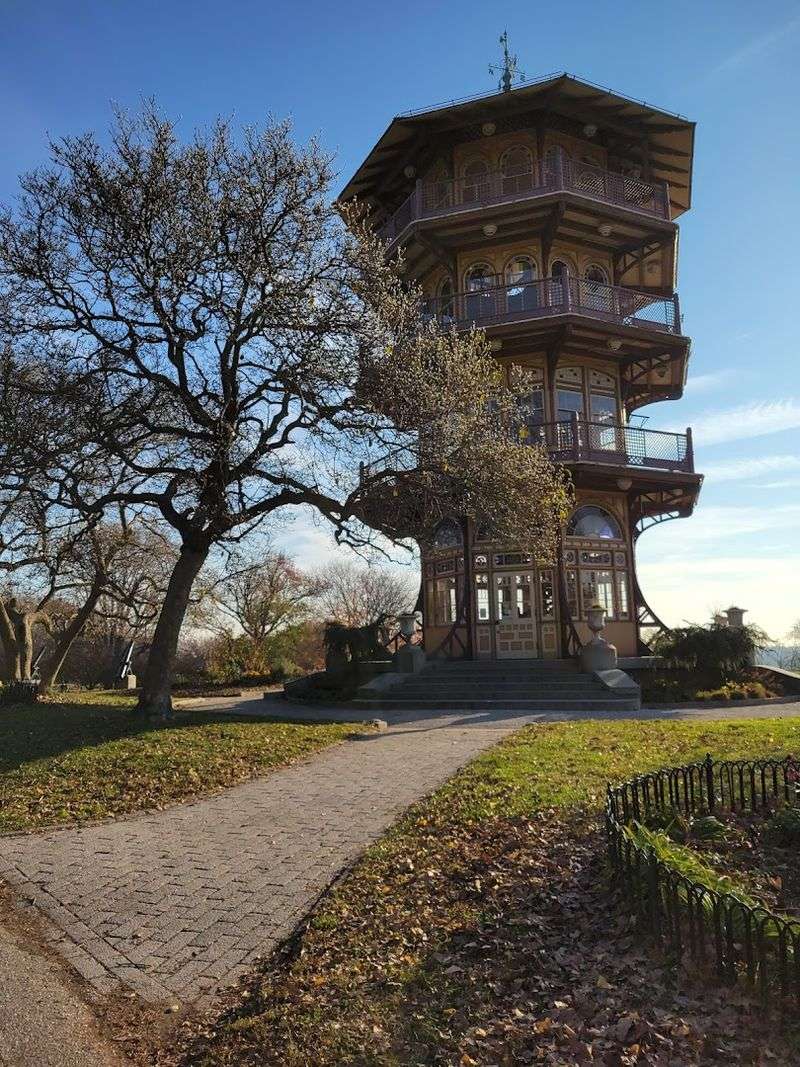
Baltimore has a way of hiding its best things in plain sight, and Patterson Park is one of the finest examples. Spread across more than 150 acres in East Baltimore, this park has been a neighborhood anchor since the 1800s and still carries that deep community energy today.
It does not feel like a tourist attraction because it was never designed as one.
The park’s most recognizable feature is the Pagoda, a Victorian-era observation tower that offers sweeping views of the city skyline and the harbor beyond. Climbing it on a clear day is one of those simple pleasures that sticks with you.
The structure has been beautifully restored and feels like a genuine piece of living history.
Beyond the Pagoda, the park offers an ice skating rink in winter, a beloved outdoor pool in summer, and open lawns that fill with families, athletes, and neighbors year-round. There are chess tables, playgrounds, and community gardens scattered throughout.
Each corner has its own personality.
What makes Patterson Park feel special is how authentically local it is. You are not visiting a curated experience here.
You are stepping into a shared space that real Baltimoreans use and love every single day. That energy is contagious.
I found myself staying far longer than planned simply because the atmosphere made it easy to slow down and just be present in the city in a way that most tourist spots never allow.
6. Conrad’s Crabs and Seafood

Maryland seafood culture runs deep, and Conrad’s Crabs and Seafood in Parkville captures that spirit about as authentically as anywhere I have come across. This is not a polished waterfront restaurant with a curated menu and mood lighting.
It is the real thing, a no-frills local institution where the crabs are the entire point and nobody pretends otherwise.
The blue crabs here are steamed to order and seasoned generously with Old Bay, which is exactly how it should be. Picking crabs at a paper-covered table is a Maryland tradition that people in other states simply do not understand until they experience it firsthand.
It is messy, communal, and completely satisfying in a way that a plated meal rarely manages to be.
Beyond crabs, the menu includes shrimp, fish, crab cakes, and other Chesapeake staples that hold their own. The crab cakes in particular are thick and lump-heavy, which is a point of pride in this part of the state.
Everything tastes like it was prepared by someone who actually cares about the outcome.
The atmosphere inside is casual and loud in the best possible way. Regulars chat across tables, and the staff moves with the kind of efficient confidence that only comes from years of doing the same thing very well.
For out-of-towners, it is a window into everyday Maryland life that no museum or landmark can replicate. A meal here is a cultural experience as much as it is a good lunch.
Address: 1720 E Joppa Rd, Parkville, MD
7. Chapman State Park
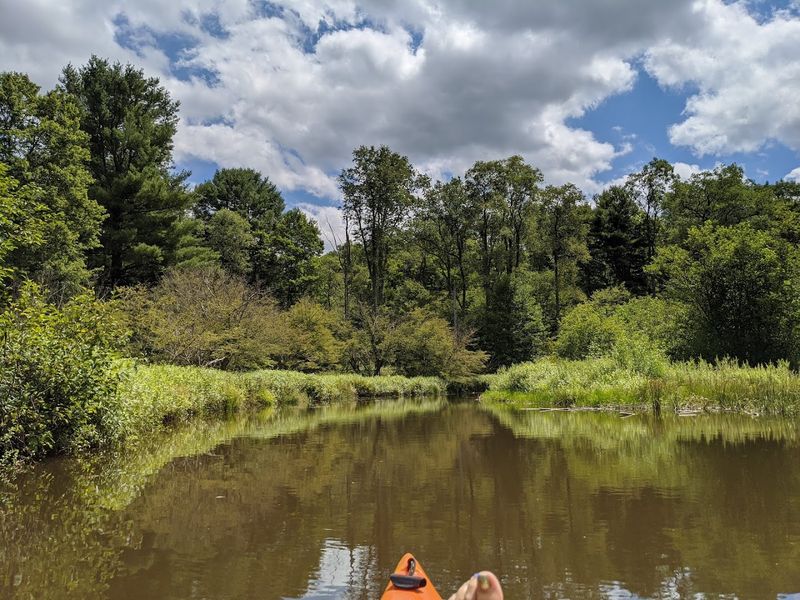
Chapman State Park sits along the Potomac River in Charles County, and it is the kind of place that feels like it belongs to a quieter era. Indian Head is not a town that typically draws visitors from far away, but the park at its edge is genuinely worth the detour.
The riverfront setting alone is enough reason to make the drive.
The park offers access to the Potomac shoreline through forested trails that move through a mix of hardwood trees and open meadow patches. Fishing along the river is a popular draw, and the calm stretches of water near the park are well suited for kayaking and canoeing.
The put-in access makes it easy to spend a few hours on the water without much planning required.
History adds another layer to the experience here. The nearby town of Indian Head has a long connection to the U.S.
Navy, and the surrounding landscape carries echoes of that past in subtle but interesting ways. The park itself does not overwhelm you with interpretation, which I actually appreciate.
Sometimes a place is better experienced than explained.
Birdwatching along the river corridor can be rewarding, particularly during spring and fall migration when warblers and raptors move through in numbers. The park sees relatively light use compared to more well-known state parks, so solitude is genuinely available here.
For anyone seeking a riverside escape without the crowds, Chapman delivers a quiet, unhurried afternoon that is hard to find anywhere closer to the city.
Address: 3452 Ferry Pl, Indian Head, MD
8. Patuxent River State Park
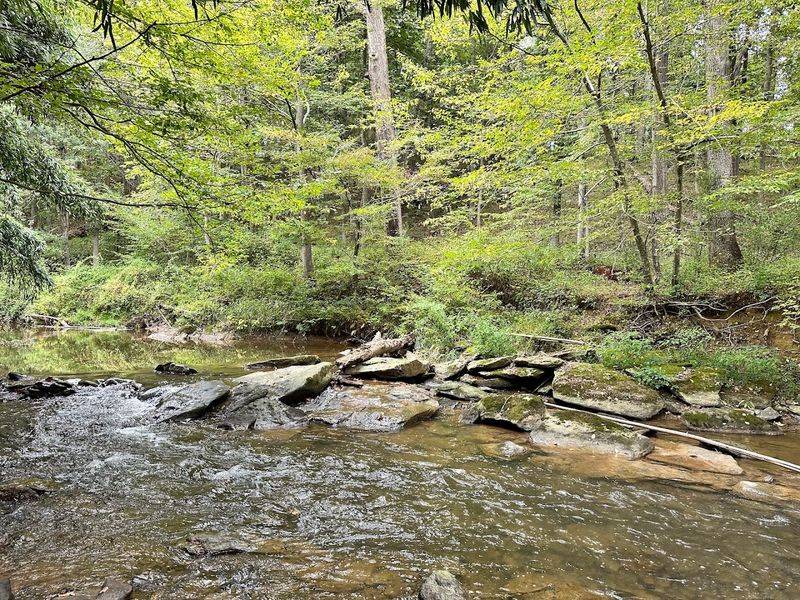
There is a stretch of the Patuxent River that feels genuinely wild despite being not far from the suburbs of Montgomery County. Patuxent River State Park protects this corridor, and the result is one of the most underappreciated natural spaces in central Maryland.
The park spans thousands of acres and offers a level of immersion that surprises most first-time visitors.
Hiking here means following trails that wind close to the river, dipping through bottomland forest and climbing into drier upland areas where the views open up unexpectedly. The terrain is varied enough to keep things interesting without ever becoming difficult.
It is the kind of hiking that feels restorative rather than challenging.
The river itself is the heart of the experience. Paddlers who put in along the Patuxent will find slow, winding water shaded by overhanging trees and populated by herons, turtles, and the occasional osprey.
The upper sections of the river are narrow and intimate, which makes even a short paddle feel like a genuine backcountry adventure without requiring any serious whitewater skills.
Horseback riding is also permitted on certain trails, which adds to the park’s old-fashioned, open character. Hunting is allowed in designated sections during appropriate seasons, so checking the park calendar before visiting is worthwhile.
For hikers and paddlers, the park is most enjoyable in spring and fall when the temperatures are comfortable and the scenery is at its most dramatic. This is one of those places that rewards repeat visits in different seasons.
Address: 23222 Georgia Ave, Brookeville, MD
9. Franklin Point State Park
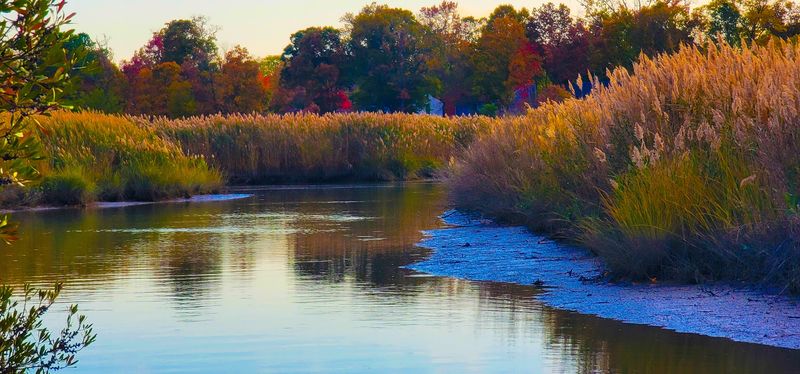
Franklin Point is the kind of park that locals guard like a favorite secret. Located on a peninsula that juts into the West River near Shady Side, this undeveloped state park offers direct access to the Chesapeake Bay without any of the infrastructure you would normally expect.
No pavilions, no playgrounds, no parking attendants. Just trees, trails, and water.
The hike to the bay shoreline is not long, but it moves through a dense forest that shifts noticeably as you approach the water. The canopy opens, the air changes, and suddenly you are standing at the edge of a quiet beach looking out across the Chesapeake with no one around.
That transition feels like a reward every single time.
The shoreline at Franklin Point is rocky and sandy in turns, and it is excellent for finding fossils, particularly shark teeth and ancient shells that wash up regularly along this stretch of the bay. Beachcombing here can easily consume an entire afternoon.
The diversity of what turns up on the shore is genuinely surprising.
Kayakers and canoeists use the park as a launching point for exploring the surrounding creeks and coves, which are rich with waterfowl and shorebirds. The isolation of the park means wildlife encounters feel natural rather than staged.
I have seen bald eagles here on multiple visits, which never gets old no matter how many times it happens. Franklin Point rewards those who seek it out with a version of the Chesapeake that feels honest and unhurried.
10. New Germany State Park
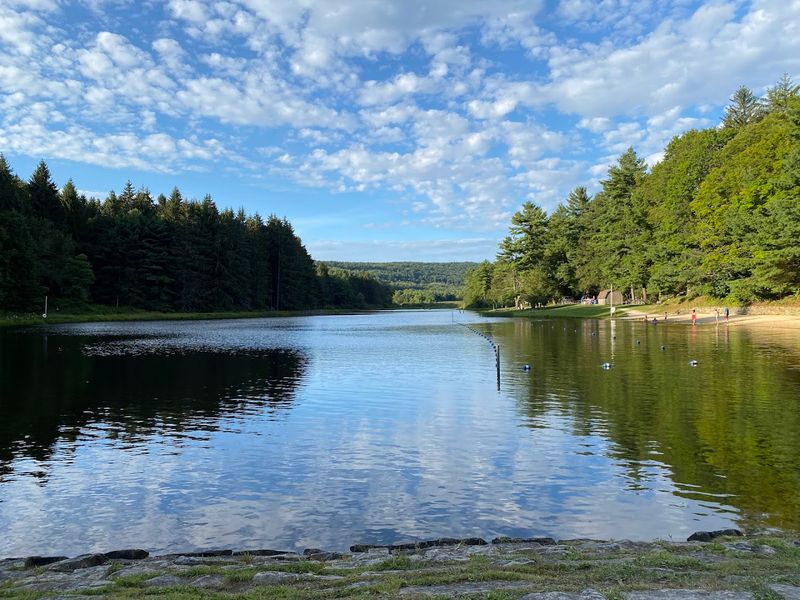
Garrett County in far western Maryland feels like a different world from the rest of the state, and New Germany State Park captures that difference perfectly. Hidden into the Savage River State Forest near Grantsville, this park centers on a lovely 13-acre lake that anchors everything around it.
The setting is genuinely Appalachian in the best sense of the word.
Swimming, fishing, and non-motorized boating are all popular on the lake during warmer months. Rowboats and pedal boats can be rented, and the calm water is well suited for an easy afternoon on the surface without any special equipment or experience.
The lake stays surprisingly uncrowded even during summer weekends, which is a minor miracle given how beautiful it is.
The surrounding trail network connects to the broader Savage River State Forest system, offering serious hiking options for those who want to extend their time in the woods.
The forest here is dense and diverse, with a mix of conifers and hardwoods that creates a layered canopy unlike anything you will find in the eastern or central parts of the state.
Winter transforms the park into a cross-country skiing destination, with groomed trails that draw outdoor enthusiasts from across the region. Cabins are available for overnight stays, and waking up in those woods on a quiet morning is an experience that is difficult to put into words.
The air feels different at this elevation. New Germany is the kind of park that changes your understanding of what Maryland actually contains.
Address: 349 Headquarters Ln, Grantsville, MD
11. Cumberland
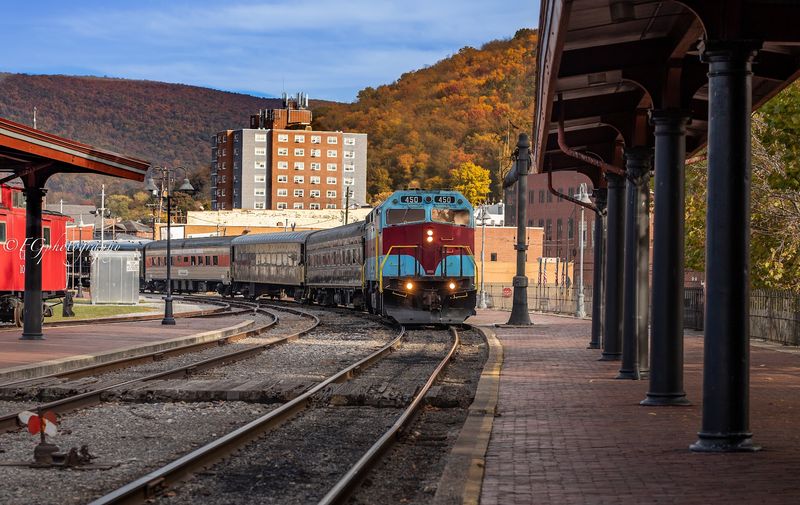
Cumberland sits at the western tip of Maryland in a narrow valley between the Allegheny Mountains, and it has one of the most underrated downtowns in the entire state. The city was once a major hub for the National Road and the C&O Canal, and that history is woven into every block of the historic district.
Walking through downtown feels like moving through layers of American transportation history.
The Western Maryland Scenic Railroad departs from the beautifully restored station in the heart of the city, offering a passenger experience through mountain terrain that is both nostalgic and genuinely spectacular. The ride to Frostburg and back covers some of the most dramatic landscape in the region.
It is the kind of trip that appeals to train enthusiasts and casual visitors equally.
The Great Allegheny Passage trail begins in Cumberland and stretches all the way to Pittsburgh, making the city a significant starting point for long-distance cyclists and hikers who plan multi-day trips.
Even if you only ride a few miles of the trail locally, the scenery along the Potomac River corridor is immediately rewarding.
The city’s food scene has been growing quietly, with locally owned restaurants and cafes filling in around the historic core. Canal Place, a heritage area along the old canal basin, offers walking paths, interpretive exhibits, and waterfront views that connect visitors to the city’s industrial past.
Cumberland rewards slow exploration and benefits enormously from visitors who take the time to look past the surface.
12. Thurmont
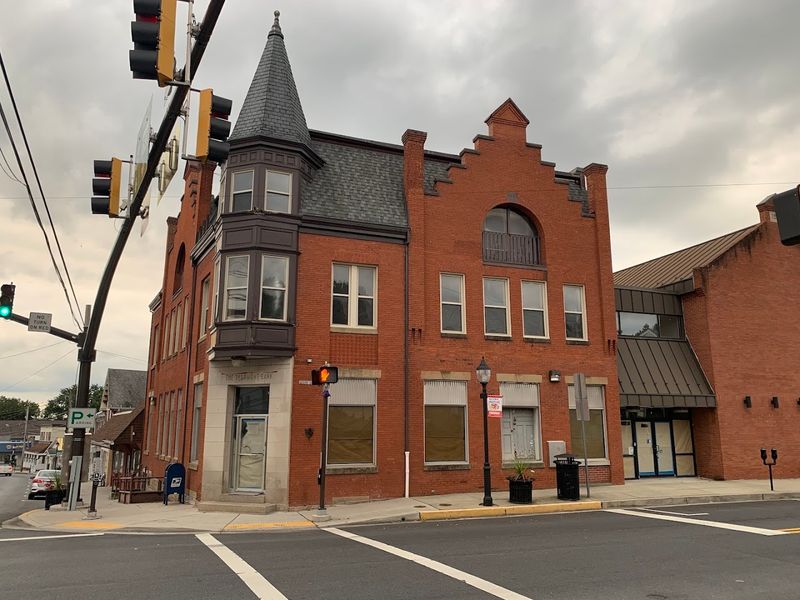
Nestled at the foot of the Catoctin Mountains in Frederick County, Thurmont carries the unofficial title of Gateway to the Mountains and earns it without any exaggeration. The town itself is small and genuinely charming, with a main street feel that has not been overly polished or commercialized.
It is the kind of place where things move at their own pace and nobody seems in a hurry.
Catoctin Mountain Park sits just above town and offers some of the finest hiking in the mid-Atlantic region. Trails lead to rocky overlooks with sweeping views of the Cumberland Valley, and the forest is remarkably diverse for its size.
The park also happens to be home to Camp David, the presidential retreat, which adds an interesting layer of historical intrigue to the surrounding landscape.
Cunningham Falls State Park is nearby and draws visitors to Maryland’s largest cascading waterfall, a 78-foot drop that is especially dramatic after heavy rain. The falls are accessible by a short trail that winds through a forested ravine, and the payoff at the end is absolutely worth the walk.
Swimming at the park’s lake is a beloved local tradition during summer months.
Thurmont also serves as a base for exploring the historic covered bridges of Frederick County, several of which are within easy driving distance. Fall is the undisputed best time to visit, when the mountain foliage reaches peak color and the entire valley glows with warm light.
The combination of outdoor access, quiet charm, and genuine history makes Thurmont one of Maryland’s most rewarding small-town destinations.
