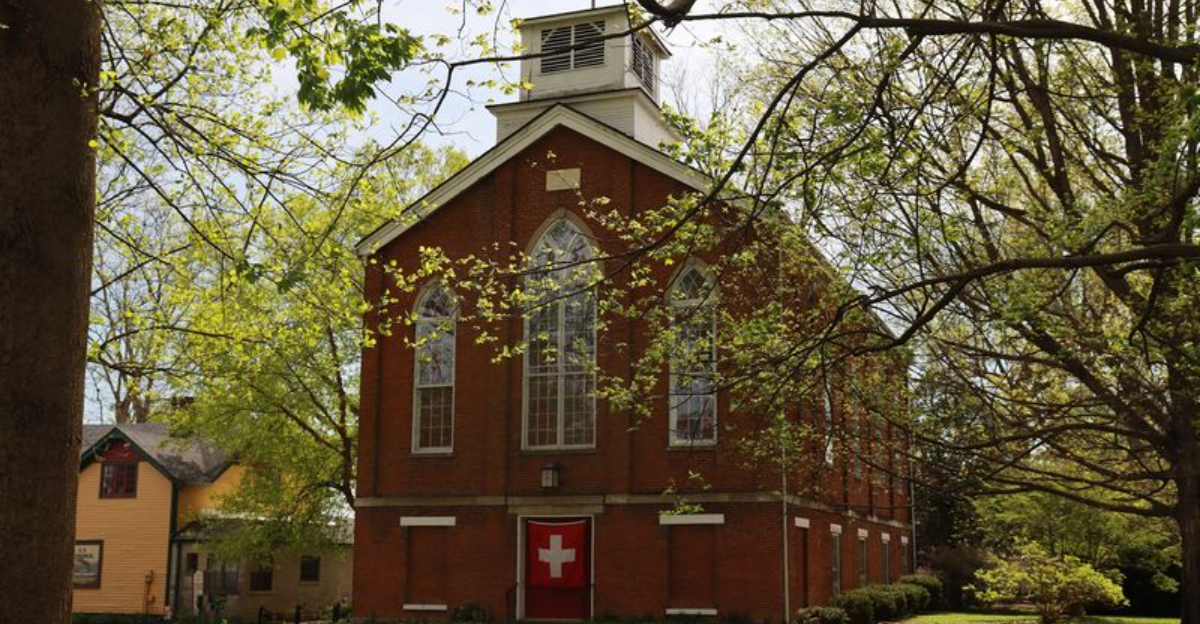
I never expected to feel like I was walking through a cobblestone village in Germany while standing in southern Indiana. But that is exactly what happened the first time I visited some of these small towns scattered across the state.
The region has a way of surprising you with history, architecture, and cultural roots that run deep into European influence. I grew up thinking you had to book a flight to experience that old-world charm.
Turns out, you just need a road trip and a good playlist. From Swiss-style clock towers to French-inspired landmarks and Italian heritage festivals, there are places here that feel completely different from what most people expect.
Whether you are looking for a weekend escape or a longer adventure, these spots offer something truly distinct. Each one carries its own European personality, blending local history with imported traditions in a way that makes every visit feel like stepping into another world.
1. Oldenburg: Indiana’s Village of Spires
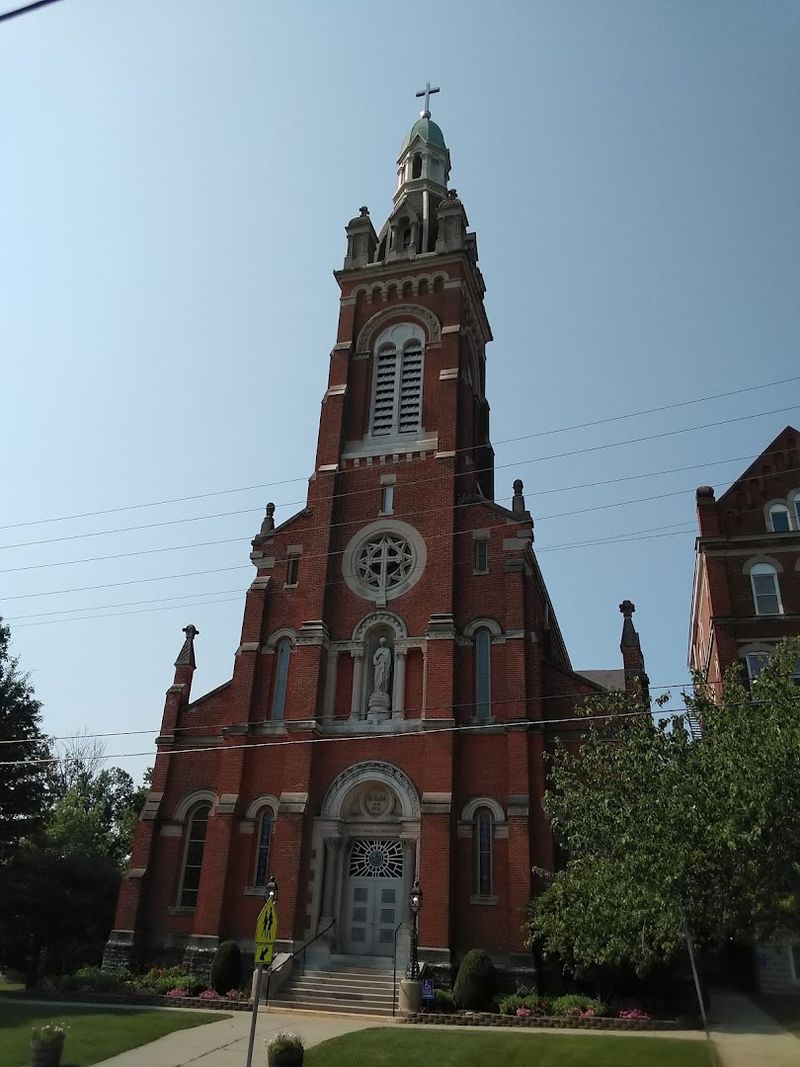
Walking through Oldenburg feels less like a small Indiana town and more like a postcard from 19th-century Bavaria. Founded in 1837 by German settlers, this tiny community of about 700 people has held onto its roots with remarkable pride.
The street signs are still printed in both German and English, a detail that stops first-time visitors in their tracks. Two stunning churches anchor the town’s skyline, their spires rising above the trees and earning Oldenburg its nickname, the Village of Spires.
Holy Family Church at 209 N. Teutonica Road and the Immaculate Conception Church are both architectural showstoppers worth seeing up close.
The surrounding brick and stone homes look like they belong in a Rhineland village rather than a Midwestern county.
Every July, Oldenburg hosts its beloved Freudenfest, a German heritage celebration packed with sauerkraut balls, a dachshund race, and traditional music that draws visitors from across the region.
Shops around town carry cuckoo clocks, imported candies, and lederhosen for those who want a little souvenir. The entire town is listed on the National Register of Historic Places, so the preservation here is serious business.
Oldenburg is not trying to be something it is not. It simply never stopped being what it always was, a proud German-American community that time somehow forgot to modernize.
That authenticity is exactly what makes it so worth visiting.
2. Jasper: A Bavarian Village in Southern Indiana
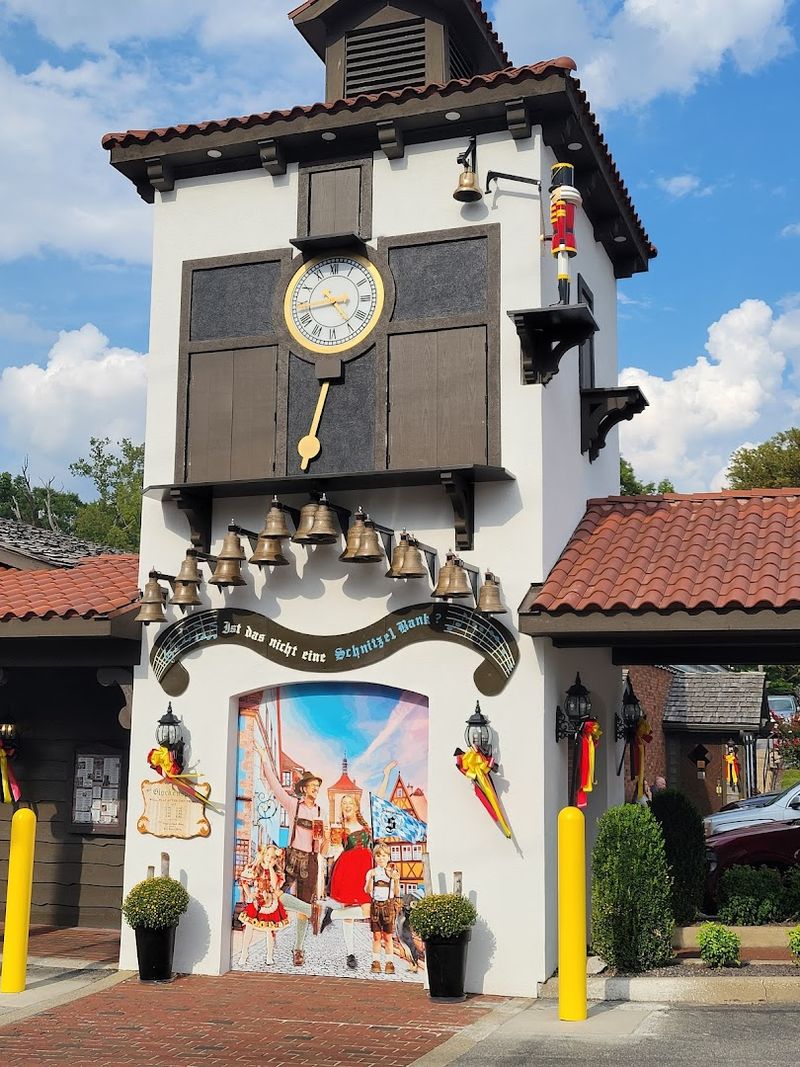
Jasper does not just celebrate its German roots once a year and call it a day. This southern Indiana city lives its heritage year-round, from the architecture lining its streets to the annual Strassenfest that has been running strong since the 1970s.
The festival fills downtown with live performances, a Glockenspiel stage, and food booths that would feel right at home in Munich. The town shares a deeply historical sister city relationship with Pfaffenweiler, Germany.
While early pioneers platted the city back in 1830, a massive wave of immigrants from the Pfaffenweiler region arrived later in 1847 due to an economic crisis in Europe, permanently weaving German traditions into the city’s foundation.
The Dubois County Courthouse at 1 Courthouse Square is a beautiful example of the region’s historic architecture and worth a walk around.
One of the most European-feeling spots in Jasper is the Jasper Riverwalk, a paved pathway that winds along the Patoka River with waterfalls, gardens, and a charming arch bridge. Locals say it rivals riverside promenades in small European towns, and after one visit, it is hard to argue with that.
The Astra Theatre on Main Street adds to the historic character of the downtown area. Jasper is a town that genuinely rewards slow exploration.
Bring comfortable shoes, skip the schedule, and just wander. You will find something worth photographing around every corner.
3. Ferdinand: Where a Monastery Meets the Midwest
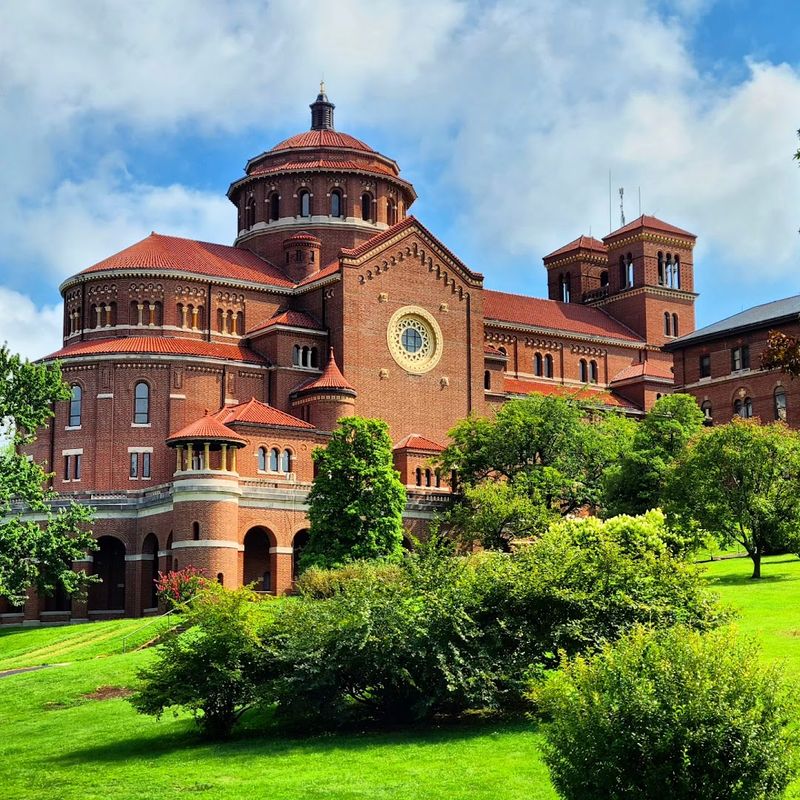
There is a moment when you round a bend on the road into Ferdinand and suddenly a massive Romanesque dome appears above the treeline. It does not look like Indiana.
It looks like something you would find on a hillside in central Europe, and that first glimpse genuinely takes your breath away.
That dome belongs to the Monastery Immaculate Conception, home to the Sisters of Saint Benedict who established their community here in 1887 after arriving from Covington, Kentucky.
The Monastery Immaculate Conception at 802 E. 10th Street in Ferdinand offers guided tours that walk visitors through its breathtaking chapel, towering stained-glass windows, and peaceful grounds.
The sisters have maintained this place with extraordinary care, and the craftsmanship inside rivals anything you might find in a centuries-old European abbey.
It is a living, working monastery, which makes the experience feel even more authentic. Just ten minutes away sits St. Meinrad Archabbey, another deeply impressive monastic landmark that draws architecture lovers and spiritual seekers alike.
The town of Ferdinand itself is quiet and charming, with a small-town warmth that makes you feel welcome immediately. Local shops and cafes near the town square give you a reason to linger after your monastery visit.
Ferdinand is one of those places that surprises people who stumble upon it without expectations. Come for the dome, stay for the silence, and leave with a completely different picture of what Indiana can feel like.
4. Vevay: Little Switzerland Along the Ohio River
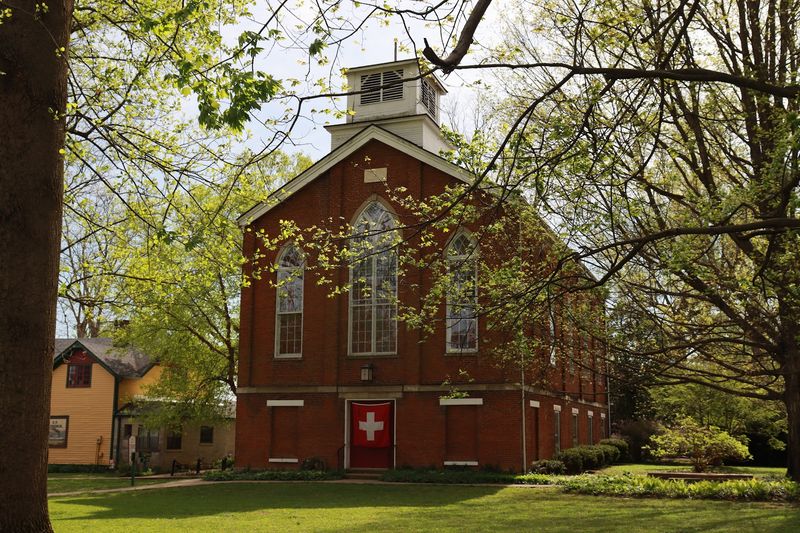
Switzerland County may sound like a quirky name for an Indiana county, but once you visit Vevay, the county seat, it starts to make perfect sense. Swiss immigrant John James Dufour founded this riverside community in 1802 with dreams of building a winemaking colony in America.
He named it after Vevey, Switzerland, and the landscape he chose, rolling green hills tumbling down to the Ohio River, genuinely mirrors the terrain he left behind.
Vevay earned the nickname Little Switzerland of Indiana not just because of its name but because of how it looks and feels. The surrounding woodlands, open fields, and river views create a setting that early Swiss settlers found comfortingly familiar.
Walking along the riverfront on a clear morning, with mist rising off the water and hills glowing green on both sides, is a genuinely magical experience.
Every August, Vevay hosts the Swiss Wine Festival, a multi-day celebration featuring a parade, live music, and grape stomping that connects the community to its agricultural roots. The Switzerland County Historical Museum at 210 E.
Market Street gives visitors a deeper look at how this European vision took shape on American soil. Vevay is also home to several well-preserved 19th-century homes that reflect the town’s prosperous early history.
It is a small town with a big story, and every part of that story is worth hearing in person.
5. Berne: Indiana’s Swiss Clock Tower Town
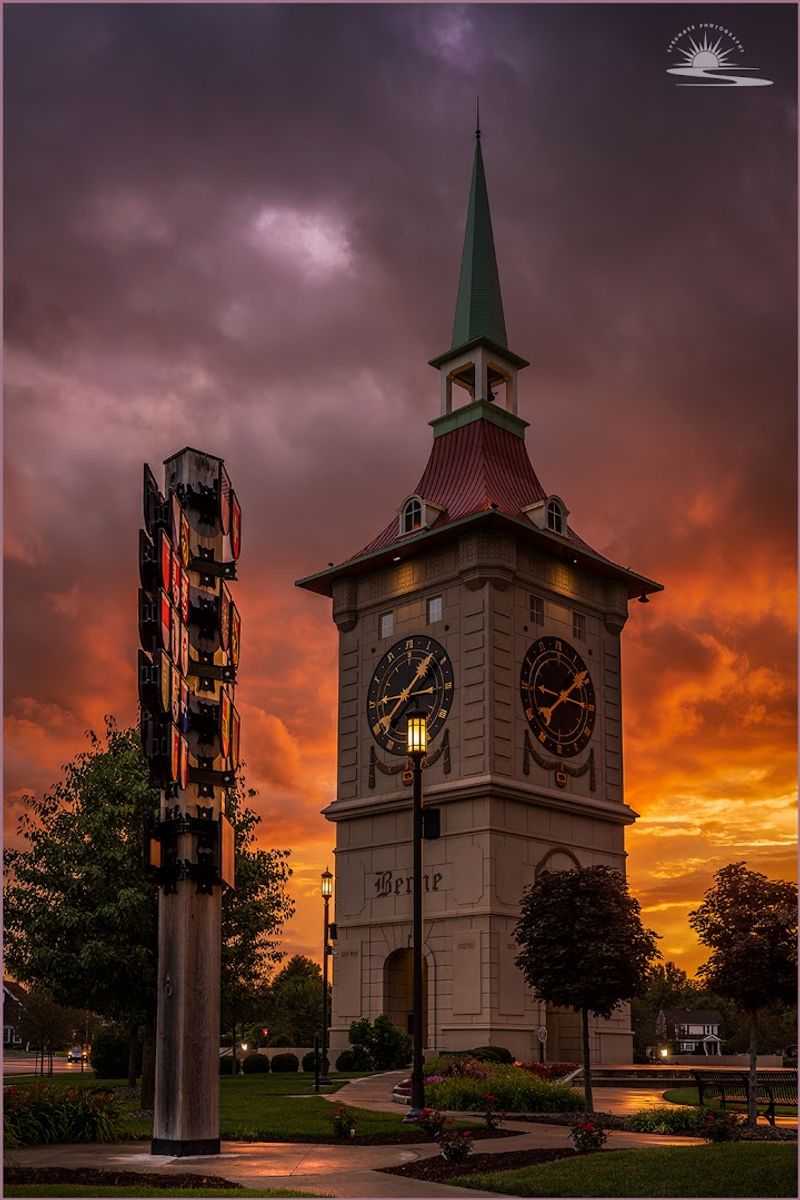
Berne takes its Swiss identity seriously, and the proof is right in the center of town.
The Muensterberg Plaza and Clock Tower is a deliberate replica of the famous clock tower in Bern, Switzerland, and it anchors a downtown district where the buildings themselves have been designed to resemble a traditional Swiss village.
This is not accidental decoration. It is a community-wide commitment to honoring where its founders came from.
The Swiss Heritage Village and Museum at 1200 Swiss Way is one of the most underrated historical attractions in all of Indiana.
The grounds include authentic 19th-century structures relocated from the surrounding area, including a cheese house, a half-timbered farmhouse, a log cabin, and a one-room schoolhouse.
Walking through the village gives you a vivid sense of what life looked like for Swiss Mennonite settlers who arrived here in the 1850s.
Downtown Berne has a quiet, orderly beauty that feels distinctly European. The streets are clean, the storefronts are well-maintained, and locals are genuinely friendly to visitors who come to explore.
The annual Berne Swiss Days festival draws thousands each summer with folk music, traditional crafts, and food that reflects the town’s heritage. Berne is the kind of place that rewards curiosity.
The more you look, the more layers of history you find tucked into every corner of this small but proud Indiana town.
6. Clinton: The Little Italy of the Wabash Valley
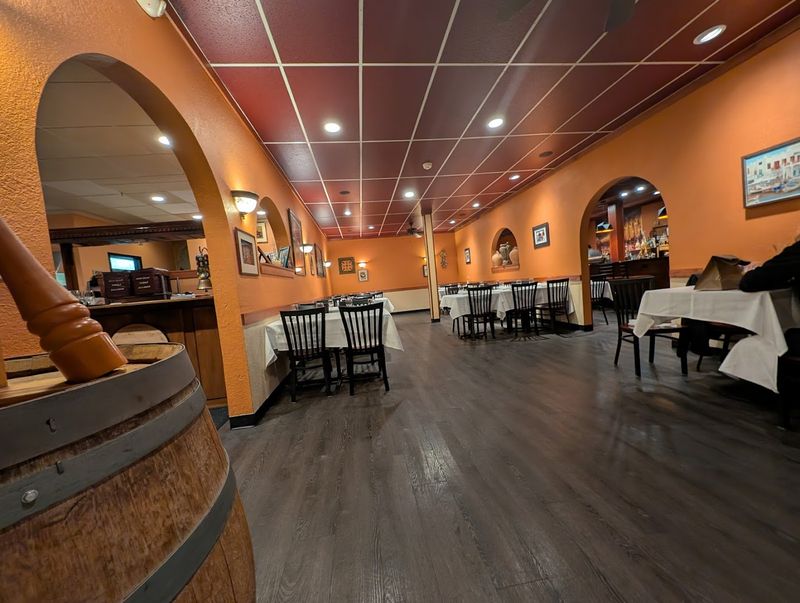
Clinton carries a piece of northern Italy in its bones. In the early 1900s, a wave of Italian immigrants arrived to work in the coal mines of Vermillion County, and they brought their food, their music, their faith, and their community spirit with them.
That heritage never faded. It grew into one of Indiana’s most beloved annual traditions, the Little Italy Festival, held every Labor Day weekend since the 1960s.
The festival fills downtown Clinton with authentic Italian cooking, live music, and a grape stomping contest that draws crowds from across the state.
In earlier years, the celebration even included gondola rides on the Wabash River, a detail so wonderfully out of place in Indiana that it perfectly captures the spirit of this town.
The Little Italy neighborhood near downtown still carries traces of that original immigrant community, with family names and histories woven into the fabric of the streets.
Clinton is not a polished tourist destination. It is a working town with real roots and genuine pride, and that authenticity is what makes it so appealing.
The Vermillion County Museum at 6 N. Main Street offers context for the immigrant stories that shaped this community.
Local restaurants near the downtown square serve Italian-inspired dishes that have been passed down through generations of local families. Clinton proves that you do not need a passport to taste a little bit of Italy.
Sometimes it is just a short drive down a Midwest highway.
7. French Lick: Grand Hotels and Old World Elegance
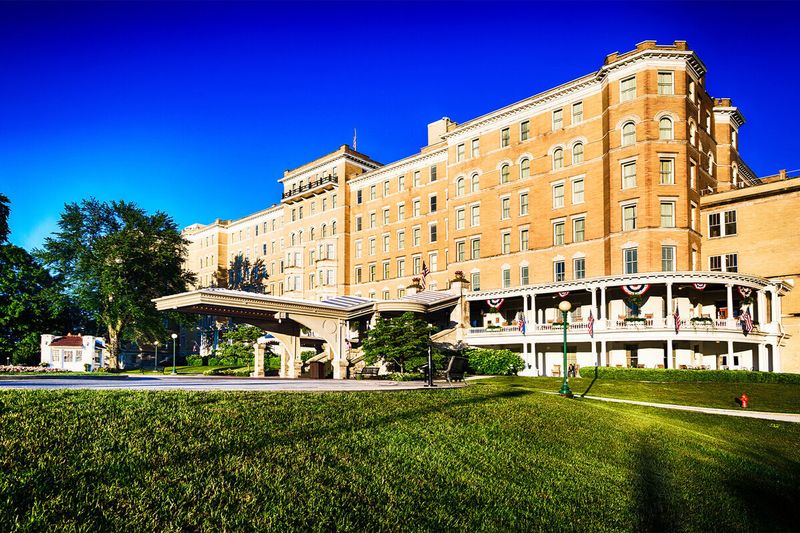
French Lick got its name from a French trading post established near a natural spring and salt lick, and that old-world origin story still echoes through every corner of this southern Indiana resort town.
Founded in 1857, French Lick grew into one of America’s most celebrated spa destinations in the late 1800s, drawing visitors who came to soak in the sulfur springs and enjoy the grand hotel lifestyle.
The West Baden Springs Hotel is the crown jewel of the area and one of the most architecturally stunning buildings in the entire Midwest. Its enormous domed atrium, stretching 200 feet in diameter, draws immediate comparisons to the great grand hotels of Europe.
For a time, it was actually called the Eighth Wonder of the World. Stepping inside feels like entering a different century entirely, one of marble floors, soaring arches, and carefully restored elegance.
The French Lick Resort at 8670 W. State Road 56 offers world-class accommodations, spa treatments, and golf courses set against the wooded hills of Orange County.
The town itself has a charming, unhurried energy that makes it easy to spend a full weekend without running out of things to do. The French Lick Scenic Railway at 8594 W.
State Road 56 offers vintage train rides through the surrounding hills that add another layer of old-fashioned charm. French Lick is proof that Midwest elegance can hold its own against anything Europe has to offer.
8. Vincennes: French Colonial History on the Wabash
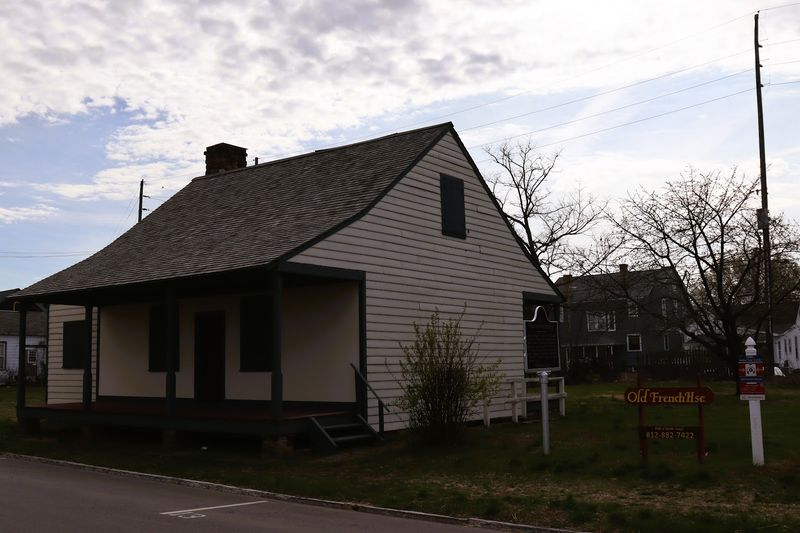
Vincennes is Indiana’s oldest city, and its age shows in the best possible way. Originally shaped as a French trading post in the early 1700s, it became the first capital of the Indiana Territory and carries that layered history in its architecture, its museums, and its streets.
Few Indiana cities have a sense of place this deep or this distinctly European in flavor.
The George Rogers Clark National Memorial at 401 S. 2nd Street is one of the most impressive monuments in the entire country. It is the largest Beaux-Arts style monument outside of Washington D.C., a fact that surprises nearly everyone who hears it.
The circular granite building with its towering columns and painted murals inside tells the story of the Revolutionary War in the Northwest Territory with real dramatic power.
The French House at 509 N. 1st Street is a reconstruction of an 18th-century French Creole home that gives visitors a tangible connection to Vincennes’ earliest European settlers.
The Old Cathedral Church at 205 Church Street, built in 1826, is the oldest Catholic church in Indiana and carries a quiet solemnity that feels genuinely old-world.
Victorian homes, Romanesque Revival buildings, and Neoclassical banks line the streets throughout the historic district. Vincennes rewards the kind of visitor who slows down and pays attention.
Every block holds another detail that connects this quiet river city to a much larger and more dramatic history.
9. Newfields: An Italian Renaissance Estate Near Indianapolis
Just inside Indianapolis sits one of the most quietly extraordinary cultural destinations in the entire Midwest.
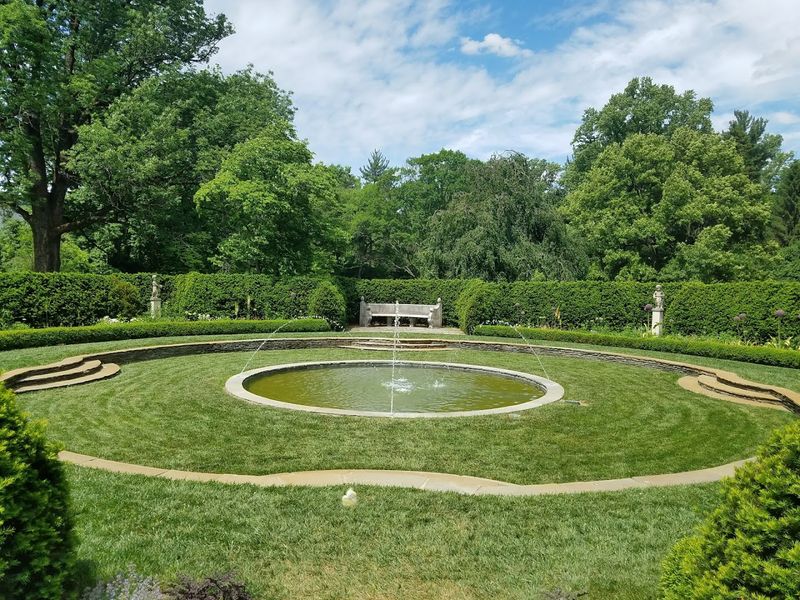
Newfields, home to the Indianapolis Museum of Art, is a 152-acre campus that blends world-class art collections with formal European-style gardens, a historic estate, and outdoor spaces that feel genuinely removed from the surrounding city.
The grounds alone are worth an afternoon of unhurried exploration.
The Lilly House on the property is a 22-room Italianate mansion at 4000 Michigan Road that channels the feel of a northern Italian country estate. Its symmetrical architecture, formal terraces, and carefully maintained gardens reflect a design sensibility rooted firmly in European tradition.
The surrounding Linden trees and manicured hedgerows reinforce that sense of old-world refinement at every turn.
Inside the museum itself, European art collections span centuries of painting, sculpture, and decorative arts that rival what you might find in mid-sized European institutions.
The museum cafe offers a pleasant spot to rest between galleries, and the seasonal garden installations on the grounds attract visitors who have no particular interest in art but simply want to walk somewhere beautiful.
Newfields does a remarkable job of making high culture feel accessible and genuinely enjoyable rather than intimidating. Whether you come for the Rembrandt collection, the rose garden, or just the peaceful walking paths, you will leave feeling like you spent an afternoon somewhere far more exotic than Indiana.
10. Holland: A Dutch Windmill in the Indiana Countryside
Holland, Indiana, has a population of just over 600 people, but it punches well above its weight when it comes to charm.
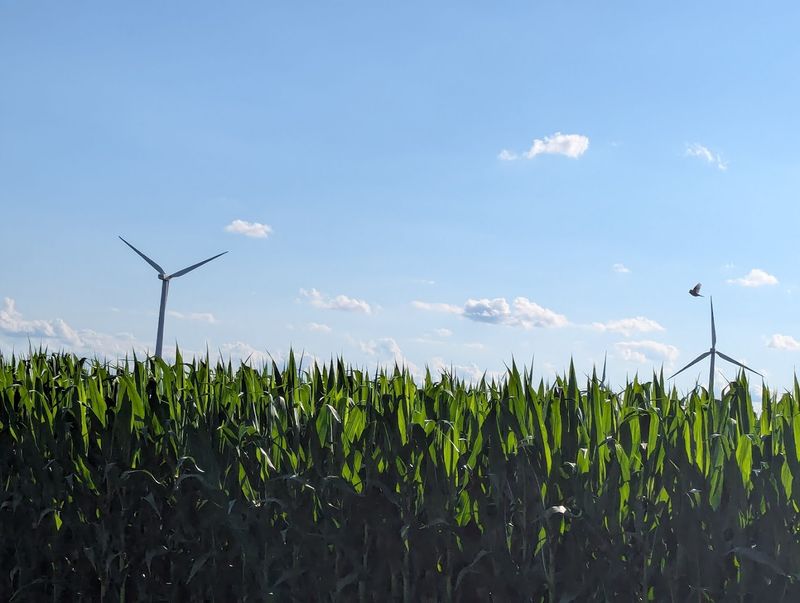
The town’s most iconic feature is a full-scale replica Dutch windmill standing at the Holland American Legion Memorial Park, a sight so unexpected in the middle of Indiana farmland that it genuinely makes you stop and stare.
It is the kind of detail that makes a small town memorable long after you leave.
The windmill serves as the visual centerpiece of the community and a source of obvious local pride. Its presence is a nod to the Dutch heritage that shaped this corner of southwestern Indiana, and it creates a photo opportunity that draws visitors who have heard about it through word of mouth.
On a clear day with open fields stretching out behind it, the scene looks remarkably like something from the Dutch countryside.
Holland hosts its annual Holland Community Fest each year, a celebration that brings the town together and welcomes outside visitors into its small but warm community. The surrounding Dubois County landscape offers scenic drives through farmland and forest that feel peaceful and unhurried.
Nearby Huntingburg, just a short drive away, adds more historic small-town character to a day trip itinerary. Holland is a reminder that you do not need a famous address or a big budget to find something genuinely special.
Sometimes the most rewarding discoveries are the ones hiding in plain sight along a quiet Indiana road.
