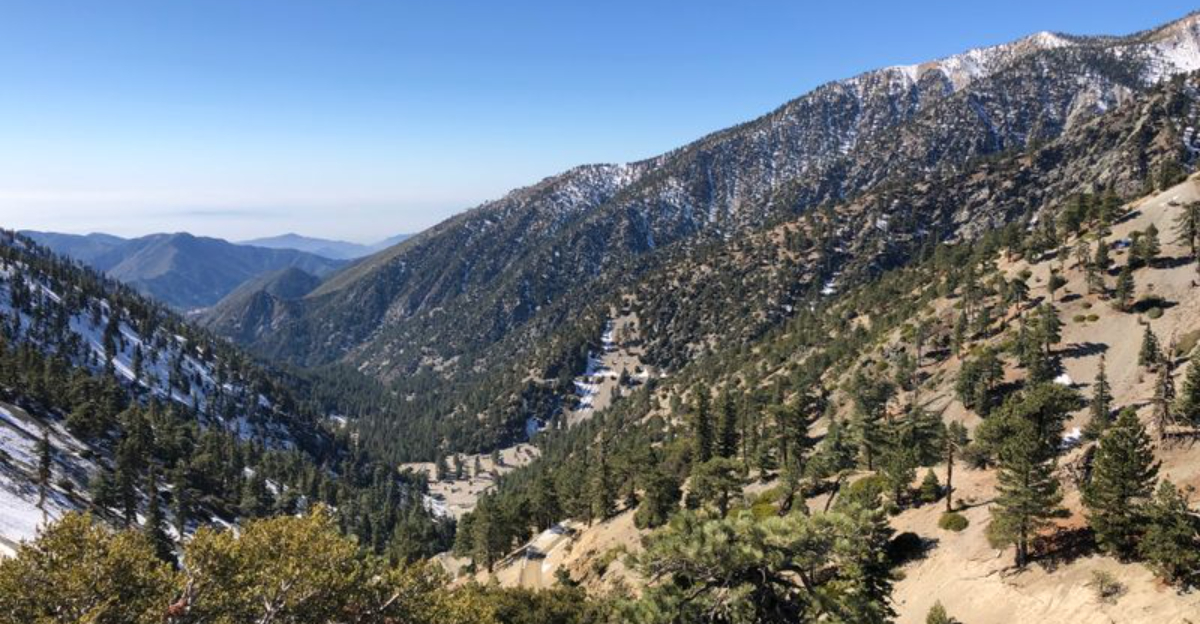
Driving through the Texas Hill Country means winding roads, rolling limestone hills, and endless blue skies that stretch beyond the horizon.
Most travelers stick to the main highways and miss the magic hiding just off the beaten path.
Scattered along these scenic routes are pull-offs that offer stunning views, quiet moments, and a chance to breathe in the beauty of this rugged landscape.
Whether you’re chasing wildflowers in spring or seeking a peaceful overlook at sunset, these hidden gems reward those who slow down and take notice.
1. Willow City Loop Wildflower Vista
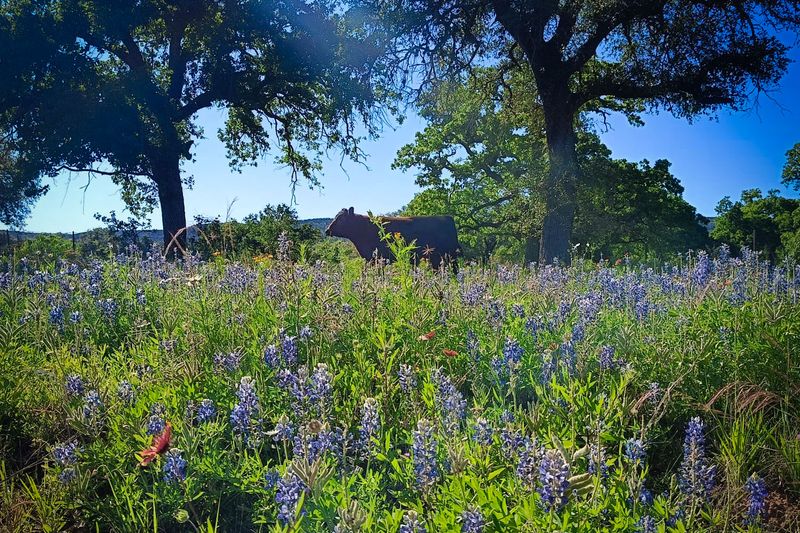
Spring transforms this 13-mile stretch into a painter’s palette of color that stops traffic and fills camera rolls.
Bluebonnets blanket the roadside in waves of purple-blue, while Indian paintbrush adds splashes of fiery red and orange.
The narrow road curves through private ranchland, so respectful travelers pull over only at designated spots to soak in the views.
Early morning light filters through oak trees and casts long shadows across the blooms, creating scenes that feel almost too beautiful to be real.
Local ranchers have watched generations of visitors return year after year, drawn by the magnetic pull of wildflower season.
Between late March and early May, the timing depends on rainfall and temperature, making each visit a gamble that often pays off spectacularly.
Photographers line up at the best vantage points, tripods balanced on uneven ground, waiting for that perfect shot when the sun hits just right.
Families spread blankets in safe spots, kids running through fields while parents capture memories against a backdrop of endless color.
The road itself demands attention with its tight curves and lack of shoulders, so pulling off requires patience and careful timing.
Creeks trickle through low-water crossings, adding a soundtrack to the visual feast.
Pastures stretch toward distant hills where cattle graze peacefully, indifferent to the seasonal spectacle unfolding around them.
This loop connects easily to Fredericksburg, making it a perfect detour for wine country explorers seeking natural beauty between tastings.
Every bend reveals another postcard-worthy scene, reminding travelers why slowing down matters in Hill Country.
2. Ranch Road 337 Scenic Overlook

Motorcyclists call this the crown jewel of the Twisted Sisters loop, and one ride explains why that nickname stuck.
Sharp curves descend into valleys before climbing back up limestone cliffs that tower over the asphalt ribbon below.
Pull-offs appear suddenly, small gravel patches where you can stop and look back at the road you just conquered.
The overlooks offer sweeping views across miles of undeveloped Hill Country, where cedar and oak cover the hillsides in deep green.
On clear days, you can trace the path of distant roads cutting through the landscape like veins through stone.
Wind rushes up from the valleys, carrying the scent of juniper and wild grass that grows in rocky soil.
This stretch between Leakey and Medina challenges drivers with its technical demands, rewarding skill with breathtaking scenery at every turn.
Local riders know the best spots by heart, places where the guardrail opens up just enough for a safe stop and a long look.
Sunrise paints the eastern hills in shades of pink and gold, while sunset turns the western sky into a blazing canvas of orange and purple.
Hawks circle overhead, riding thermals that rise from the heated rock faces.
The road surface itself becomes part of the experience, smooth asphalt that invites speed but demands respect.
Few places in Texas offer this combination of driving excitement and natural beauty in such a concentrated stretch.
Each pull-off tells a different story, from the highest points where you feel like you’re flying to the low spots where canyon walls rise on both sides.
3. Devil’s Backbone Escarpment Vista
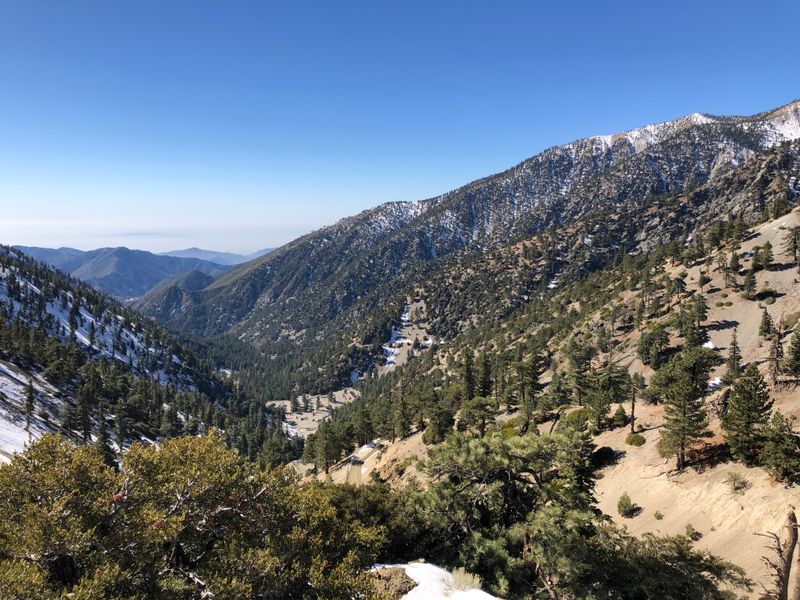
Perched along the Balcones Escarpment, this ridge road between Wimberley and Blanco feels like driving along the spine of a sleeping giant.
Steep drop-offs fall away on both sides, revealing layer upon layer of Hill Country stretching toward the horizon.
The name comes from the jagged ridgeline that early settlers thought resembled the devil’s own backbone rising from the earth.
Pull-offs here require extra caution because the shoulders are narrow and the views are distracting enough to make you forget you’re still on an active road.
On one side, the land drops dramatically into valleys where small ranches dot the landscape like scattered toys.
The other side often mirrors the first, creating a sensation of floating above the world on a ribbon of concrete and stone.
Local legend says you can see seven counties from certain vantage points on clear winter days when the air is crisp and visibility stretches for miles.
Storm clouds rolling across this exposed ridge create dramatic displays of light and shadow, with rain curtains visible from miles away.
Wildflowers find purchase in rocky crevices along the roadside, adding unexpected splashes of color to the limestone and cedar.
The geological history written in these rock layers spans millions of years, each stratum telling stories of ancient seas and shifting continents.
Sunset transforms the escarpment into a golden throne, with the entire Hill Country spread below like a rumpled quilt of green and brown.
Traffic moves quickly here, so those who stop are rewarded with moments of relative solitude despite being on a well-traveled route.
Every visit reveals different details depending on season, weather, and time of day.
4. FM 1323 Secluded Ranch Corridor

This less-traveled route between Johnson City and Willow City offers something increasingly rare in Hill Country: genuine solitude wrapped in pastoral beauty.
Small ranches line the road, their weathered fences and modest homesteads speaking to generations of families working this stubborn land.
Traffic thins to almost nothing on weekdays, giving travelers the sense of discovering a secret path through time.
Wildflower enthusiasts treasure this road during spring because the displays rival more famous locations without the crowds or traffic jams.
Bluebonnets carpet entire pastures, interrupted only by grazing cattle who seem indifferent to the floral spectacle surrounding them.
Pull-offs appear as wide spots in the road rather than formal parking areas, places where you can ease over and step out into quiet broken only by birdsong and breeze.
The landscape here feels more intimate than the dramatic vistas found on other Hill Country roads, with rolling hills that invite exploration rather than demand awe.
Oak trees shade portions of the route, their gnarled branches reaching over the asphalt like protective arms.
Ranch gates bear names that have been there for decades, family histories written in weathered wood and faded paint.
This road connects easily to the Willow City Loop or continues toward Fredericksburg’s wine country, making it a perfect detour for those seeking variety.
Photographers appreciate the authentic ranch scenes available here, with working properties rather than tourist attractions providing the backdrop.
Sunset paints the undeveloped land in warm tones that seem to glow from within.
The absence of commercial development preserves a version of Hill Country that’s becoming harder to find elsewhere.
5. Park Road 37 Hairpin Challenge

Driving enthusiasts nicknamed this the Nurburgring of Texas, and the comparison becomes obvious within the first mile of steep climbs and plunging descents.
The route from Medina Lake to Helotes features hairpin turns that demand full attention, each one revealing new perspectives on the surrounding landscape.
Pull-offs serve dual purposes here: safe spots to let faster traffic pass and opportunities to catch your breath after navigating particularly challenging sections.
Long stretches pass without seeing another vehicle, creating an almost private experience of Hill Country’s most dramatic terrain.
Valleys open up suddenly as you round corners, their depths filled with shadows even at midday.
The road surface varies from smooth new asphalt to rougher patches where weather and time have taken their toll, adding to the adventure.
Cedar and oak cling to impossibly steep hillsides, their roots finding purchase in cracks between limestone layers.
Hawks and vultures ride updrafts along the ridges, sometimes passing at eye level when you’re at the highest points.
The elevation changes create microclimates, with cooler air pooling in the valleys and warmer currents flowing over the ridgetops.
Experienced drivers return repeatedly to test their skills against these curves, learning the rhythm of the road through repetition.
First-timers grip their steering wheels a bit tighter, surprised by how quickly the landscape changes and how much concentration the route demands.
Overlooks along the way offer chances to study the road ahead, planning your line through the next series of turns.
This road earns its reputation through sheer intensity, delivering scenery and excitement in equal measure to those brave enough to explore it fully.
6. Lost Maples Roadside Canyon
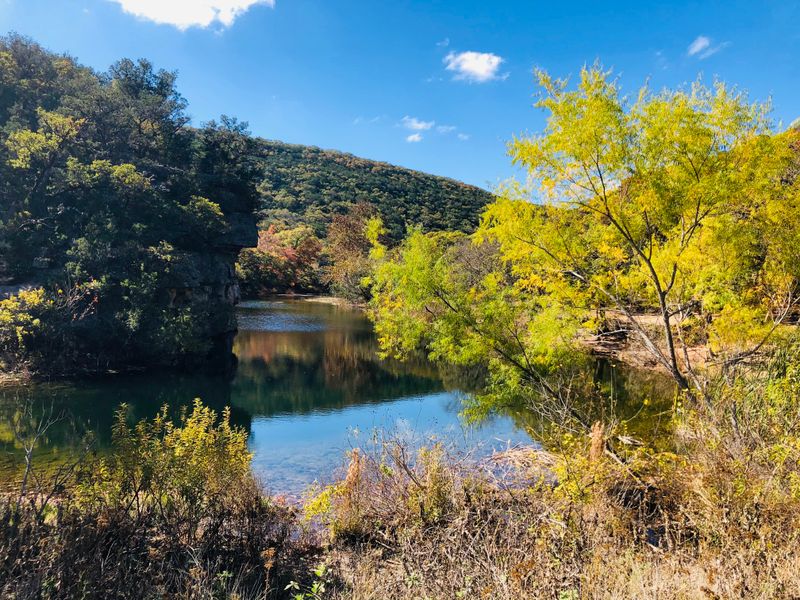
Autumn brings something unexpected to this corner of Hill Country: genuine fall color that rivals New England’s famous displays.
Bigtooth maples, rare this far south, turn brilliant shades of red, orange, and gold when temperatures finally drop in late October and November.
Small canyons visible from roadside pull-offs showcase these trees against limestone cliffs, creating scenes that seem transported from another region entirely.
The timing window is narrow and unpredictable, depending on rainfall patterns and temperature swings that vary wildly from year to year.
Local photographers monitor conditions obsessively, knowing that peak color might last only a week or two before winter winds strip the leaves.
Pull-offs fill quickly during peak weekends, but patient travelers can find quieter moments early in the morning or on weekdays.
The canyon walls shelter the maples from harsh summer heat, creating microclimates where these moisture-loving trees can survive in otherwise arid conditions.
Springs trickle from rock faces, feeding small pools where wildlife gathers during dry seasons.
The contrast between the colorful maples and the surrounding cedar and oak makes the autumn display even more striking.
Beyond the famous maples, the area offers year-round beauty with its rugged terrain and clear streams cutting through ancient limestone.
Birds migrate through these canyons in spring and fall, adding movement and sound to the visual splendor.
Winter reveals the bones of the landscape, with bare trees exposing rock formations and cave openings hidden during leafier seasons.
Every season brings different reasons to stop and explore these roadside canyons that most travelers rush past without a second glance.
7. Enchanted Rock Approach Vista
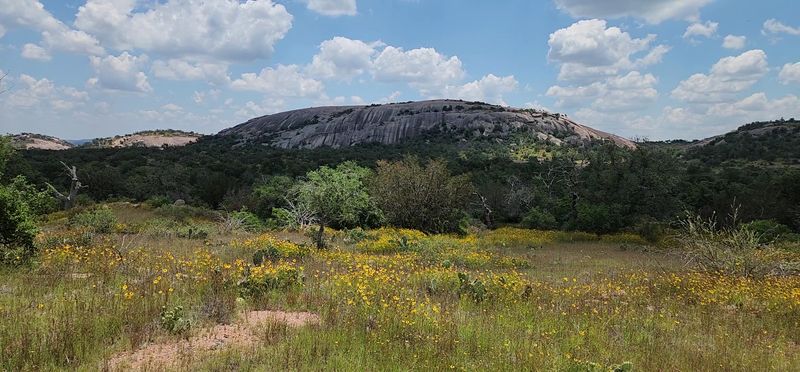
Long before you reach the park entrance, the massive pink granite dome announces itself on the horizon like a geological monument to time and pressure.
Pull-offs along the approach roads offer perspectives that the crowded park itself sometimes lacks, with distance lending scale and drama to the ancient rock.
The dome rises 425 feet above the surrounding terrain, but from certain angles along the access roads, it appears to float above the oak and mesquite like a stone ship.
Sunrise paints the granite in shades of rose and coral, the rock seeming to glow from within as it absorbs the first rays of morning light.
Evening reverses the effect, with the dome holding onto daylight even after the surrounding landscape falls into shadow.
These roadside vantage points let you appreciate the formation’s full scale without the crowds and parking challenges found at the official site.
The rock formed over a billion years ago, part of a massive underground magma chamber that cooled slowly and eventually eroded into view.
Native peoples considered it sacred, telling stories of ghost fires and spirit voices heard echoing from its summit on quiet nights.
Modern geologists study the exfoliation process that peels layers from the dome like an onion, creating the distinctive rounded profile.
Wildflowers bloom around the rock’s base in spring, softening the harsh granite with delicate colors and textures.
Hawks nest in crevices along the dome’s face, their hunting cries carrying across the landscape.
The surrounding Hill Country provides context, showing how dramatically this granite intrusion differs from the typical limestone formations found elsewhere in the region.
Stopping to view the rock from a distance offers a completely different experience than climbing it, one that emphasizes scale and geological wonder.
8. Pedernales River Crossing
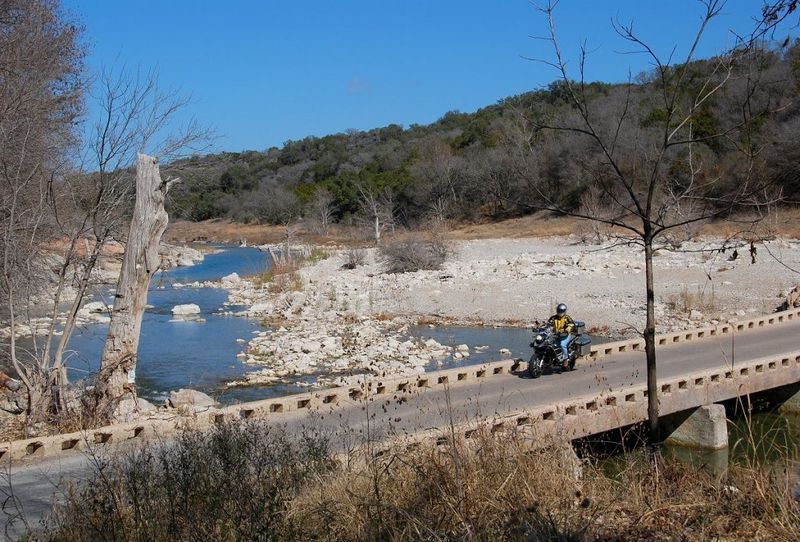
Water shapes Hill Country in profound ways, and few places demonstrate this better than the spots where the Pedernales River crosses beneath rural roads.
Low-water crossings create natural pull-offs where travelers can park safely and watch the river flow over flat limestone slabs worn smooth by centuries of current.
The water runs clear over the white rock, creating a visual effect like liquid glass sliding across marble.
Cypress trees line the banks, their distinctive knees breaking the surface like wooden sculptures placed by a patient artist.
Small fish dart through the shallows, visible against the pale limestone bottom.
During spring floods, these peaceful crossings transform into raging torrents that close roads and reshape the landscape overnight.
Families wade into the cool water during summer, seeking relief from heat that can make the Hill Country feel more like a furnace than a paradise.
The sound of flowing water creates a natural soundtrack that drowns out highway noise and modern distractions.
Dragonflies patrol the river’s edge, their iridescent bodies flashing in the sunlight as they hunt for smaller insects.
Limestone ledges along the banks show layers of sediment deposited when this area lay beneath an ancient sea.
Fossils occasionally appear in the rock, remnants of creatures that lived millions of years before humans walked these hills.
The river’s path changes subtly with each flood, moving gravel bars and carving new channels through the forgiving stone.
Local wisdom says never to cross when water flows over the roadway, advice born from watching flash floods sweep away vehicles and lives.
These crossings offer moments of pure tranquility, places where time seems to slow and the Hill Country reveals its gentler side.
9. Old Tunnel Wildlife Viewing Area
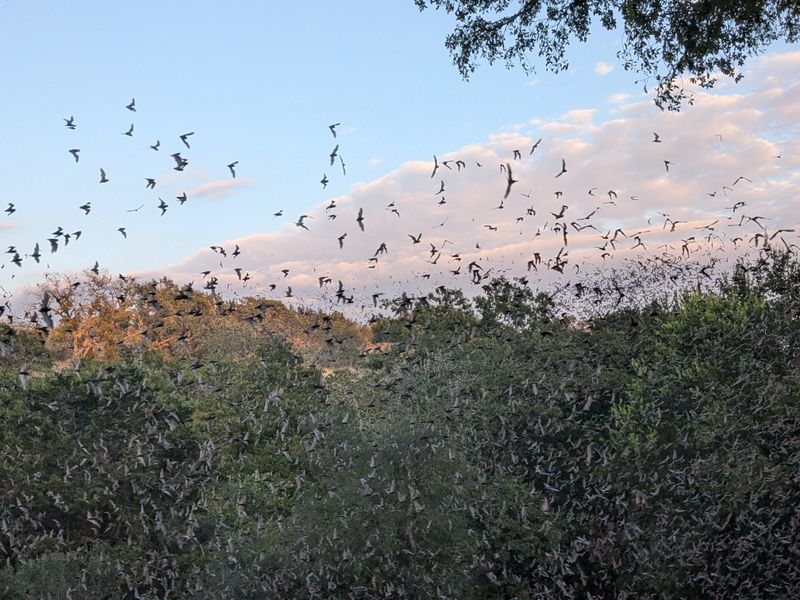
An abandoned railway tunnel transformed into one of nature’s most spectacular daily shows, where millions of Mexican free-tailed bats emerge each evening during summer months.
The pull-off near the tunnel entrance fills with visitors before sunset, everyone waiting for that magical moment when the colony takes flight.
As twilight deepens, the bats begin streaming from the tunnel in a living tornado of wings and squeaks that can last for hours.
The tunnel served the railroad until the 1940s, when changing routes and economic shifts left it abandoned to time and wildlife.
Bats discovered it made a perfect roost, protected from weather and predators while offering easy access to the insect-rich skies above Hill Country.
Conservation groups now manage the site, balancing public viewing with the bats’ need for undisturbed habitat.
Hawks sometimes wait near the tunnel exit, hoping to snag an easy meal from the emerging cloud of bats.
The sound of millions of wings creates a rushing noise like wind through trees or distant waterfalls.
Each bat consumes thousands of insects nightly, providing natural pest control for the surrounding agricultural areas.
Winter brings silence as the bats migrate south to Mexico, leaving the tunnel empty until their return in spring.
The limestone hillside around the tunnel blooms with wildflowers during the right season, adding color to the already dramatic landscape.
Interpretive signs explain bat biology and conservation, turning a simple wildlife viewing into an educational experience.
This roadside stop offers something rare: predictable access to a truly wild phenomenon that happens on schedule every evening.
Watching the bats emerge connects visitors to cycles of nature that continue regardless of human presence or attention.
Dear Reader: This page may contain affiliate links which may earn a commission if you click through and make a purchase. Our independent journalism is not influenced by any advertiser or commercial initiative unless it is clearly marked as sponsored content. As travel products change, please be sure to reconfirm all details and stay up to date with current events to ensure a safe and successful trip.
