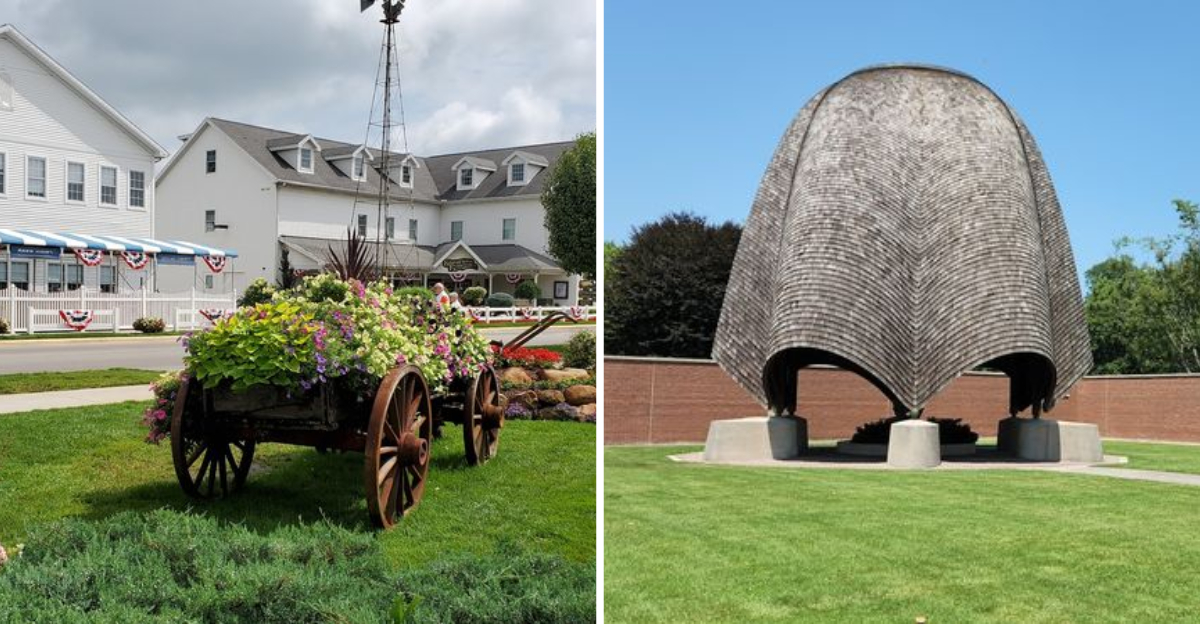
Small towns can reveal a side of Indiana that busy highways and city attractions often miss. Quiet streets, historic buildings, local shops, and scenic surroundings create experiences that feel personal and refreshingly different. These communities hold onto traditions, stories, and a slower pace that makes visitors want to stay a little longer.
Indiana has plenty of places where a simple drive can turn into a memorable getaway filled with character and charm. The best part is finding towns that still feel genuine, welcoming, and untouched by the rush of everyday life.
1. Metamora, Indiana
There is something almost magical about a place where the 1800s never quite left. Metamora is that kind of village, a living, breathing piece of Indiana’s canal era that somehow kept ticking long after the rest of the world moved on.
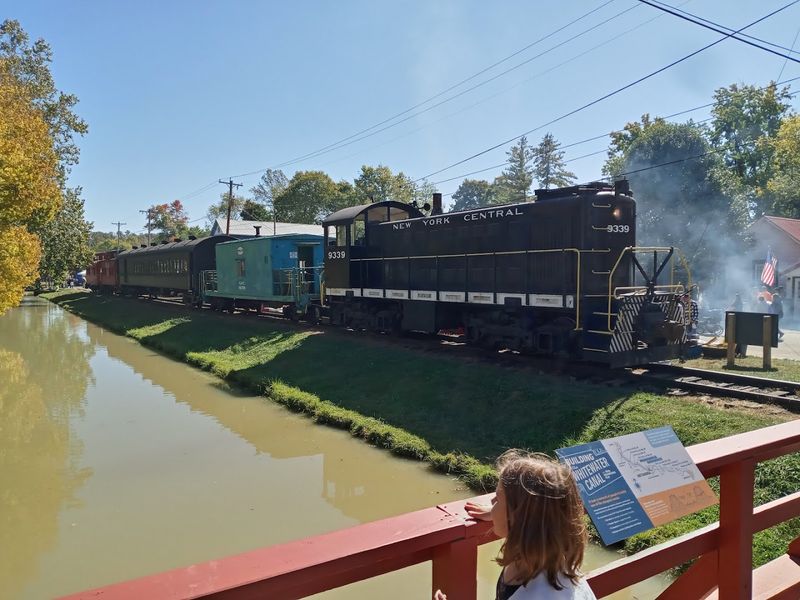
The Whitewater Canal still flows right through the heart of town, and the old gristmill it powers still produces cornmeal and flour today.
What really stops people in their tracks is the wooden aqueduct. It is the only operational wooden aqueduct in the entire United States, and standing near it, you can almost hear the creak of history under your feet.
The Whitewater Valley Railroad runs along the old towpath, offering a scenic ride through the river valley that feels genuinely unhurried.
A 2.6-mile trail winds along the canal for hikers and cyclists who want to soak in the scenery at their own pace. Throughout the year, Metamora hosts festivals like Canal Days and a Strawberry Festival that bring the village to life with energy and local flavor.
If you are looking for a place that feels both frozen in time and completely alive, Metamora delivers that in the most unexpected way.
2. Madison, Indiana
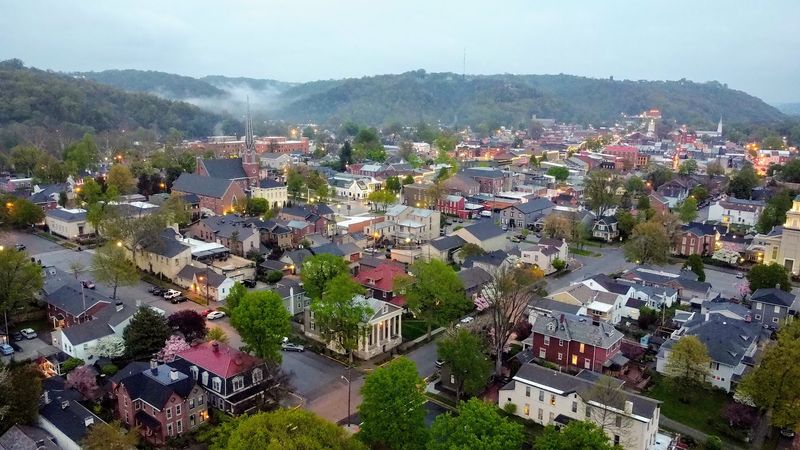
Few towns in the Midwest carry as much architectural weight as Madison. Recognized as the largest contiguous National Historic Landmark District in the United States, the town lines its streets with over 2,000 historic structures that range from Federal-style homes to grand Greek Revival estates.
It feels less like a small town and more like an open-air history museum that people actually live in.
The Lanier Mansion State Historic Site is one of the crown jewels here. Built in 1844, the Greek Revival home offers a window into the ambitions and aesthetics of early Indiana society.
The Broadway Fountain, standing in the town center since 1886, anchors the downtown with a visual elegance that photographs beautifully in any light.
Just outside town, Clifty Falls State Park rewards curious visitors with waterfalls, dramatic ravines, and trails that wind through rugged rock formations. The Ohio River runs alongside the whole town, adding a sense of scale and quiet power to every view.
Madison is the kind of place where a single afternoon stroll down one historic block leads you to want to explore every single one.
3. Nashville, Indiana
Nashville, Indiana earned its reputation as an artistic jewel honestly. In the early 20th century, impressionist painters like T.C.
Steele made this corner of Brown County their home, drawn in by the golden light filtering through the hardwood forests and the rolling hills that seemed purpose-built for painting. That creative energy never left.
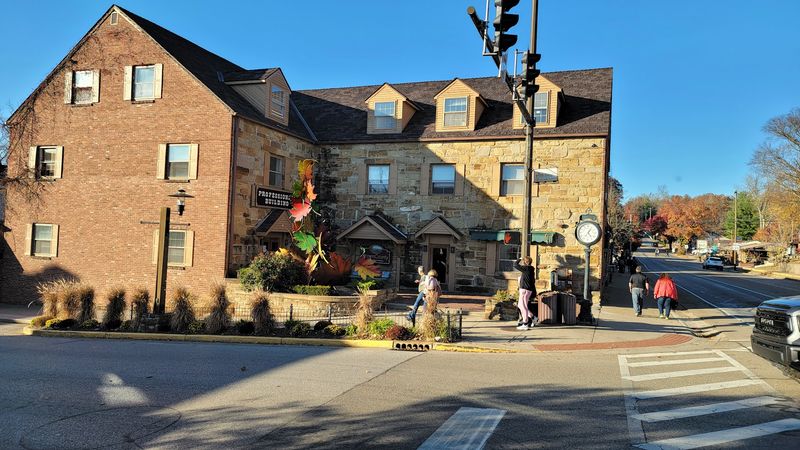
The Brown County Art Guild and a collection of independent galleries still showcase both historical and contemporary works, giving the downtown a gallery-hopping quality that feels genuinely curated rather than commercial. Antique Alley and Van Buren Street are packed with boutiques, artisan shops, and handmade goods that make browsing feel like a proper adventure.
I found myself losing track of time in more than one shop.
A short drive brings you to the T.C. Steele State Historic Site, where the artist’s home, studio, and beautifully kept gardens sit in peaceful quiet.
Brown County State Park, Indiana’s largest, wraps around the whole area with expansive forests, scenic overlooks, and trails suited for everyone from casual walkers to mountain bikers. Nashville rewards visitors who give it more than just a quick stop.
4. Vevay, Indiana
Vevay carries a European soul in the heart of the Ohio River Valley. Founded in 1802 by Swiss immigrants who dreamed of building a winemaking community on American soil, the town grew into one of the most distinctive settlements in early Indiana.
Today, that Swiss heritage still shapes the character of the place in quiet but noticeable ways.
The historic district stretches across more than 275 buildings, each one a chapter in the town’s long story as a significant river port. Inside the Switzerland County Historical Museum, housed in a former 1860 Greek Revival church, visitors encounter artifacts ranging from Native American history to Indiana’s very first piano.
The Life on the Ohio River History Museum adds another layer with steamboat-era models and memorabilia that feel genuinely fascinating rather than dusty.
Each spring, thousands of deep maroon tulips bloom outside the historic Schenck Mansion, creating a striking and slightly gothic scene that draws visitors from across the state. Downtown Vevay invites easy wandering through antique shops, local boutiques, and the Community Art Center.
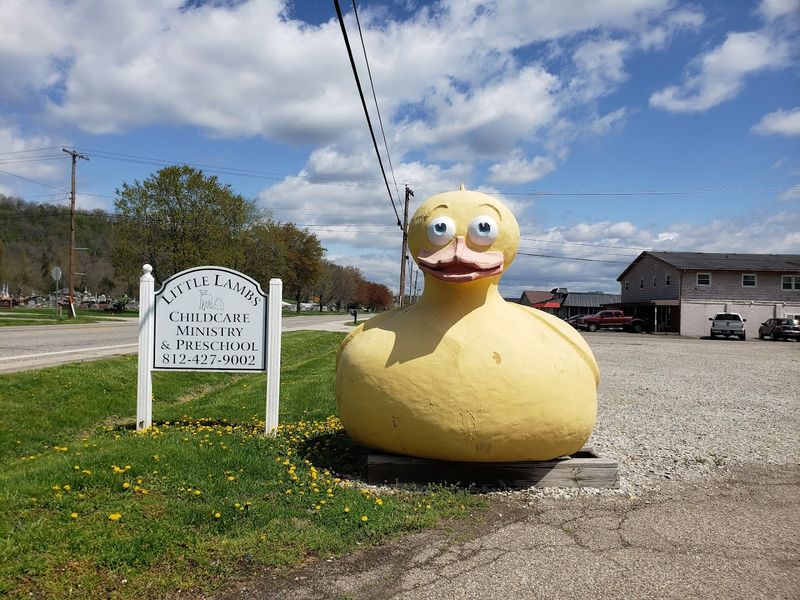
A cheerful oversized yellow rubber duck has also become a beloved roadside landmark, adding a playful note to an otherwise elegantly historic town.
5. New Harmony, Indiana
New Harmony might be the most intellectually fascinating small town in all of Indiana. In the early 1800s, this tiny settlement on the Wabash River was home to not one but two separate utopian communities, each attempting to build a better version of human society from scratch.
That bold, idealistic spirit is still woven into every corner of the town.
The Harmonie Society, a religious group, built a self-sufficient community here first. Then social reformer Robert Owen purchased the town and reimagined it as a model for education and social equality.
The Workingmen’s Institute, established in 1838, carries that legacy forward as Indiana’s oldest continuously operating library, museum, and archive.
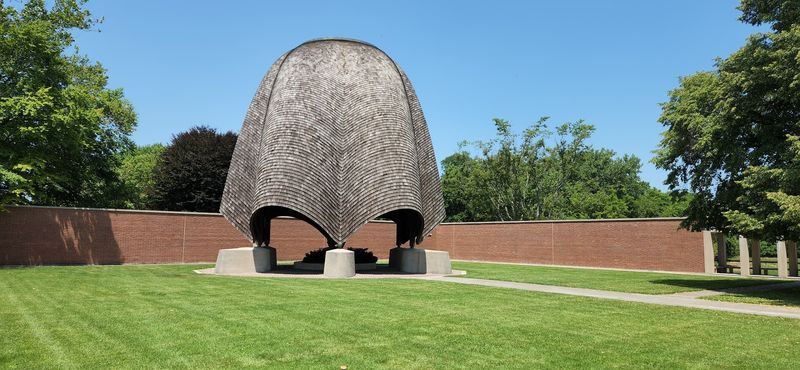
Two architectural landmarks define the town’s modern identity in compelling ways. The Roofless Church, an open-air sanctuary, feels like a meditation on simplicity and openness.
The Atheneum, designed by architect Richard Meier, offers a striking modern contrast to the surrounding historic buildings and serves as the town’s visitors center. Walking the Labyrinths scattered through town provides a contemplative experience that slows everything down in the best possible way.
Nearby Harmonie State Park adds a natural escape to the visit.
6. Shipshewana, Indiana
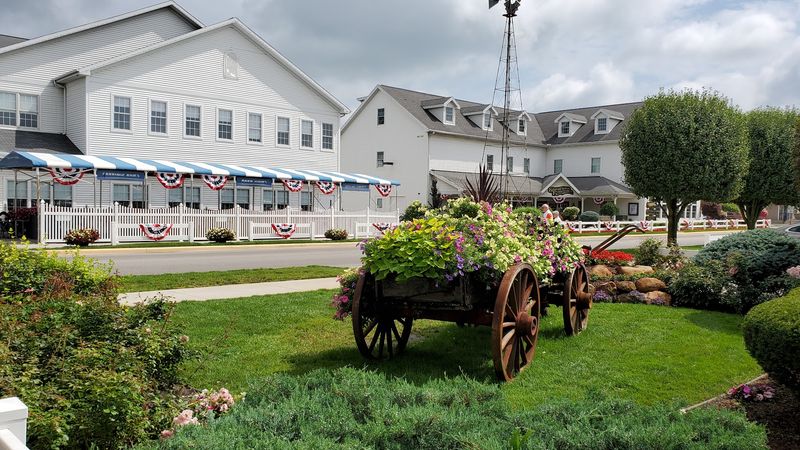
Shipshewana operates on a different rhythm than most American towns, and that is precisely what makes it so compelling. Situated in the heart of Indiana’s Amish country in the northern part of the state, the town offers an authentic and unhurried look at a way of life that prioritizes craft, community, and simplicity over speed and convenience.
Horse-drawn buggies move through the streets with calm regularity, a sight that never quite loses its novelty no matter how many times you see it. The Shipshewana Auction and Flea Market, spanning 40 acres with nearly 700 open-air booths, draws visitors from across the Midwest looking for handmade goods, antiques, and locally produced items that you simply cannot find anywhere else.
It is the largest flea market in the Midwest, and spending a morning there feels genuinely different from any typical shopping experience.
Local shops like Davis Mercantile and Yoder’s Red Barn Shoppes offer Amish handcrafted furniture and regional treats made with care and tradition. The town also hosts regular livestock and antique auctions that reflect its deep agricultural roots.
Shipshewana is not trying to impress anyone, and that honesty is exactly what makes it so memorable.
7. Corydon, Indiana
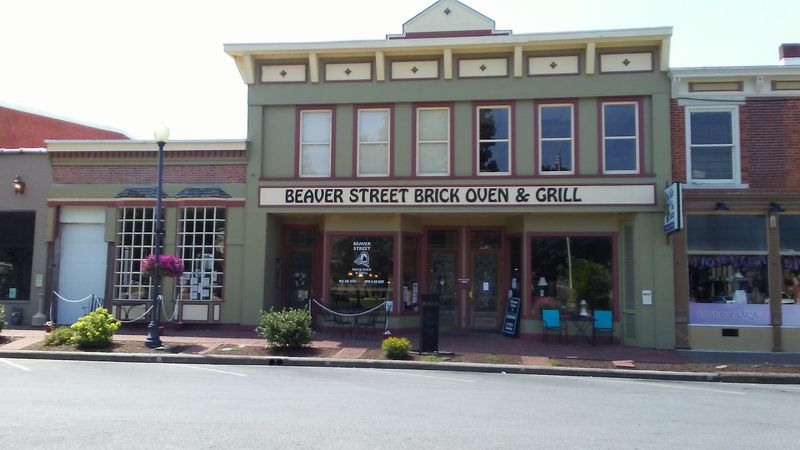
Corydon wears its historical significance without any pretension, which makes it all the more impressive. As Indiana’s very first state capital from 1816 to 1825, this southern Indiana town carries a foundational role in the state’s story that most visitors do not fully expect when they pull off the highway.
The downtown still feels rooted in that early 19th-century era.
The Corydon Capitol State Historic Site centers on a Federal-style limestone building that served as the seat of Indiana’s early government. Nearby, the Constitution Elm marks the spot where delegates once gathered under the shade of a massive tree to draft Indiana’s first constitution, a detail that turns a simple tree into something genuinely moving.
The town also holds a unique Civil War distinction as the site of the only official pitched battle fought on Indiana soil, commemorated at the Battle of Corydon Memorial Park.
A slow walk through the historic downtown reveals buildings dating back to the 1800s, each with its own quiet story to tell. Corydon does not shout about its history.
It simply lets the buildings, the markers, and the landscape speak, and they speak clearly for anyone willing to listen and look around.
8. French Lick, Indiana
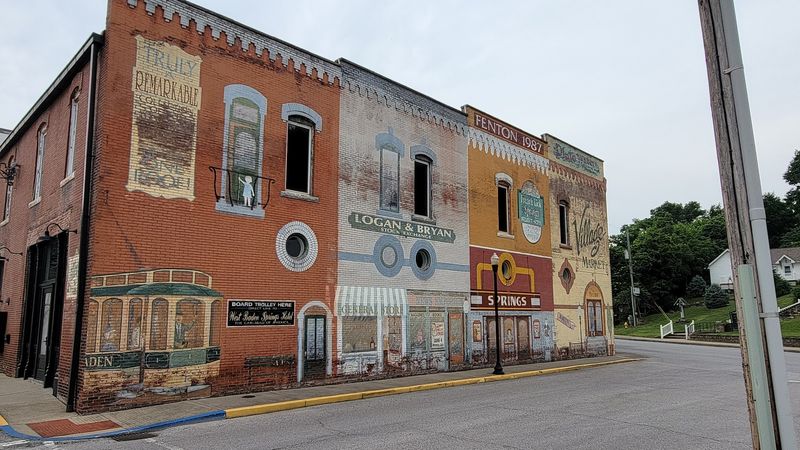
French Lick has a grandeur to it that catches you off guard the first time you see it. Tucked into the forested hills of southern Indiana, the town built its reputation around natural mineral springs that once drew visitors from across the country seeking what locals called miracle waters.
The resort hotels that rose up around those springs became legendary in their own right.
The French Lick Springs Hotel, established in 1845, showcases Beaux-Arts architecture with a lobby featuring gold leafing that still impresses visitors today. Historic tours walk guests through the storied past of the property, touching on the famous figures and era-defining moments that unfolded within its walls.
Just nearby, the West Baden Springs Hotel delivers one of the most jaw-dropping interior spaces in all of Indiana, a domed atrium so vast and ornate it was once called the Eighth Wonder of the World.
The Hoosier National Forest wraps around the entire area, offering trails, scenic overlooks, and the kind of quiet natural beauty that southern Indiana does particularly well. French Lick earns its place on any bucket list not just for its history but for the rare feeling of stepping into a world that genuinely knew how to do elegance right.
9. Brookville, Indiana
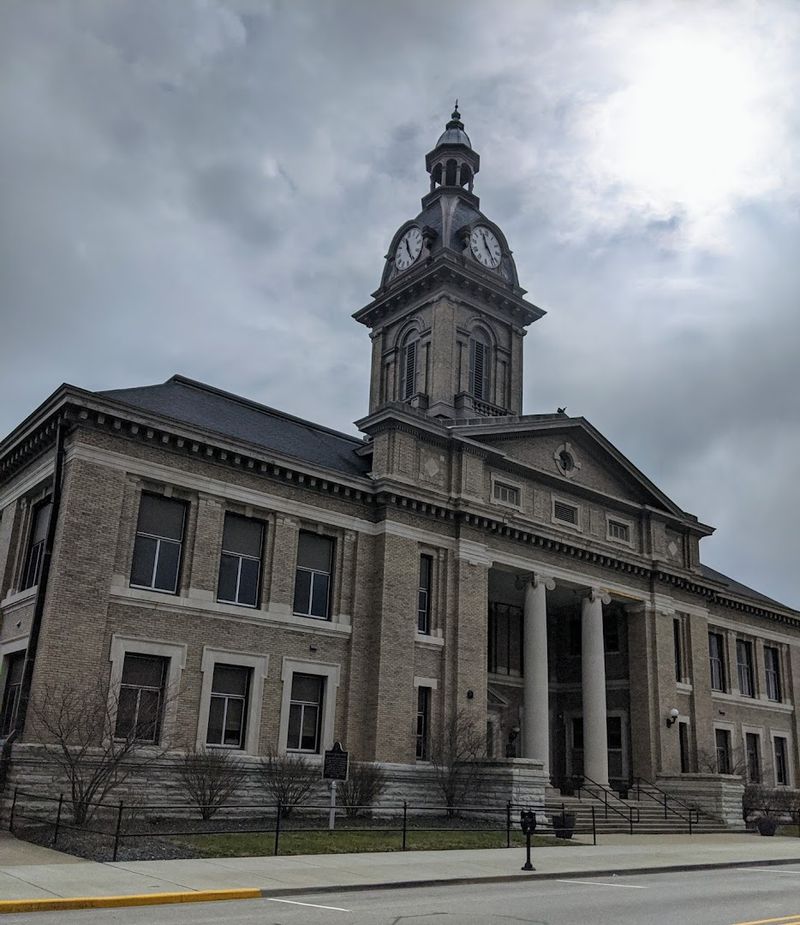
Brookville sits quietly in the Whitewater River Valley, balancing outdoor adventure with a historic downtown that genuinely rewards slow exploration. The town might not make every travel shortlist, but those who find it tend to come back.
There is a layered quality to Brookville that takes a little time to appreciate fully.
Brookville Lake dominates the outdoor experience here, offering more than 25 miles of trails alongside extensive boating and fishing opportunities. The Mounds and Quakertown State Recreation Areas both border the lake, giving hikers and campers a range of terrain to explore.
Franklin County is also known for significant deposits of Ordovician fossils, remnants of a primeval inland sea that covered this region hundreds of millions of years ago, which makes even a casual walk feel like a small geological adventure.
Back in town, the historic district preserves fine examples of Federal and Greek Revival architecture, including the Little Cedar Grove Baptist Church, recognized as the oldest church on its original foundation in Indiana. The Hermitage, once the home and studio of Hoosier School artists J.
Ottis Adams and T.C. Steele, adds a meaningful artistic thread to the town’s identity.
Brookville is understated in the best possible sense.
10. Waveland, Indiana
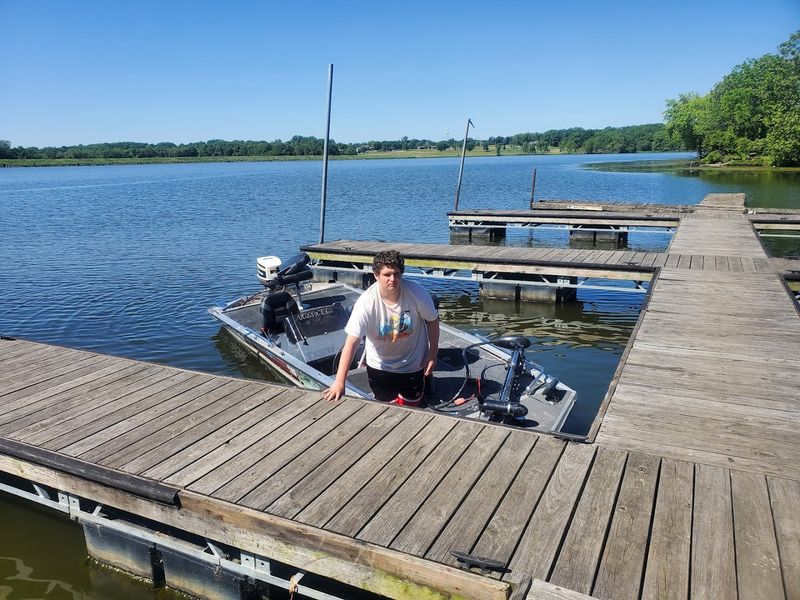
Waveland is the kind of place that requires a second glance before you realize just how much is packed into its quiet Montgomery County surroundings. Platted in 1835 as a resting stop for travelers moving between Terre Haute and Lafayette, the town has always served as a place to pause and recover, and that quality has never really faded.
One of the most intriguing facts about Waveland is that it was the boyhood home of T.C. Steele, the celebrated American Impressionist painter who would later shape Indiana’s entire artistic identity.
The George Seybold House and the T.C. Steele Boyhood Home are both listed on the National Register of Historic Places, giving the town a cultural significance that most travelers completely overlook.
Waveland Academy, where Steele once studied, adds another quiet layer to that story.
Lake Waveland, a 360-acre lake created in 1970, draws visitors for boating, fishing, and camping throughout the warmer months. The lake’s most unusual feature is a phantom bridge from the 1920s, now submerged but with its side rails still peeking above the waterline, creating an eerie and oddly beautiful landmark.
Shades State Park sits nearby for anyone who wants to extend the outdoor experience further.
