Some conflicts fade from memory, but this one refuses to stay buried.
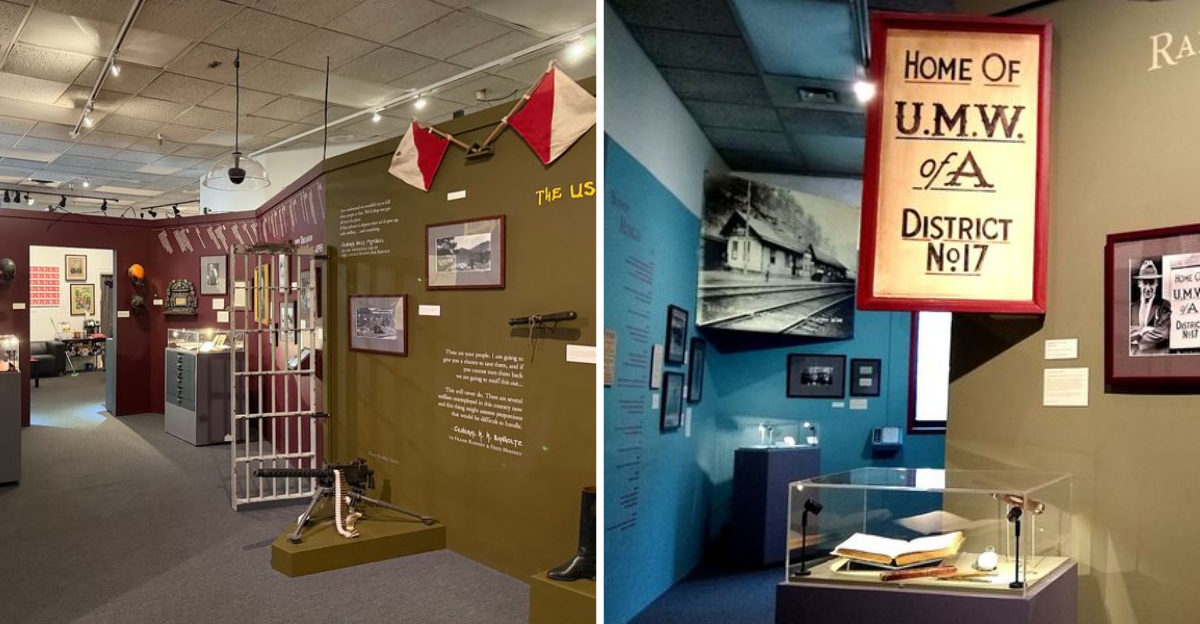
Hidden in a small Appalachian town, this museum preserves the explosive story of a bloody early 20th-century clash between coal miners and company operators over basic human rights.
The museum sits near the site of a famous gunfight that ignited a chain of events leading to the largest armed uprising on American soil since the Civil War.
Visitors explore compelling exhibits filled with archival photos, first-person accounts, and rare artifacts that bring this forgotten struggle to life.
It honors the courage of those who fought for fair wages, safer conditions, and the right to organize.
West Virginia ensures their voices are finally heard loud and clear.
A People’s History Hidden in Plain Sight
Some history gets carved into monuments. This history got carved out of silence, which makes it hit differently.
The West Virginia Mine Wars Museum exists because the stories inside it were deliberately kept out of classrooms, out of textbooks, and out of the national conversation for most of the twentieth century.
Coal miners and their families fought for rights that most working Americans take completely for granted today, things like weekends, holidays, and basic safety on the job.
Those fights were brutal, and the people in power spent a long time making sure future generations would not hear about them.
Walking through this museum feels like finding a door that was supposed to stay locked.
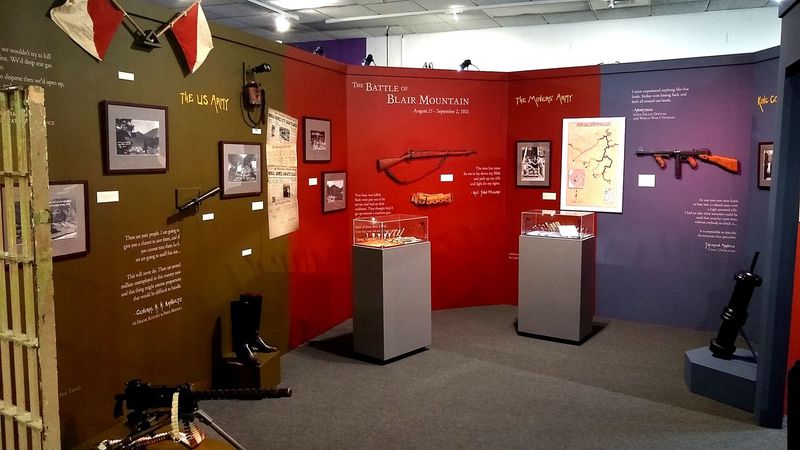
The exhibits are organized chronologically, so the story builds naturally as you move through the space. Each display connects personal lives to larger historical forces in a way that feels honest and grounded.
This is not a polished corporate history. It is a people’s history, and the difference is unmistakable the moment you step inside.
The Matewan Massacre and Why This Town Matters
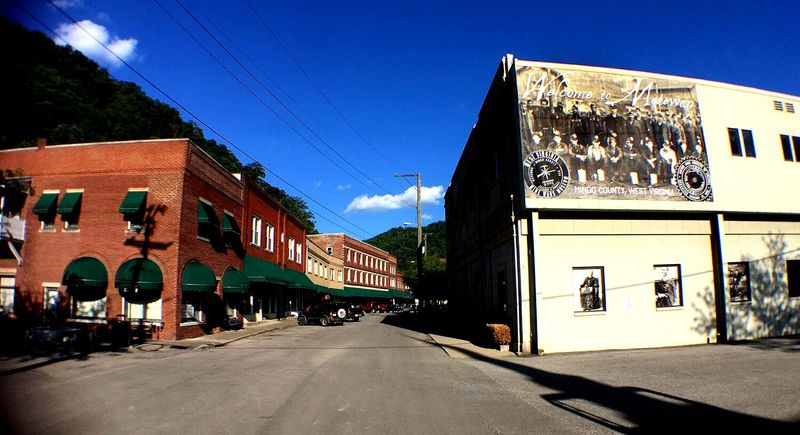
Matewan is not just a backdrop for this museum. It is the reason the museum exists at all.
In 1920, a violent confrontation erupted right on these streets between Baldwin-Felts detective agents hired by coal companies and local miners fighting for their right to organize.
The shootout left multiple people dead and turned a local police chief named Sid Hatfield into a hero for union miners across the region. That single event became a spark that ignited even larger conflicts in the months that followed.
Standing on Mate Street knowing that history happened right here adds a layer to the visit that no exhibit alone can replicate.
The town itself is remarkably well-preserved, and a guided town tour gives visitors a chance to see the exact locations where key moments unfolded. A short walk across the Tug Fork even leads to the cemetery where Hatfield is buried.
History does not feel abstract in Matewan. It feels close enough to touch, and that proximity is genuinely powerful.
The Largest Armed Labor Uprising in U.S. History
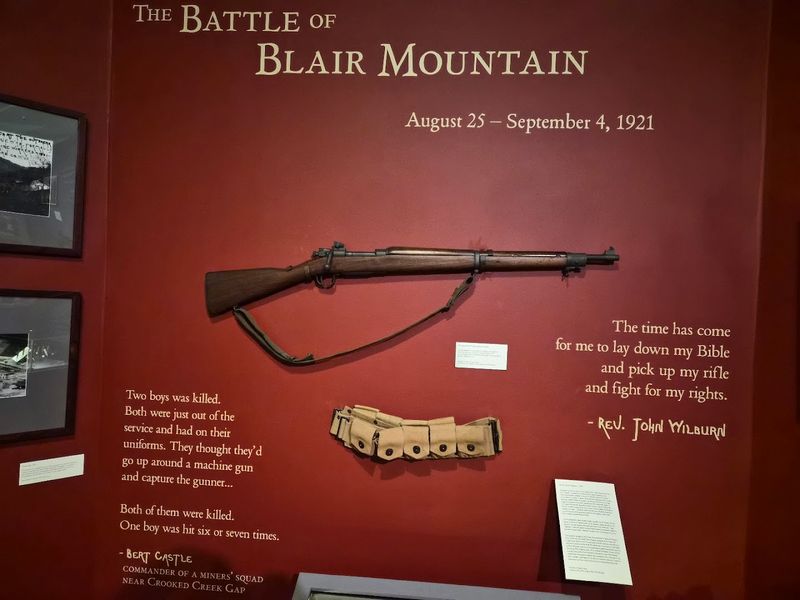
Most Americans have never heard of the Battle of Blair Mountain, and that gap in public knowledge is exactly what this museum is working to close.
In late August and early September of 1921, approximately ten thousand armed coal miners faced off against three thousand lawmen and strikebreakers on a West Virginia mountain ridge.
The conflict was so massive and so serious that the United States Army eventually intervened to end it. That makes Blair Mountain the largest armed insurrection on American soil since the Civil War, a staggering fact that somehow got quietly erased from most history curricula.
The museum presents this event with the weight and detail it deserves.
Maps, photographs, artifacts, and oral histories bring the scale of the battle into sharp focus. You start to understand not just what happened, but why tens of thousands of ordinary people felt pushed to that extreme point.
The conditions they endured, the wages they were paid, and the rights they were denied make the uprising feel less shocking and more inevitable the more you learn.
Where the Fires Started
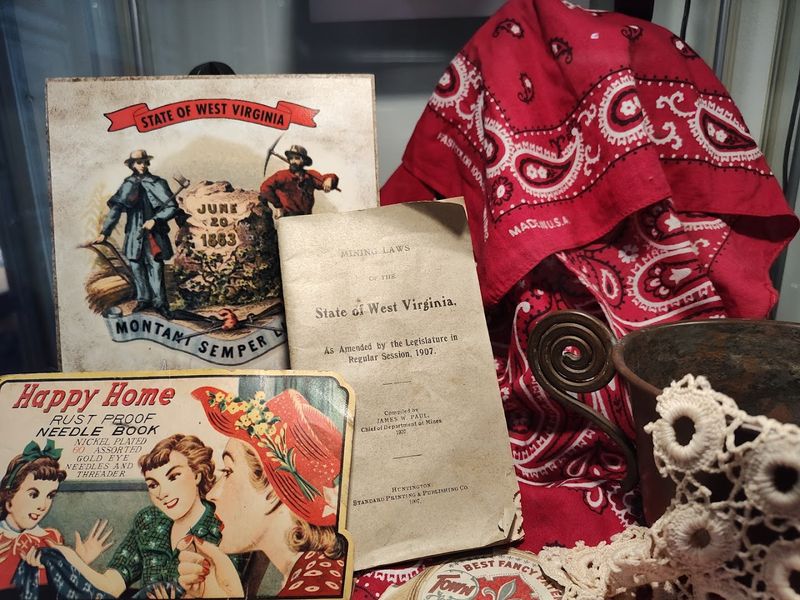
Before Matewan and before Blair Mountain, there was Paint Creek and Cabin Creek. The strikes of 1912 to 1913 along these two West Virginia waterways set the stage for everything that followed, and the museum gives this earlier chapter the careful attention it deserves.
Miners in those creeks were living and working under conditions that are genuinely difficult to comprehend from a modern perspective. Company towns controlled nearly every aspect of daily life.
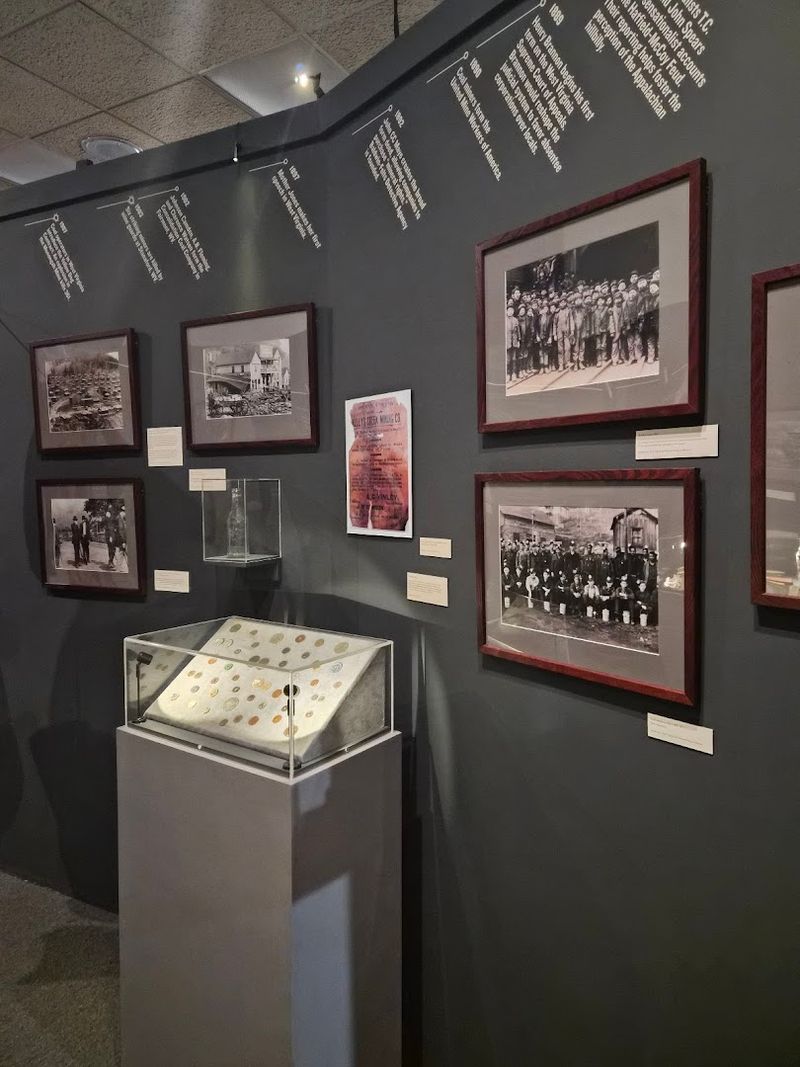
Workers were paid in scrip that could only be spent at company stores, keeping families trapped in a cycle with no exit. The right to buy goods elsewhere, to join a union, or to simply speak freely was not guaranteed.
The exhibits covering this period include original documents, period photographs, and detailed timelines that help visitors follow the escalating tension. Seeing the actual materials from that era makes the stakes feel real rather than distant.
These were not abstract political disputes. They were fights over whether a family could eat, live safely, and have any say over their own future.
Artifacts That Speak Louder Than Textbooks
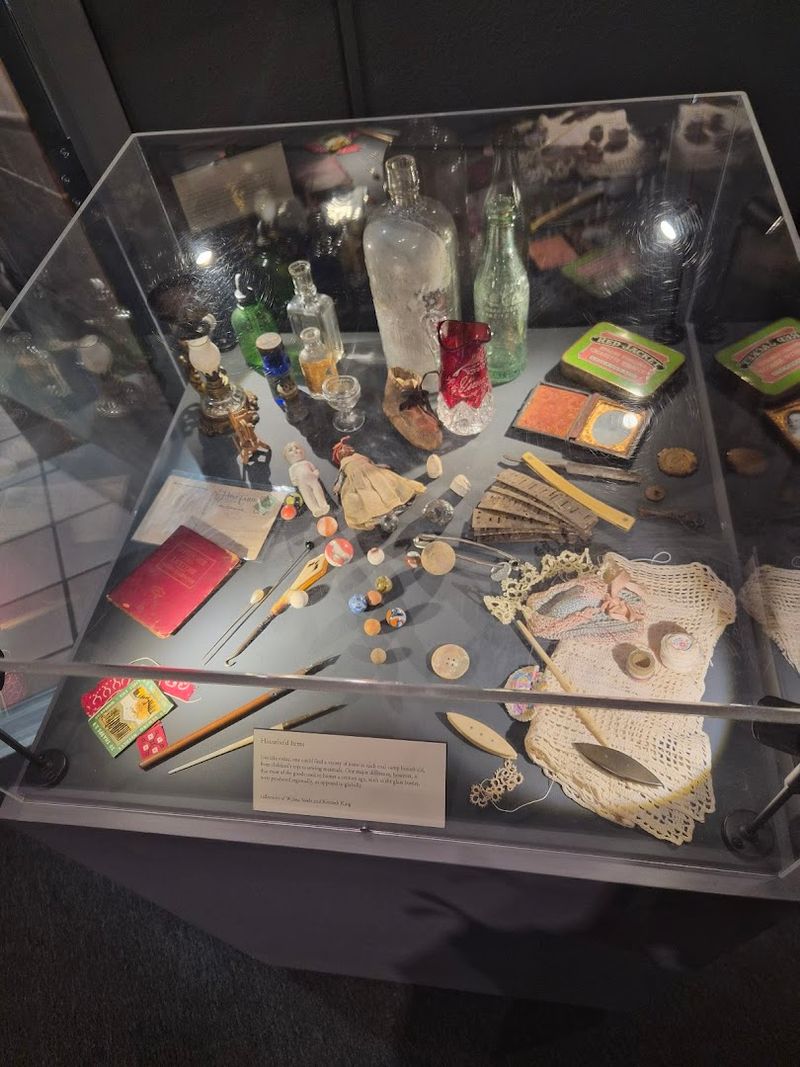
There is something about holding history in your gaze that reading about it simply cannot replicate.
The West Virginia Mine Wars Museum houses the largest exhibited collection of Mine Wars era artifacts anywhere, and the range of objects on display is genuinely impressive for a museum of its size.
Mining tools sit alongside union membership cards. Personal photographs share space with digitized film reels and original maps from the conflict periods.
Each object carries a specific human story, and the curators have done thoughtful work connecting those individual items to the broader historical narrative.
Oral histories recorded from miners and their descendants add another layer that purely visual exhibits cannot provide. Hearing voices describe life in a coal camp, or the fear and determination of strike days, brings the collection alive in a way that feels immediate.
The research room available on site allows visitors who want to go deeper to do exactly that. For history enthusiasts, educators, or anyone with family roots in Appalachian coal country, this collection is an extraordinary resource that rewards close attention.
Women’s Resistance and the Stories Often Left Out
One of the most striking parts of the museum is how deliberately it includes voices that traditional history has always been quickest to leave out.
Women played active and courageous roles in the Mine Wars, and the exhibits here make sure that contribution does not get footnoted away.
From organizing support networks to confronting strikebreakers directly, women in coal camp communities were far from passive bystanders.
Their resistance took forms that were creative, determined, and sometimes dangerous, and the museum presents those stories with the same seriousness it gives to the armed conflicts.
That balance feels important and rare.
Seeing the full picture of who participated in these struggles changes how you understand the Mine Wars themselves. These were not just confrontations between miners and company men.
They were community-wide uprisings involving families, neighbors, and networks of mutual support built under enormous pressure.
The museum’s commitment to telling that fuller story is one of the things that makes it genuinely different from a conventional historical institution.
It is history that refuses to flatten the people who lived it.
Understanding the World Miners Lived In
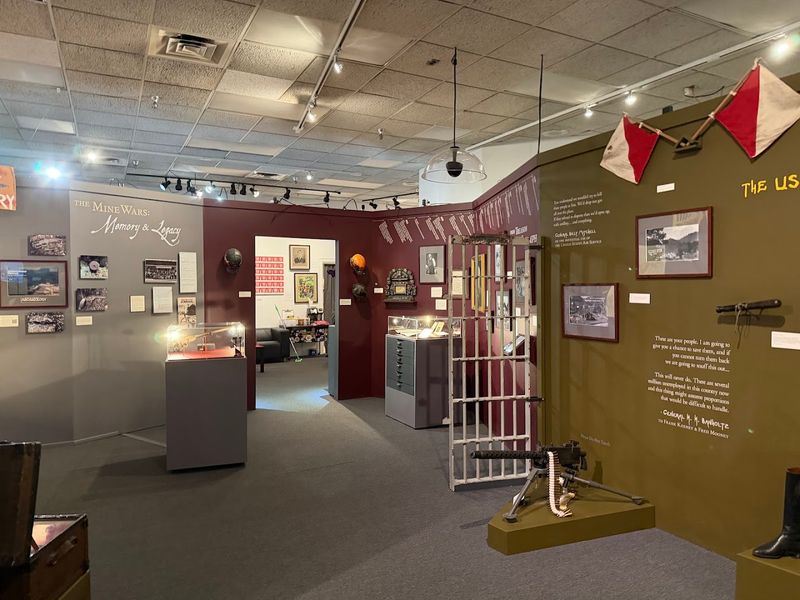
To understand why miners fought so hard, you first have to understand what daily life in a coal camp actually looked like. The museum devotes significant space to this context, and it is some of the most eye-opening material in the entire collection.
Company towns were self-contained systems designed to maximize profit and minimize worker independence. Housing, food, tools, and even leisure were controlled and monetized by the same coal companies that employed the miners.
Scrip currency kept workers financially dependent in ways that were nearly impossible to escape without losing everything at once.
Fatality rates in the mines were staggering by any modern comparison. Long hours, dangerous conditions, and zero regulatory protection meant that injury and death were simply accepted as part of the job.
Seeing these realities laid out through artifacts, photographs, and personal accounts makes the later uprisings feel not just understandable but almost overdue. The museum handles this material without melodrama, letting the facts carry the emotional weight.
That restraint is part of what makes it so effective as a historical institution.
A Guided Tour That Transforms the Experience
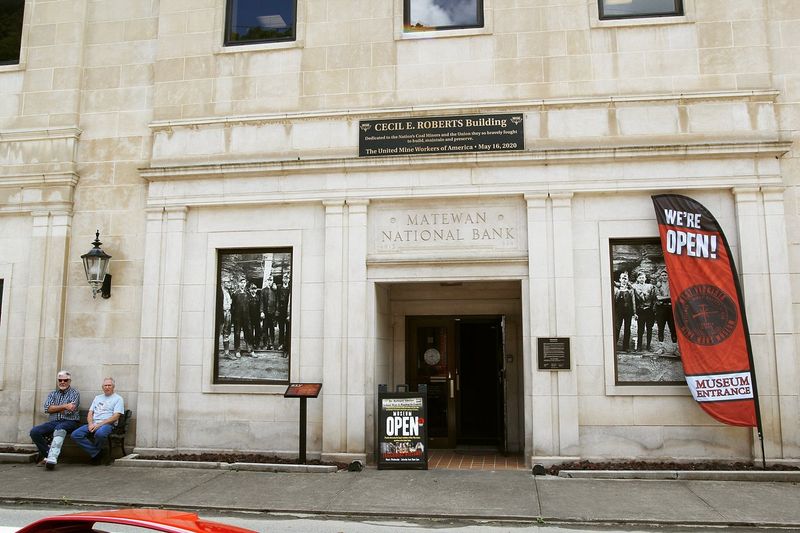
Visiting on your own is worthwhile, but a guided tour at the West Virginia Mine Wars Museum is something else entirely. The guides bring a depth of knowledge and personal investment to the material that genuinely elevates every part of the experience.
They connect individual artifacts to specific people and moments in ways that would take hours of independent reading to replicate.
The pacing of a guided visit also helps, moving you through the chronological layout in a way that lets the story build naturally rather than jumping around.
Off-season tours can be arranged in advance by simply contacting the museum, which makes it accessible year-round for travelers willing to plan ahead.
Town tours are also available and pair beautifully with the museum visit, walking visitors through the actual streets where historical events unfolded.
The combination of indoor exhibits and outdoor historical context creates an experience that feels genuinely immersive rather than purely educational.
For anyone making a special trip to Matewan, scheduling a guided tour is the single best way to make sure you leave with the full picture of what happened here.
Why Every Visitor Leaves Thinking Differently
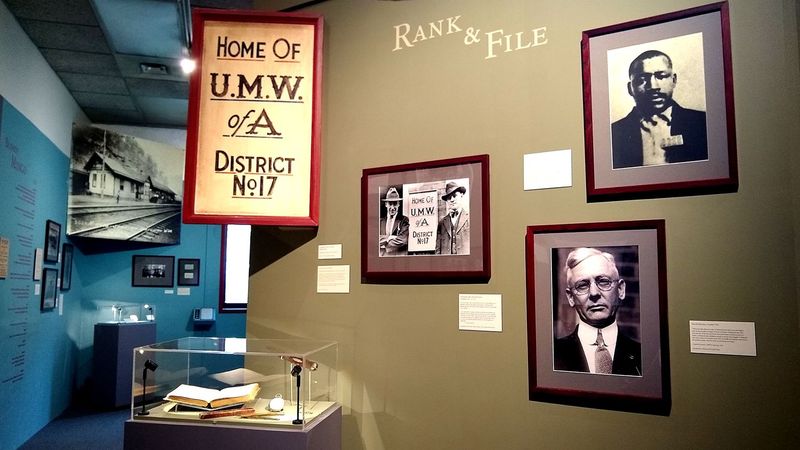
There are museums you visit and forget by the time you reach the parking lot. This is not one of them.
Something about the combination of place, story, and honest presentation at the West Virginia Mine Wars Museum makes it genuinely difficult to shake.
The rights that most working Americans enjoy today, the weekend, overtime protections, safer job sites, did not appear out of goodwill from employers. They were fought for, sometimes literally, by people whose names most of us were never taught.
Leaving the museum with that knowledge feels less like completing a tour and more like finally getting a piece of information you were always owed.
The gift shop offers books, prints, and other materials for visitors who want to keep exploring after they leave. The museum earns its remarkable reputation through the quality of its exhibits and the seriousness of its mission rather than through scale or spectacle.
Plan a visit during open hours, Tuesday through Saturday from ten in the morning until five in the afternoon.
Address: 112 Mate St, Matewan, WV.
