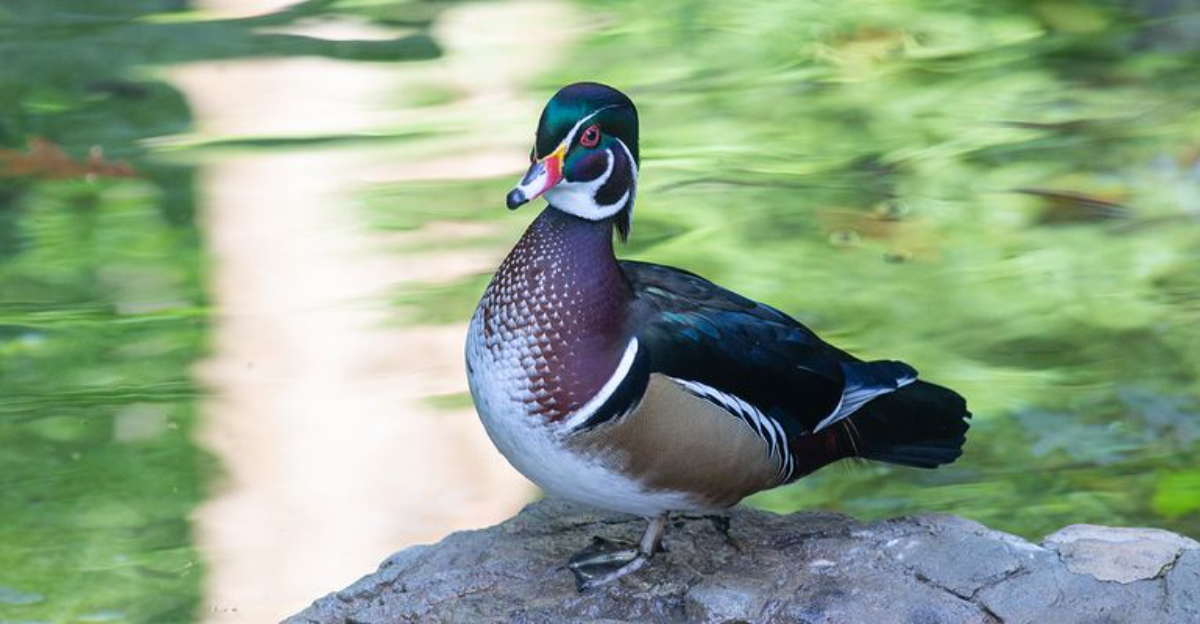
New York City might be famous for its towering skyscrapers and bustling streets, but it also has strict rules protecting its surprising wildlife population.
From pigeons in Central Park to raccoons in residential areas, the state takes animal protection seriously with laws that many visitors don’t even know exist.
Understanding these regulations can save you from hefty fines and help preserve the natural balance of this incredible urban ecosystem.
Whether you’re planning a weekend trip or an extended stay, knowing these hidden wildlife laws will make your New York adventure safer and more enjoyable for both you and the animals you might encounter.
1. Feeding Wild Birds Can Land You in Legal Trouble

Many tourists visiting New York parks assume tossing breadcrumbs to pigeons or ducks is a harmless activity.
However, New York City has specific ordinances that prohibit feeding wild birds in public spaces, particularly pigeons.
The law exists because feeding wildlife creates dependency, alters natural behavior patterns, and attracts large concentrations of animals that can spread disease.
Violating this regulation can result in fines ranging from $50 to $200 depending on the borough and circumstances.
Park rangers and animal control officers regularly patrol popular tourist destinations like Central Park, Battery Park, and Prospect Park specifically looking for people feeding birds.
The bread and human food people offer actually harms birds by providing poor nutrition and causing digestive problems.
Waterfowl like ducks and geese develop a condition called angel wing when fed too much bread, which prevents them from flying properly.
Large bird populations also create sanitation issues, with droppings damaging monuments, buildings, and creating health hazards.
If you genuinely want to help urban wildlife, consider supporting local conservation organizations instead.
Some parks have designated feeding areas with appropriate food available, but these are rare and clearly marked.
Always check posted signs before interacting with any wildlife.
Remember that observing animals from a respectful distance provides a better experience than artificial interactions.
Photography is encouraged as long as you maintain appropriate boundaries.
Teaching children to appreciate wildlife without interfering helps preserve natural ecosystems for future generations.
When visiting waterfront areas, resist the urge to share your lunch no matter how cute or persistent the birds appear.
The animals survived long before tourists arrived and will continue thriving when visitors respect their natural foraging behaviors.
2. Touching or Relocating Baby Animals Is Prohibited
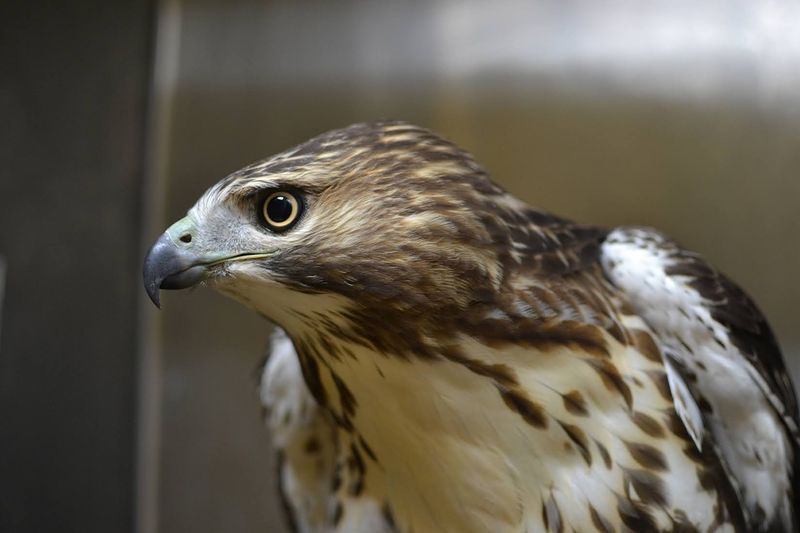
Springtime in New York brings adorable baby wildlife that sometimes appear abandoned in parks and green spaces.
Tourists often discover baby birds on the ground or young rabbits hiding in bushes and feel compelled to help.
State wildlife laws strictly forbid touching, moving, or attempting to rescue baby animals unless you are a licensed wildlife rehabilitator.
What appears to be an abandoned animal is usually being monitored by a parent from a distance.
Mother rabbits, for example, only visit their babies a few times daily to avoid attracting predators.
Bird fledglings often spend several days on the ground learning to fly while parents continue feeding them.
Well-meaning intervention actually separates babies from their families and dramatically reduces survival chances.
If you touch a baby animal, you also transfer human scent which can cause some parents to reject their offspring.
New York State Environmental Conservation Law makes it illegal for unlicensed individuals to possess wild animals, including temporarily holding babies.
Violations can result in fines up to $500 and potential misdemeanor charges.
The only exception is when an animal is clearly injured, in immediate danger, or the mother is confirmed dead.
In these situations, contact the New York State Department of Environmental Conservation or a licensed wildlife rehabilitator immediately.
Never attempt to feed or provide water to baby wildlife as improper care causes more harm than good.
Different species have specific dietary and temperature requirements that untrained people cannot provide.
Keep pets and children away from any baby animals you encounter.
Take photos from several feet away if you must document the encounter.
Remember that urban wildlife has adapted remarkably well to city life and parents are usually nearby watching.
3. Capturing Wildlife for Social Media Is Against the Law
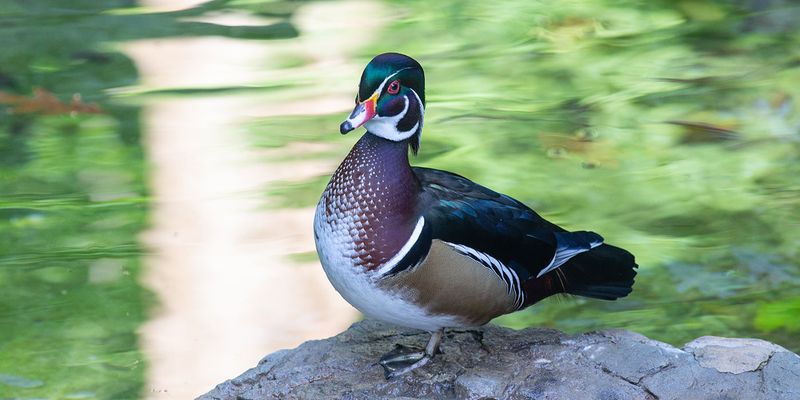
The age of Instagram and TikTok has created a dangerous trend of people catching or cornering wild animals for photos and videos.
New York takes this seriously with laws that prohibit harassing, pursuing, or capturing wildlife for any purpose without proper permits.
Harassment includes any action that disturbs an animal’s natural behavior, forces it to move, or causes stress.
Chasing squirrels for a video, cornering raccoons for a selfie, or handling turtles for social media posts all violate state wildlife protection statutes.
These actions fall under animal cruelty laws in addition to wildlife regulations.
Penalties range from $250 fines for first offenses to potential jail time for repeat violations or cases involving protected species.
Beyond legal consequences, handling wildlife poses serious health risks including rabies, parasites, and bacterial infections.
New York has documented cases of rabies in raccoons, bats, and skunks throughout the state.
Even seemingly harmless animals like squirrels can inflict serious bites when frightened or cornered.
Wildlife also suffers tremendously from these interactions, experiencing elevated stress hormones that weaken immune systems.
Pregnant or nursing mothers may abandon nests if repeatedly disturbed.
Young animals can become injured trying to escape from people pursuing them.
Park officials have increased patrols and posted warnings specifically about social media wildlife harassment.
Witnesses are encouraged to report violations to park rangers or call 311 in New York City.
Ethical wildlife photography uses telephoto lenses and maintains respectful distances.
Patience produces far better images than stressful close encounters.
Share your New York wildlife experiences responsibly by photographing animals engaged in natural behaviors from appropriate distances.
Your followers will appreciate authentic wildlife moments far more than staged or forced interactions.
4. Removing Turtles from Water Bodies Carries Serious Penalties

New York’s ponds, lakes, and slow-moving waterways host various turtle species that fascinate visitors.
Children especially love spotting painted turtles basking on logs or snapping turtles moving through shallow water.
State law explicitly prohibits removing turtles from their natural habitat without a collecting permit.
This applies to all turtle species, whether common or endangered, and includes temporary removal for photos.
Several turtle populations in New York face declining numbers due to habitat loss and illegal collection.
The Eastern box turtle, once common throughout the state, is now a species of special concern.
Spotted turtles and wood turtles receive even greater protection under state endangered species regulations.
Taking these protected species can result in fines up to $1,000 and six months in jail.
Even common species like red-eared sliders and painted turtles are protected from collection.
Turtles removed from water experience dangerous stress and temperature fluctuations.
Their shells can crack if dropped, and they may refuse to eat after traumatic handling.
Female turtles captured during nesting season may drop eggs prematurely, wasting an entire year’s reproduction.
Snapping turtles pose particular danger to handlers with powerful jaws capable of causing severe injuries.
If you encounter a turtle crossing a road, you may carefully move it in the direction it was heading.
Never relocate turtles to different water bodies as this disrupts established territories and spreads diseases.
Observe turtles from the shore or designated observation platforms available at many nature centers.
Binoculars provide excellent views without disturbing these ancient reptiles.
Teaching children to appreciate turtles as wild animals rather than pets helps conservation efforts tremendously.
5. Drone Usage Near Wildlife Habitats Violates Multiple Regulations
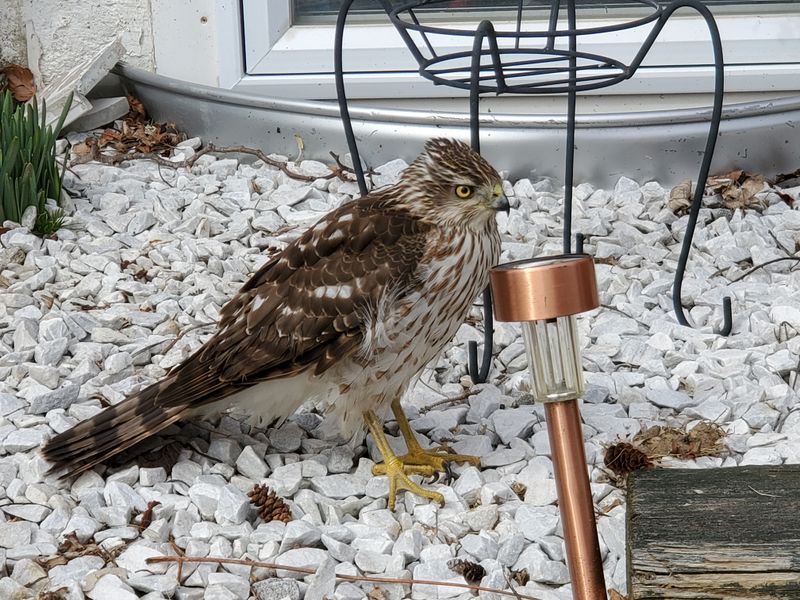
Drones have become popular tools for capturing stunning aerial footage of New York’s landscapes and wildlife.
However, operating drones near wildlife areas violates both federal aviation regulations and state wildlife harassment laws.
The buzzing sound and sudden appearance of drones causes extreme stress to birds, mammals, and other animals.
Nesting birds may abandon eggs or chicks if repeatedly disturbed by drone activity overhead.
Colonial nesting birds like herons and egrets are particularly vulnerable, with entire rookeries abandoning sites after drone disturbances.
Migratory waterfowl resting in New York wetlands during spring and fall migrations need undisturbed rest periods.
Drone harassment forces them to expend precious energy reserves needed for long-distance travel.
New York State Parks prohibits drone usage in most parks without special permits.
National Wildlife Refuges throughout New York completely ban recreational drone flights.
Violating these regulations can result in federal fines up to $20,000 plus state penalties.
The FAA also requires drone operators to maintain visual line of sight and avoid flying over people.
These rules make wildlife filming extremely difficult even in areas where drones are technically allowed.
Beyond birds, drones disturb terrestrial mammals including deer, foxes, and coyotes.
Animals perceive drones as aerial predators, triggering flight responses that waste energy and increase stress.
Marine mammals like seals occasionally spotted along New York coastlines are protected under the Marine Mammal Protection Act.
Flying drones near these animals violates federal law regardless of state regulations.
If you want aerial footage of New York wildlife areas, purchase images from licensed professionals or use existing stock footage.
Ground-level photography often captures more intimate and compelling wildlife moments anyway.
6. Bringing Pets to Wildlife Areas Creates Legal Liability

Tourists traveling with pets naturally want to include their furry companions in New York adventures.
However, many wildlife-rich areas have strict regulations about pet access to protect native species.
Even leashed dogs can disturb ground-nesting birds, chase small mammals, and stress wildlife through their presence and scent.
New York State Parks allows leashed pets in some areas but prohibits them entirely from beaches during bird nesting season, typically May through August.
Wildlife refuges and nature preserves often ban pets completely year-round.
These restrictions exist because domestic animals are non-native predators in ecosystems.
Dogs descended from wolves retain strong prey drives that trigger chasing behavior even in well-trained pets.
Ground-nesting birds like plovers and terns abandon nests if dogs approach, even on leashes.
Cats, whether leashed or in carriers, emit scents that terrify small mammals and birds.
Pet waste introduces harmful bacteria and nutrients that damage sensitive ecosystems.
Owners who violate pet restrictions face fines starting at $100 and potential removal from parks.
If your dog injures or kills wildlife, you may face additional charges under animal cruelty statutes.
Liability for veterinary bills also falls on owners if pets encounter wildlife and get injured.
Porcupines, skunks, and snapping turtles can seriously harm curious dogs.
Before visiting any natural area, check specific pet policies on official websites or call ahead.
Many parks offer designated pet-friendly trails separate from sensitive wildlife habitats.
Consider pet-sitting services or dog-friendly urban attractions as alternatives to wildlife areas.
Your pet will likely enjoy a city park or dog run more than a nature preserve anyway.
7. Collecting Natural Items Including Feathers Requires Permits

Beachcombing and nature collecting seem like innocent activities that connect people with the environment.
Many tourists pick up interesting feathers, shells, or other natural items as free souvenirs from New York adventures.
Federal and state laws actually prohibit collecting most bird feathers, even those found on the ground.
The Migratory Bird Treaty Act protects over 1,000 bird species, making possession of their feathers illegal without permits.
This applies to common species like robins and cardinals, not just rare or endangered birds.
The law exists because historical feather trade nearly drove many bird species to extinction.
Enforcement officers cannot determine whether someone found a feather or killed a bird to obtain it.
Blanket prohibition prevents loopholes that would enable illegal wildlife trade.
Only feathers from non-native species like European starlings and house sparrows can be legally collected.
Pigeon and chicken feathers are also legal since these are domestic rather than wild birds.
Violations of the Migratory Bird Treaty Act carry fines up to $15,000 and six months imprisonment.
Certain shells, particularly from marine environments, also face collection restrictions.
Living shells with creatures inside are always protected, but even empty shells have regulations in some areas.
State parks and nature preserves typically prohibit removing any natural items to preserve ecosystem integrity.
Rocks, plants, fungi, and insects all play important roles in habitat health.
Take photos instead of physical souvenirs to remember your New York nature experiences.
Gift shops at visitor centers offer legally sourced natural history items if you want tangible mementos.
Teaching children to observe and appreciate rather than collect helps develop environmental stewardship.
Dear Reader: This page may contain affiliate links which may earn a commission if you click through and make a purchase. Our independent journalism is not influenced by any advertiser or commercial initiative unless it is clearly marked as sponsored content. As travel products change, please be sure to reconfirm all details and stay up to date with current events to ensure a safe and successful trip.
