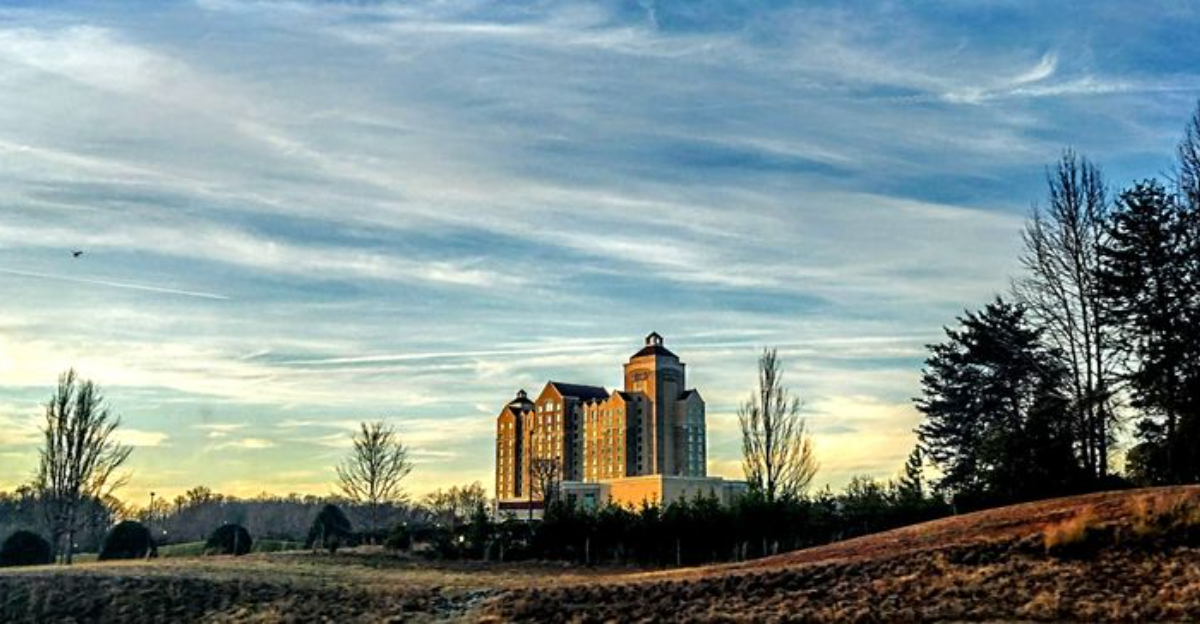
Vermont’s winter landscape holds secrets beyond the famous ski resorts and bustling tourist destinations that dominate travel guides and social media feeds.
Tucked into the Green Mountains are charming villages where locals still gather at the general store, where snowflakes settle on historic church steeples, and where the pace of life slows to match the gentle rhythm of falling snow.
These hidden mountain towns offer authentic New England winter experiences without the crowds, complete with cozy inns, local maple syrup producers, and trails that wind through pristine forests.
Discovering these lesser-known gems means experiencing Vermont the way it was meant to be enjoyed, with genuine hospitality, untouched natural beauty, and the kind of peaceful winter magic that stays with you long after the snow melts.
1. Rochester
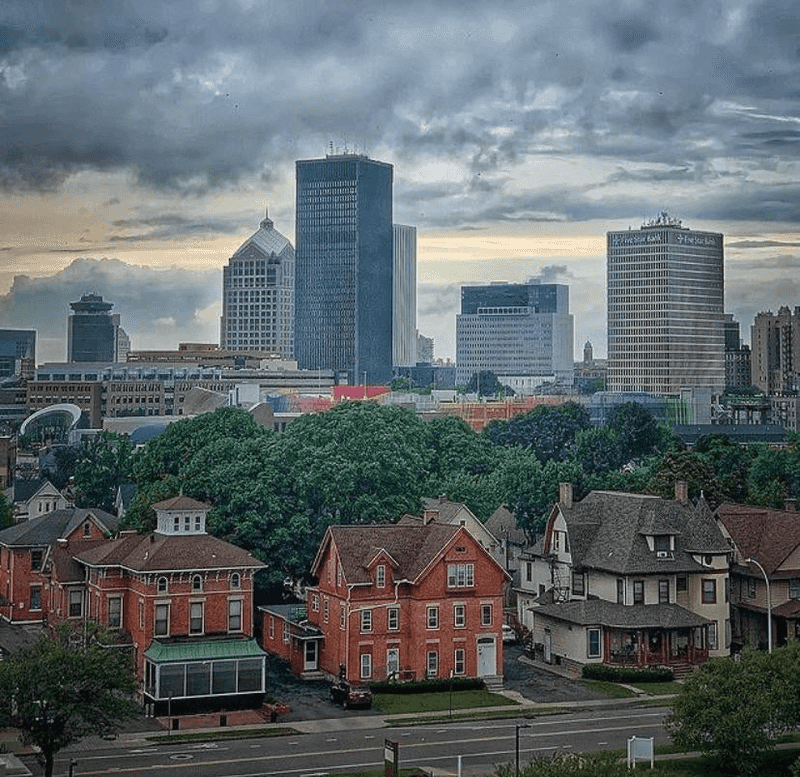
Rochester sits in a valley surrounded by the Green Mountain National Forest, where the White River carves through landscapes that look like they belong on a vintage postcard.
Winter transforms this tiny village into something straight out of a storybook, with just over 1,100 residents who know each other by name and wave from their porches even in freezing temperatures.
The town center features a classic white-steepled church, a community library housed in a restored 19th-century building, and the Rochester Cafe & Country Store at 11 North Main Street, where locals gather for homemade soups and fresh-baked pies that warm you from the inside out.
Snowshoeing and cross-country skiing opportunities abound on the nearby trails that wind through forests so quiet you can hear the snow falling from tree branches.
Liberty Hill Farm, located just outside town, welcomes winter visitors to experience authentic farm life, complete with morning chores, maple sugaring demonstrations, and hearty farm-to-table meals served family-style.
The Brandon Gap and Middlebury Gap provide stunning mountain passes for scenic winter drives when conditions allow, offering views that stretch for miles across snow-draped peaks.
Rochester Ranger Station serves as a helpful resource for trail maps and winter recreation information, and the staff genuinely enjoys sharing their favorite hidden spots with curious travelers.
Annual events like the Rochester Winter Carnival bring the community together with ice skating, sledding competitions, and hot chocolate served in the town hall.
Small-town charm reaches its peak here during winter months when the population swells slightly with visitors seeking refuge from busier resort areas.
Local artisans open their studios by appointment, offering handcrafted pottery, woodwork, and fiber arts that make meaningful souvenirs.
The surrounding national forest land provides endless opportunities for backcountry exploration, though proper winter gear and knowledge of avalanche safety remain essential for venturing beyond marked trails.
2. Montgomery Center
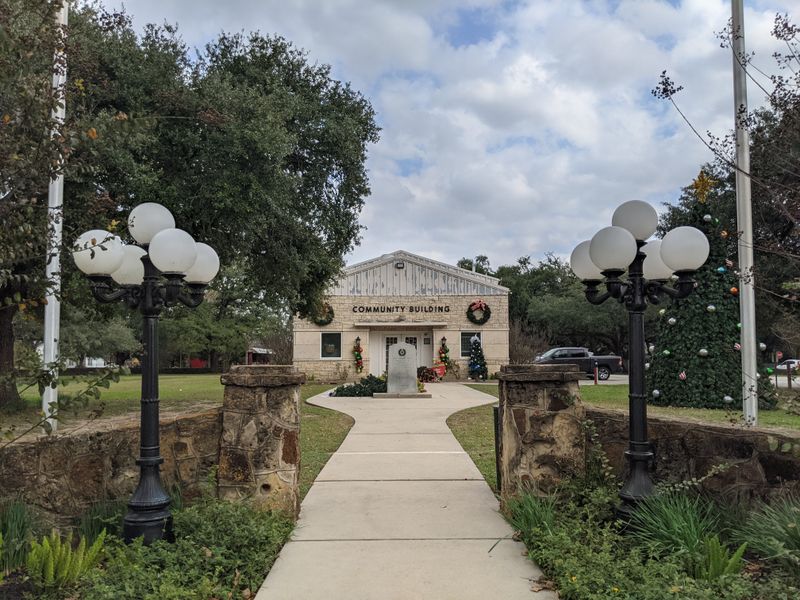
Montgomery Center claims fame as home to six historic covered bridges, more per square mile than almost anywhere else in Vermont, and these wooden structures become even more photogenic when draped in snow and icicles.
Located in the northern reaches of the state near the Canadian border, this mountain hamlet offers authentic isolation without feeling completely cut off from civilization.
Jay Peak Resort sits just minutes away, yet Montgomery Center itself remains blissfully quiet, with mom-and-pop shops and family-run inns that have served travelers for generations.
The Black Lantern Inn at 2057 North Main Street provides cozy accommodations in a restored 1803 farmhouse, where guests enjoy home-cooked breakfasts and evening gatherings around a massive stone fireplace.
Cross-country skiing enthusiasts find paradise on the Hazen’s Notch Association trails, which meander through diverse terrain suitable for all skill levels, from gentle meadow loops to challenging mountain ascents.
Winter hiking to the covered bridges creates magical photo opportunities, especially when morning light filters through the wooden slats and illuminates swirling snow.
Local maple producers welcome visitors during the winter months to see their operations and learn about the upcoming sugaring season, which typically begins in late February when temperatures start fluctuating between freezing nights and warmer days.
The Montgomery Historical Society maintains a small museum that opens by appointment, showcasing artifacts from the town’s logging and farming heritage.
Snowmobiling trails connect Montgomery Center to neighboring communities, creating a network that adventurous riders can explore for days without retracing their paths.
The village maintains an old-fashioned general store atmosphere where you can still buy penny candy, locally made preserves, and hand-knitted mittens crafted by neighboring grandmothers.
Evening entertainment consists of stargazing in some of the darkest skies in New England, where the Milky Way stretches overhead with breathtaking clarity on clear winter nights.
3. Craftsbury Common
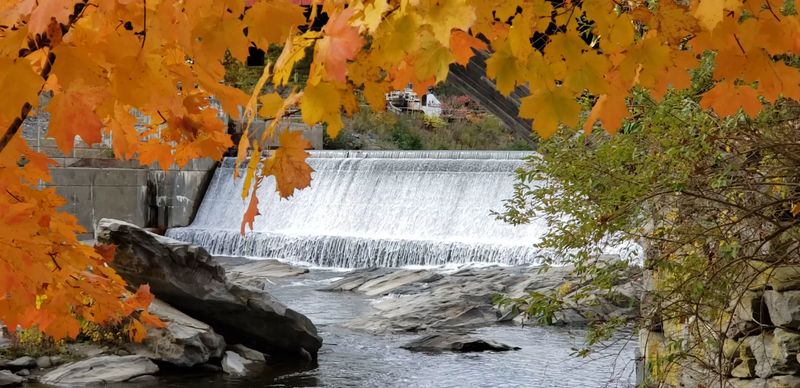
Perched on a high ridge in Vermont’s Northeast Kingdom, Craftsbury Common presents one of the most perfectly preserved village greens in all of New England, surrounded by white clapboard buildings that have changed little since the 1800s.
Winter here feels like stepping back in time, with no commercial development cluttering the landscape and no traffic lights interrupting the peaceful silence.
The Craftsbury Outdoor Center has earned international recognition as a premier cross-country skiing destination, with over 100 kilometers of impeccably groomed trails that wind through working farmland and dense forests.
Athletes from around the world train here during winter months, yet the facility maintains a welcoming atmosphere for beginners who want to learn proper technique from patient instructors.
The town sits at an elevation that guarantees reliable snow cover throughout the winter season, making it a dependable destination when lower elevations suffer from rain or bare ground.
Sterling College, a small environmental liberal arts institution, brings youthful energy to the community while maintaining the town’s commitment to sustainable living and land stewardship.
The Craftsbury General Store serves as the social hub, where residents and visitors alike gather for coffee, sandwiches, and the latest local news shared across worn wooden counters.
Ice skating on Great Hosmer Pond becomes a community ritual on winter weekends, with families building small warming fires on the shore and children playing pickup hockey games until dusk.
The surrounding landscape consists of working dairy farms that continue operating through harsh winters, their red barns standing in stark contrast against endless white fields.
Accommodations range from the comfortable Inn on the Common to rustic cabins at the Outdoor Center, all offering spectacular views across the valley to distant mountains.
Night skiing under the stars provides a magical experience, with headlamps bobbing along trails and the only sounds being the swish of skis and the occasional hoot of a barred owl.
4. Grafton
Grafton represents what happens when a community dedicates itself to preservation, resulting in an entire village that looks like it was frozen in time around 1850, then carefully maintained for modern visitors to enjoy.
The Windham Foundation has worked since the 1960s to restore and maintain Grafton’s historic character, ensuring that new construction respects traditional architecture and that modern intrusions remain tastefully hidden.
During winter, the village becomes especially enchanting, with horse-drawn sleigh rides departing from the Old Tavern at 92 Main Street, a historic inn that has welcomed travelers since 1801.
The Grafton Village Cheese Company at 533 Townshend Road opens its doors for tours and tastings, where visitors can watch artisan cheesemakers craft award-winning cheddar using traditional methods passed down through generations.
Cross-country skiing trails maintained by the Grafton Ponds Outdoor Center wind through 2,000 acres of forests and meadows, with warming huts positioned at strategic intervals for hot chocolate breaks.
The village library, housed in a Greek Revival building, offers a cozy refuge on snowy afternoons, with comfortable chairs positioned near tall windows that frame views of the snow-covered common.
Local artisans operate small galleries and workshops throughout town, selling handcrafted furniture, pottery, jewelry, and textiles that reflect Vermont’s maker traditions.
The Grafton Historical Society Museum provides context for understanding how this village evolved from a bustling 19th-century commercial center to a carefully preserved destination.
Winter weekends bring special events like candlelight tours, traditional New England contra dances, and lectures on topics ranging from local history to sustainable forestry practices.
The absence of chain stores and corporate franchises creates an authentic atmosphere where every shop and restaurant reflects the personality of its owner.
Snowshoeing to the abandoned Grafton quarries reveals industrial ruins slowly being reclaimed by nature, offering both historical interest and excellent winter exercise.
Evening strolls through the village take on a magical quality when antique street lamps cast golden pools of light on freshly fallen snow.
5. Peacham
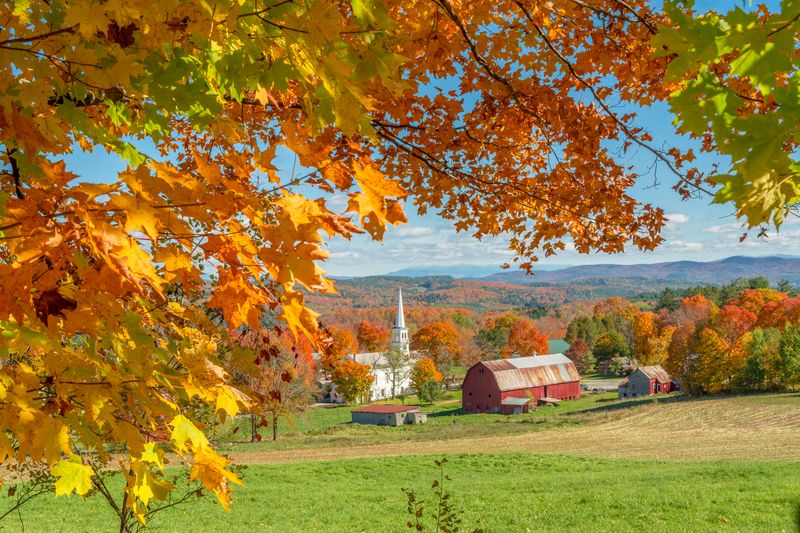
Peacham earns recognition as one of the most photographed villages in Vermont, thanks to its iconic white church steeple rising above a hilltop common, with layers of mountains creating a stunning backdrop.
Autumn brings photographers by the busload, but winter visitors discover the village at its most peaceful, when only a few dozen year-round residents occupy the historic homes clustered around the common.
The Peacham Corner Guild at 643 Bayley Hazen Road operates as a combination general store, post office, and community gathering space, where hand-painted signs and creaky wooden floors transport visitors to an earlier era.
Groton State Forest, just a short drive away, provides thousands of acres for winter recreation, including snowmobile trails, cross-country skiing routes, and backcountry opportunities for experienced winter adventurers.
The village library maintains a remarkable collection of Vermont history and genealogy resources, and the librarian can often trace local family connections back several generations for curious visitors.
Peacham’s elevation and northern location ensure reliable snow cover throughout the winter season, making it an excellent base for exploring the surrounding Northeast Kingdom region.
The historic Peacham Academy, now a community center, hosts winter events including potluck suppers, craft workshops, and occasional concerts featuring traditional New England folk music.
Several working farms surround the village, and some welcome visitors interested in learning about the realities of Vermont agriculture during the challenging winter months.
The old cemetery next to the church contains headstones dating back to the 1700s, and winter snow creates hauntingly beautiful scenes among the weathered markers and ancient trees.
Local bed and breakfasts offer intimate accommodations with hosts who genuinely enjoy sharing their knowledge of the area’s history, hiking trails, and hidden attractions.
Winter birdwatching attracts serious enthusiasts who come seeking boreal species that migrate south from Canada, including evening grosbeaks, pine grosbeaks, and occasional snowy owls.
The absence of commercial development means dark night skies perfect for astronomy, and the high elevation provides crystal-clear viewing conditions on cold winter nights.
6. Greensboro
Greensboro wraps around the shores of Caspian Lake, a pristine body of water that freezes solid during winter and becomes a playground for ice fishing, skating, and cross-country skiing across its vast white expanse.
Summer brings an influx of families who have maintained vacation homes here for generations, but winter belongs to the hardy year-round residents who embrace the season with enthusiasm.
Willey’s Store at 84 Breezy Avenue serves as the village’s beating heart, a classic Vermont country store where you can buy everything from fresh produce to fishing tackle, and where the bulletin board reveals the pulse of community life.
The Highland Lodge at 1608 Craftsbury Road offers rustic elegance with ski-in, ski-out access to groomed trails, wood-fired saunas for post-skiing relaxation, and hearty meals featuring locally sourced ingredients.
Ice fishing shanties dot the frozen lake by mid-January, creating a temporary village of colorful shelters where anglers patiently wait for perch, pickerel, and rainbow trout to bite.
The Greensboro Free Library maintains an impressive collection despite its small size, and the cozy reading room with views across the lake provides an ideal spot for whiling away snowy afternoons.
Nordic skiing trails connect Greensboro to neighboring Craftsbury, allowing ambitious skiers to travel between communities entirely on skis, stopping at farms and sugar houses along the way.
The surrounding hills offer excellent snowshoeing with trails ranging from easy lakeside paths to challenging climbs that reward effort with panoramic views across the Northeast Kingdom.
Local potters, painters, and craftspeople maintain studios that open by appointment during winter months, and many enjoy the slower season when they can spend more time discussing their work with interested visitors.
The Greensboro Historical Society operates a small museum documenting the town’s evolution from logging community to beloved summer retreat, with fascinating photographs showing how little the village has changed over the decades.
Winter astronomy programs occasionally take place on the frozen lake, where educators set up telescopes and share knowledge about constellations, planets, and the science behind the northern lights that sometimes dance overhead.
7. Jamaica
Jamaica sits in the West River valley, surrounded by Green Mountain National Forest land that provides seemingly endless opportunities for winter exploration away from crowded resort areas.
Stratton Mountain and Bromley Mountain ski areas operate nearby, yet Jamaica itself remains refreshingly uncommercialized, with a population under 1,000 and a town center that consists of just a few essential businesses.
The Jamaica Country Store at 5911 Main Street functions as grocery store, deli, and information center, where locals happily provide directions to hidden swimming holes, hiking trails, and the best spots for wildlife viewing.
Ball Mountain Dam creates a reservoir that, while drawn down during winter, still offers interesting shoreline walks and opportunities to spot bald eagles that hunt for fish in the open water below the dam.
The West River Trail follows an old railroad bed for miles, providing relatively flat terrain perfect for snowshoeing or cross-country skiing while enjoying views of frozen waterfalls and ice-covered rapids.
Hamilton Falls, accessible via a moderate winter hike, becomes a spectacular ice formation when temperatures drop, with cascading water freezing into blue-tinted sculptures that climbers occasionally scale with ice axes and crampons.
The Jamaica Town Hall hosts community suppers during winter months, where visitors are genuinely welcomed to join locals for potluck meals and the kind of conversation that reveals the true character of small-town Vermont.
Several small inns and vacation rentals provide comfortable accommodations, often with wood stoves or fireplaces that become the focal point of cozy winter evenings.
Backcountry skiing opportunities abound for experienced skiers willing to hike up for their turns, with glades and open slopes that receive abundant natural snowfall.
The town’s proximity to both southern Vermont ski areas and the quieter central region makes it an ideal base for visitors who want to sample different mountains while returning each evening to a peaceful village setting.
Local maple producers begin preparing their operations in late winter, and some offer tours showing the modern tubing systems and reverse osmosis equipment that have revolutionized syrup production.
Dear Reader: This page may contain affiliate links which may earn a commission if you click through and make a purchase. Our independent journalism is not influenced by any advertiser or commercial initiative unless it is clearly marked as sponsored content. As travel products change, please be sure to reconfirm all details and stay up to date with current events to ensure a safe and successful trip.
