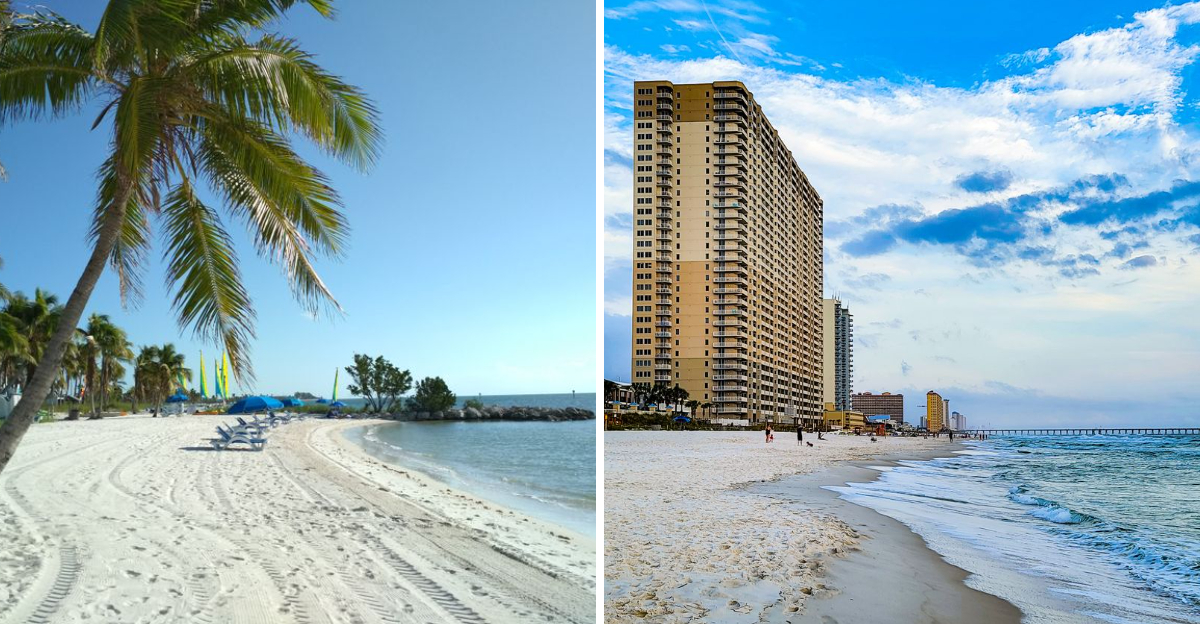
Florida’s beaches are famous for their stunning sunsets, soft white sand, and crystal-clear waters that attract millions of visitors every year.
However, some of the state’s most popular coastal destinations face serious challenges from overcrowding and litter that can spoil the natural beauty tourists come to enjoy.
When thousands of people flock to the same stretches of shoreline, trash accumulates quickly, parking becomes a nightmare, and the peaceful beach experience many seek can feel more like a chaotic carnival.
Understanding which beaches struggle most with these issues helps visitors make informed decisions about where to spend their vacation time.
It also shines a light on the environmental impact of mass tourism and the importance of responsible beach behavior.
While these beaches still offer plenty of attractions and activities, knowing what to expect can help you prepare for crowds or perhaps choose a quieter alternative.
This guide explores seven Florida beaches where tourist traffic and litter problems are particularly noticeable throughout the peak season.
1. South Beach, Miami
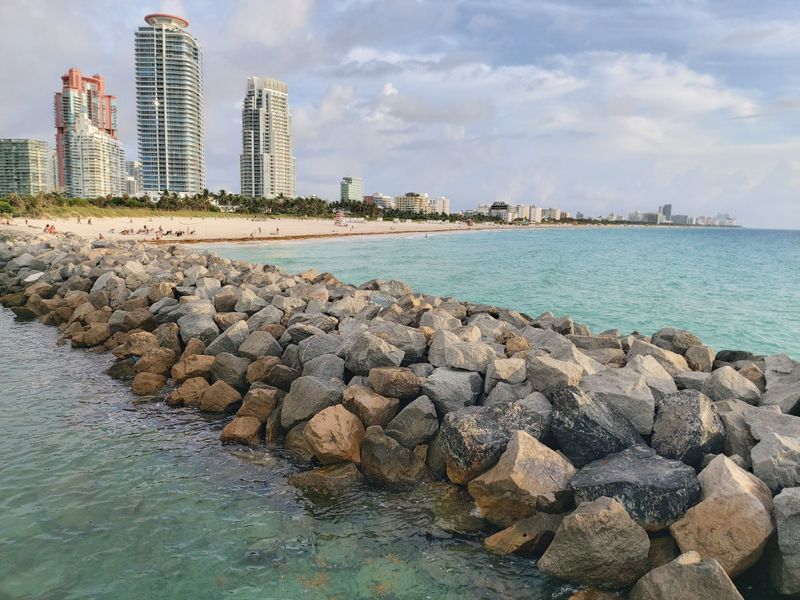
Ocean Drive pulses with neon lights and music while thousands of beachgoers pack the sand from sunrise to well past midnight on this iconic stretch of Miami coastline.
South Beach has become synonymous with glamour, celebrity sightings, and vibrant nightlife, but these attractions come with significant downsides that many first-time visitors find shocking.
The sheer volume of people creates an atmosphere more reminiscent of a crowded city street than a relaxing natural escape.
Plastic bottles, food wrappers, and cigarette butts litter the sand despite the presence of trash receptacles and regular cleanup crews working overtime to manage the mess.
During spring break and summer holidays, the problem intensifies dramatically as college students and families converge on the same narrow beach area.
Finding a spot to lay your towel often requires arriving before 9 AM, and even then you’ll be surrounded by neighbors on all sides.
The water itself can appear murky due to constant stirring from swimmers and the natural seagrass common to this area.
Parking presents another major headache, with meters charging premium rates and spots filling up by mid-morning on weekends.
Local businesses along Ocean Drive and Collins Avenue benefit enormously from the tourist traffic, but the environmental cost remains high.
Walking barefoot requires careful attention to avoid stepping on broken shells, discarded bottle caps, or other debris partially buried in the sand.
Lifeguards stay busy managing the crowds and responding to minor emergencies throughout the day.
Despite these challenges, South Beach continues to draw massive crowds who consider the scene and energy worth the inconvenience.
The art deco architecture and people-watching opportunities create a unique atmosphere found nowhere else in Florida, even if the beach experience itself feels compromised by overcrowding.
2. Clearwater Beach
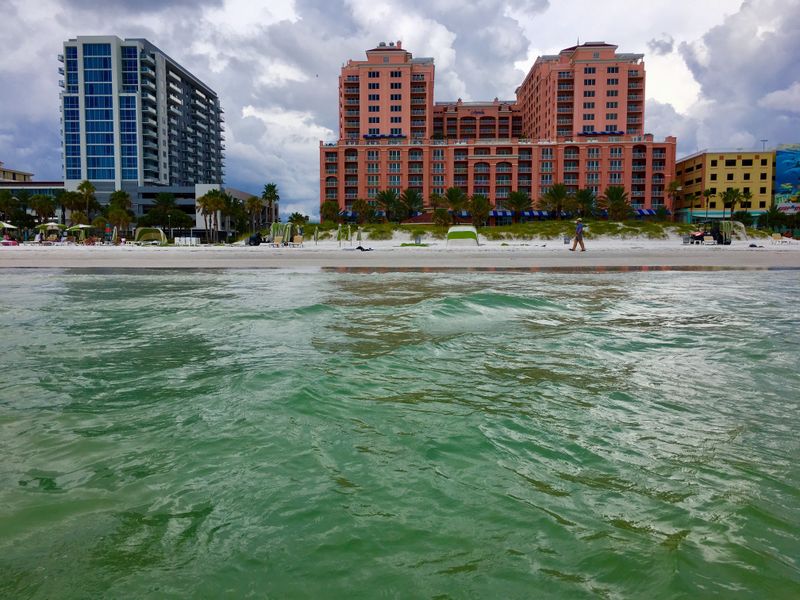
Consistently ranked among America’s top beaches, Clearwater attracts families and tourists by the thousands who come for the powdery white sand and calm Gulf waters.
What many don’t realize until arrival is that popularity comes with serious trade-offs that can diminish the relaxation factor considerably.
Pier 60 serves as the central gathering point where street performers, vendors, and sunset watchers create a festival atmosphere every evening.
Trash bins overflow regularly during peak season despite the city’s best efforts to keep up with the volume of waste generated by beachgoers.
Plastic bags, food containers, and drink cups frequently blow across the sand when afternoon breezes pick up.
The beach becomes so crowded on weekends that finding space for a family setup requires patience and flexibility.
Clearwater’s reputation means tour buses arrive daily from Orlando and other inland cities, depositing hundreds of day-trippers who add to the congestion.
The parking garage near the beach charges steep hourly rates that can add up quickly for families spending a full day.
Restroom facilities experience long lines throughout the day, and the constant foot traffic wears paths through the sand.
Despite the crowds, the water remains beautiful with its distinctive turquoise color that photographs wonderfully for social media posts.
Local officials have implemented various programs to address litter, including volunteer cleanup events and increased enforcement of littering laws.
Many visitors still find the experience worthwhile, particularly if they visit during off-peak months when crowds thin considerably.
The nearby aquarium and marina offer alternative activities when the beach scene becomes overwhelming.
Restaurants along the beachfront serve fresh seafood but expect wait times during dinner hours.
Clearwater’s infrastructure struggles to accommodate the massive influx of visitors it receives annually, making crowd management an ongoing challenge for city planners.
3. Daytona Beach
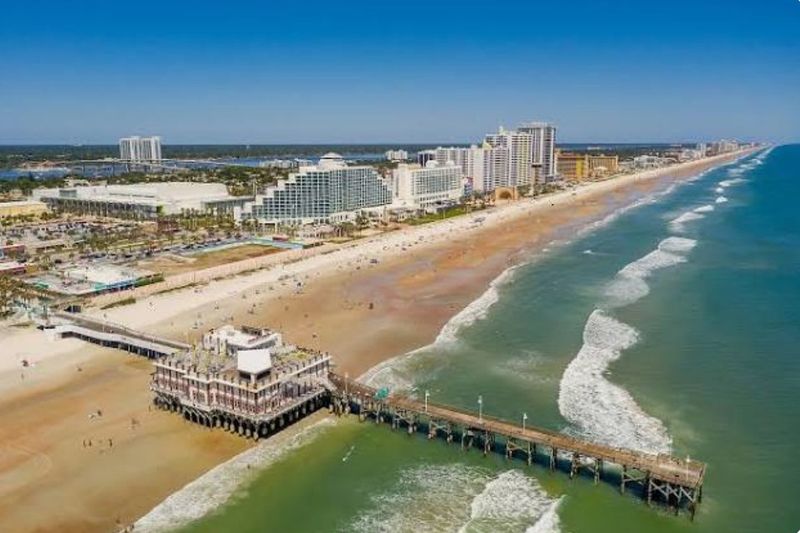
Cars driving directly onto the sand create a unique beach experience that sets Daytona apart from other Florida coastal destinations.
This novelty attracts countless visitors who want to park right next to their beach spot, but the vehicle traffic generates significant environmental concerns and safety issues.
The hard-packed sand that allows driving also retains more trash and debris than softer beaches where wind and waves naturally clean the surface.
Bike Week and spring break transform Daytona into an absolute madhouse with motorcycles, cars, and pedestrians competing for space along the shoreline.
Litter becomes particularly problematic during these events when trash collection simply cannot keep pace with the volume generated by hundreds of thousands of visitors.
Beer cans, fast food wrappers, and plastic bags accumulate in the dunes and along the waterline despite cleanup efforts.
The famous Daytona Beach Boardwalk and Pier area experiences the heaviest concentration of crowds and associated trash problems.
Amusement rides, arcades, and fried food vendors create a carnival atmosphere that appeals to some but overwhelms others seeking natural beauty.
Families with young children often find the scene too chaotic and the beach too littered for comfortable recreation.
Local environmental groups regularly organize cleanup events to address the persistent litter problem affecting sea turtle nesting sites along this stretch.
The combination of vehicle exhaust, sunscreen chemicals, and urban runoff impacts water quality, particularly after heavy rains.
Lifeguards patrol the beach but focus primarily on water safety rather than litter enforcement.
Despite these issues, Daytona maintains its appeal for racing fans and those who enjoy the energetic, party-focused beach culture.
The wide beach provides ample space, but that space often fills with both people and vehicles during peak times.
Hotel development along the beachfront has intensified over decades, adding to the urban feel that distinguishes Daytona from more natural Florida beaches.
4. Panama City Beach
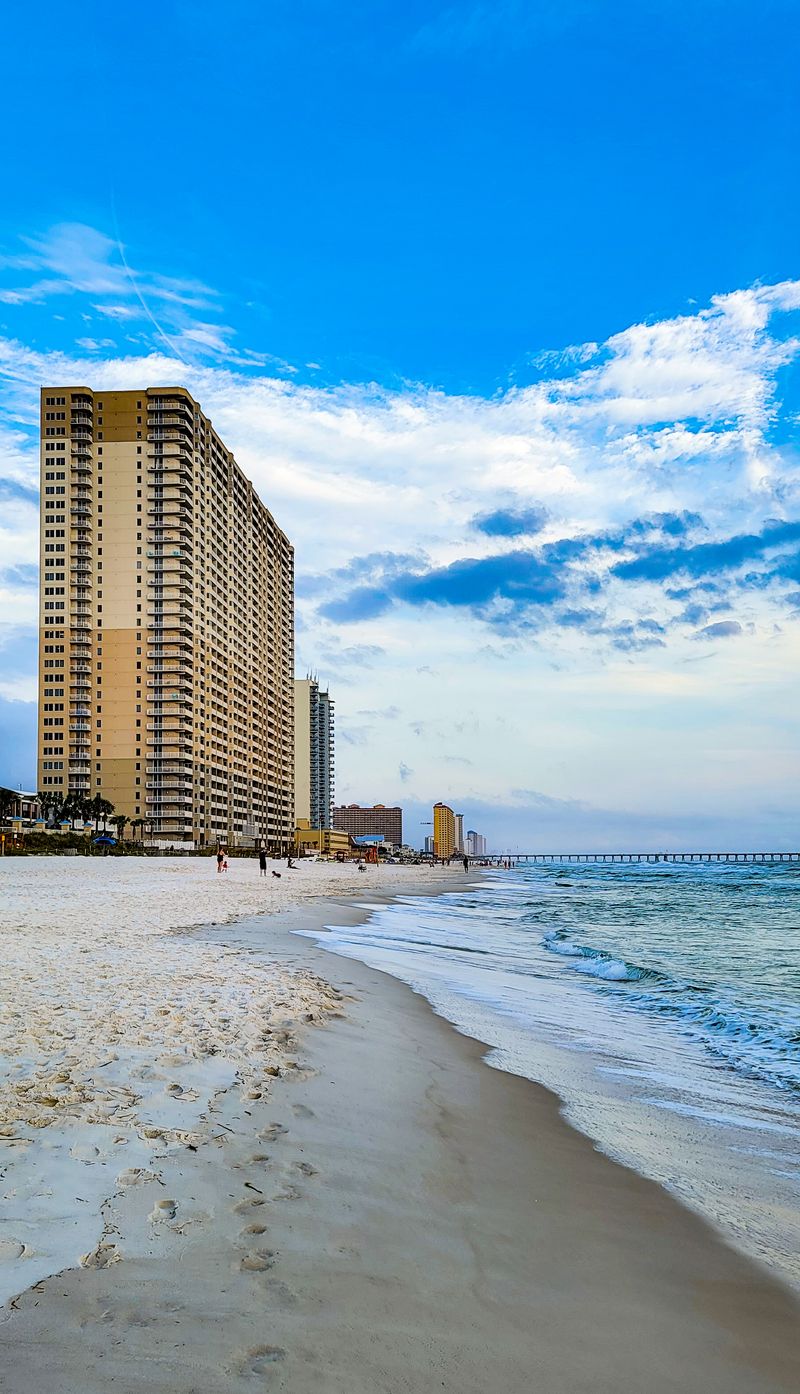
Spring breakers have claimed Panama City Beach as their unofficial headquarters, creating an annual invasion that local residents both profit from and dread.
The emerald-green waters and sugar-white sand would be pristine if not for the massive crowds that descend between March and April each year.
High-rise condominiums line the shore for miles, housing thousands of vacationers who pack the beach from dawn until well after dark.
Red plastic cups, beer bottles, and food wrappers become ubiquitous during spring break season when college students vastly outnumber families.
Even during calmer months, the sheer popularity of this destination means crowds and litter remain persistent problems.
The city employs beach raking machines that run early each morning to collect surface debris, but deeper trash remains embedded in the sand.
Pier Park shopping complex attracts additional foot traffic, with visitors carrying purchases and snacks back to the beach where packaging often gets left behind.
Restaurant row along Front Beach Road generates its own waste stream as beachgoers grab takeout and consume it on the sand.
Parking lots fill quickly, forcing many visitors to walk considerable distances from their accommodations to beach access points.
Water quality testing sometimes reveals elevated bacteria levels following heavy tourist periods or significant rainfall events.
Local officials have implemented stricter regulations on beach behavior, including alcohol restrictions in certain areas, but enforcement remains challenging.
The natural dune systems that once protected this coastline have been compromised by development and foot traffic, reducing their ability to filter runoff.
Families seeking a quieter experience often head to the less-developed western sections of Panama City Beach where crowds thin somewhat.
Marine life including sea turtles and shorebirds face increasing pressure from human activity along this heavily trafficked stretch.
Despite environmental concerns, Panama City Beach continues aggressive marketing to attract even more visitors, prioritizing tourism revenue over ecological preservation.
5. Fort Lauderdale Beach
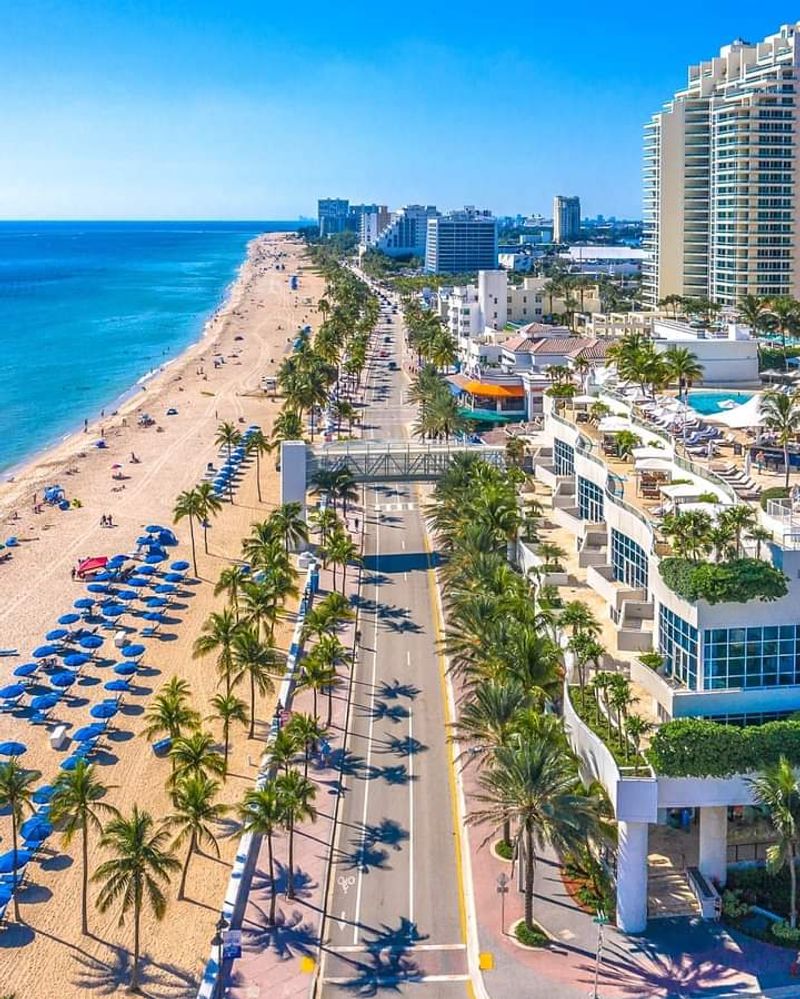
A1A runs parallel to Fort Lauderdale Beach, bringing constant vehicle traffic and urban energy to what might otherwise be a more natural coastal environment.
The beach promenade attracts joggers, cyclists, and rollerbladers alongside sunbathers, creating a busy atmosphere that some visitors love and others find exhausting.
Cruise ship passengers frequently spend pre- or post-cruise days at Fort Lauderdale Beach, adding to the already substantial local and tourist population using the sand.
Las Olas Boulevard connects downtown to the beach, funneling restaurant and bar patrons toward the shore where late-night activities often result in morning litter.
Plastic straws, napkins, and food containers accumulate near trash receptacles that overflow during busy weekends despite regular collection schedules.
The city has invested in beautification and cleanup programs, but the volume of visitors makes maintaining pristine conditions nearly impossible.
Beach volleyball courts and designated swimming areas concentrate crowds in specific zones, while other sections remain somewhat less congested.
Parking meters run continuously, generating significant revenue for the city while frustrating visitors who struggle to find available spaces.
The proximity to Fort Lauderdale-Hollywood International Airport means flight paths cross directly overhead, adding noise pollution to the beach experience.
Local hotels market their beach access as a premium amenity, but guests often find themselves sharing the sand with hundreds of other beachgoers.
Water sports rental companies operate along the beach, adding jet skis, paddleboards, and other equipment to the visual clutter.
Environmental advocates have raised concerns about the impact of sunscreen chemicals and urban runoff on the coral reef systems located offshore.
Despite these challenges, Fort Lauderdale Beach maintains strong appeal for visitors who enjoy an urban beach vibe with easy access to restaurants and nightlife.
The beach remains one of the most photographed locations in South Florida, though Instagram posts often crop out the crowds and litter visible in wider shots.
Spring break brings additional chaos, though Fort Lauderdale has worked to shed its party reputation in favor of attracting families and upscale travelers.
6. Cocoa Beach
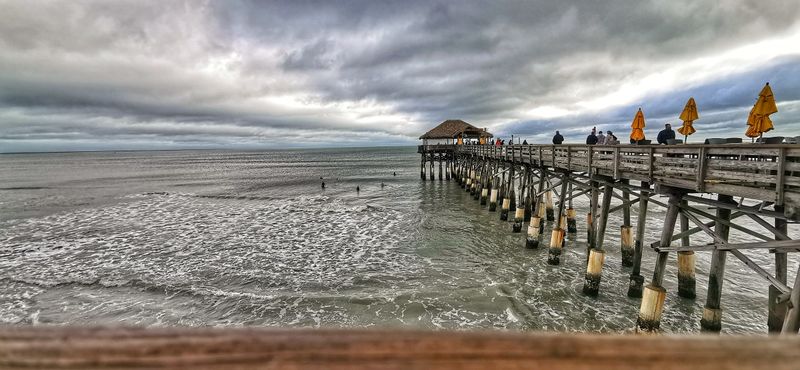
Surfers flock to Cocoa Beach for some of Florida’s best waves, while space enthusiasts come for proximity to Kennedy Space Center just up the coast.
The Cocoa Beach Pier serves as a landmark gathering point where fishing, dining, and beach access converge in one heavily trafficked location.
Ron Jon Surf Shop’s massive store draws shoppers who then head to the beach with new gear, bags, and packaging that sometimes ends up as litter.
Spring and summer months bring crowds that transform the normally laid-back surf town into a packed tourist destination.
The beach width varies considerably depending on recent weather and erosion patterns, sometimes leaving limited space for the number of people trying to enjoy the sand.
Trash receptacles appear regularly along beach access points, but wind often scatters lightweight items before they make it into bins.
Surf competitions and beach events attract additional crowds beyond the regular tourist flow, concentrating people and associated waste in specific areas.
The proximity to Orlando means day-trippers add to weekend congestion, arriving mid-morning and departing by late afternoon.
Parking challenges intensify during launch viewing events when thousands converge to watch rockets lift off from Cape Canaveral.
Local surf culture emphasizes ocean respect, and many regular beachgoers participate in cleanup efforts to protect the waves they love.
However, the transient tourist population shows less environmental consciousness, often leaving behind chairs, umbrellas, and trash.
Seabirds and sea turtles that nest along this coast face increasing pressure from human activity and light pollution from beachfront development.
The laid-back atmosphere that once defined Cocoa Beach has given way to more commercial development as the town capitalizes on its space coast location.
Restaurants and bars along the beachfront create a lively scene but also contribute to noise and litter issues.
Despite growing pains, Cocoa Beach retains more authentic Florida character than some of the state’s more developed coastal destinations, though crowds and trash remain persistent concerns during peak season.
7. Key West Smathers Beach
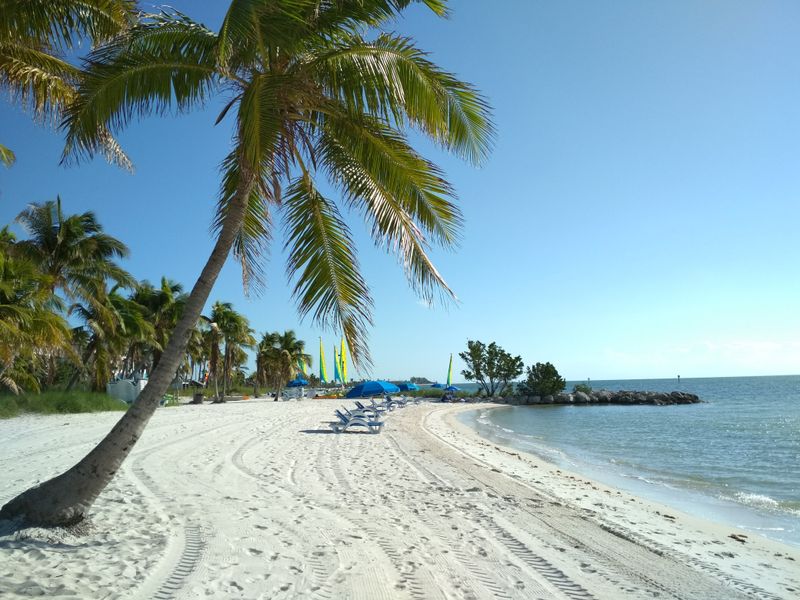
Smathers Beach stretches along the southern shore of Key West, offering the island’s largest expanse of sand and its most accessible beach for tourists.
Cruise ship passengers pour into Key West regularly, with many heading directly to Smathers for a few hours of sun before returning to their ships.
The combination of cruise tourists, hotel guests, and locals creates a diverse crowd that packs the beach during high season from November through April.
Beach chair and water sports rental operations line the shore, creating a commercial atmosphere quite different from the natural beach experience some visitors expect.
Vendors walk the sand selling everything from jewelry to cold drinks, adding to the busy marketplace feel that dominates this location.
Litter accumulates particularly near the parking area and at the beach ends where fewer people congregate and trash collection happens less frequently.
The narrow island geography means urban runoff reaches the ocean quickly, sometimes affecting water clarity after storms.
Seagrass beds offshore provide important habitat but can wash up on shore where it mingles with man-made debris to create unsightly piles.
Key West’s limited waste management infrastructure struggles with the volume of trash generated by tourism, and beaches bear the visible consequences.
Duval Street’s famous party scene extends to beach culture, with visitors sometimes bringing the anything-goes attitude to Smathers Beach.
Alcohol consumption remains legal on the beach, leading to discarded bottles and cans despite available recycling options.
The laid-back Keys attitude toward regulations means litter enforcement happens inconsistently, relying more on personal responsibility than official oversight.
Sunset celebrations at Mallory Square draw crowds away from the beach in late afternoon, providing a brief respite before evening beachgoers arrive.
Local environmental groups work tirelessly to protect the fragile reef ecosystem offshore, but beach litter represents an ongoing challenge to their efforts.
Despite the crowds and trash concerns, Smathers Beach remains the go-to destination for visitors wanting a traditional beach experience during their Key West stay.
Dear Reader: This page may contain affiliate links which may earn a commission if you click through and make a purchase. Our independent journalism is not influenced by any advertiser or commercial initiative unless it is clearly marked as sponsored content. As travel products change, please be sure to reconfirm all details and stay up to date with current events to ensure a safe and successful trip.
