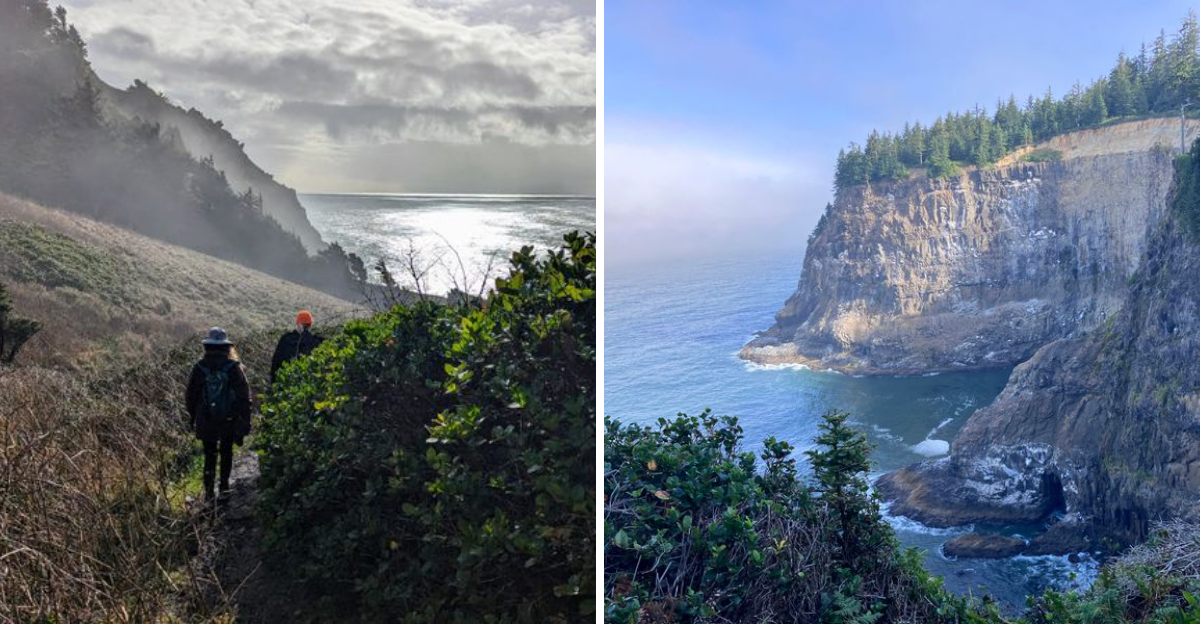
A photographer friend would not stop talking about this trail. Dramatic cliffs. Wild coastal light. Roosevelt elk wandering through open meadows like they pay property taxes.
After hiking it myself, I can confirm the elk absolutely act like they own the place.
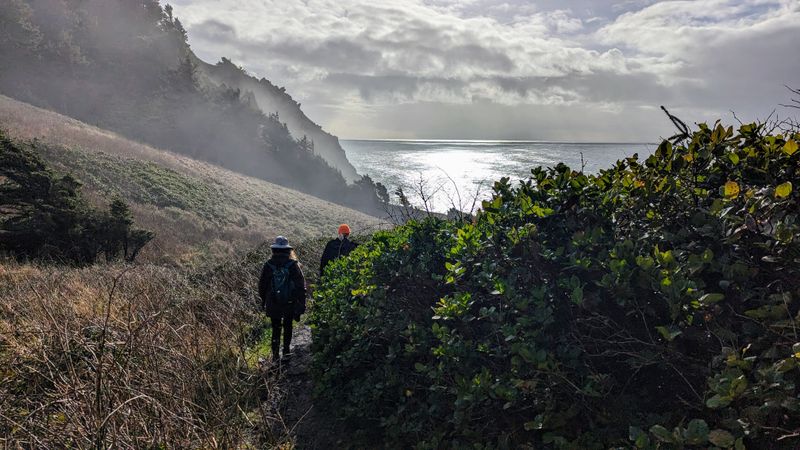
Elk Flats Trail delivers that perfect mix of rugged Pacific Northwest adventure and quiet wildlife magic. The path rolls through flower-filled coastal meadows, dips into mossy old-growth forest, then suddenly opens to ocean overlooks where waves explode against steep cliffs below.
If you hit it early, you might spot a massive elk grazing in the mist, and trust me, that moment stays with you.
The trail is moderate, a little muddy, and packed with roots, but the scenery more than makes up for it. Bring decent shoes and a charged camera, because this hike does not hold back.
Roosevelt Elk Encounters in Their Natural Habitat
Few things compare to rounding a bend on the trail and spotting a herd of Roosevelt elk calmly grazing just yards away. These magnificent creatures, some weighing up to 1,100 pounds, treat the meadows along Elk Flats Trail like their personal dining room.
The bulls sport impressive antlers that can span four feet, while the cows move with a quiet grace that belies their size.
Your best window for elk sightings happens during the golden hours of dawn and dusk when they emerge from the forest to feed. They’re surprisingly tolerant of quiet hikers, though keeping a respectful distance is both smart and required.
I’ve watched them for twenty minutes at a time, munching salal and ferns without a care in the world.
The elk population here is part of a successful conservation story. Roosevelt elk once faced serious decline, but protection efforts along the Oregon coast have allowed them to thrive.
Bring binoculars and a camera with a decent zoom lens. Move slowly and speak softly if you encounter them.
These animals are wild, not tame, and deserve space to go about their business. The experience of watching them in their natural environment beats any zoo visit by a country mile.
Devil’s Cauldron: Where Ocean Meets Cliff
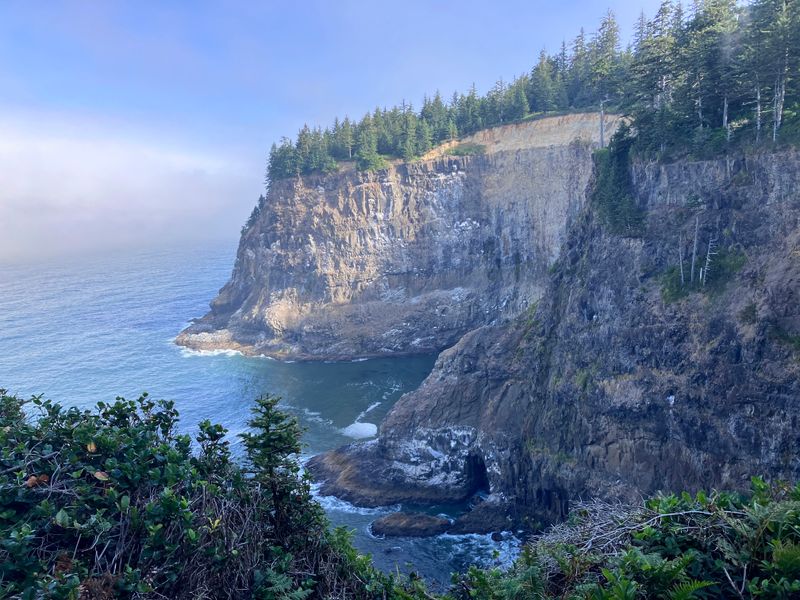
Take the left fork early in your hike and you’ll find yourself approaching one of the coast’s most dramatic features. Devil’s Cauldron earned its ominous name honestly.
This cliff-rimmed cove creates a natural amphitheater where Pacific swells funnel into a tight space, creating a churning, foaming spectacle that sounds like thunder.
The short spur trail leading to the overlook drops steeply through dense vegetation before opening to views that make your heart skip. Sheer cliffs plunge 150 feet to where waves explode against dark rock.
On stormy days, the spray shoots high enough to mist your face even from the viewing area. Flocks of seabirds wheel and dive, their calls mixing with the constant roar of water.
Safety matters here because there are no guardrails at the main viewpoint. The ground can be slippery from ocean spray and morning dew.
I watched the cauldron for nearly half an hour, mesmerized by the rhythm of waves building, crashing, and retreating. Photographers love this spot during golden hour when the low sun illuminates the spray.
The raw power of the ocean concentrated in this geological feature reminds you just how small we are compared to nature’s forces.
Trail Conditions and What to Expect Underfoot
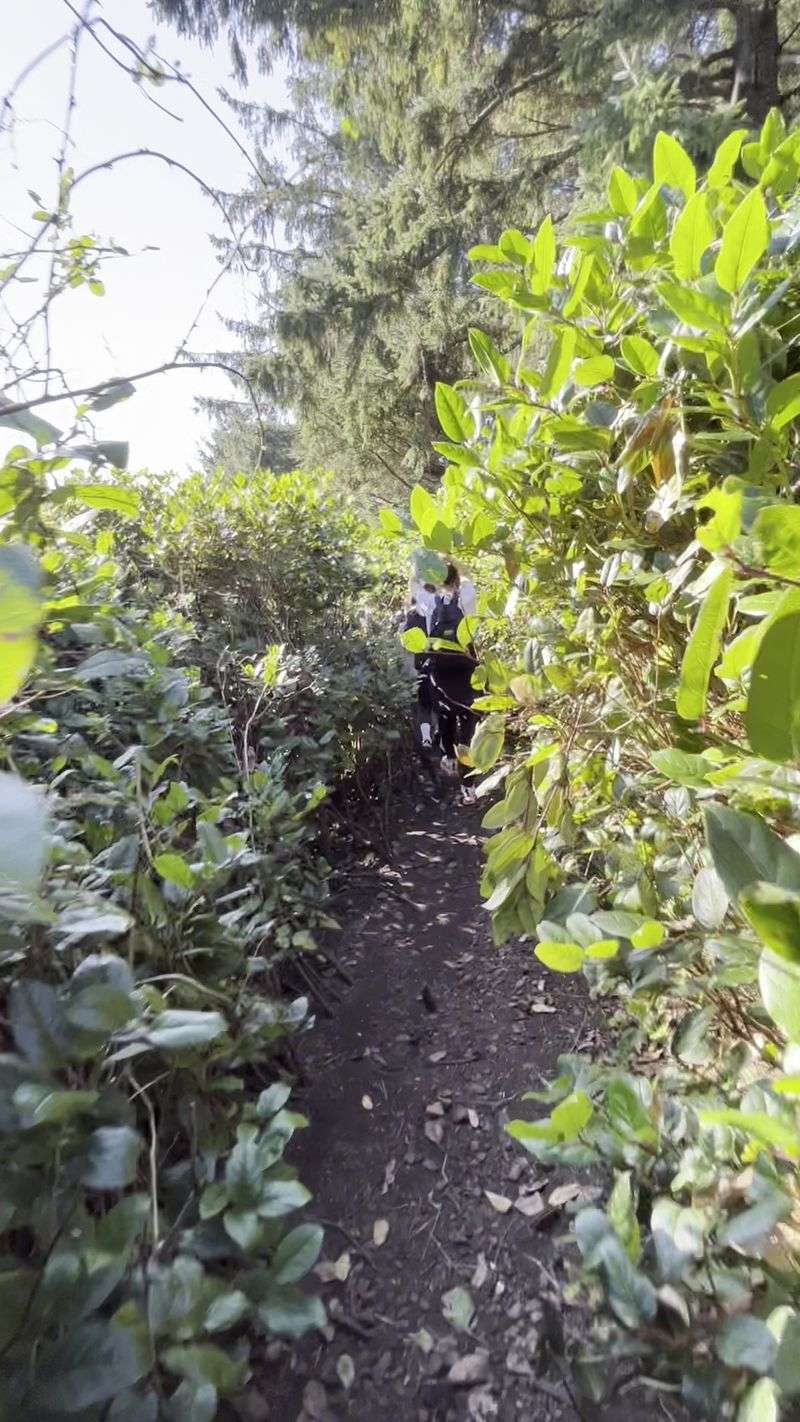
Let me be straight with you: this trail will test your footwear choices. The path has earned a reputation for being muddy, root-crossed, and occasionally treacherous, especially after Oregon’s frequent rains.
I learned this lesson the hard way during my first visit when I wore trail runners instead of proper hiking boots.
The initial descent from the Highway 101 parking area starts steep on loose gravel and dirt. Trekking poles genuinely help here, particularly on the return climb when your legs are tired.
Once you’re past that section, the trail alternates between relatively smooth stretches and obstacle courses of exposed roots that seem designed to catch your toe.
Mud is a constant companion, sometimes ankle-deep in winter and spring. The narrow path through berry patches and ferns means you’ll brush against vegetation constantly.
Stinging nettle grows along certain sections, which is why experienced hikers recommend long pants even in summer. Despite these challenges, the trail remains popular because the conditions are part of the authentic Pacific Northwest experience.
Wear boots with aggressive tread, watch your footing constantly, and embrace the fact that you’ll probably need to clean your gear afterward. The views and wildlife encounters make every muddy step worthwhile.
Coastal Meadows and Wildflower Displays
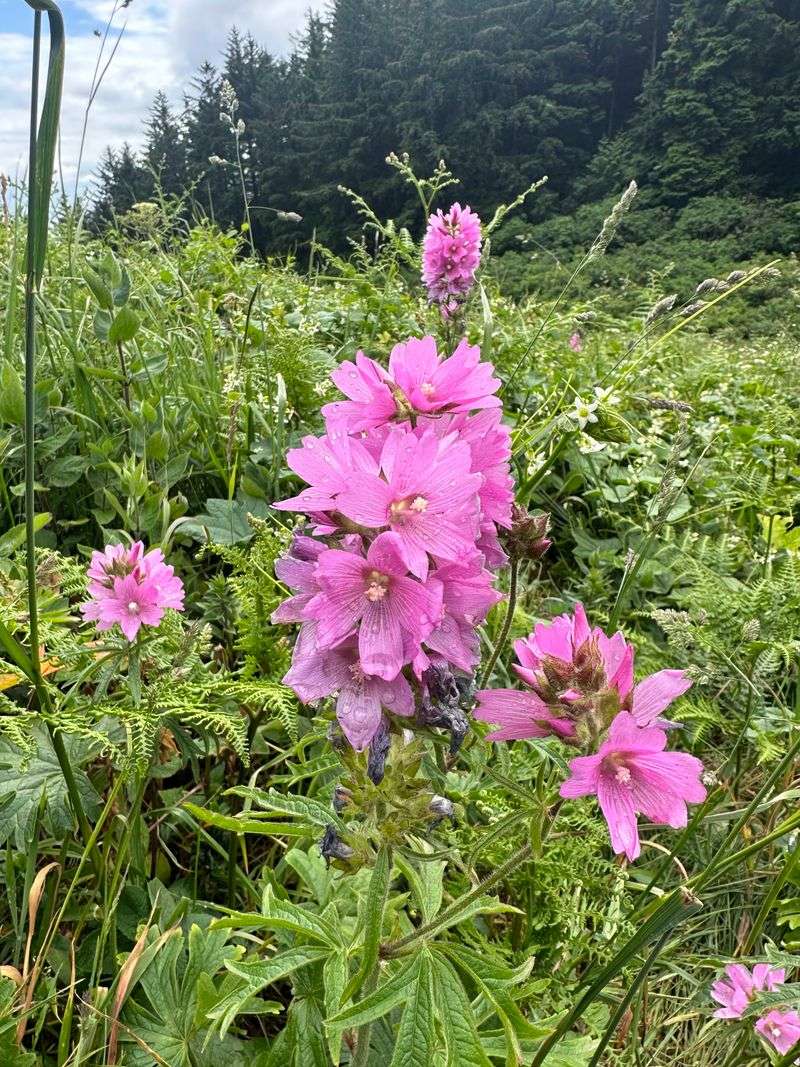
The hike begins by threading through coastal meadows that explode with color during spring and summer months. Thick carpets of ferns create a prehistoric feel, while salal and salmonberry bushes crowd the narrow path.
This isn’t manicured garden territory. It’s wild, overgrown, and absolutely gorgeous.
Tiger lilies steal the show with their bright orange blooms nodding on tall stems. I’ve also spotted lupines, Indian paintbrush, and various flowering shrubs that I couldn’t name but photographed extensively.
The meadows create ideal habitat for the elk you’re hoping to see, providing both food and cover. Hummingbirds zip between blossoms, and butterflies drift lazily across the path.
The contrast between these open, sun-drenched meadows and the dark forest sections ahead makes the hike feel like you’re traveling through different worlds. Morning visits offer the best light for photography, with dew clinging to spider webs strung between plants.
The berry bushes produce edible fruit in late summer, though you’ll be competing with birds and bears for the harvest. Walking through these meadows feels like stepping into a nature documentary.
Just remember that the narrow path means you’ll push through vegetation, so dress accordingly to avoid scratches and protect against stinging nettle.
Old-Growth Forest Cathedral
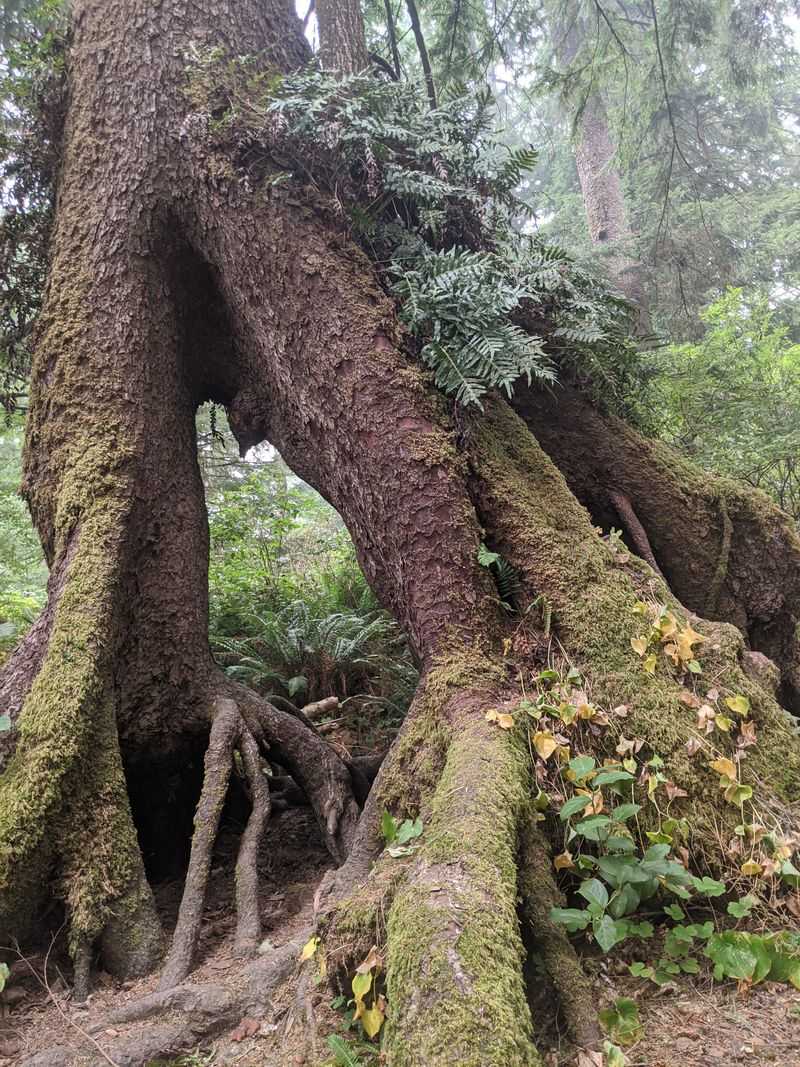
Past the meadows, the trail descends into a forest that feels genuinely ancient. Massive Sitka spruce and Douglas fir trees tower overhead, their trunks wider than you can wrap your arms around.
These giants have stood for centuries, creating a cathedral-like canopy that filters sunlight into soft green beams.
Everything here wears a coat of moss. Tree trunks are fuzzy with it.
Fallen logs nurse new growth while slowly decomposing into the forest floor. Sword ferns and other shade-loving plants carpet every available surface.
The air smells earthy and damp, carrying that distinctive Pacific Northwest forest perfume of decomposition and growth happening simultaneously.
The temperature drops noticeably when you enter this section, which makes it a welcome relief on warm days. The sounds change too.
Ocean roar fades to a distant murmur, replaced by bird calls and the occasional crack of a branch. I’ve paused in this section just to listen to the silence between sounds.
The forest feels primordial, like you’ve traveled back thousands of years. These old-growth stands are increasingly rare along the developed Oregon coast, making this forest section particularly special.
Take your time here. Look up at the canopy.
Notice the nurse logs. This is what the entire coastline once looked like.
Multiple Overlooks and Cliff Views
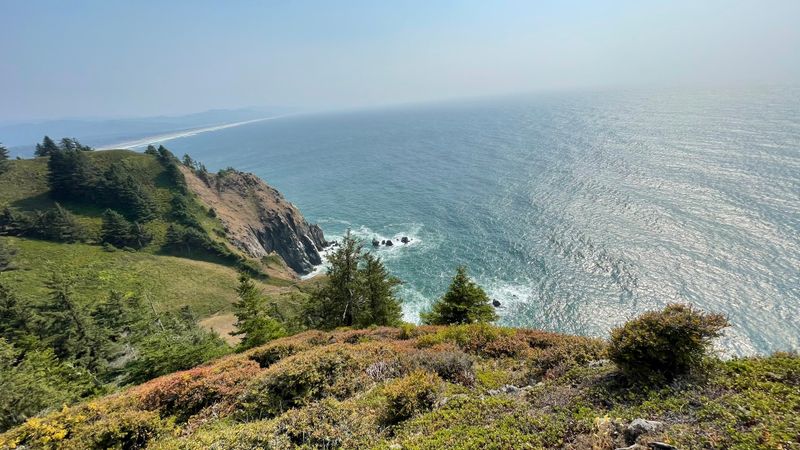
What surprised me most about Elk Flats Trail was discovering it offers not just one killer viewpoint but three distinct ocean overlooks, each with its own character. The trail system branches multiple times, giving you choices about which spectacular vista to visit.
Some hikers try to hit all three in one trip.
The overlooks peer down from clifftops to where waves assault the rocky shoreline far below. We’re talking 150-foot drops with nothing but air between you and the churning Pacific.
Birds nest on the cliff faces, and watching them ride the updrafts is entertainment in itself. Each viewpoint frames the coastline differently, with varying angles on the cliffs, coves, and distant headlands.
Photography enthusiasts should plan for multiple visits at different times of day. Sunrise paints the cliffs in warm tones, while sunset creates silhouettes against the glowing ocean.
Stormy weather brings dramatic wave action but also challenging hiking conditions. The lack of guardrails at most viewpoints means you need to exercise serious caution, especially in wind.
I’ve seen people crawl to the edge on their stomachs to peer over safely. Respect the danger while soaking in views that rank among Oregon’s finest coastal scenery.
Access to Short Sand Beach
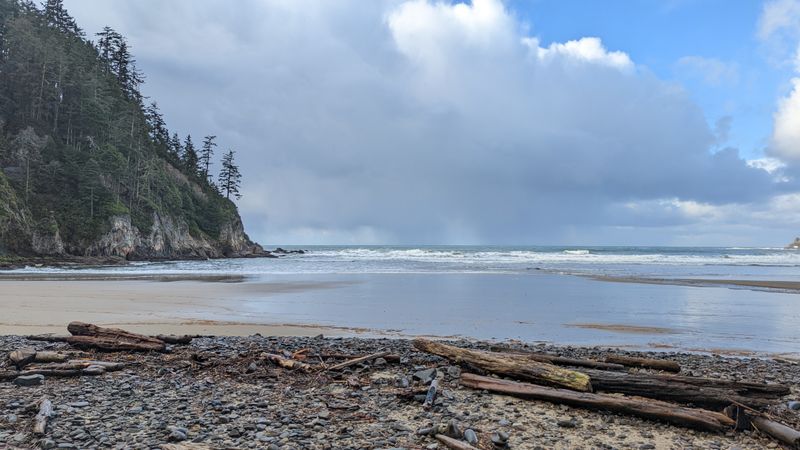
For those willing to tackle the steepest section of trail, Elk Flats provides southern access to Short Sand Beach, affectionately called Shorty’s by locals. This isn’t your typical easy beach access.
The final descent involves root-crossed switchbacks that drop steeply through dense forest before spilling out onto the sand.
Short Sand Beach sits protected by towering cliffs and Cape Falcon, creating conditions that attract surfers year-round. Even in summer when other Oregon beaches are too calm for surfing, Shorty’s often has rideable waves.
The beach itself is gorgeous, with dark sand, driftwood sculptures, and tide pools to explore. A creek flows across the sand to meet the ocean.
The round-trip to the beach and back adds significant difficulty to your hike. That final climb back up those switchbacks will test your fitness level.
Recent storm damage destroyed a footbridge, making this an out-and-back route rather than a loop option. Still, combining the trail’s meadows, forests, overlooks, and beach access creates an incredibly varied hiking experience.
Pack water and snacks if you’re going all the way down. The beach is worth the effort, especially on quieter weekdays when you might have the cove largely to yourself.
Practical Tips for Your Visit
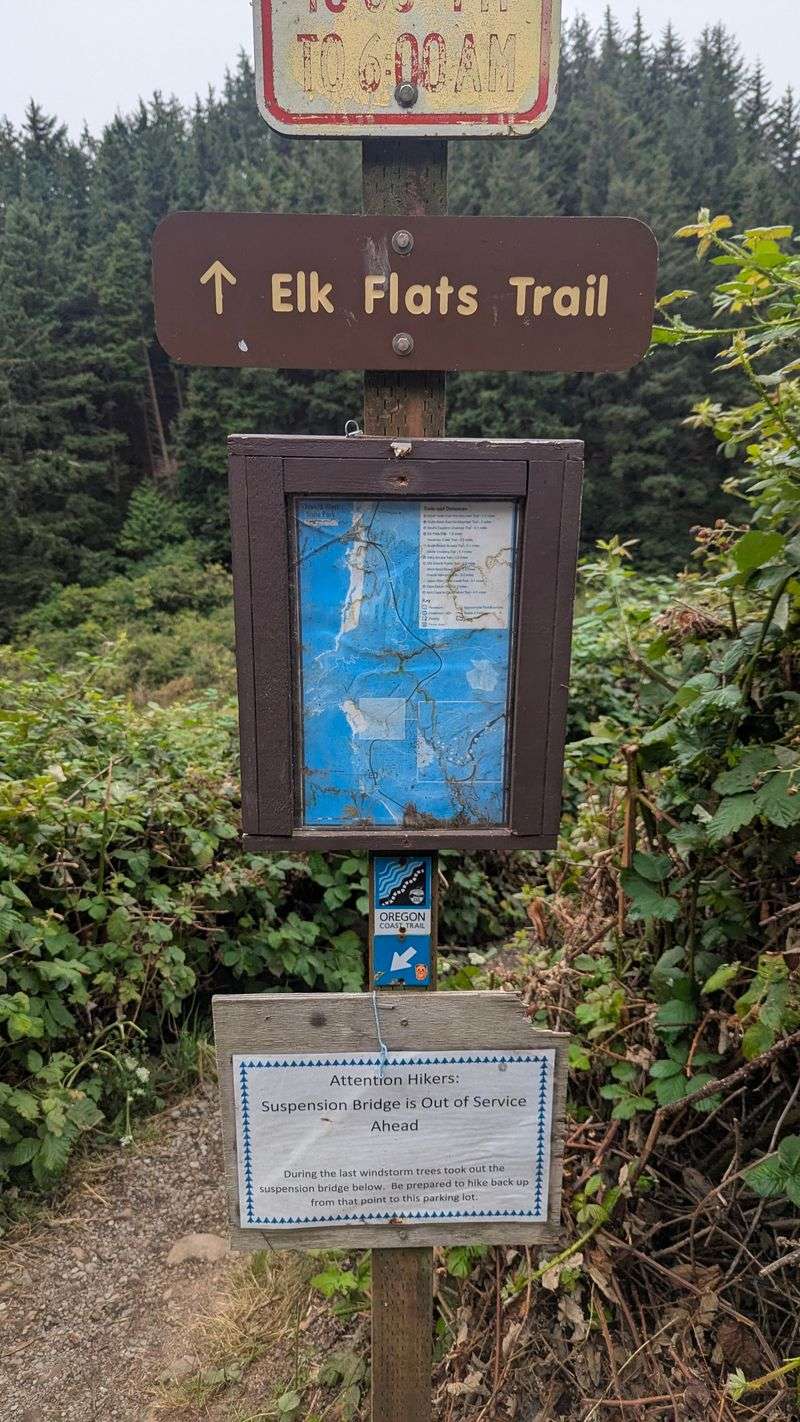
The Elk Flats Trailhead sits right along Oregon Coast Highway near Nehalem, marked by a small gravel pullout that’s easy to miss if you’re not watching for it. The good news: parking is free.
The bad news: the lot holds maybe a dozen vehicles and fills quickly on weekends because it serves both Elk Flats and the popular Neahkahnie Mountain Trail.
Arrive early, especially during summer months and on nice-weather weekends. I’m talking before 9 a.m. if you want a guaranteed spot.
There are no facilities here, so use the restroom before you arrive. The trail is open 24 hours, which means sunrise and sunset hikes are possible and often spectacular for photography and elk viewing.
Dress in layers because you’ll move between exposed meadows and cool forest. Bring water even though it’s a relatively short hike.
The mud and roots demand attention, so save the trail conversation for rest stops and keep your eyes on your feet while moving. Cell service is spotty at best.
Long sleeves and pants protect against scratches and stinging nettle. A small first-aid kit and headlamp are smart additions if you’re hiking near dawn or dusk.
Check recent trip reports before visiting, as trail conditions can change significantly with Oregon’s weather patterns.
Dear Reader: This page may contain affiliate links which may earn a commission if you click through and make a purchase. Our independent journalism is not influenced by any advertiser or commercial initiative unless it is clearly marked as sponsored content. As travel products change, please be sure to reconfirm all details and stay up to date with current events to ensure a safe and successful trip.
