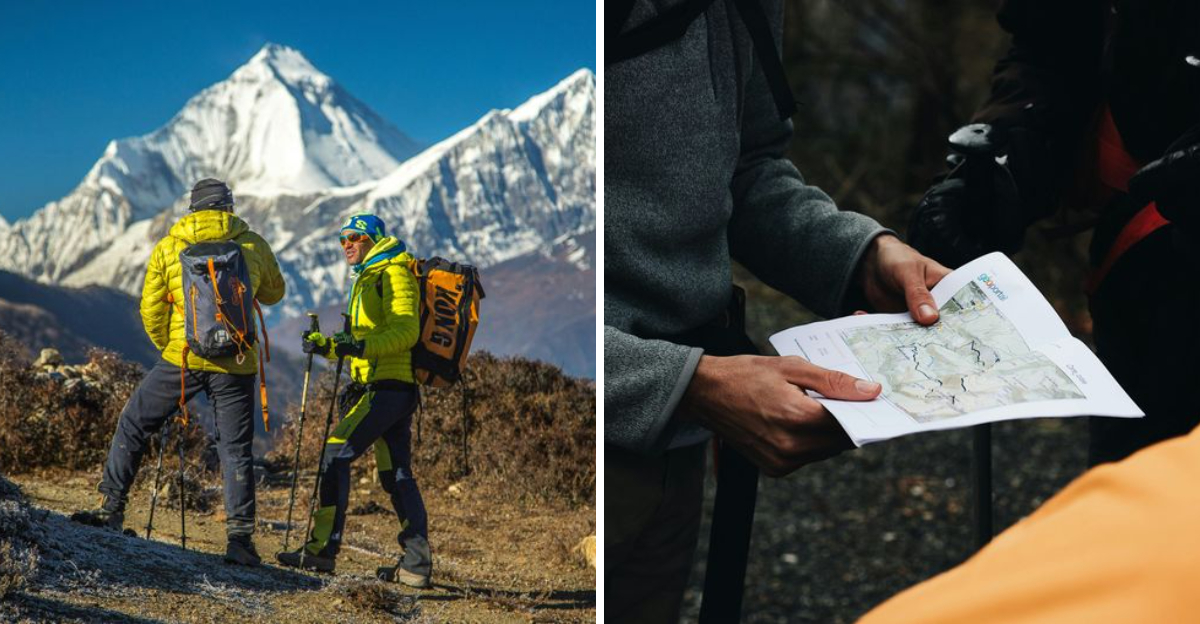
Oregon trails look easy… until you realize they’ve got their own personality. I’ve learned pretty fast that hiking here isn’t just about walking – it’s about knowing a few smart tricks.
These 10 hacks make the difference between “why did I do this?” and “I could do this all day.” From muddy surprises to sudden weather mood swings, Oregon keeps you guessing. Locals move through it like it’s second nature, while I’m still adjusting my layers and pretending I planned it all.
The best part? Every hike starts feeling a little more like a win when you know what you’re doing.
And suddenly, the trail doesn’t just look doable – it looks fun.
1. Master the Ten Essentials Before You Go
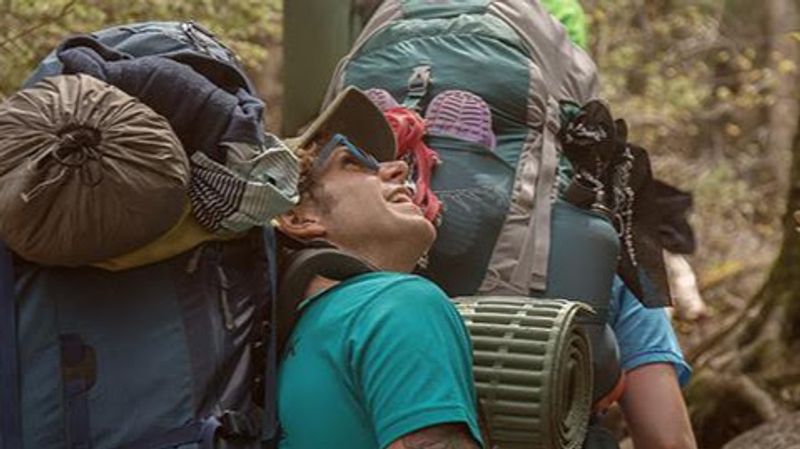
Every seasoned Oregon hiker I know swears by one rule above all others: never hit the trail without the Ten Essentials.
This classic checklist was designed to keep hikers safe when conditions change fast. Oregon weather is famously unpredictable, and being caught off guard can turn a fun day into a serious situation.
The Ten Essentials include navigation tools like a map and compass or GPS device. Sun protection, extra insulation layers, a headlamp with spare batteries, and a basic first-aid kit round out the list nicely.
You will also want waterproof fire-starting tools, a multi-tool, high-energy snacks, enough water plus a purification method, and a lightweight emergency shelter like a space blanket.
I always pack my kit the night before a hike. That way I am not rushing in the morning and accidentally leaving something important behind.
Traveloregon.com has a great free resource that walks you through each essential item in detail. Bookmark it and review it before every new trail you tackle.
Building this habit early makes every hike safer and more enjoyable. Once you have the Ten Essentials dialed in, you will feel a genuine sense of confidence stepping onto any Oregon trail.
2. Plan Your Water Sources Like a Pro
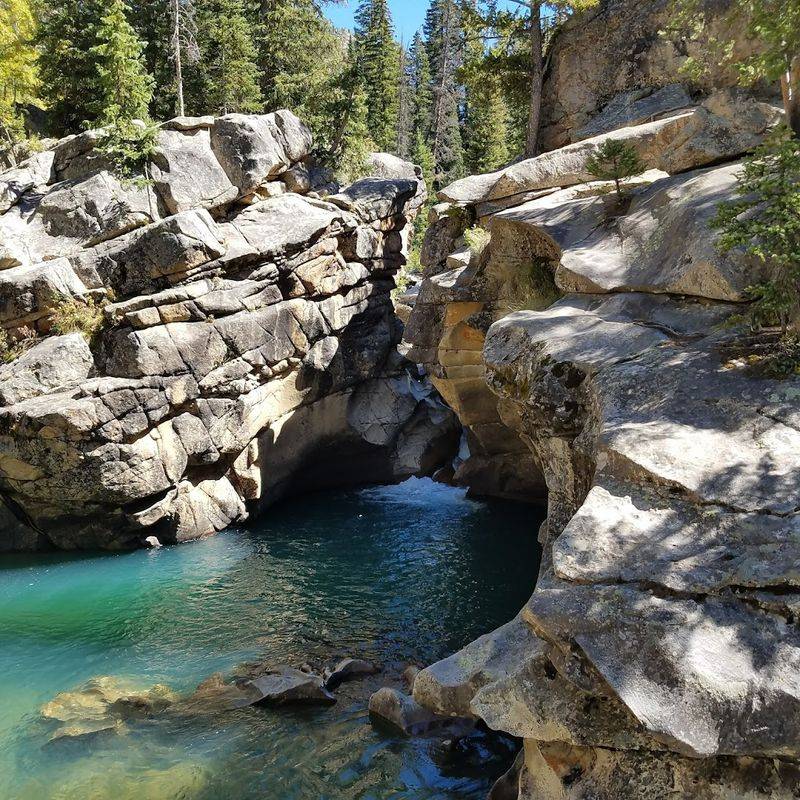
Running out of water on a long trail is one of the fastest ways to ruin a perfectly good hiking day.
Oregon trails vary wildly when it comes to water availability. Some routes, especially sections of the Pacific Crest Trail through central Oregon, can stretch for miles without a single reliable source.
Before every hike, I check current trail conditions and water reports from sources like the Pacific Crest Trail Association’s Oregon guide at pctoregon.com. This takes about ten minutes and can save you hours of suffering.
A portable water filter or purification tablets should live permanently in your pack. Natural water sources in Oregon can carry bacteria and other contaminants that are invisible to the naked eye.
I carry at least two liters of water at the start of any hike longer than five miles. If I know a water source is available mid-trail, I plan my refill stop carefully.
Electrolyte packets are another smart addition to your pack. Staying hydrated is not just about water volume but also about replenishing minerals lost through sweat on steep climbs.
Treating water planning as seriously as route planning has made my Oregon hikes consistently more comfortable and safe. Your body will thank you at mile ten.
3. Always Check Trail Conditions Before Leaving Home
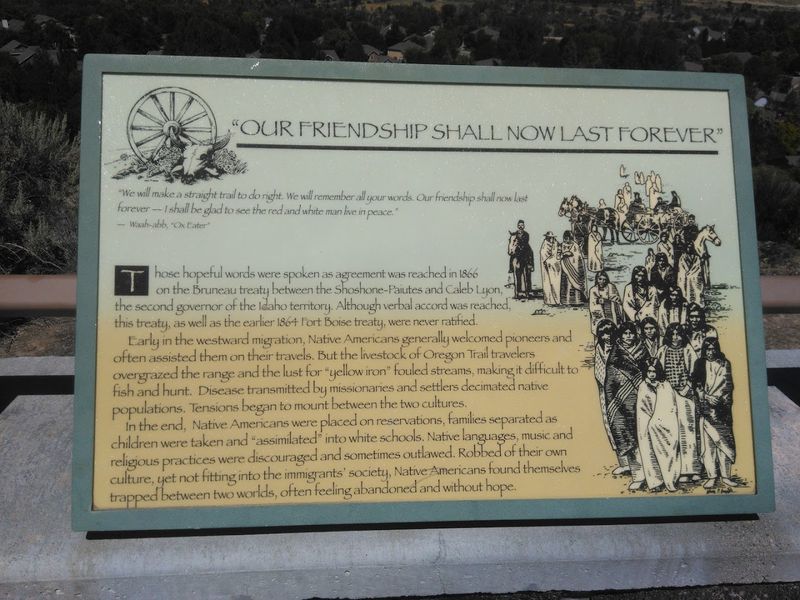
Showing up at a trailhead only to find it closed for seasonal maintenance or buried under snow is a frustration every hiker should avoid.
Oregon trails can change dramatically depending on the time of year. Snow lingers on high-elevation routes well into June, and some trails require permits that sell out weeks in advance.
I make it a habit to check trail conditions at least two to three days before any planned hike. The Pacific Crest Trail Association’s Oregon guide at pctoregon.com is one of my go-to resources for up-to-date trail status.
Recreation.gov and the Oregon State Parks website are also excellent tools for checking permit requirements and reservation availability. Some popular trails like those near Crater Lake and Mount Hood require advance booking.
Trail condition reports from recent hikers on apps like AllTrails can give you real-time ground-level information.
I always screenshot or print my trail information before heading out. Cell service in Oregon’s backcountry is unreliable at best, and having offline access to your maps and notes is a genuine lifesaver.
A little research at home sets the stage for a smooth, stress-free adventure on the trail. Preparation is the most underrated hiking skill there is.
4. Invest in the Right Footwear for the Terrain
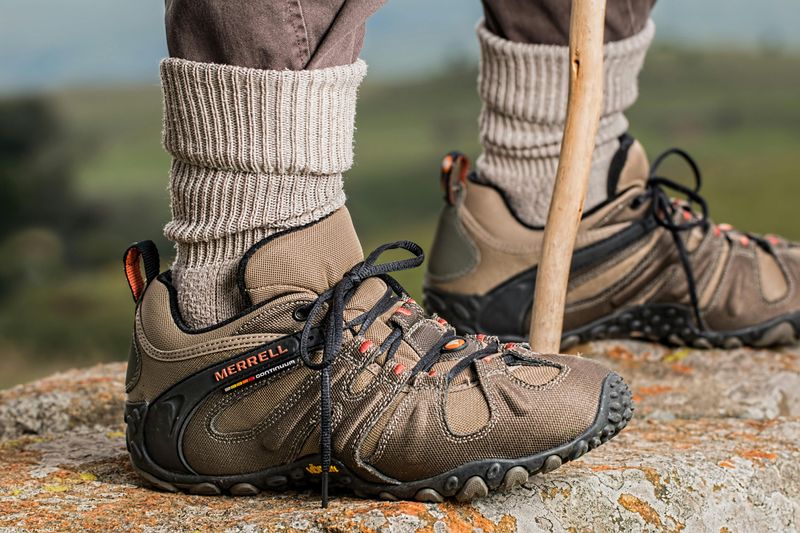
Your feet carry you every single mile, so treating them well is one of the smartest investments you can make as a hiker.
Oregon trails cover an enormous range of terrain. You might start on a smooth forest path and end up scrambling over volcanic rock fields or crossing muddy creek banks within the same hike.
A good pair of waterproof, ankle-supporting hiking boots is non-negotiable for most Oregon trails. Sandals and casual sneakers simply do not provide the grip, protection, or stability that rugged Pacific Northwest terrain demands.
When shopping for boots, always try them on with the same type of socks you plan to hike in. Wool or synthetic moisture-wicking socks help prevent blisters and keep your feet dry on wet trail sections.
Break in new boots before attempting any long hike. I wear mine around town for a few weeks before trusting them on a serious trail.
Blisters from stiff new boots can sideline a trip fast.
Trail runners are a popular alternative for experienced hikers tackling well-maintained paths. They are lighter than traditional boots and offer excellent grip, though they provide less ankle protection on rough ground.
Matching your footwear to the specific trail you are hiking makes a noticeable difference in comfort and performance. Your knees and ankles will notice the upgrade immediately.
5. Dress in Layers to Outsmart Oregon Weather
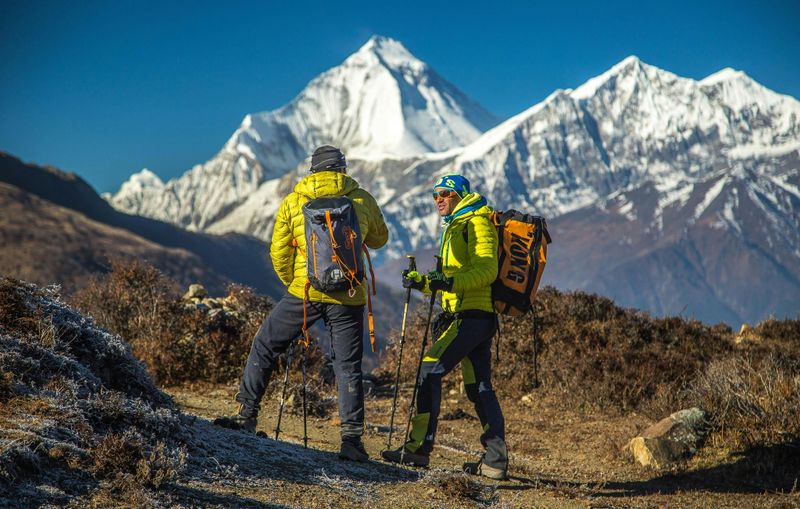
Oregon has a reputation for moody weather, and that reputation is completely earned. I have started hikes in bright sunshine and finished them in cold drizzle more times than I can count.
Layering is the single most effective strategy for staying comfortable in Oregon’s shifting conditions. The system works by trapping warm air close to your body while allowing moisture to escape.
Start with a moisture-wicking base layer that pulls sweat away from your skin. Cotton is the one fabric to avoid because it holds moisture and can make you feel cold and clammy fast.
A mid-layer like a fleece jacket or lightweight down vest adds insulation for cooler temperatures. This is the layer you will add and remove most often as you move through different elevations and exposures.
An outer shell that is windproof and water-resistant rounds out the system. A packable rain jacket takes up almost no space in your bag and can be the difference between a miserable hike and a great one.
I also pack a lightweight beanie and gloves even on summer hikes in the Oregon Cascades. Summit temperatures can be surprisingly cold regardless of how warm the valley felt at the trailhead.
Layering smartly means you spend less time being uncomfortable and more time actually enjoying the incredible scenery around you.
6. Stay on Marked Trails to Protect Yourself and Nature
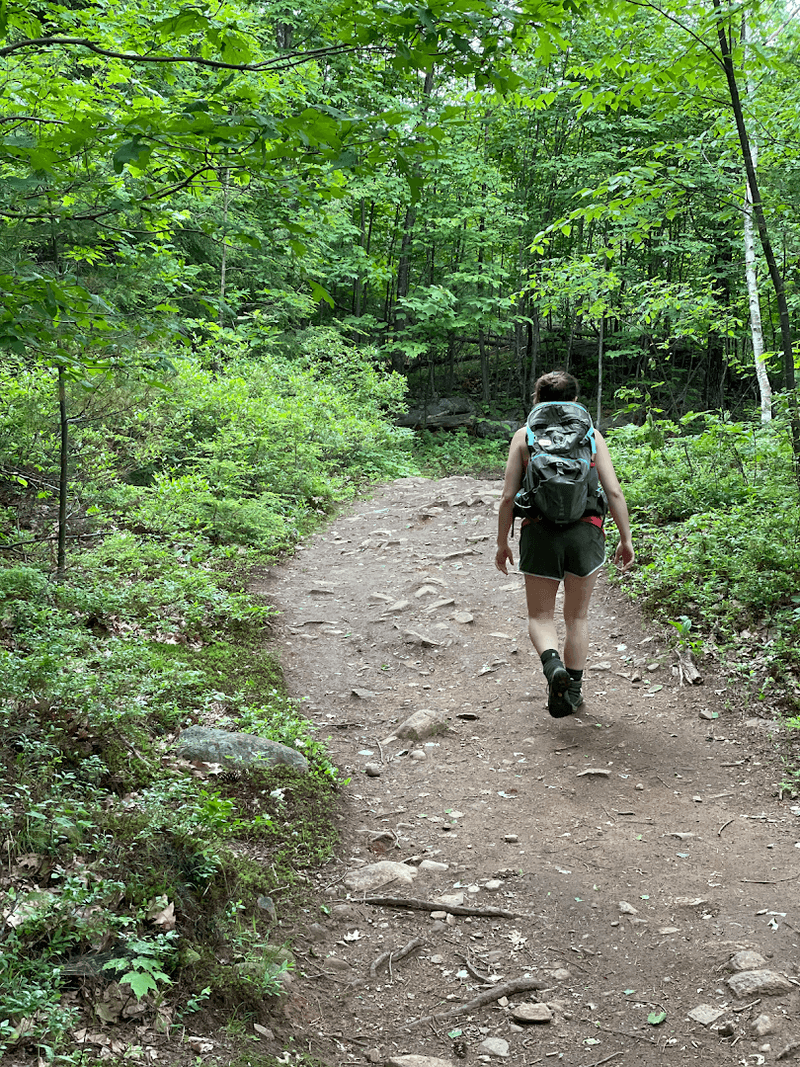
There is something tempting about wandering off-trail to get a closer look at a waterfall or a better camera angle. I get it, but staying on marked trails is one of the most important habits a hiker can build.
Oregon’s ecosystems are extraordinarily fragile. A single person stepping off the path can crush rare plant species that took decades to establish.
Multiply that by hundreds of visitors each weekend and the impact becomes significant.
Getting lost is also a very real risk when you leave designated routes. Oregon’s forests are dense and trails can look remarkably similar from off-path angles.
Disorientation happens faster than most people expect.
Trail markers in Oregon come in several forms including painted blazes on trees, cairns on open rocky terrain, and wooden signposts at junctions. Learning to recognize and follow these markers is a fundamental navigation skill.
I always carry a downloaded offline map of any trail I am hiking. Apps like AllTrails and Gaia GPS allow you to save trail routes for use without cell service, which is essential in Oregon’s backcountry.
If you want to explore off the beaten path, look for designated scramble routes or guided off-trail experiences led by local outfitters. These options let you explore more while minimizing your environmental footprint.
Respecting trail boundaries is how we keep Oregon’s wild places beautiful for everyone who comes after us.
7. Know Your Wildlife Neighbors on Oregon Trails
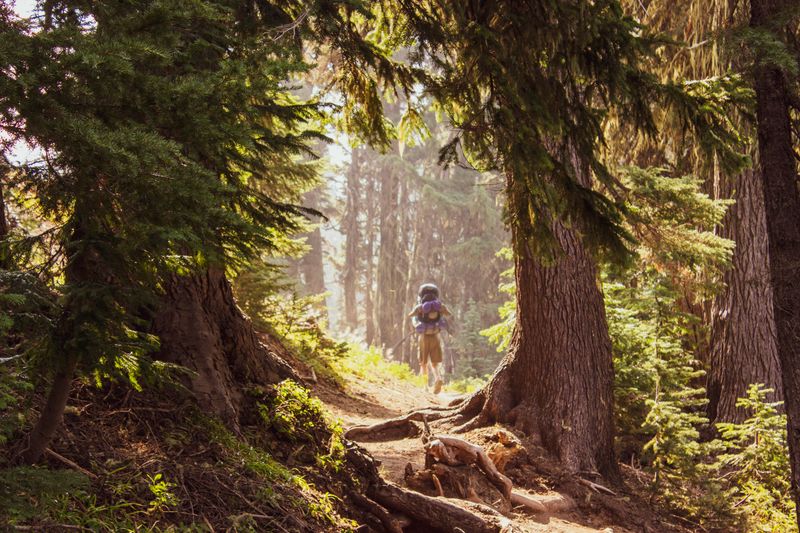
Oregon’s trails are shared spaces, and the original residents were there long before any of us showed up with our hiking poles and trail mix.
The state is home to black bears, cougars, coyotes, elk, and a stunning variety of bird species. Encountering wildlife on a hike is one of the most memorable experiences Oregon can offer, as long as you handle it correctly.
Keeping a safe distance is the most important rule. Wildlife experts recommend staying at least 100 yards from bears and other large mammals.
Use binoculars or a zoom lens if you want a closer look.
Food storage is critical on overnight hikes. Use a bear canister or hang your food at least ten feet off the ground and four feet from the nearest tree trunk.
Scented items including toothpaste and sunscreen should be stored the same way.
Making noise on the trail is a simple and effective strategy. Talking, clapping occasionally, or using a bear bell helps alert animals to your presence so they can move away before an encounter happens.
I always research the specific wildlife common to whatever region of Oregon I am hiking in. Coastal trails have different animal populations than high Cascade routes or eastern Oregon desert paths.
Respecting wildlife means keeping them wild, which is the best possible outcome for both hikers and animals alike.
8. Practice Leave No Trace on Every Single Hike

Leave No Trace is not just a catchy slogan. It is a set of principles that genuinely determine whether Oregon’s trails remain beautiful or slowly get loved to pieces.
The core idea is simple: pack out everything you pack in. That means all food wrappers, orange peels, used tissues, and any other waste you generate on the trail.
Organic waste like fruit peels still takes months to break down and can disrupt local wildlife feeding habits.
Staying on durable surfaces protects fragile vegetation. When trails are muddy, walk through the mud rather than around it.
Widening trails by skirting muddy sections causes far more long-term damage than a pair of dirty boots.
Campfire impact is another major concern in Oregon, especially during dry summer months. Many areas have fire restrictions in place from late summer through fall.
Always check current fire rules before your trip and use a camp stove instead when fires are restricted.
Human waste must be managed properly on backcountry hikes. Cat holes dug six to eight inches deep and at least 200 feet from water sources, trails, and campsites are the standard method.
Carry a small trowel and biodegradable soap.
I think of Leave No Trace as trail etiquette with real consequences. The choices each hiker makes add up across thousands of visitors every season.
Keeping Oregon wild is a shared responsibility that starts with each individual step we take.
9. Start Your Hike Early to Beat the Crowds
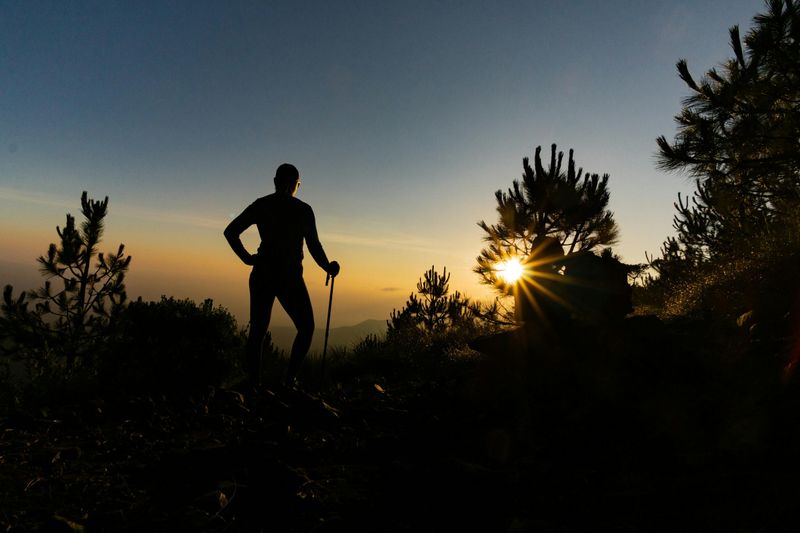
There is a quiet magic to an Oregon trail at six in the morning that simply does not exist at noon when parking lots are full and voices echo through the forest.
Starting early is one of the most effective and underused hiking hacks available. Popular Oregon destinations like Multnomah Falls, the Columbia River Gorge trails, and the trails around Crater Lake can draw enormous crowds on weekend afternoons.
Getting to the trailhead before 7 a.m. on weekends almost guarantees a parking spot and a more peaceful experience. Many of my most memorable trail moments have happened in those quiet early hours when wildlife is active and the light is extraordinary.
Early starts also give you a meaningful safety buffer. If your hike takes longer than expected, you have more daylight hours to work with.
Running out of daylight on an unfamiliar trail is a stressful situation that is entirely preventable.
Afternoon thunderstorms are common in Oregon’s mountainous regions during summer months. Starting early means you are often heading back down before afternoon weather builds, which is a genuinely smart safety strategy.
I prepare everything the night before so my morning routine is as quick as possible. Boots by the door, pack fully loaded, snacks and water already inside.
The early bird on an Oregon trail gets the fog, the wildlife sightings, and the whole forest to themselves.
10. Know Your Limits and Choose Trails That Fit You
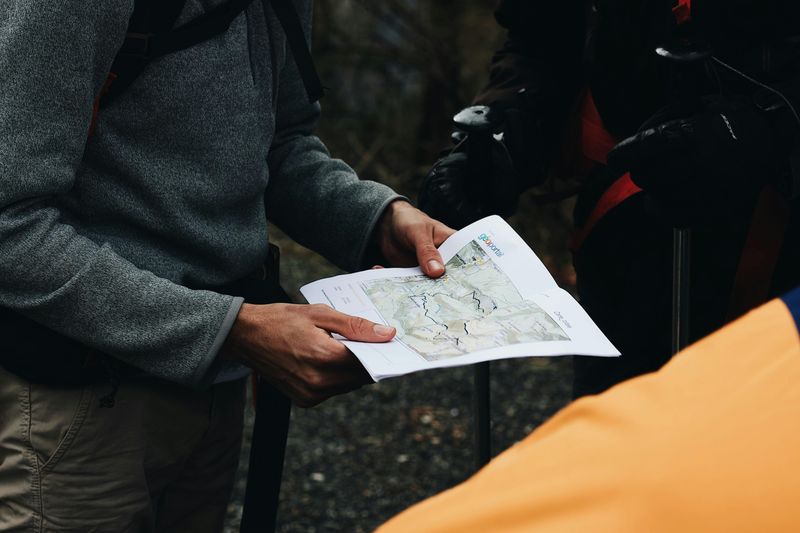
Ego has ended more hikes than bad weather ever has. Choosing a trail that genuinely matches your current fitness level and experience is one of the most honest and practical decisions you can make as a hiker.
Oregon offers an incredible spectrum of trail difficulty. Easy loop walks through old-growth forests like those at Silver Falls State Park are accessible to nearly everyone.
Technical summit routes like South Sister or Mount Hood’s crater rim demand serious preparation and fitness.
Trail listings on sites like AllTrails and the Oregon State Parks website include elevation gain, distance, and difficulty ratings. Pay close attention to elevation gain specifically.
A five-mile trail with 2,000 feet of gain is a very different experience than a flat five-mile coastal walk.
I always assess how I am feeling physically before committing to a challenging route. A rough night of sleep or sore legs from a previous day’s hike are valid reasons to choose a shorter or easier option.
Turnaround times are another useful tool. Set a specific time by which you will turn around regardless of how close the summit feels.
This strategy keeps hikes within safe daylight windows and prevents overextension.
Hiking with a partner or a group is especially smart when pushing your limits on a new trail. Having someone alongside you adds both safety and accountability on tougher routes.
Knowing yourself on the trail is the mark of a truly experienced Oregon hiker.
Dear Reader: This page may contain affiliate links which may earn a commission if you click through and make a purchase. Our independent journalism is not influenced by any advertiser or commercial initiative unless it is clearly marked as sponsored content. As travel products change, please be sure to reconfirm all details and stay up to date with current events to ensure a safe and successful trip.
