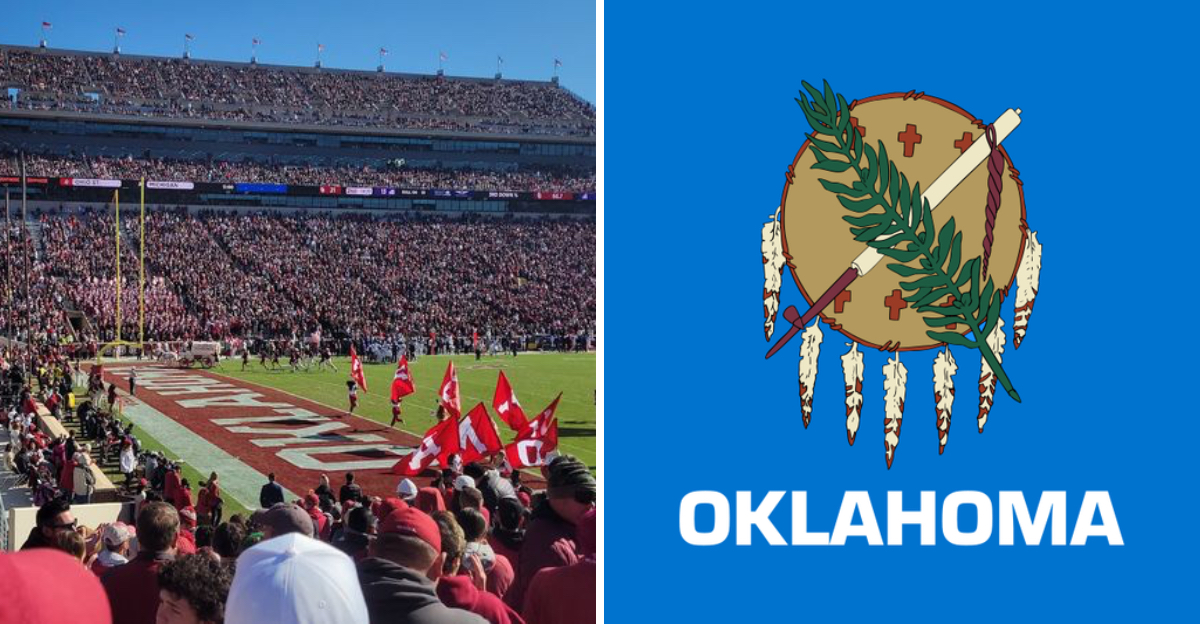
Living in Oklahoma is an experience unlike anything else in the United States. The weather keeps you guessing, the people feel like family, and somehow every day comes with its own unexpected twist.
If you have ever called the Sooner State home, even for just a little while, you already know that certain things about life here are almost impossible to explain to outsiders.
This list captures twelve of those truths, and if you have lived them, you will recognize every single one.
1. The Weather Changes Its Mind Every Few Hours
You walk out the door in a light jacket, and by noon you are sweating through it. By dinner, you are back inside hunting for a blanket.
Oklahoma weather in the United States does not follow rules, and anyone who has lived here knows that the forecast is more of a rough guess than a reliable plan.
Mornings can feel crisp and cool while afternoons push into warm, sticky territory. Then evening rolls in with a chill that catches you off guard.
This cycle repeats itself throughout the year, sometimes within the same twenty-four hours.
Locals carry layers the way other people carry keys. It is not dramatic preparation.
It is just Tuesday. The sky can shift from clear blue to greenish-gray in under an hour, and that greenish-gray is the kind that makes you pay attention.
New arrivals to Oklahoma City or Tulsa often laugh at the locals who check weather apps multiple times a day. Then they get caught in a hailstorm in April wearing shorts, and suddenly the habit makes perfect sense.
You learn fast here.
The unpredictability becomes part of the rhythm. You stop fighting it and start planning around it.
A sunny morning picnic comes with a backup plan. A summer road trip includes an eye on the radar.
It is not worry. It is just how life works in Oklahoma, and honestly, it keeps things interesting in a way that flat, predictable weather never could.
2. Tornado Preparedness Is Basically a Life Skill
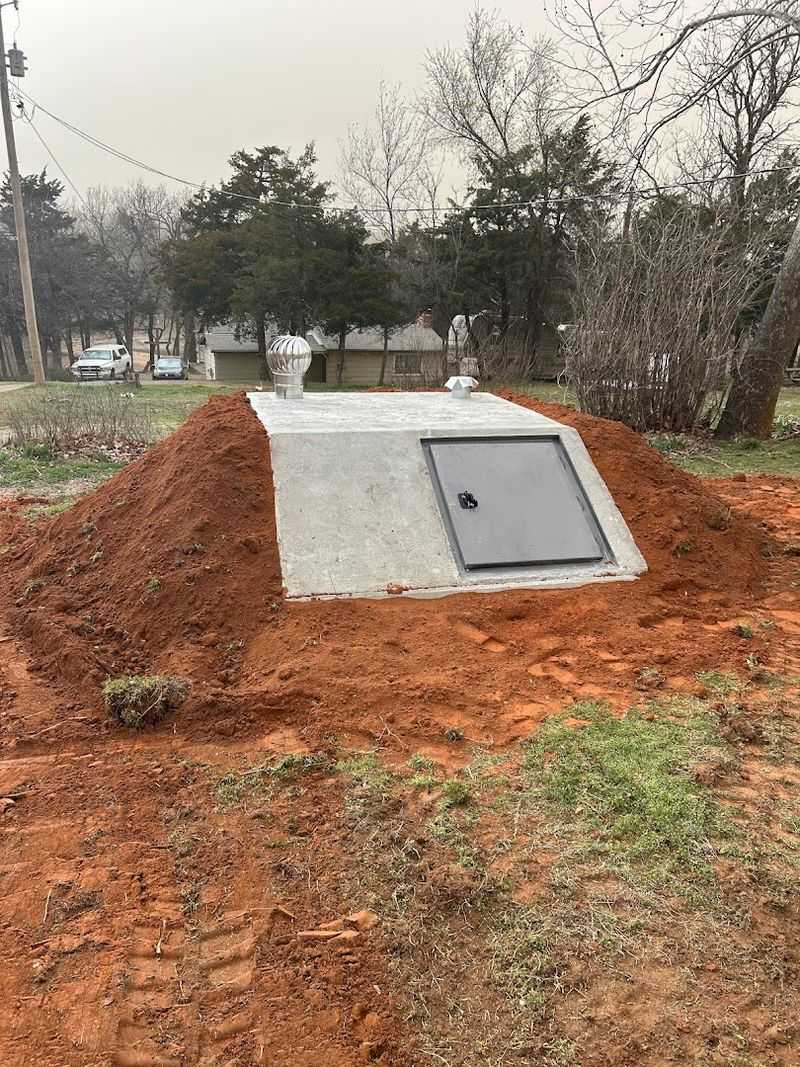
Growing up in Oklahoma, United States, you learn about tornado safety the way kids in other places learn to swim. It is practical, it is necessary, and it becomes second nature before you even realize it.
Safe rooms, storm shelters, and interior closets are not just architectural features here. They are essential parts of the home.
When the sirens go off, there is a calm efficiency that takes over. Locals grab their go-bags, check on their neighbors, and head to the lowest level without much fuss.
Visitors are often amazed by how routine the whole process feels.
Every spring, Oklahoma schools run tornado drills with the same regularity as fire drills. Kids crouch in hallways, hands over their heads, practicing a response that could matter one day.
It is not scary. It is just prepared.
The storm spotter community in Oklahoma is genuinely impressive. Trained volunteers track severe weather across the state, feeding information to local meteorologists who are some of the most skilled in the country.
Oklahoma meteorologists are treated like local celebrities, and rightfully so.
Living through tornado season teaches you to read the sky in a way that feels almost instinctive over time. You notice the stillness before a storm.
You recognize the color of a dangerous sky. You know the difference between a watch and a warning.
These are not skills you study. They are skills you absorb simply by living in the Sooner State long enough.
3. College Football Is Practically a Religion Here
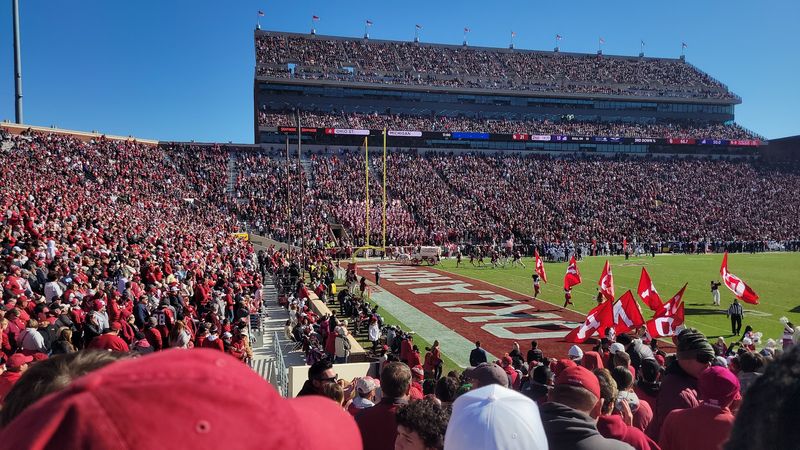
Nowhere in the United States does college football carry quite the same emotional weight as it does in Oklahoma. The rivalry between the University of Oklahoma Sooners in Norman and the Oklahoma State University Cowboys in Stillwater is not just a sporting event.
It shapes friendships, family dinners, and sometimes even career choices.
Game day in Oklahoma is a full production. Tailgates start hours before kickoff.
Entire neighborhoods shift into team colors. Grocery stores run low on certain snacks.
The energy is real, and it does not matter whether you played the sport yourself or never watched a game before moving here.
You pick a side. That is just how it works.
Neutral ground is hard to find, and claiming you do not care about football earns you more confused looks than any other statement you could make. People are genuinely puzzled by indifference to the sport.
The Bedlam Series, the annual matchup between OU and OSU, is one of the most intense in-state rivalries in college football history. Families split down the middle.
Siblings stop speaking for a week after a close game. It is dramatic, but it is also deeply fun once you are part of it.
Even if you are not a sports fan, you will find yourself checking scores. You will learn the chants.
You will feel the collective exhale of an entire state when a big play lands. Oklahoma football is one of those things that pulls you in without asking permission, and before long, you are all in.
4. Wind Is Not Just Background Noise Here
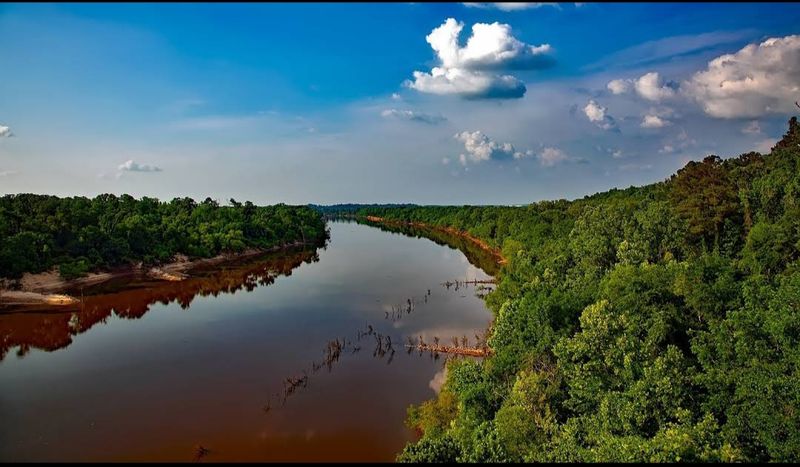
There is a reason the state song of Oklahoma mentions the wind. It is not poetic exaggeration.
The wind in the Sooner State is a constant, physical presence that shapes daily life in ways you do not fully appreciate until you have lived here for a few months.
Walking from your car to a building on a breezy day requires actual effort. Umbrellas are largely pointless.
Hairstyles are aspirational at best. You learn to hold your car door firmly when opening it in a parking lot, because the wind will make that decision for you otherwise.
Oklahoma sits in a region of the United States where warm air from the Gulf of Mexico meets cooler air from the north, creating conditions that keep the atmosphere in a near-constant state of movement. The plains geography offers nothing to slow that wind down.
It just moves, freely and without apology.
Long-time residents barely notice it anymore. It becomes part of the background of daily life, like traffic noise in a city.
But newcomers feel it immediately. It shows up in how you park, how you dress, and how you plan outdoor events.
There is something oddly grounding about it, though. The wind in Oklahoma has personality.
Some days it is gentle and warm. Other days it pushes hard enough to make you rethink your plans.
Either way, it is always there, a steady reminder that nature runs the show in this part of the country, and the best thing you can do is work with it.
5. Everyone Knows What “The City” Means Without Asking
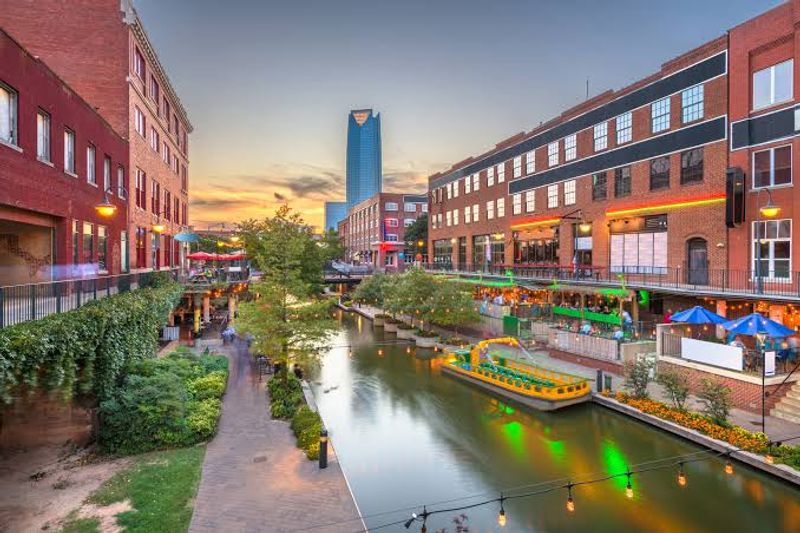
Say “The City” anywhere in Oklahoma, and no one asks for clarification. Everyone already knows you mean Oklahoma City, the state capital and largest urban area in the Sooner State.
It is one of those shorthand expressions that works as a perfect cultural marker. If you use it correctly, you belong here.
If you need it explained, you are new.
Oklahoma City sits in the center of the state and serves as the hub for commerce, entertainment, and state government. It is where you go for concerts, major sporting events, and the kind of shopping that smaller towns cannot offer.
Saying “I am heading to The City” communicates all of that in four words.
Tulsa residents sometimes raise an eyebrow at this, given that Tulsa is itself a sizable and vibrant city in northeastern Oklahoma. But the convention holds statewide.
Oklahoma City gets the title, and Tulsa gets its own distinct identity as a place with deep arts roots and a strong cultural scene.
The nickname reflects something genuine about how Oklahomans relate to their largest city. It is not just a place.
It is a destination, a reference point, a shared landmark in conversation.
People drive hours to get there for a weekend, then return home talking about what they did “in The City.”
For newcomers, picking up on this kind of local shorthand is one of the small signs that you are settling in. It is casual, it is comfortable, and it saves time.
Oklahoma communication tends to be efficient without being cold, and this little habit captures that perfectly.
6. Native American Culture Is Woven Into Everything
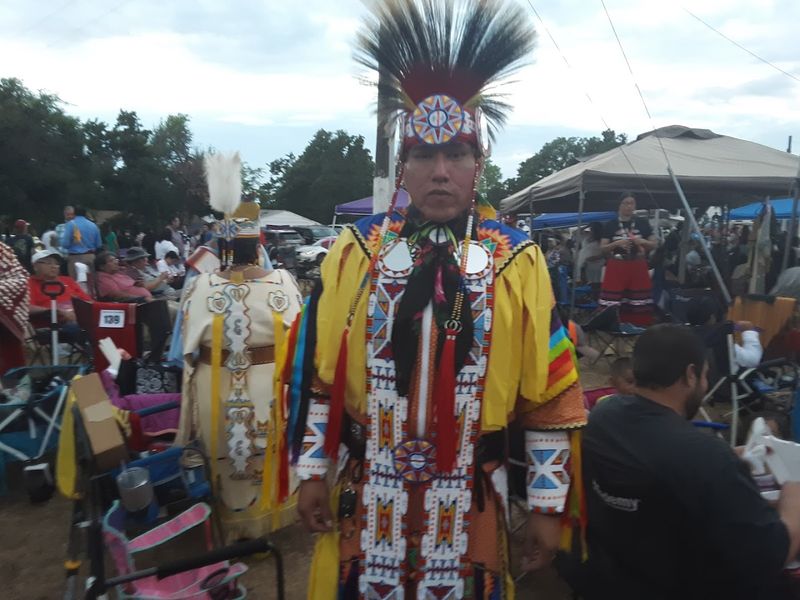
Oklahoma is home to 39 federally recognized tribes, which makes it one of the most significant centers of Native American culture in the entire United States. This is not a footnote in the state’s history.
It is central to who Oklahoma is, how it developed, and how it continues to shape life here today.
Powwows happen throughout the year across the state, and they are genuine community events. Traditional dance, music, and art come together in ways that feel both ancient and alive.
Attending one for the first time is an experience that stays with you, not as a tourist attraction, but as a window into living culture.
Place names across Oklahoma reflect this heritage in a way that is hard to miss. Tulsa itself comes from a Creek word meaning “old town.” Tahlequah, in northeastern Oklahoma, serves as the capital of the Cherokee Nation.
These names carry history in every syllable.
Many Oklahomans have tribal connections of their own, and conversations about heritage come up naturally in everyday life. It is common to hear people mention their tribal affiliation the same way they might mention where they grew up.
It is part of identity here, not a historical curiosity.
For anyone moving to Oklahoma, taking time to learn about the tribal nations present in the state adds enormous depth to the experience of living here. It shifts your understanding of the land, the language, and the people in ways that make daily life feel richer and more connected to something genuinely meaningful.
7. Deep-Fried Food Is a Serious Art Form
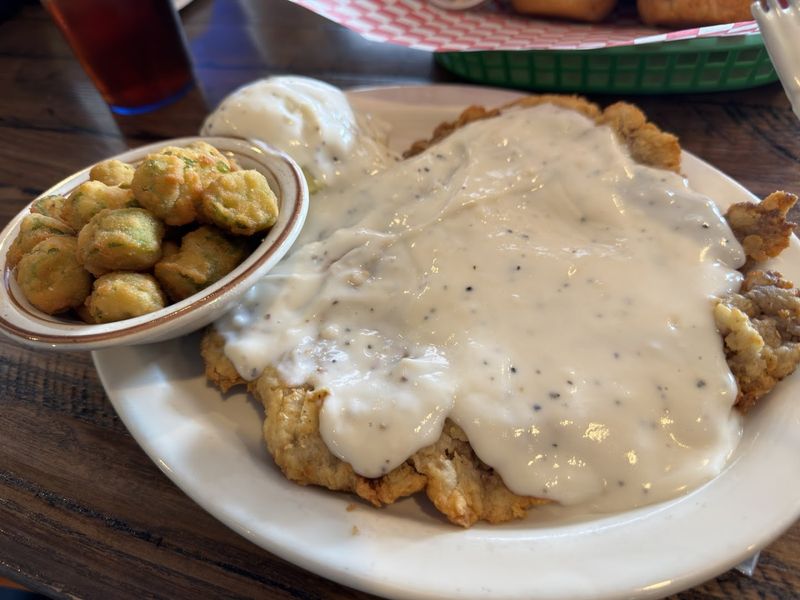
Oklahoma takes its fried food seriously, and that is not a casual observation. The state fair in Oklahoma City is practically a competition to see what can be battered and dropped into hot oil next.
Fried Oreos, fried cheesecake, fried okra, and things that have no business being fried but somehow work beautifully anyway.
Fried okra deserves its own paragraph because in Oklahoma, it is not a side dish. It is a cultural institution.
Get it wrong and you will hear about it. Get it right, with the right cornmeal coating and the right crunch, and you have made a friend for life.
It shows up at family gatherings, local diners, and roadside stops across the state.
Then there are calf fries, which are a uniquely Oklahoma experience that most outsiders approach with caution and most locals eat without a second thought. They appear at festivals and cookouts, often served with dipping sauce, and the people who love them are enthusiastic advocates.
The deep-frying tradition connects to a broader culture of generous, hearty cooking that runs through Oklahoma. Meals here are not minimalist.
They are full, warm, and abundant in a way that feels like hospitality expressed through food.
Diners and local spots across cities like Tulsa and Oklahoma City carry on these traditions with pride. Sitting down at a counter and ordering something fried and local is one of the simplest pleasures the state offers.
It is unpretentious, satisfying, and completely authentic to the Sooner State experience.
8. Distances Are Always Measured in Time, Not Miles
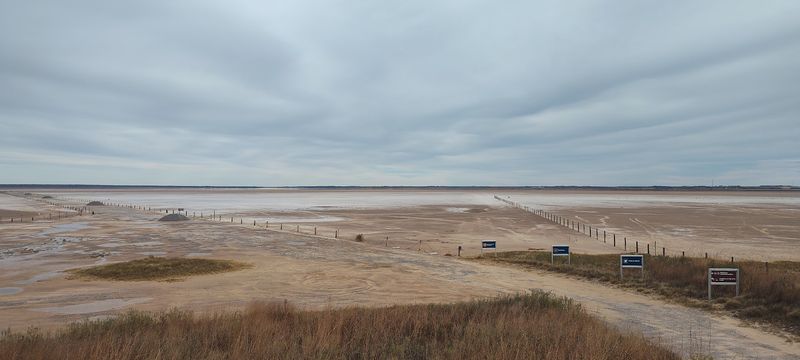
Ask an Oklahoman how far away something is and they will almost never give you a number of miles. They will tell you it is about forty-five minutes, or just under two hours if you hit the light construction near the interstate.
Miles are technically accurate, but time is what actually matters when you live in a place this spread out.
Oklahoma covers a lot of ground, and the population is distributed across small towns, mid-sized cities, and wide rural stretches. Getting from one place to another often involves long stretches of open highway where the landscape is flat, the road is straight, and your cruise control earns its keep.
This way of thinking about distance shapes how people plan their days. A trip to see family might be described as “a good two-hour drive,” and that is considered perfectly reasonable.
Road trips are not special occasions here. They are just how you get around.
The open roads of Oklahoma have their own appeal, though. Driving through the red dirt plains of central Oklahoma or the rolling hills near the Arbuckle Mountains in the south gives you a sense of scale that is hard to find in more densely built states.
Once you adopt the time-based way of measuring distance, you realize it is actually more useful. It accounts for traffic, road conditions, and the reality of the journey.
It is practical in the way that so much of Oklahoma life tends to be, straightforward and built around what actually works day to day.
9. Small Talk Goes Deeper Than You Expect
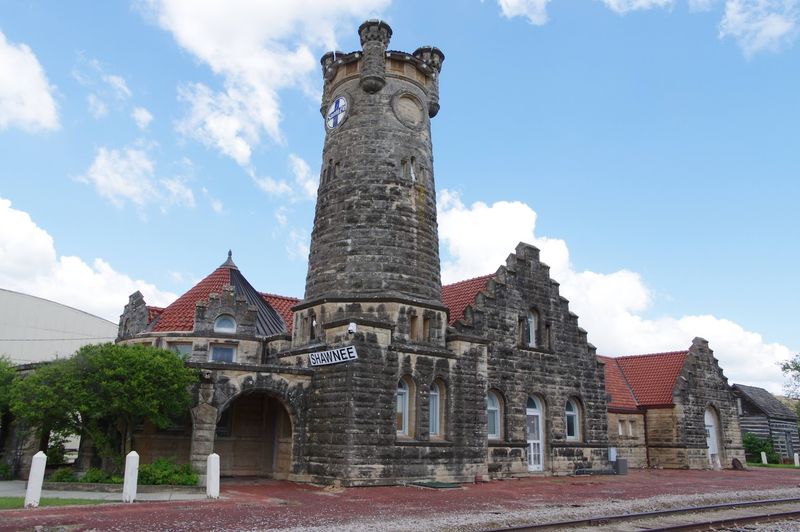
Pull up to a gas station in rural Oklahoma and there is a real chance you will leave knowing the cashier’s grandmother’s name, her thoughts on the upcoming football season, and a solid recommendation for where to eat lunch. Small talk in Oklahoma is a generous, meandering thing that does not feel small at all once you are in the middle of it.
This is not unique to small towns either. Oklahoma City and Tulsa carry the same quality.
Strangers make eye contact. Checkout lines become brief social events.
Someone always holds the door, and then stays to chat for a moment longer than strictly necessary.
For people moving from larger, faster-paced cities in the United States, this takes some adjustment. The first few times it happens, you might glance at your phone out of habit, wondering if you have somewhere to be.
Then you realize the conversation is actually enjoyable and you are in no particular rush.
Oklahoma hospitality is not performative. It does not feel like a customer service script.
It feels like people who genuinely have time for each other and see no reason to rush through human interaction when there is no emergency requiring it.
Over time, you start doing it yourself. You ask the person behind the counter how their day is going and actually wait for the answer.
You strike up conversations in waiting rooms. You become the person that newcomers find slightly confusing at first.
And that, honestly, is one of the best things Oklahoma quietly does to you.
10. The Sky Always Feels Bigger Than Anywhere Else
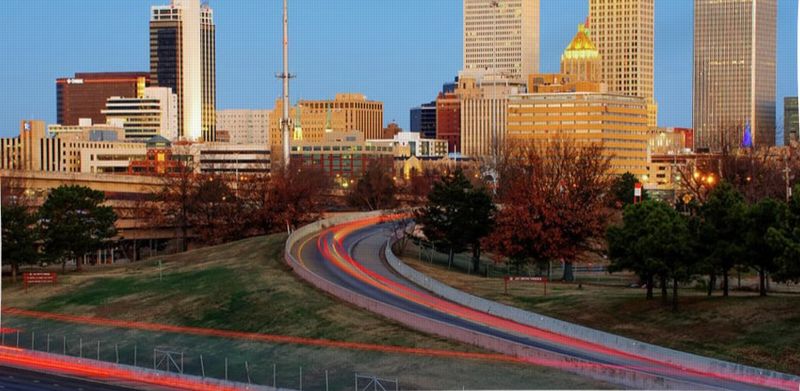
There is a specific moment that happens to most people who move to Oklahoma from somewhere with more hills, trees, or buildings. You step outside one evening, look up, and realize the sky takes up more of your field of vision than you have ever experienced before.
It is not subtle. It genuinely stops you.
The flat, open geography of much of Oklahoma in the United States means there is very little blocking the view in any direction. The horizon sits low and wide, and the sky above it stretches in a way that feels almost theatrical.
Clouds look different here. Sunsets are a genuine event.
Storms are dramatic for the same reason. When a line of thunderstorms approaches from the west, you can watch it coming from miles away.
The sky changes color, the light shifts, and the whole thing builds slowly enough that you can appreciate it even while you are also preparing to take shelter.
Photographers and painters have long been drawn to the Oklahoma sky for good reason. The light in the late afternoon hits the red dirt and the open fields in a way that creates colors that feel almost unreal.
It is the kind of scenery that makes you reach for your phone just to try to capture it, knowing the photo will not quite do it justice.
Living under that sky changes how you see space. You start to feel uncomfortable in places that feel too enclosed.
The openness becomes something you crave, a quiet reminder of what daily life in Oklahoma, United States, consistently offers without asking anything in return.
11. Local Pride Shows Up in the Smallest Moments
Oklahoma pride is not the loud, chest-thumping kind that announces itself constantly. It is quieter than that, and somehow more genuine for it.
You see it in the way people talk about their hometowns with specific affection, not just general warmth. They tell you exactly what makes their particular corner of the state worth knowing about.
It shows up in bumper stickers on dusty pickup trucks in small towns across the state. It lives in the way local businesses are supported with a loyalty that feels personal.
When a neighborhood diner has been around for forty years, people do not just eat there. They defend it.
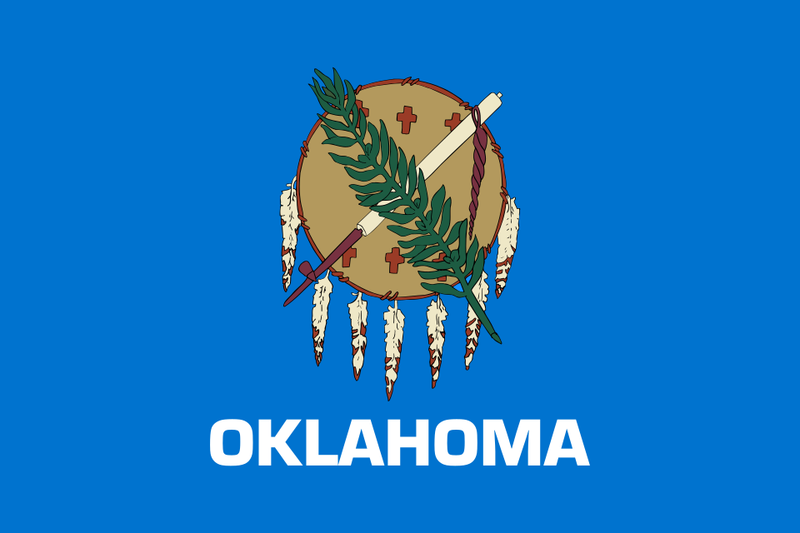
The state flag flies with real meaning here. The Osage shield at its center reflects Oklahoma’s deep Native American heritage, and most residents know that history and take genuine pride in it.
It is not decoration. It is identity.
Sports pride extends well beyond college football. High school athletics in Oklahoma are taken seriously in a way that surprises outsiders.
Friday night games draw entire communities. Local athletes are celebrated with the same energy that professional players receive elsewhere in the United States.
Even the way Oklahomans talk about the landscape carries pride. The red dirt, the wide skies, the Cross Timbers region in the central part of the state, these are not just geographical features to locals.
They are sources of identity. People describe the land the way they describe family, with familiarity, with affection, and with the quiet certainty that you would have to live here to fully understand why it matters so much.
12. You Start to Understand It All Without Being Able to Explain It
There comes a point in life in Oklahoma when things that once seemed unusual start to feel completely natural. The weather patterns make sense.
The pace of conversation feels right. The way people relate to the land and to each other clicks into place without you having to think about it.
It is hard to pinpoint exactly when this shift happens. One day you are still adjusting, noticing the differences between Oklahoma and wherever you came from.
Then gradually, those differences stop registering as differences at all. They are just how things are.
You check the radar without being prompted. You know which roads flood first after heavy rain.
You have a favorite local spot in whatever part of Oklahoma you call home, and you feel mildly protective of it. You use “y’all” without irony and without thinking about it.
The rhythm of life here in the Sooner State has a steadiness to it that is hard to find in more frantic environments. Things move at a pace that allows for presence.
People are where they are, doing what they are doing, without the constant background hum of urgency that characterizes life in some other parts of the United States.
When you try to explain all of this to someone who has never been here, the words come out flat. You find yourself saying things like “you just have to experience it,” which sounds like a cliche until you realize it is simply true.
Oklahoma is one of those places that makes the most sense from the inside, and once you are in it, you would not trade that understanding for anything.
Dear Reader: This page may contain affiliate links which may earn a commission if you click through and make a purchase. Our independent journalism is not influenced by any advertiser or commercial initiative unless it is clearly marked as sponsored content. As travel products change, please be sure to reconfirm all details and stay up to date with current events to ensure a safe and successful trip.
