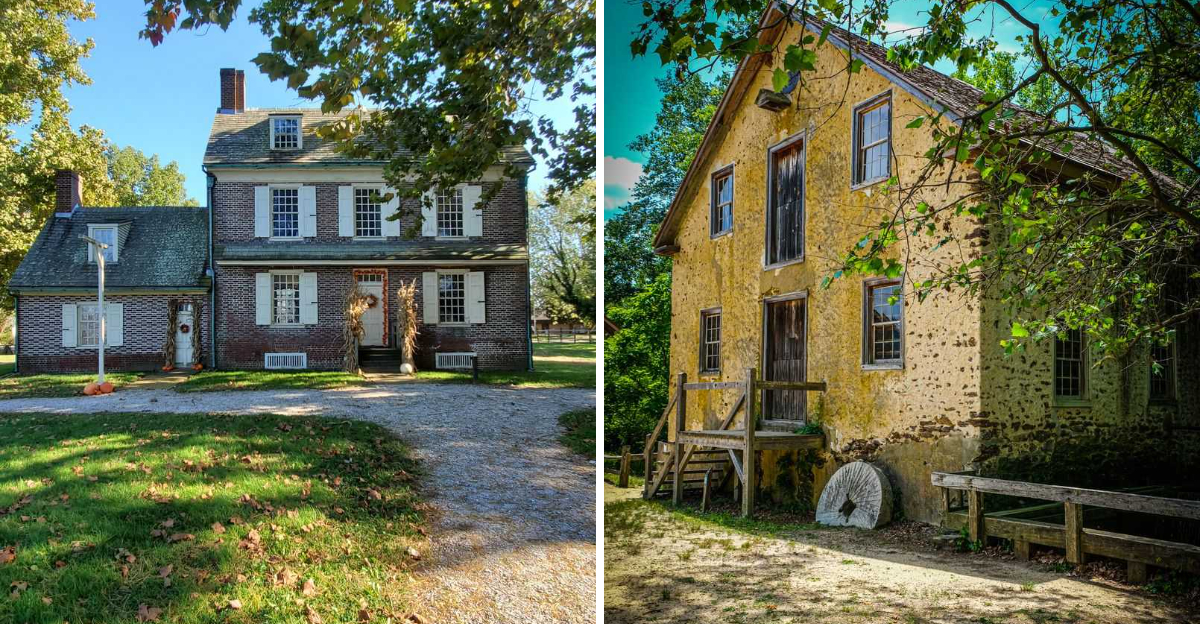
New Jersey’s forgotten brickmaking villages are like stepping into a time capsule of industry and charm.
Once bustling with kilns and workers, these towns shaped the state’s skyline one brick at a time.
Today, their quiet streets and weathered factories whisper stories of grit, sweat, and craftsmanship.
Locals know the hidden beauty, but most travelers pass them by without a second glance.
Exploring them feels like uncovering secret chapters of New Jersey’s past that history almost left behind.
1. Sayreville Brickworks Echoes at Main Street
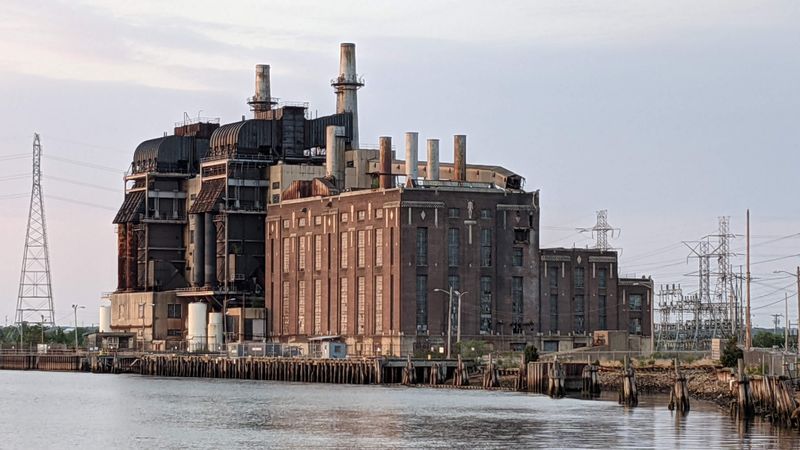
Sayreville grew around clay banks that fed towering kilns, and the town still feels shaped by that red earth legacy.
Walk near 120 Main St, Sayreville, NJ 08872, and you will notice brick storefronts with mismatched bonds, a quiet reminder of the mill days.
Look closely at lintels and cornices along this corridor, where masons practiced patterns that once advertised the quality of local yards.
In the late nineteenth century, Sayre & Fisher Company became one of the largest brick producers in the United States, shipping pavers and face brick along the Raritan River.
Historic photos show long drying sheds aligned with breezes that cut the humidity and hardened the clay to a perfect ring.
Today the riverfront has changed, but the story remains visible in the texture of walls and the rhythm of lot lines.
Locals often point to leftover fragments in alleys and gardens, though exact provenances are hard to confirm and best treated as general heritage clues.
If you plan a self-guided stroll, visit midday when light flattens glare and reveals the coarse sands in the mortar.
New Jersey travelers who love industrial archaeology will enjoy the gentle contrasts between new storefront glass and old brick skins.
Take time to read municipal plaques that highlight the clay industry and share maps of vanished yards and narrow-gauge spurs.
2. Brooksbrae Brick Factory Ruins, Pine Barrens
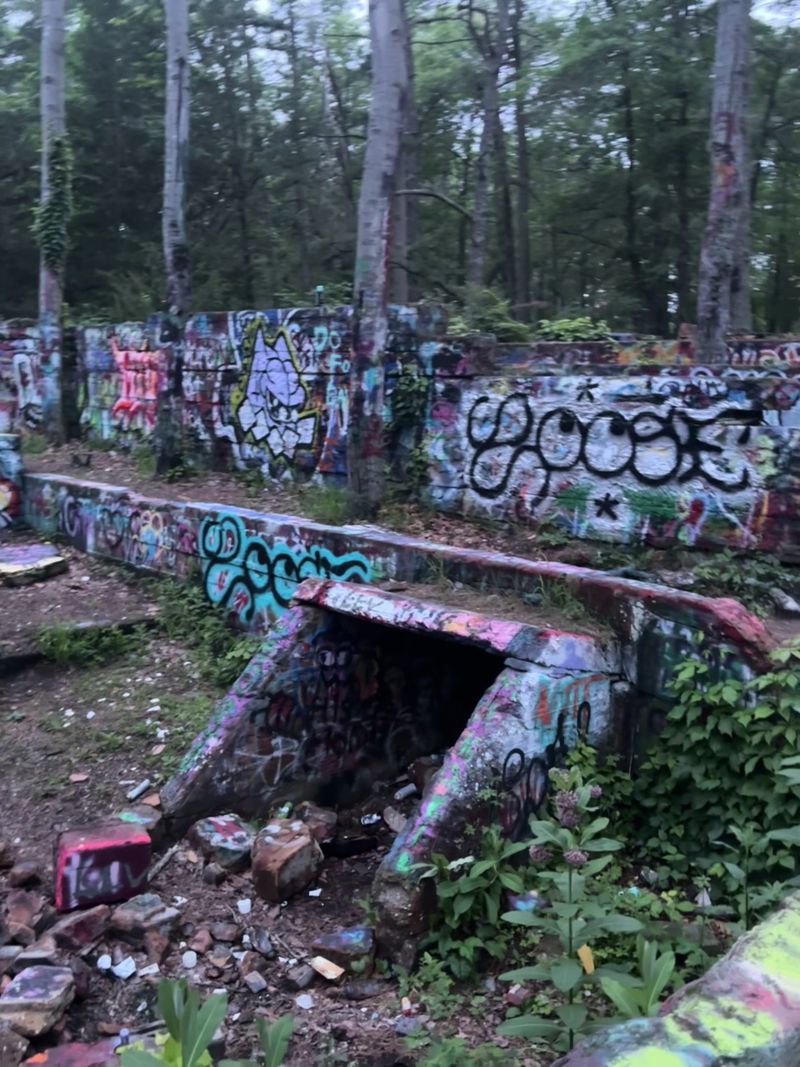
The Brooksbrae Brick Factory ruins sit along Pasadena Woodmanse Rd, Manchester Township, NJ 08759, where pines crowd broken walls and kiln arches.
Sand roads once carried carts stacked with green bricks toward long sheds that lined up with the breeze for steady drying.
Today the site is an open air gallery of graffiti layered on century old concrete, with colors set against pale needles.
Local history places the yard in the early twentieth century, tied to clay deposits and nearby rail spurs that helped move heavy loads.
Fires, market shifts, and ownership troubles cut operations, and the buildings slipped into ruin as the forest pushed back.
Visitors should research access and seasonal closures because conditions change quickly in this part of New Jersey.
Park legally and avoid soft shoulders since sandy soil can swallow tires after a rain and tow trucks are costly.
Step carefully over broken masonry and mind nails, and treat the ruins as a fragile archive rather than a playground.
You can read kiln openings by their spans and soot marks, which still whisper about firing cycles and temperature control.
Wind moving through the pines sets a soft drone that feels like distant fans from the old drying rooms.
Legends mention a ghostly watchman after dusk, but those tales are folklore and should be enjoyed as stories only.
Photographers will love the texture contrast of glazed brick fragments against charcoal concrete and bright moss.
3. Hancock House State Historic Site and Marsh Kilns
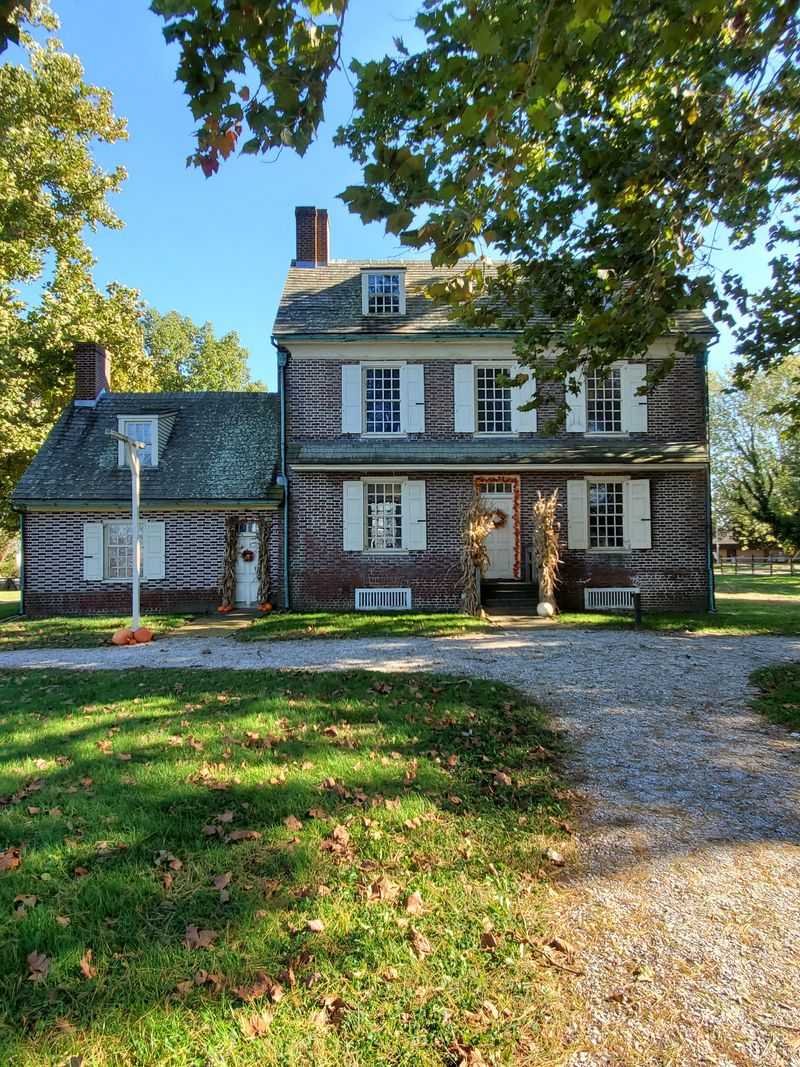
The Hancock House State Historic Site at 3 Front St, Hancocks Bridge, NJ 08038, offers a brick showpiece with patterned initials baked right into the facade.
While the house predates many industrial yards, its Flemish bond and glazed headers speak to regional clay skills that later fueled larger works.
The surrounding marshlands once supported small scale brickmaking where clay seams met creeks for easy barge loading.
Inside tours discuss the 1734 construction, the famous massacre story, and the durable materials that anchored the house through storms and wars.
Guides keep the focus on verifiable records, and any local legends are marked as lore rather than established fact.
Look at the sunlight as it rakes the facade, which brings out the dark glassy headers and the cream mortar joints.
These details connect to New Jersey’s later brick boom when manufacturers standardized sizes and pushed into statewide markets.
Walk the edge of the marsh path where birds settle on pilings and the air smells faintly of salt and river mud.
You can imagine stacked pallets waiting for incoming shallops, though the exact wharves have long vanished into the reeds.
Photographers should frame the initials in the brickwork while keeping distances respectful of the structure and gardens.
The site staff share current hours and program updates, which helps plan a visit around quiet times for reflection.
4. Little Ferry Clay Yard Footprints
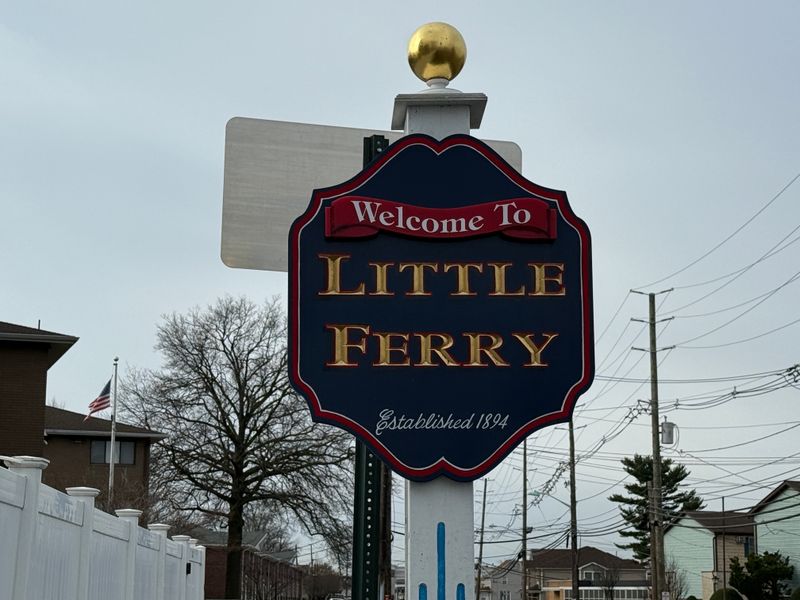
Little Ferry sits along the Hackensack River, and 215-217 Liberty St, Little Ferry, NJ 07643 rests near corridors where brickyard goods once moved by barge and rail.
The address today shows modest buildings in a mixed neighborhood, but the broader area reflects patterns of working waterfronts.
Historic records describe clay banks upstream, while small firms supplied pavers for streets that battled freeze and thaw.
Stand on the sidewalk and read the layers of construction in lintels, sills, and patched walls that hint at material reuse.
New Jersey’s northern yards favored hard pavers, and those bricks found markets across towns connected by streetcar lines.
The river meanders quietly now, yet its turning basins once staged heavy loads and echoed with hoists and whistles.
Local stories speak of night shifts and lantern lit kilns, which should be treated as community memory rather than archival proof.
Plan a short visit, take a careful look, and then wander toward public vantage points along the water for broader context.
Photographs work best when framed tight on textures, capturing hairline cracks and the warm drifts of iron in the clay.
Utility poles and curb cuts add clues about former spur lines or warehouse edges that have since been redeveloped.
The quiet here contrasts with the bustle described in early twentieth century news clippings that noted output by the carload.
If you enjoy maps, compare Sanborn sheets to current parcels and spot how yards shrank as fill extended the shoreline.
5. Batsto Village and the Pine Barrens Kiln Story
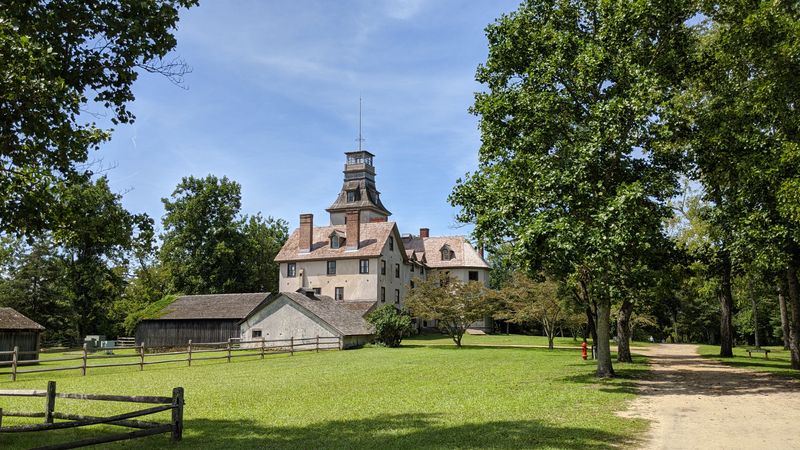
Batsto Village at 31 Batsto Rd, Hammonton, NJ 08037 anchors many Pine Barrens stories, from iron to glass, and it brushes the edges of brickmaking heritage.
While Batsto is best known for bog iron and glassworks, the region’s clay and sand form the raw palette that supported nearby kiln ventures.
Village buildings feature select brickwork for chimneys and functional details, which reveal how materials traveled through this sandy spine.
The visitor center shares verified history, program schedules, and trail guidance that help shape a calm day in the woods.
Interpretive signs discuss industrial cycles, and you can draw connections to brickyards that rose and fell with transport routes.
New Jersey travelers will appreciate how the site links resource extraction to craft and settlement, with buildings preserved for study.
Listen for wind in the pines as it moves grit across boardwalks, a sound that hints at kiln sands and dry sheds.
Photography works best in angled light, where clapboards and brick chimneys show crisp shadows against pale sky.
Traces of wagon roads run into the forest, and it takes little imagination to picture mule teams pulling heavy pallets.
The staff can point to seasonal programs that highlight materials, including masonry conservation and roofing techniques.
Always stay on marked paths and respect closures, since rare habitats sit close to human history in this landscape.
Winter visits bring clear air and fewer bugs, while summer offers long evenings and soft gold light under open canopies.
6. Herbertsville Clay Pits and Brick Patterns
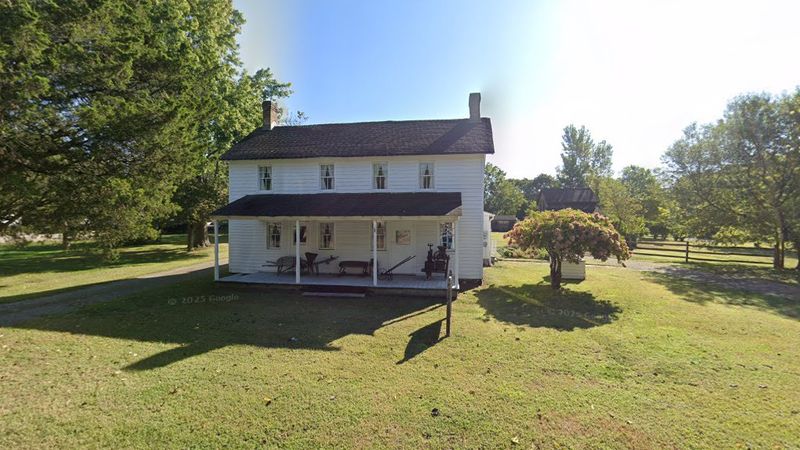
Herbertsville once sat near productive clay pits, and the corridor by 521 Herbertsville Rd, Brick, NJ 08723 still hints at that material legacy.
Old maps show outwash sands and clay seams that supported small kilns and supplied brick for shore towns and inland farms.
New Jersey shore growth later reshaped the landscape, yet brick details remain in chimneys, stoops, and garden walls along side streets.
Stand safely off the roadway and look at the color shifts in masonry that reveal repairs and recycled blocks from older structures.
Pavers with worn chamfers sometimes appear in drive edges, a subtle nod to the days when yards produced by the thousand.
Local history clubs collect photographs and contracts, but many sites are gone or hidden, so treat exact locations with care.
Rain brings out the iron in the clay and deepens the reds, which makes textures pop for photographers who love patterns.
The nearby Metedeconk River served as a route for small craft that moved materials when roads were rough and slow.
You can imagine workers raking sand beds and stacking green bricks under lean roofs, waiting for the right firing weather.
Legends mention a kiln that burned hot enough to glow across the flats, which remains a story rather than verified evidence.
7. Trenton’s Brick Traditions at William Trent House
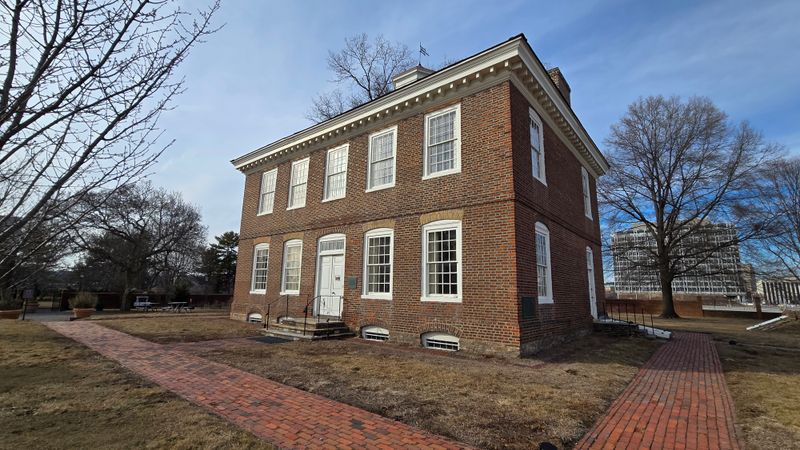
The William Trent House at 15 Market St, Trenton, NJ 08611 offers an elegant lens on early brick craft that later fed citywide industry.
Built in the early eighteenth century, the house shows careful bonds, gauged arches, and tidy joints that telegraph skilled hands.
Trenton later hosted brickyards that supplied building booms, and the house helps explain why brick became the language of the capital.
Docent led tours discuss verified construction history, restoration work, and regional trade routes that moved clay and lime.
Stand on the path and study window surrounds where bricks were cut and rubbed to sharpen the curves against the sky.
New Jersey travelers can connect these details to later factories that scaled up processes while preserving skilled finishing.
Nearby streets carry a mix of old and new masonry that speaks to fires, rebuilds, and evolving codes across centuries.
Bring a small notebook and sketch a bond pattern to spot variations elsewhere in the city during your walk.
Seasonal gardens add context because plantings frame sightlines that reveal repairs and mortar changes over time.
The museum posts current hours and events, so check schedules for quiet windows that favor close looking.
If you enjoy archival research, county records trace brick purchases that align with recognizable colors and surface sheen.
8. Mount Holly’s Old Schoolhouse and Brick Streets
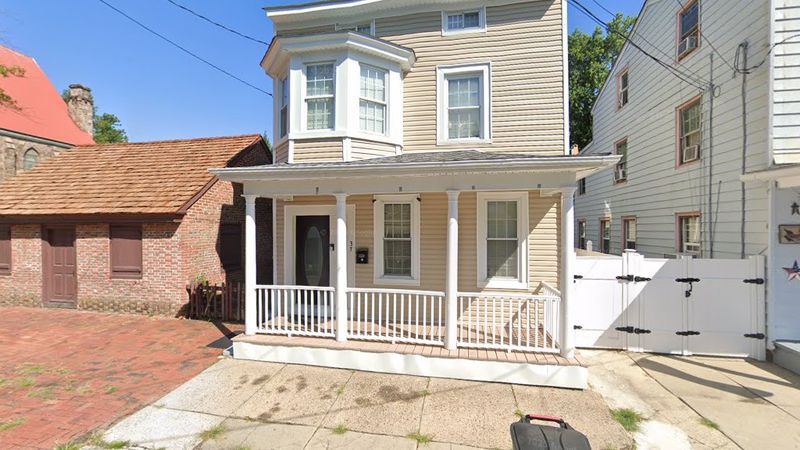
The Old Schoolhouse at 35 Brainerd St, Mount Holly, NJ 08060 sits within a district where brick lanes and walls speak to long craft traditions.
Though the building itself centers on education history, its setting showcases patterns and bonds common to regional yards.
Mount Holly drew on nearby clay and transport links, which helped pave streets and stabilize foundations through wet seasons.
Walk the block and watch how bricks shift in tone from rosy to chocolate, a palette that marks different firing conditions.
New Jersey towns often display this gradient because multiple yards supplied projects over decades of steady growth.
The schoolhouse has posted information about programs and community events that support preservation and local storytelling.
Photographers will find fine textures around sills and steps, where wear reveals aggregates and grains in the clay body.
Gentle light in late afternoon makes mortar joints glow, which helps you read the wall like a careful ledger.
Listen for church bells and traffic as a soft urban backdrop that contrasts with the quiet weight of brick.
Nearby shops add life to the scene without distracting from a close study of bonds, arches, and coping details.
Any tales about secret tunnels are best enjoyed as legends and not taken as confirmed features of the site.
Use the stop as a springboard to explore other historic corners where brick steadied mills, homes, and civic halls.
9. Weymouth Furnace Park and River Bricks
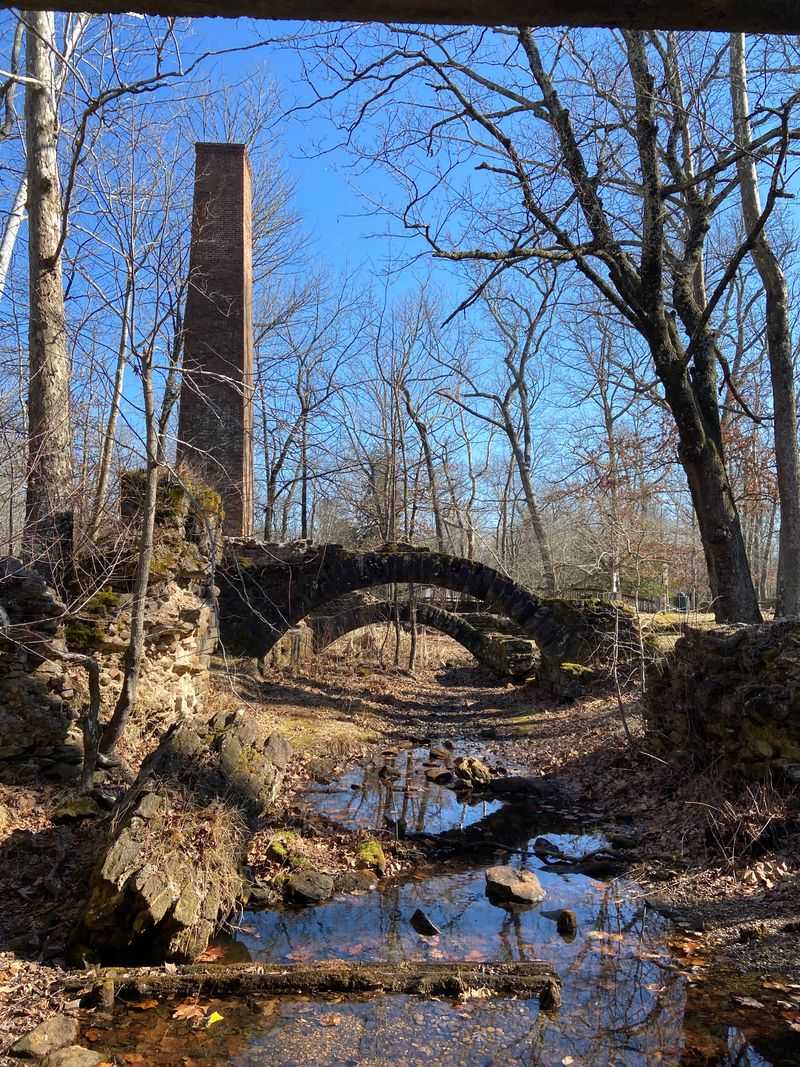
Weymouth Furnace Park at 2050 Weymouth Road, Mays Landing, NJ 08330 preserves iron furnace ruins, yet the setting also speaks to clay and brick in the river valley.
The remains include masonry that protected hot cores, and nearby soils provided materials for repairs and ancillary structures.
Walking paths follow the river where small shipments once moved, linking resource sites to workshops across Atlantic County.
Interpretive signs describe smelting, charcoal, and transport, and you can map those systems onto brickmaking methods with care.
New Jersey landscapes often stack industries, and this park shows how materials and labor overlapped along the same waters.
Photograph the arches and abutments to study how bricks and stone share loads, with rounded profiles that guide heat and stress.
Spring mornings bring soft light that lifts textures from the moss, while autumn adds warm hues to the masonry.
Listen for the river as it curls around piers and riffles, a steady sound that sets a slow walking pace.
It is easy to imagine kiln fires burning nearby, though specific brickyard locations are not confirmed within the park.
Respect rails, fences, and closed areas, since edges can be slippery and water levels shift after storms.
Pack a small notepad and sketch vents or openings that resemble kiln features, noting differences with guidance from signs.
The site pairs well with Batsto for a day that links furnaces, glassworks, and clay based crafts across the Pines.
Staff and volunteers keep current hours posted, which helps plan visits around shade and insect levels in summer.
The park makes history feel tangible without crowds or noise, offering a calm place to read the land.
You will leave with a clearer sense of how river power shaped both heat and clay in this corner of the state.
10. Matawan Stop for Rest and Brickwork Viewing
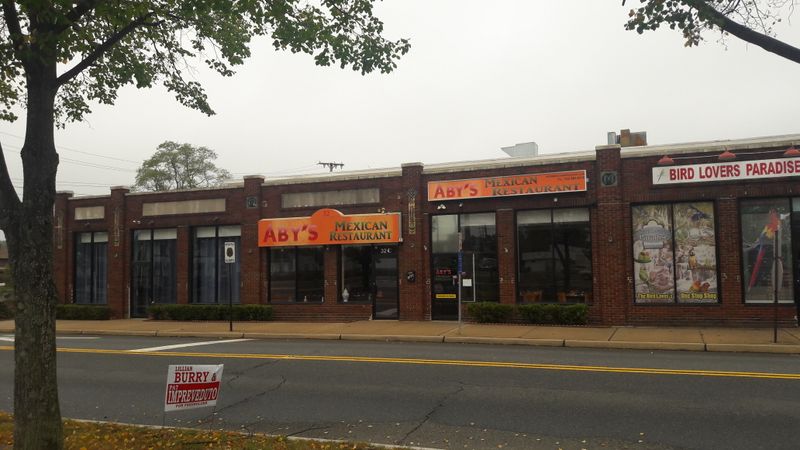
Matawan sits along Main Street where nineteenth century growth brought brick storefronts and tidy lintels, and 32 Main St, Matawan, NJ 07747 marks a handy pause point.
Aby’s Mexican Restaurant occupies a brick lined facade that echoes the town’s historic streetscape with warm tones and modest detailing.
This address gives a convenient landmark while you explore nearby blocks and note patterns that trace the old supply networks.
New Jersey travelers can take a break, admire the exterior, and plan the next leg to coastal or inland heritage sites.
Look for patched mortar, soldier courses, and small vents that suggest earlier heating systems behind the walls.
Main Street’s curves follow colonial routes, which later tied into rail lines that pressed brick into towns along the corridor.
Keep your lens on entrances, cornices, and window heads to capture textures without blocking pedestrian flow on the sidewalk.
Historic documents show orders for pavers and structural brick shipped through nearby depots to satisfy steady local demand.
Legends talk about hidden cells under storefronts, but treat that as lore until records show otherwise.
The building’s scale feels friendly, which makes a fine contrast to larger mills you will see in other stops.
Check current hours for the restaurant if you want to time your pass when the facade is evenly lit by shade.
Pair this landmark with coastal sites to understand how commerce along the bay linked to inland clay pits.
The result is a richer picture of how brick shaped neighborhoods, storefronts, and everyday routines in the region.clay.
11. Practical Tips for Exploring New Jersey Brick Heritage
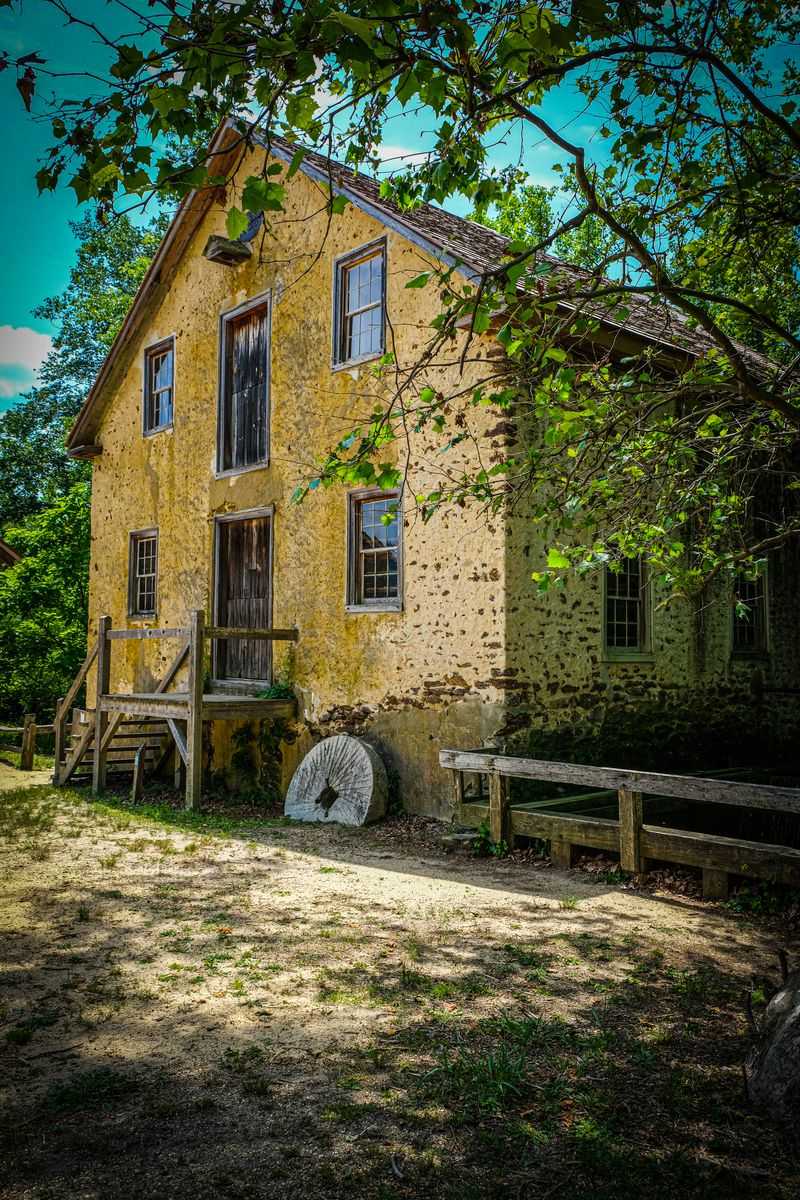
Start with a flexible route that links coastal towns, river nodes, and Pine Barrens clearings for balanced driving and walking.
Cluster visits so you can pair intact museums with outdoor ruins, which helps you compare craft details across settings.
Bring a small flashlight for reading mortar joints in shade and a soft brush to reveal stamped frogs on loose fragments without removal.
Keep footwear sturdy because sandy roads and uneven bricks can turn slick after rain or frost in New Jersey seasons.
Check hours for staffed sites like Hancock House, William Trent House, and Batsto Village to align with guided programs.
When photographing exteriors, avoid blocking entrances and frame details like arches, weeps, and bond changes from public sidewalks.
Record bond types in a notebook so you can spot Flemish, common, and header patterns as you move between towns.
Treat ghost stories as labeled folklore, and trust posted signs for access, safety, and conservation rules at each stop.
Leave no trace at ruins, resist moving bricks, and never cross fences, since fragile structures need gentle stewardship.
Use satellite maps to visualize former sidings and sheds, then compare to field views for a clearer historical picture.
Close each day by syncing notes and photos, which makes later research easy and keeps memories sharp.
This approach builds a vivid, true to 2025 snapshot of brickmaking routes threaded through the state’s towns and woods.
Dear Reader: This page may contain affiliate links which may earn a commission if you click through and make a purchase. Our independent journalism is not influenced by any advertiser or commercial initiative unless it is clearly marked as sponsored content. As travel products change, please be sure to reconfirm all details and stay up to date with current events to ensure a safe and successful trip.
