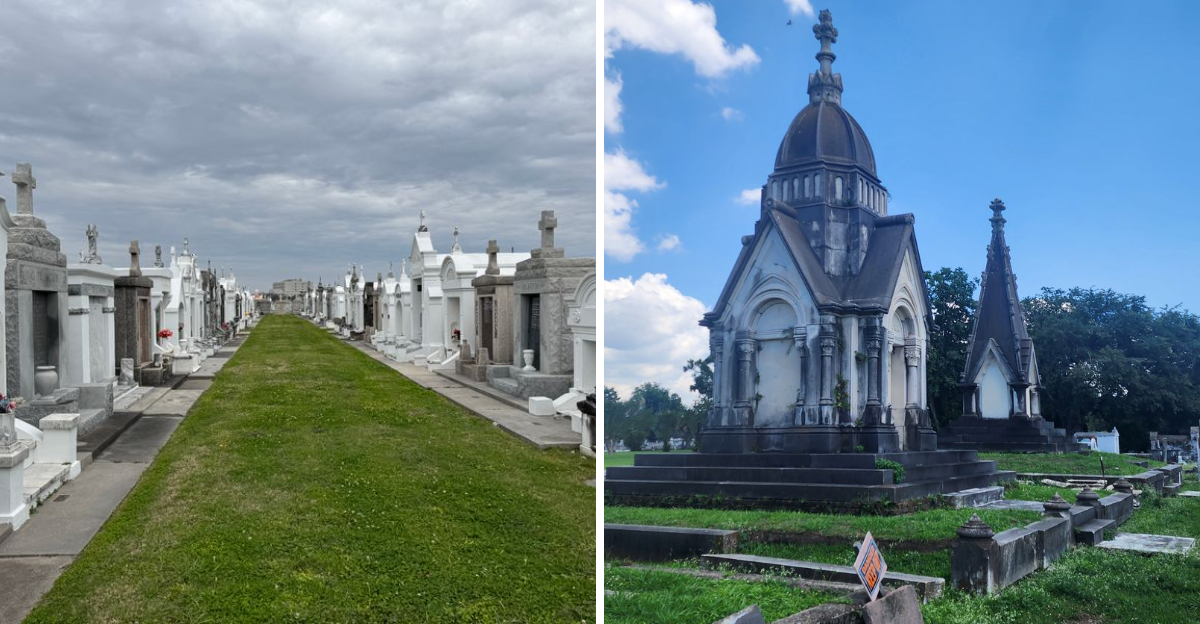
Louisiana’s burial grounds tell stories that textbooks simply cannot capture.
From elaborate above-ground tombs to humble potter’s fields, these sacred spaces reveal the unique culture and history of the Pelican State.
Locals don’t just visit these cemeteries for tours or photo opportunities.
They come to connect with their heritage, find peaceful moments among stunning architecture, and honor traditions passed down through generations.
Each cemetery on this list holds a special place in the hearts of Louisiana residents.
Whether you’re drawn to the ornate monuments of former racetracks or the intimate chapels adorned with offerings of faith, these burial grounds offer something truly unforgettable.
Walking through these historic sites feels like stepping into another era entirely.
The craftsmanship, the stories, and the atmosphere create experiences that stay with you long after you leave.
Ready to explore where history rests?
1. St. Louis Cemetery No. 3
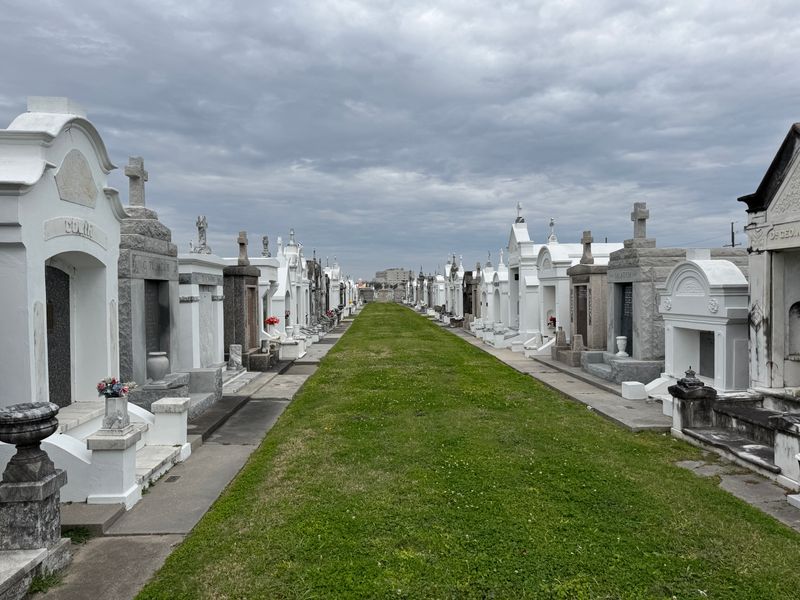
Esplanade Avenue hosts one of New Orleans’ most accessible historic burial grounds.
Unlike its more famous siblings, this cemetery welcomes visitors without requiring a paid tour guide.
That freedom makes it incredibly popular with locals who want a quiet place to reflect or take a leisurely stroll.
The above-ground mausoleums here showcase the distinctive burial traditions that make Louisiana cemeteries so recognizable.
Families built these elaborate structures to withstand the region’s high water table and frequent flooding.
Walking among the weathered marble and stone, you’ll notice how each tomb tells a different story through its architecture and inscriptions.
Many residents visit regularly, treating the grounds as both a historical site and a neighborhood park.
The peaceful atmosphere provides a welcome escape from the bustling city streets just beyond the gates.
Artists often come here to sketch the intricate details of the monuments.
Photographers capture the way sunlight filters through the old oak trees onto the pale tombs.
The address is 3421 Esplanade Avenue, making it easy to find and visit whenever the mood strikes.
Locals appreciate that they can drop by without advance planning or admission fees.
The cemetery serves as a living reminder of how New Orleans honors its departed while remaining open to the living.
2. Metairie Cemetery
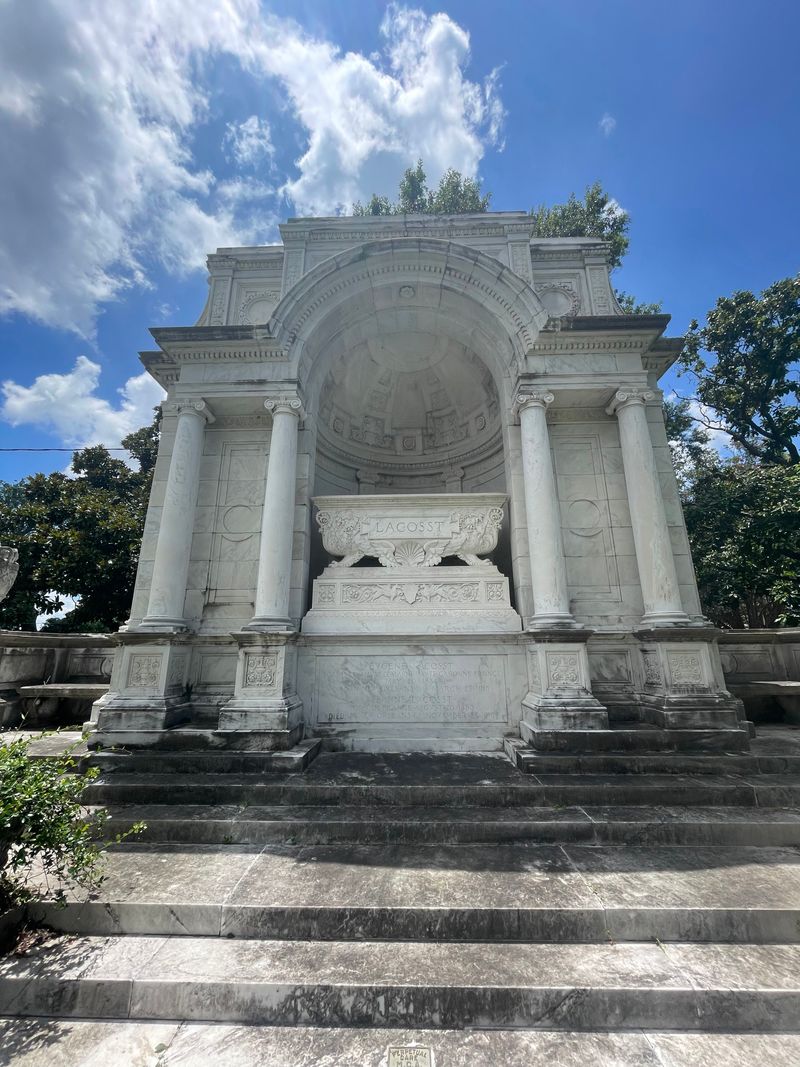
Once upon a time, horses raced where the departed now rest.
This transformation from racetrack to burial ground created one of the most unusual cemetery layouts you’ll ever encounter.
The oval shape still follows the original track’s path, giving the entire space a distinctive circular flow.
Residents flock here to admire what many call an open-air museum of funerary art.
The monuments range from simple elegance to absolutely breathtaking opulence.
Some families commissioned sculptures that rival anything you’d find in major art galleries.
Egyptian pyramids, Gothic chapels, and classical Greek temples all coexist within these grounds.
Walking through feels like traveling across centuries and continents without ever leaving Louisiana.
Best of all, admission costs nothing.
Anyone can wander the paths and appreciate the craftsmanship on display.
Local history buffs often bring visitors here to showcase the unique character of New Orleans burial traditions.
The cemetery sits at 5100 Pontchartrain Boulevard, easily accessible from multiple neighborhoods.
Architecture students study the various styles represented in the monuments.
Families picnic on the grassy areas between sections, treating the space as both memorial and gathering place.
The combination of history, art, and accessibility makes this a beloved community resource that transcends its original purpose.
3. St. Roch Cemetery No. 1
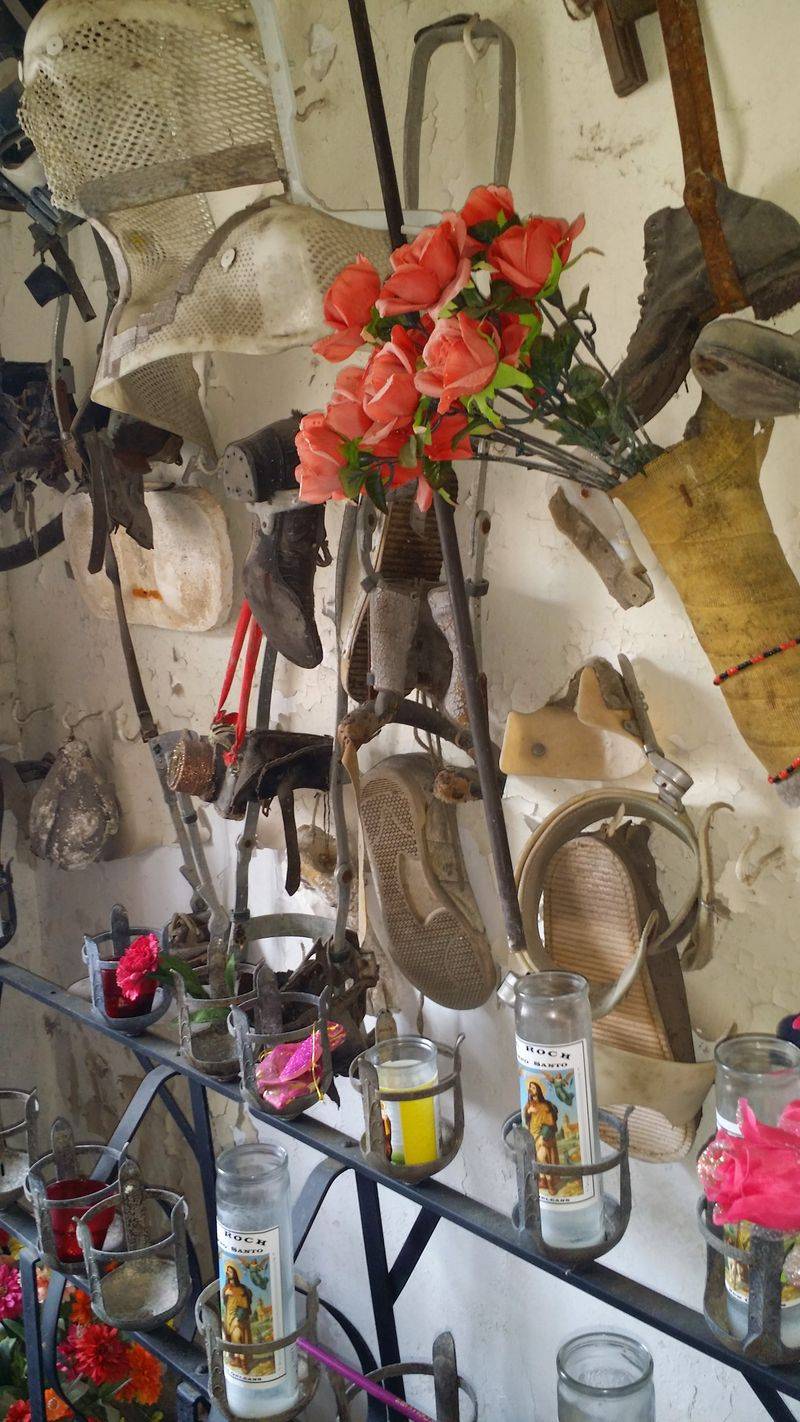
Faith and healing converge in this deeply personal burial ground.
The chapel here draws visitors who seek something beyond typical cemetery experiences.
Inside, walls display countless ex-voto offerings left by believers who credit divine intervention for their recoveries.
Crutches, braces, and handwritten notes of gratitude create a powerful visual testament to hope and miracles.
Neighborhood residents consider this cemetery their own special place, less touristy than other historic sites.
The intimate scale makes every visit feel personal rather than overwhelming.
You won’t find massive crowds here, just individuals and families coming to pray, remember, or simply sit quietly.
The tradition of leaving offerings continues today, keeping the chapel’s walls constantly evolving.
Some items date back generations, while others arrived just recently.
Located at 1725 St. Roch Avenue, the cemetery remains deeply embedded in its surrounding community.
Local families have maintained connections to this site across multiple generations.
The grounds feel less like a tourist attraction and more like a living tradition still practiced daily.
Visitors often report feeling moved by the tangible evidence of answered prayers displayed throughout the chapel.
The combination of spiritual significance and neighborhood pride makes St. Roch a truly unique destination that locals treasure and willingly share with respectful visitors.
4. Lafayette Cemetery No. 1
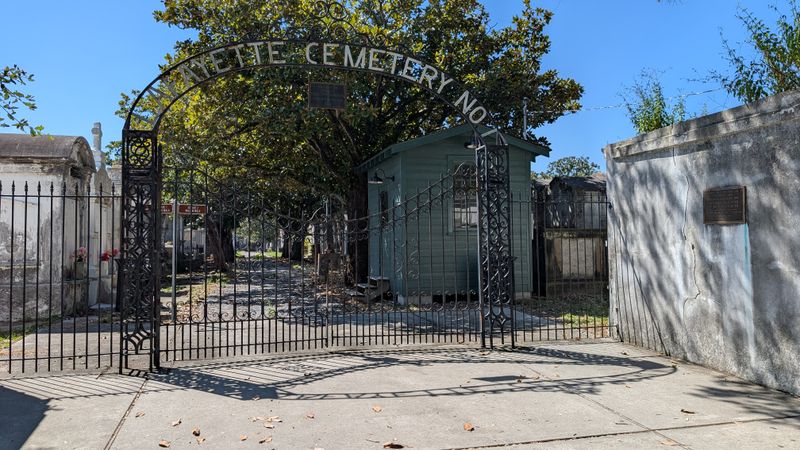
Garden District elegance extends even to its final resting places.
This non-denominational cemetery serves as the eternal home for many prominent New Orleans families whose names still grace city streets and buildings.
The walls surrounding the grounds create an enclosed world where time seems to move differently.
Moss grows on the older tombs, adding a hauntingly beautiful patina that photographers absolutely adore.
The atmosphere here strikes a perfect balance between melancholy and peaceful.
Locals often walk through after visiting nearby cafes or shops, incorporating cemetery visits into their regular routines.
The above-ground vaults stand in neat rows, creating corridors that invite exploration.
Each family tomb reflects the social standing and aesthetic preferences of its occupants.
Some feature elaborate ironwork, while others rely on simple inscriptions to convey their messages.
The cemetery’s location at 1416 Washington Avenue places it right in the heart of one of New Orleans’ most beautiful neighborhoods.
Many residents consider a stroll through Lafayette Cemetery as essential to understanding Garden District history as touring the grand homes.
The grounds have appeared in numerous films and television shows, yet they remain authentically connected to the community.
Locals appreciate that visitors treat the space with respect rather than just using it as a backdrop.
The enduring beauty and historical significance ensure this cemetery remains a cherished landmark.
5. Holt Cemetery
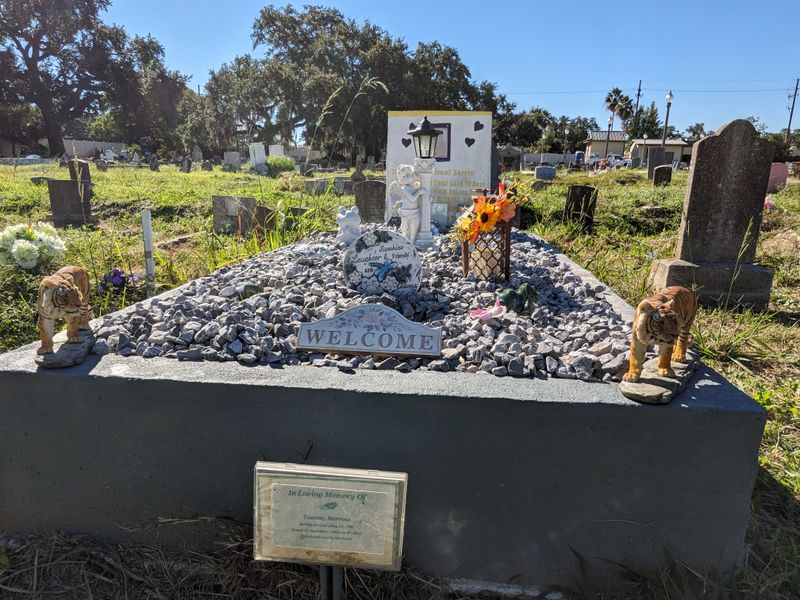
Not every cemetery gleams with marble and bronze.
Holt Cemetery serves those who couldn’t afford elaborate monuments, creating a completely different kind of beauty.
Families decorate graves with personal belongings, photographs, toys, and handmade markers that reveal intimate details about the departed.
This tradition transforms the grounds into something profoundly moving and deeply human.
A child’s grave might feature favorite toys and cartoon characters.
An adult’s resting place could display work tools, sports memorabilia, or religious icons.
The effect creates a patchwork of memories that speaks volumes about love, loss, and community bonds.
Locals visit not just to pay respects to their own family members but to witness this unique expression of grief and remembrance.
The cemetery stands as a powerful counterpoint to the grand mausoleums found elsewhere in New Orleans.
Here, wealth doesn’t determine how lovingly someone is remembered.
The address is 635 City Park Avenue, situated in a neighborhood that understands the value of this unpretentious space.
Artists and folklorists study the decorative traditions practiced here.
Sociologists examine how communities create meaning through material culture.
But for local families, Holt simply represents where their loved ones rest.
The poignant sense of connection visitors feel here proves that monuments need not be grand to be meaningful or beautiful in their own right.
6. Cypress Grove and Greenwood Cemeteries
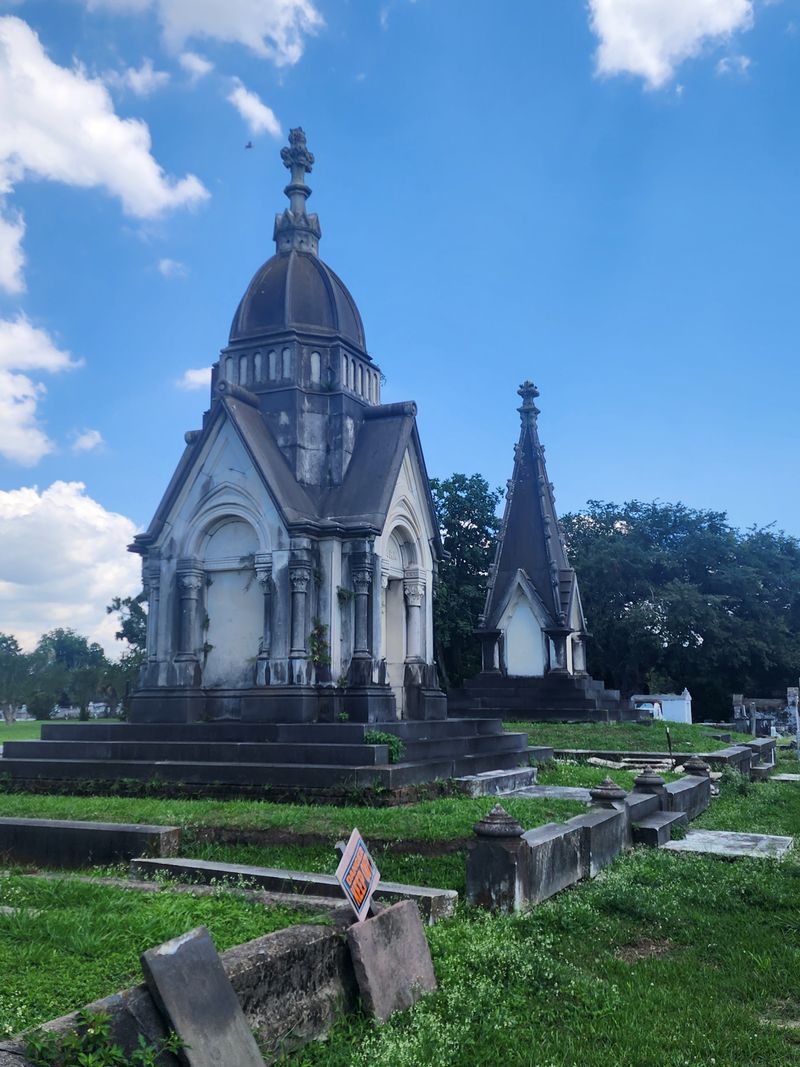
Two cemeteries stand side by side, creating a sprawling landscape of memorial art.
Cypress Grove and Greenwood share a border on Canal Street, making them easy to visit together in one trip.
The Canal Street streetcar drops visitors right at the entrance, offering convenient public transportation access.
Locals appreciate this accessibility, especially those who want to visit family graves without driving.
Both cemeteries feature spectacular rows of above-ground tombs that showcase various architectural styles and periods.
Some monuments reach impressive heights, while others spread horizontally with multiple chambers for different family members.
The sheer variety keeps every visit interesting, even for people who’ve been coming here for years.
These grounds serve as significant landmarks in the local area, helping residents navigate and orient themselves.
When giving directions, people often reference the cemeteries as major points along Canal Street.
The combination of historical significance and everyday utility makes these burial grounds truly integrated into community life.
Located at 120 City Park Avenue, the cemeteries remain well-maintained and welcoming to visitors.
Genealogy researchers often start their New Orleans family history investigations here.
The records and monuments provide crucial information about early settlers and their descendants.
Morning visits offer the best light for photography and the coolest temperatures for comfortable walking.
The adjacent layout and streetcar access make these cemeteries particularly popular with locals who value convenience alongside historical interest.
7. St. John’s Historic Cemetery
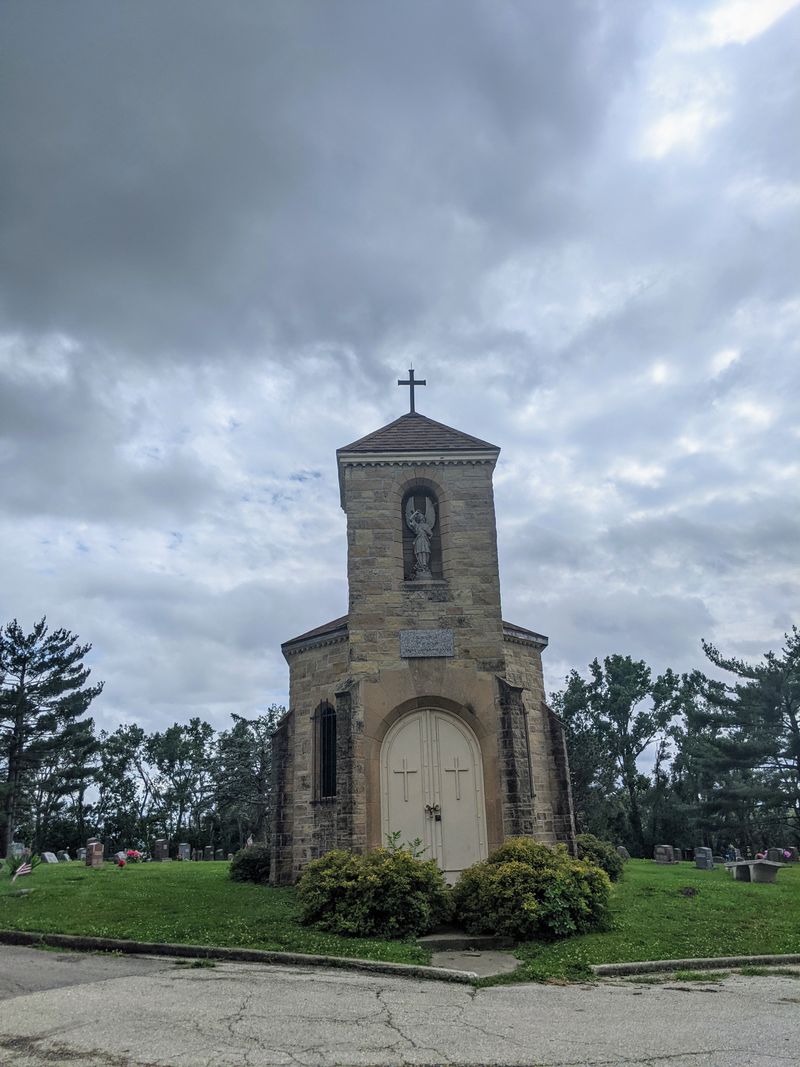
Thibodaux holds treasures that extend beyond its charming downtown.
St. John’s Historic Cemetery claims the distinction of being one of the oldest Episcopalian burial grounds west of the Mississippi River.
That historical significance draws locals who take pride in their community’s deep roots.
The cemetery predates many of the buildings and institutions that now define the area.
Walking through these grounds means tracing the earliest European settlement patterns in this part of Louisiana.
The markers tell stories of pioneers, planters, and everyday people who built communities from wilderness.
Many Thibodaux families maintain connections to graves here spanning multiple generations.
Sunday visits after church services remain a common tradition for some residents.
The cemetery serves as a tangible link between past and present, helping younger generations understand where they come from.
Unlike the grand New Orleans cemeteries, St. John’s maintains a quieter, more intimate character.
The grounds reflect small-town values and close-knit community bonds.
Located at 718 Jackson Street in Thibodaux, the cemetery remains easily accessible to local residents.
History teachers sometimes bring students here for lessons about local heritage and genealogy research methods.
The peaceful setting provides a contemplative space away from modern distractions.
For residents of Thibodaux and surrounding areas, St. John’s represents more than just a cemetery.
It embodies the community’s commitment to preserving and honoring its unique history and the people who shaped it.
8. Port Hudson National Cemetery
Zachary residents speak with reverence about their national cemetery.
Port Hudson serves as the final resting place for veterans who served their country across multiple generations and conflicts.
The immaculate maintenance immediately strikes every visitor.
Perfectly aligned headstones stretch across manicured lawns, creating a powerful visual statement about honor and sacrifice.
Locals consistently praise the cleanliness and peaceful atmosphere maintained here.
Many residents make regular visits to pay respects to family members or simply to reflect in the tranquil surroundings.
The grounds provide a solemn reminder of the costs of freedom and the debt owed to those who served.
Veterans groups hold ceremonies here throughout the year, especially on Memorial Day and Veterans Day.
These gatherings strengthen community bonds and ensure younger generations understand military service and sacrifice.
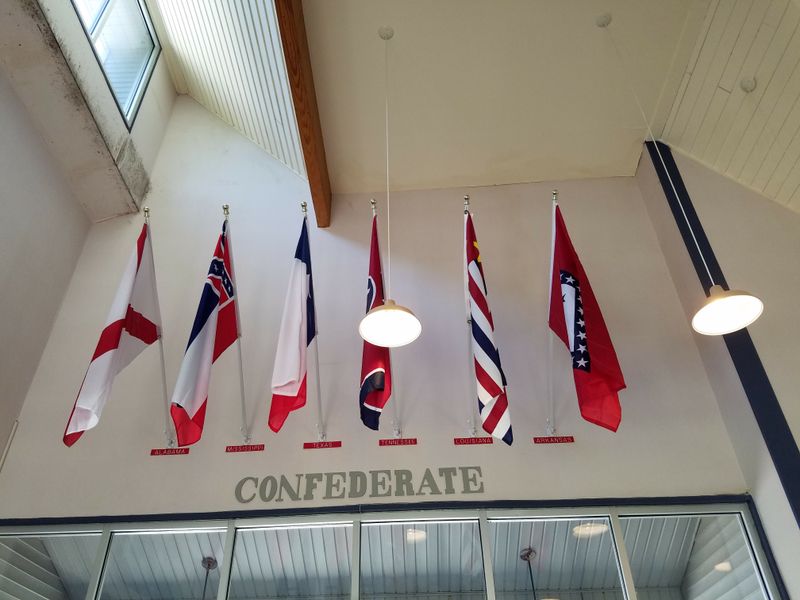
The cemetery’s connection to the Civil War Battle of Port Hudson adds another layer of historical significance.
That battle represented a crucial moment in the Union’s campaign to control the Mississippi River.
Located at 20978 Port Hickey Road in Zachary, the cemetery welcomes visitors during daylight hours.
Families often bring children here to teach them about respect, history, and civic duty.
The quiet dignity of the place encourages contemplation rather than casual tourism.
For local residents, Port Hudson National Cemetery represents a sacred trust.
The community takes pride in this well-maintained tribute to those who gave their lives in service.
9. St. Louis Cemetery No. 1
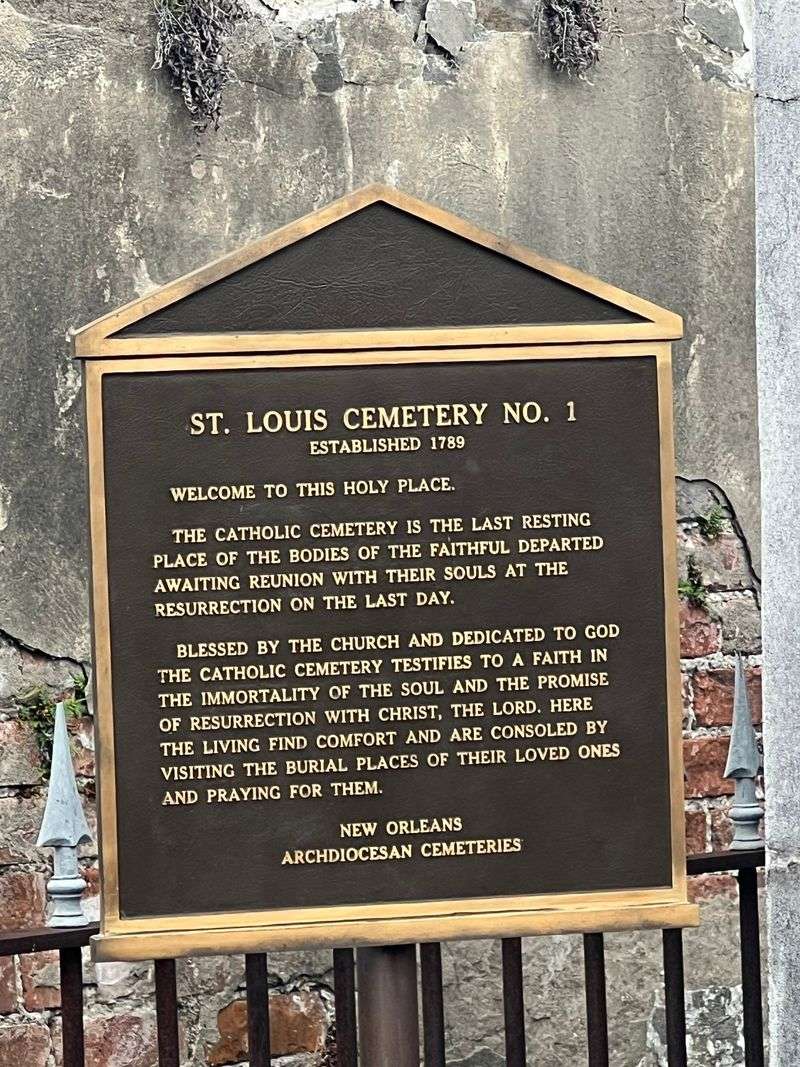
New Orleans’ oldest surviving cemetery carries legendary status.
St. Louis Cemetery No. 1 holds the remains of countless historical figures, most famously the Voodoo Queen Marie Laveau.
Her tomb attracts visitors from around the world, though locals have mixed feelings about the attention.
Preservation concerns led to new rules requiring official guided tours for entry.
While some residents miss the days of free access, most understand the necessity of protecting these fragile structures.
Vandalism and deterioration threatened to destroy irreplaceable historical monuments before the restrictions took effect.
Tours can be reserved through the Official Tour website or organizations like Save Our Cemeteries.
These guided visits provide context and stories that help visitors appreciate what they’re seeing.
Local guides often share family connections to the cemetery, making tours feel personal rather than scripted.
The narrow pathways between tombs create an almost maze-like experience.
Every turn reveals another architectural detail or historical inscription worth examining.
Located at 425 Basin Street, the cemetery sits near the French Quarter but feels worlds away from the tourist bustle.
Many New Orleans natives have ancestors buried here, maintaining deep personal connections to the grounds.
The cemetery represents the beginning of the city’s distinctive above-ground burial tradition.
Despite the tour requirements, locals continue visiting to honor their heritage and share their city’s unique funerary customs with interested visitors who approach the space respectfully.
10. St. Louis Cemetery No. 2
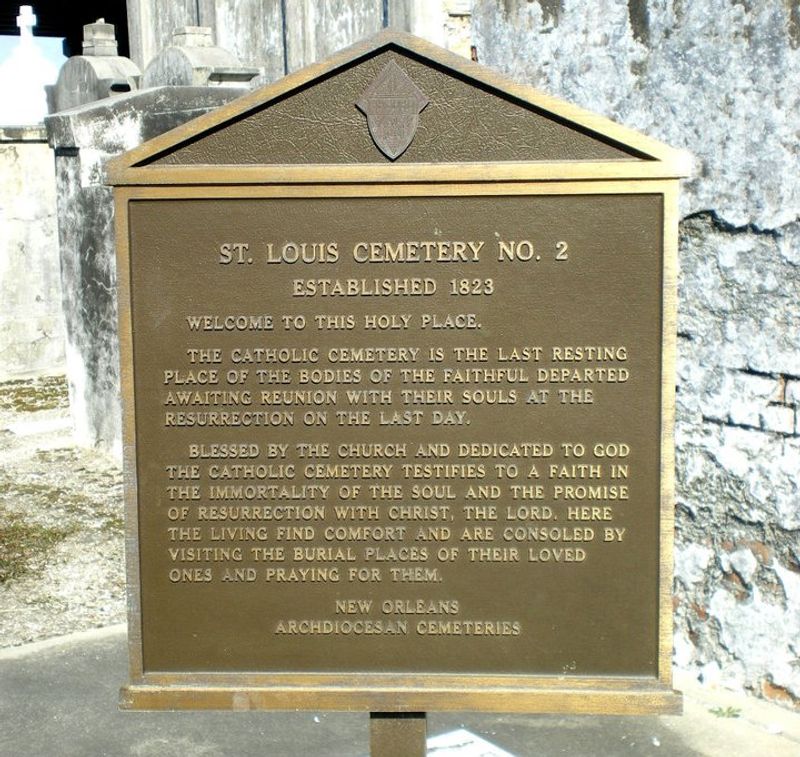
Treme’s historic heart beats strong around this expansive burial ground.
St. Louis Cemetery No. 2 serves as one of the earliest Creole cemeteries, reflecting the cultural richness of Louisiana’s mixed heritage.
The neighborhood surrounding the cemetery remains deeply connected to African American history and traditions.
Currently, visitors can view the grounds from the fence that surrounds the property.
This limited access protects the monuments while still allowing people to appreciate the site’s historical importance.
Occasional tours provide opportunities to explore inside for those wanting deeper engagement.
These special access events fill quickly because locals understand the significance of what lies within.
The cemetery contains the graves of many important figures in Creole and African American history.
Musicians, civil rights pioneers, and community leaders rest here alongside everyday families.
The tombs reflect various economic levels, from simple markers to elaborate family monuments.
This diversity tells a more complete story than cemeteries that only showcase wealthy families.
The address is 720 St. Louis Street, placing it firmly within Treme’s historic boundaries.
Neighborhood residents pass by regularly, often pausing to look through the fence at family tombs.
The connection between cemetery and community remains strong despite access limitations.
Preservationists work constantly to maintain and restore damaged monuments.
For locals, St. Louis Cemetery No. 2 represents an essential piece of their cultural identity and neighborhood history that must be protected for future generations.
Dear Reader: This page may contain affiliate links which may earn a commission if you click through and make a purchase. Our independent journalism is not influenced by any advertiser or commercial initiative unless it is clearly marked as sponsored content. As travel products change, please be sure to reconfirm all details and stay up to date with current events to ensure a safe and successful trip.
