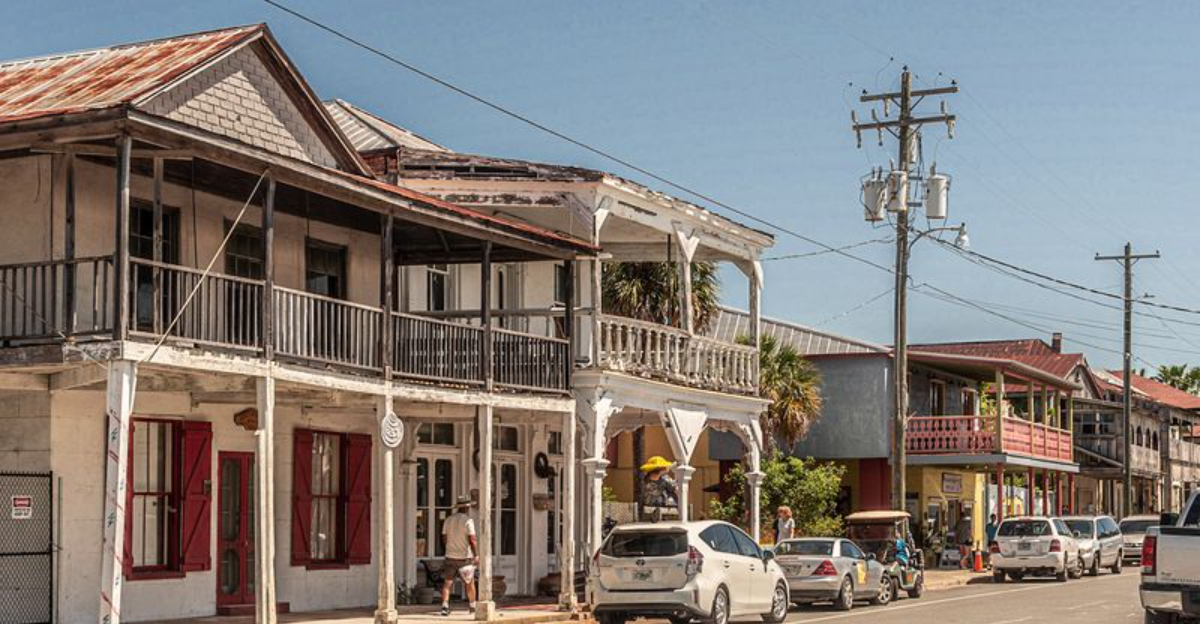
Florida’s historic towns offer more than just sunshine and beaches.
They transport visitors back in time with cobblestone streets, centuries-old architecture, and stories that shaped America.
Walking through these preserved communities feels like stepping into a time machine where Spanish conquistadors, pirates, and pioneers once roamed.
Each town has maintained its unique character while welcoming modern travelers eager to experience authentic history.
From the oldest continuously inhabited European settlement to charming villages frozen in the 1800s, these destinations prove that Florida’s heritage runs deeper than most people realize.
You’ll find restored buildings that have witnessed wars, natural disasters, and cultural transformations yet still stand proud today.
Local museums, historic homes, and knowledgeable guides bring the past to life in ways textbooks never could.
Whether you’re a history enthusiast or simply seeking a break from theme parks, these towns deliver unforgettable experiences.
The blend of preservation and accessibility makes them perfect for families, school trips, or solo adventures.
Get ready to explore some remarkable Florida towns where every corner tells a story and history isn’t just remembered; it’s lived every single day.
1. St. Augustine – America’s Oldest City
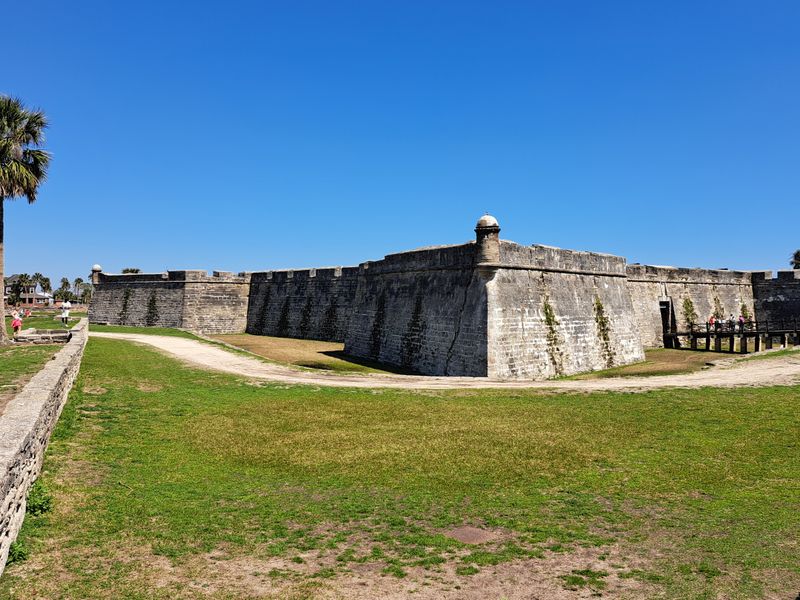
Founded in 1565 by Spanish explorer Pedro Menéndez de Avilés, St. Augustine holds the distinguished title of the oldest continuously occupied European settlement in the continental United States.
Walking through its narrow brick-lined streets feels like traveling through four and a half centuries of American history.
The imposing Castillo de San Marcos, located at 1 South Castillo Drive, stands as the oldest masonry fort in the country and has never been captured by enemy forces.
The city’s colonial quarter preserves dozens of buildings from the Spanish and British colonial periods, many now serving as museums, shops, and restaurants.
Visitors can explore the Oldest Wooden School House at 14 St. George Street, built over 200 years ago from cypress and cedar held together by wooden pegs.
The historic district’s architecture showcases coquina stone construction, a unique material made from compressed shells that proved remarkably resilient against cannon fire.
Flagler College, housed in the former Ponce de León Hotel at 74 King Street, displays stunning Spanish Renaissance architecture with Tiffany stained glass windows.
The building itself represents the Gilded Age when railroad magnate Henry Flagler transformed Florida into a tourist destination.
Guided tours reveal the hotel’s original grandeur and its role in shaping modern Florida.
St. George Street offers a pedestrian-only experience where costumed interpreters demonstrate colonial crafts and trades.
The Spanish Military Hospital Museum at 3 Aviles Street recreates 18th-century medical practices, while the Ximenez-Fatio House shows how a boarding house operated in the 1800s.
Every corner reveals another layer of history, from Fountain of Youth Archaeological Park to the colonial cemetery, making St. Augustine an immersive journey through time that captivates visitors of all ages with its authentic preservation and educational opportunities.
2. Fernandina Beach – Victorian Seaport Charm
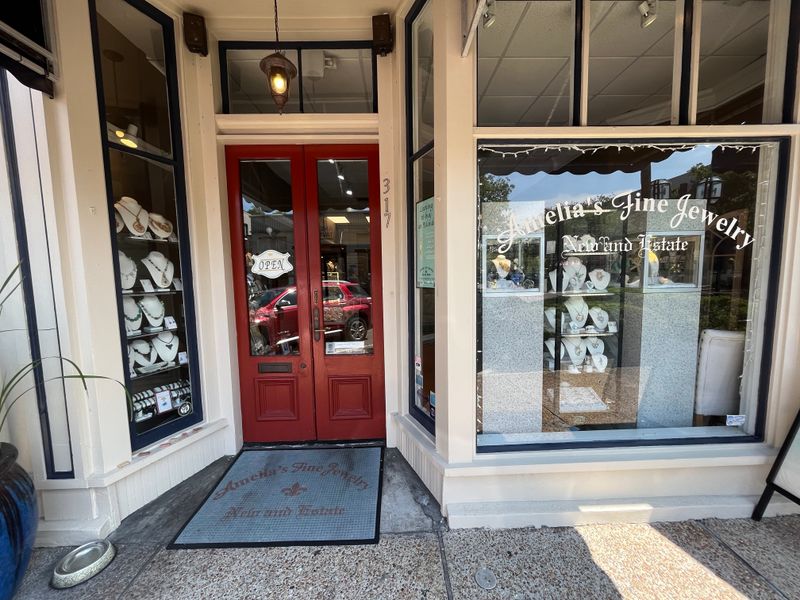
Perched on Amelia Island, Fernandina Beach boasts a 50-block historic district filled with Victorian-era buildings that transport visitors to Florida’s golden age of maritime commerce.
This charming seaport town earned its place in history as the only American city to have flown eight different flags, representing various nations that claimed sovereignty over the centuries.
The downtown area along Centre Street showcases impeccably preserved 19th-century architecture with ornate details, wraparound porches, and colorful facades.
The Palace Saloon at 117 Centre Street claims to be Florida’s oldest continuously operating bar, serving patrons since 1903 in a building featuring a stunning 40-foot hand-carved mahogany bar.
Walking these streets reveals stories of lumber barons, shrimping fleets, and railroad expansion that once made Fernandina Beach one of Florida’s most prosperous ports.
The Amelia Island Museum of History at 233 South 3rd Street offers guided tours through eight flags of heritage and displays artifacts from Native American settlements through modern times.
Fort Clinch State Park, located at 2601 Atlantic Avenue, features a remarkably well-preserved Civil War-era fort where costumed reenactors portray Union soldiers going about daily garrison life.
Visitors can explore barracks, prison cells, and fortifications while learning about military strategy and soldier experiences.
The fort’s candlelight tours provide an especially atmospheric experience.
The historic district’s bed and breakfasts occupy restored Victorian mansions, offering guests authentic period accommodations.
Annual events like the Isle of Eight Flags Shrimp Festival celebrate the town’s maritime heritage with parades, seafood, and historical demonstrations.
Fernandina Beach successfully balances preservation with modern amenities, creating a destination where history feels alive rather than merely displayed, making it perfect for those seeking both relaxation and cultural enrichment in a beautifully maintained seaside setting.
3. Mount Dora – New England in Central Florida
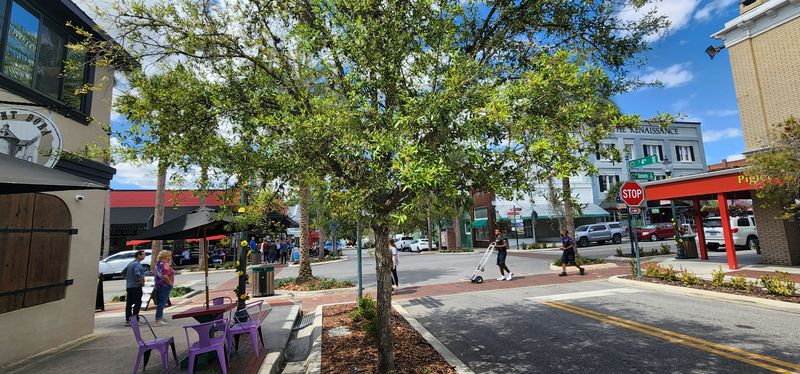
Nestled among rolling hills and sparkling lakes, Mount Dora seems transplanted from New England rather than typical flat Florida terrain.
This enchanting town, incorporated in 1910, features tree-lined streets, historic buildings, and a downtown that feels frozen in a gentler era.
The elevation changes and Victorian architecture create an atmosphere distinctly different from most Florida communities, earning it the nickname “Festival City” for its year-round cultural celebrations.
Downtown Mount Dora’s antique shops and boutiques occupy buildings dating back over a century, with the Lakeside Inn at 100 North Alexander Street standing as one of Florida’s oldest continuously operating hotels since 1883.
The inn’s wraparound porches and period furnishings offer guests an authentic taste of old Florida hospitality.
Donnelly House at 450 Donnelly Street serves as a museum showcasing life in early 20th-century Mount Dora with original furnishings and family photographs.
The Mount Dora Trolley provides narrated tours past historic homes, churches, and landmarks while sharing stories of the town’s founding families and development.
Visitors learn about the citrus industry’s impact, the arrival of the railroad, and how the town became a winter retreat for wealthy northerners.
The historic train depot now houses the Chamber of Commerce and serves as a reminder of the town’s transportation heritage.
Fifth Avenue’s brick-paved streets host art galleries, cafes, and shops in beautifully maintained buildings adorned with flower boxes and vintage signage.
The Mount Dora Center for the Arts at 138 East 5th Avenue occupies a renovated 1920s building and showcases regional artists.
Lighthouse tours at Grantham Point offer panoramic views while explaining the town’s connection to Lake Dora’s navigation history.
With its small-town charm, preserved architecture, and genuine community spirit, Mount Dora delivers a refreshing alternative to Florida’s typical tourist destinations.
4. Micanopy – Florida’s Oldest Inland Town
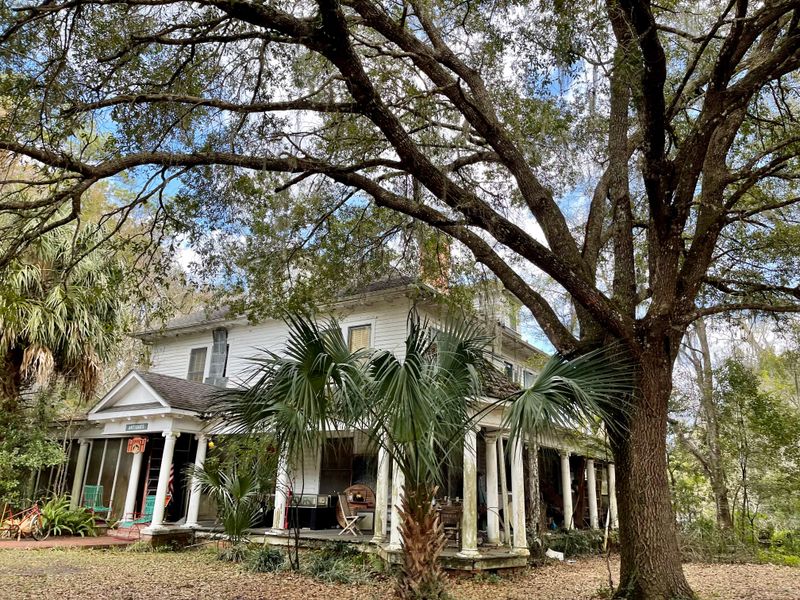
Established in 1821, Micanopy holds the distinction of being Florida’s oldest inland town, and it wears its age beautifully.
This tiny community of fewer than 1,000 residents has preserved its 19th-century character so well that Hollywood has used it as a filming location for movies requiring authentic old Florida settings.
The town’s main street, Cholokka Boulevard, stretches just a few blocks but packs tremendous historical significance into its antique shops and weathered storefronts.
Named after Seminole Chief Micanopy, the town’s history intertwines with Native American heritage, Spanish colonization, and frontier settlement.
The Herlong Mansion at 402 Northeast Cholokka Boulevard, built in the 1840s and expanded in 1910, now operates as a bed and breakfast showcasing Greek Revival and Colonial Revival architecture.
Guests sleep in rooms filled with period antiques and wake to Southern breakfasts in a home that has witnessed nearly two centuries of Florida history.
The Micanopy Historical Society Museum, located in an old warehouse, displays artifacts from prehistoric Native American cultures through pioneer days and the Civil War era.
Exhibits include tools, photographs, and personal items that illustrate daily life in frontier Florida.
The town’s compact size makes it perfect for leisurely walking tours where every building has a story.
Moss-draped oak trees create a canopy over streets where time seems to have stopped around 1900.
Antique dealers have transformed historic buildings into treasure troves of vintage furniture, books, and collectibles.
The nearby Paynes Prairie Preserve State Park at 100 Savannah Boulevard offers trails through landscapes similar to what early settlers encountered.
Micanopy’s authenticity stems from being a living community rather than a recreated attraction, where residents go about their lives in buildings their great-grandparents knew, creating an atmosphere of genuine historical continuity rarely found in modern America.
5. Apalachicola – Maritime Heritage and Oyster Capital
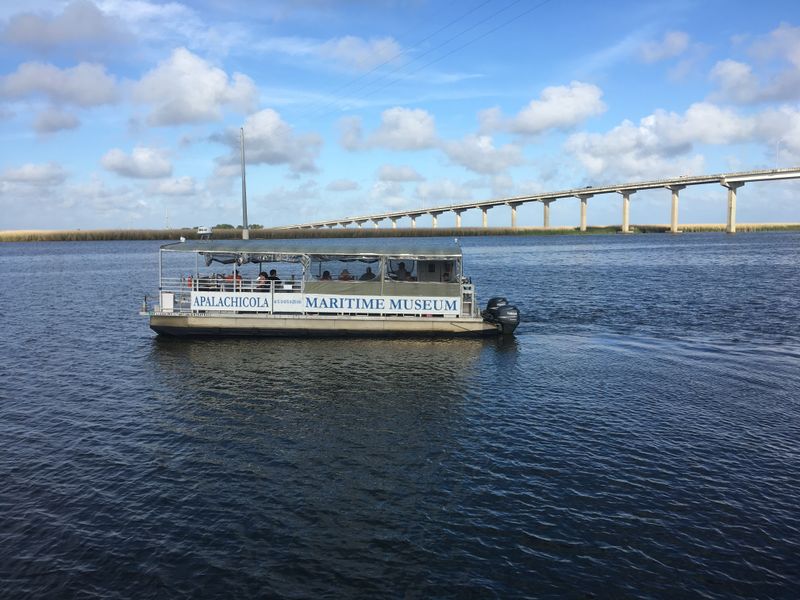
Situated along Florida’s forgotten coast, Apalachicola thrived as a major cotton port in the 1800s and remains remarkably unchanged since its heyday.
The entire downtown district features over 200 buildings on the National Register of Historic Places, representing one of Florida’s best-preserved collections of 19th-century architecture.
Narrow streets lined with brick storefronts, tin-roofed warehouses, and Victorian homes tell the story of a once-booming port that time forgot, preserving its character for modern visitors.
The John Gorrie Museum at 46 6th Street honors the town’s most famous resident, who invented mechanical refrigeration and air conditioning while working as a physician in the 1840s.
His innovations changed the world, yet he died in poverty, unrecognized for his genius.
The small museum displays his original ice-making machine and explains how his work revolutionized medicine, food preservation, and eventually made Florida’s modern development possible.
Apalachicola’s identity remains tied to its oyster industry, which has harvested the bay’s exceptional shellfish for generations.
The Apalachicola Maritime Museum at 103 Water Street explores this heritage through exhibits on boat building, fishing techniques, and the ecology of Apalachicola Bay.
Visitors learn how the unique freshwater-saltwater mix creates perfect oyster conditions and how traditional tonging methods continue today.
Walking tours reveal Greek Revival mansions built by cotton merchants, the 1838 Raney House Museum at 128 Market Street with period furnishings, and the Trinity Episcopal Church constructed in 1838.
The historic downtown’s shops and restaurants occupy buildings where merchants once traded cotton, lumber, and seafood.
Commercial fishing boats still dock along the waterfront, maintaining the town’s working-port atmosphere.
Apalachicola offers visitors a rare glimpse into coastal Florida before tourism dominated, where history and tradition guide daily life and preservation efforts have protected an irreplaceable architectural legacy for future generations to experience and appreciate.
6. Cedar Key – Island Time Capsule
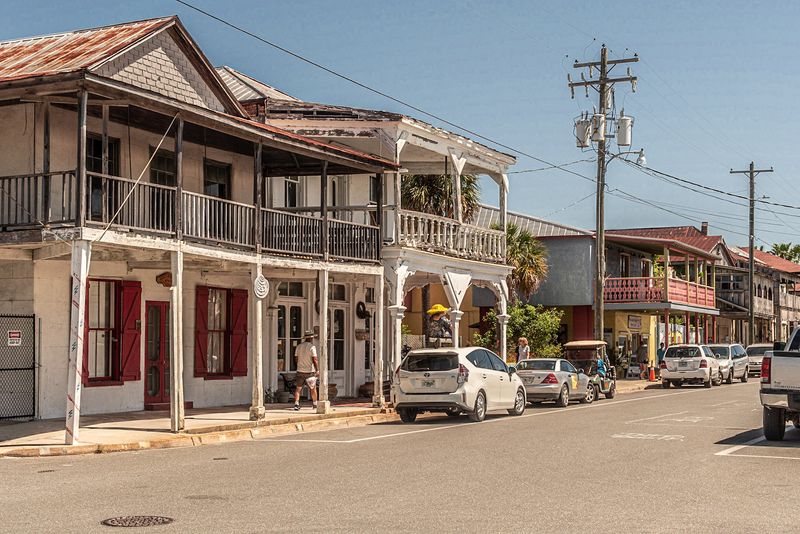
Accessible only by a single causeway, Cedar Key exists as an island outpost where Florida’s past remains vibrantly present.
This remote fishing village peaked in the 1880s as a major port for shipping cedar lumber and pencil manufacturing, then faded into obscurity when resources depleted and railroads bypassed it.
That economic decline ironically preserved the town’s 19th-century character, creating a destination that feels authentically vintage rather than artificially restored.
The Cedar Key Historical Society Museum at 609 2nd Street occupies an 1871 building and chronicles the town’s boom years through photographs, artifacts, and exhibits on the pencil industry, sponge diving, and railroad history.
Visitors discover how this tiny island once produced millions of pencils annually and served as a Confederate supply port during the Civil War.
The museum’s collection includes Native American artifacts from nearby shell mounds dating back thousands of years.
Downtown’s weathered buildings along Dock Street house seafood restaurants, art galleries, and shops that maintain the town’s laid-back fishing village vibe.
Many structures date to the late 1800s, with wooden construction, tin roofs, and porches overlooking the Gulf of Mexico.
The Island Hotel at 224 2nd Street, Florida’s oldest operating hotel, has welcomed guests since 1859 in a building that has survived hurricanes, fires, and economic ups and downs.
Cedar Key’s isolation has protected it from overdevelopment, keeping the town small, quiet, and remarkably unchanged.
Fishing boats still dominate the waterfront, and clam farming remains a primary industry alongside tourism.
The Cedar Key National Wildlife Refuge encompasses nearby islands where visitors can explore pristine coastal ecosystems similar to what early settlers encountered.
Without chain stores or high-rise condos, Cedar Key offers a genuine glimpse into old Florida coastal life, where sunsets are watched from wooden docks and time moves at the slow, steady pace of tides and seasons.
7. DeFuniak Springs – Victorian Circle City
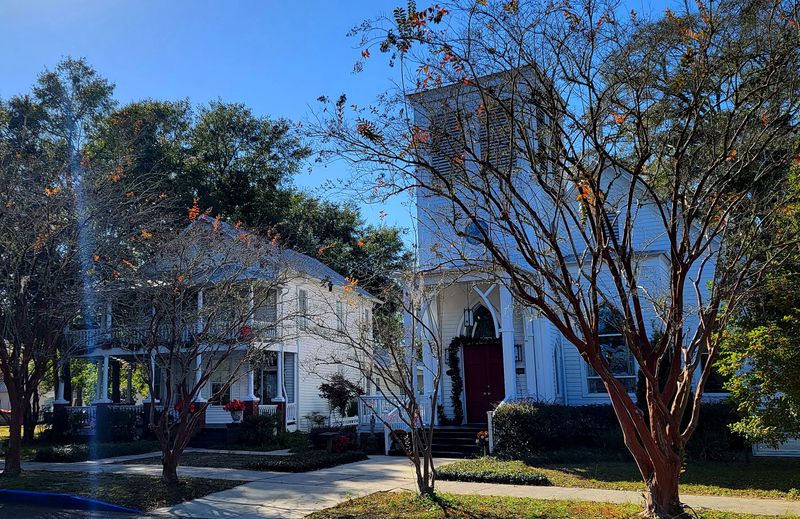
DeFuniak Springs stands out as one of only two naturally circular lakes in the world, and the Victorian homes surrounding this perfect circle create one of Florida’s most picturesque historic districts.
Founded in 1881 as a railroad stop, the town quickly became a winter resort and Chautauqua center, attracting educated visitors for cultural programs and lectures.
The circular layout around the lake gives the town a unique, almost magical quality, with each home facing the water and creating a continuous ring of 19th-century architecture.
The Walton-DeFuniak Library at 3 Circle Drive, built in 1887, ranks among Florida’s oldest libraries still operating in its original building.
Its collection includes rare books and serves as a reminder of the town’s intellectual heritage when Chautauqua programs brought speakers, musicians, and educators to this remote Florida location.
The library’s Victorian architecture and period furnishings transport visitors to an era when public libraries represented community pride and cultural aspiration.
The Chautauqua Hall of Brotherhood at 95 Circle Drive, constructed in 1909, hosted lectures, concerts, and assemblies during the town’s cultural golden age.
Today it operates as a museum preserving artifacts from the Chautauqua movement and DeFuniak Springs’ development.
Exhibits explain how this educational movement brought culture to rural America and why this small Florida town became an important winter gathering place for intellectuals.
Walking around the lake’s mile-long perimeter reveals dozens of beautifully maintained Victorian homes, many with original architectural details like gingerbread trim, wraparound porches, and tower rooms.
The Hotel DeFuniak, though no longer operating, stands as a reminder of the grand hotels that once accommodated winter visitors.
Annual tours allow visitors inside private homes to appreciate period furnishings and restoration efforts.
DeFuniak Springs offers a unique combination of natural beauty and architectural preservation, creating a town where Victorian elegance and small-town Southern hospitality blend seamlessly into an unforgettable historical experience.
Dear Reader: This page may contain affiliate links which may earn a commission if you click through and make a purchase. Our independent journalism is not influenced by any advertiser or commercial initiative unless it is clearly marked as sponsored content. As travel products change, please be sure to reconfirm all details and stay up to date with current events to ensure a safe and successful trip.
