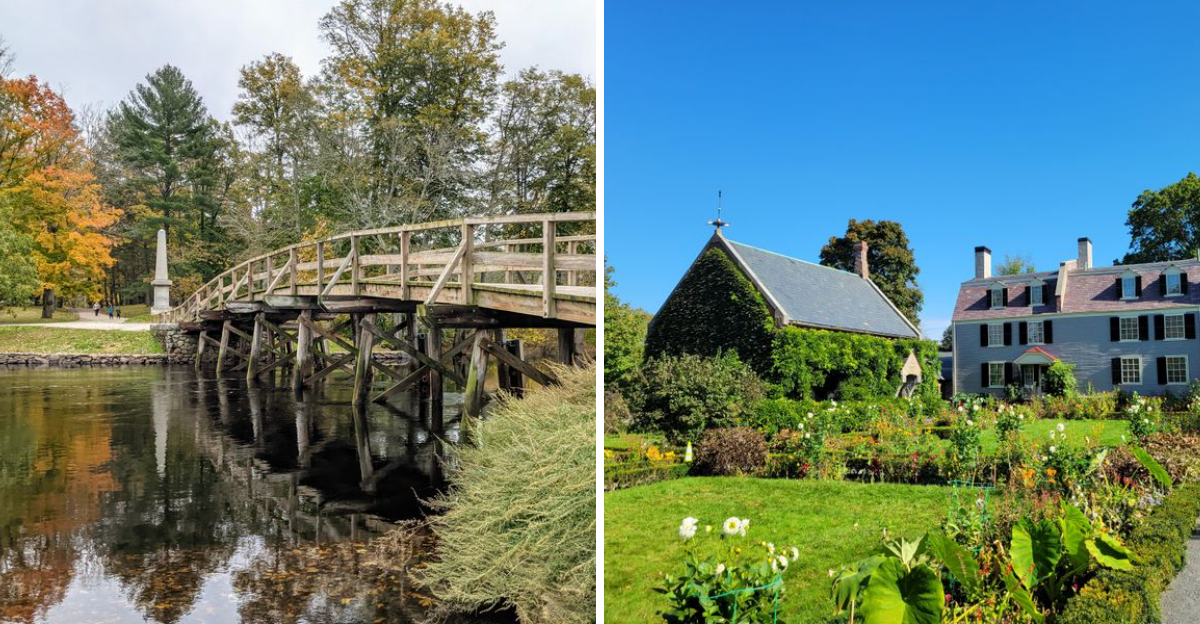
Massachusetts holds some of America’s most treasured historic sites, making it an ideal destination for anyone curious about the nation’s early days.
From revolutionary battlegrounds to colonial-era buildings, the state offers a fascinating journey through centuries of history.
A weekend getaway here means you can walk the same paths as founding fathers, explore preserved homes, and stand where critical moments in American history unfolded.
Whether you’re a history enthusiast or simply looking for an educational adventure, these landmarks bring the past to life in ways textbooks never could.
Planning your route carefully allows you to experience multiple sites without feeling rushed, giving you time to absorb the stories and significance of each location.
Massachusetts makes history accessible and engaging, with knowledgeable guides, interactive exhibits, and beautifully maintained grounds at nearly every stop.
The compact geography of the state means you can easily visit several landmarks in just two or three days, making the most of your weekend.
Pack comfortable walking shoes, bring your curiosity, and prepare to step back in time as you explore these seven remarkable historic landmarks that shaped America.
Freedom Trail
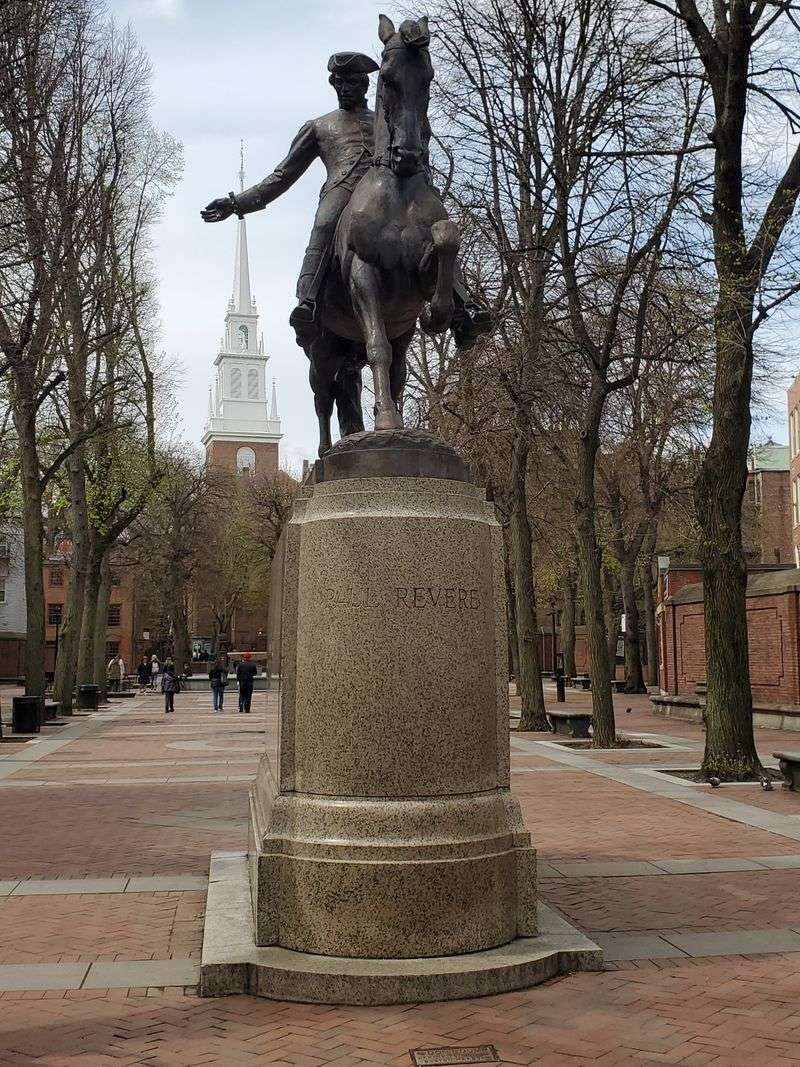
Walking along Boston’s Freedom Trail feels like stepping into a living history book where every brick tells a story.
This 2.5-mile path connects sixteen historically significant sites, marked by a red brick or painted line that guides visitors through downtown Boston and into Charlestown.
You’ll encounter everything from burial grounds where revolutionary heroes rest to the Old State House where the Declaration of Independence was first read to Bostonians.
The trail begins at Boston Common, America’s oldest public park established in 1634, and winds through neighborhoods that witnessed the birth of a nation.
Paul Revere’s House stands as the oldest remaining structure in downtown Boston, offering a glimpse into colonial domestic life.
The Old North Church, famous for its “one if by land, two if by sea” signal, still holds regular services and welcomes visitors to explore its historic interior.
Faneuil Hall, known as the “Cradle of Liberty,” served as a meeting place for revolutionaries and continues to buzz with activity today as a marketplace and gathering space.
The trail concludes at the Bunker Hill Monument, a 221-foot granite obelisk commemorating one of the Revolution’s earliest major battles.
Most visitors complete the trail in about three hours, though history buffs often spend an entire day exploring each site thoroughly.
Free guided tours led by costumed interpreters bring the eighteenth century to life with engaging stories and historical context.
Spring and fall offer the most comfortable walking conditions, though the trail remains accessible year-round.
Comfortable footwear is essential since you’ll be navigating cobblestone streets and climbing stairs at various monuments.
The Freedom Trail Foundation Visitor Center at 139 Tremont Street provides maps, tickets, and helpful information to start your journey.
Plymouth Rock and Mayflower II
Standing before Plymouth Rock evokes powerful emotions about the courage and determination of early settlers who risked everything for a new beginning.
This modest granite boulder marks the legendary spot where Pilgrims first stepped ashore in 1620, fundamentally changing the course of American history.
Though smaller than many visitors expect, the rock’s symbolic importance far outweighs its physical size.
A protective granite portico built in 1921 surrounds the rock, allowing visitors to view it from above while protecting this fragile piece of history.
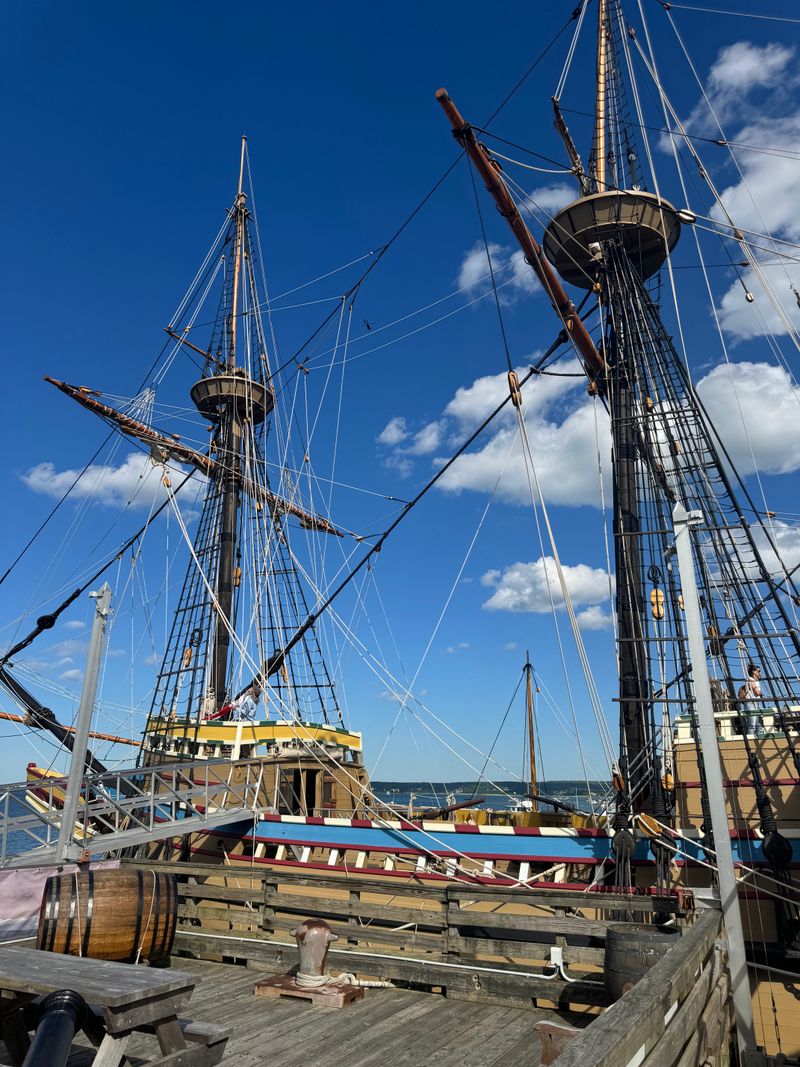
Just steps away, the Mayflower II provides a full-scale reproduction of the ship that carried 102 passengers across the Atlantic Ocean.
Climbing aboard this vessel reveals the cramped, challenging conditions colonists endured during their sixty-six-day voyage.
Costumed interpreters portraying Pilgrim passengers and crew members answer questions and demonstrate seventeenth-century shipboard life.
The attention to detail in the ship’s construction, completed in 1957, helps visitors appreciate the remarkable seamanship required for such a dangerous journey.
Nearby Pilgrim Hall Museum, established in 1824 as America’s oldest continuously operating public museum, houses authentic Pilgrim possessions including furniture, armor, and personal items.
The Wampanoag Homesite at Plimoth Patuxet Museums presents indigenous perspectives often overlooked in traditional narratives, featuring Native staff members who share their ancestors’ history and culture.
Visiting during Thanksgiving week offers special programming, though crowds can be substantial.
The waterfront location at 79 Water Street provides beautiful ocean views and opportunities for reflection about this pivotal moment in history.
Allow at least two to three hours to fully experience both Plymouth Rock and the Mayflower II, plus additional time for the museums.
Old Sturbridge Village
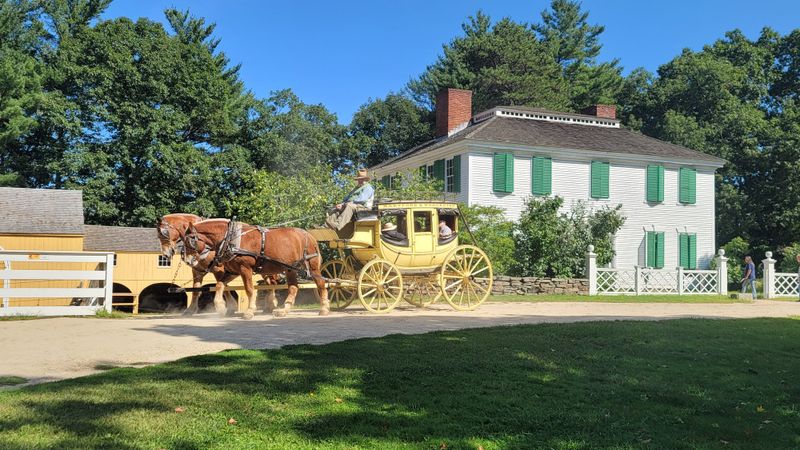
Imagine wandering into a time machine that transports you to rural New England life during the 1830s, complete with working farms and bustling craftspeople.
Old Sturbridge Village accomplishes exactly this through its meticulously recreated nineteenth-century community spread across 200 acres.
More than forty restored buildings populate this outdoor museum, each authentically furnished and actively used by costumed historians who never break character.
Blacksmiths hammer hot iron into useful tools, their forges glowing while sparks fly with each strike of the hammer.
At the working farm, heritage breed animals graze in pastures while interpreters demonstrate agricultural techniques that sustained rural communities before industrialization.
The village center features a meetinghouse, bank, and general store stocked with period-appropriate goods that visitors can examine and sometimes purchase.
Children especially enjoy hands-on activities like trying their hand at colonial games, helping with farm chores, or watching demonstrations of traditional crafts.
The Towne House serves authentic nineteenth-century meals prepared using historical recipes and cooking methods, offering a delicious way to experience the past.
Seasonal events throughout the year highlight different aspects of historical life, from maple sugaring in early spring to harvest celebrations in autumn.
The village’s commitment to historical accuracy extends beyond buildings and costumes to include heirloom plant varieties in gardens and orchards.
Located at 1 Old Sturbridge Village Road in Sturbridge, the site sits conveniently along Interstate 84, making it easily accessible from Boston or Hartford.
Plan to spend a full day here, as rushing through diminishes the immersive experience this remarkable living museum provides.
Comfortable walking shoes are necessary since you’ll cover considerable ground exploring the village’s various neighborhoods and outlying farms.
Salem Witch Trials Memorial and Historic District
Few places in America carry the weight of collective tragedy quite like Salem, where mass hysteria and injustice claimed innocent lives in 1692.
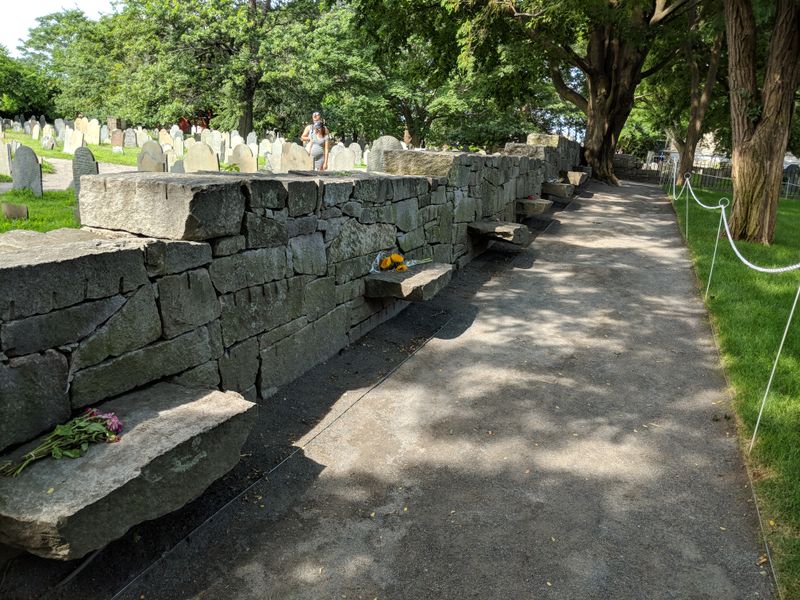
The Salem Witch Trials Memorial, dedicated in 1992 on the trials’ 300th anniversary, provides a sobering space for reflection and remembrance.
Twenty granite benches inscribed with victims’ names and execution dates line the memorial’s perimeter, each representing someone who died due to accusations of witchcraft.
Stone walls surrounding the memorial bear protestations of innocence carved directly from court transcripts, giving voice to those who were silenced.
Adjacent to the Old Burying Point Cemetery, established in 1637, the memorial’s location connects visitors to Salem’s broader colonial history.
The historic district surrounding the memorial contains numerous seventeenth-century homes, including the Witch House at 310 Essex Street, the only structure still standing with direct ties to the trials.
Judge Jonathan Corwin conducted preliminary examinations of accused witches in this dark-timbered building, which now operates as a museum.
Walking Salem’s streets reveals layers of history beyond the infamous trials, including its significant maritime heritage and Federal-period architecture.
The Peabody Essex Museum houses extensive collections documenting Salem’s global trading connections and artistic achievements alongside exhibits about the witch trials.
Despite commercial witch-themed attractions throughout downtown, the memorial maintains its dignity and educational purpose.
October brings enormous crowds drawn by Halloween festivities, making spring or summer visits more conducive to thoughtful exploration.
The memorial’s open-air design means it’s accessible year-round without admission fees, though donations support its maintenance.
Guided walking tours offered by various organizations provide historical context that helps visitors understand how fear and intolerance led to such devastating consequences.
Minute Man National Historical Park
April 19, 1775, dawned like any other spring morning until shots rang out that would echo throughout history and ignite a revolution.
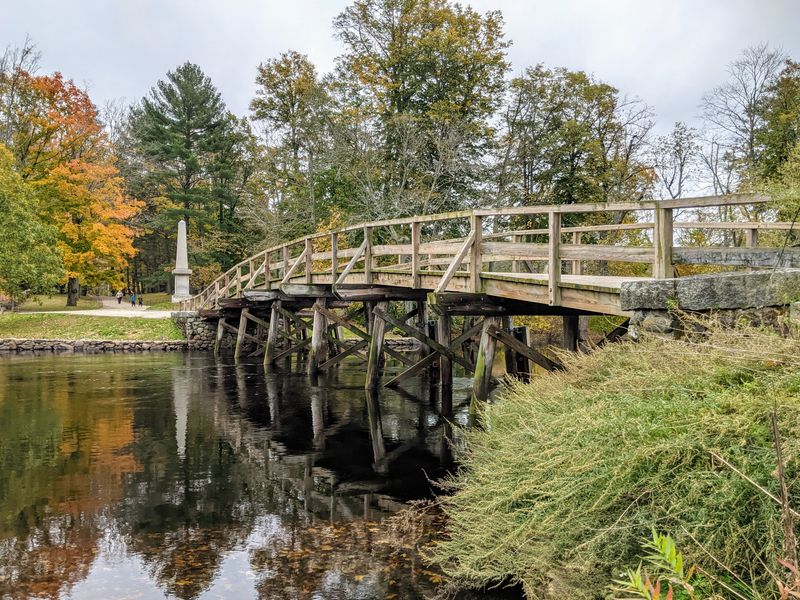
Minute Man National Historical Park preserves the landscape where American colonists first stood against British military force, fundamentally changing the world.
The park stretches along Battle Road between Lexington and Concord, encompassing the route British troops marched and the fields where militiamen gathered.
North Bridge in Concord marks where colonial fighters fired the “shot heard ’round the world,” forcing British regulars to retreat.
Daniel Chester French’s famous Minute Man statue stands sentinel near the bridge, capturing the determined spirit of farmer-soldiers who left plows to take up arms.
The five-mile Battle Road Trail allows visitors to walk the same route colonial militia used, passing historic homes, stone walls, and interpretive signs explaining events.
Hartwell Tavern, a restored colonial-era inn along the trail, features costumed rangers demonstrating eighteenth-century domestic activities and military drills.
The park’s visitor center at 250 North Great Road in Lincoln presents a multimedia program explaining the complex political and social tensions leading to armed conflict.
Rangers throughout the park offer engaging programs that bring this pivotal day to life through storytelling and historical interpretation.
Spring visits coincide with Patriots’ Day celebrations featuring battle reenactments, though crowds can be substantial during this popular commemoration.
The park’s natural beauty, with meadows, forests, and wetlands, reminds visitors that this battleground was also farmland where families built their lives.
Biking the Battle Road Trail provides an efficient way to cover more ground while imagining the chaos of April 19th.
No admission fee makes this park accessible to everyone interested in understanding the American Revolution’s opening chapter.
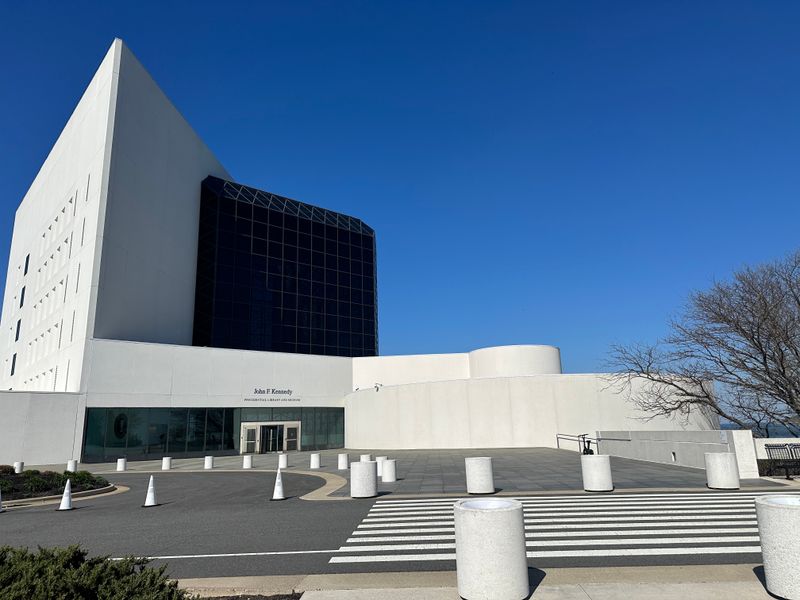
John F. Kennedy Presidential Library and Museum
April 19, 1775, dawned like any other spring morning until shots rang out that would echo throughout history and ignite a revolution.
Minute Man National Historical Park preserves the landscape where American colonists first stood against British military force, fundamentally changing the world.
The park stretches along Battle Road between Lexington and Concord, encompassing the route British troops marched and the fields where militiamen gathered.
North Bridge in Concord marks where colonial fighters fired the “shot heard ’round the world,” forcing British regulars to retreat.
Daniel Chester French’s famous Minute Man statue stands sentinel near the bridge, capturing the determined spirit of farmer-soldiers who left plows to take up arms.
The five-mile Battle Road Trail allows visitors to walk the same route colonial militia used, passing historic homes, stone walls, and interpretive signs explaining events.
Hartwell Tavern, a restored colonial-era inn along the trail, features costumed rangers demonstrating eighteenth-century domestic activities and military drills.
The park’s visitor center at 250 North Great Road in Lincoln presents a multimedia program explaining the complex political and social tensions leading to armed conflict.
Rangers throughout the park offer engaging programs that bring this pivotal day to life through storytelling and historical interpretation.
Spring visits coincide with Patriots’ Day celebrations featuring battle reenactments, though crowds can be substantial during this popular commemoration.
The park’s natural beauty, with meadows, forests, and wetlands, reminds visitors that this battleground was also farmland where families built their lives.
Biking the Battle Road Trail provides an efficient way to cover more ground while imagining the chaos of April 19th.
No admission fee makes this park accessible to everyone interested in understanding the American Revolution’s opening chapter.
Adams National Historical Park
No other family contributed more to America’s founding and early development than the remarkable Adams dynasty of Quincy.
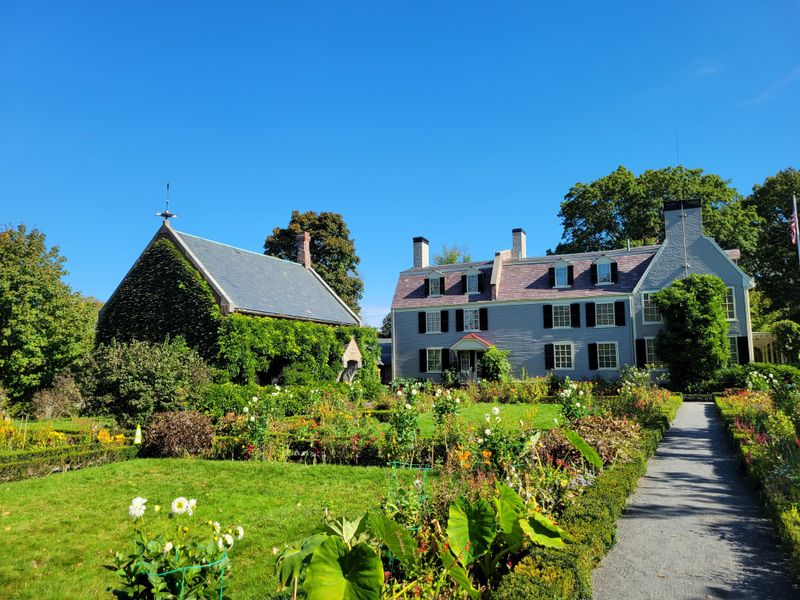
This national park preserves homes where two presidents, John Adams and John Quincy Adams, were born, lived, and shaped the nation’s course.
The modest saltbox houses where both men entered the world stand just seventy-five feet apart, humble beginnings for such influential leaders.
These simple structures contrast sharply with the elegant Georgian mansion known as the Old House, where four generations of Adamses lived from 1788 to 1927.
Peacefield, as the family called their beloved home, contains original furnishings, artwork, and an extensive library reflecting the intellectual pursuits of its residents.
John Adams purchased the property shortly before becoming vice president, and it remained the family’s cherished retreat throughout their public service.
The Stone Library, built in 1870 to house John Quincy Adams’s 14,000-volume book collection, stands as a temple to learning and scholarship.
Guided tours led by National Park Service rangers reveal intimate details about family life, political philosophy, and the personal sacrifices public service demanded.
Abigail Adams’s presence permeates the homes through her correspondence and the domestic choices she made while managing the household during her husband’s frequent absences.
The gardens, maintained with period-appropriate plants, show how the family cultivated both literal and metaphorical fruits of their labor.
Visitors must join guided tours departing from the visitor center at 1250 Hancock Street in Quincy, as the historic houses aren’t independently accessible.
Reservations are strongly recommended, especially during summer months when tour capacity fills quickly.
The park operates seasonally from mid-April through mid-November, with tours typically lasting ninety minutes to two hours.
Dear Reader: This page may contain affiliate links which may earn a commission if you click through and make a purchase. Our independent journalism is not influenced by any advertiser or commercial initiative unless it is clearly marked as sponsored content. As travel products change, please be sure to reconfirm all details and stay up to date with current events to ensure a safe and successful trip.
