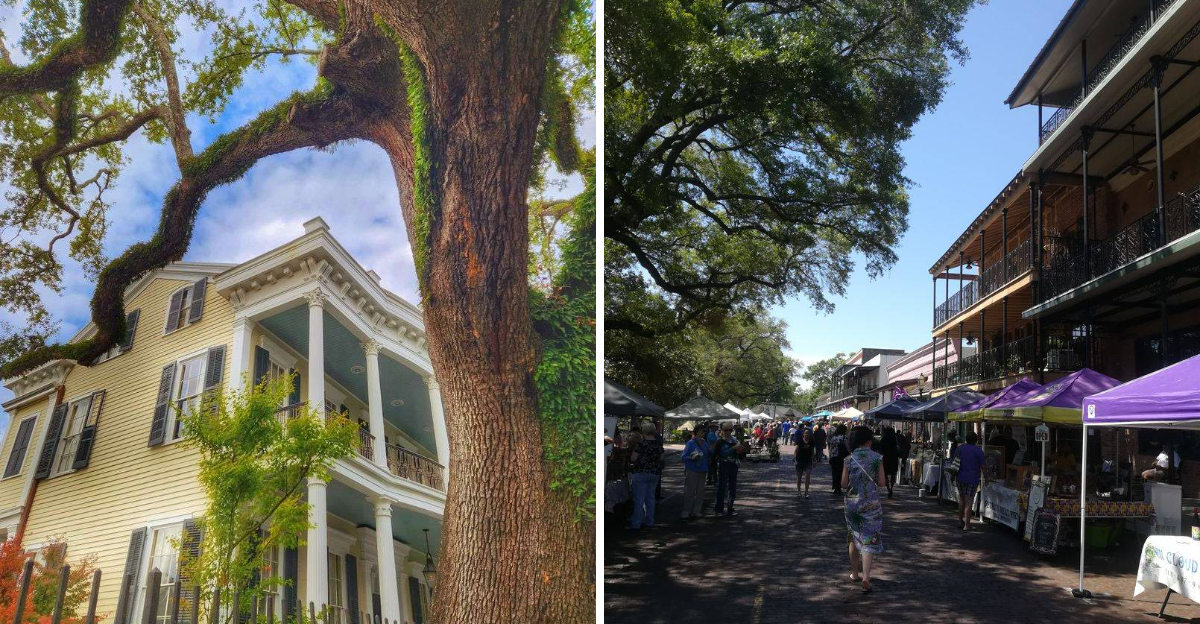
Louisiana’s neighborhoods are like living museums, each telling its own story through architecture, music, and traditions passed down through generations.
The state’s unique blend of French, Spanish, Creole, and Cajun influences has created communities that feel unlike anywhere else in America.
From the lively streets of New Orleans to the quiet river towns up north, these historic areas maintain their distinctive character despite the passage of time.
Walking through these neighborhoods means stepping into places where locals still gather at the same spots their grandparents did, where festivals celebrate heritage, and where every corner reveals another piece of Louisiana’s rich cultural tapestry.
These ten historic neighborhoods showcase the best of what makes Louisiana special, offering visitors and residents alike a genuine connection to the past while thriving in the present.
1. French Quarter
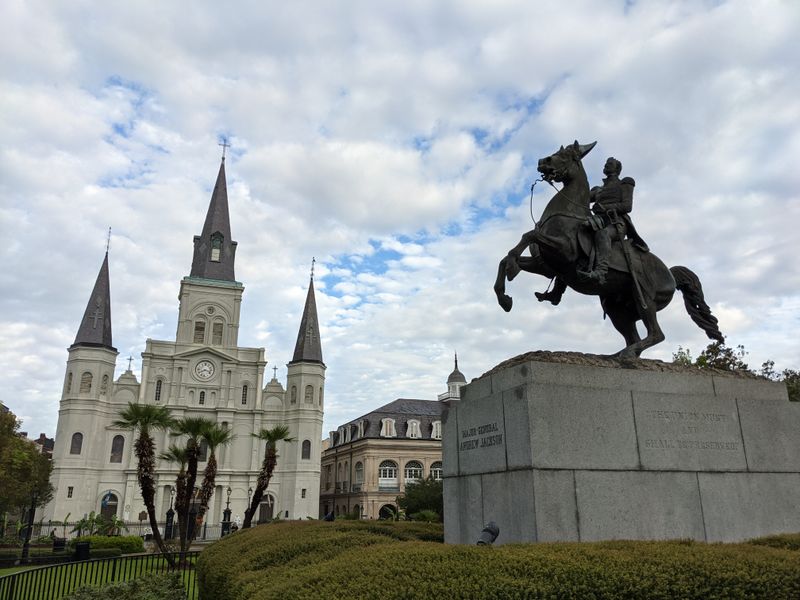
No other neighborhood in America captures the imagination quite like this iconic district.
The French Quarter stands as the oldest neighborhood in New Orleans, founded along the Mississippi River’s crescent bend.
Spanish and French Creole architecture dominates every block, with those famous wrought-iron balconies dripping with ferns and flowers overhead.
Brick buildings painted in soft pastels line narrow streets that have witnessed centuries of history.
Gas lamps still flicker at night, casting shadows on cobblestones worn smooth by countless footsteps.
Jackson Square serves as the heart of this vibrant community, where artists set up easels and street performers entertain crowds.
The neighborhood pulses with an energy that shifts throughout the day, from quiet morning coffee rituals to evening celebrations.
Royal Street showcases antique shops and galleries housed in buildings older than the nation itself.
Locals still live among the historic structures, maintaining traditions that stretch back generations.
The address 700 Decatur Street marks the iconic French Market, where vendors have sold goods since the late colonial period.
Music spills from doorways at all hours, reminding visitors why Louisiana remains America’s cultural treasure.
This neighborhood doesn’t just preserve history; it lives and breathes it every single day.
2. Garden District
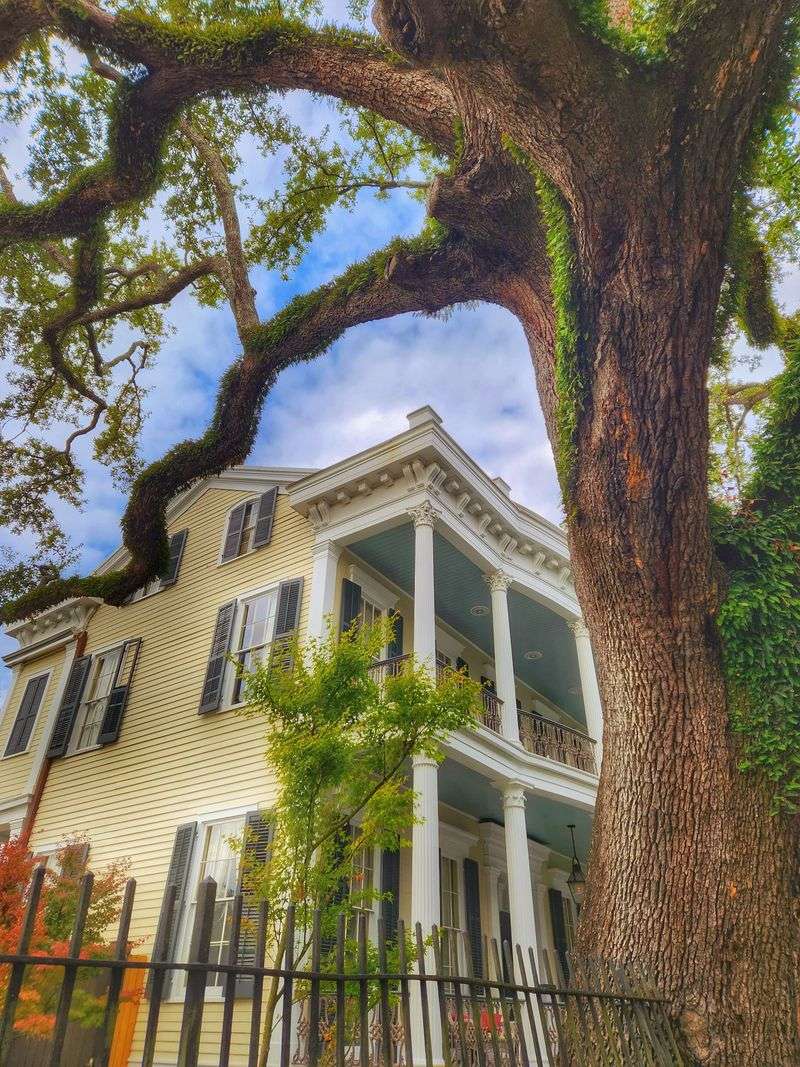
Stepping into this upscale neighborhood feels like entering a different era entirely.
Grand mansions from the nineteenth century line streets shaded by ancient oak trees whose branches form natural canopies overhead.
The Garden District developed as wealthy Americans moved to New Orleans, creating a distinct architectural style that contrasted with the French Quarter’s Creole influences.
White columns rise majestically from wraparound porches, while meticulously maintained gardens burst with azaleas, camellias, and magnolias.
Iron fences with intricate designs separate these stately homes from sidewalks where visitors stroll in quiet appreciation.
Magazine Street runs along the district’s edge, offering shops and cafes in converted historic buildings.
The neighborhood maintains an atmosphere of Southern elegance that feels both refined and welcoming.
Lafayette Cemetery No. 1 sits within the district at 1400 Washington Avenue, its above-ground tombs reflecting Louisiana’s unique burial traditions.
Residents take pride in preserving their homes’ original details, from stained glass windows to hand-carved woodwork.
Street names like Prytania and Coliseum evoke classical influences that guided the neighborhood’s original planners.
Tourists often take guided walking tours, but locals simply enjoy their morning coffee on wide front porches.
This neighborhood proves that Louisiana’s historic districts can be both grand and genuinely livable.
3. Algiers Point
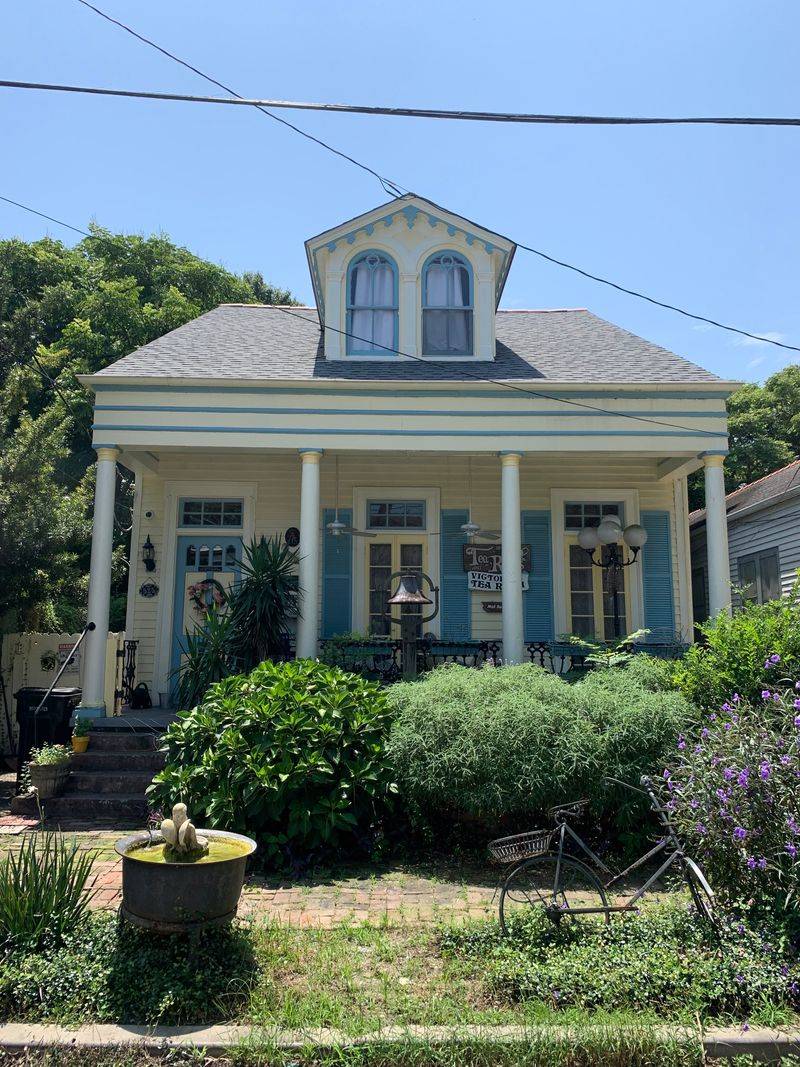
A short ferry ride across the Mississippi River transports you to one of New Orleans’ best-kept secrets.
Algiers Point developed as a residential community on the West Bank, maintaining a village atmosphere despite its proximity to downtown.
Victorian cottages in cheerful colors line narrow streets where neighbors still chat on front steps.
The community’s tight-knit identity stems from its geographic separation, creating bonds between residents that feel stronger than in many modern neighborhoods.
Historic homes here date back over a century, with architectural details that reflect the area’s working-class maritime heritage.
The Algiers Point Ferry landing at 200 Morgan Street connects residents to the French Quarter while maintaining their neighborhood’s distinct character.
Trees shade sidewalks where locals walk dogs and push strollers, creating scenes that could come from any era.
Small corner stores and neighborhood restaurants serve as gathering spots where everyone knows everyone.
The levee offers walking paths with spectacular views of the New Orleans skyline across the river.
Artists and musicians have increasingly discovered this affordable historic neighborhood, adding creative energy while respecting established traditions.
Community festivals bring residents together, celebrating their shared identity as Algiers Point locals.
This neighborhood proves that Louisiana’s historic districts don’t need tourist crowds to maintain their authentic character.
4. Mid-City
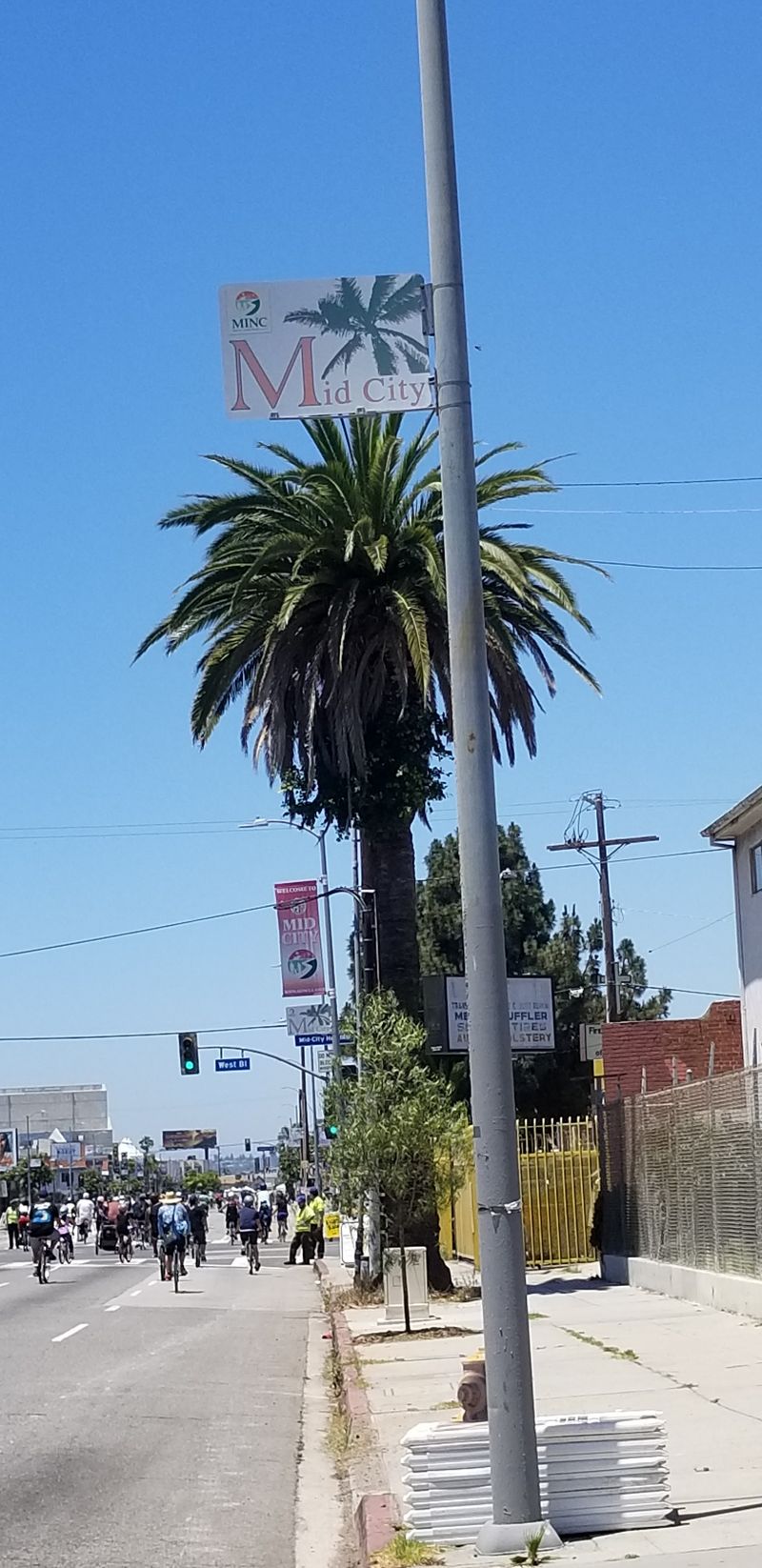
Resilience defines this diverse neighborhood that serves as the beating heart of local New Orleans life.
Mid-City stretches between the French Quarter and Lake Pontchartrain, centered around the historic Bayou St. John waterway.
Shotgun houses painted in bold colors stand alongside larger homes, reflecting the neighborhood’s mixed economic history.
The Canal Streetcar rumbles through, connecting residents to downtown while maintaining the area’s residential character.
Bayou St. John itself attracts kayakers, joggers, and families who picnic along its grassy banks.
City Park borders the neighborhood, offering one of the nation’s largest urban green spaces right in residents’ backyard.
Local restaurants and bars along North Carrollton Avenue serve as community gathering spots where regulars occupy favorite stools.
The neighborhood rebuilt itself after devastating floods, with residents returning to restore their homes and businesses.
That shared experience of recovery strengthened community bonds already deep from generations of families living side by side.
Banks Street at North Carrollton Avenue marks a hub of local activity, with businesses that cater to neighborhood residents rather than tourists.
Artists, teachers, service workers, and professionals all call Mid-City home, creating genuine economic and cultural diversity.
This neighborhood shows how Louisiana communities maintain their identity through both celebration and challenge.
5. Historic District of Natchitoches
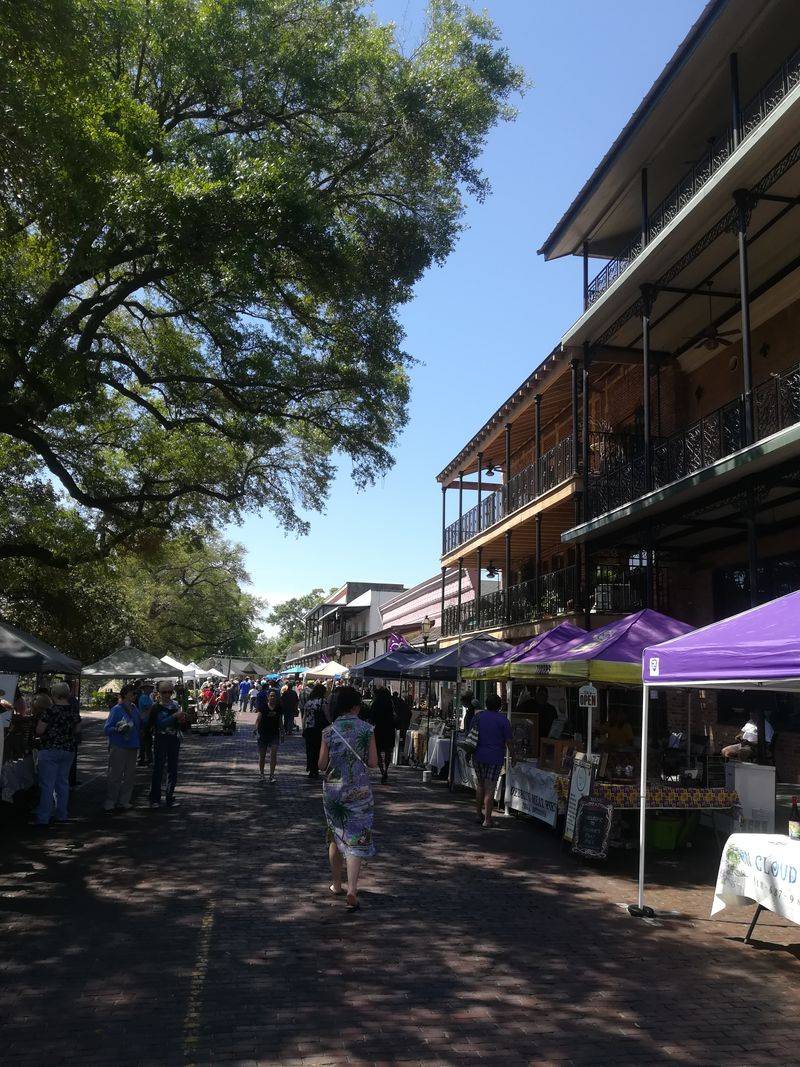
Claiming the title of Louisiana’s oldest permanent settlement brings serious bragging rights to this charming river town.
Natchitoches was established along the Cane River decades before New Orleans even existed.
Brick-lined streets wind through a historic district where French Creole architecture tells stories of colonial Louisiana.
The Cane River lakefront serves as the community’s gathering place, with walkways where locals stroll at sunset.
Historic buildings now house shops, restaurants, and museums that preserve the town’s unique cultural heritage.
Cast-iron balconies and wooden shutters adorn structures that have stood for centuries, carefully maintained by proud residents.
The town gained wider recognition as the filming location for a beloved Southern movie, but locals know their history runs much deeper.
Christmas brings spectacular light displays along the riverfront, a tradition that draws visitors from across Louisiana and beyond.
The Historic District centers around Front Street, where you can park at 750 Front Street and explore on foot.
Local festivals celebrate everything from meat pies to music, keeping Creole traditions alive for new generations.
Small-town hospitality meets genuine historical significance in every interaction with longtime residents.
This neighborhood proves that Louisiana’s most important historic sites aren’t always in its largest cities.
6. St. Francisville Historic District
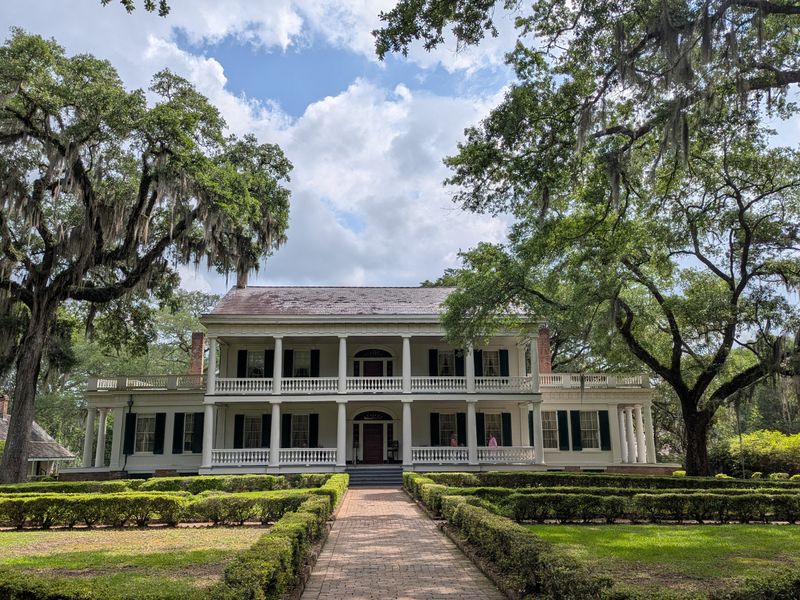
Perched on bluffs above the Mississippi River, this town seems suspended in a gentler time.
St. Francisville’s historic district encompasses antebellum homes surrounded by gardens that bloom year-round in Louisiana’s mild climate.
Moss drapes from massive oak trees, creating natural curtains that filter sunlight onto historic properties.
The town developed as a river port, with wealthy planters building grand homes that still stand today.
Royal Street runs through the heart of the historic district, lined with buildings that house antique shops and local businesses.
Many historic homes open for tours, allowing visitors to step inside spaces preserved exactly as they appeared generations ago.
Local markets showcase regional crafts and produce, maintaining traditions of community commerce that predate modern shopping.
The Grace Episcopal Church at 11621 Ferdinand Street stands as one of the state’s oldest Protestant churches still holding services.
Bird songs fill the air in this quiet community where traffic rarely disturbs the peaceful atmosphere.
Residents take pride in their town’s appearance, maintaining historic properties with obvious care and attention.
Weekend visitors from Baton Rouge and New Orleans escape to this riverside retreat where Southern hospitality feels genuinely warm.
St. Francisville shows how Louisiana’s smaller historic districts preserve their identity through careful stewardship and community pride.
7. Acadian Village
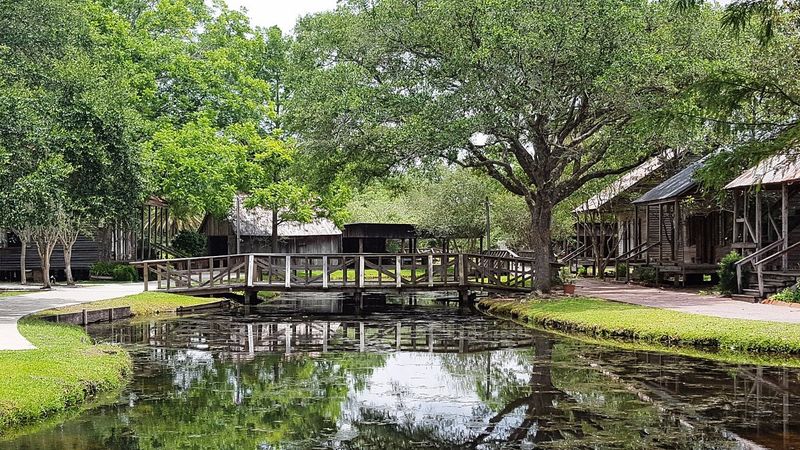
Authenticity defines this unique collection of genuine Cajun homes gathered from across rural Louisiana.
Located at 200 Greenleaf Drive in Lafayette, this cultural center preserves architectural heritage that might otherwise have disappeared.
Each building represents actual Acadian structures, carefully moved from their original locations and restored to historical accuracy.
Simple wooden cottages with steep roofs and front galleries showcase how Cajun families adapted French building traditions to Louisiana’s climate and materials.
Walking paths connect the various homes, each furnished with period-appropriate items that illustrate daily life in Cajun Louisiana.
The village sits along a peaceful bayou, recreating the waterside settings where Acadian settlers originally built their communities.
Traditional gardens grow vegetables and herbs that Cajun cooks have used for generations in their distinctive cuisine.
This isn’t a replica or recreation but rather a preservation of actual historic structures that tell authentic stories.
Educational programs teach visitors about Cajun culture, from language to music to traditional crafts passed through families.
The village demonstrates how Louisiana’s Cajun identity developed distinctly from other French colonial settlements.
Moss-draped trees and native plants create an atmosphere that transports visitors to earlier centuries of Louisiana life.
This neighborhood of relocated homes proves that preserving cultural identity sometimes requires creative approaches to conservation.
8. Charpentier Historic District
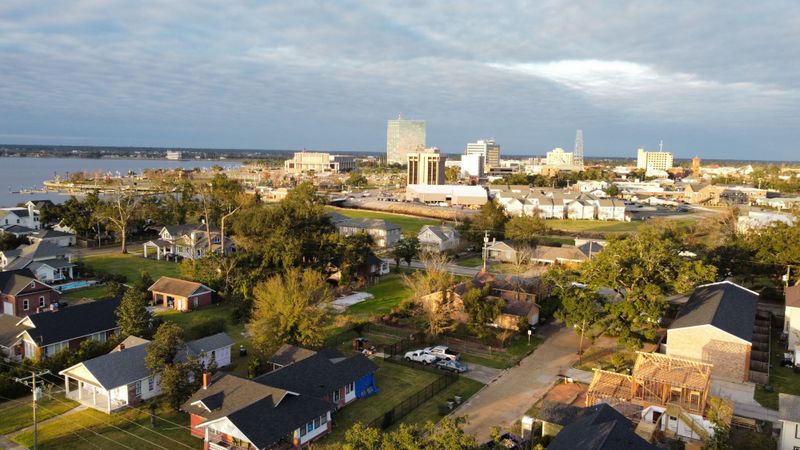
Victorian architecture enthusiasts find paradise in this Lake Charles neighborhood bursting with ornate historic homes.
The Charpentier District showcases an incredible variety of late nineteenth-century architectural styles, each home more elaborate than the last.
Ornate woodwork called gingerbread trim decorates eaves and porches, demonstrating the craftsmanship of earlier generations.
Queen Anne, Colonial Revival, and Eastlake styles stand side by side, creating a visual encyclopedia of Victorian design.
The neighborhood developed during Lake Charles’s economic boom, when lumber barons and merchants built grand homes to display their success.
Turrets, wraparound porches, and stained glass windows make each structure distinctive despite being built during the same general period.
Walking tours reveal details easily missed by passing motorists, from hand-carved brackets to original paint color schemes.
The district centers around Kirby Street and Ryan Street, where the concentration of historic homes remains remarkably intact.
Local preservation efforts have protected these architectural treasures from demolition and inappropriate modifications.
Many homes remain private residences, lived in by families who appreciate their historic character and maintain original features.
Spring brings azaleas and dogwoods into bloom, adding natural beauty to the architectural splendor.
This neighborhood demonstrates how Louisiana’s historic districts extend beyond New Orleans to communities throughout the state.
9. Lower Ninth Ward
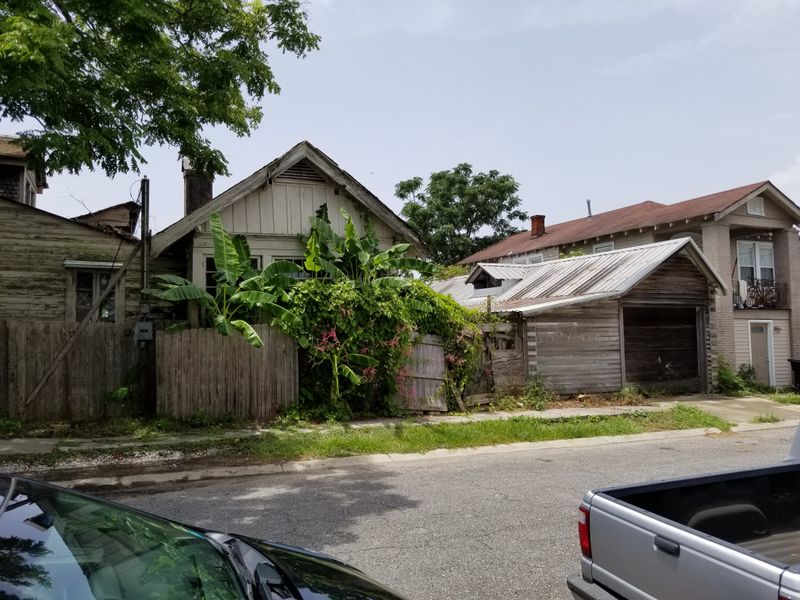
Few neighborhoods embody community strength and cultural identity quite like this resilient New Orleans district.
The Lower Ninth Ward developed as a predominantly African American neighborhood with deep roots in music, entrepreneurship, and family traditions.
Historic sections like Holy Cross feature homes dating back over a century, showcasing architectural styles from shotgun cottages to larger craftsman houses.
Devastating floods tested this community’s resolve, but residents returned to rebuild their neighborhood and reclaim their cultural heritage.
Music legends called these streets home, contributing to Louisiana’s incredible musical legacy from their neighborhood porches and corner clubs.
The community’s identity centers on self-determination and pride in ownership, with many families holding property for multiple generations.
Claiborne Avenue serves as a main thoroughfare through the neighborhood, connecting residents to the rest of New Orleans.
Recovery efforts brought new housing alongside restored historic homes, creating a neighborhood that honors its past while building its future.
Community gardens and gathering spaces demonstrate how residents continue strengthening bonds between neighbors.
The Lower Ninth Ward Living Museum at 1235 Deslonde Street preserves neighborhood history and celebrates cultural contributions.
Visitors who take time to understand this neighborhood discover authentic stories of perseverance and community identity.
This area shows how Louisiana’s historic neighborhoods maintain their character through the dedication of residents who refuse to let their heritage fade.
10. Eunice Historic District
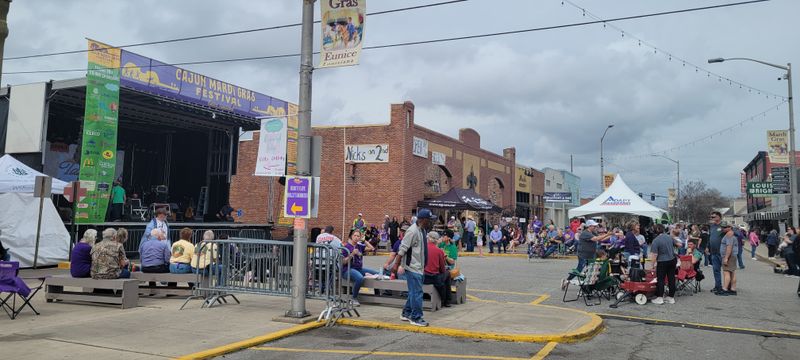
Music pulses through every corner of this prairie town where Cajun culture thrives in its most authentic form.
Eunice’s historic district centers around the Liberty Theater at 200 Park Avenue, where traditional Cajun music fills the air during legendary weekend performances.
The town developed in Louisiana’s prairie region, where Cajun culture evolved differently than in the bayou country farther south.
Historic storefronts line downtown streets, housing businesses that serve locals rather than catering primarily to tourists.
Saturday night jam sessions draw musicians and dancers who keep centuries-old traditions alive through fiddles, accordions, and French lyrics.
The Prairie Acadian Cultural Center sits in the heart of the district, preserving and interpreting the region’s unique heritage.
Local restaurants serve Cajun specialties in recipes passed down through families who have cooked the same dishes for generations.
Community festivals celebrate everything from Courir de Mardi Gras to local agricultural traditions, bringing neighbors together in joyful gatherings.
The town’s identity remains firmly rooted in Cajun and Creole culture, with French still spoken by older residents.
Historic buildings maintain their original character, with minimal modernization that might erase their connection to the past.
Visitors discover that Eunice offers something increasingly rare: a living, breathing Cajun community where traditions aren’t performed for tourists but lived daily by residents.
This neighborhood proves that Louisiana’s cultural identity remains strongest in communities that never stopped celebrating their heritage.
Dear Reader: This page may contain affiliate links which may earn a commission if you click through and make a purchase. Our independent journalism is not influenced by any advertiser or commercial initiative unless it is clearly marked as sponsored content. As travel products change, please be sure to reconfirm all details and stay up to date with current events to ensure a safe and successful trip.
