When most people think of New Hampshire, they think of mountains and lakes and covered bridges. They do not usually think of castles.
But the state is full of historic stone mansions and actual castles, and I have found ten that are open to visitors. Some were built by wealthy families as summer homes.
Others were constructed as grand statements of ambition and taste. One castle sits on a hill overlooking a lake, and the views from the tower are so stunning that I forgot to take photos.
Another stone mansion has been preserved exactly as it looked in the 1920s, with original furniture and wallpaper and even the dishes in the kitchen. I walked through rooms that felt frozen in time.
The guides told stories about the people who lived there, their scandals and successes and quiet tragedies. That is the best part of visiting these New Hampshire castles.
You are not just looking at old buildings. You are stepping into someone’s life.
Someone who lived a hundred years ago. Someone whose story is still worth telling.
1. Castle in the Clouds, Moultonborough
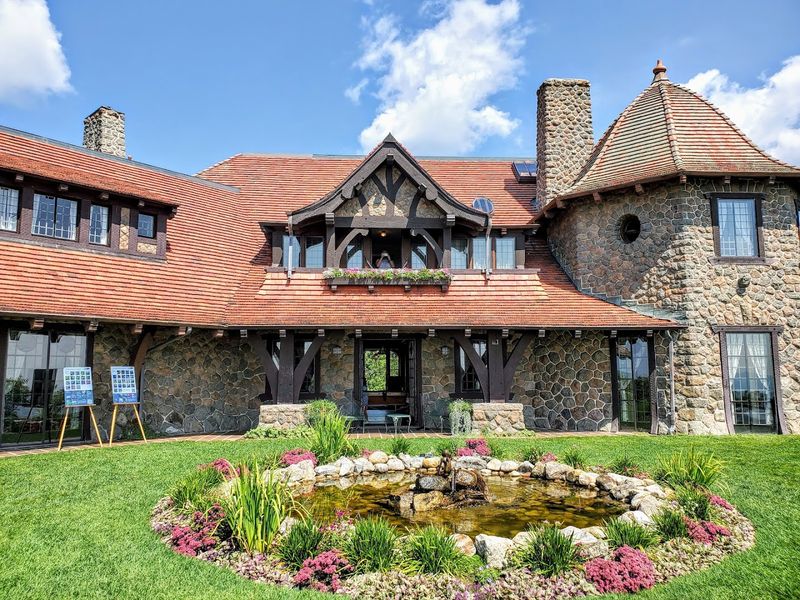
Perched high above the glittering surface of Lake Winnipesaukee, this breathtaking mountaintop estate feels like something pulled straight from a storybook. Built between 1913 and 1914 for shoe manufacturing magnate Thomas G.
Plant, the Arts and Crafts mansion known as Lucknow is one of New Hampshire’s most spectacular historic properties. The estate sprawls across thousands of acres in the Ossipee Mountains, offering views so dramatic they almost feel unfair.
Exploring the 16-room mansion is a genuine pleasure, with self-guided tours letting you move at your own pace through beautifully preserved rooms filled with period details. Guided basement tours add an extra layer of discovery, revealing parts of the estate most casual visitors never see.
The Carriage House Restaurant sits on the grounds as a perfect pit stop after working up an appetite on the hiking trails.
Speaking of trails, the network of paths crisscrossing this estate is seriously impressive. Hikers of all skill levels can wander through forest and meadow while soaking up sweeping mountain panoramas.
Spring wildflowers, summer greenery, and autumn color explosions all take turns making this property look absolutely stunning.
The estate is open seasonally from May through October, so timing your visit matters. Arriving on a clear weekday morning gives you the best chance of enjoying the mansion and trails without crowds.
The address is 455 Old Mountain Road, Moultonborough, NH 03254, and trust me, the drive up alone is worth the trip.
2. Wentworth-Coolidge Mansion, Portsmouth
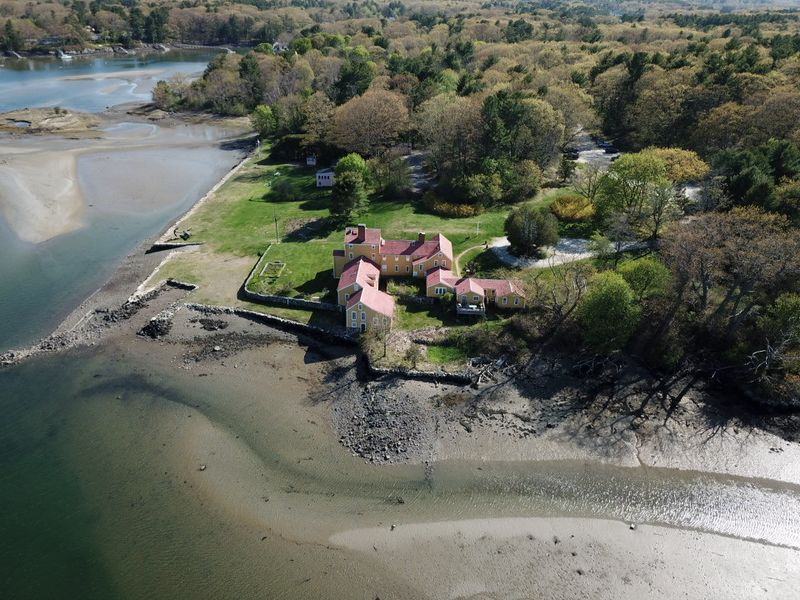
Few buildings in New Hampshire carry as much political weight as this sprawling 40-room colonial mansion overlooking Little Harbor in Portsmouth.
Once home to Benning Wentworth, the colony’s first royal governor from 1741 to 1767, the property is both a State Historic Site and a National Historic Landmark.
Walking through its rooms genuinely transports you back to 18th-century aristocratic colonial life in a way that no textbook ever quite manages.
What makes this estate so architecturally fascinating is that it reflects five distinct periods of construction and design. Rooms were added and modified across generations, creating a layered, organic feel that perfectly mirrors the evolving tastes of its wealthy occupants.
The result is a rambling, wonderfully imperfect structure that tells a richer story than any perfectly symmetrical mansion ever could.
The grounds are honestly just as compelling as the interior. The Little Harbor Loop Trail runs through the property year-round from dawn to dusk, offering a lovely waterside walk with views across the harbor.
Seasonal tours run Friday through Monday from late May to mid-October, making it easy to plan a day trip from Portsmouth’s vibrant downtown.
Architecture enthusiasts and history lovers alike consistently rank this among their favorite New Hampshire stops. The address is 375 Little Harbor Road, Portsmouth, NH 03801.
Arriving early on a Friday morning means you get the mansion largely to yourself, which makes the experience feel almost private and genuinely special.
3. The Fells Historic Estate and Gardens, Newbury
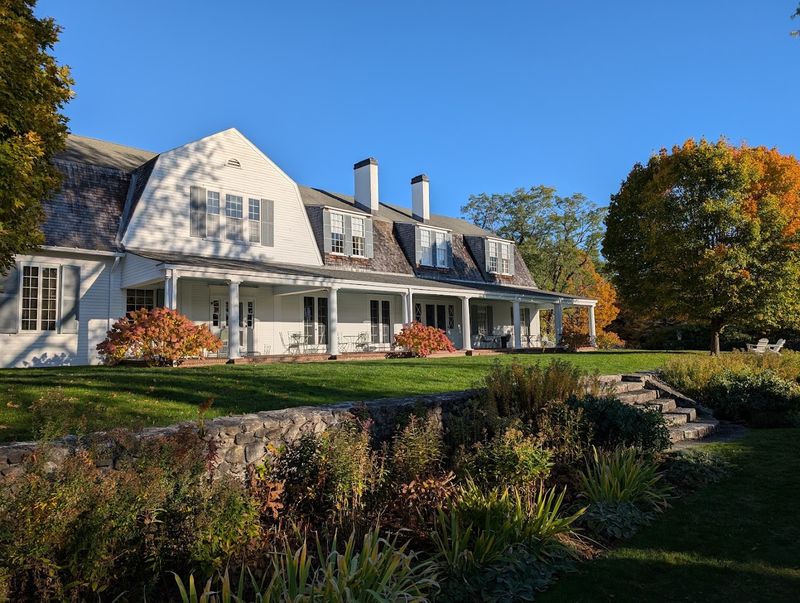
Nestled along the shimmering shores of Lake Sunapee, The Fells is one of New England’s most quietly magnificent early 20th-century summer estates. It was built in 1891 as the warm-weather retreat of diplomat and statesman John Milton Hay.
The 22-room Colonial Revival main house anchors a property that radiates old-money elegance without ever feeling stuffy or unapproachable.
The National Register of Historic Places recognized it long ago, and one look at the grounds makes it obvious why.
Eighty-four conserved acres stretch between the house and the lake, filled with woodland trails, perennial gardens, and rock gardens that bloom magnificently through the warmer months.
The gardens alone draw devoted plant enthusiasts from across the region, and the woodland trails offer a peaceful counterpoint to the more formal landscape elements closer to the house.
Every corner of this estate rewards slow, attentive exploration.
Historic guided tours of the main house run seasonally from mid-June through Labor Day, Wednesday through Sunday, so there are plenty of opportunities to explore the interiors with a knowledgeable guide.
The gardens and trails, however, stay open daily year-round from dawn to dusk, making this a genuinely four-season destination for outdoor lovers.
Photographers absolutely adore the estate in late spring when the lilac collection and perennial borders hit their peak. The address is 456 Route 103A, Newbury, NH 03255.
A morning visit during June gives you soft light, blooming gardens, and a peaceful atmosphere that feels almost meditative.
4. Governor John Langdon House, Portsmouth
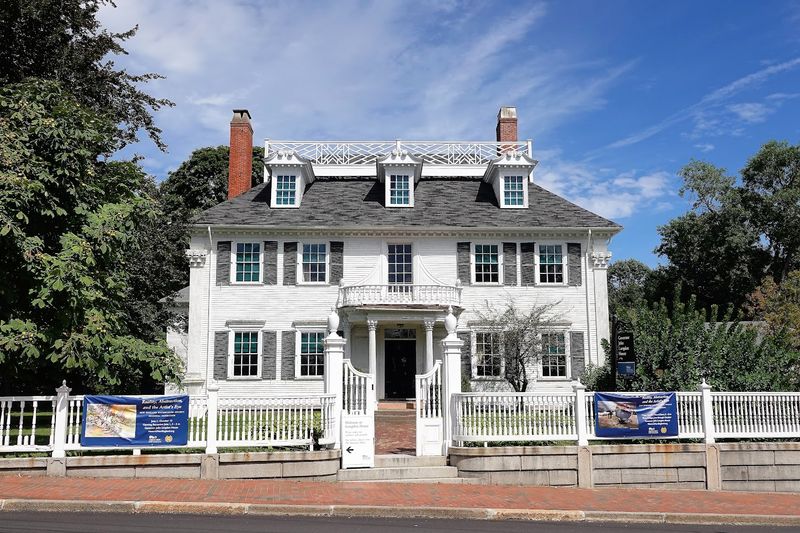
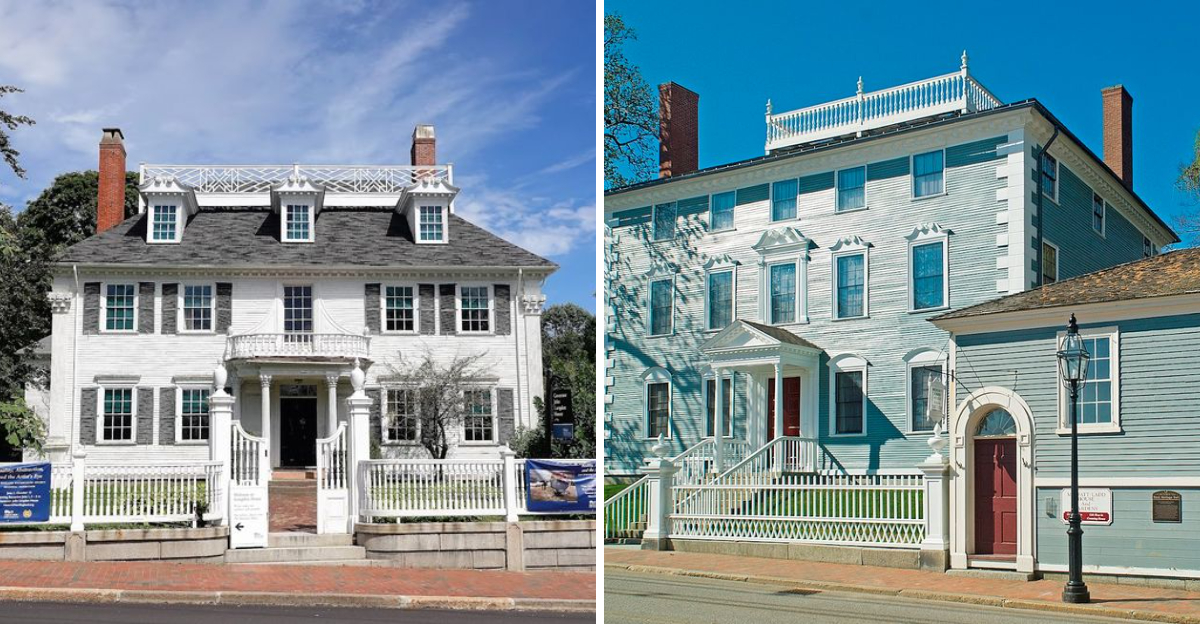
George Washington himself reportedly called this the finest house in Portsmouth, and honestly, standing in front of it today, that verdict still holds up. Built in 1784 by John Langdon, a merchant, shipbuilder, Revolutionary War leader, signer of the U.S.
Constitution, and three-term New Hampshire governor, this Georgian mansion is a concentrated dose of early American history wrapped in extraordinary craftsmanship. The intricate wood carvings both inside and outside the building are genuinely jaw-dropping.
Langdon was no ordinary man, and his home reflects his stature perfectly. The proportions are bold, the detailing is meticulous, and the period furnishings inside the house paint a vivid picture of prosperous post-Revolutionary life in coastal New Hampshire.
Seasonal tours run Friday through Sunday from June to mid-October, with knowledgeable guides who bring the property’s fascinating history to life with real enthusiasm.
The grounds are open daily from dawn to dusk year-round, so even outside tour season you can appreciate the exterior and gardens at your leisure.
Portsmouth itself is a brilliant walking city, so combining a visit here with the nearby Wentworth-Gardner House and Moffatt-Ladd House makes for an incredibly satisfying historic architecture day.
National Historic Landmark status was well earned, and the property is maintained with obvious care and pride. Find it at 143 Pleasant Street, Portsmouth, NH 03801.
Visiting on a bright June morning, when the garden is lush and the light catches the carved exterior details, is a genuinely memorable experience.
5. Madame Sherri’s Castle Ruins, West Chesterfield
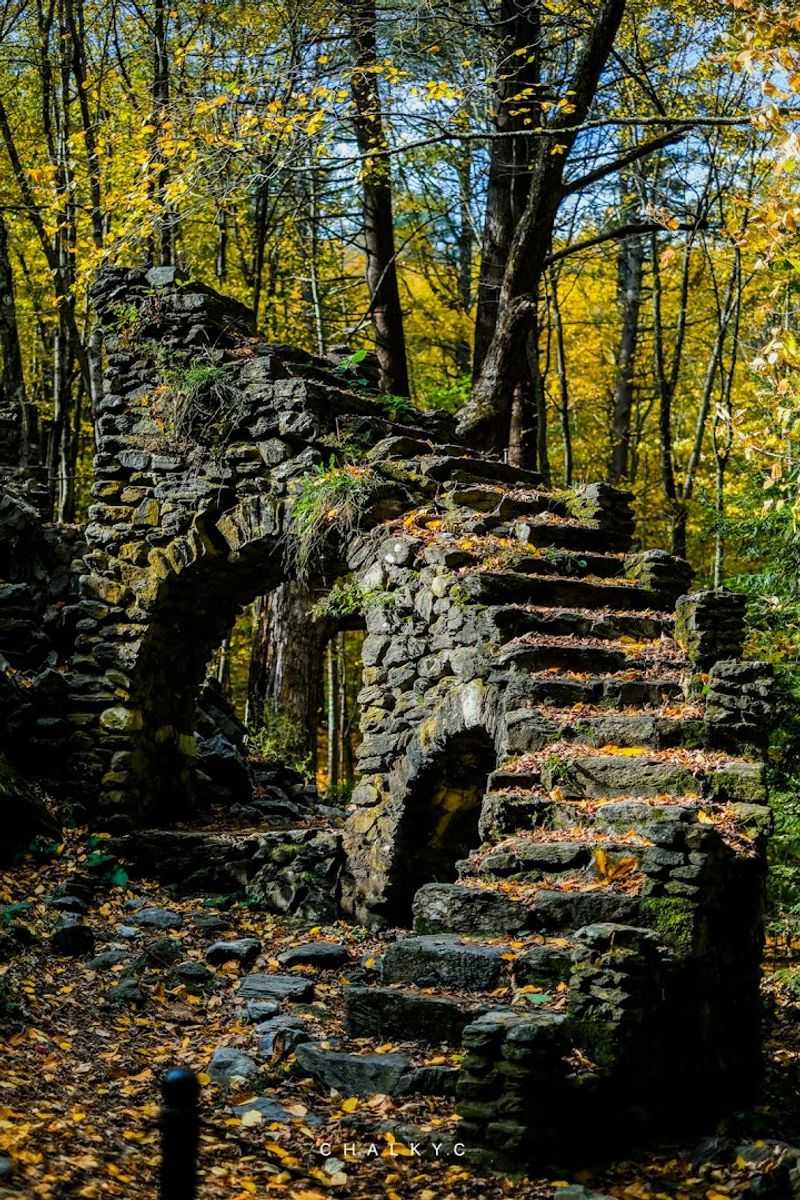
Arguably the most theatrical ruin in all of New Hampshire, Madame Sherri’s Castle is a place that rewards both the curious and the dramatic. Antoinette Sherri, a flamboyant Parisian costume designer who worked for Broadway productions, built her eccentric woodland estate here in the 1920s.
The wooden villa burned to the ground in 1962, but what the fire left behind is somehow even more compelling than the original building ever could have been.
Rising from the forest floor like something from a forgotten fairy tale, the stone foundation and the famous grand staircase now stand as hauntingly beautiful ruins. The staircase in particular is spectacular, curving upward with genuine architectural grace before stopping abruptly at nothing, framed by trees and open sky.
It photographs magnificently in every season, but autumn turns it into something truly extraordinary.
The site is maintained as a conservation area by the Society for the Protection of New Hampshire Forests, and the trail leading to the ruins is accessible and well-marked. A short hike through mature hardwood forest builds wonderful anticipation before the ruins suddenly appear through the trees.
The whole experience feels like stumbling onto a secret, even on a busy weekend afternoon.
No admission fee is required to explore the site, which makes it an easy spontaneous detour. The trailhead is located on Gulf Road in West Chesterfield, NH 03443.
Visiting in October when the foliage peaks turns this already atmospheric spot into something genuinely unforgettable and visually stunning.
6. Searles Castle, Windham
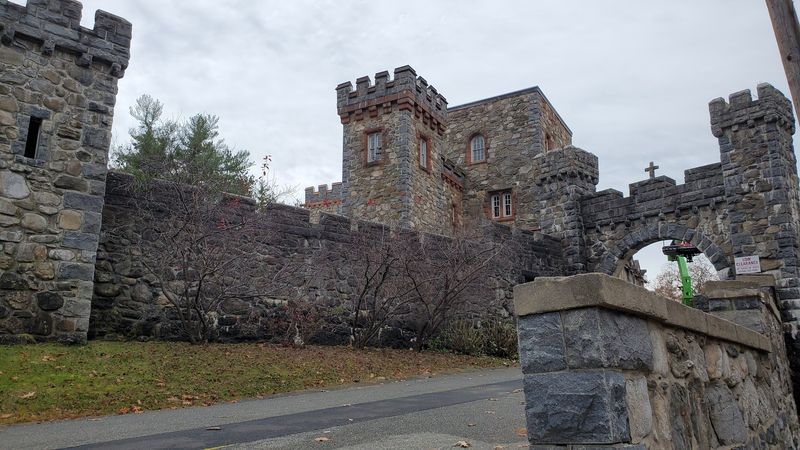
Windham’s most dramatic landmark looks like it was teleported directly from the English countryside, and that feeling never quite goes away no matter how many times you drive past it. Built in 1905, Searles Castle is a 44-room Tudor Revival granite fortress that commands attention from every angle.
The sheer scale of the stonework is breathtaking, with towers and turrets that would look perfectly at home overlooking the Thames rather than a quiet New Hampshire road.
Edward Francis Searles, a wealthy interior decorator and art collector, commissioned the building as a grand personal statement, and the result is one of the most architecturally ambitious private buildings ever constructed in the state.
The exterior alone justifies a special trip, with its precisely cut granite blocks, arched entryways, and imposing towers creating a silhouette that genuinely stops traffic.
It is primarily used today as a private event and wedding venue, but the exterior is fully visible from Searles Road.
Pre-scheduled public events occasionally open the gates to curious visitors, so keeping an eye on the property’s event calendar is worthwhile. The grounds surrounding the castle are beautifully maintained, adding to the overall impression of grandeur and careful stewardship.
Local walking routes pass close enough for excellent photography without requiring any access to the private interior.
The castle sits at 41 Searles Road, Windham, NH 03087. A sunny afternoon visit when the granite glows warm gold in the light is the ideal way to appreciate this remarkable piece of New Hampshire architectural heritage.
7. Barrett House, New Ipswich
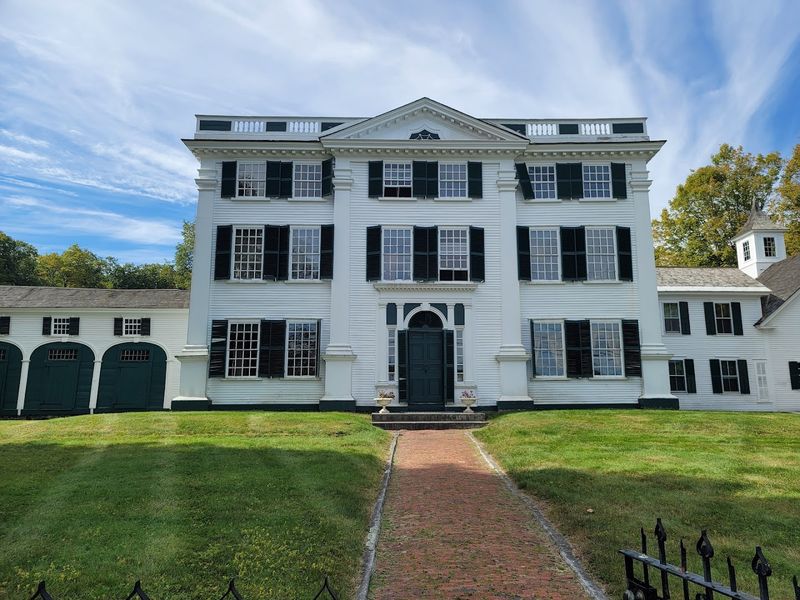
Tucked into the quiet village of New Ipswich, Barrett House is the kind of place that makes you genuinely slow down and pay attention. Also known as Forest Hall, this grand Federal-style mansion was built around 1800 and has been preserving its extraordinary collection of original family furnishings ever since.
French scenic wallpaper lines the walls, a third-floor ballroom awaits above, and more than seventy acres of gardens and grounds surround the whole magnificent package.
What sets Barrett House apart from many historic properties is just how intact and personal the interior feels. Rather than generic period reproductions, the rooms contain actual objects belonging to the Barrett family across multiple generations.
That continuity creates an emotional authenticity that more famous, heavily curated museums sometimes lack. Stepping inside genuinely feels like time has simply paused rather than been reconstructed.
The Gothic Revival summer house on the grounds is a delightful bonus discovery, adding a touch of romantic Victorian whimsy to the more formal Federal character of the main building. Gardens surrounding the property change beautifully across the seasons, making repeat visits genuinely worthwhile.
The estate is operated by Historic New England and opens on the second and fourth Saturdays from June through October.
Tours run on the hour from 11 a.m. to 4 p.m. on those open Saturdays, giving plenty of flexibility for planning. The address is 79 Main Street, New Ipswich, NH 03071.
Arriving at the first tour of the day on a clear June Saturday is the perfect way to experience this underappreciated gem.
8. Moffatt-Ladd House and Garden Museum, Portsmouth
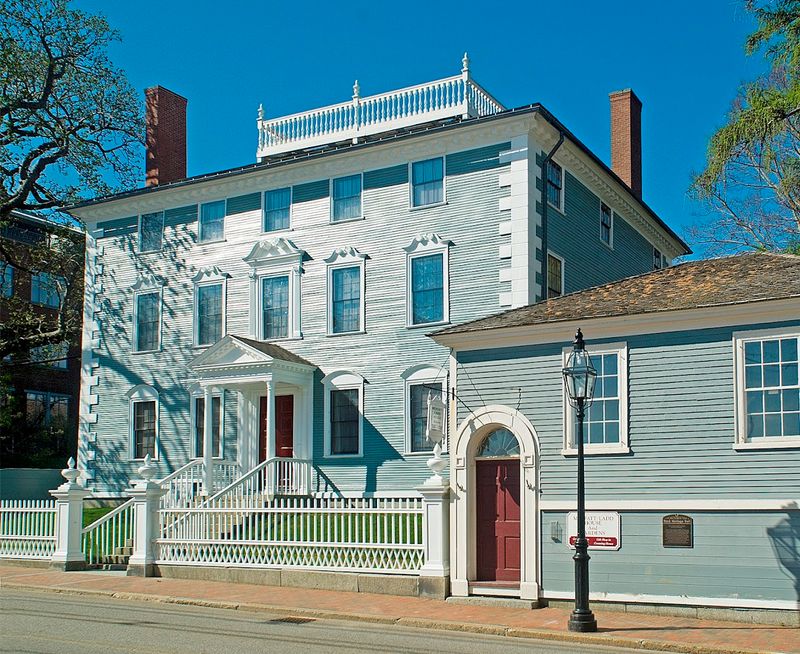
John Adams once called this the grandest house in Portsmouth, and the compliment was not thrown around lightly by a man who knew his way around fine New England architecture.
The Moffatt-Ladd House is a meticulously restored Georgian colonial masterpiece that has been welcoming the public as a museum since 1912, making it one of the oldest continuously operating house museums in the entire country.
That kind of longevity speaks volumes about the property’s enduring appeal.
Built in the 1760s for wealthy merchant John Moffatt, the house passed through several prominent hands before becoming a museum, each family leaving subtle marks on the architecture and interiors.
The result is a richly layered property that interprets American history, New Hampshire history, and Portsmouth’s own remarkable story.
Few museums manage to feel both intimate and historically sweeping at the same time, but this one pulls it off beautifully.
The formal garden behind the house is a lovely surprise, offering a tranquil green space right in the heart of Portsmouth’s historic district. The property reopens seasonally, with the 2026 season beginning on May 30, making it a perfect early summer destination.
Portsmouth’s walkable historic core means you can combine this visit with several other architectural landmarks within easy strolling distance.
The address is 154 Market Street, Portsmouth, NH 03801. A late morning visit gives you time to tour the house and then linger in the garden before exploring the rest of the city’s remarkable colonial streetscape.
9. Stone House Tavern Museum, Chesterfield
History has a funny way of surviving in the most unexpected forms, and the Stone House Tavern Museum in Chesterfield is proof of that. Built in 1762, this sturdy stone structure originally served as a tavern and has since been transformed into a community museum packed with fascinating period artifacts and hands-on exhibits.
The building itself is the first attraction, with its original stonework carrying nearly three centuries of New Hampshire weather with remarkable dignity.
Inside, the second-floor ballroom immediately captures the imagination, conjuring images of 18th-century celebrations and community gatherings that would have filled this space with music and conversation.
The original cooking hearth and beehive boiler speak to the practical, hardworking daily life of colonial New Hampshire in ways that more polished museum displays sometimes struggle to convey.
Antique furniture, period garments, and a dedicated children’s room round out the experience beautifully.
The children’s room with its hands-on exhibits is a particularly thoughtful touch, making this a genuinely family-friendly destination rather than a place where kids are expected to look without touching. Admission is free, which makes it an easy yes for families planning a day of historic exploration in the region.
The museum typically opens on Saturdays from 10 a.m. to 1 p.m. through the summer season.
The 2026 season kicks off on Saturday, May 23, so mark that date if you want to catch it from the very beginning. Find the museum at 246 Route 63, Chesterfield, NH 03443.
A Saturday morning visit pairs perfectly with a walk around this charming southwestern New Hampshire town.
10. Zimmerman House, Manchester
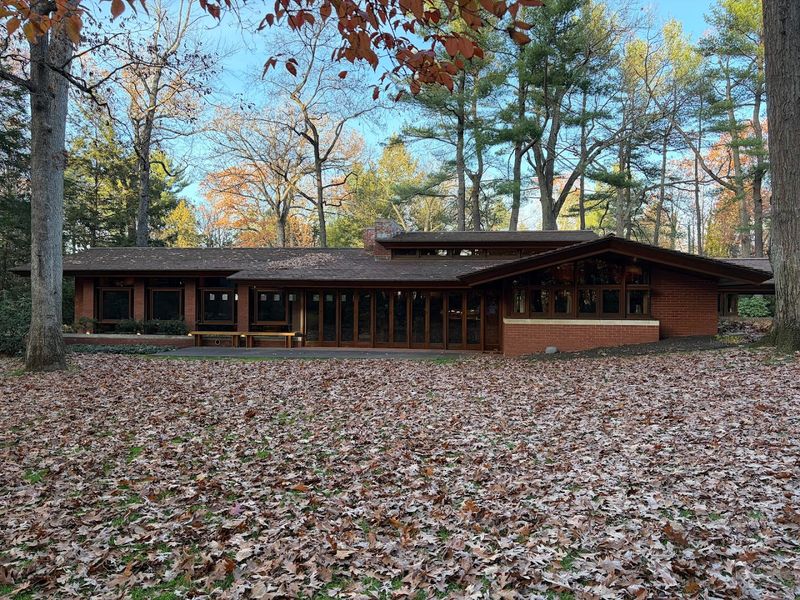
Most people associate Frank Lloyd Wright with grand public buildings or sweeping Prairie Style estates, which makes the Zimmerman House in Manchester one of New Hampshire’s most pleasantly surprising architectural discoveries.
Designed by Wright in 1950 as a Usonian residence, the low-profile brick and wood structure was built for Dr. Isadore and Lucille Zimmerman as a modest but brilliantly conceived family home.
Usonian architecture was Wright’s democratic vision of affordable, beautifully designed housing for ordinary Americans, and this house is one of the finest surviving examples.
What makes a visit here so rewarding is the extraordinary level of preservation. The Zimmermans left the house and its contents to the Currier Museum of Art, which means the furniture, art collection, and garden plantings that Wright himself designed remain largely intact.
Seeing the built-in furniture, the custom textile designs, and the way the house opens seamlessly onto the garden gives you a complete picture of Wright’s total design philosophy rather than just the architecture in isolation.
The Currier Museum of Art manages the property and offers guided tours that are genuinely excellent, combining architectural history with personal stories about the family who lived here for decades. Tour availability is limited, so booking well in advance is strongly recommended, especially during peak summer and autumn months.
The experience rewards architecture enthusiasts, design lovers, and curious generalists equally.
The Zimmerman House is located at 223 Heather Street, Manchester, NH 03104. A morning tour followed by an afternoon at the Currier Museum itself makes for an extraordinarily satisfying cultural day in the state’s largest city.
