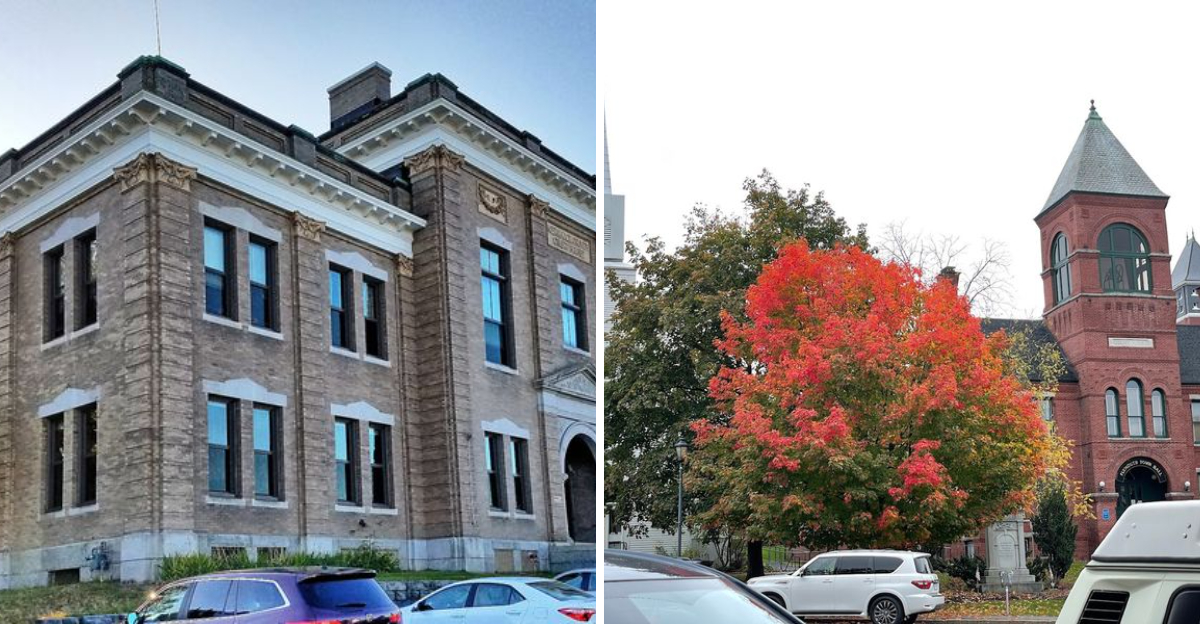
Old buildings have stories to tell. The ones that have been standing for over a century have seen generations pass through their doors.
New Hampshire has a collection of historic courthouses from the 19th century, and many of them are still in use today. I have visited several of them, and each one offers a glimpse into a different era.
The architecture is grand and imposing, with stone columns and tall windows. The courtrooms are preserved with original woodwork and furniture.
I walked into one courthouse that was built in the 1840s, and the floors creaked under my feet. The judge’s bench was still in place, and the jury box was lined with worn wooden seats.
Another courthouse had a beautiful clock tower that still chimes on the hour. That is the thing about these New Hampshire buildings.
They are not just museums. They are living pieces of history that still serve the community.
1. Old Grafton County Courthouse, Plymouth
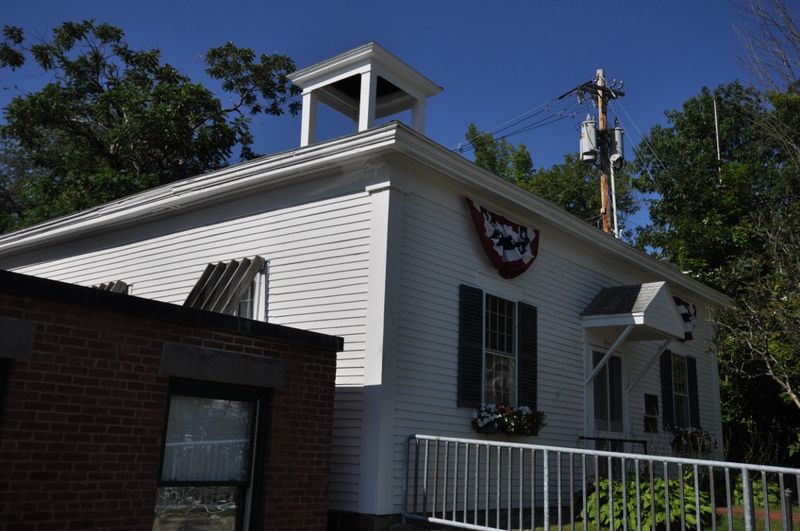
Standing at 1 Court Street in Plymouth, New Hampshire, this modest wood-frame building punches way above its weight in historical significance. It was inside these walls that a sharp 24-year-old lawyer named Daniel Webster argued one of his earliest court cases, back when Plymouth was still finding its footing as a county seat.
Today, the Plymouth Historical Society uses the building as its museum, filling the rooms with artifacts and documents that trace the region’s colonial and early American story.
The building’s simplicity is actually part of its charm. There are no grand columns or imposing stone facades here, just honest colonial construction that tells you exactly what rural New Hampshire justice looked like in the late 1700s.
Walking through the front door feels less like entering a museum and more like stepping through a time portal.
The Plymouth Historical Society does a fantastic job of contextualizing the space, so you are never just staring at old furniture without understanding why it matters. Local volunteers are often on hand to share stories that do not appear in any guidebook.
If you are road-tripping through central New Hampshire and you only stop at one courthouse, make it this one for the sheer novelty of standing where Webster once stood. The address is 1 Court St., Plymouth, NH, and the surrounding downtown area is walkable and full of additional historic character worth exploring on foot.
2. Old Sullivan County Courthouse, Newport
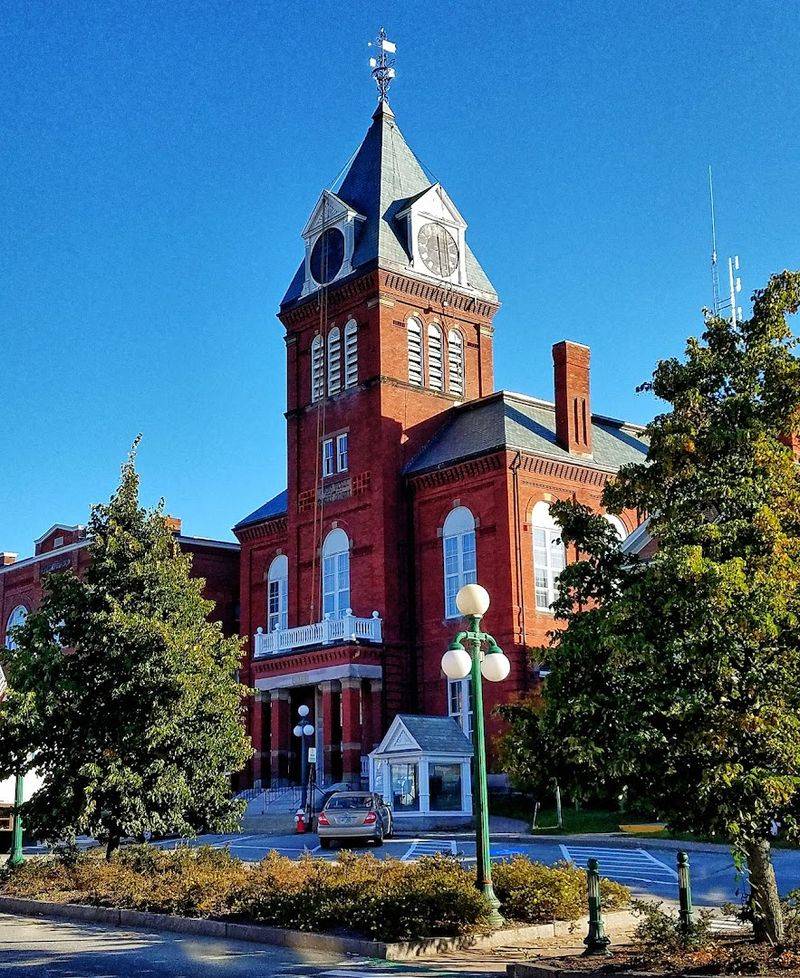
Few historic buildings in New Hampshire have pulled off a reinvention quite this delicious. The Old Sullivan County Courthouse at 30 Main Street in Newport now houses The Old Courthouse Restaurant on its ground floor, meaning you can literally eat lunch inside a building where 19th-century legal dramas once unfolded.
The Newport Historical Society occupies the second floor, keeping the building’s past alive and accessible for anyone curious enough to climb the stairs after their meal.
Built in 1826, the structure sits just behind the Newport Opera House, giving the whole block a theatrical quality that feels entirely appropriate. The Federal-style architecture is clean and dignified, with the kind of proportions that make you stand on the sidewalk a little longer than you planned.
It is one of those rare spots where history and everyday life genuinely overlap in a way that feels organic rather than staged.
Newport itself is a town that rewards slow exploration, and this building anchors its historic Main Street beautifully. Stopping here means you get a proper meal, a peek at local history, and a genuine connection to the legal culture of early New Hampshire all in one visit.
The combination of restaurant and museum under one roof makes it accessible to people who might not otherwise seek out a courthouse on their travels. Check current hours before visiting, as the Historical Society’s second-floor museum operates on a seasonal schedule.
The address is 30 Main Street, Newport, NH.
3. Old Rockingham County Courthouse, Exeter
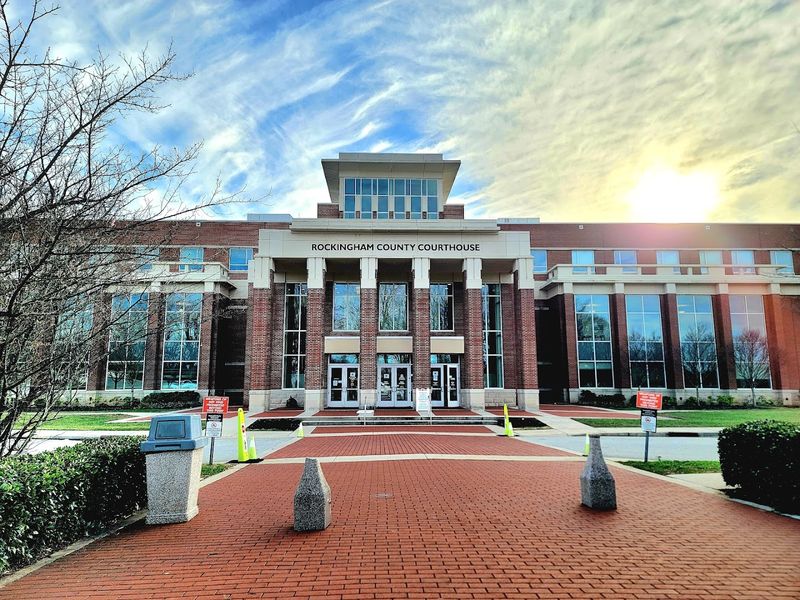
Exeter is already one of the most historically compelling towns in New Hampshire, home to Phillips Exeter Academy and a Revolutionary War-era downtown that feels almost too perfectly preserved. Right at the center of it all sits 9 Front Street, where the Old Rockingham County Courthouse has been reinvented as the Exeter Town Hall.
The building dates from the mid-1850s and carries the sturdy, no-nonsense confidence of mid-Victorian civic architecture.
Repurposing a courthouse as a town hall is actually a pretty logical move, since both buildings exist to serve the public and conduct the business of governance. What makes this conversion special is how much of the original character has been retained.
The facade still commands attention from the street, and the interior spaces retain enough of their historic bones to make the visit genuinely atmospheric rather than just a trip to pay a parking ticket.
Visiting Exeter means you can pair this stop with a walk through the entire downtown historic district, which is compact and extremely walkable. The town green, the old cemetery, and the nearby American Independence Museum all sit within easy reach.
Exeter rewards the kind of visitor who enjoys context, and this courthouse-turned-town-hall provides exactly that, a physical reminder that the institutions of justice and community governance have always been intertwined in New England. The address is 9 Front Street, Exeter, NH, right in the heart of a downtown worth spending at least half a day exploring properly.
4. Old Grafton County Courthouse, Haverhill Corner
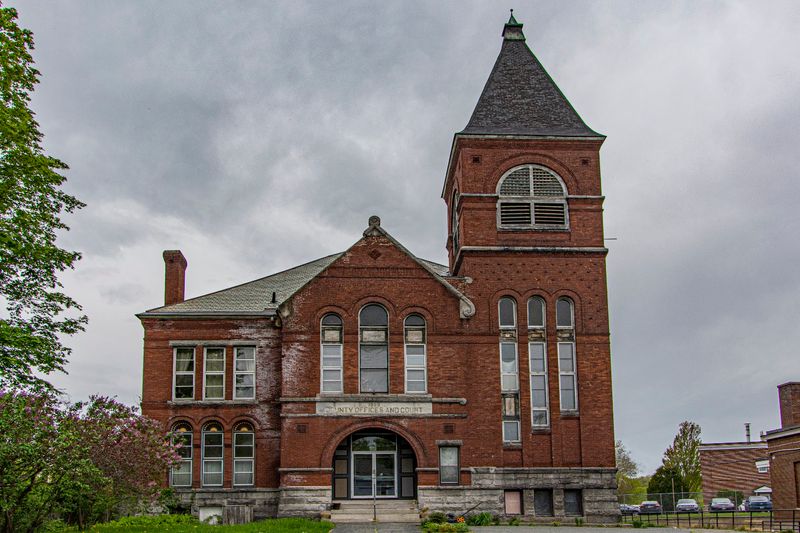
Haverhill Corner is the kind of New Hampshire village that makes you slow down involuntarily. The white fences, the old academy buildings, and the quiet village green create a scene so classically New England that it almost feels like a film set.
Right in the middle of it all stands Alumni Hall at 75 Court Street, the former Grafton County Courthouse that has been beautifully preserved by Haverhill Heritage, Inc. as a community arts and cultural center.
Originally built in the 1840s, this building served the legal needs of Grafton County before the county seat eventually moved elsewhere. Over the decades it also functioned as an academy auditorium and gymnasium, which explains the building’s surprisingly versatile interior layout.
Today, Haverhill Heritage uses the space to host events, exhibitions, and programs that celebrate the history and creative culture of the upper Connecticut River Valley.
What sets this stop apart from the others on this list is the setting. Haverhill Corner’s village green district is one of the most intact 19th-century village landscapes in all of New Hampshire, and Alumni Hall sits at its heart like a proud anchor.
Coming here feels like a full immersion experience rather than a single-building visit. Plan to walk the entire green and read the historical markers while you are at it.
The address is 75 Court Street, Haverhill Center, NH, and the drive up through the Connecticut River Valley to reach it is scenic enough to justify the trip on its own.
5. Merrimack County Courthouse, Concord
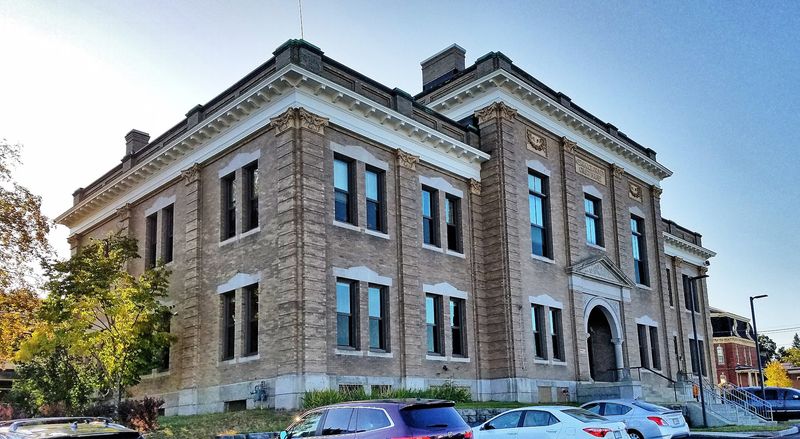
Concord is New Hampshire’s capital city, and North Main Street is its civic spine, lined with government buildings that tell the story of how the state organized itself over two centuries. At 163 N.
Main St. sits the oldest section of the Merrimack County Courthouse, completed in 1857 and now recognized as a genuine capital landmark. Few buildings in the city carry quite this much institutional weight packed into such an elegant mid-Victorian package.
The courthouse’s history is layered in a fascinating way. A newer courthouse structure was eventually built to the rear of the original building, and the historic 1857 section was designated to house county offices, essentially giving the old building a second life as administrative space while preserving its architectural identity.
That balance between preservation and active use is exactly the kind of approach that keeps historic buildings alive rather than turning them into frozen museum pieces.
Visiting Concord means you can combine a stop here with the nearby State House, which is genuinely one of the most accessible and impressive state capitol buildings in the country. The whole downtown corridor rewards a full afternoon of exploration, and the courthouse fits naturally into a walking tour of the capital’s historic core.
The architecture alone justifies a pause on the sidewalk, but the building’s ongoing role in county governance gives it a vitality that purely preserved structures sometimes lack. The address is 163 N.
Main St., Concord, NH, right in the heart of the capital district.
6. Cheshire County Courthouse, Keene
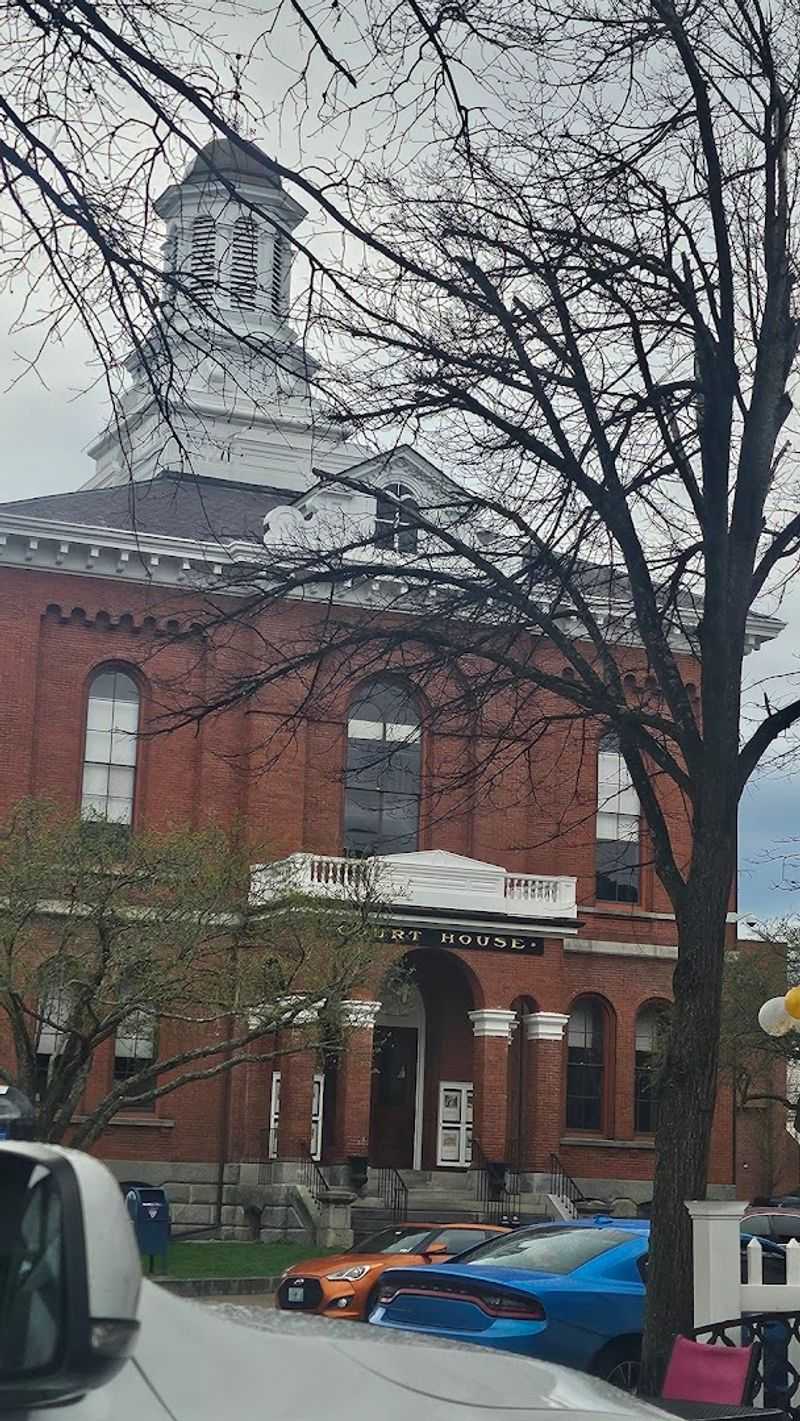
Bragging rights matter in the world of historic preservation, and the Cheshire County Courthouse at 12 Court St. in Keene has a genuinely impressive one: it is the oldest continuously operating courthouse in all of New Hampshire. Built between 1858 and 1859, this building has been delivering justice without interruption for well over a century and a half.
That kind of institutional longevity is rare anywhere in the country, and it gives the building an authority that newer structures simply cannot manufacture.
Keene is a vibrant small city with a lively downtown and a strong sense of civic pride, and the courthouse fits right into that identity. Court Street itself has a stately quality, and the building’s proportions are exactly what you would expect from mid-Victorian New England civic architecture: solid, symmetrical, and built to communicate permanence.
It remains the center of government for Cheshire County, housing county administration alongside its active courtrooms.
Stopping here gives you the rare experience of visiting a working piece of American legal history rather than a preserved relic. The building is not frozen in amber; it is actively doing the job it was designed to do, which makes the connection to the past feel immediate and real.
Keene’s downtown is also one of the most pleasant in the state for a stroll, with independent shops, cafes, and parks all within easy walking distance of Court Street. The address is 12 Court St., Keene, NH, and the building is easy to spot from the street.
7. Old Grafton County Courthouse, Woodsville
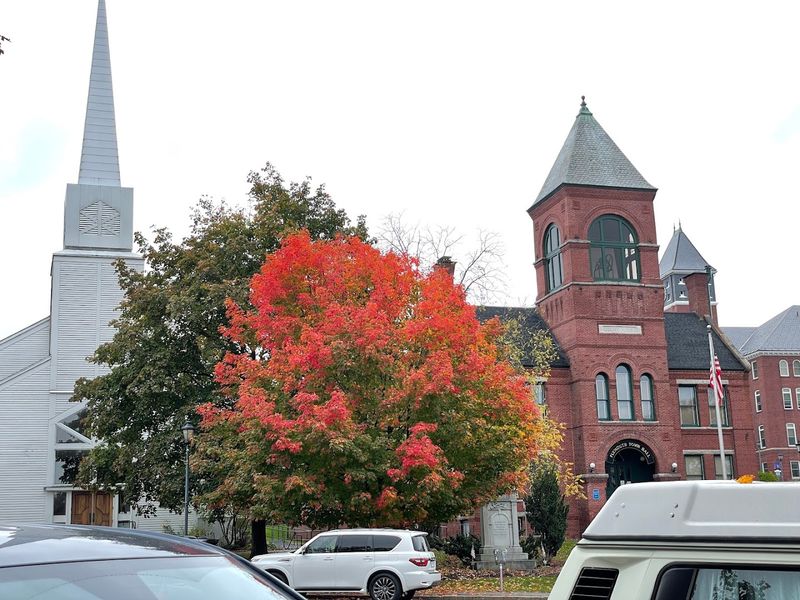
Architecture fans, pay attention, because the former Grafton County Courthouse in Woodsville is a visual knockout. Built between 1889 and 1890, this Romanesque Revival structure brings a level of decorative ambition to rural northern New Hampshire that you genuinely do not expect.
Thick rounded arches, bold brickwork, and the kind of sturdy massing that defined late-19th-century public buildings all combine to create something that stops you in your tracks the moment you turn the corner.
The building served as a courthouse until 1972, which means it has decades of legal history embedded in its walls. After its courthouse days ended, it was converted into a private residential building, which is both a practical preservation outcome and a slightly poignant one.
Because it is now a private residence, you cannot go inside, but the exterior is striking enough to make a drive-by or a sidewalk pause completely worthwhile for anyone with an eye for historic architecture.
Woodsville is a small community in the northern reaches of Grafton County, close to the Connecticut River and the Vermont border, making it a natural stop on a longer scenic drive through the White Mountains region.
The courthouse building stands as a reminder that even small New Hampshire towns invested seriously in civic architecture during the Gilded Age, commissioning buildings that expressed confidence and permanence.
No specific public street address is available for the current private use, but the building is located in Woodsville, NH, and is visible from the surrounding streets for those who seek it out.
8. Old Rockingham County Courthouse Site, Portsmouth
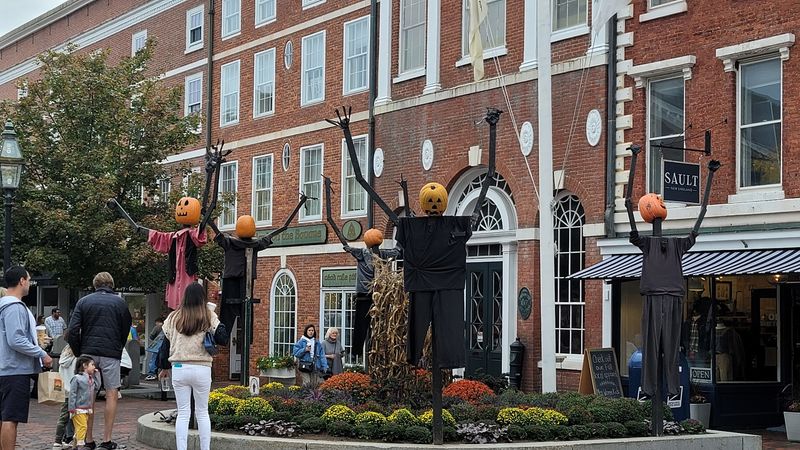
Portsmouth is one of the most architecturally rich cities in New Hampshire, and its historic Court Street corridor carries layers of legal and civic history that most visitors walk right past without realizing it. The original Rockingham County Courthouse was a Greek Revival structure built in 1836, positioned on Court Street opposite Court Place.
It was a handsome building by all accounts, reflecting the period’s enthusiasm for classical American civic design.
The story of what happened to it is a cautionary tale in preservation history. The building was moved from its original location before 1916 and was eventually demolished in 1967, leaving behind nothing but a parking lot where a significant piece of New Hampshire’s legal history once stood.
It is a sobering reminder of how many irreplaceable historic structures were lost during the mid-20th century before preservation movements gained serious momentum.
Coming to this site today means engaging with absence as much as presence, which is actually a meaningful exercise for anyone interested in how cities change over time. Portsmouth’s broader historic district more than compensates, with block after block of preserved colonial and Federal-era architecture that makes it one of the finest historic walking cities in the entire Northeast.
The Court Street area still carries an atmospheric quality worth experiencing, even without the original building. Portsmouth rewards multiple visits and slow exploration, so treat this stop as part of a fuller day in the city.
The site is located on Court Street, Portsmouth, NH, in the heart of the historic district.
9. Amherst Village Courthouse, Amherst
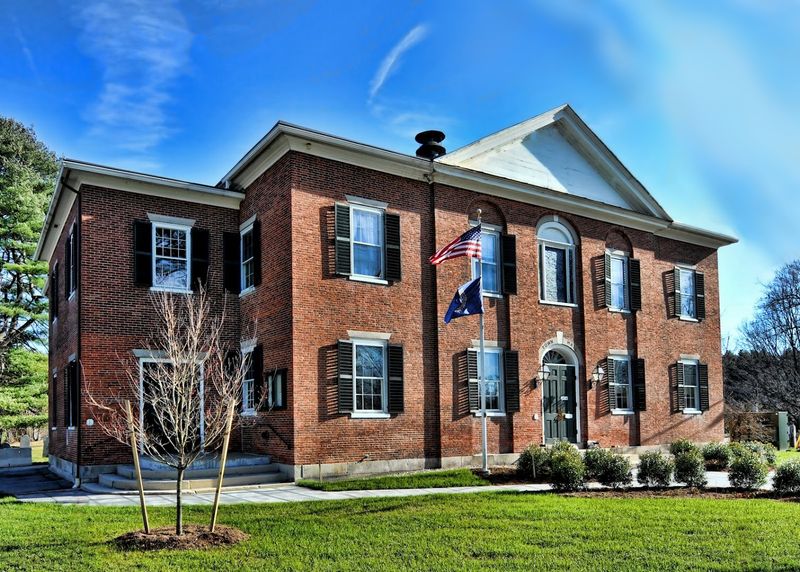
Some buildings earn their place in a community not just through age but through sheer staying power, and the former Amherst Village Courthouse at 2 Main Street is a perfect example. It was built in 1825 as the county’s third courthouse.
This Federal-style structure has long since transitioned into its role as Amherst Town Hall, but it remains the architectural and historical anchor of one of New Hampshire’s most celebrated village green districts.
The fact that it is still actively used by the town gives it a warmth that purely preserved buildings sometimes lack.
Amherst’s village green is genuinely spectacular in a low-key, quintessentially New England way. The surrounding historic homes, the old church, the stone walls, and the mature trees create a setting that feels both timeless and lived-in.
The courthouse-turned-town-hall sits within this landscape like it was always meant to be there, which of course it was, since it predates most of its neighbors on the green.
Visiting Amherst means stepping into a version of New Hampshire that has managed to preserve its 19th-century character without becoming a tourist showcase. People actually live here, work here, and gather at this town hall for the same civic purposes that filled the building when it was a courthouse two centuries ago.
That continuity of community use is what makes this stop feel so genuinely special compared to more formally curated historic sites. The address is 2 Main Street, Amherst, NH, right on the village green and impossible to miss on arrival.
