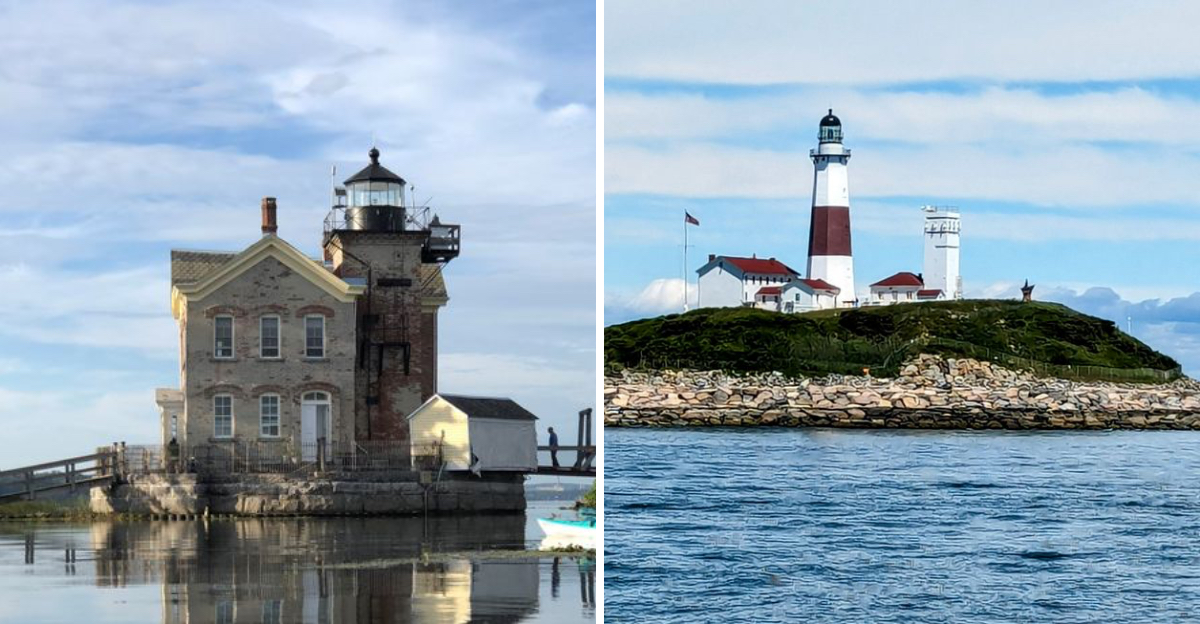
New York State’s waterways have long depended on lighthouses for safe navigation.
From the Atlantic coastline to the Great Lakes and the Hudson River, these historic beacons have guided countless mariners over the centuries.
Many of these structures have been preserved, offering visitors a chance to experience both maritime history and scenic day trips in one visit.
Some lighthouses continue to serve as active aids to navigation, while others have found new life as museums or local landmarks.
1. Montauk Point Lighthouse
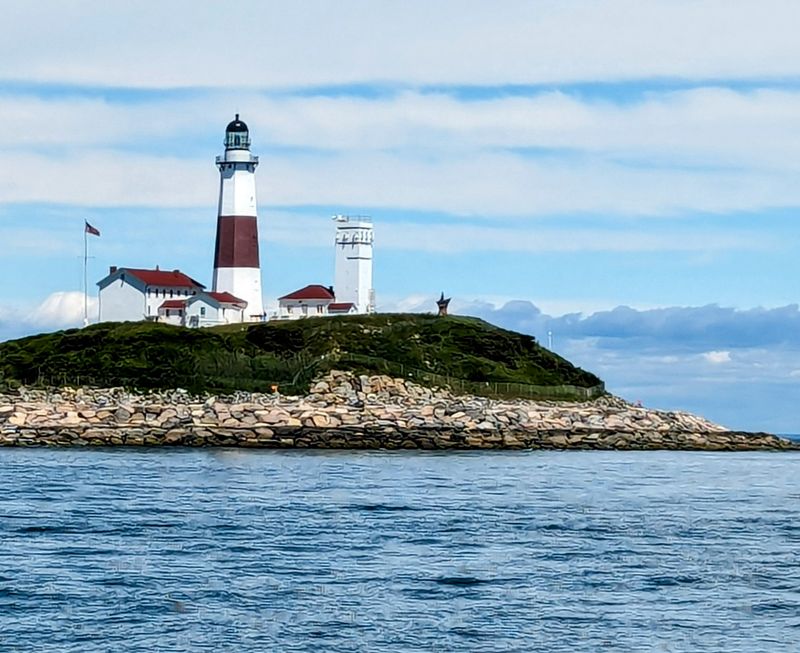
Perched at the very tip of Long Island, Montauk Point Lighthouse commands attention with its iconic profile against the Atlantic horizon.
Commissioned by President George Washington and completed late in the eighteenth century, it is the oldest lighthouse in New York State and the fourth-oldest active lighthouse in the United States.
Its towering presence has witnessed centuries of maritime activity, from colonial shipping routes to modern recreational boating.
The lighthouse stands as a testament to early American engineering, built with sandstone blocks and designed to withstand the relentless coastal elements.
Visitors frequently remark on the panoramic ocean views from the top, which are clear on most days and stretch out to meet the sky.
Climbing the interior stairs offers a glimpse into the daily life of lighthouse keepers who once maintained the beacon around the clock.
The on-site museum preserves an impressive collection of maritime artifacts, including documents and relics detailing the region’s nautical past.
Exhibits showcase navigation tools, historical photographs, and personal items that belonged to the keepers and their families.
Each display tells a story of dedication, isolation, and the vital role these structures played in coastal safety.
Montauk Point Lighthouse remains operational, continuing its centuries-old mission of guiding ships safely around the point.
The light still shines nightly, serving as both a practical beacon and a living piece of history for the region.
Surrounding the lighthouse, visitors find scenic walking trails that wind along dramatic cliffs overlooking the crashing waves below.
The area attracts photographers, history enthusiasts, and families seeking a meaningful day trip.
Seasonal programs and educational tours enhance the experience, making it accessible to all ages.
The lighthouse grounds also include a gift shop where visitors can take home memorabilia and learn more about preservation efforts.
Located at 2000 Montauk Highway, Montauk, New York, the site welcomes guests year-round with varying seasonal hours.
Its enduring legacy and breathtaking location make it a must-visit destination for anyone exploring the eastern reaches of Long Island.
2. Fire Island Lighthouse
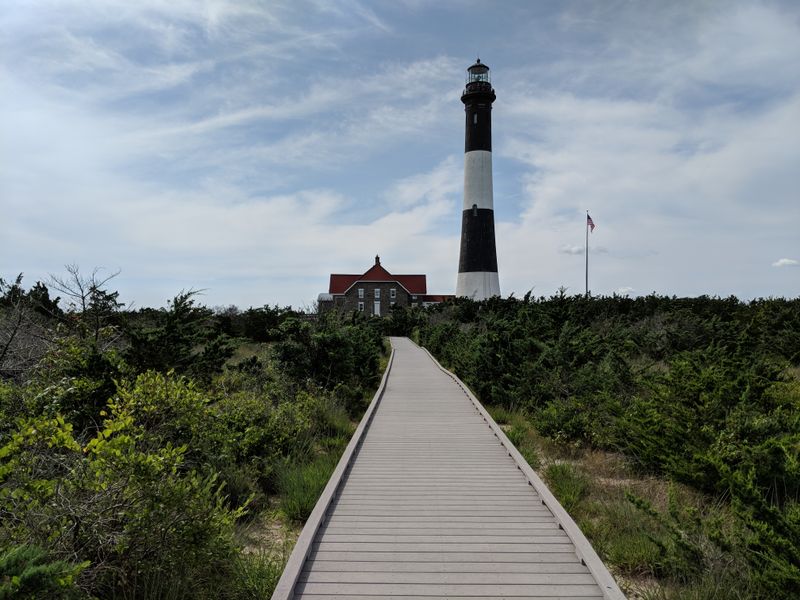
Standing tall since the mid-nineteenth century, the black-and-white bands of Fire Island Lighthouse are instantly recognizable to anyone approaching from the sea.
Not only is it the tallest lighthouse on Long Island at over one hundred sixty feet, but it also offers a rewarding climb up nearly two hundred steps to a sweeping view of the Atlantic and the New York City skyline on clear days.
The alternating stripes were carefully chosen to create a distinctive daymark, helping sailors identify their position along the coast even before nightfall.
This design choice reflects the innovative thinking of maritime architects who understood the importance of visual navigation aids.
The adjacent museum provides insight into the evolving role of the lighthouse, including its part in facilitating safer passage for ships along the often-treacherous coast.
Volunteers and staff share stories of its construction, restoration, and continuous operation.
Interactive exhibits allow visitors to explore the technology behind the light, from early oil lamps to modern electric beacons.
Historical records and photographs line the walls, painting a vivid picture of life on this remote barrier island.
Fire Island Lighthouse is a focal point for those exploring the barrier island’s beaches and trails, offering a blend of natural beauty and historical significance.
Seasonal events and guided tours add further opportunities for discovery.
The surrounding landscape features pristine dunes, maritime forests, and wildlife habitats that change with the seasons.
Birdwatchers often spot migratory species, while beachcombers enjoy the solitude of the shoreline.
Accessibility to the site involves a scenic walk from the parking area, adding to the sense of adventure.
The lighthouse grounds are well-maintained, with interpretive signage that educates visitors about coastal ecology and preservation efforts.
Located at 4640 Captree Island, Kismet, New York, Fire Island Lighthouse welcomes visitors during designated hours throughout much of the year.
Its combination of natural splendor and rich history makes it a standout destination for travelers seeking both relaxation and education along the New York coast.
3. Saugerties Lighthouse
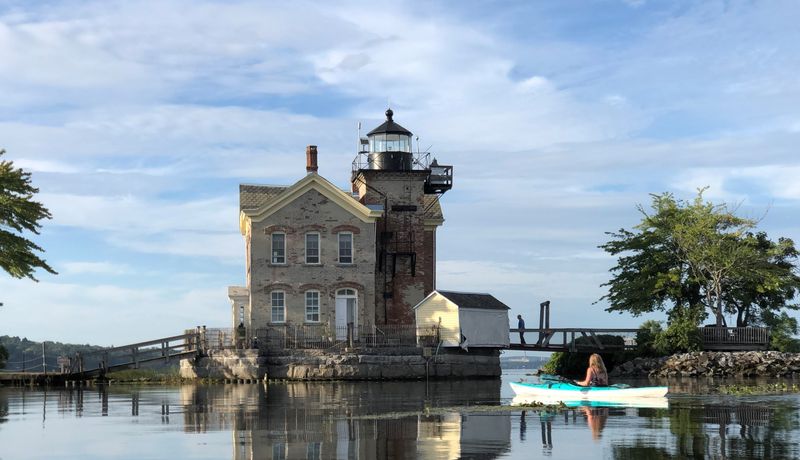
Hidden at the end of a tranquil trail, Saugerties Lighthouse offers a peaceful retreat beside the Hudson River.
Built in the mid-nineteenth century, this red-brick structure blends Victorian charm with the ruggedness of riverside life.
The location is accessible only by a half-mile walk through the Esopus Bend Nature Preserve, adding an element of discovery to every visit.
This journey through wetlands and woodlands sets the stage for the serene experience that awaits at the water’s edge.
Today, the lighthouse doubles as a small museum and a bed-and-breakfast, making overnight stays possible for those seeking a truly immersive experience.
Guests can sleep in rooms where keepers once lived, waking to the gentle sounds of the river lapping against the foundation.
The well-preserved interiors showcase period furnishings and artifacts connected to the area’s river traffic.
Each room tells a story, from the kitchen where families prepared meals to the lantern room where the light was tended with care.
Saugerties Lighthouse’s unique setting makes it a favorite for birdwatchers, artists, and anyone drawn to the quieter side of Hudson Valley history.
The river’s shifting tides provide a different view with every visit.
During low tide, visitors can walk along the exposed mudflats, while high tide brings the water right up to the lighthouse walls.
This dynamic environment supports diverse wildlife, including herons, egrets, and various fish species.
The lighthouse also serves as a venue for small gatherings and educational programs focused on river ecology and maritime heritage.
Volunteers maintain the site with dedication, ensuring that its historical integrity remains intact for future generations.
The surrounding nature preserve offers additional trails for hiking and wildlife observation, making it easy to spend an entire day exploring.
Located at 168 Lighthouse Drive, Saugerties, New York, the lighthouse is open for tours during warmer months, with overnight accommodations available by reservation.
Its blend of natural beauty, historical significance, and unique lodging makes it a truly special destination in the Hudson Valley region.
4. Dunkirk Lighthouse
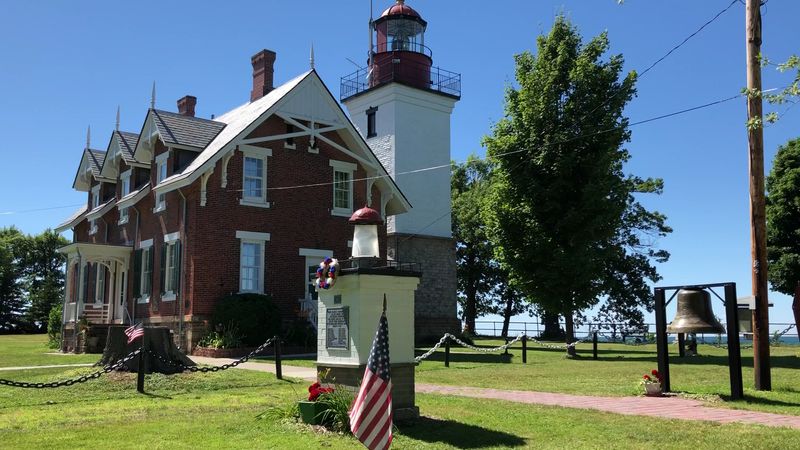
Overlooking the southern shore of Lake Erie, Dunkirk Lighthouse is an enduring symbol of the region’s maritime history.
Built in the late nineteenth century, the structure features a classic white tower connected to a red-roofed keeper’s house.
Its location has long played an important role in guiding vessels through this challenging stretch of lake.
The Great Lakes have a reputation for sudden storms and treacherous conditions, making lighthouses like Dunkirk essential for safe navigation.
The site includes a museum with maritime and military exhibits, attracting visitors interested in the area’s dual heritage.
Highlights include period navigation equipment, local artifacts, and stories of shipwrecks that shaped the community.
The museum’s collection provides a window into the lives of those who worked on the water and those who kept the lights burning through long nights.
Veterans’ memorials and military displays honor the service members who have called this lakeside community home.
Maintained by a local preservation group, Dunkirk Lighthouse continues to serve as a navigational aid while welcoming the public for tours and events.
The lakefront grounds offer space for reflection and lakeside walks.
Visitors can stroll along the water’s edge, enjoying views that stretch across the vast expanse of Lake Erie.
The lighthouse tower is open for climbing during tour hours, providing a unique vantage point over the harbor and surrounding landscape.
Educational programs and special events throughout the year bring history to life for school groups and families.
The keeper’s house has been carefully restored to reflect its original appearance, complete with period furnishings and decor.
Each room offers insights into the daily routines and challenges faced by lighthouse families.
Located at 1 Lighthouse Point Drive, Dunkirk, New York, the lighthouse is accessible during designated visiting hours, with seasonal variations.
Its combination of maritime history, military heritage, and stunning lakefront views makes it a compelling stop for travelers exploring western New York State.
5. Horton Point Lighthouse

Nestled on a Southold bluff, Horton Point Lighthouse has quietly watched over Long Island Sound since the mid-nineteenth century.
Its distinctive square tower, painted white with a black lantern, stands amid a seaside park that invites leisurely exploration.
The lighthouse’s elevated setting gives visitors sweeping views over the water and shoreline.
This vantage point has made it a valuable navigation aid for vessels traveling between New York and New England for generations.
Within the lighthouse, a modest maritime museum showcases historical documents, navigational tools, and photographs chronicling the evolution of the area’s shipping activity.
The exhibits are thoughtfully curated to appeal to visitors of all ages, making history accessible and engaging.
Personal stories of lighthouse keepers and their families add a human dimension to the technical aspects of maritime navigation.
Artifacts on display include lenses, logbooks, and everyday items that reveal the realities of life in this isolated outpost.
Picnic areas and trails around the site encourage families and day trippers to linger and enjoy the coastal landscape.
The park setting provides ample space for relaxation, with benches positioned to take advantage of the scenic views.
Children often enjoy exploring the grounds, while adults appreciate the peaceful atmosphere and historical context.
Interpretive signs provide additional context, making it easy for visitors to connect with the lighthouse’s history and its ongoing preservation.
Horton Point is a favorite stop for those exploring the quieter stretches of eastern Long Island.
The surrounding community of Southold offers charming shops, farms, and vineyards, making the lighthouse part of a broader day trip itinerary.
The lighthouse grounds are maintained by dedicated volunteers who ensure the site remains welcoming and informative.
Seasonal tours allow access to the tower, where visitors can climb to the top and experience the same views that guided mariners for over a century.
Located at 2575 Lighthouse Road, Southold, New York, Horton Point Lighthouse is open to the public during select hours, with guided tours available during peak seasons.
6. Oswego West Pierhead Lighthouse

Situated at the entrance to Oswego Harbor, the West Pierhead Lighthouse is a striking presence on Lake Ontario.
Built in the early twentieth century to replace earlier lights, it features a steel frame and red-roofed cupola, designed to withstand the lake’s harsh weather.
The lighthouse is only accessible by boat, adding a sense of adventure to any visit.
This unique access requirement makes the experience all the more memorable, as visitors approach the structure from the water just as mariners have for decades.
Seasonal tours allow guests to explore the tower’s interior and learn about its role in guiding commercial and recreational traffic into the harbor.
The panoramic water views from the deck offer a firsthand look at the bustle of port activity.
Standing on the platform, visitors gain an appreciation for the challenges faced by those who navigated these waters before modern technology.
The lighthouse’s compact interior is packed with historical information, photographs, and equipment that illustrate its operational history.
Guides share stories of storms, rescues, and the daily routines that kept the light burning through all conditions.
Managed by a partnership between local organizations and the city, the lighthouse remains active, continuing to assist navigation while also serving as a living museum for the community.
Its unique setting makes it a memorable destination.
The boat ride to the lighthouse offers views of Oswego’s waterfront, historic buildings, and the expansive lake beyond.
Visitors often spot fishing boats, pleasure craft, and occasionally larger vessels making their way through the harbor.
The lighthouse stands as a symbol of Oswego’s maritime heritage, a heritage deeply rooted in Great Lakes commerce and naval history.
Educational programs and special tours are offered during warmer months, providing opportunities for school groups and history enthusiasts to learn more.
The partnership managing the site ensures that preservation efforts continue, maintaining the lighthouse for future generations.
Located at the end of the west pier in Oswego Harbor, Oswego, New York, the lighthouse is accessible by boat tour during designated times, typically from late spring through early fall.
Dear Reader: This page may contain affiliate links which may earn a commission if you click through and make a purchase. Our independent journalism is not influenced by any advertiser or commercial initiative unless it is clearly marked as sponsored content. As travel products change, please be sure to reconfirm all details and stay up to date with current events to ensure a safe and successful trip.
