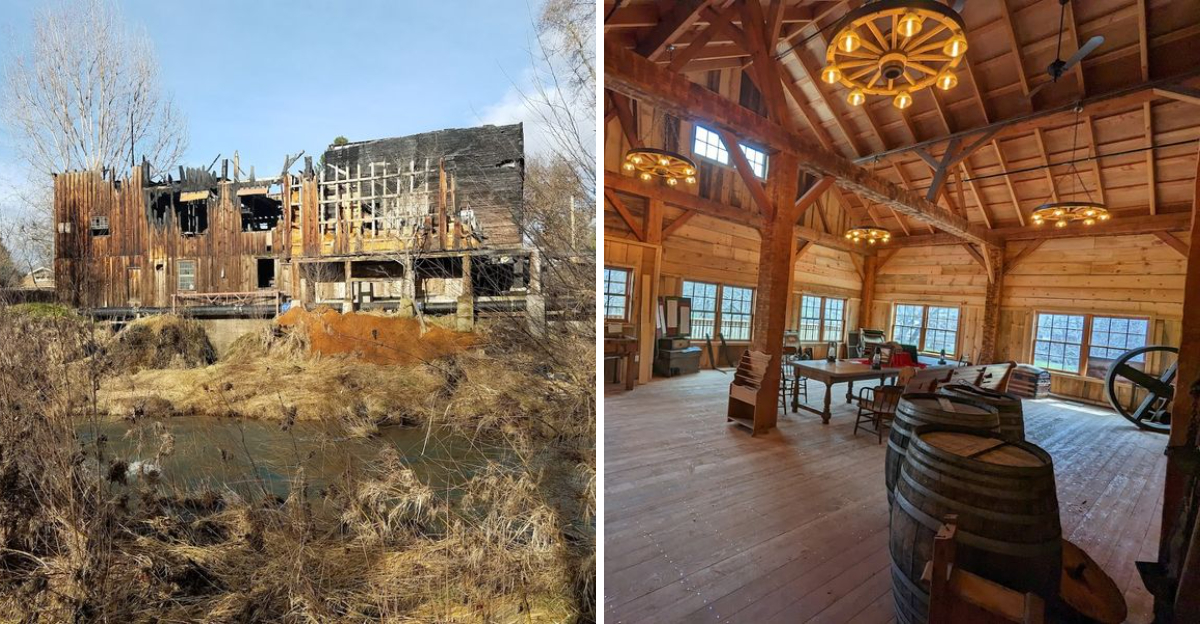
A Christmas Day fire once tore through this historic Oregon mill and left it in ruins. For a while, it felt like the story had reached its end.
But Oregon stories don’t stay finished for long. The silence of the aftermath slowly turned into rebuilding, effort, and a lot of stubborn determination.
Piece by piece, the mill started to come back. Not exactly the same, but carrying the same spirit that made it worth saving in the first place.
Today, it stands as more than a reminder of what was lost. It’s a comeback story people actually come to see in person, just to believe it happened.
A Mill Built to Last: The Origins of Butte Creek Mill
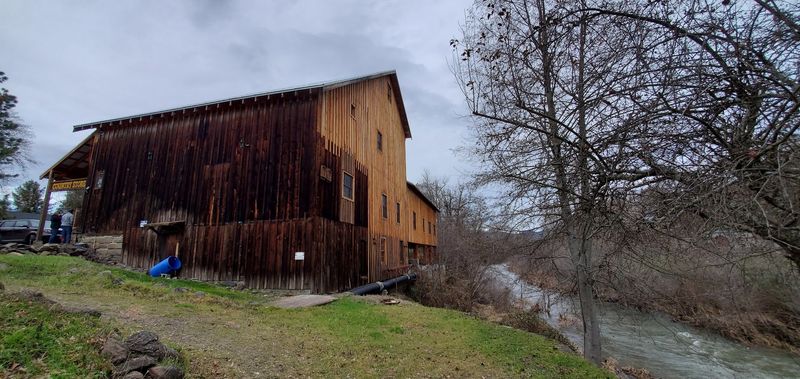
Built in 1872, Butte Creek Mill is one of the oldest operating grist mills in the entire Pacific Northwest. That is not a small thing.
Most structures from that era are museum pieces behind glass, not working buildings you can walk through and touch.
The mill was designed to use water power from Little Butte Creek. That same creek still flows beside it today.
The original millstones were brought in during an era when transporting heavy equipment meant serious commitment.
Walking through the building, you can feel the age in the floors. The walls hold a kind of quiet weight that newer buildings just cannot fake.
Locals have been connected to this place for generations, and that connection runs deep.
What makes it remarkable is that it never stopped being useful. It was not preserved as a relic.
It kept grinding flour, kept serving the community, and kept the old ways alive. That kind of continuity is rare and worth celebrating.
Christmas Day Tragedy: The Fire That Changed Everything
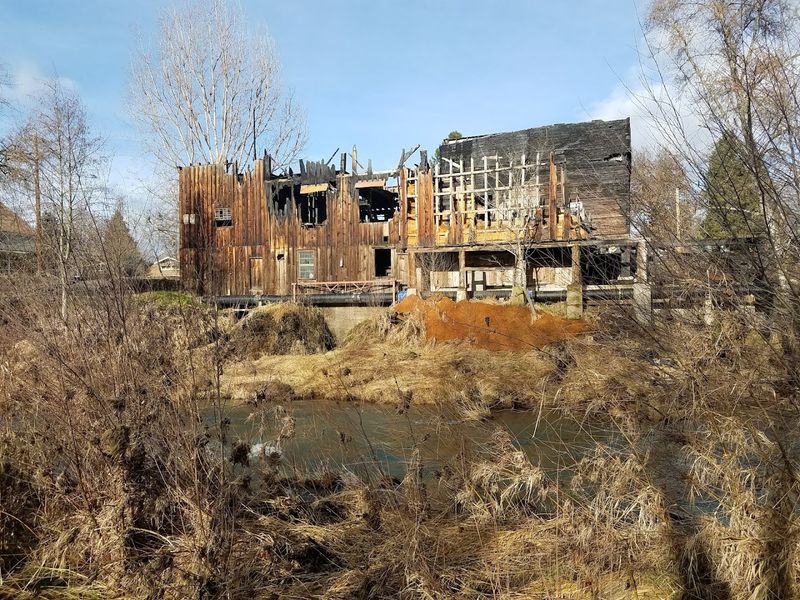
Christmas Day is supposed to be quiet and warm. For Eagle Point, Oregon, one particular Christmas turned into something no one in town will ever forget.
Butte Creek Mill caught fire and burned, leaving behind charred wood where history had stood for over a century.
The loss hit the community hard. This was not just a building.
It was a gathering place, a landmark, and a living piece of Oregon’s past. People who had shopped there for decades stood watching and felt something personal break.
Fire investigators worked to understand what happened. The community, meanwhile, began asking a different question: could it come back?
That question sparked something extraordinary in the people of Eagle Point.
Stories of the fire spread far beyond the town. People across Oregon and beyond learned about the mill and its history for the first time.
Sometimes tragedy has a way of introducing a place to the world. That is exactly what happened here, and what followed was remarkable.
The Community Rallied: How Eagle Point Fought Back
After the fire, Eagle Point did not stay quiet for long. Fundraising efforts began almost immediately.
People who had never met the mill owners started donating because the place meant something to them personally.
Local businesses, volunteers, and preservation groups all stepped in. The rebuilding effort became a shared project that brought together people from across the region.
There was real pride in every hammer swing.
The process was not fast. Restoring a historic structure the right way takes time, patience, and a lot of careful decisions.
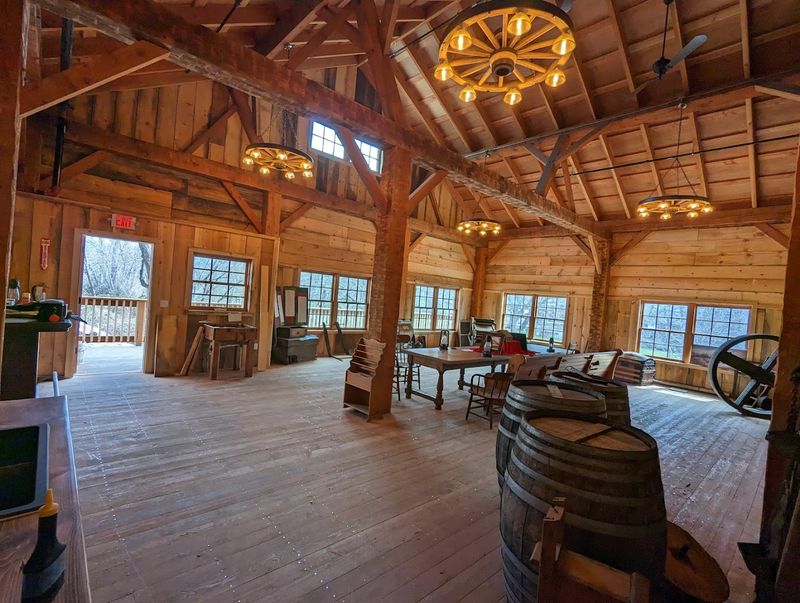
Builders had to match original materials and techniques to keep the mill true to its 1872 roots.
Watching that effort come together was genuinely moving for those who followed along. Updates were shared, milestones were celebrated, and the whole community seemed to exhale when the doors finally opened again.
It reminded everyone that some things are worth fighting for. The mill standing today is proof that collective effort can bring something beautiful back from the edge of being lost forever.
The Rebuilt Mill: What Makes It So Special Today
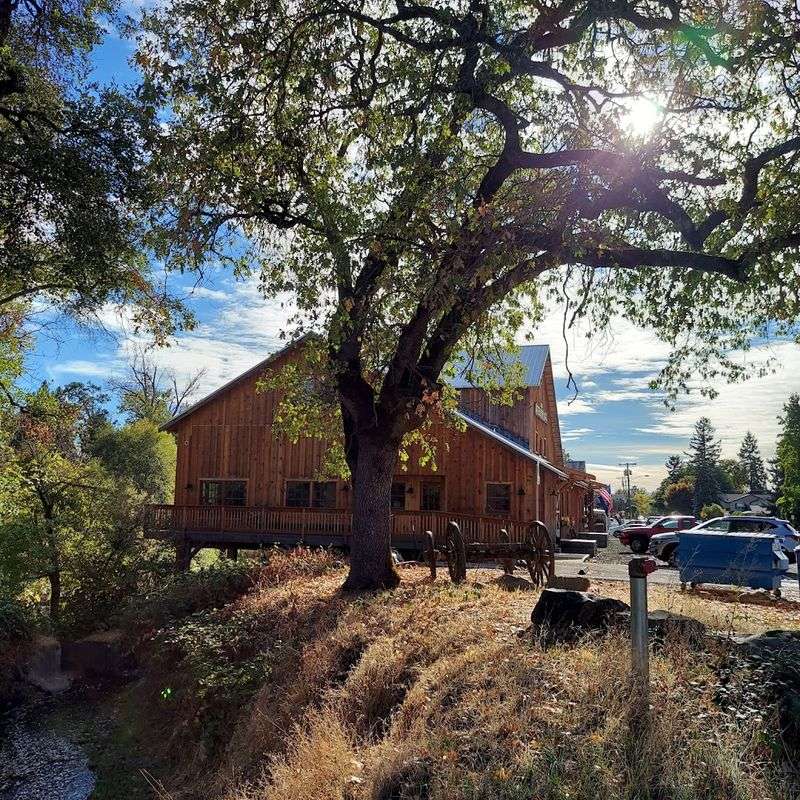
Seeing the rebuilt mill for the first time is genuinely surprising. It looks like it belongs to another century, and that is entirely the point.
The restoration honored the original design while making the structure safe and functional for modern visitors.
The building sits beautifully along the creek. Water moves past the foundation just like it has for over 150 years.
There is a stillness to the setting that feels almost cinematic, like a scene from a story you read as a kid.
Inside, the original milling equipment is still the star. Going downstairs to see the machinery up close is one of those experiences that shifts your sense of time.
You realize how much knowledge and craft went into building something like this.
The staff clearly love what they do. Their enthusiasm for the mill’s history is contagious.
Visitors often arrive expecting a quick look around and end up staying much longer than planned. That is a good sign for any place worth visiting.
Take the Tour: Going Behind the Scenes of a Working Mill
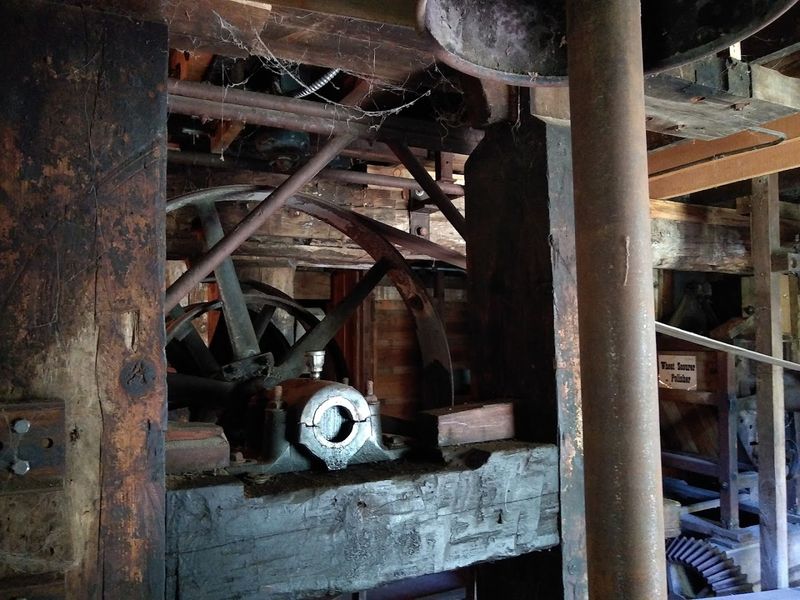
The tour at Butte Creek Mill is genuinely one of the best parts of the visit. I was not expecting to be so absorbed by the mechanics of flour milling, but here we are.
The whole process is fascinating once someone walks you through it.
Guides explain how water power drives the millstones and how grain becomes flour through a process that has barely changed in centuries. Seeing it all in motion on a milling day is something else entirely.
The stones move with a deep, rhythmic rumble that you feel more than hear.
The tours are led with real enthusiasm. Guides like Elaine, who visitors frequently mention, bring humor and warmth to the experience.
It never feels like a scripted presentation. It feels like someone sharing something they genuinely care about.
Kids especially seem to light up during the tour. Watching 12-year-olds get genuinely fascinated by 150-year-old machinery is a reminder that hands-on history beats textbooks every time.
Check the schedule before visiting so you can catch a milling day.
The General Store: A Treasure Trove Worth Exploring
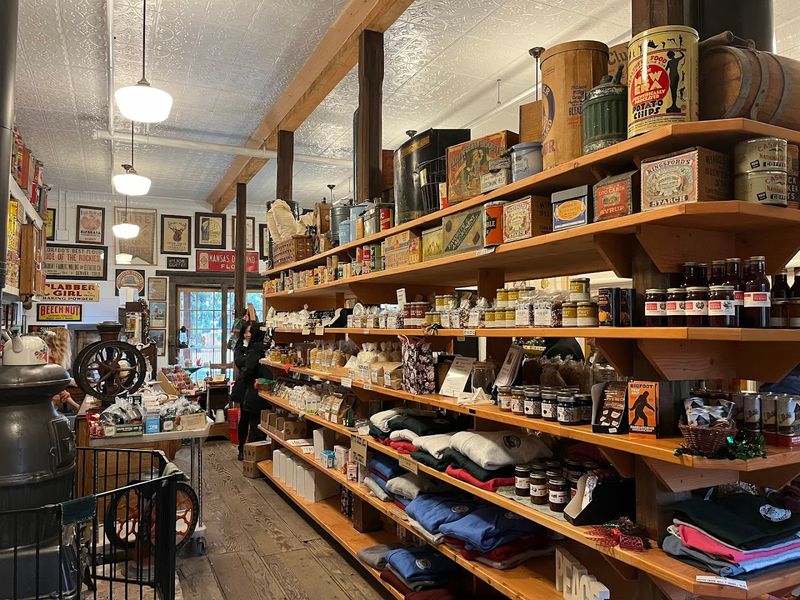
The general store inside Butte Creek Mill is the kind of place you walk into for five minutes and leave an hour later. Every shelf holds something interesting.
The variety is genuinely impressive for such a small space.
Fresh milled flour is the obvious star. Visitors regularly stock up on different varieties for bread baking and other kitchen projects.
The quality difference between this and standard grocery store flour is noticeable the moment you open the bag at home.
Beyond flour, the store carries loose leaf teas, local jams, honey, artisan grains, granola, soup mixes, and an enormous selection of spices. The spice section alone is worth a dedicated browsing session.
Everything smells incredible in there.
It also works beautifully as a gift shop. Picking up something from Butte Creek Mill for a friend feels meaningful, not generic.
You are giving them a piece of a real story. That is something a mall gift shop simply cannot offer, no matter how nicely it is packaged.
Fresh Milled Flour and Artisan Products You Cannot Find Elsewhere
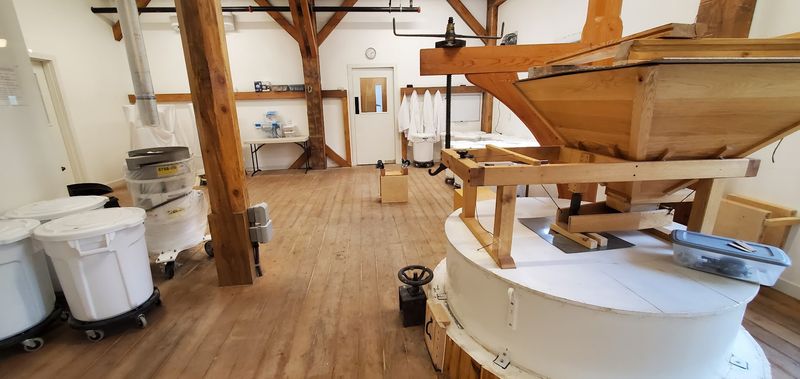
There is something almost meditative about buying flour that was ground on the same stones that have been running since the 1870s. The freshness is obvious.
The texture, the smell, and even the color are different from anything you find in a supermarket aisle.
Butte Creek Mill produces a range of flours and baking mixes entirely in house. Bakers who discover this place tend to become regulars.
Making bread with fresh stone-ground flour is a different experience, and once you try it, it is hard to go back.
The artisan grain selection extends beyond just wheat. There are products that encourage experimentation in the kitchen.
Picking up something unfamiliar and figuring out how to use it at home is part of the fun of shopping here.
Local residents who have lived near the mill for decades describe it as a staple, not a novelty. That kind of loyalty says a lot.
When a place earns that kind of repeat business from people who have other options, it is doing something genuinely right and worth the drive.
History on Display: The Museum and Antique Collection
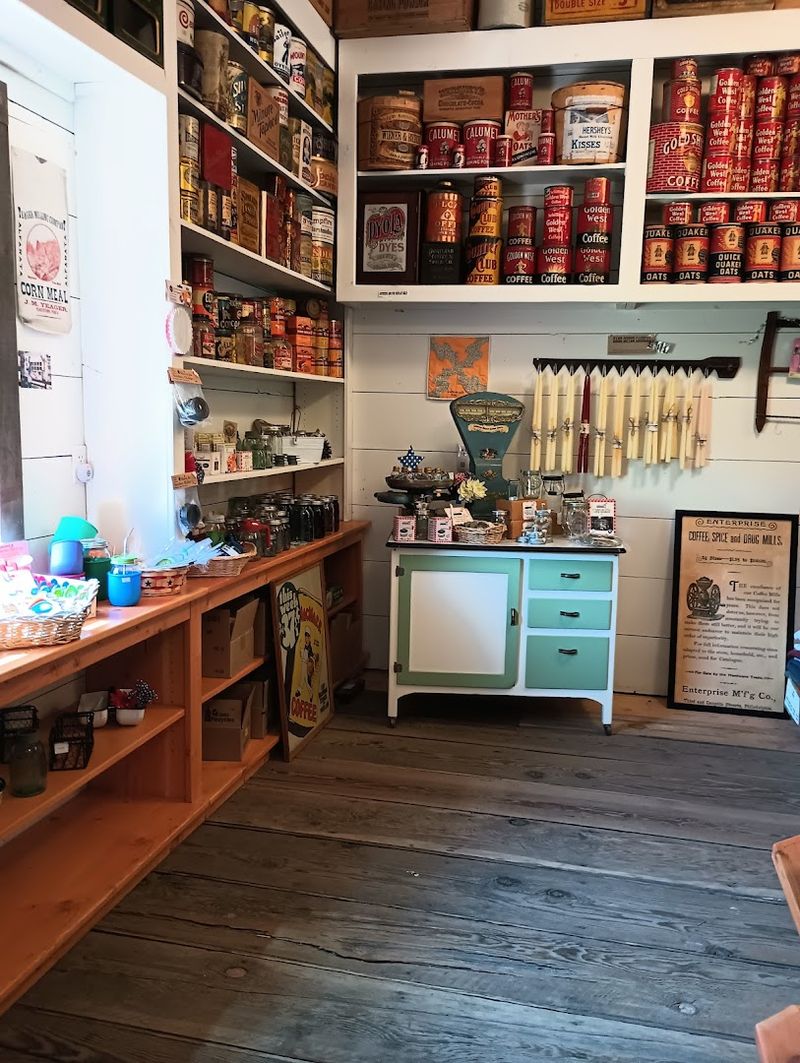
Tucked inside the mill is a museum area that does not announce itself loudly. You stumble into it and suddenly you are looking at packaging designs and store displays from a completely different era.
It is the kind of exhibit that makes time feel elastic.
The collection traces how general stores and product packaging have evolved since the late 1800s. Seeing what a spice tin or flour sack looked like a century ago puts the modern version in an entirely different light.
It is a small but genuinely interesting collection.
Antique items and collectibles are also part of the shop’s character. Browsing through them feels more like exploring an attic than shopping.
There is always something unexpected on a shelf somewhere.
The historical depth of this place is one reason visitors come back. A first visit might focus on the store or the tour.
A second visit often leads deeper into the historical layers. Every trip seems to reveal something that did not register the first time around.
That kind of discovery keeps a place feeling fresh.
The Creek, the Bridge, and the Natural Setting Around the Mill
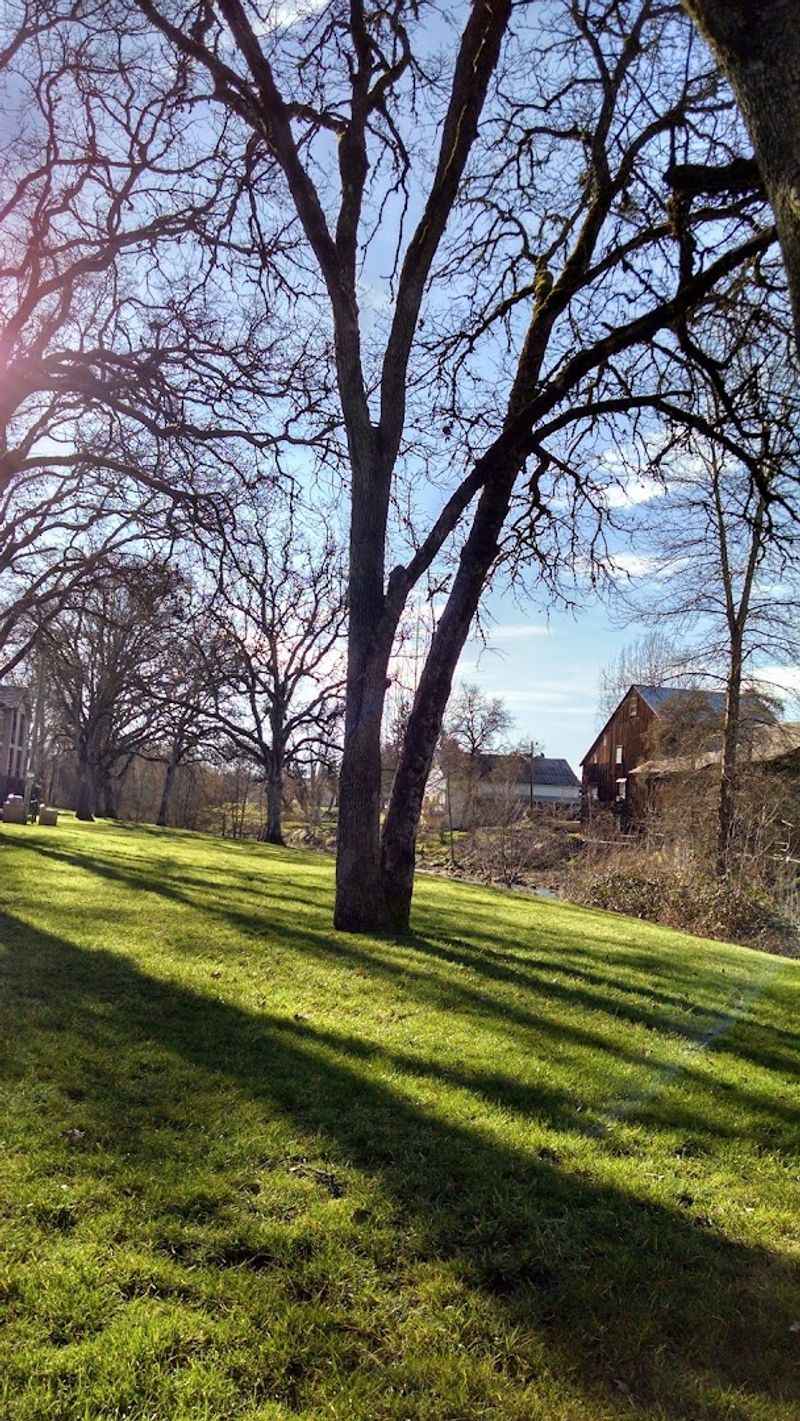
The setting around Butte Creek Mill is one of its most underrated qualities. Little Butte Creek moves quietly alongside the building, and the sound of it is constant and calming.
Standing near the water while looking up at the mill structure is a genuinely pleasant moment.
Just across the creek sits a covered bridge. It is one of those small Oregon details that feels almost too picturesque to be real.
The bridge and the mill together create a scene that looks like it belongs on a postcard, but feels much better in person.
The area around the mill invites a slow pace. Stretching your legs along the creek, taking photos, and just absorbing the surroundings is time well spent.
It is not a hike or a strenuous activity. It is simply a peaceful outdoor moment.
Families with kids especially appreciate having outdoor space to roam after touring the inside. The combination of the creek, the bridge, and the mill building gives the whole visit a layered quality.
Nature and history work together here in a way that feels completely effortless.
Planning Your Visit: What to Know Before You Go
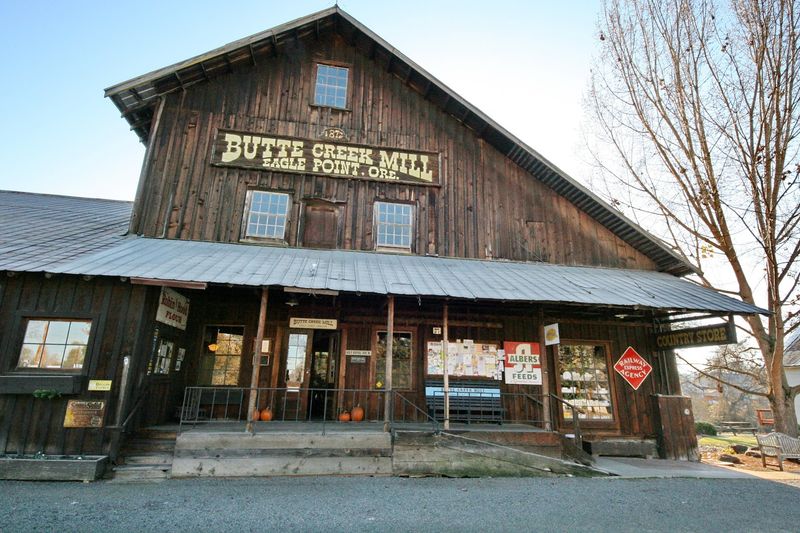
Butte Creek Mill is open Wednesday through Sunday from 10 AM to 5 PM. It is closed on Mondays and Tuesdays, so planning ahead saves disappointment.
Arriving on a milling day adds a whole extra layer to the experience.
The mill is located at 402 N Royal Ave in Eagle Point, Oregon. It is an easy stop if you are traveling through the Rogue Valley area.
Parking is simple, and the whole visit is accessible and relaxed.
Tours are available and genuinely worth taking. If you arrive without planning to tour and then see the stairs leading down to the equipment, you will wish you had signed up.
Do yourself a favor and plan for the tour from the start.
The store is well stocked and makes a great final stop before heading out. Bringing a small cooler for fragile items is a good idea if you are buying jams or specialty foods.
The staff are friendly and happy to answer questions. This is the kind of place that rewards a little curiosity, so ask away.
Dear Reader: This page may contain affiliate links which may earn a commission if you click through and make a purchase. Our independent journalism is not influenced by any advertiser or commercial initiative unless it is clearly marked as sponsored content. As travel products change, please be sure to reconfirm all details and stay up to date with current events to ensure a safe and successful trip.
