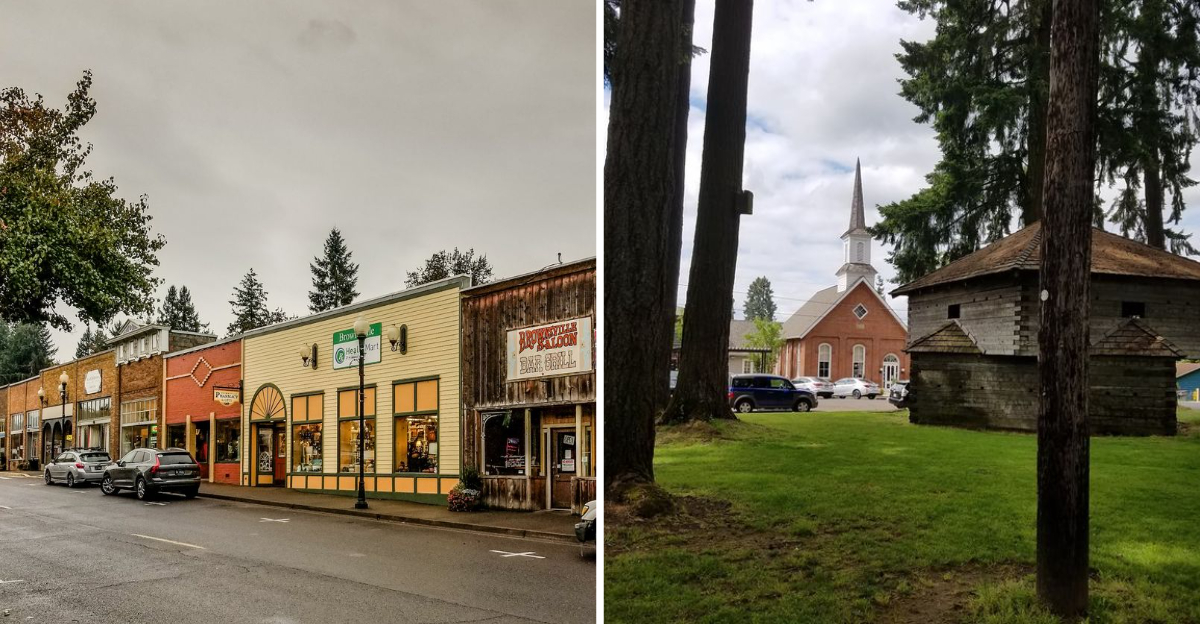
Ever wondered what it feels like to wander through a living time capsule? These historic Oregon towns offer exactly that experience, with Main Streets that look almost identical to how they appeared half a century ago. The charm is undeniable and wonderfully untouched.
The old hardware stores still sell nails by the pound, and soda fountains serve up phosphates to regulars who’ve been ordering the same drink for decades. Gas stations haven’t been updated since your parents learned to drive, and local diners serve pie on classic formica counters.
You won’t spot chain stores or fast-food giants anywhere in sight.
Life moves slower in these places, and that’s precisely the appeal. Neighbours actually know each other, and the pace feels almost rebellious in today’s frantic world. Pack your camera and a sense of nostalgia for this journey. Oregon’s timeless towns prove that some things only get better with age.
1. Astoria
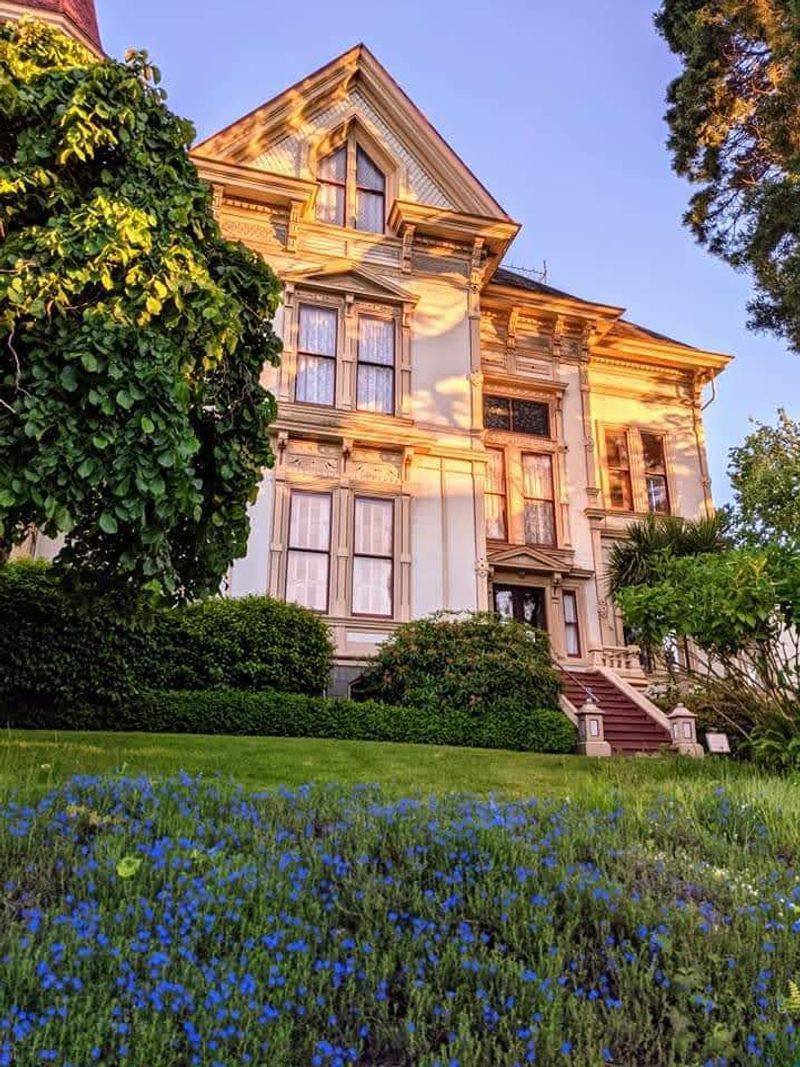
Oregon’s oldest city sits at the edge of the continent with the confidence of a place that knows exactly who it is. Established in 1811 as the first permanent U.S. settlement on the Pacific Coast, Astoria has spent over two centuries collecting stories, and its architecture shows every single one of them.
Victorian homes climb the hillsides in colorful rows, looking out over the wide Columbia River below.
The Astoria Column, erected in 1926 atop Coxcomb Hill, wraps the region’s entire history around its exterior in spiraling sgraffito artwork.
The Flavel House Museum, an exquisite 1886 Queen Anne mansion, and the Heritage Museum inside Astoria’s 1904 City Hall both anchor the city’s commitment to preservation. Two full districts here are listed on the National Register of Historic Places.
Residents chose to restore rather than demolish, and that decision gave Astoria more preserved historic buildings per square mile than almost any small town in Oregon. That choice still shows.
2. Aurora
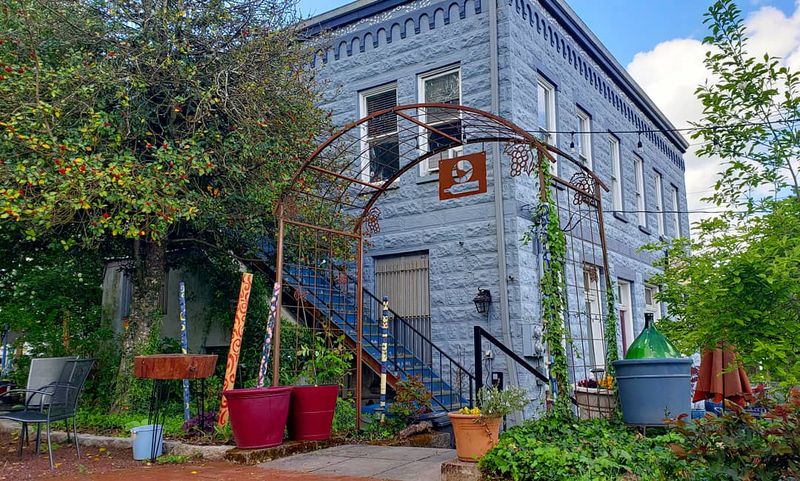
Aurora tells a story unlike any other town in Oregon. German and Swiss pioneers founded it in 1856 as a Christian communal settlement, a place built on shared labor, shared faith, and shared purpose. That spirit of intentional living still lingers in the air between the old buildings and quiet streets.
The Old Aurora Colony Museum is the heart of the visit, showcasing handmade furniture, hand-stitched textiles, and tools crafted by the original settlers.
The museum complex includes several historic structures like the Ox Bar, Steinbach Cabin, and the Kaus House. I found myself slowing down just to take it all in properly.
Antique shops fill the gaps between historic sites, making Aurora a satisfying place to wander without a strict agenda. The town has a gentle, unhurried energy that feels genuinely rare. It rewards curiosity over checklists.
Address: 15018 Second Street NE, Aurora, OR 97002
3. Jacksonville
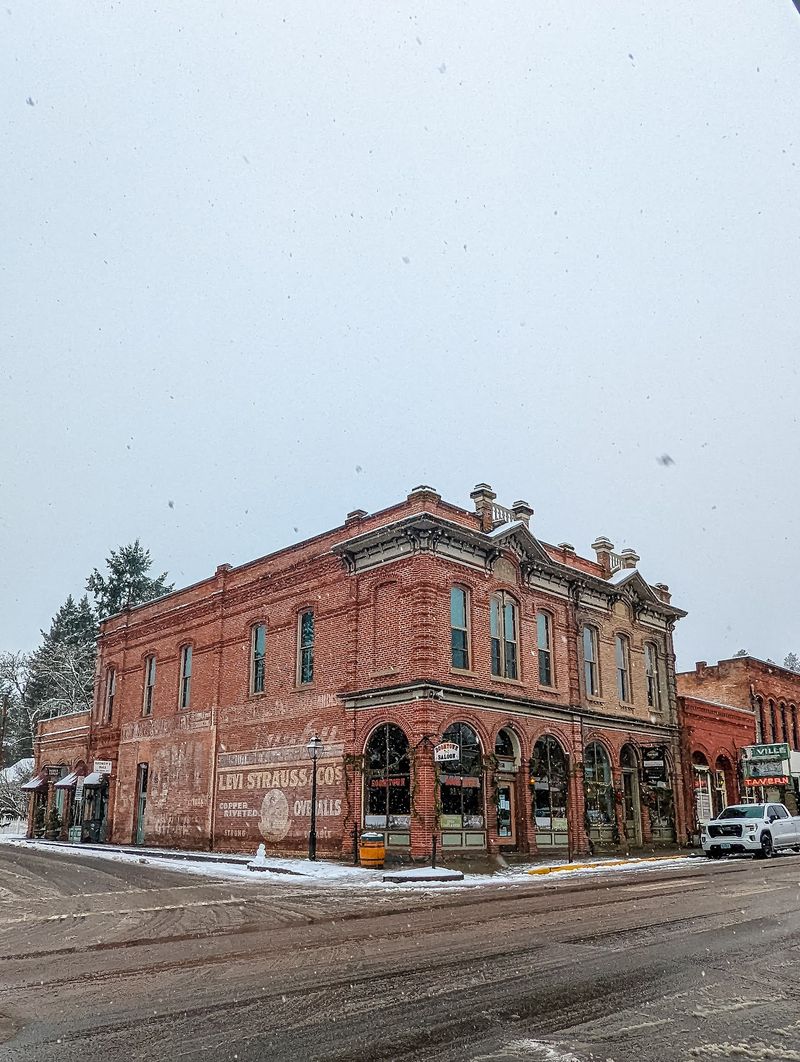
Gold changed everything in Jacksonville. When prospectors struck it rich in nearby Rich Gulch in 1852, this town exploded into one of southwestern Oregon’s most important commercial hubs almost overnight. The energy of that boom era is still visible in every building lining the streets.
Being bypassed by the railroad in 1884 turned out to be Jacksonville’s greatest stroke of luck. Without the pressure of modernization, the town’s frontier-era buildings survived largely untouched, earning the entire downtown a U.S. National Historic Landmark designation in 1966.
The phrase “preservation by neglect” has never sounded so appealing.
Greek Revival, Italianate, and Gothic Revival structures stand side by side. They create an architectural timeline you can walk through in an afternoon. The Beekman Bank, built around 1863, survived Jacksonville’s many fires and still holds its original fixtures inside.
It looks almost exactly as it did when it closed its doors in 1915. That kind of detail is genuinely hard to find.
4. Oakland
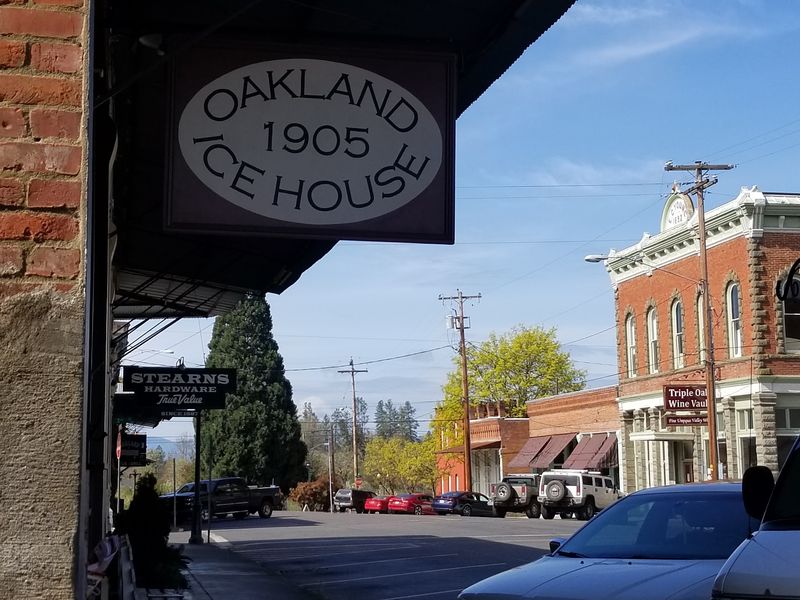
Oakland earned a distinction that no other Oregon town can claim: it was the first city placed on Oregon’s historic register, back in May 1968. That early recognition says a lot about how seriously this community has always taken its own history.
The town relocated to its current site in 1872 when the Oregon and California Railroad arrived. After destructive fires wiped out earlier wooden structures, residents rebuilt with brick in the 1890s. Over 130 properties here are listed on the National Historic Registry.
Stearns Hardware has been operating continuously since 1887, which is the kind of fact that takes a moment to fully absorb. Oakland rewards slow walkers and curious minds. There is always something worth noticing in the details.
5. Brownsville
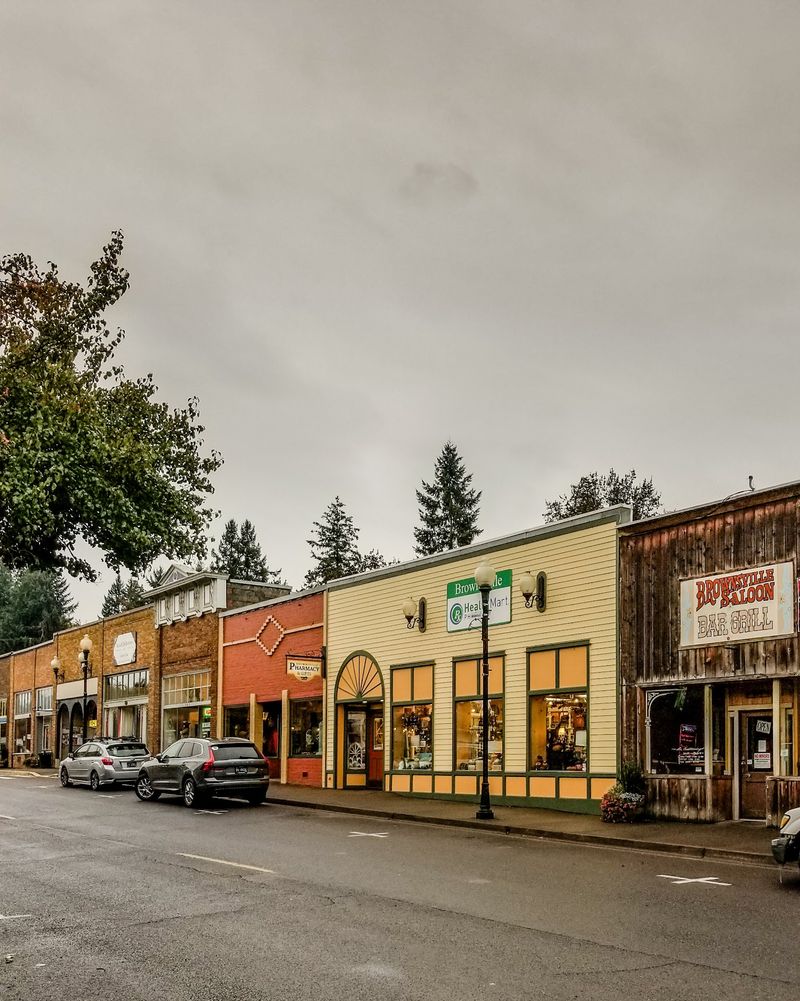
There is something almost dreamlike about Brownsville. Its downtown looks like it was carefully lifted from the 1880s and set back down without disturbing a single brick. Founded in the 1840s, it was one of the earliest stops for settlers pushing west along the Oregon Trail.
The historic district carries a lived-in warmth that no replica town could ever fake.
The Moyer House is the crown jewel here, an Italianate mansion built in 1881 by pioneer John M. Moyer. It has been lovingly restored and now operates as part of the Linn County Historical Museum. Stepping inside feels like reading a beautifully illustrated chapter of Oregon’s story.
Main Street moves slowly and that is entirely the point. Local shops occupy authentic 19th-century buildings, and the whole place carries what locals affectionately call a “Grandmother’s Attic” feel. It is charming without trying too hard.
6. Dayton
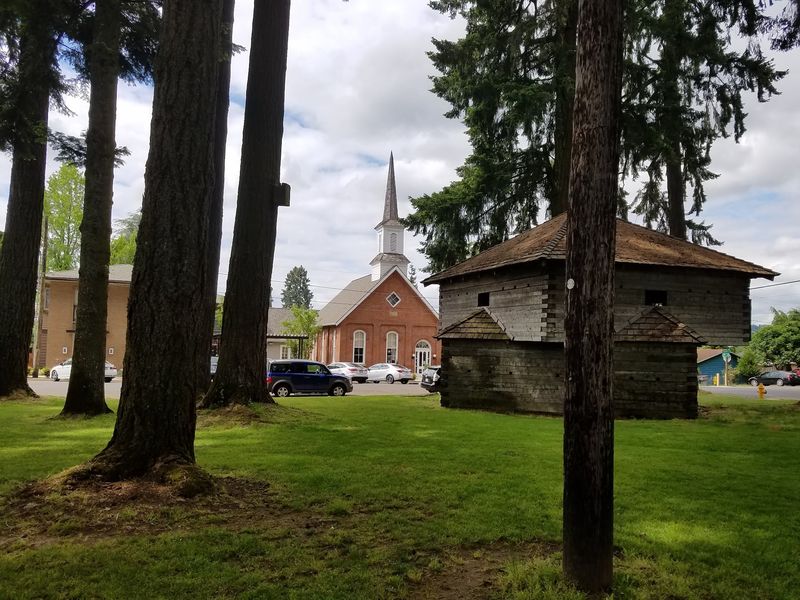
Dayton holds a quiet pride in being one of Oregon’s oldest officially platted towns, laid out as far back as 1850. It also carries the distinction of being the first city in the state designated as a national historic resource. Those are impressive credentials for a town that most travelers roll past without stopping.
A self-guided walking tour threads visitors past historic homes and buildings. Many of them are listed on the National Historic Register. Courthouse Square Park serves as a living history corner. It holds artifacts like the Fort Yamhill Blockhouse, which was relocated there in 1911.
Brookside Cemetery adds a contemplative layer to the visit. It is the final resting place for many of Dayton’s pioneers, including founder Joel Palmer.
The town has worked steadily on storefront improvements and building restoration without sacrificing its authentic character. It still feels earned rather than manufactured. Dayton is the kind of place that quietly surprises you.
7. Baker City
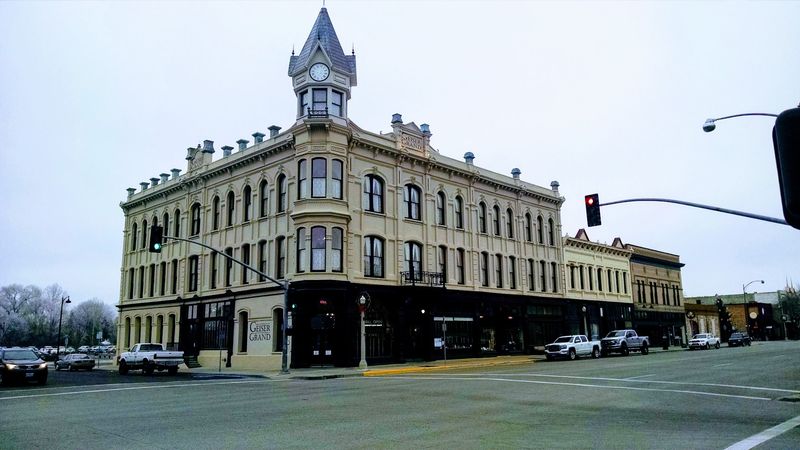
Baker City once called itself the “Paris of the Northwest”. That nickname did not feel like much of a stretch at the turn of the 20th century. Gold was discovered nearby in 1861. The prosperity that followed produced some of the most impressive architecture in all of Eastern Oregon.
Over one hundred buildings from that era are listed on the National Register of Historic Places.
The Geiser Grand Hotel, which opened in 1889, is the showstopper. Mahogany columns, Viennese chandeliers, and a majestic stained-glass skylight create an interior that feels genuinely grand.
It once held a reputation as the finest hotel between Portland and Salt Lake City. A visit makes that claim easy to believe.
Most of the historic structures here were built between 1880 and 1915, giving the district a cohesive turn-of-the-century atmosphere that is hard to replicate anywhere else. Baker City feels like a chapter of American history you can actually walk around inside.
8. Dufur
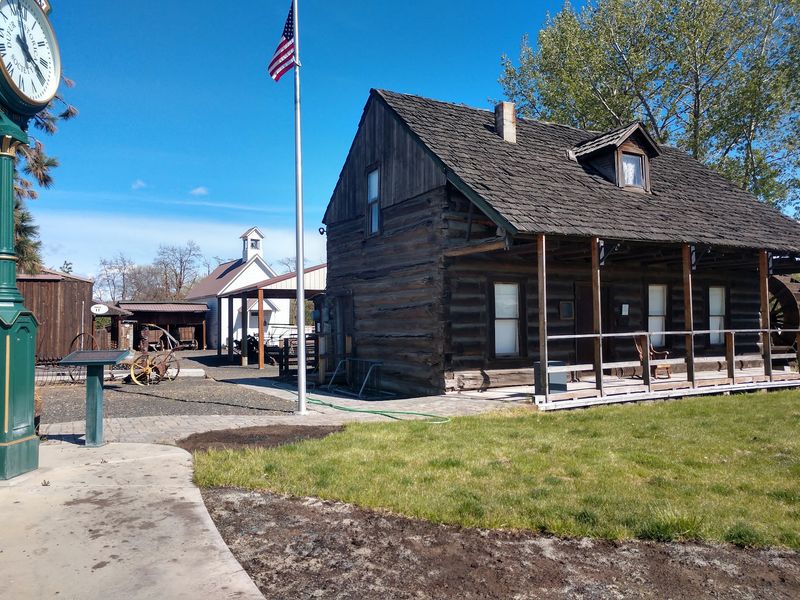
Dufur is the kind of town where the rooster probably still wakes people up in the morning. Originally called “Fifteenmile Crossing” for its position along the Barlow Road segment of the Oregon Trail, this agricultural community has kept its pioneer roots closer than most.
The surrounding landscape of dry-land wheat fields stretches out in every direction, giving the whole place an open, unhurried quality.
The Dufur Historical Society restored the 1901 Schreiber log cabin. They turned it into the Dufur Living History Museum. There, pioneer-era farm implements and exhibits tell the story of early settlement in the region.
The annual Dufur Threshing Bee brings traditional farming methods back to life in a way that feels genuinely celebratory rather than performative. I loved that it was still a community event, not a tourist production.
Locals often describe the town as having an “Andy Griffith Show” charm, and that comparison holds up surprisingly well. Life here moves at its own pace. Nobody seems to mind.
9. Shaniko
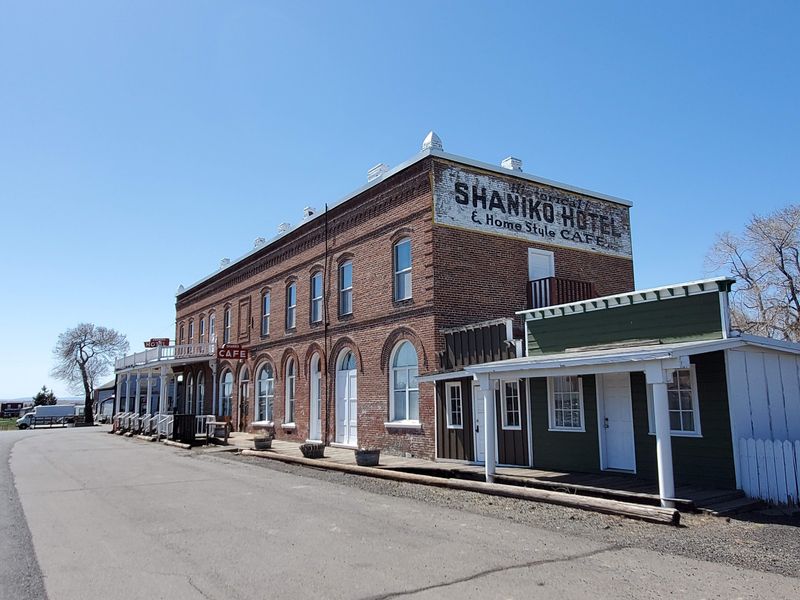
Shaniko is the kind of place that stops you mid-sentence. Once celebrated as the “Wool Capital of the World” in the early 1900s, this high desert community processed and shipped enormous quantities of wool. Then a new railway route came along and redirected everything, and Shaniko simply… stopped.
Today it is often described as a living ghost town, and the label fits without being gimmicky. The Shaniko Hotel, originally built between 1900 and 1902 as the Columbia Southern Hotel, remains the most imposing structure in town.
It once housed lodging, banking, a stagecoach stop, and a dance hall all under one roof. The three-room schoolhouse from 1901 has been restored and now serves as a community hall.
There is a haunting stillness to Shaniko that most travelers find unexpectedly moving. The buildings do not pretend to be anything other than what they are: honest remnants of a boom that went quiet. That honesty is its own kind of beauty.
10. La Grande
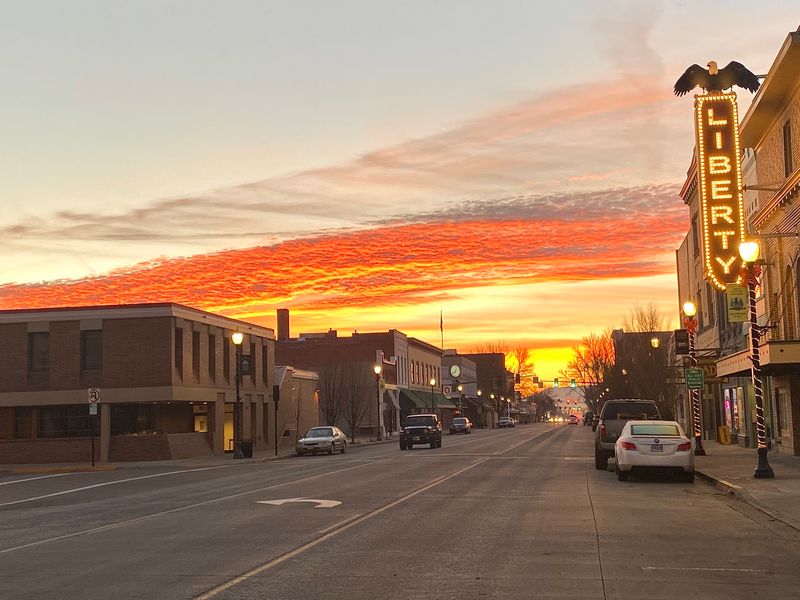
La Grande moves at a pace that feels borrowed from an earlier century, and the downtown makes that feeling completely believable. The Commercial Historic District was officially recognized in 2001, locking in the significance of streets lined with brick buildings that date mostly to the early 1900s.
Old theaters and classic diners have held onto their original character with impressive stubbornness.
The Slater Building, dating to around 1891, features Romanesque and Italianate architectural details that make it one of the most visually interesting structures in Eastern Oregon. It is listed on the National Register of Historic Places, as is the Liberty Theater, built in 1910.
Both buildings anchor a streetscape that genuinely feels like a postcard from a hundred years ago.
Eastern Oregon towns like La Grande often get overlooked in favor of the coast or the Cascades. That is a mistake worth correcting. The slower rhythm here does something good for your sense of time, and the architecture gives you plenty to look at while you settle into it.
11. John Day
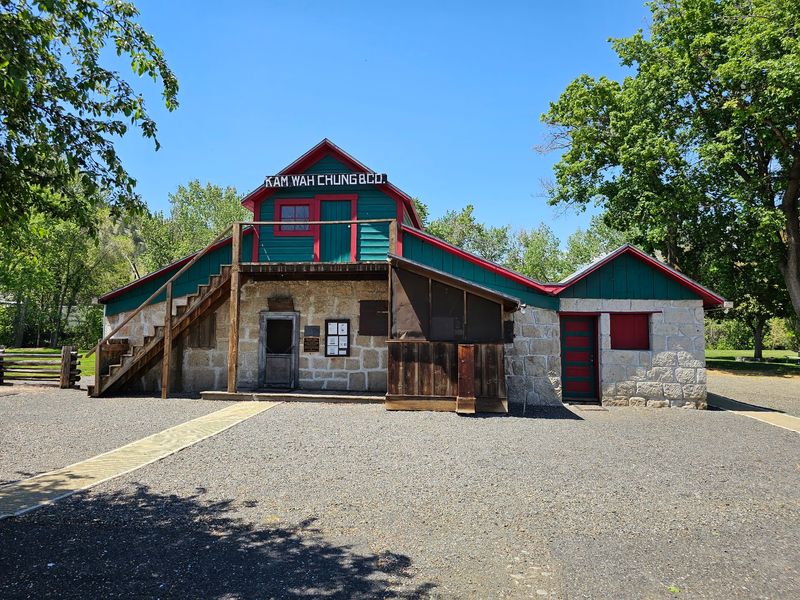
John Day carries its gold rush history with a kind of quiet dignity that sets it apart from flashier mining towns. The main street holds historic buildings that trace their origins back to the mid-1800s, but the most extraordinary stop here has nothing to do with gold at all.
The Kam Wah Chung and Co. Museum is in a category entirely its own.
Built around 1866, the building served as a trading post before evolving into a commercial, social, and spiritual center for the Chinese community in the region. Today it is a National Historic Landmark, and the interior is almost impossible to describe without sounding like you are exaggerating.
Thousands of untouched artifacts, traditional medicines, hand-written letters, and personal objects remain exactly where they were left, preserved as if time simply forgot to move forward.
The experience of walking through that space is one of the most affecting things I have done in Oregon. John Day is small, but it holds a story that reaches far beyond its borders.
12. Cottage Grove
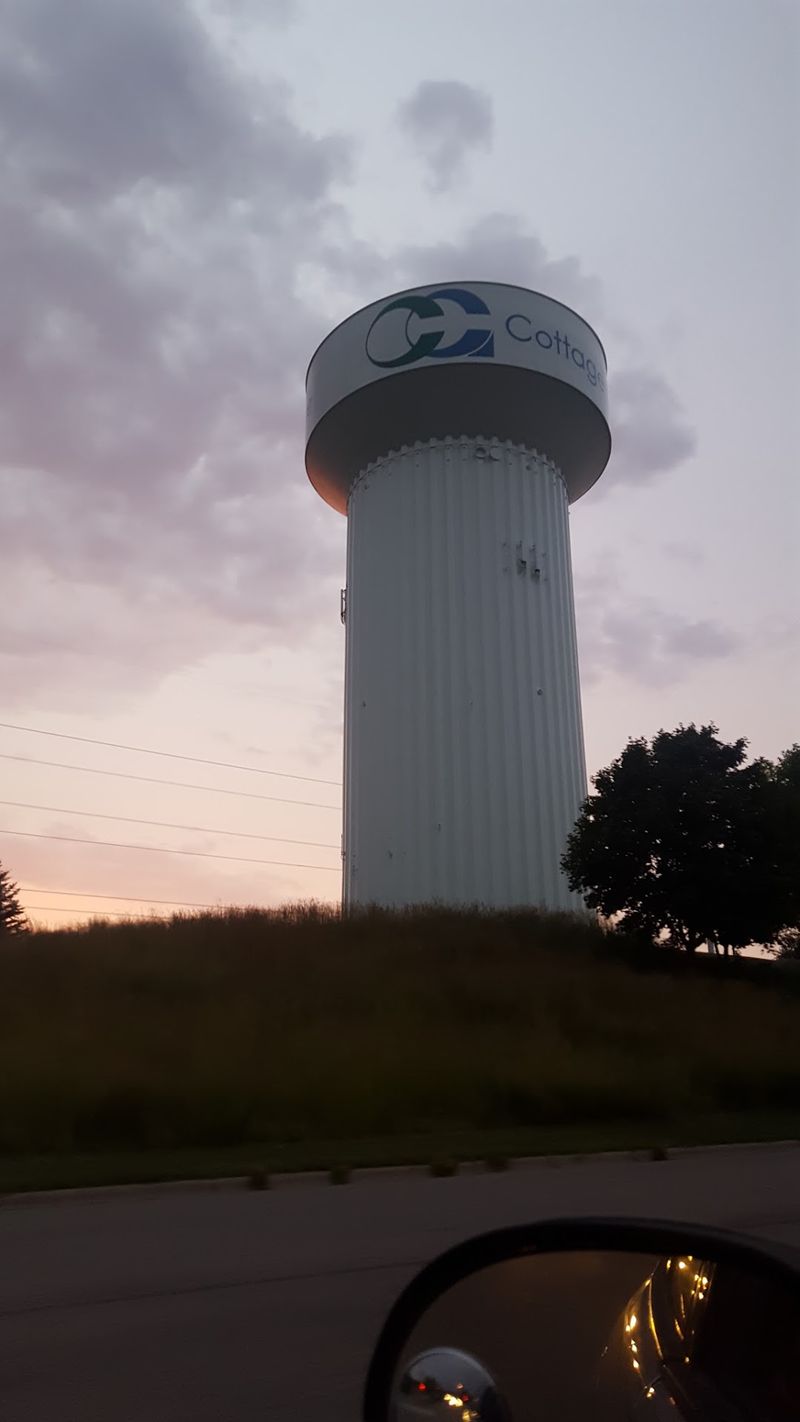
Cottage Grove earned its title as the “Covered Bridge Capital of Oregon” the old-fashioned way: by actually having the bridges to back it up. Six covered bridges survive in and around the area, including the Mosby Creek Bridge from 1920, the oldest surviving covered bridge in Lane County.
The Chambers Railroad Bridge is even rarer, holding the distinction of being the only remaining covered railroad bridge in all of Oregon.
The town began as a small settlement along the Oregon Trail and grew into a logging and rail transport hub. Its Main Street commercial district is recognized for holding the most intact collection of early 20th-century buildings in Lane County.
The Cottage Grove Museum occupies a unique octagonal building from 1897 and is listed on the National Register of Historic Places.
There is a relaxed creative energy here that feels both historic and alive. Cottage Grove does not feel stuck in the past. It just never saw a reason to abandon what was already working.
